
Reviewed · TEA CEREMONIES
Kyoto Newly Opened Tea Ceremony – Sanjo Chasuian
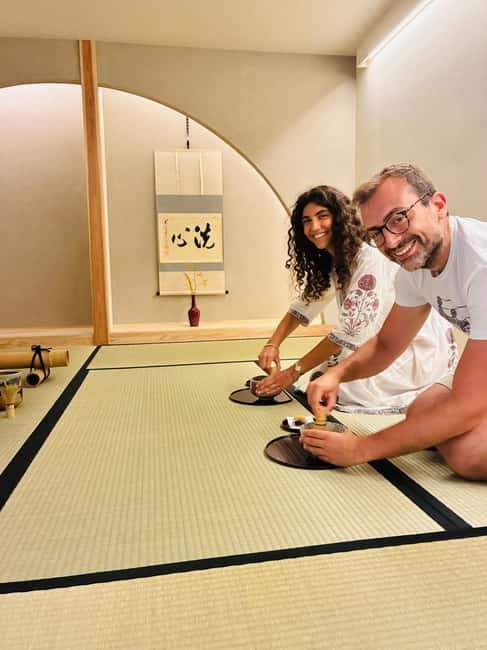
This newly opened Kyoto tea ceremony at Sanjo Chasuian is interesting because it is both ritual and hands-on practice. You get step-by-step help with matcha whisking, then you actually make your own tea. The Nijiriguchi crawl-in entrance also turns the whole experience into a calm, focused little world.
I also like that the pacing is tight and sensible for a 1-hour slot: you watch the host do it well, then you do it yourself, and you finish with a sweet treat. One drawback to keep in mind: the start time is strict. Entry is allowed only from 5 minutes before, and once it begins the door locks, so even 1 minute late means you cannot join and there is no refund.
Key things I’d circle before you go
- Make your own matcha, not just watch, with a choice of tea bowl and whisk
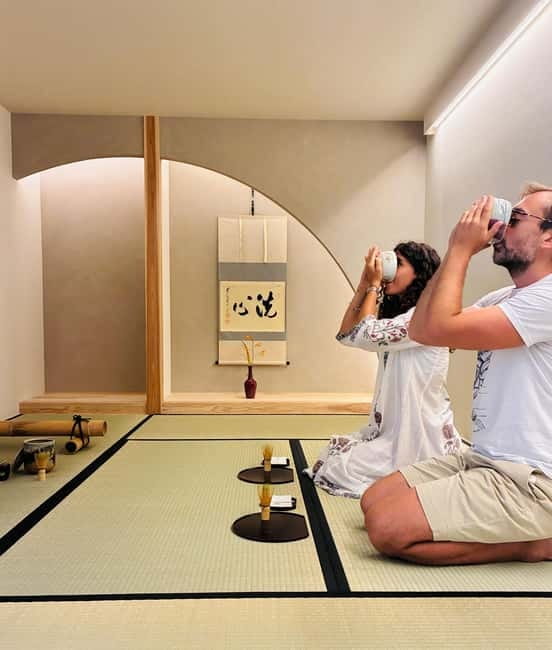
- Two servings of matcha, one prepared by the host and one you whisk
- Nijiriguchi tea room entrance, a fun ritual detail that slows you down instantly
- Seasonal Japanese sweets included, ordered for the ceremony rhythm
- Maximum 10 travelers, which usually means more questions and more personal coaching
- Socks required, plus a quiet setting where you will sit close to the action
Sanjo Chasuian and the Nijiriguchi tea room feel
Kyoto tea ceremonies can be formal and intimidating on paper. This one is designed to feel manageable. The setting is quiet, with the tea room built around the ceremony itself, not around entertaining a crowd.
The standout setup detail is the Nijiriguchi. This is the crawl-in entrance that makes you lower your head and leave the outside world behind. You literally transition from street speed to tea time. It is also a good reminder that the ceremony is about attention, not performance.
The room is also practical. Chairs are available, which helps if floor sitting is a dealbreaker for you. Still, expect that you may spend part of the hour seated on the floor, so come prepared for a bit of stillness.
Finally, cleanliness is part of the vibe here. Several people note the space feels very clean and newly set up, which matters because you are going to sit, look closely, and handle utensils during your matcha practice.
More Tea Ceremonies in Kyoto
- Kyoto: Tea Ceremony in a Traditional Tea House in Kiyomizu
★ 4.9 · 3,519 reviews - Kyoto: Tea Ceremony Ju-An at Jotokuji Temple
★ 4.9 · 3,207 reviews - Kyoto: 45-Minute Tea Ceremony Lesson Experience
★ 4.3 · 2,378 reviews
Your hour on the clock: what happens, in what order
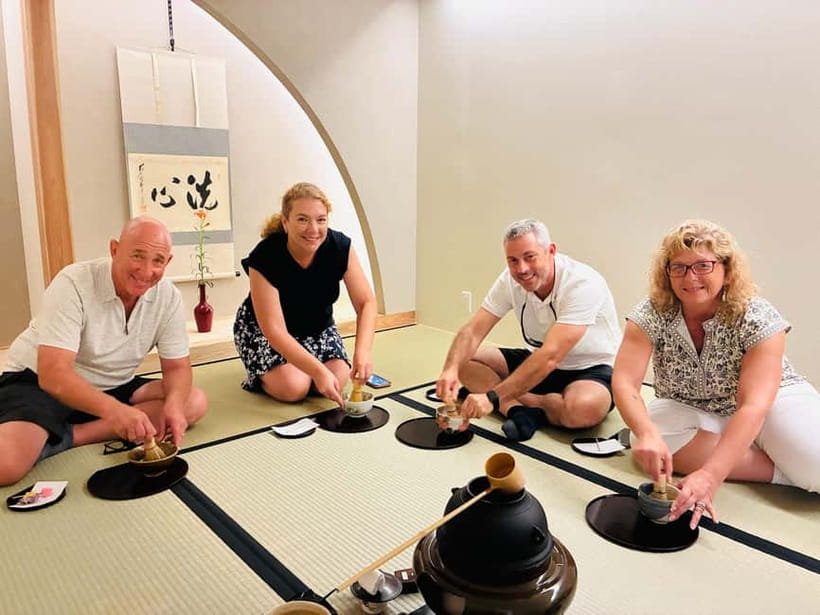
This experience is about 1 hour (approx.), and the flow is pretty clear: welcome, guidance, demonstration, hands-on practice, then tasting and sweets.
Here is the most realistic way to picture your timing:
1) Arrive early and get seated
You are allowed entry from 5 minutes before the start time. Once the session begins, the door locks. That means you should build in buffer time from the nearest transit stop.
2) A guided intro before the whisking
The tea master explains the history, culture, and meaning behind the tea ceremony steps, not just the motions. You also get step-by-step coaching during the key actions, which is what turns matcha from a drink into a skill.
3) Watch the host prepare matcha first
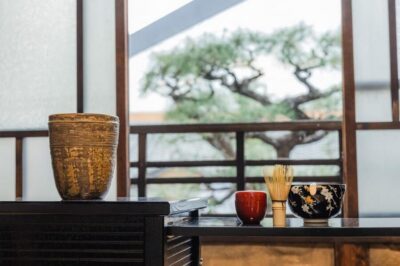
You will see the matcha made with traditional utensils and techniques. This is not a vague show-and-tell. You watch the movements closely because you will copy them.
4) Then you get to make your own cup
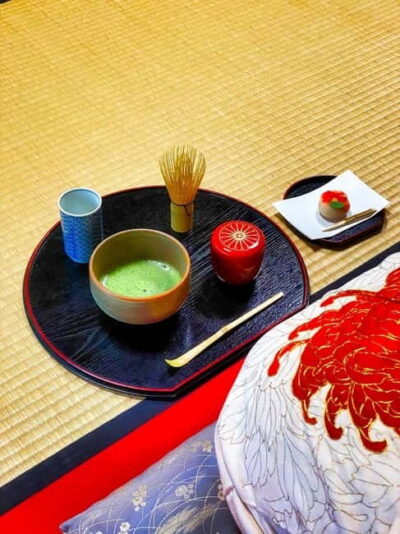
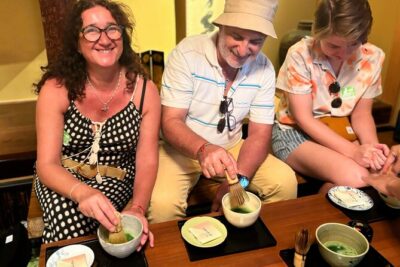
This is the part that many tea ceremonies skip or rush. Here you choose a tea bowl and whisk your own matcha.
5) You drink two bowls
You get two servings total. One is prepared by the host. The second is yours, whisked by you (or with a companion, if the class format allows pairing).
6) Seasonal sweets come along with the tasting
Japanese sweets are included, chosen for the seasonal feel of Kyoto. Expect them to be served in a way that supports the ceremony pacing, not dumped on the table like a snack bar.
Even if your Japanese is limited, the experience is structured so you are not lost. People specifically praise clear English and the chance to ask questions.
Matcha prep you can actually repeat at home
Here is what you should hope to walk away with: not just a story, but process. The goal is that you understand what you are doing and why.
Step-by-step matcha technique (the useful kind)
The tea master breaks down the movements and the reasoning behind them. That matters because whisking matcha is where most beginners go wrong. If you only learn the final result, you will struggle to recreate it.
In this session, you:
- Choose a tea bowl
- Practice whisking using the traditional tools
- Learn the rhythm of the motions, guided by the host’s pace
And because you are doing it yourself, you get immediate feedback from the situation. If your whisking is uneven or your timing feels off, the coaching during the ceremony helps you adjust.
A change of pace from Kyoto:
- PERFECT KYOTO 1-Day Bus Tour
★ 5.0 · 13,518 reviews - Kyoto: Fushimi Inari, Kinkakuji, Bamboo Grove 1 Day Bus Tour
★ 4.8 · 4,316 reviews - Kyoto Geisha Walking Tour: Gion District & Hidden Gems
★ 4.7 · 3,273 reviews - Kyoto: Gion Magical Night Walking Tour with Geisha Trivia
★ 4.9 · 2,393 reviews
Two bowls, two roles: host and student
You are not just tasting what someone else made. You taste and compare. One cup is prepared by the host. The other becomes your practice bowl.
That contrast is a smart teaching method. It shows you what professional technique can change in the feel and texture. It also makes you more confident because you get to see your starting point and then build from it within the same hour.
The sweets are not an afterthought
This tea ceremony includes traditional seasonal Japanese confectionary. The sweets come from a Kyoto sweet shop with a long history (over 100 years), and they are served as part of the ceremony flow.
In practical terms, sweets do two things for you:
- They give you a taste contrast to the matcha, so the tea does not feel too heavy or too bitter on its own.
- They help settle your senses. The ceremony is meant to be quiet and unhurried. A carefully chosen sweet keeps the experience from feeling like a technical workshop.
Also, people mention the sweets are beautiful as well as delicious, which is part of Kyoto’s charm. They are not just sugar. They are presented like part of a seasonal moment.
Seating, socks, and the strict start time reality check
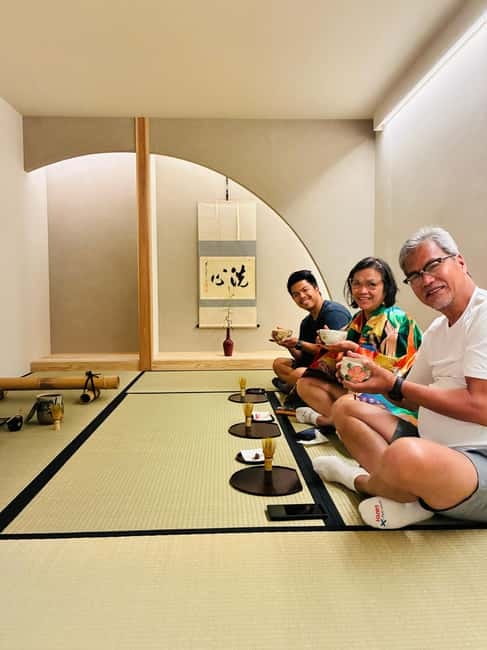
A tea ceremony is peaceful, but the rules are real. The main one is timing.
- Entry is allowed from 5 minutes before the start time.
- Once the session begins, the door is locked.
- Even 1 minute late means you cannot join, and there is no refund.
This is the biggest potential gotcha, especially if you are hopping off buses or walking from a nearby attraction with crowds.
Socks are required
You must bring or wear socks during the experience. This is easy, but it is also the kind of thing that can ruin your plans if you forget. If you tend to walk around Kyoto barefoot or in sandals with no socks, pack them.
Floor sitting vs chairs
You may spend time seated on the floor. The good news is that chairs are available, so you can choose what is comfortable for you. If you have knee or back issues, plan for a chair option and arrive early so you can settle in.
Small-group size means more than just less crowding
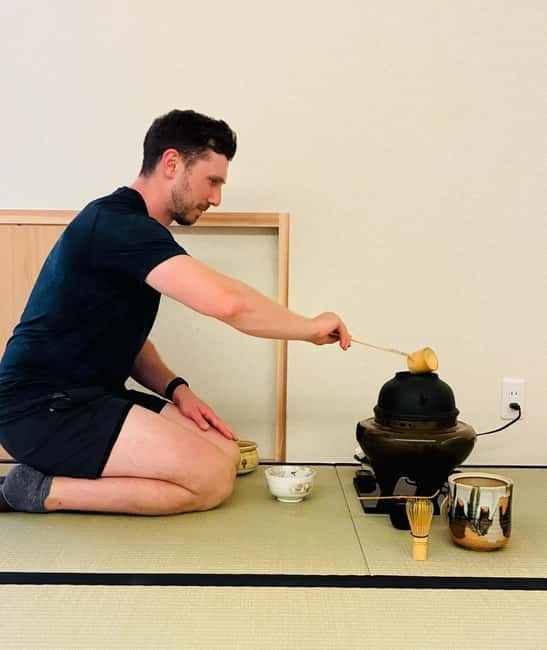
This class caps at 10 travelers. That number matters.
In a small room, you get:
- More chances to ask questions
- Better chance to watch closely without feeling pushed to the side
- A better teacher-student rhythm, because the host can actually correct technique
Several participants highlight how kind, patient, and welcoming the staff is, along with the ability to ask questions. That lines up with the small-group format. In other words, you get less performance and more teaching.
Also, the tone is calm and friendly. That is not trivia. It affects how well you learn. If you feel rushed or embarrassed, your whisking goes downhill. Here, the pace is built to help you focus.
Dress-up options and where shopping fits in
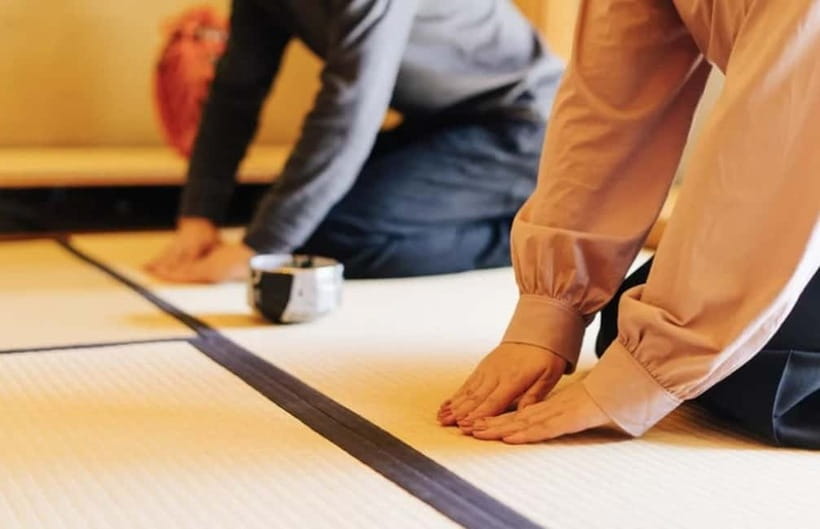
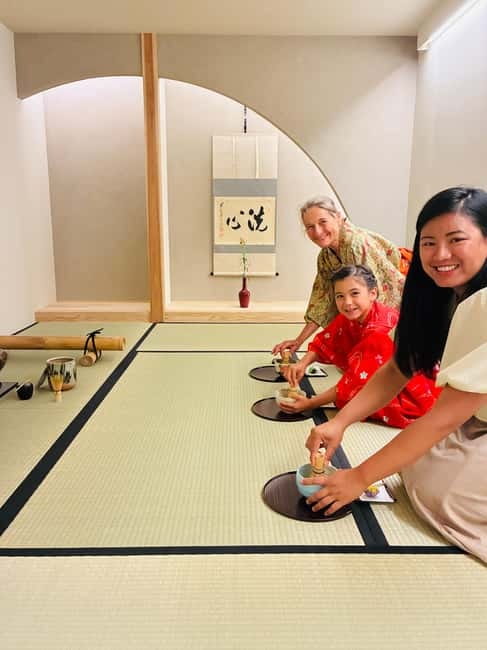
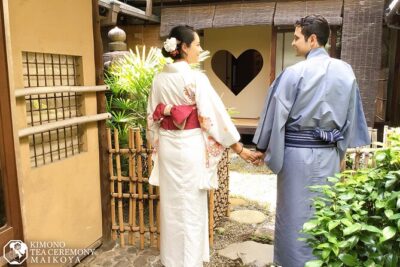
Kyoto loves a little dressing-up. In some sessions, there is an option to wear a traditional coat, including an uchikake used for formal ceremonies. It is not required, but it can make great photos and adds to the ritual feeling.
After the ceremony, you can often buy matcha and tea-related items, including tea bowls and select goods. That part is useful if you want to keep the skill going at home. Matcha quality matters, and it is nice to take home the right tool for the job.
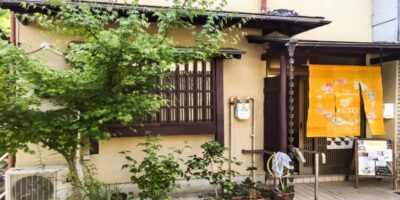
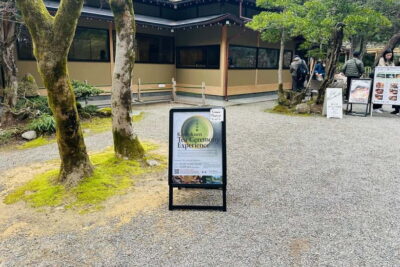
One more practical tip: if you are using Google Maps, you might be guided onto a smaller side street. A helpful landmark cue is a green matcha ice cream cone in front of the area you want. Use it as a quick sanity check when you get close.
Price and value: why $32.77 makes sense
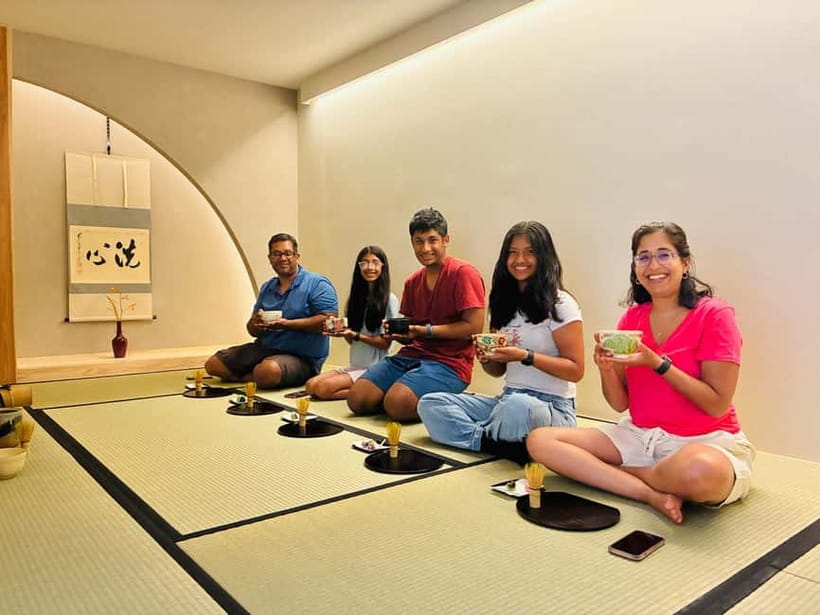
At $32.77 per person, this is not the cheapest activity in Kyoto, but it also is not trying to be a long tourist show. Here is why the value works:
- You get two cups of matcha, not just one taste.
- You make matcha yourself, which is the core skill of the experience.
- You also get seasonal Japanese sweets included.
- The group is small, which makes the instruction more useful.
- The time is about 1 hour, so it fits cleanly into a day without stealing your whole afternoon.
If you are the kind of traveler who wants souvenirs, you could buy matcha later anyway. But if you want the skill, the utensils you learn with, and the cultural meaning, the price feels fair for what you get.
The only value risk is the strict start time. If you think you will be late because of transit or crowds, you might hesitate. Arrive early and you protect the value.
Who should book this Kyoto tea ceremony, and who should skip it
This tea ceremony is a strong fit if you:
- Are doing your first Kyoto tea ceremony and want real instruction
- Want a calm break from sightseeing
- Care about learning how to make matcha, not just tasting it once
- Prefer smaller group experiences
It may be less ideal if:
- You cannot manage floor seating and chairs are not an option for you
- You hate strict timing rules and tend to run late
- You want a long, sightseeing-style tour (this is a focused, quiet session)
If you are staying around the Nijo Castle area, you may find it convenient to reach on foot, which helps if you are planning a gentle evening or pairing it with other nearby stops.
My call: should you book Sanjo Chasuian?
Yes, if you want a Kyoto tea ceremony that teaches matcha technique in a small, calm room. The biggest reasons to book are simple: you get hands-on whisking, two matcha bowls, and seasonal sweets, all in about an hour.
Before you go, do two things:
- Put socks in your day bag.
- Plan to arrive early so you are inside the door before it locks at start time.
If those are easy for you, this is a high-value way to experience Kyoto culture without turning it into a rushed checkpoint.
FAQ
Where is the tea ceremony meeting point?
The meeting point is at Tea Ceremony & Sake Tasting Kyoto – Sanjo Chasuian, 324-2 Sanjōchō, Nakagyo Ward, Kyoto, 604-8205, Japan.
How long does the Kyoto tea ceremony last?
It runs for about 1 hour.
How many people are in the group?
The maximum group size is 10 travelers.
What is included in the price?
You get two cups of matcha from Kyoto, including one made by the host and one you make yourself, plus traditional seasonal Japanese confectionary.
Do I get to make matcha myself?
Yes. You choose a tea bowl and whisk your matcha during the hands-on part of the ceremony.
Is there a Nijiriguchi entrance?
Yes, the tea room has a Nijiriguchi, which is the crawl-in entrance used for the ceremony.
Are chairs available, or do I have to sit on the floor?
Chairs are available, though you may still spend time seated on the floor depending on how the space is arranged.
Do I need to bring socks?
Yes. You are asked to bring or wear socks during the experience.
How strict is the arrival time?
Entry is allowed from 5 minutes before the start time. Once the session begins, the door locks, and even 1 minute late means you cannot join and no refund is given.
Can I get a refund if I cancel?
Free cancellation is available up to 24 hours in advance for a full refund. If you cancel within 24 hours, you do not get a refund.
Latest write-ups near Kyoto
- Kyoto: Nishiki Market Tour with a Local Foodie & Tastings★ 4.5 · 67 reviews
- Kyoto Kimono Rental mimosa |Kimono/Yukata Rental Couple Plan★ 4.8 · 67 reviews
- Kyoto: Traditional Kimono Fabric Handicrafts Workshop★ 5.0 · 67 reviews
- Kyoto Tea Ceremony and Samurai Photo Session★ 5.0 · 70 reviews
- Kyoto: Replica food making experience★ 4.8 · 70 reviews
- Kyoto: Kinkakuji, Golden Pavilion Guided Tour★ 4.7 · 71 reviews
- Private departure transfer from Kyoto city to Kansai International airport★ 5.0 · 72 reviews
- Uji: Green Tea Tour with Byodoin and Koshoji Temple Visits★ 4.8 · 72 reviews
Tea Ceremonies, compared.
Tea Ceremony in a Traditional Tea House in Kiyomizu
Read our review →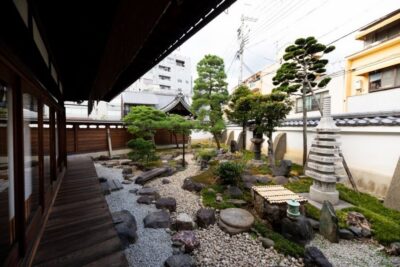
World Heritage Kyoto & Nara Uji Authentic Matcha Experience
Read our review →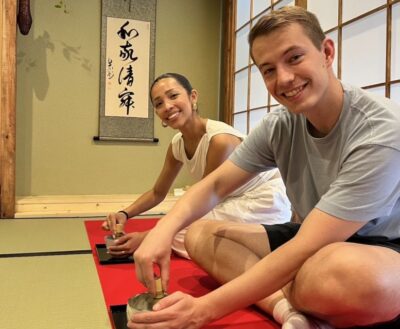
Browse the lists this tour appears in