
Reviewed · TEA CEREMONIES
Uji: UNESCO Heritage & Tea Ceremony Walking Tour
Uji has a way of feeling quieter and more handmade than many famous Japan stops, and this Uji UNESCO Heritage & Tea Ceremony Walking Tour puts that mood front and center. The big draw is mixing iconic temple culture with tea practice in real places, not staged ones.
I especially like how the tour threads together Byodo-in Temple (UNESCO) with Uji’s shrine world, so you understand why this town matters. I also like the small-group format, and in past tours guides such as Yuko and Miyake-san have made time for questions and pointed people toward good matcha and mochi options afterward.
One consideration: the tea ceremony is Japanese only and photography is prohibited during the ceremony, so you’ll want to be ready to listen instead of record.
Key things to know before you go
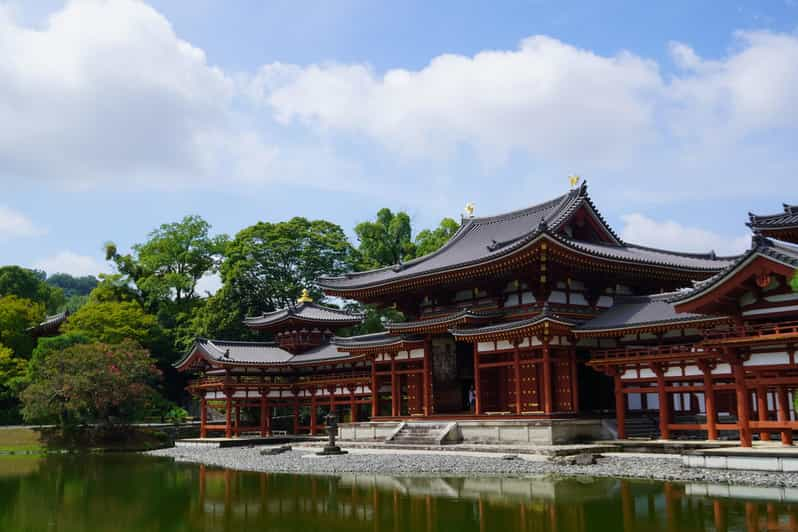
- Byodo-in Temple is the UNESCO anchor, with a guided visit that helps you read what you’re seeing
- Taihoan tea ceremony focuses on proper etiquette, not just tasting matcha
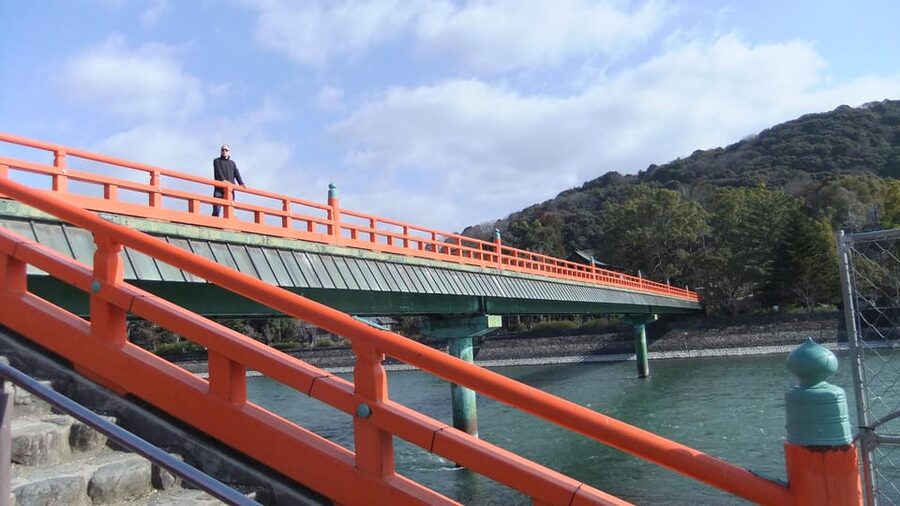
- Suspension bridges (Tachibara and Asagiri) give you open views over Uji, perfect for photos when you’re not inside the ceremony
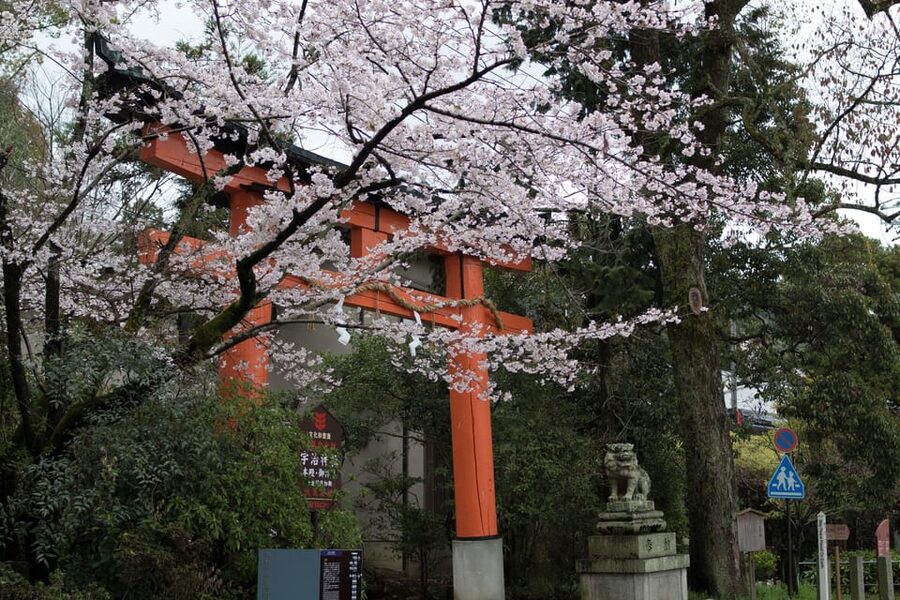
- Two shrine visits (Uji Shrine and Ujigami Shrine) show the Shinto side of Uji alongside the Buddhist sights
- Time for local snacks near the end, with a guided walk across to Uji Bridge to wrap the day nicely
- Small group of up to 9 means the guide can actually keep the pace calm and the questions flowing
Meeting at JR Uji Station, then walking at a human pace
This tour starts at JR Uji Station (South Exit). Your guide will be waiting there in a TripGuru shirt or holding a TripGuru sign, which makes it easy to spot each other. I recommend arriving about 10 minutes early, because it keeps your morning from turning into a stress-fest.
The whole experience runs about 3 hours. That’s long enough to see the key highlights (temple, tea, shrines, bridges), but short enough that it still feels doable even if you’re coming from somewhere else in the Kyoto area.
You’ll want comfortable shoes, because it is still a walking tour, including bridge crossings and temple-and-shrine areas that can involve steps and uneven surfaces. The tour is also limited to English speaking support, so if you prefer a relaxed rhythm with translation help, this one is built for you.
Also, plan for timing variability. The tour notes that morning traffic can be heavier than what navigation apps predict, which is a reminder to build in a little buffer day-of.
More Historical Tours in Kyoto
- Kyoto Gion: 2-Hour Geisha Culture & History Walking Tour
★ 5.0 · 1,186 reviews - Kyoto Gion Historical Walking Tour
★ 5.0 · 188 reviews - Historical Kyoto E-Bike Tour
★ 5.0 · 181 reviews
Byodo-in Temple: the UNESCO stop that sets the tone
Your first major stop is Byodo-in Temple (often written Byodoin or Byodo-in). You’ll get a guided visit here, about 50 minutes, and entrance fees to this site are included.
This is the place to slow down. Even if you’ve seen temple photos before, the guided approach helps you connect architecture and layout to what the site represents. The tour gives you context about Uji itself before you’re standing in front of the structures, so the buildings don’t feel like random sightseeing blocks.
Practical note: you’ll be outside and walking around before the tea ceremony, so dress for normal walking weather. Bring your camera, but remember that the tea ceremony has a strict no-photo rule later.
I like that this stop is not rushed. You’re not sprinting from a gate to a gift shop. You’re actually learning how to look.
Taihoan tea ceremony: etiquette first, photos never
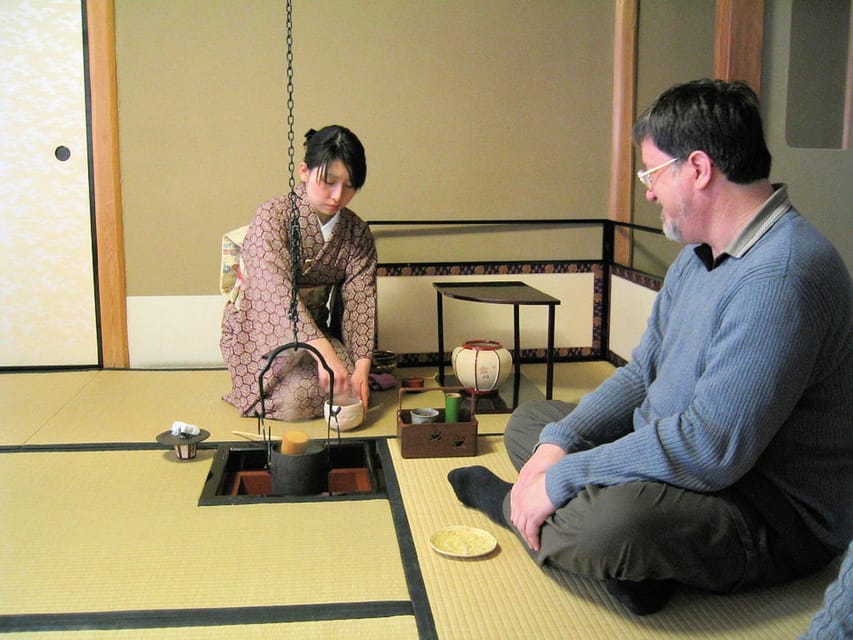
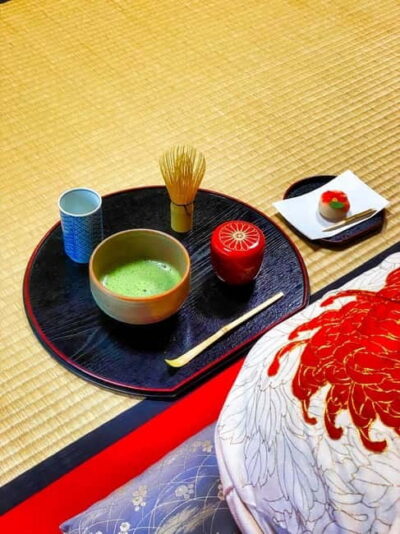
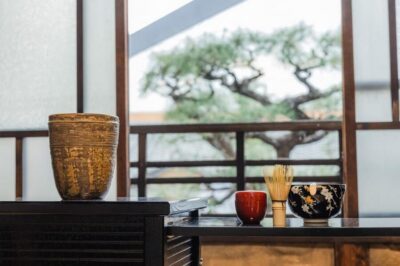
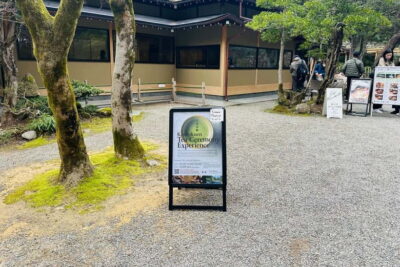
Next comes Taihoan, where you’ll take part in a traditional tea ceremony. You’ll spend about 40 minutes on the tea portion of the schedule, and the included tea time is listed as 30 minutes, so either way, plan for a meaningful sit-down break rather than a quick tasting.
Here’s the big difference between watching tea culture and practicing it. During the ceremony, photo and video recording is prohibited, and the ceremony is conducted in Japanese only. Your guide translates for you, so you can follow what’s happening even if you don’t read Japanese.
This is one of the most praised parts of the experience, and it makes sense. The ceremony emphasizes correct movements and behavior, with clear instructions on what to do. In past tours, guides have shown patience if something doesn’t go perfectly, which matters because tea etiquette is easy to get wrong if you’re tense.
If you want to get the most out of this part, do two things:
- Put your phone away during the ceremony time. Let your attention reset.
- Treat it like a lesson, not just a drink.
When you finish, you’ll feel like you understand matcha as a cultural practice, not a novelty souvenir.
Crossing Tachibara and Asagiri suspension bridges for Uji views
After tea, you’ll continue with a short walk and then cross the Tachibara and Asagiri suspension bridges. This portion is about scenery and orientation: you’re moving from the calm of ritual to open air views.
Bridges might sound like a filler stop, but here they work as a visual palate cleanser. You get a better sense of how Uji is laid out, and those crossing views make photos worthwhile when permitted. The best part is that it’s not just a random walk, it’s timed between cultural stops so your brain gets both stimulation and space.
This also becomes useful if you plan to explore Uji on your own afterward. After seeing the bridges and getting your bearings, you’ll have an easier time navigating the area and spotting where tea shops and snack stalls cluster.
One more practical thing: since the tour includes bridge crossings, keep a steady pace and watch your footing. This is not the kind of outing where sandals and slippery soles are a good idea.
More Tea Ceremonies in Kyoto
- Kyoto: Tea Ceremony in a Traditional Tea House in Kiyomizu
★ 4.9 · 3,519 reviews - Kyoto: Tea Ceremony Ju-An at Jotokuji Temple
★ 4.9 · 3,207 reviews - Kyoto: 45-Minute Tea Ceremony Lesson Experience
★ 4.3 · 2,378 reviews - Kyoto: Table-Style Tea Ceremony at a Kyo-Machiya
★ 4.9 · 1,211 reviews
Uji Shrine and Ujigami Shrine: seeing the Shinto side
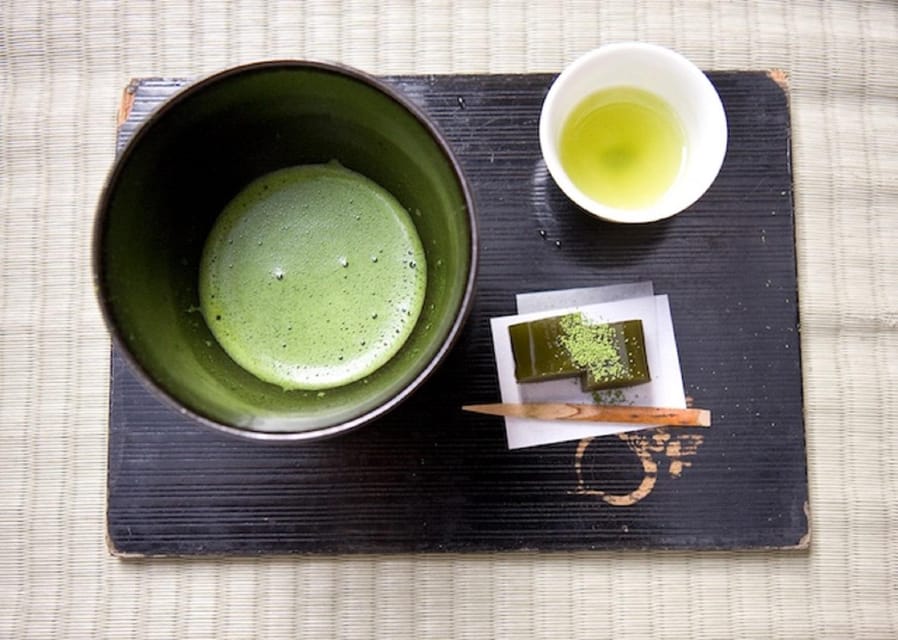
The tour then heads to the spiritual heart of Uji with visits to Uji Shrine and Ujigami Shrine, guided visits of about 20 minutes each.
These stops matter because they balance the Buddhist focus of Byodo-in. Japan’s religious life often mixes traditions in the same region, and Uji is a great example of that. With a guide talking through what the shrines mean and what to notice, you’ll get more from the space than just looking at structures.
I also like that the shrine portion is not framed as a checklist. It’s a chance to slow down again, step back, and recognize that the city’s identity is tied to ritual and community traditions, not only famous buildings.
If you’ve read a little about Shinto or Buddhism before arriving, you’ll find this part especially grounding. If you haven’t, it still works, because the guide is there to explain the cultural significance as you go.
Snack time near Uji Bridge: using your cash wisely
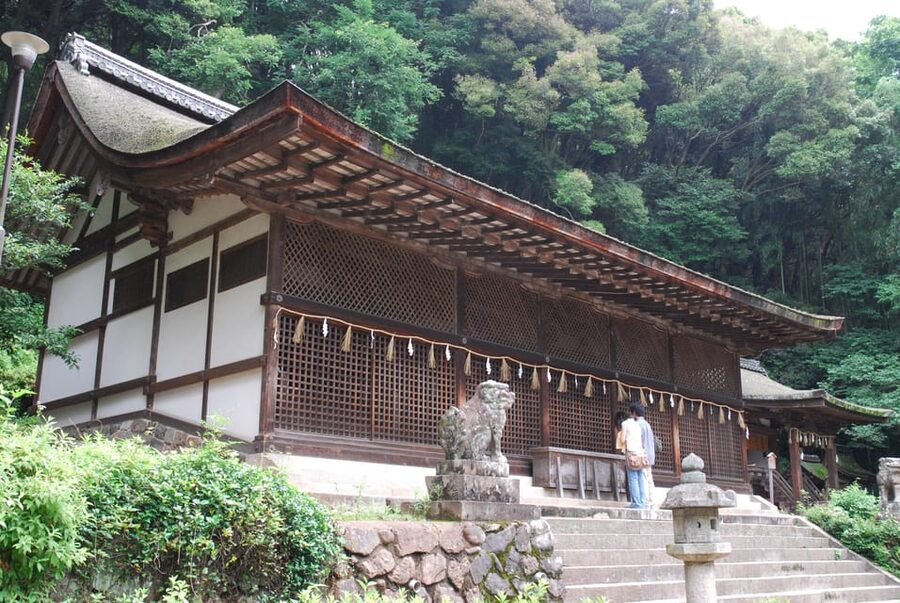
Later, the tour includes a local snacks stop for about 40 minutes. This is where Uji’s tea culture becomes practical and edible. You’ll have time to taste local flavors tied to Uji’s renowned green tea, and you’ll also have a chance to sample common treats like mochi and matcha-based sweets.
One key detail: snacks are not listed as included. So bring cash, and don’t plan to rely on card payments at every small stand. The tour advises cash, which is a helpful hint that you’ll probably be buying a few small things rather than one big meal.
I like this setup because it turns the tea knowledge from Taihoan into something you can taste. Once you’ve seen and understood the tea ceremony etiquette, matcha sweets make more sense. You’re not just eating sugar, you’re tasting a local craft.
After snack time, you’ll finish your walk at Uji Bridge. That ending point is satisfying because it feels like a natural wrap-up, with the bridge area giving you one last photo moment and a clean place to end the tour.
Price and value: what $66 buys in real terms

At $66 per person for a 3-hour small-group experience, the value comes from three things working together.
First, you get a guided walk that connects the dots between Uji’s history, temple architecture, shrine meaning, and tea culture. Without guidance, you can still visit Byodo-in and see the bridges, but you’d miss the why behind it.
Second, the tour includes the tea ceremony and Byodo-in entrance fees. That reduces the “surprise add-ons” problem. Tea ceremonies often aren’t the cheapest activity on their own, and here it’s built into the walking plan.
Third, the group size matters. This tour is limited to 9 participants, which helps the pace stay humane and makes it easier to ask questions. In past experiences with guides like Yuko and Nobumasa Miyake, the conversation has included practical recommendations for matcha shops and mochi shops, plus restaurant suggestions. Those are the kind of extras that can save you time and money after the tour.
Are there tradeoffs? Yes. You’re paying for structure, and that structure includes rules around the tea ceremony (no photos). If you want total freedom to wander at your own pace and keep filming everything, this might feel slightly restrictive.
Who should book this Uji walking tour
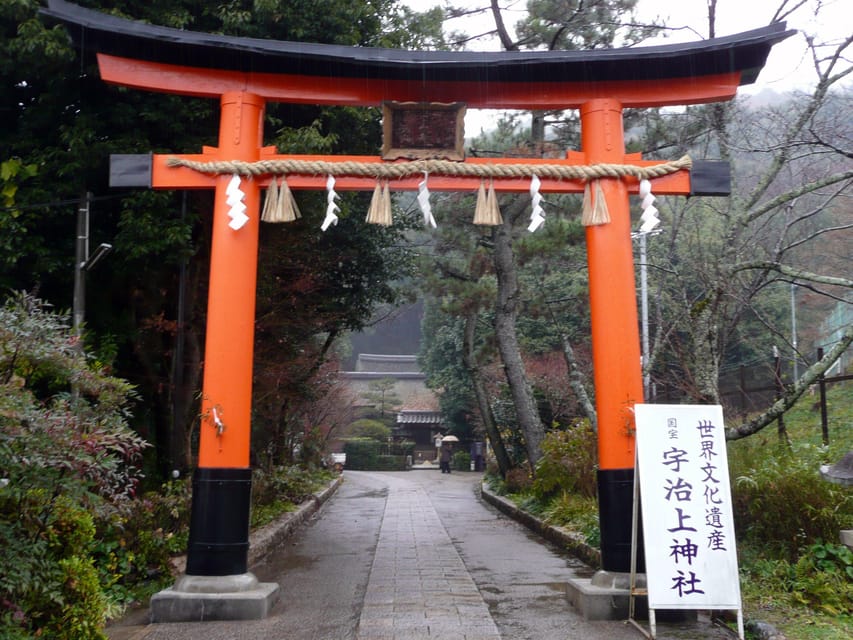
This is a strong choice if you:
- Want to see Byodo-in and the tea culture in a single half-day plan
- Prefer guided context over self-guided wandering
- Like small groups where you can actually talk with the guide
It’s also a good fit if you’re staying near Kyoto or Osaka and want an easy day trip feel without cramming in too many stops.
The tour is not suitable for people who are pregnant, have mobility impairments, or have heart problems or respiratory issues. If you’re in any of those categories, it’s worth finding a different Uji option with a shorter walking route or more accessible pacing.
Finally, if you’re traveling as a couple, this is a sweet format because you’ll still be with others, but the group stays small. If you’re traveling solo, you’ll likely appreciate the guidance and the built-in snack time where you can try a few things without planning ahead too much.
Should you book this Uji UNESCO Heritage & Tea Ceremony Walking Tour?
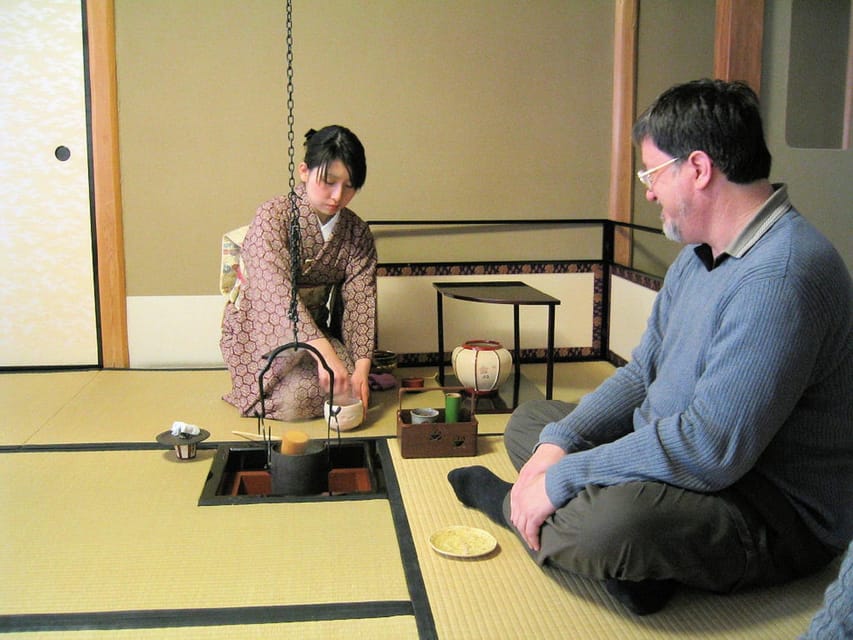
Yes, if your idea of a great Japan day includes learning how people practice culture, not only where they pose for photos. The standout combination is UNESCO Byodo-in, a formal Taihoan tea ceremony, and the Tachibara and Asagiri bridge views, all in a calm 3-hour plan.
Book it if you want a guide to point you toward Uji’s real tastes, and you’re okay with the tea ceremony being Japanese-only and no-recording. Skip it if you need a fully flexible walking pace, or if you rely on filming during the ceremony to remember the experience.
If you’re choosing between “tea tasting” and “tea understanding,” this tour leans toward understanding. And in a town like Uji, that’s exactly what makes the day stick.
FAQ
Where does the tour meet?
The meeting point is JR Uji Station (South Exit). Your guide will be waiting there wearing a TripGuru shirt or holding a TripGuru sign.
How long is the Uji walking tour?
The duration is 3 hours.
How much does the tour cost?
The price is $66 per person.
What are the main sights included?
You visit Byodoin Temple, take part in a tea ceremony at Taihoan, visit Uji Shrine and Ujigami Shrine, cross the Tachibara and Asagiri suspension bridges, and finish at Uji Bridge.
Is the tea ceremony included in the price?
Yes. The tour includes a tea ceremony, with tea ceremony time listed as about 30 minutes, and the schedule showing about 40 minutes.
Can I take photos or videos during the tea ceremony?
No. Photo and video recording is prohibited during the tea ceremony.
Is the tea ceremony conducted in English?
The tea ceremony is conducted in Japanese only. Your guide will translate for you.
What should I bring?
Bring comfortable shoes, a camera, and cash.
Is the tour accessible for everyone?
No. It is not suitable for pregnant women, people with mobility impairments, and people with heart problems or respiratory issues.
More Walking Tours in Kyoto
- Kyoto Geisha Walking Tour: Gion District & Hidden Gems
★ 4.7 · 3,273 reviews - Kyoto: Gion Magical Night Walking Tour with Geisha Trivia
★ 4.9 · 2,393 reviews - Kyoto: Gion Geisha District Walking Tour – Stories of Geisha
★ 4.7 · 2,187 reviews - Night Walk in Gion: Kyoto’s Geisha District
★ 4.5 · 2,003 reviews
Latest write-ups near Kyoto
- Kyoto Private Tour Full Day with Local Guide&Nara Option(PerGroup★ 5.0 · 20 reviews
- Sacred Pathways: Discover the Philosopher’s Path of Kyoto★ 4.9 · 20 reviews
- Kyoto UNESCO World Heritage Site Private Tour with a Premium Van★ 5.0 · 20 reviews
- Hammer Pattering Experience of Ring★ 5.0 · 20 reviews
- KYOTO: Private Tea Ceremony in Hidden Townhouse (Kid-Friendly)★ 5.0 · 20 reviews
- Sushi or Traditional Japanese Cuisine in a Kyoto Home with Emika★ 5.0 · 20 reviews
- The Kyoto VIP Experience!★ 5.0 · 20 reviews
- Kyoto Customized Private Tour: See Top Attractions in 1 Day★ 4.7 · 20 reviews
Tea Ceremonies, compared.
Tea Ceremony in a Traditional Tea House in Kiyomizu
Read our review →
World Heritage Kyoto & Nara Uji Authentic Matcha Experience
Read our review →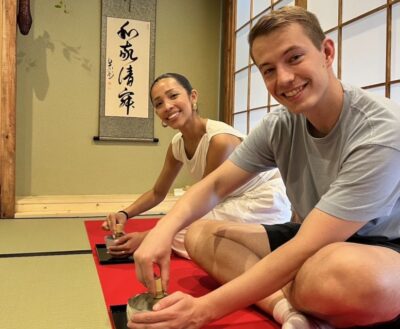
Browse the lists this tour appears in