
Reviewed · TEA CEREMONIES
Kyoto: Tea Ceremony Experience
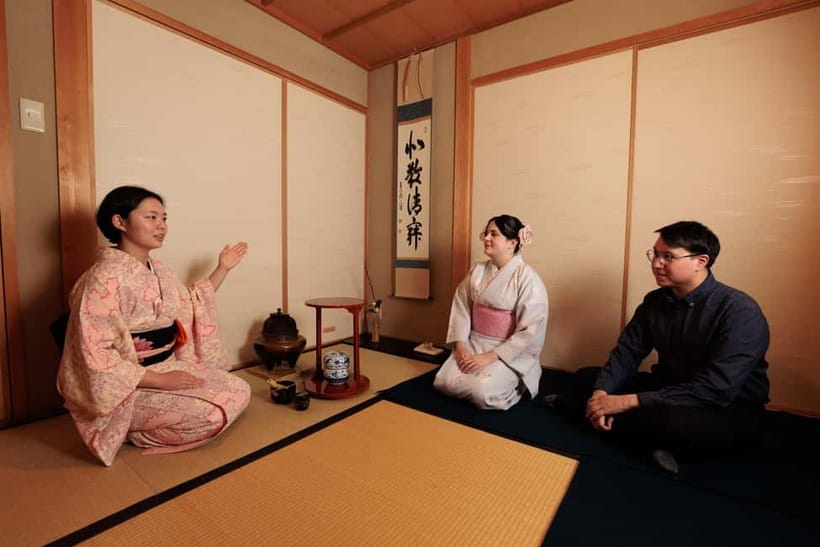
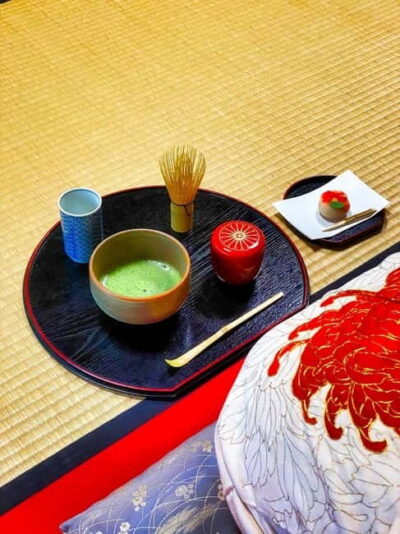
A Kyoto tea ceremony is interesting because it is not just about tasting something good. It is a guided lesson in how people slow down, handle utensils with care, and treat every step like it matters. Here, you get the ritual in a real Higashiyama tearoom, and you leave knowing how to make at least the essentials of a proper bowl of matcha.
I especially like that you are taught by an English-speaking host and you get hands-on time making your own tea. I also like the extras that turn it from a quick demo into a true cultural conversation, like seasonal sweets and time to ask about the different tea schools. One consideration, though, is that the tearoom setup can mean sitting on the floor for much of the 45 minutes, so plan for that and use the chair option if you need it.
Key things I’d watch for before you book
- Hands-on whisking: you learn the basics of making frothy matcha, not just watching someone else do it
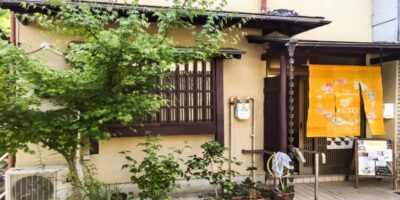
- Real Kyoto setting: a traditional machiya location down a narrow alley in Higashiyama
- Time to talk: you can ask questions about tea ceremony traditions and Japanese culture
- Seasonal sweets included: the sweetness and texture matter with matcha, not just as an add-on
- Photography rules: still photos are allowed (non-flash), but video recording is not
Why this Kyoto tea ceremony feels more like a lesson than a show
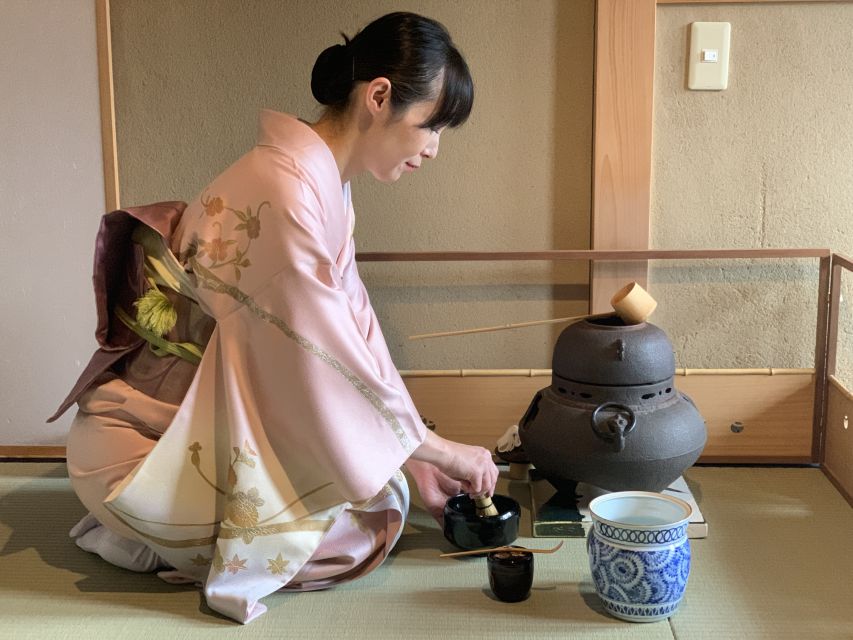
If your Kyoto schedule is packed with temples and photo stops, this kind of experience is a smart counterbalance. A tea ceremony gives you a different rhythm, quieter and more deliberate. You learn why matcha is prepared the way it is, and you also learn what the ceremony is trying to communicate: respect, attention, and calm.
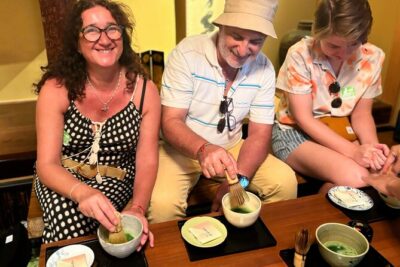
The best part for me is that you are not treated like a spectator. You are guided through the steps, then you get your own bowl. That is the difference between a short tasting and something you can repeat later. When you whisk at home, you will remember what your host said about proper motion, foam, and taste balance.
Another strong point is the cultural context. The host explains the purpose and meaning behind elements like the utensils and the room layout. You also get time to ask questions, which is where a lot of the value shows up. Some past sessions have featured instructors such as Ikuko, praised for clear explanations and excellent English, and helpers like Nel, noted for being kind and helpful with photos when someone is traveling solo.
More Tea Ceremonies in Kyoto
- Kyoto: Tea Ceremony in a Traditional Tea House in Kiyomizu
★ 4.9 · 3,519 reviews - Kyoto: Tea Ceremony Ju-An at Jotokuji Temple
★ 4.9 · 3,207 reviews - Kyoto: 45-Minute Tea Ceremony Lesson Experience
★ 4.3 · 2,378 reviews
Finding Flower Teahouse near Ninenzaka and the Park Hyatt
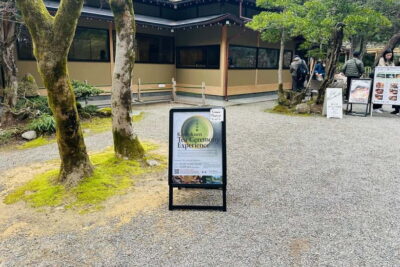
This experience starts in a very walkable part of Higashiyama, but the exact meeting spot is the kind of detail that can make or break your morning. The address area is down an alley branching from the main road of Ninenzaka. The simplest navigation trick is to use the Park Hyatt hotel as your anchor.
Opposite the hotel is a Studio Ghibli store. The alleyway you need is just to the left of that store. From there, it is a short walk, but it is narrow, so go slow and watch for the sign and staff at the entrance.
Timing matters, too. You are meeting for a 45-minute workshop, so plan to arrive a few minutes early rather than relying on a last-minute sprint. Kyoto streets near Kiyomizu-dera and Gion can be crowded, and it is better to settle in than rush through the doorway.
The 45-minute flow: sweets, a ceremony watch, then you make your own matcha
Even though the full experience is 45 minutes, it does not feel stretched out. It flows in a logical sequence that builds from overview to hands-on practice.
1) Welcome and intro inside a traditional machiya
You begin in a traditional machiya in Higashiyama. After you settle, your host and instructor introduce you to the world of matcha. You get a quick orientation to what to look for during the ceremony: utensils, steps, and why the room decoration and layout matter.
This part is not meant to overwhelm you. It is designed to give you a frame so the ceremony is easier to follow. When you understand the purpose behind the movements, the whole experience starts to feel less like a performance and more like a thoughtful ritual.
A change of pace from Kyoto:
- PERFECT KYOTO 1-Day Bus Tour
★ 5.0 · 13,518 reviews - Kyoto: Fushimi Inari, Kinkakuji, Bamboo Grove 1 Day Bus Tour
★ 4.8 · 4,316 reviews - Kyoto Geisha Walking Tour: Gion District & Hidden Gems
★ 4.7 · 3,273 reviews - Kyoto: Gion Magical Night Walking Tour with Geisha Trivia
★ 4.9 · 2,393 reviews
2) Seasonal sweet with your tea
Next comes a small moment that often becomes the most memorable food part. You nibble on a seasonal sweet paired with your tea. This matters because matcha is not a generic “green tea” flavor. The sweetness and texture are used to balance the experience, and the contrast helps you appreciate why matcha is served the way it is.
It also gives you time to chat with your host. A number of people mention that the conversation window is real, with time to ask questions about tea ceremony schools and about Japanese culture in general.
3) Watch the tea ceremony start, then learn the steps
You watch the tea ceremony begin. In some sessions, the ceremonial part itself is described as short and focused, with a calm pace that keeps it easy to follow. You see the utensils and the movements without needing to “get it all” in one pass.
4) Make your own frothy bowl of matcha
Then you do the thing you came for: whisk your own matcha. Your host guides you through the basics. You learn how to produce a good foam and how the taste changes based on your technique and the way you handle the process.
This is also where the experience becomes personal. One helpful detail from reviews is that hosts encourage you to relax into the process and make yourself comfortable. Even if you are not perfect on your first whisk, your host will help you get to a bowl you can enjoy.
Utensils and room layout: the details that explain the whole ritual
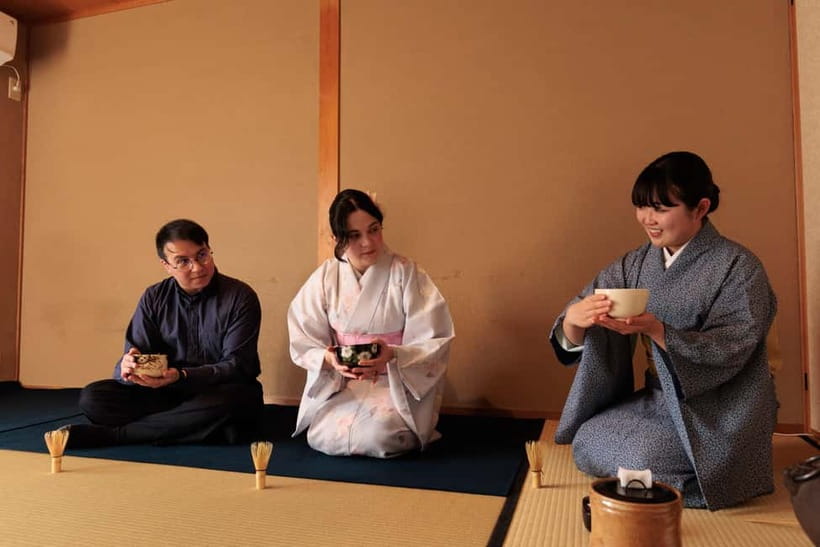
Tea ceremonies look simple from a distance. Up close, the details tell you what the ceremony values. This is one reason the workshop is worth more than a casual matcha tasting.
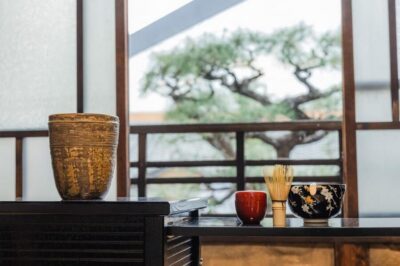
You spend time learning about the utensils and why each item has a role. You also get explanations around the room decoration and layout. The goal is not to turn you into a tea scholar. The goal is to help you understand that every step is connected.
In practice, that means you will notice things like:
- how utensils are handled and arranged
- why the room setting is part of the experience, not decoration for decoration’s sake
- how the host describes the timing and steps so the ritual feels intentional
A lot of people come expecting bitterness and foam. They leave with a clearer sense of symbolism, harmony, and intentionality. One reviewer language used was about harmony and presence, and that matches the overall structure here. The ceremony teaches attention by making you do the careful parts yourself.
Matcha taste, foam, and what you should aim for
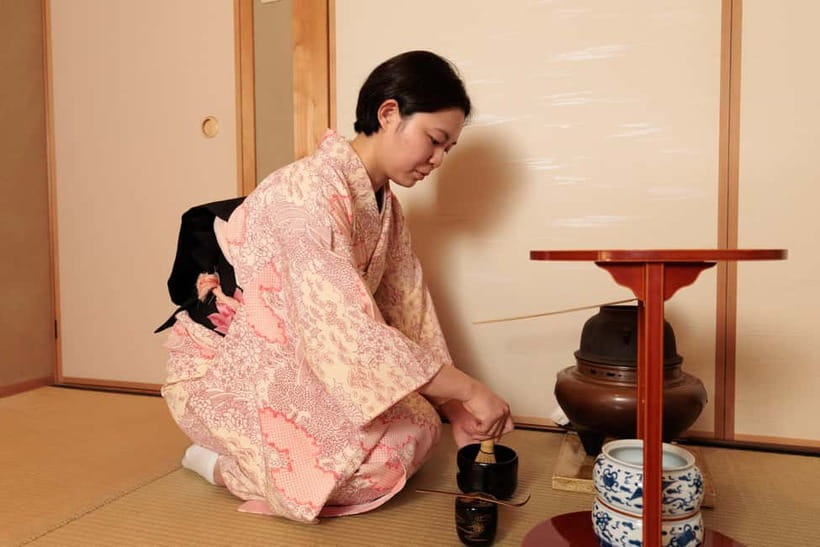
Let’s talk about what you are actually tasting, because matcha surprises a lot of first-timers.
Expect a tea that can taste earthy and slightly bitter, especially if you are used to sweeter flavored teas. The good news is that you are not dumped into the bowl with zero guidance. Your host explains the basics and helps you whisk to a foamy consistency.
Here is what to aim for:
- Froth: you want a surface foam, not just stirred liquid
- Texture: foam changes the mouthfeel, and it can soften the sharp edge
- Rhythm: technique is about steady, controlled motion
If you have only had bottled or powder teas before, your first real ceremonial bowl will feel different. That is normal. Think of it as learning a new flavor language, not as passing or failing.
And yes, the sweetness matters. The traditional seasonal sweet included in the experience is there for a reason. Eat it thoughtfully, then take a sip, and you will understand the balance being built.
Seating and comfort: the practical reality of upstairs tearooms
This is the part I want you to take seriously before you go, because comfort affects how much you enjoy a calm 45 minutes.
The tearooms are located upstairs. For mobility impairments, the Garden Teahouse is wheelchair accessible. Chairs and tables are available if you find it difficult to sit on the floor.
Even so, many people are asked to sit in a traditional way. Reviews mention that sitting on the floor can be uncomfortable for some, but hosts understand and encourage you to get comfortable. One tip that came up is that you can sit more comfortably without forcing yourself into a strict pose.
So my advice is simple: if you know your knees or back will protest, choose the chair option. If you do not, still give yourself permission to adjust. This is a tea lesson, not a test of toughness.
Who this Kyoto matcha experience suits best
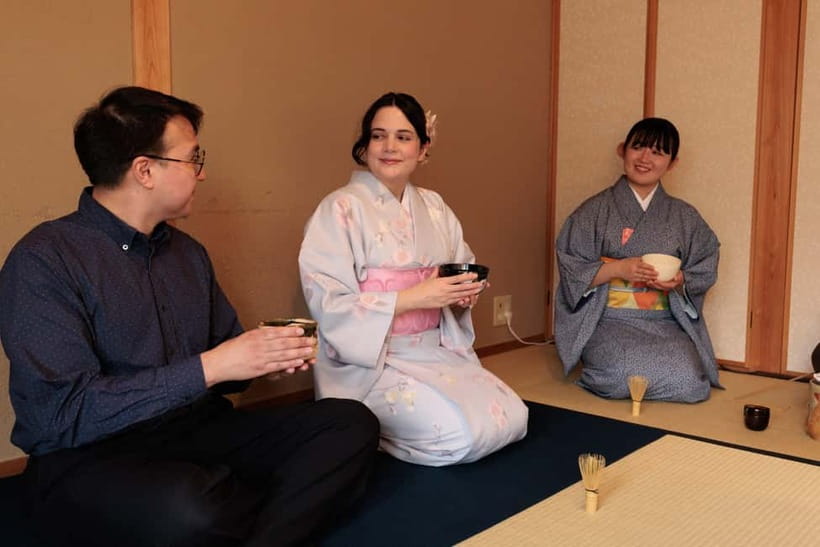
This experience is a great match if you want something that feels authentically Kyoto but does not eat your whole day. You get cultural context, a guided explanation, and hands-on making, all in 45 minutes.
It is also ideal for:
- First-time matcha drinkers who want a real explanation of what you are tasting
- People who want a calmer activity between temple visits, especially around Higashiyama and Gion
- Anyone who likes learning by doing, not just watching
If you are the type who wants to become a full tea master through a long course, this workshop may feel short. The format is designed around basics and shared experience, not a deep, multi-hour training program.
Price and value: is $32 fair for what you get?
At $32 per person for about 45 minutes, this sits in the “value if you do it right” category.
What you are paying for is not just matcha. You are paying for:
- an English-speaking host and instructor
- included matcha and traditional seasonal sweets
- tea-making utensils
- guided step-by-step practice, including frothing your own bowl
In other words, you are paying for access to a structured cultural ritual plus hands-on coaching. That is why it can feel expensive to people who only think in terms of food cost. But if you compare it to the cost of a nice matcha set plus the price of hiring an instructor for a private lesson, the math makes more sense.
Also, the location is a real bonus. The experience is in a part of Kyoto that you likely want to be in anyway, near sights like Kiyomizu-dera, Kodai-ji, Yasaka-jinja, Maruyama Park, Chion-in, and Gion. Even if you do not visit all those places the same day, you get a natural pairing with a Higashiyama day.
Bonus: kimonos are optional, and you may want to plan ahead
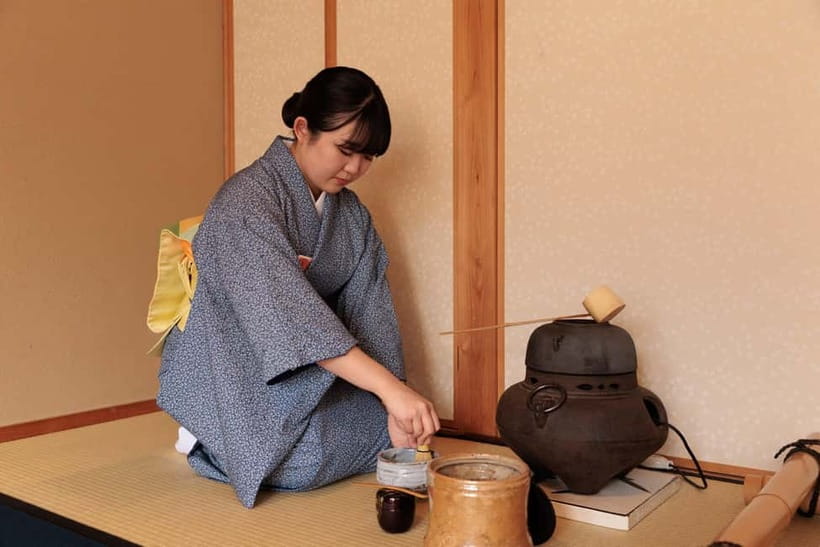
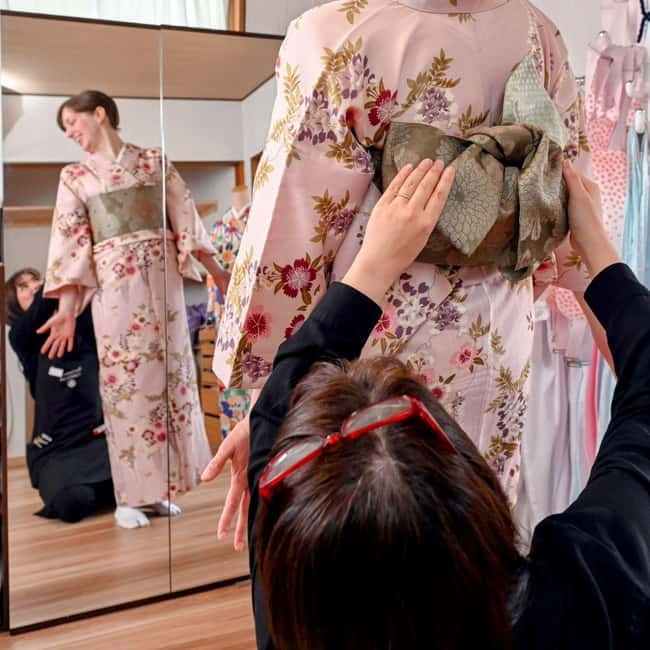
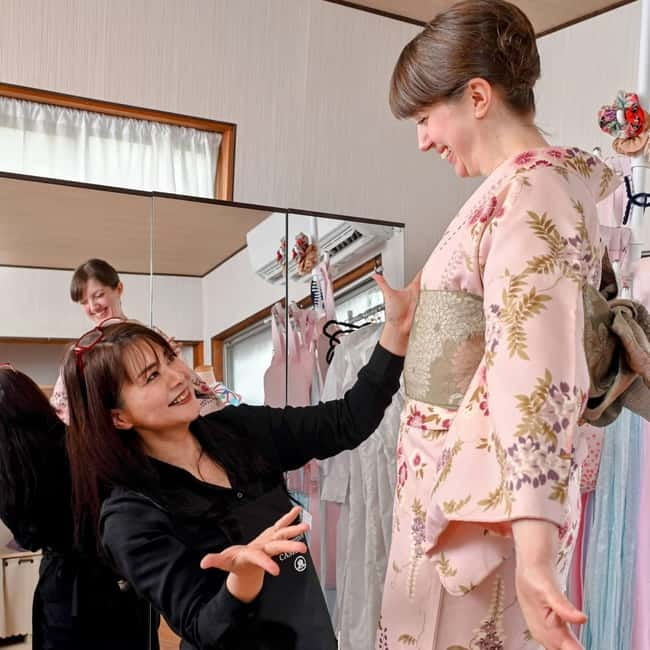
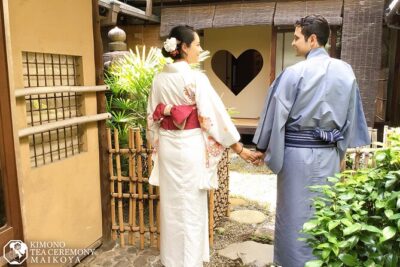
Kimono rentals are not included in the workshop price. That said, many people like adding a kimono to make the whole day feel more immersive.
One practical approach I recommend is to plan the kimono pickup timing so you are not rushed when you arrive upstairs. If you want that extra layer, do it as a separate step before your ceremony.
Nearby services exist, and at least one review specifically flagged that the kimono rental place may be close by, so it can be easy to add. Still, since it is not included here, treat it as an optional upgrade you organize yourself.
Should you book this Kyoto tea ceremony experience?
If you want a calm, hands-on cultural activity in Kyoto, I think this is an easy yes. The format is short enough to fit into real travel days, but structured enough to teach you actual matcha technique basics and the meaning behind key parts of the ritual. Plus, you get included sweets and utensils, so you are not piecing together the experience yourself.
Book it if:
- you are curious about matcha beyond just the taste
- you want to learn from an English-speaking host and ask questions
- you want a break from the busy pace of temple hopping
Skip it or rethink if:
- you strongly dislike sitting on the floor and you do not want to use the chair option
- you want a long, full tea training curriculum rather than a 45-minute introduction
FAQ
How long is the Kyoto tea ceremony experience?
The experience lasts about 45 minutes.
What’s included in the $32 per person price?
You get matcha, traditional seasonal sweets, the tea-making utensils, and a personal instructor or host.
Is the instruction available in English?
Yes. The instructor is English-speaking.
Can I record video or take photos during the ceremony?
Video recording is not allowed. Non-flash, still photography is permitted.
Is kimono rental included?
No. Kimono rentals are not included in the experience.
Where is the tearoom, and do you have seating options?
The tearooms are upstairs. Chairs and tables are available if you find it difficult to sit on the floor, and the Garden Teahouse is wheelchair accessible.
Latest write-ups near Kyoto
- Kyoto: Nishiki Market Tour with a Local Foodie & Tastings★ 4.5 · 67 reviews
- Kyoto Kimono Rental mimosa |Kimono/Yukata Rental Couple Plan★ 4.8 · 67 reviews
- Kyoto: Traditional Kimono Fabric Handicrafts Workshop★ 5.0 · 67 reviews
- Kyoto Tea Ceremony and Samurai Photo Session★ 5.0 · 70 reviews
- Kyoto: Replica food making experience★ 4.8 · 70 reviews
- Kyoto: Kinkakuji, Golden Pavilion Guided Tour★ 4.7 · 71 reviews
- Private departure transfer from Kyoto city to Kansai International airport★ 5.0 · 72 reviews
- Uji: Green Tea Tour with Byodoin and Koshoji Temple Visits★ 4.8 · 72 reviews
Tea Ceremonies, compared.
Tea Ceremony in a Traditional Tea House in Kiyomizu
Read our review →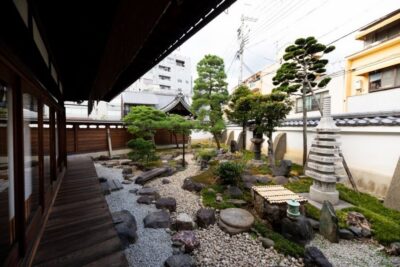
World Heritage Kyoto & Nara Uji Authentic Matcha Experience
Read our review →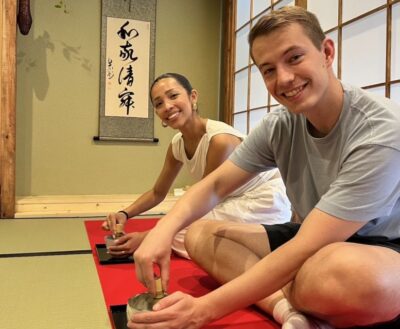
Browse the lists this tour appears in