
Reviewed · TEA CEREMONIES
Traditional Tea Ceremony Experience in Kyoto
This traditional Kyoto tea ceremony is interesting because it teaches you the movements and mindset behind making matcha in a short, doable session. It is also practical, since you sit at tables and chairs instead of only on the floor.
I especially like the focus on single-origin matcha and the included OHIGASHI pairing. I also like that you learn the steps as an experience, not just a talk.
One thing to consider is that the session is brief, and if the room is busy, it can be harder to hear every detail of the explanation.
Key things to know before you go
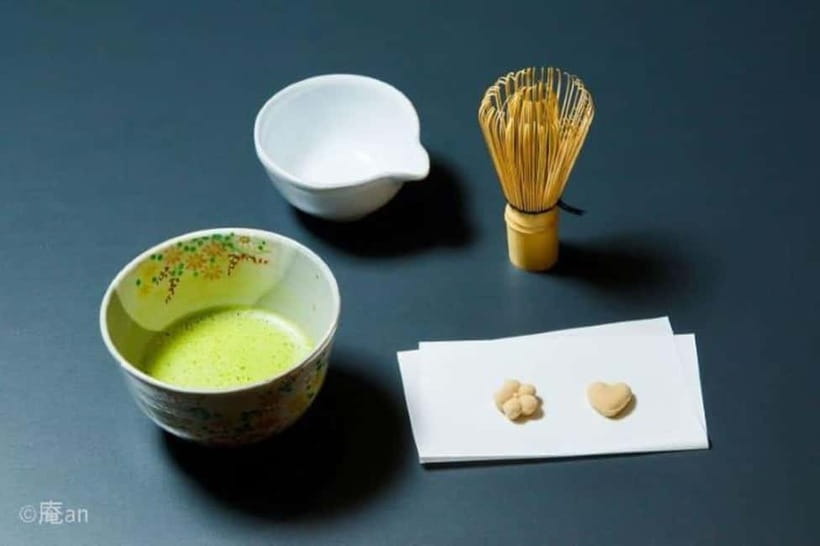
- Single-origin matcha served in a focused, 30-minute experience
- OHIGASHI (Japanese dried sweets) included with your tea
- OTE-MAE style format, with a guided demonstration and then your turn
- Tables and chairs, so it is easier on your legs than floor seating
- Japanese-led instruction with English translation provided as much as possible
- No elevator, expect stairs to reach the venues
Kyoto matcha, without the floor-feel: what makes this ceremony work
Kyoto is the kind of place where you can slow down for something small and meaningful. This ceremony keeps that spirit but removes some friction, since you sit at tables and chairs. For me, that matters because it helps you focus on the cup, not on your posture.
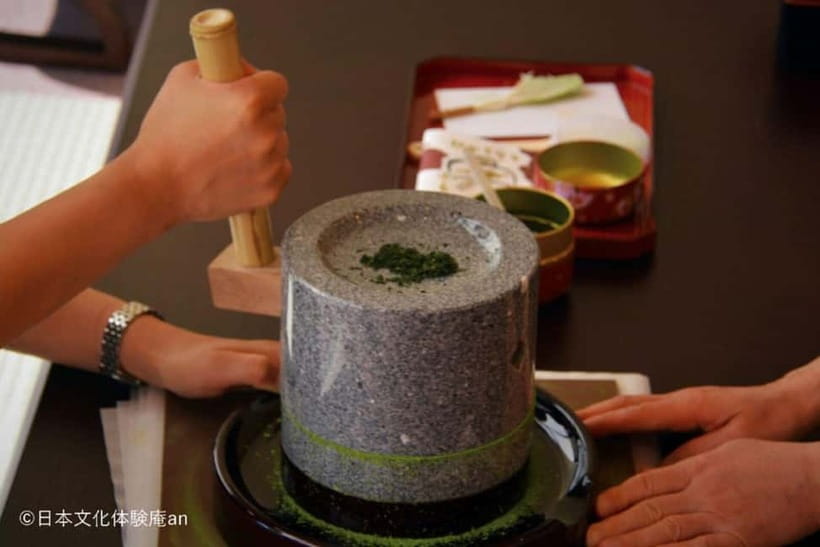
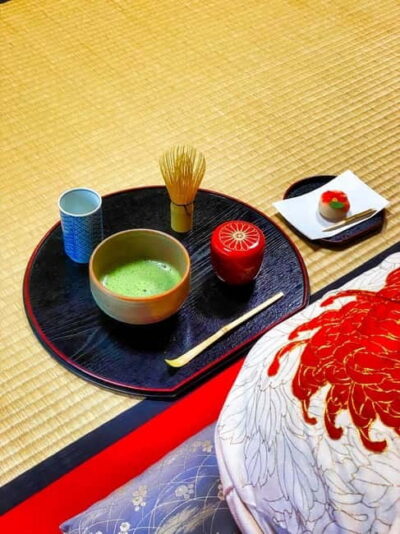
You will drink a single-origin matcha, and that is a big part of why the experience feels specific. Single origin matcha tends to taste more clearly like a particular growing style, instead of blending flavors into something generic.
You will also get OHIGASHI, the little Japanese sweet served with tea. It is not just a snack. It is part of how the bitterness of matcha and the sweetness of tea-time treats balance out in your mouth.
The format is 30 minutes, so your goal is not to master everything. Your goal is to learn enough to appreciate what you are doing and why each small movement has purpose.
More Tea Ceremonies in Kyoto
- Kyoto: Tea Ceremony in a Traditional Tea House in Kiyomizu
★ 4.9 · 3,519 reviews - Kyoto: Tea Ceremony Ju-An at Jotokuji Temple
★ 4.9 · 3,207 reviews - Kyoto: 45-Minute Tea Ceremony Lesson Experience
★ 4.3 · 2,378 reviews
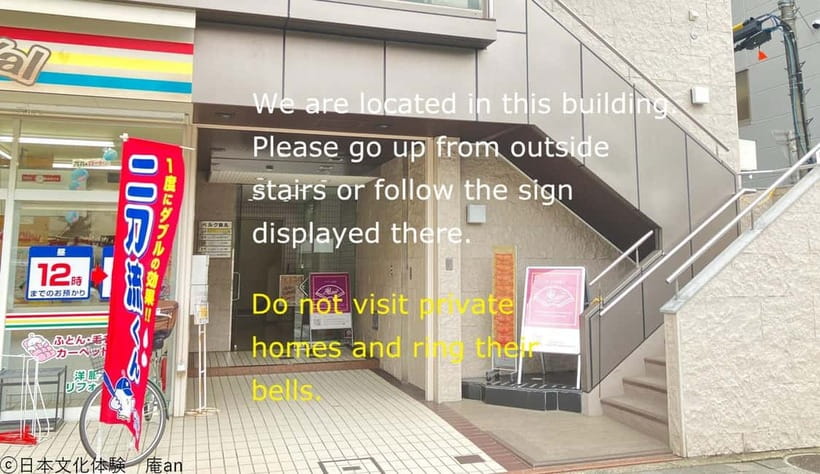
Finding the meeting point near Gojo Station (fast and simple)
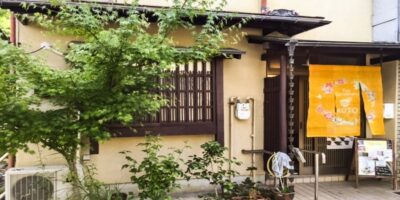
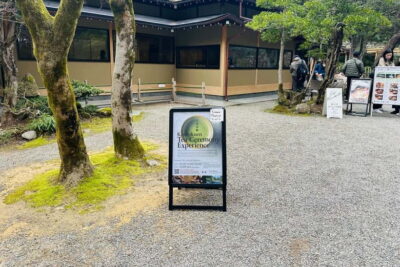
You meet about a 1 minute walk from Exit 1 of Subway Karasuma Line Gojo Station. The store entrance faces Gojo-dori, so you should be able to spot it without playing hide-and-seek.
If you are walking from the station, I recommend you head out first, then double-check the entrance faces the main street. That sounds obvious, but it saves time when signage is easy to miss.
Also, plan your timing carefully. The event cannot be held for delays, so arrive a few minutes early and get settled before the instructions start.
The OTE-MAE flow in 30 minutes: what you will actually do
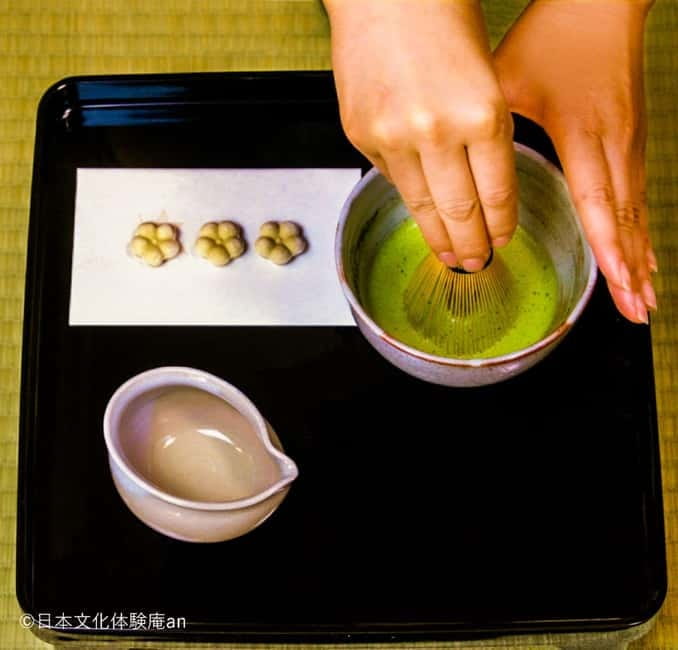
The experience centers on OTE-MAE, a guided tea-ceremony session set up so you can follow the process. In a short time like this, the team focuses on the essentials: what to do, how to do it, and what it means.
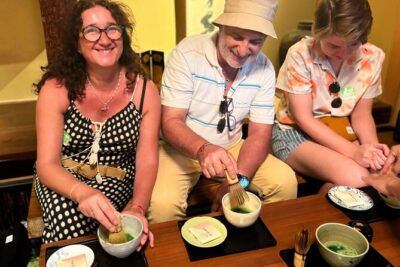
Expect a run-through that includes a demonstration of how matcha is made into tea. Then you follow the steps yourself in the same spirit, with instruction while you participate.
Your session will also include drinking the matcha you prepared. Think of it as a complete loop, demonstration to your cup to the tasting moment.
Because the time is limited, the pace is intentional. You should treat it as an introduction that helps you recognize the structure of a tea ceremony when you see it again later in Kyoto.
Single-origin matcha and OHIGASHI pairing: why the taste moment matters
You do not just get matcha. You get single-origin matcha, and you get OHIGASHI alongside it. That pairing helps you taste the tea in a more rounded way.
Matcha is often described as bitter, grassy, or thick, but the real learning comes from tasting it after you understand what is happening in the cup. In this ceremony, the goal is to connect the process to the result, so the first sip makes sense.
The OHIGASHI matters because it gives you a reference point. If the matcha tastes strong, the sweet helps balance it. If the matcha feels smooth, the sweet can highlight that softness.
One detail you should appreciate: the session is set up to let you experience the tea, not only watch it. That is how the flavor becomes memorable instead of just another drink on your itinerary.
A change of pace from Kyoto:
- PERFECT KYOTO 1-Day Bus Tour
★ 5.0 · 13,518 reviews - Kyoto: Fushimi Inari, Kinkakuji, Bamboo Grove 1 Day Bus Tour
★ 4.8 · 4,316 reviews - Kyoto Geisha Walking Tour: Gion District & Hidden Gems
★ 4.7 · 3,273 reviews - Kyoto: Gion Magical Night Walking Tour with Geisha Trivia
★ 4.9 · 2,393 reviews
What you learn: movements, utensils, and matcha etiquette
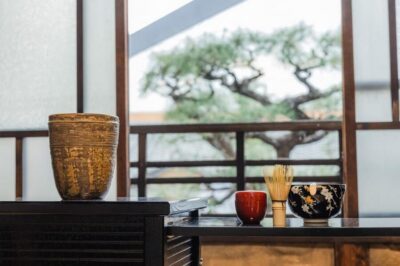
A tea ceremony is basically nonverbal communication, calm and deliberate. In your session, you will learn the meaning behind the movements and the utensil handling, not just the final drink.
The instruction includes the significance of key steps and what to pay attention to as you prepare the tea. You will also learn the do’s and don’ts that help keep the experience respectful and comfortable.
Several participants particularly liked the way the session covered matcha basics and etiquette. You can expect to leave with a clearer sense of why certain actions are done slowly, why the cup matters, and why the ceremony is meant to feel controlled and thoughtful.
That said, if you are expecting a deep, wide-ranging lecture on tea history and who drank matcha when, you might find the explanation stays practical due to time and language needs. One helpful approach is to focus on observation and tasting, since that is where the learning lands fastest.
English support, crowd levels, and how to get the most from it
The instructor is Japanese, and English translation is provided as much as possible. If you want extra language support, you are supposed to contact the team.
In real life, that can affect what you catch. In a busy room, audio and pacing can limit how much you understand. Even when translation is offered, the ceremony moves with the flow of the steps, so you might not have every word.
If you want to maximize your understanding, do this:
- Watch the hands and tools closely, then ask a short question if there is a chance
- Take notes only on what you can connect to the cup, like thick vs thin, whisk texture, and timing
- Use the tasting moment as your anchor, since that is where meaning becomes clear
The ceremony is often described as calming and educational. Still, since it can feel crowded, come with patience and a willingness to learn by doing, not only by listening.
Seating at tables and chairs: a comfort win in Kyoto
Not every Kyoto tea experience is friendly to everyone’s body. This one uses tables and chairs, which makes a big difference if you do not do well sitting in traditional floor positions.
That chair setup also changes the feeling of the ceremony. It can feel slightly less formal than floor-only style, but it does not remove the core idea: respect, focus, and calm technique.
You will still experience the ritual steps, just with a more modern seating arrangement. For many visitors, that is the sweet spot, especially if you are trying to fit Kyoto culture into a packed sightseeing day.
Price and value: is $7 a good deal for matcha practice?
At $7 per person for a 30-minute tea ceremony, the value comes from the combination, not from the duration. You get a guided OTE-MAE experience, plus single-origin matcha and OHIGASHI, and you get to participate.
For the price, the experience functions as a high-leverage introduction. You can walk away understanding what you did and what the tea means, and you can recognize it if you see a tea ceremony again later.
The session is short, so it is not meant to replace a long, detailed course. If you want heavy instruction and long storytelling, you might feel the time is tight.
One optional extra is a completion certificate that costs 300 JPY and is not included. If you like souvenirs that connect to what you learned, it is worth considering. If you do not care about certificates, you can ignore it and still leave with the tastiest part, the cup.
Who this suits best, and who should choose something else
This ceremony is a great fit if you want:
- A first taste of Kyoto tea culture without a huge time commitment
- A comfortable seating setup (tables and chairs)
- A hands-on explanation that links steps to flavor
It also works well if your day is crowded. Thirty minutes is easy to schedule between sights.
You might want to think twice if you need extensive English detail and lots of historical context. The session focuses on the tea itself, and depending on the language mix and room conditions, the explanation can feel more basic than you expected.
If you are sensitive to noise, plan to arrive early and stay attentive during the demonstration. If it is crowded, your best strategy is to watch first, then taste, and then absorb what you can.
Should you book this traditional tea ceremony in Kyoto?
Book it if you want a calm, hands-on matcha moment in the heart of Kyoto culture, with single-origin matcha, OHIGASHI, and a guided OTE-MAE experience you can complete in 30 minutes. The table-and-chair seating is a real quality-of-life advantage for many people.
Skip or pair it thoughtfully if you are chasing a long, deep lecture in English. In a short session, you may get the essentials rather than an expansive explanation.
My practical advice: treat this as your matcha practice session. Arrive a few minutes early, pay attention to the hands and tools, and let the tasting do some of the teaching. If you do that, the $7 price feels fair, and the experience will likely stick with you long after the cup is empty.
FAQ
Where is the meeting point?
It is about a 1 minute walk from Exit 1 of the Subway Karasuma Line Gojo Station. The store entrance faces Gojo-dori.
How long does the experience take?
The tea ceremony experience lasts about 30 minutes.
What does the price include?
You get the OTE-MAE set experience. Your single-origin matcha tea and OHIGASHI are part of what you receive during the session.
Is the completion certificate included?
No. The completion certificate costs 300 JPY and is not included.
What language is used during the ceremony?
The instructor is Japanese. English translation is provided as much as possible. If you want to add English support, you should contact the provider.
Is the venue wheelchair accessible?
It is listed as wheelchair accessible, but there is no elevator and you need to take stairs to reach each venue.
Latest write-ups near Kyoto
- Kyoto Private Tour Full Day with Local Guide&Nara Option(PerGroup★ 5.0 · 20 reviews
- Sacred Pathways: Discover the Philosopher’s Path of Kyoto★ 4.9 · 20 reviews
- Hammer Pattering Experience of Ring★ 5.0 · 20 reviews
- Kyoto UNESCO World Heritage Site Private Tour with a Premium Van★ 5.0 · 20 reviews
- KYOTO: Private Tea Ceremony in Hidden Townhouse (Kid-Friendly)★ 5.0 · 20 reviews
- Sushi or Traditional Japanese Cuisine in a Kyoto Home with Emika★ 5.0 · 20 reviews
- The Kyoto VIP Experience!★ 5.0 · 20 reviews
- Kyoto Customized Private Tour: See Top Attractions in 1 Day★ 4.7 · 20 reviews
Tea Ceremonies, compared.
Tea Ceremony in a Traditional Tea House in Kiyomizu
Read our review →
World Heritage Kyoto & Nara Uji Authentic Matcha Experience
Read our review →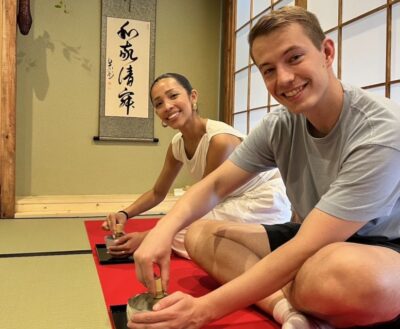
Browse the lists this tour appears in