
Reviewed · WORKSHOPS
Osaka: Sashiko Japanese Craftsmanship Workshop
If you like crafts that are practical, not just decorative, this Osaka Sashiko workshop is worth your time. In about 2 hours, you’ll learn the basics of this Japanese hand-stitching style, then make your own geometric coaster setpiece style memento. One possible drawback is the format, you’re focused on a small project (coasters), so it is not a full-day course for big textiles.
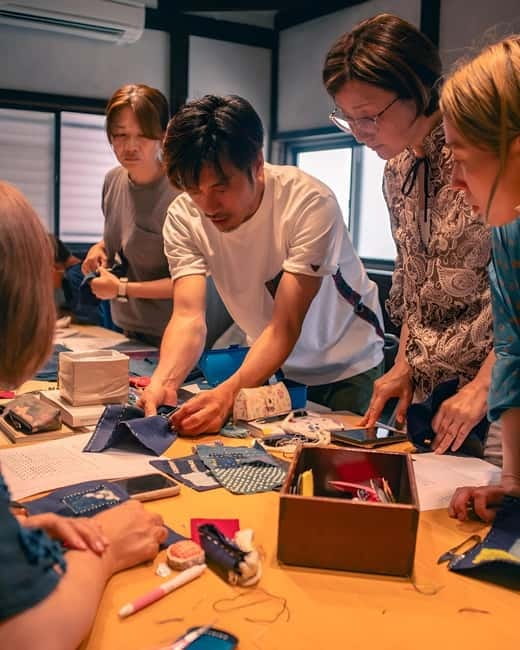
I like that the class keeps things friendly and hands-on, with guidance from instructor June and a small group size capped at 8 participants. From the reviews, the vibe tends to be calm, encouraging, and even a little fun, with room for beginners and people who already sew. If you are the type who hates sitting down for quiet work, this may feel slower than you expect.
Quick heads-up on logistics: transportation to the venue is on you, but with advanced notice you can be met at Kyobashi station. Also, if you’re traveling solo, there is a minimum of 2 guests, otherwise you may see an alternate date option or a solo supplement.
Key Highlights You Will Feel in the Room

- Learn Sashiko as functional art, a tradition that started as reinforcement and insulation and later became pattern-rich craft.
- Make geometric coasters you can actually use, not just admire in a frame.
- Get step-by-step help from June, with praise also for teachers like Nene in past sessions.
- Stitch with meaning, since you’ll hear about symbolism behind patterns and what regional styles mean.
- Small group attention, capped at 8 participants, which helps when your stitches start out uneven.
- Optional shop time nearby, including JunAle original goods, sewing kits, and hand-dyed threads, with cash-payment discounts.
Getting to the Studio: Kyobashi Station and Real-World Travel
This workshop is in Osaka, on Honshu, and the meeting logistics are straightforward. The activity notes say that with advanced notice you can be met at Kyobashi station. That is useful because Kyobashi is an easy stop to anchor your trip around, and it reduces that first-stops anxiety of figuring out where you need to be.
What you should plan for: transportation to the venue is not included, so budget time to get there by train or taxi on your own. Once you arrive, the class moves at a comfortable pace, and the setting is described in reviews as homely and even historical in some sessions, with details like wooden stairs and framework inside the building.
If you are pairing this with other Osaka sights, give yourself breathing room. A handcraft class goes much smoother when you are not rushing in 10 minutes late, trying to find your chair.
Also on the shortlist for Osaka:
- Osaka Go Karting Tour with Funny Costume
★ 5.0 · 2,658 reviews - Osaka Castle: Museum and Tower Entry Ticket
★ 4.5 · 2,380 reviews - Osaka: Shinsekai Food Tour with 13-15 Dishes at 5 Eateries
★ 4.8 · 2,204 reviews
The 2-Hour Flow: History, Demonstration, then Your Coasters
Think of the session as three parts: story, stitches, and making.
First, you get the Sashiko basics with context. The workshop starts with a brief look at Sashiko’s background, including why the technique was developed and how it spread. You’ll then see a demonstration of fundamental stitches and how they form the pattern.
Next, you practice right away. You are not stuck watching while everyone else works. After the demo, you’ll work on a small project, and the workshop specifically uses coasters as your practice canvas. The instructor guidance is ongoing, so if your spacing or tension is off, someone can point you back in the right direction.
Finally, you put the stitches into a finished piece. By the end, you take home your completed Sashiko item, such as your coaster. Even if you finish quickly, the way it is described in reviews suggests you may get additional help or an extra stitch concept to keep things interesting.
A practical tip for your comfort: wear something you can move in and sit in for a while. Hand-stitching is repetitive by nature, and the more comfortable you are, the more you will enjoy that steady rhythm.
Why Sashiko Started as Utility (Not Just Decor)
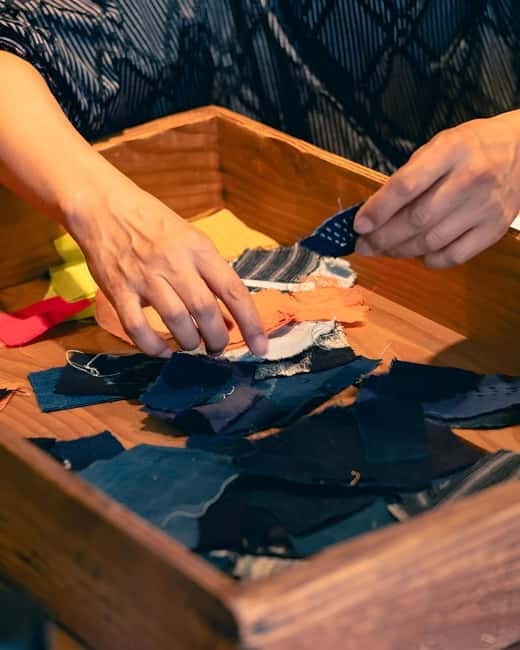
Sashiko translates roughly to little stabs, and the name fits. This is not embroidery that looks complex only because it is pretty. It’s a method of repeated stitching that supports fabric.
The workshop’s background includes the Edo period origins (1603 to 1868). In rural Japan, people used Sashiko as a practical way to reinforce and insulate clothing, especially for farmers and fishermen who needed warmth and durability in harsh conditions. The idea was simple and effective: stitch patterns that strengthen material and help it stand up to life.
Over time, that utilitarian craft began to evolve into a recognized art. The workshop experience includes cultural insights about how regional styles developed distinctive patterns and motifs. In other words, you’re not just learning how to stitch, you’re learning why certain geometric designs became a kind of visual language.
For you, that matters because it changes how you see your coaster. When you understand the patterns as part of a bigger story, your finished piece feels more personal and less like a generic souvenir.
Your Take-Home Piece: Geometric Coasters with Real Character
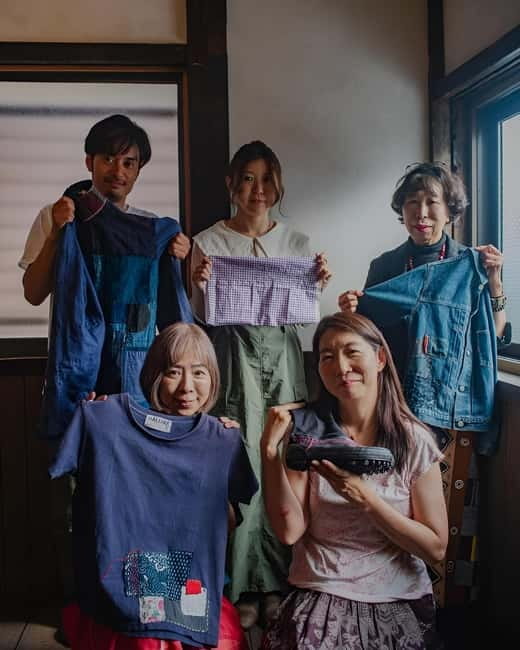
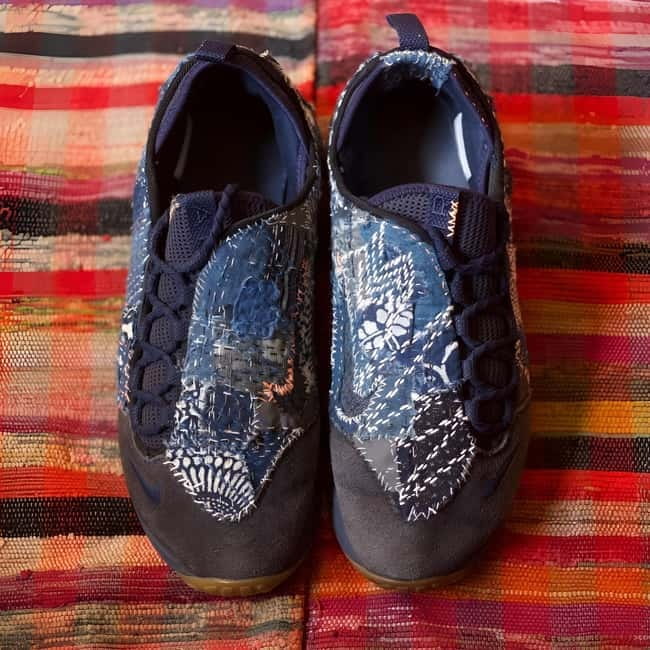
The core product of this workshop is a finished Sashiko coaster made with the geometric pattern approach taught during class. The experience description emphasizes that you’ll craft your own textile art, so you’re making choices in the stitching you apply and the final look you create.
What I like about this approach for a short class: coasters are the perfect size for a beginner-friendly project. You can finish, you can learn the basics without getting lost in a huge piece, and you leave with something usable at home.
You will also walk away with skills you can apply later. That is not just a feel-good line. Sashiko is fundamentally repeatable: once you understand how the stitches work together, you can practice and try new designs with your own materials afterward. The workshop’s cultural portion also helps you move beyond copying a pattern, so you understand what you’re repeating.
From reviews, people also appreciated the fact that the studio atmosphere supports slower thinking. Even if your first few lines do not look perfect, you can settle in and improve as you go.
A change of pace from Osaka:
- Osaka Food Tour: 13 Dishes at 5 Local Eateries
★ 5.0 · 2,149 reviews - Hungry Osaka Street Food Tour:15 Tastings & 3 Drinks with a Local
★ 5.0 · 1,727 reviews - Osaka: teamLab Botanical Garden Entry Ticket
★ 4.5 · 1,710 reviews - Osaka: Tea Ceremony Experience
★ 4.9 · 1,426 reviews
The Teachers: June, English Support, and Patient Guidance
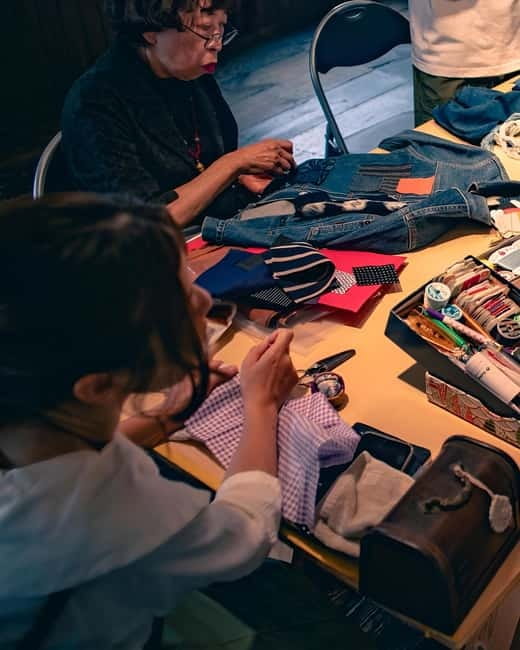
The workshop highlights instructor June as the experienced guide who teaches techniques and oversees your practice. The activity also notes the class runs in English and Japanese, which is a big deal if you want to actually understand what you are doing, not just follow hand gestures.
One of the strongest signals from reviews is how supportive the teaching feels. Multiple participants describe a patient, encouraging style. There is also a specific example of a teacher who had lived in Melbourne, which helped with comfort and communication for an Australian participant. Another review praises Jun as a friendly host and a patient guide for mixed ages, including teens.
If you are worried about being a beginner, that matters. Reviews repeatedly mention that the workshop works for people with different skill levels, including those who sew already and those starting from zero.
Also, since it is a small group with up to 8 participants, you are less likely to get lost waiting for attention. You can ask questions, and your instructor can see your work up close.
Studio Atmosphere: Calm, Small-Group, and Slightly Historic

This is not a loud, rushed craft class. The reviews describe a calm environment with a meditative pace. That is one of the best reasons to pick this activity in a city full of faster-moving tours. If you want a mental reset, hand stitching offers a natural focus.
The setting is described as homely, and one review calls out an unexpected inside look at a historic house with wooden stairs and framework. Even if your day is different, the main idea is consistent: it feels like a studio space rather than a factory-style workshop.
What to expect socially: you’ll be sitting with a handful of people who also want to learn. The small group structure tends to help conversations without turning the class into a networking event. You can enjoy the work, talk when you want, and still leave with a clear sense of what you learned.
Tools and Materials: What You Do Not Need to Bring

This workshop includes all necessary tools and materials, including fabrics, needles, threads, and other Sashiko-specific tools. That removes a major friction point. You can show up, get started fast, and focus on learning the stitch rhythm.
It also means you do not need to hunt for Japanese embroidery supplies in Osaka beforehand. If you travel light, that’s a real win.
For your planning, the only things you should think about are comfort and attention span:
- Wear comfortable clothes for sitting.
- Bring a bit of patience for the repetitive nature of Sashiko.
- If you want photos, it is smart to ask before snapping close shots of other people’s work.
Price and Value: Is $67 Worth It?
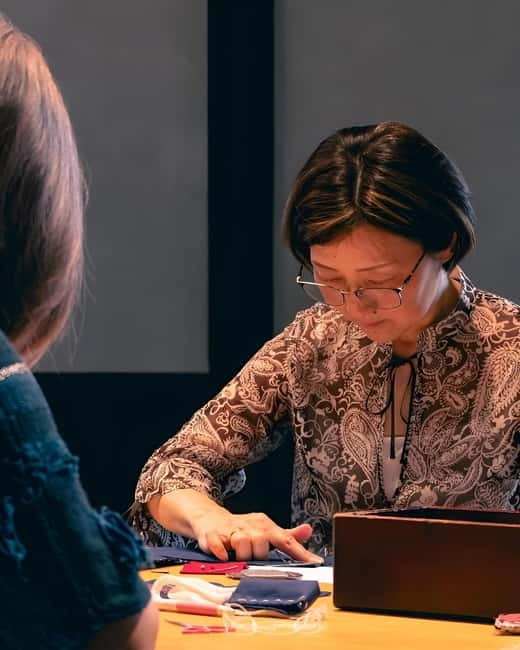
The listed price is $67 per person for a 2-hour workshop. That can sound like a lot until you break down what’s included.
You get:
- Instructor-led guidance from an experienced teacher
- All tools and materials
- A finished take-home project (coaster)
- Cultural insights that explain the why behind patterns
In a small-group class, instruction time is usually the most expensive part. Here, the class also includes the supplies used during your session, so you are not paying separately for thread, fabric, or needles. And the take-home item is not a “sample” size. You leave with something made by your hands.
Also consider the solo-traveler rule. The activity notes say they aim not to charge more for solo travelers, but if the minimum of 2 guests is not met, options include an alternate date, a 3000 yen solo supplement, or a full refund. Even if you are not traveling solo, this gives you confidence the operator is managing real group dynamics rather than selling spots in a vacuum.
Bottom line: for $67, you are paying for guided learning plus supplies plus a finished item. For a beginner, that is strong value. For an experienced stitcher, it becomes a cultural and pattern introduction, plus a chance to try the method on a defined project size.
The Nearby Shop Corner: JunAle Goods and Hand-Dyed Threads
Adjacent to the workshop area, there is a little shopping corner described as part of the experience. It offers JunAle original goods, sewing kits, hand-dyed threads, and clothing.
There is also a small detail worth knowing: discounts are available for cash payments. Even if you do not shop, it helps to know the option exists. If Sashiko hooks you during class, you may want to buy threads or a kit right away instead of trying to track down the right supplies later.
If you do plan to buy, keep in mind your take-home coaster and materials are already part of the experience. Shopping can wait until after you enjoy the class, so you do not feel rushed while you stitch.
Who This Workshop Is Best For (and Who Might Skip It)
This workshop fits you well if you:
- Like handcraft and want to learn a specific Japanese technique
- Prefer small-group, guided activities over big tours
- Want a calm, focused experience during your Osaka trip
- Enjoy learning the cultural “why” behind a craft, not just copying patterns
- Are traveling with teens or friends who like creative activities, since reviews mention positive experiences with younger participants too
You might skip it if:
- You want a deep, multi-project textile course rather than a short 2-hour introduction
- You dislike repetitive, detail-oriented work
- You are mainly looking for photo-heavy sightseeing, because this is a sit-and-stitch experience
Should You Book the Osaka Sashiko Workshop?
My advice: book it if you want a meaningful craft souvenir that comes with real learning. The Sashiko focus is specific, the class is hands-on, and you leave with a finished coaster you can use. The small group size and supportive instruction from June, plus English and Japanese support, are the kind of details that make a beginner feel capable.
Skip it only if you already have your heart set on a long, advanced textile project. This class is about starting strong, understanding Sashiko’s roots, and leaving with a tangible piece made by you.
If Osaka is your base and you want one activity that slows your day down, this is a very good fit. You’ll come away with stitches you can repeat at home, plus a calmer feeling than you would get from another hour of crowds.
FAQ
How long is the Osaka Sashiko workshop?
The workshop lasts 2 hours.
What is the price per person?
The price is $67 per person.
What will I make in the class?
You will create your own Sashiko piece, such as geometric-pattern coasters.
Do I need prior sewing experience?
No. The experience is designed for both beginners and people with interest in craft.
Who teaches the workshop?
The workshop is led by an experienced instructor named June, and instruction is available in English and Japanese.
What language is the workshop taught in?
Instruction is provided in English and Japanese.
Are tools and materials included?
Yes. Fabrics, needles, thread, and other Sashiko-specific tools and materials are provided.
Is transportation to the venue included?
No. You are responsible for your own travel arrangements to and from the venue.
Where is the meeting point?
With advanced notice, you can be met at Kyobashi station.
Is the workshop wheelchair accessible?
Yes, the workshop is wheelchair accessible.
Is there a cancellation policy?
Free cancellation is available up to 24 hours in advance for a full refund.
Latest write-ups near Osaka
- Osaka Private Tour with Government-Licensed Guide★ 4.8 · 20 reviews
- Guided Photography Tour in Osaka: Capturing Memories★ 4.5 · 20 reviews
- Osaka: Food Tour at Night with Tastings★ 4.9 · 20 reviews
- Kansai/KIX Airport to or from Osaka/Kyoto Private Transfer★ 5.0 · 20 reviews
- Osaka: City Highlights Bike Tour★ 4.7 · 20 reviews
- From Osaka/Kyoto: Amanohashidate Day Tour【Including tickets】★ 3.7 · 20 reviews
- Osaka Okonomiyaki Cooking Class “Learn here and make it at home”★ 5.0 · 20 reviews
- Volleyball in Osaka & Kyoto with Locals!★ 5.0 · 21 reviews
Workshops, compared.
Sushi Making Tokyo Roll and Authentic Japanese Sushi Class
Read our review →

Roll and Authentic Sushi Making Class in Asakusa
Read our review →
Ramen Cooking Class at Ramen Factory in Kyoto
Read our review →
Sushi Making Class in a Happi Coat near a Famous Spot
Read our review →

Sushi Making Osaka Roll and Authentic Japanese Sushi Class
Read our review →Browse the lists this tour appears in