
Reviewed · WORKSHOPS
Chopstick Making Workshop in Ginza
A chopstick-making workshop in Ginza is interesting because it turns a daily tool into something you actually shaped with your own hands. You pick your wood and length, then work through the steps of planing, sanding, and oiling in a real woodworking setup, not a craft-by-numbers demo. On top of that, you can add personal flair with laser engraving, so your souvenir feels practical, not just decorative.
I love the 24 wood choices and the fact that you can upgrade beyond the included options if you want something more special. I also like that the class is guided with English support, and the staff are used to helping people at different skill levels, including first-timers who need a quick hand with how much pressure to use. When I look at the schedule, it makes sense that instructors like Tina and others keep things moving without turning it into a rush.
The main consideration is physical effort. This is real manual work with a plane, so you will use forearms and shoulders, and it is not ideal for very young kids or people who do not want that kind of hands-on strain.
Key things I think are worth your time
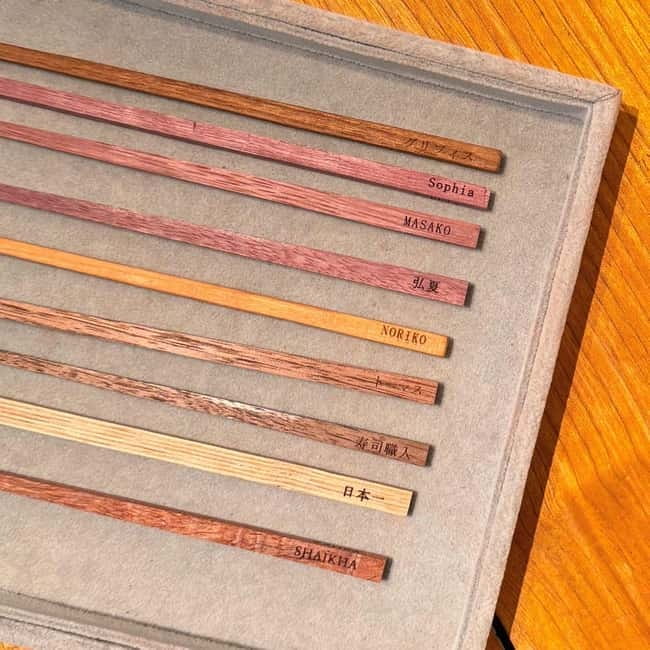
- Choose from 24 types of wood and 2 lengths, then build a pair you’ll use at home
- Hand-plane and sand your chopsticks step by step, with tools and guidance provided
- Oil the finish during the workshop so your chopsticks feel polished when you leave
- Optional laser engraving for a name or phrase, in Japanese or your native language
- English-speaking staff help you stay on track and understand the process
- Take your chopsticks home the same day, so the work becomes your usable souvenir
Why this Ginza workshop feels like a real craft, not a tourist trap
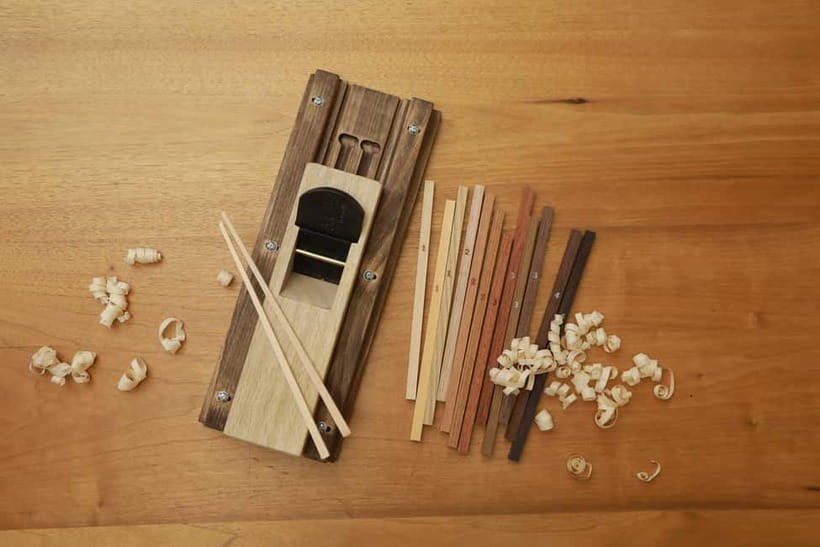
In Ginza, you have plenty of shopping and polished attractions. This workshop is different because it asks you to slow down and do one thing well: shape a pair of chopsticks.
The workshop is run by a woodworking company that handles the full process in-house, from selecting the wood to processing it. That matters, because it usually means you are not stuck with generic materials or unclear steps. Instead, you get a proper starter kit: the wood is ready to work, and the tools are set up for you to learn the motions that make chopsticks feel smooth in the hand.
Also, the final product is not just symbolic. You finish with oil, then take the chopsticks home right away. That turns the class into something you can use for everyday dinners or special occasions, instead of something that stays in a drawer.
Also on the shortlist for Tokyo:
- Mt Fuji and Hakone 1-Day Bus Tour Return by Bullet Train
★ 5.0 · 26,383 reviews - 1-Day Tokyo Bus Tour
★ 5.0 · 14,250 reviews - Tokyo: TOKYO SKYTREE® Admission ticket
★ 4.5 · 11,192 reviews
Picking your wood and length in central Tokyo (this is where the fun starts)
Your first job is choosing. You start by picking from 24 types of wood and selecting one of two lengths. You will see options that range from included woods to higher-grade choices that cost extra.
Here’s the practical part: your wood choice changes the whole feel of the workshop. Softer woods can be easier to shape, while harder or more unusual options can take more strength and patience. One common example from the experience is that olive wood can be tougher to work with. If you want a challenge, go for it. If you want the smoothest first attempt, lean toward one of the easier included choices.
This is also where you can think ahead about your souvenir plan. Are you buying these for yourself? For family? For a gift? If you plan to engrave later, it is nice to pick wood that will look good once it is oiled.
Planing: the part that rewards steady pressure (and uses your arms)
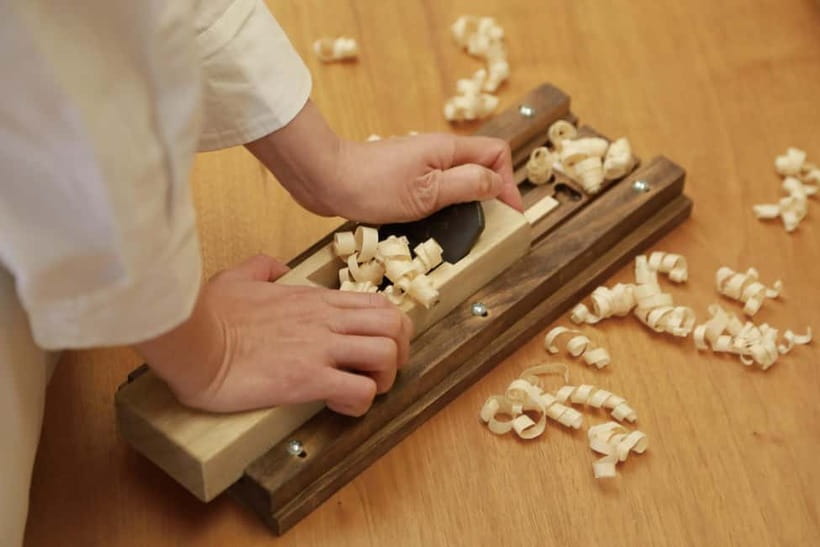
After you choose, you get to the core step: planing. You place the chopsticks on the stand and shave them down with a plane. This is the moment when it stops being a simple craft and becomes true tool work.
You can expect two challenges at this stage:
- Figuring out the right amount of pressure.
- Keeping the motion consistent so the shape comes out clean.
The guidance here is a big deal. English-speaking staff are there, and they actively help with technique so you do not get stuck staring at a tool and wondering what went wrong. People also note that helpers watch your progress while the shop is working through multiple pairs at once, so you are not left alone.
A quick self-check: if you feel like you are wrestling the wood, it usually means your pressure or angle needs adjustment. Once you hit the right feel, the process speeds up and the workshop becomes satisfying fast, because you can see the chopstick shape take form with every pass.
Sanding and oiling: making the finish feel smooth, not just handmade
Once planing is done, you switch to sanding. This is where the chopsticks start to feel good. You smooth the tips and corners, then move toward a uniform feel along the whole piece.
Sanding is also where patience pays off. If you spend extra time here, your final chopsticks feel cleaner and more comfortable to use. It is common to get less frustrated at sanding than at planing, because sanding is forgiving. You can take it slow, refine edges, and correct minor unevenness.
Then comes oil. Coating the chopsticks with oil gives you that polished look and helps your chopsticks feel finished when you leave. You will take your completed pair home the same day, so you are not waiting for a separate drying process later.
One nice feature of this workshop is that the finish is part of the lesson, not an afterthought. The staff focus on materials and the final result, so the chopsticks look and feel like a real set, not a rough draft.
A change of pace from Tokyo:
- Tokyo: teamLab Planets TOKYO Digital Art Museum Entry Ticket
★ 4.6 · 9,779 reviews - Mt Fuji & Hakone Cruise, Drum Show Bullet Train 1 Day from Tokyo
★ 4.0 · 7,413 reviews - Tokyo: Sumo Show Experience with Chicken Hot Pot and a Photo
★ 4.8 · 6,678 reviews - Tokyo: Shinjuku Food Tour (13 Dishes at 4 Local Eateries)
★ 5.0 · 6,603 reviews
Optional laser engraving: personalization that actually looks good
If you want your chopsticks to feel uniquely yours, you can add engraving. There is an additional fee of 1,100 yen for the engraving option.
You can engrave your name or a favorite phrase, and you can choose Japanese or your native language. The laser method is gentle on the wood, and it is designed to create crisp, readable characters without turning your piece into a mess.
I like this add-on because it solves the souvenir problem. A lot of crafts are one-time items. Engraving gives you a reason to keep using the chopsticks, since every time you eat, you are reminded of the specific day in Ginza when you made them.
Practical note: make a decision early. If you wait until the end, you might slow down your own pace. Plan the exact text you want so the staff can help you get it engraved efficiently.
Price and value: what your $25 really covers (and what costs extra)
At $25 per person for a 1-hour workshop, the headline value is that you get full hands-on tool time, plus the structure of a real woodworking process.
Your fee includes the workshop and a guide fee (1,000 yen), and you get English support from the staff. You also get access to the wood options, tools, and materials.
Where costs can rise is the upgrade system:
- 5 wood types are free of charge
- The remaining 19 types are higher grade and may add an extra charge
- Engraving costs an additional 1,100 yen
That pricing structure can actually be fair. You are not paying extra just to be allowed to participate. You pay extra only if you want better wood or personalization. If you go with the included woods and skip engraving, you keep the cost simple. If you want a more dramatic grain or a special message, the upgrades let you tailor the final gift.
Timing, location, and how to fit it into a Ginza day
This workshop runs for about 1 hour. That length is ideal if you want a creative activity without eating half your Tokyo schedule.
The meeting point is at 2-9-13 Ginza, Chuo-ku, Tokyo. Since it is in central Ginza, it is easy to pair with shopping nearby or to use it as a rainy-day plan that still feels active and rewarding.
The class can get busy. When multiple people are at different stages, you will hear tools and see hands moving around the room. The good news is the staff are used to it and stay attentive, so you can keep moving without feeling lost.
Who should book this chopstick workshop (and who should think twice)
This is a strong choice for you if:
- you want a practical souvenir you will use often
- you like making something with your hands, not just watching
- you enjoy woodworking basics and do not mind effort
It also fits families, including kids old enough to manage the tools and keep attention on instruction. One family had success with a 12-year-old, and the workshop worked for a wide age range in the room.
Think twice if:
- you want a totally effortless experience
- you are not comfortable with manual shaping with a plane
- you fall outside the workshop’s suggested suitability, since it is listed as not suitable for children under 3 and not suitable for people over 70
Quick tips to get better results, faster
A few small choices can make your chopsticks feel more professional when you get home:
- Start with a wood you feel confident working with, then upgrade only if you want extra challenge
- Watch the tool angle, not just the force. Consistent motion usually beats heavy pressure
- Take your time on sanding if you want comfort. The finish is what you will notice at the dinner table
- Plan your engraving text ahead of time so you do not scramble at the end
Should you book this chopstick-making workshop in Ginza?
I think you should book it if you want a fun, hands-on Tokyo activity that ends with something useful. The one-hour format, the English support, the real planing and sanding steps, and the option for name engraving make it feel worth your time and money.
You might skip it if you are looking for a low-effort cultural experience with minimal physical work. This workshop expects you to do some real shaping, and it is not trying to be a passive show.
If your goal is a personal, take-home keepsake that you will actually use, this is a very solid pick for central Tokyo.
FAQ
How long is the chopstick making workshop?
It lasts 1 hour, and you can check available starting times when you reserve.
Where is the meeting point?
The meeting point is 2-9-13 Ginza, Chuo-ku, Tokyo.
How much does it cost?
The price is $25 per person. There may be additional charges for upgrading wood types and for engraving.
Can I choose different types of wood and chopstick lengths?
Yes. You choose from 24 types of wood and two different lengths.
Is engraving included in the price?
Engraving is optional. It costs an additional 1,100 yen.
Is the workshop offered in English?
Yes. The instructor and staff support English and Japanese.
Is it wheelchair accessible, and is it suitable for kids or seniors?
It is listed as wheelchair accessible. It is not suitable for children under 3 years, and it is also listed as not suitable for people over 70 years.
Latest write-ups near Tokyo
- Tokyo Customized Private Tour: See Top Attractions in 1 Day★ 4.8 · 67 reviews
- From Tokyo: Top 5 Scenic Spots of Mount Fuji Full-Day Tour★ 4.5 · 67 reviews
- Tokyo: Shinjuku Izakaya and Golden Gai Bar Hopping Tour (2h)★ 4.9 · 67 reviews
- Traditional Japanese Music ZAKURO SHOW in Tokyo★ 5.0 · 67 reviews
- Tsukiji: Unlimited Sake Tasting Experience★ 4.9 · 67 reviews
- Samurai Ninja Museum Asakusa: Kid-Friendly Ninja Training★ 4.7 · 67 reviews
- Tokyo: Not a show- a professional sumo practice with experts★ 4.9 · 67 reviews
- Private Harajuku Omotesando Architecture Walking Tour★ 5.0 · 67 reviews
Workshops, compared.
Sushi Making Tokyo Roll and Authentic Japanese Sushi Class
Read our review →
Roll and Authentic Sushi Making Class in Asakusa
Read our review →
Ramen Cooking Class at Ramen Factory in Kyoto
Read our review →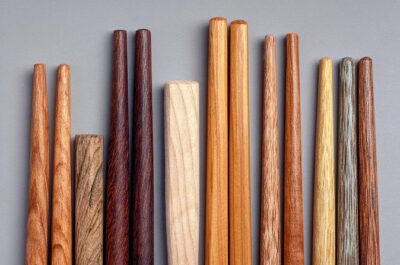
Sushi Making Class in a Happi Coat near a Famous Spot
Read our review →
Sushi Making Osaka Roll and Authentic Japanese Sushi Class
Read our review →
Tokyo Sushi Making Class in Tsukiji with Professional Chef
Read our review →Browse the lists this tour appears in