
Reviewed · WORKSHOPS
Tokyo Shinjuku Chopsticks Making Class
Tokyo Shinjuku Chopsticks Making Class is interesting because you leave with a real, useful souvenir made by your own hands, not a photo and a postcard. I like the hands-on kanna (Japanese hand plane) step, and I also like how you can choose Japanese wood types for your pair. One drawback to plan for: it can feel busy, and the more you want upgrades like premium wood or engraving, the more the final spend can climb.
In plain terms, you start with rough sticks of wood and shape them down until they look like chopsticks. Guides such as Masa, Tom, and Yuki are often praised for clear English and patient coaching, even when people mess up the first try. If you prefer a quiet, slow craft session, the schedule and station limits might not fit your style.
I recommend you go in with decent arm strength, because hand-plane work takes effort. Also, you will probably notice small upsells during the class, including higher-grade wood options and name engraving that some people added for extra meaning.
Key Things to Know Before You Go
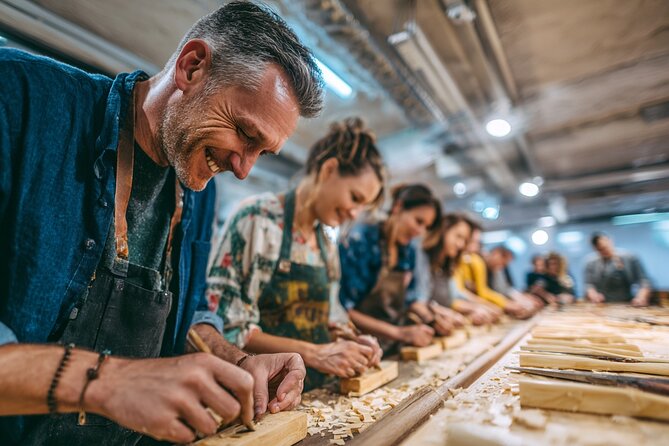
- Traditional kanna hand plane: The main action is shaping raw wood with a real Japanese tool.
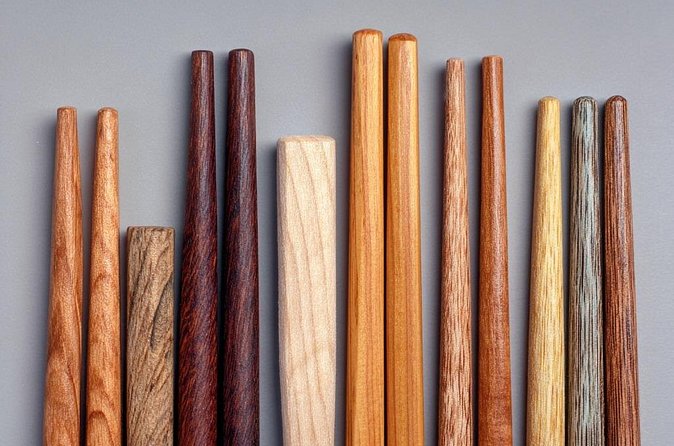
- Wood choices affect the vibe: Different woods bring different grain, color, and scent, so your chopsticks feel personal.
- Beginner-friendly pacing: Staff instruction is often described as patient, with plenty of help at workstations.
- Finishing matters: You’re taught to shave, smooth, and oil, not just rough-shape and walk away.
- Optional add-ons: Premium woods cost extra, and engraving can be an additional charge.
- It can get hectic: The experience can feel rushed at peak times when instructor time is spread thin.
From Raw Wood to Your Pair: What the Class Feels Like
This is a true make-it-yourself workshop. You’ll begin with sticks of raw wood and work them down into functional chopsticks using a small hand plane called a kanna. The point is not speed. It’s the process, including learning how the tool cuts, how the grain reacts, and how you get from rough edges to smooth surfaces.
You’ll also get the chance to personalize the result. Most classes in this format let you pick your wood type, and here you can choose from different Japanese woods, with some options included and others offered as upgrades. That matters because chopsticks are such a tactile souvenir. When your grain choice looks and feels different, it lands as yours, not generic.
The biggest reason this works so well for visitors is that it’s guided. Even if your woodworking skill is zero, you’re not just thrown into a craft corner. You’re taught a sequence and corrected when needed, so you can finish with something you’ll actually use at home.
Also on the shortlist for Tokyo:
- Mt Fuji and Hakone 1-Day Bus Tour Return by Bullet Train
★ 5.0 · 26,383 reviews - 1-Day Tokyo Bus Tour
★ 5.0 · 14,250 reviews - Tokyo: TOKYO SKYTREE® Admission ticket
★ 4.5 · 11,192 reviews
Meeting in Shinjuku: Finding 7-chōme-4-5 Nishishinjuku With Less Stress
The class starts at 7-chōme-4-5 Nishishinjuku, Shinjuku City, Tokyo 160-0023, Japan and ends back at the same meeting point. It’s also described as being near public transportation, which is useful in Tokyo because you don’t want to burn your only free hour hunting for a side street.
Even with a simple address, I’d plan a buffer. Some people reported confusion when the location details weren’t clear enough, including having to check where they were supposed to go. So treat the meeting place like an appointment, not a casual “it’s probably nearby” plan.
Bring your confirmation email to check in. You’ll have a mobile ticket, and confirmation is received at booking time. If you’re going with kids or a multi-person group, arriving early helps you get seated and start before the room fills up.
Your First Decision: Choosing Wood and What It Costs You
One of the most praised parts is the wood selection. You can experiment with different Japanese wood types, and the workshop includes two types for free. Premium woods are available for a small upgrade.
That’s where you should pay attention to value. The base price is $20 per person, but the real experience cost depends on what you want your final chopsticks to be. If you’re happy with the free wood choices, you’ll likely feel like the class is good value. If you want a specific look or feel, expect an upsell and budget for it.
A key practical tip: pick based on what you want to remember. If you want a souvenir that feels like it came from Japanese craftsmanship, choose a wood you can describe later by its look or scent. If you mostly want the fun of making and finishing, the included wood options are often plenty.
The Kanna Moment: Shaping Chopsticks Step by Step
The heart of the workshop is using the traditional kanna to shape your chopsticks from rough stock. You’ll shave the wood and form the surface so the final result is both attractive and usable.
This is also where you learn what hand tools are really like. A hand plane doesn’t behave like a power tool. You feel the grain direction, the resistance, and the way the cut gets smoother as you refine your shape. That’s why people come away impressed even when the first attempt isn’t perfect.
The instructors are repeatedly described as attentive and patient. Names that show up in feedback include Masa, Tom, Yuki, Nana, Mauro, Ken, and Sayaka, with praise for clear English. If you’re struggling, you’ll want to ask early for a quick correction rather than pushing harder on the same spot.
Also, be ready to use some muscle. Several comments call out that it takes effort, especially if you choose a wood that feels tougher to plane. Going in with realistic expectations keeps the experience fun instead of frustrating.
A change of pace from Tokyo:
- Tokyo: teamLab Planets TOKYO Digital Art Museum Entry Ticket
★ 4.6 · 9,779 reviews - Mt Fuji & Hakone Cruise, Drum Show Bullet Train 1 Day from Tokyo
★ 4.0 · 7,413 reviews - Tokyo: Sumo Show Experience with Chicken Hot Pot and a Photo
★ 4.8 · 6,678 reviews - Tokyo: Shinjuku Food Tour (13 Dishes at 4 Local Eateries)
★ 5.0 · 6,603 reviews
Shaving, Sanding, and Oiling: Finishing That Makes It Feel Real
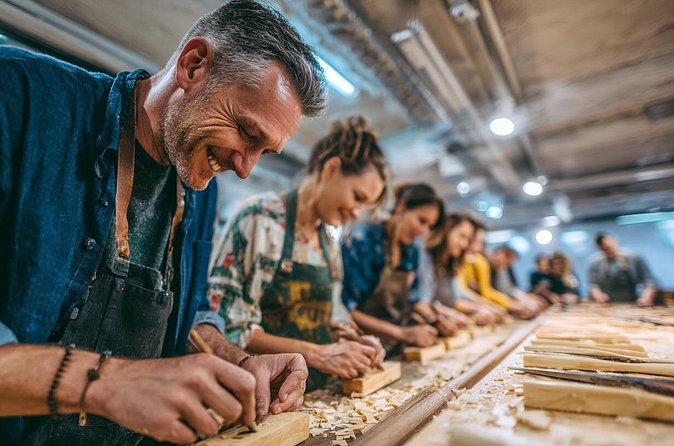
After shaping, the class doesn’t stop at rough chopstick form. You’ll learn how to smooth the surface and finish the wood, including sanding and oiling. This finishing step is what turns a project into something you’d actually want to eat with, and it’s what makes the souvenir feel alive in your hands.
Why this matters: raw wood looks unfinished and can feel rough. A proper oil finish also helps with the look of the grain, so your choice of wood becomes part of the final look. It’s the step that makes your chopsticks feel like a craft object, not a souvenir that happened to be shaped.
If you’re the type who likes to get things right, this is your moment. Take your time on smoothing. The workshop format is guided, but your arms and your attention are still the difference between chopsticks that feel great and chopsticks that feel merely okay.
You’ll also likely be taught in a way that works for beginners, with staff checking you and helping when you get stuck. That’s part of why the class gets nearly universal praise for the teaching.
Optional Upgrades: Premium Woods and Engraving
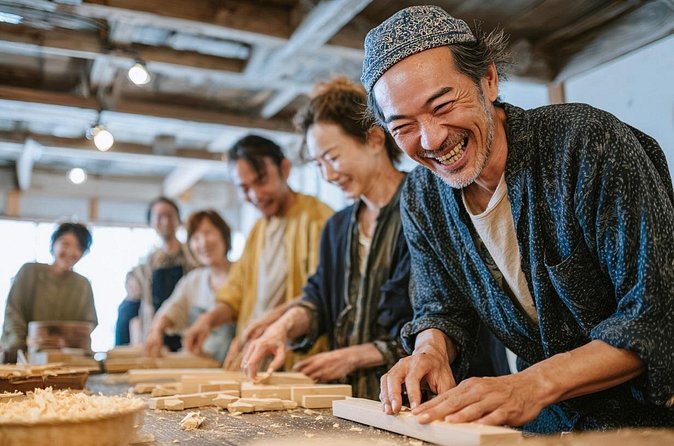
This is a hands-on workshop with optional add-ons. The big two are premium wood and engraving. Some people reported an engraving fee of 2,000 yen if they added it, which is a nice way to make the chopsticks more personal.
For value, decide in advance what kind of souvenir you want. If your goal is memory of the activity, you might be happy with the included wood and skip upgrades. If your goal is something you’ll display or use often, engraving can make it feel more special.
One honest consideration from feedback: some visitors felt the class pushed upgrades during busy periods, which can make the experience feel less like a lesson and more like a sales moment. If you hate pressure, keep it simple. Choose your wood at the start, decide on engraving early if you want it, and don’t feel you need to add everything once you’re mid-project.
Also note that the engraving and premium wood choices are where costs change. The base price is clear, but your final number is not fixed unless you stay with included options.
How Busy It Gets, and When to Time Your Visit
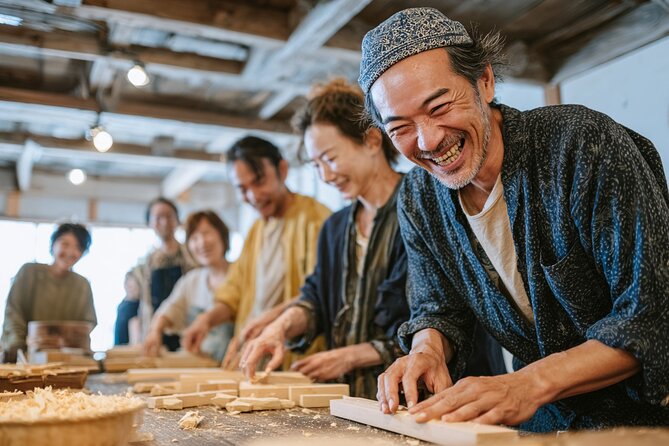
This class has a maximum group size of 32 travelers. In practice, that means you’ll be working at stations in a room designed to handle several people at once. One review highlighted an organized layout with four tables and multiple workstations, which helps the flow when the room fills.
Still, it can get crowded. Multiple comments describe it as busy and sometimes hectic, especially at midday. When there are more people than instructors can comfortably support, you may feel a bit rushed or less supported during the trickier tool steps.
So my practical advice is to choose timing that gives you breathing room. If you can, aim for a slot that feels less likely to be peak demand. You’ll have a better chance of slowing down during the hand-plane stage and getting the finishing details right.
If your group includes kids or older adults, this timing advice matters even more. Several comments praise the class as family-friendly, including multi-generation groups, but support levels depend on how full the room is.
Price and Value: Is $20 Worth It?
At $20 per person, this is a low-cost way to bring home a made-by-you craft item. The price is especially fair when you treat it as a skill experience, not just a purchase. You’re learning a real tool technique, and you’re doing the full sequence from rough wood to finishing.
Where the value can swing is the add-on menu. Premium wood options are available for upgrades, and engraving costs extra. Some people felt upsells were steep or felt too pushy when the workshop was full.
My approach: plan your spend like this. Buy the base class, pick one wood you like among the included choices, and only add engraving if you really want that personal signature. If you’re traveling with a family, this strategy keeps everyone’s budget predictable, and you still end up with a souvenir that feels special.
If you want the most value, go in with a clear idea of what you’ll pay beyond the $20. That way, the class stays about making, not decision fatigue.
Who This Is Perfect For (And Who Might Find It Tricky)
This workshop is great for beginners. You don’t need prior woodworking experience, and instructors are often praised for patience and clear English instruction. Families like it because it’s hands-on, you can participate together, and everyone leaves with a tangible result.
It’s also a strong pick if you want an authentic Tokyo moment that isn’t a staged performance. Making chopsticks with a kanna is a craft skill, and the finished pair is something you’ll use at home.
The main “might be tricky” group is anyone who hates getting pressured during optional upgrades, or anyone who needs a very quiet, low-demand pace. If you feel overwhelmed by crowds, pick a calmer time slot. If your arms tire quickly, plan for effort, especially if you choose wood that’s tougher to plane.
Quick Reality Check on Tools and Technique
Hand-tool workshops depend on tool quality and instructor guidance. Some feedback mentioned tools feeling blunt, which can make shaving harder and slow the process. That doesn’t mean your class will be poor, but it is a heads-up that the kanna work can still require patience and steady hands.
Your best move is to ask for help the moment something feels off. Don’t wait until you’re far down the process and then try to fix it. The best learning moments come when you correct small technique issues while the project is still flexible.
Also, expect a little practice on your first chopstick. Many people say they screwed up the first one and then got it right after coaching. That’s normal. The workshop’s value is in learning, not in pretending you’ll nail it on try one.
Should You Book This Chopsticks Workshop?
Book it if you want a hands-on Tokyo souvenir that you actually made, and if you’re okay with a lively workshop environment. The combination of the kanna shaping step, wood choice, and guided finishing makes it a memorable activity for beginners and families.
Don’t book it if you want a totally quiet, slow craft session with no upsells. Also skip it if you know you dislike tool work that requires effort in your arms. Some people felt the experience was rushed when the room was packed, so timing matters.
If you do book, come with a plan: choose your wood early from what’s included, decide about engraving before you’re deep into the project, and give yourself a little extra time to find the meeting point without stress.
FAQ
How long is the Tokyo Shinjuku chopsticks making class?
It runs for about 1 hour.
Where is the meeting point for the class?
The meeting point is listed as 7-chōme-4-5 Nishishinjuku, Shinjuku City, Tokyo 160-0023, Japan.
What is the ticket format?
You receive a mobile ticket.
Is there a limit on group size?
Yes. The activity has a maximum of 32 travelers.
What wood options do I get?
You can choose from different types of Japanese wood. Two types are free, and premium woods are available for a small upgrade.
Is engraving available, and does it cost extra?
Engraving is available as an additional option. One review mentioned a 2,000 yen engraving charge.
Will I get confirmation after booking?
Yes. Confirmation is received at the time of booking.
Can I bring a service animal?
Yes. Service animals are allowed.
Is it refundable if plans change?
Yes, free cancellation is available. You can cancel up to 24 hours in advance for a full refund.
Is the meeting point near public transportation?
Yes. The activity is near public transportation.
Latest write-ups near Tokyo
- Tokyo Customized Private Tour: See Top Attractions in 1 Day★ 4.8 · 67 reviews
- From Tokyo: Top 5 Scenic Spots of Mount Fuji Full-Day Tour★ 4.5 · 67 reviews
- Tokyo: Shinjuku Izakaya and Golden Gai Bar Hopping Tour (2h)★ 4.9 · 67 reviews
- Traditional Japanese Music ZAKURO SHOW in Tokyo★ 5.0 · 67 reviews
- Tsukiji: Unlimited Sake Tasting Experience★ 4.9 · 67 reviews
- Samurai Ninja Museum Asakusa: Kid-Friendly Ninja Training★ 4.7 · 67 reviews
- Tokyo: Not a show- a professional sumo practice with experts★ 4.9 · 67 reviews
- Private Harajuku Omotesando Architecture Walking Tour★ 5.0 · 67 reviews
Workshops, compared.
Sushi Making Tokyo Roll and Authentic Japanese Sushi Class
Read our review →
Roll and Authentic Sushi Making Class in Asakusa
Read our review →
Ramen Cooking Class at Ramen Factory in Kyoto
Read our review →
Sushi Making Class in a Happi Coat near a Famous Spot
Read our review →

Sushi Making Osaka Roll and Authentic Japanese Sushi Class
Read our review →
Tokyo Sushi Making Class in Tsukiji with Professional Chef
Read our review →Browse the lists this tour appears in