
Reviewed · TEA CEREMONIES
Kyoto: Newly Opened Tea Ceremony – Sanjo Chasuian
A newly opened tea ceremony space in Kyoto, Sanjo Chasuian turns mindfulness into something you can actually practice. The big draw is how hands-on it is, plus that dramatic entry through a nijiriguchi crawl-in that makes the whole room feel special the moment you arrive.
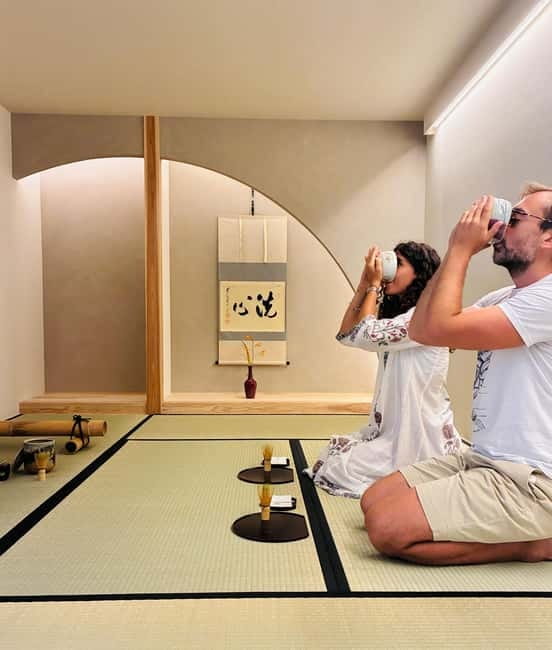
I also like the way they teach you first, so you understand what you are doing before you start swirling whisk and matcha. And I love that you get two cups of matcha: one prepared by the host, and one you whisk yourself (or with a companion).
One thing to consider: this is a calm, structured session with a locked door once it begins. If you arrive late, you miss it, so plan a little buffer around the start time.
Key moments worth your time
- A 5-minute walk from subway Karasuma Oike, so it fits easily between Kyoto sights
- Two rounds of matcha, including the one you whisk yourself
- Nijiriguchi entrance, the crawl-in doorway that sets the ceremony tone fast
- Seasonal Kyoto sweets from a confectioner with over 100 years of history
- English instruction with a small group size (up to 10)
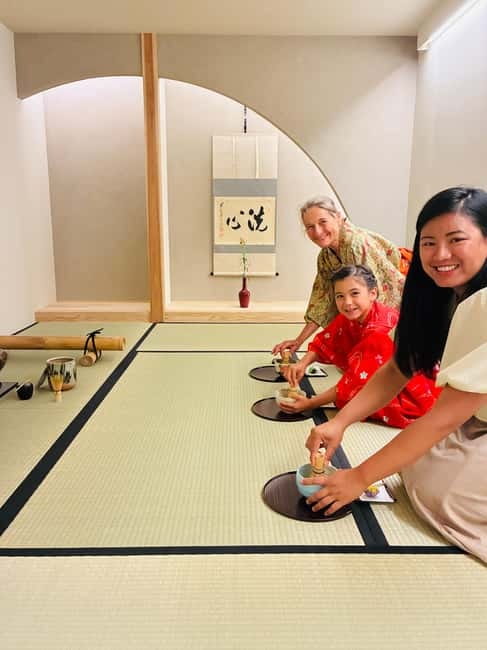
- Optional uchikake coat-style kimono, available on the day for a limited quantity
Sanjo Chasuian, a newly opened tea ceremony near Karasuma Oike
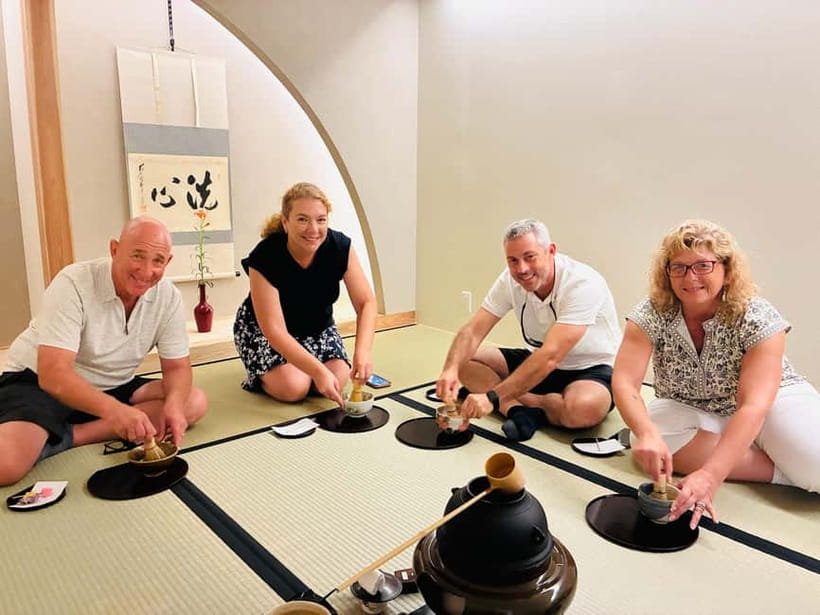
Kyoto tea ceremonies can feel mysterious at first. Here, the setting is new, but the format stays traditional. Sanjo Chasuian is a short walk from subway Karasuma Oike, which matters more than you might think, because tea ceremonies work best when you are not rushing in stressed.
You enter a purpose-built cultural space meant for international guests, with guidance and explanations provided in English. That takes the pressure off. You can focus on the experience, not on translating every step or trying to figure out which utensil is for what.
And because it is newly opened, you get that “fresh start” feeling too. The ceremony is still respectful and formal, but you are not walking into some hard-to-navigate, old-infrastructure place. It is set up for visitors, while still preserving the serious mood that tea ceremony people aim for.
More Tea Ceremonies in Kyoto
- Kyoto: Tea Ceremony in a Traditional Tea House in Kiyomizu
★ 4.9 · 3,519 reviews - Kyoto: Tea Ceremony Ju-An at Jotokuji Temple
★ 4.9 · 3,207 reviews - Kyoto: 45-Minute Tea Ceremony Lesson Experience
★ 4.3 · 2,378 reviews
What the 1-hour ceremony flow actually feels like
Your session runs about 1 hour, and the pacing is built to help you learn without getting bored. It usually follows a simple arc: context first, then taste, then practice.
1) Tea ceremony history and purpose
You start by learning about where the tea ceremony comes from and what the rituals are trying to express. This is not just trivia. It helps you understand why people move slowly, why there is a specific order, and why talking is handled differently than in everyday life.
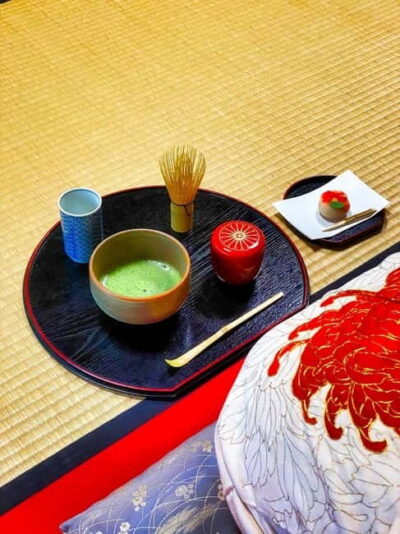
2) First matcha bowl, made by the host
Next, you watch the host prepare matcha and you taste it. Many hosts, including guides you might meet such as Yuko or Reina, are very good at walking you through what is happening as they do it.
3) Second bowl, made by you (with your companion if you have one)
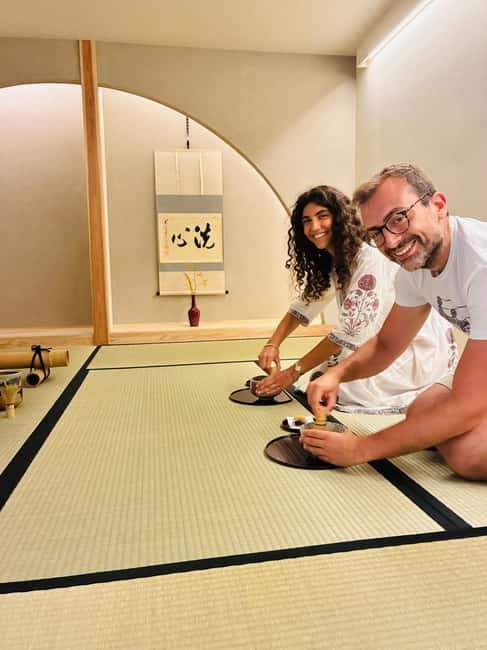
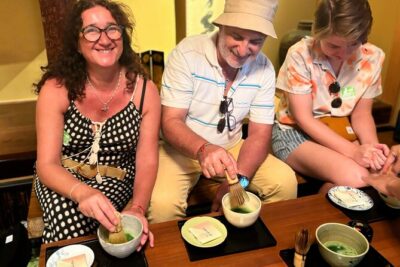
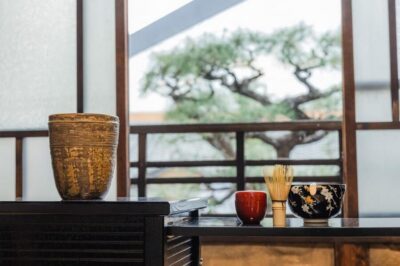
Then you make your own bowl of matcha. You choose a tea bowl and whisk your matcha using the tools they provide. This is where the experience turns from “watching a performance” into “doing the ritual.”
That hands-on part is the reason this works. You leave with a memory that is not only visual, it is physical. You feel the effort required to whisk properly and you understand how matcha texture changes as you work.
Also, the venue offers a sake tasting program as part of what the facility does overall. Your 1-hour session here is centered on the tea ceremony itself, but it is good to know you are in a place that connects Japanese drinks culture rather than treating tea as a random standalone activity.
Nijiriguchi, socks, and why punctuality matters more than you think
The most instantly memorable detail is the nijiriguchi, the crawl-in entrance into the ceremony space. You are not just walking through a door. You are physically lowering yourself and leaving outside energy behind.
It is a small detail, but it changes the vibe. Once you are inside, the ceremony feels more like a “moment” than a scheduled activity. And since chairs are available for those who prefer them, you do not have to assume this is only for people comfortable on the floor.
Two practical notes that matter:
- Bring or wear socks. You will need them during the experience.
- Arrive early. Entry is allowed from 5 minutes before the start time. Once the session begins, the door locks. If you are even 1 minute late, you cannot join and there is no refund.
This strict timing is not there to be mean. It is there to protect the calm. Tea ceremonies depend on a quiet start, and the room is structured like that. So I’d plan your route so you can get there 10 to 15 minutes early, then wait nearby.
Making matcha yourself, choosing a bowl, and getting the best teaching
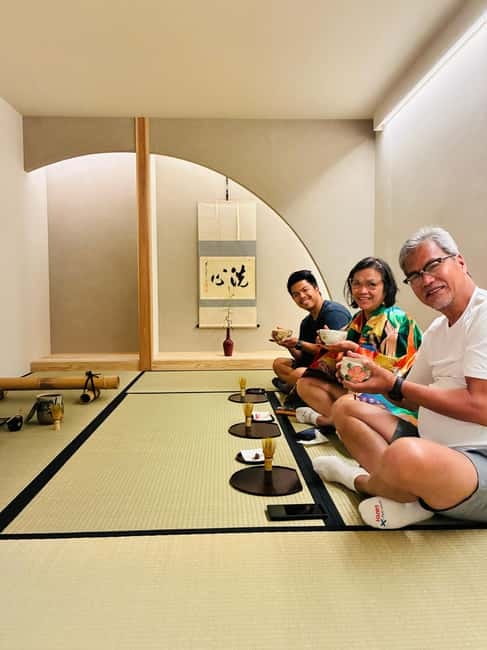
The matcha portion is hands-on, which is where a lot of tea ceremonies fall short in value. Some are mostly watching. Here, you actually do the work.
Before you start whisking, you get clear guidance. You might even get a short talk about the matcha whisk and bowl, what you are aiming for, and what “good” looks like as you mix. That matters because matcha is not like drinking powder tea. The texture and consistency are part of the ritual.
During your practice round:
- You choose a tea bowl
- You whisk matcha using the tools provided
- You learn by observing the host’s movements first, then copying them yourself
Hosts do a lot of the small “how” teaching. People often highlight how patient the instructors are with English explanations and how willing they are to include you, even in a group setting.
One extra perk I like: hosts can take pictures and videos while you make matcha. That means you are not stuck asking a stranger to photograph you while you are mid-whisk. It is a small kindness, and it makes it easier to remember what you did without ruining the flow.
A change of pace from Kyoto:
- PERFECT KYOTO 1-Day Bus Tour
★ 5.0 · 13,518 reviews - Kyoto: Fushimi Inari, Kinkakuji, Bamboo Grove 1 Day Bus Tour
★ 4.8 · 4,316 reviews - Kyoto Geisha Walking Tour: Gion District & Hidden Gems
★ 4.7 · 3,273 reviews - Kyoto: Gion Magical Night Walking Tour with Geisha Trivia
★ 4.9 · 2,393 reviews
The seasonal sweets component, and why it is not filler
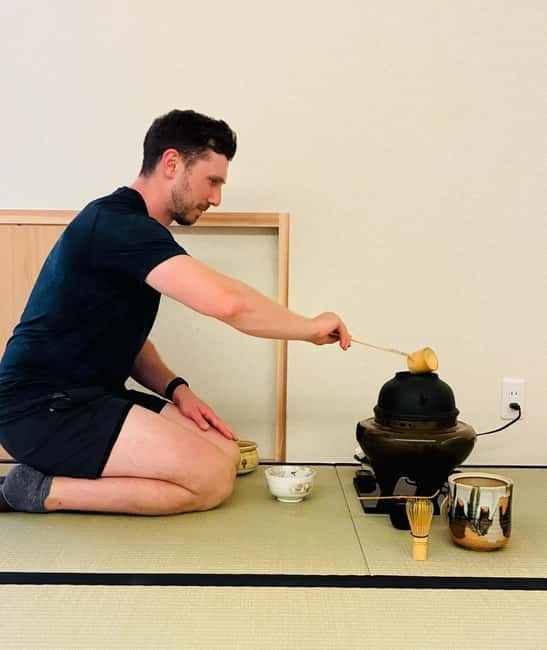
At tea ceremonies, the sweets are not just dessert. They shape the tasting experience and set your palate for matcha.
You get traditional seasonal Japanese confectionary from a Kyoto shop with over 100 years of history. In practice, you eat the sweet that fits the season, then you taste matcha in the same sitting. That rhythm helps the matcha feel less sharp and more balanced, because the sweetness gives you contrast.
I also like that you are not forced into a one-note “chocolate and tea” interpretation. This is real wagashi style, the kind designed to pair with matcha’s bitterness and umami.
And if you happen to have dietary restrictions, the safest move is to speak up before you go. The session data does not list allergy options, so you should treat it like any other food-included cultural activity and plan accordingly.
Group size, English guidance, and keeping the ceremony calm
This is a small group session limited to 10 participants. That scale is a sweet spot. You are not alone, but you also are not in a crowded room where it is hard to hear explanations or feel the quiet.
The instruction is in English, and the hosts tend to explain both the history and the process clearly. You might notice that the ceremony is designed so conversation does not dominate. One person’s favorite part may be how the host sets you up so the matcha ritual can happen with minimal chatter, while you still understand what each movement means.
One timing and etiquette issue to know: children and interpretation needs change which plan you should book. The shared session is intended to keep the mood calm. If you have children under 5, or you need an interpreter, they ask you to choose the Private Plan. If you book incorrectly under the shared plan, participation and refunds will not be possible.
Optional uchikake coat-style kimono, if you want the full look
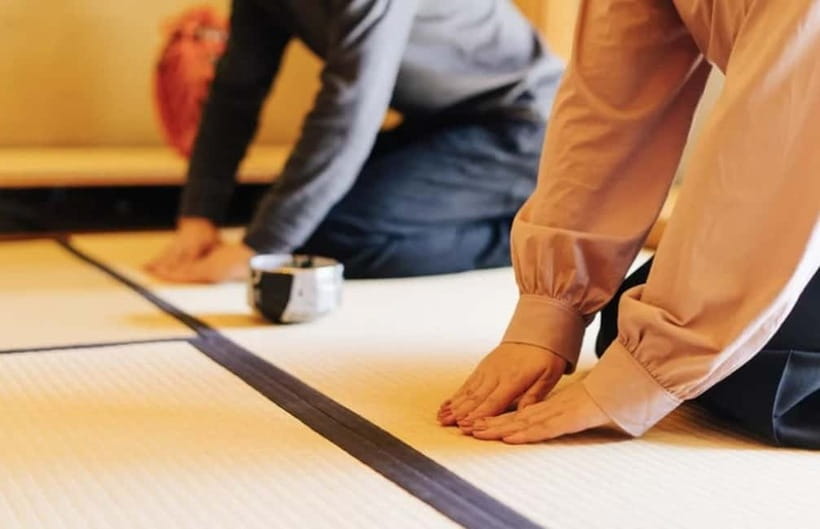
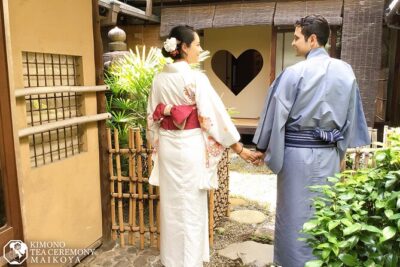
You might see guests in traditional clothing, and the experience offers a simple way to join that look without renting a full kimono set.
There is an optional uchikake coat-style kimono experience for ¥1,500 (tax included). It is available only on the day, and quantities are limited. Advance reservations are not accepted.
I like this setup because it gives you a “tea ceremony photo moment” without dragging you into a long dressing process. But if you care about planning ahead, treat it like a bonus, not a guaranteed add-on.
Also note: they do not offer standard kimono rental or dressing services. So if your dream is a full kimono transformation, this is not that. The uchikake option is more like a coat overlay for the ceremony look.
Price and value: $31 for two matcha bowls and the wagashi pairing
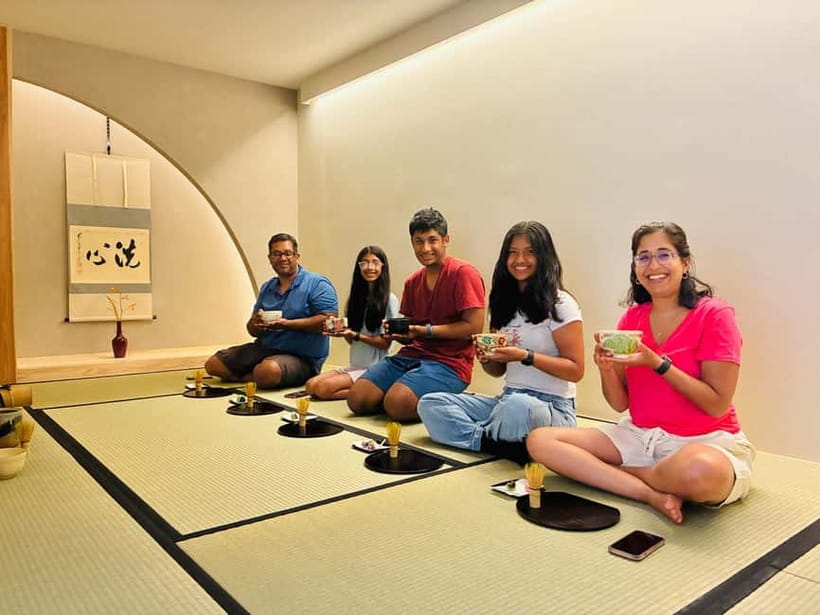
At $31 per person, this tea ceremony is priced like a focused cultural workshop, not like a watered-down tourist demo. The value is straightforward:
- Two servings of matcha are included
- One sweet course from a Kyoto confectioner with over 100 years of history is included
- You get English instruction and hands-on practice
- You leave with matcha know-how, not just a souvenir photo
You also have a potential value boost because the experience is newly opened and has a grand opening discount until September 15th. If you are visiting in that window, this is a smart time to book.
Finally, remember that tea ceremony equipment is often expensive. This place sells items you can purchase, including matcha and tea bowls and select items. You might not buy anything, but it is available if you want to recreate the practice later at home.
Who should book Sanjo Chasuian, and who should skip it
I think this fits best if you:
- Want a tea ceremony that actually teaches you how to whisk matcha
- Prefer structured, quiet experiences over casual “sightseeing with a stop”
- Like learning the meaning behind rituals, not just watching them
- Want something close to public transit, with Karasuma Oike within a short walk
It may not fit if you:
- Are traveling with a wheelchair (wheelchair users are listed as not suitable)
- Are traveling with children under 6 (not suitable)
- Need a child-friendly, flexible environment for young kids, since the shared session is designed to keep the atmosphere calm
If you are in doubt, choose the Private Plan when the rules suggest it. The ceremony’s goal is calm, and they manage it by design.
Final verdict: book it if you want hands-on matcha with a Kyoto feel
If your goal is a real Kyoto tea ceremony experience in one hour, with a small group, English guidance, and the chance to whisk your own matcha, I’d say book it.
Do it especially if you like activities where you learn by doing, and you want the iconic vibe of the nijiriguchi entrance. The price makes sense because you are getting two matcha bowls plus seasonal sweets, not just a single sip and a short talk.
Just be strict with timing, bring socks, and go in ready to slow down. This is one of those Kyoto moments that works best when you treat it like a ritual, not a checklist item.
FAQ
Where is Sanjo Chasuian, and how do I get there?
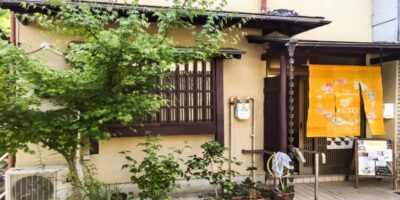
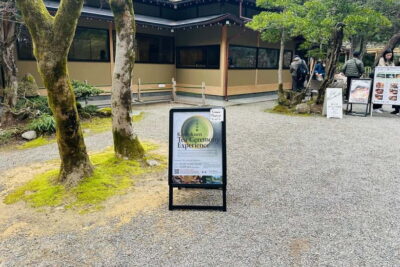
It is about a 5-minute walk from subway Karasuma Oike station. You meet at the facility address where you can find a big plate of the Sanjo Chasuian logo and name.
How long is the tea ceremony experience?
The duration is 1 hour.
Is the experience offered in English?
Yes. Guidance and explanations are provided in English, and the instructor is listed as English.
What is included in the $31 price?
You get two cups of matcha (one made by the host and one you whisk yourself or with a companion) plus traditional seasonal Japanese confectionary.
Do I need to wear socks or bring anything?
You should bring or wear socks during the experience.
Is it suitable for kids, and is it wheelchair accessible?
It is not suitable for children under 6. It is also listed as not suitable for wheelchair users. For children under 5, they ask you to book the Private Plan.
Latest write-ups near Kyoto
- Kyoto: Nishiki Market Tour with a Local Foodie & Tastings★ 4.5 · 67 reviews
- Kyoto Kimono Rental mimosa |Kimono/Yukata Rental Couple Plan★ 4.8 · 67 reviews
- Kyoto: Traditional Kimono Fabric Handicrafts Workshop★ 5.0 · 67 reviews
- Kyoto Tea Ceremony and Samurai Photo Session★ 5.0 · 70 reviews
- Kyoto: Replica food making experience★ 4.8 · 70 reviews
- Kyoto: Kinkakuji, Golden Pavilion Guided Tour★ 4.7 · 71 reviews
- Private departure transfer from Kyoto city to Kansai International airport★ 5.0 · 72 reviews
- Uji: Green Tea Tour with Byodoin and Koshoji Temple Visits★ 4.8 · 72 reviews
Tea Ceremonies, compared.
Tea Ceremony in a Traditional Tea House in Kiyomizu
Read our review →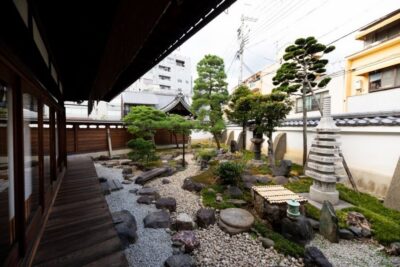
World Heritage Kyoto & Nara Uji Authentic Matcha Experience
Read our review →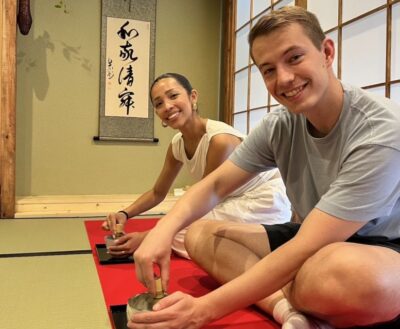
Browse the lists this tour appears in