
Reviewed · KIMONO EXPERIENCES
Tokyo: Matcha and Kimono Experience
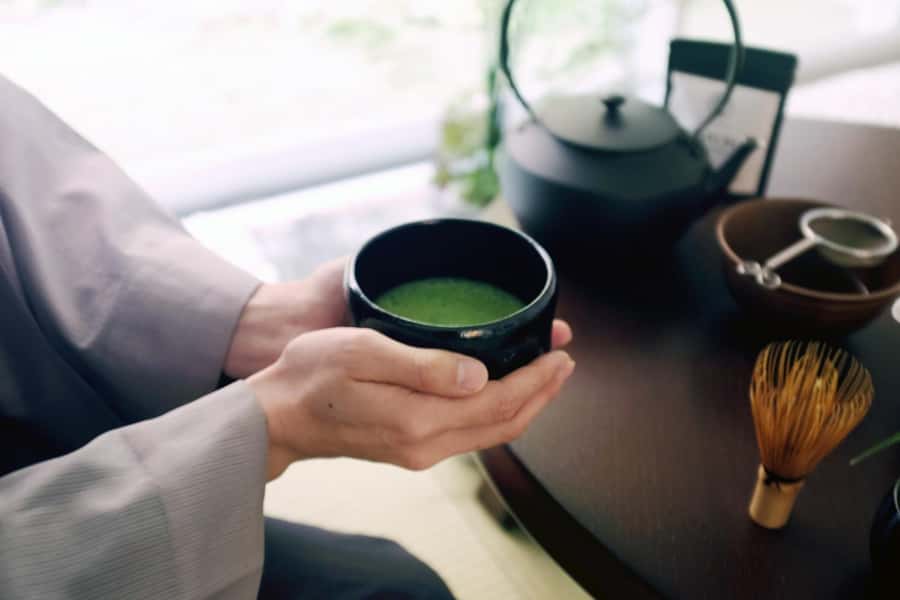
In Tokyo, it is rare to find a class that mixes matcha craftsmanship with kimono style, and still ends with something you can repeat at home. This matcha and kimono experience runs close to Shinjuku and turns a cup of tea into a hands-on cultural lesson, from Teaism to the tea ceremony.
What I like most is the centerpiece: an exclusive first flush matcha picked from a 100+ matcha collection. I also like that you do more than watch, you get a guided matcha-making lesson and learn the basic manners for drinking and serving.
One thing to consider is logistics. You need to bring socks to protect the floor, and if you are more than 10 minutes late your booking can be canceled, so build in a buffer walking from Yotsuya.
Key points at a glance
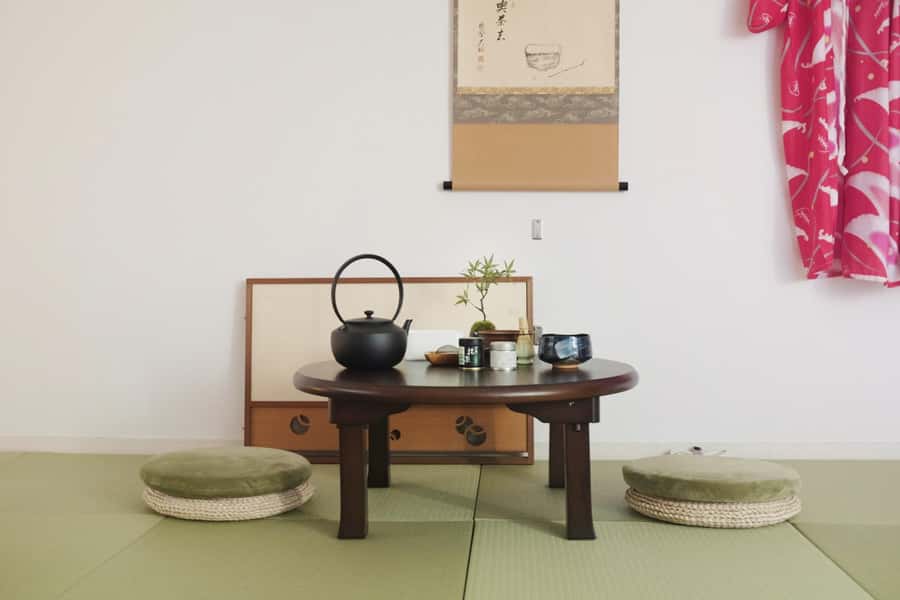
- Exclusive first flush matcha chosen from a 100+ matcha lineup
- Easy-to-wear kimono designed to be put on quickly compared with traditional versions
- Teaism and tea ceremony explained by a tea expert, with practical serving and drinking manners
- Real matcha vs fake matcha comparison so you know what you are tasting
- Hands-on matcha preparation practice plus take-home know-how to make a beautiful bowl
Matcha and kimono near Shinjuku, and why it works in Tokyo
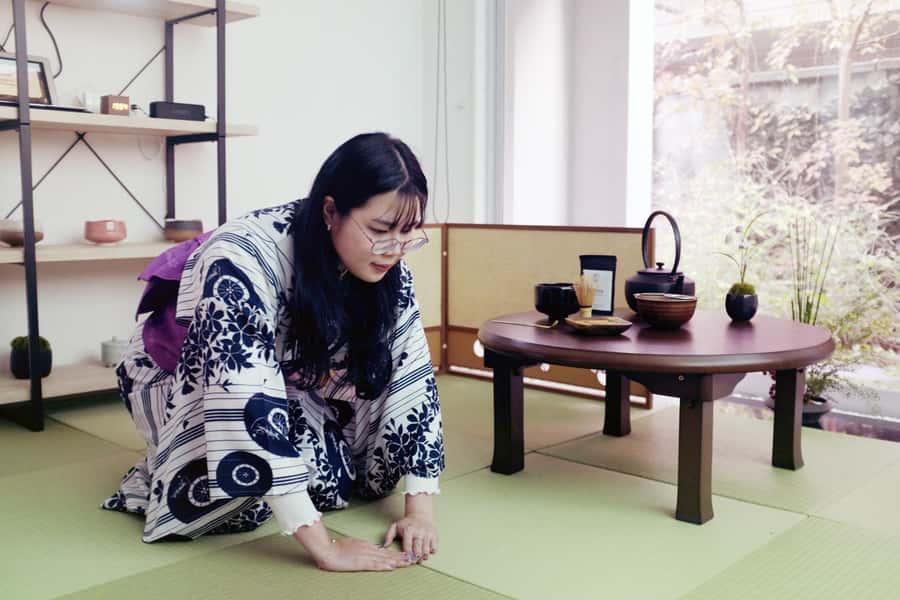
Tokyo is full of food tours and craft workshops, but matcha has a special trick. When it is done well, you can taste the difference immediately, and when it is done poorly, it can taste flat or overly bitter. Pair that with dressing in a kimono and the whole experience becomes visual and sensory, not just instructional.
This one is also efficient. In a single afternoon you cover four linked pieces of Japanese culture: Tea ceremony, Teaism, matcha, and kimono. That structure matters, because matcha makes more sense when you understand the philosophy and gestures behind the ritual.
The location choice near Shinjuku and Yotsuya is practical too. You can do this without a long transit day, which is helpful when Tokyo days are already packed with temples, neighborhoods, and late-night ramen quests.
More Kimono Experiences in Tokyo
- Let’s make kimono !(Kimono is a gift for you
★ 5.0 · 252 reviews - Tokyo: Asakusa Kimono Dressing and Matcha Experience
★ 4.9 · 173 reviews - Asakusa: Kimono Tea Ceremony with Matcha and Sweet
★ 4.9 · 153 reviews
First flush matcha tasting, then the matcha reality check
The session starts with the star ingredient: first flush matcha. First flush is the early-season harvest, and the workshop frames it as top quality. You do not just drink one cup and call it a day, you taste and compare options from a 100+ matcha collection using your eyes, nose, and tongue.
I like that the tasting approach is sensory. You are training yourself to notice aroma and visual cues, not only chasing flavor with your taste buds. It turns matcha into something you can learn to evaluate, even when you are shopping back home.
Then comes one of the most useful parts: the comparison of real matcha versus fake matcha. This is not an abstract warning, it is tied to what you can taste. If you have ever bought a cheap matcha tin that looked the part but tasted wrong, this part is designed to help you avoid that.
One more thing that adds value: you cover how Japanese matcha and overseas matcha can be very different. Even if you do not change brands right away, you will come away with a clearer idea of what quality looks and tastes like.
Dressing in an easy-to-wear kimono that still looks right
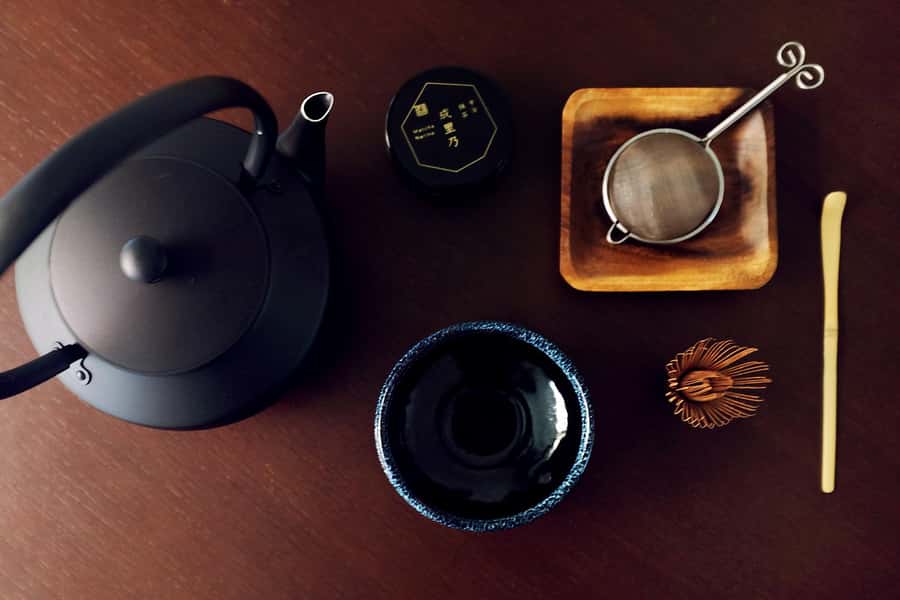
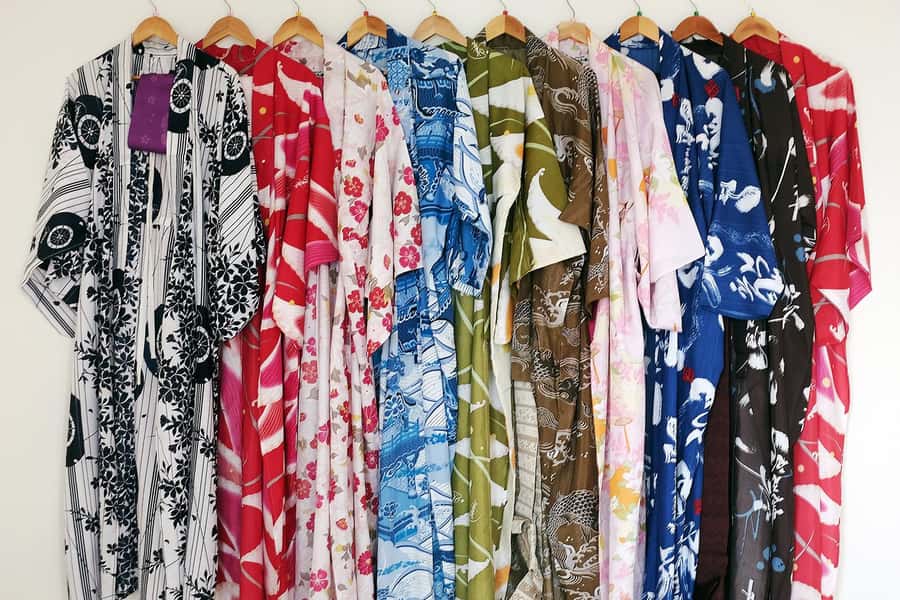
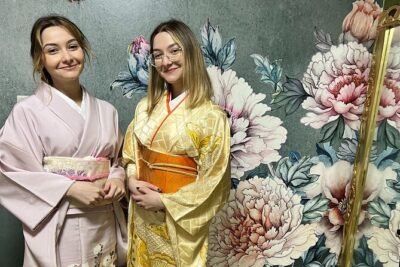
Kimono can sound intimidating, mostly because traditional dressing can take a while. This experience uses an easy-to-wear kimono designed to be put on quickly, and the workshop specifically contrasts it with the longer 30-minute range for standard kimono dressing.
That design choice is smart for Tokyo. You are not spending most of your time fussing with fabric and straps, you are getting to the cultural core. And based on participant feedback, the kimono part lands as a memorable highlight, not a token costume change.
You also get guidance on the proper way to wear kimono. That matters because many people have photos in kimono that look great from the outside but are awkward in the details. In this format, you learn enough to feel confident standing, sitting, and moving for the ceremony moment and for group photos.
The activity requires socks. That is partly comfort and partly etiquette, since you are protecting traditional flooring. You can also buy socks on site if you forget, but I recommend packing them, especially if your Tokyo itinerary already runs tight.
Teaism and tea ceremony, explained as a system, not folklore
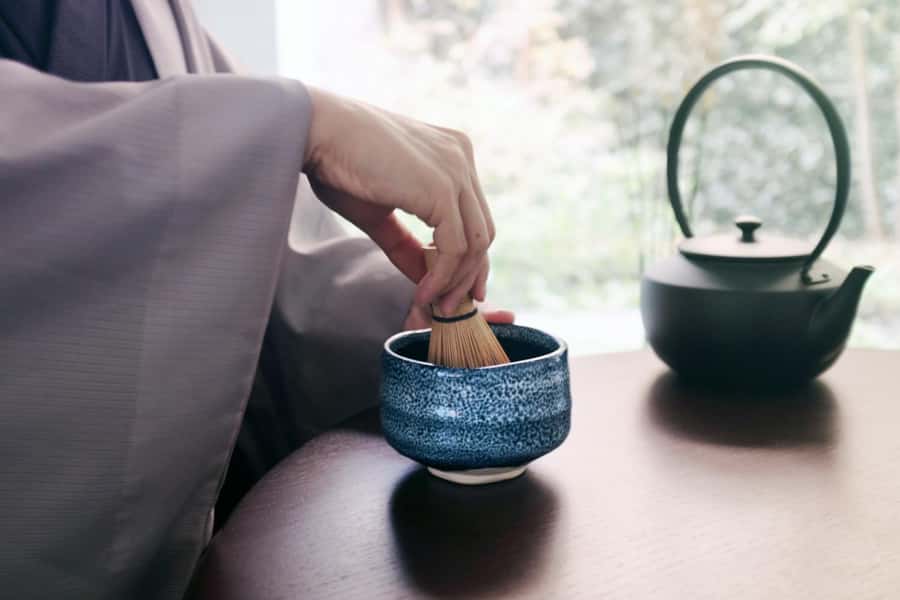
The lecture portion is built around Teaism and the tea ceremony, led by a tea expert. The workshop does not treat tea culture as museum talk, it connects philosophy, manners, and the tools you use.
You cover differences in tea types too, including green, black, and Chinese teas. That helps you place matcha in a wider tea world instead of treating it as an isolated trend.
A big part of why I think this lecture is worth your time is that it teaches behavior. You learn the basic manner of how to drink a bowl of matcha, and you also learn serving etiquette. Tea ceremony is as much about gestures and respect as it is about flavor, so skipping this piece would make the matcha lesson feel incomplete.
Some sessions include visual support like slides or a structured presentation, and the delivery is designed to keep the talk easy to follow. You end up with a clearer mental map of why each step matters before you start whisking.
More Tea Ceremonies in Tokyo
- Matcha Making Class in Tokyo with Authentic Japanese Sweets Set
★ 5.0 · 744 reviews - Tokyo: Traditional Tea Ceremony with a Tea Master
★ 5.0 · 528 reviews - Tokyo: Matcha Making Experience with Mochi Sweets in Asakusa
★ 4.9 · 388 reviews - Tea Ceremony Workshop in Tokyo by the Experienced Instrucor
★ 5.0 · 189 reviews
Matcha making lesson: tools, technique, and what you practice
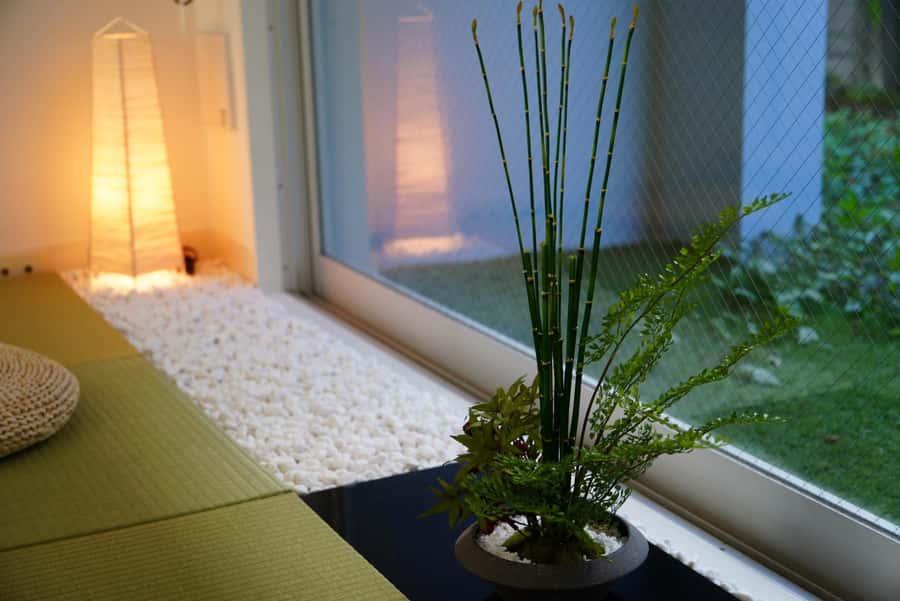
After the tasting and lecture comes the hands-on part. You use tea tools provided through the experience rental, and you learn how to prepare a beautiful bowl of matcha.
This is where the workshop’s “teach you to do it at home” promise becomes real. You are not just learning a single step, you are practicing enough to understand the flow of making matcha, then tasting the result. That builds confidence, because matcha is one of those drinks where small changes make a big difference.
The experience is also designed around getting your questions answered. In small groups, your instructor can take time with each person, and you can get clarification on how the ceremony works and how the tools fit into the routine.
If you care about making matcha properly rather than just quickly, this portion is the payoff. It turns matcha from a drink you buy into a craft you can repeat.
What you actually consume: exclusive matcha plus sweets and a welcome drink
You get an exclusive first flush matcha as part of the program, plus a welcome drink. Japanese traditional sweets are included too, which is a practical pairing since matcha and sweets balance each other in a way that makes the flavor stand out.
This is not a heavy meal experience. It is a tea experience, so expect it to be more about tasting and ritual than filling up for the afternoon. If you are planning to go straight to dinner afterward, you may want to eat something light beforehand or plan a later meal since you will not leave with a full stomach.
Group size and the guide experience with Komei
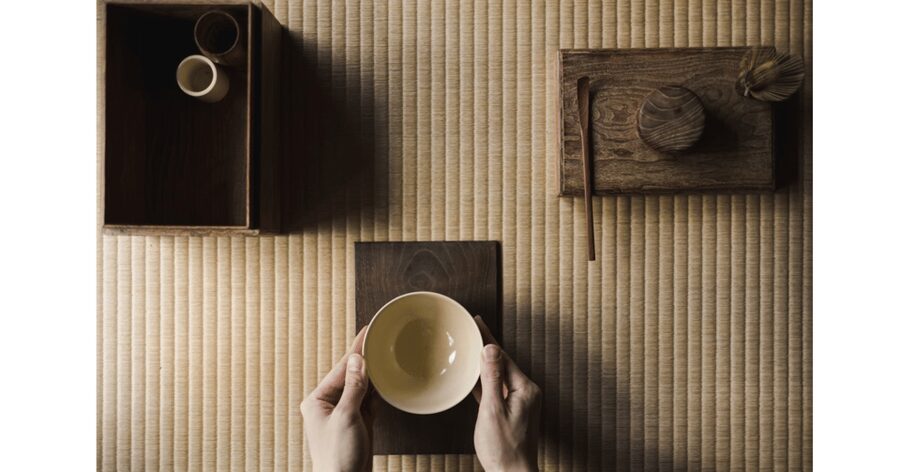
One of the strongest signals from the format is that this can feel personal. Feedback indicates it can be a small group, with one example of five people total.
The guide is named Komei. People mention his enthusiasm and his ability to explain history, tools, and custom rules in a way that stays easy to follow. Some also mention that he takes group photos, which is a thoughtful touch because the whole event is photo-friendly, from kimono to the tea room moment.
If you like asking questions and getting direct answers, a smaller group is a big advantage. It also keeps the pace from feeling rushed, especially during the kimono moment and the matcha whisking practice.
Where to meet by Yotsuya, and what to expect on arrival
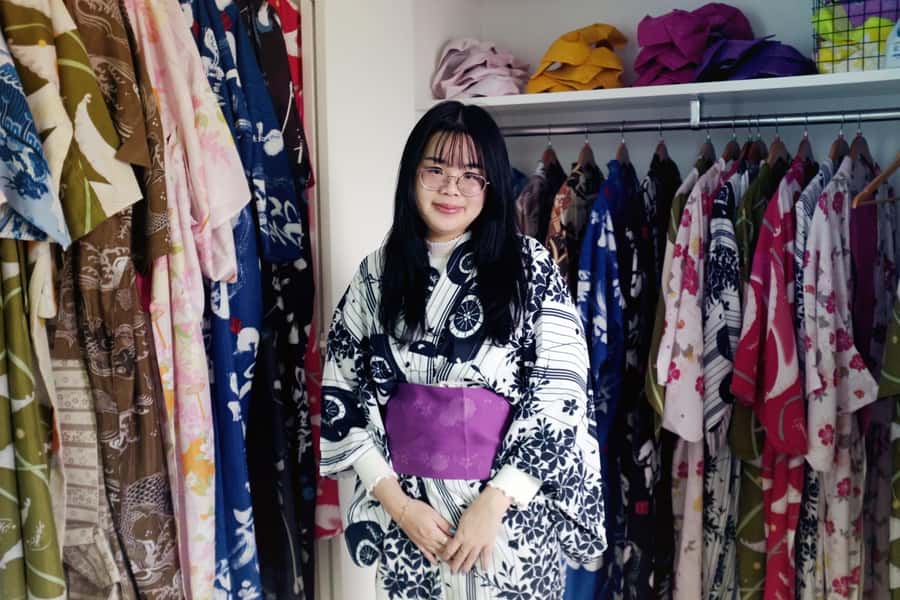
You meet near the LUUP scooter stand next to the ACN Yotsuya Building, with a workshop sign. It is about a 6-minute walk from Yotsuya station, close enough to Shinjuku that you can combine it with other nearby plans.
The practical workflow is simple. You arrive, you get set up, you put on your easy-to-wear kimono, then you move into the lecture and making. The activity ends back at the meeting point, which saves you from figuring out transit after your last sip.
Tokyo logistics tip: since a booking can be auto-canceled after 10 minutes of delay with no refund in that case, I would plan to arrive a few minutes early. Even if you know the area, station exits and side streets can slow you down, especially if you are checking your map while walking.
Who this is best for, and who might want to skip it
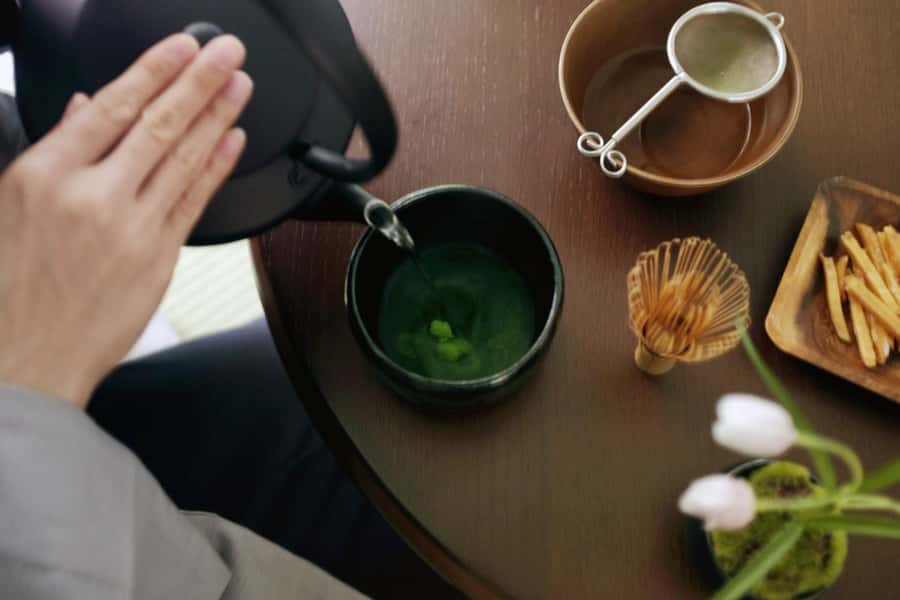
This experience is a great fit if you:
- Like hands-on cultural activities where you leave knowing how to do something
- Want an easy kimono experience without a long dressing session
- Care about matcha quality and want to learn how to spot differences, including real versus fake
- Enjoy tea ceremony culture and want the manners, not just the drink
It may be less ideal if:
- You hate dressing up or do not enjoy structured etiquette activities
- You show up without socks, since you need them to protect traditional flooring
- You need alcohol included, because alcohol is not allowed
It is not suitable for children under 5 years old. If you are traveling with very young kids, you will want to consider other Tokyo family-friendly options.
Price and value: what you get for $57
At $57 per person, you are paying for more than matcha. You get an exclusive first flush matcha tasting, a structured lecture (Teaism, tea ceremony, tea types), a kimono provided for the full experience, tea tools rental, Japanese sweets, and a welcome drink.
That bundle matters. Many Tokyo classes charge separately for craft plus materials. Here, the materials and setup are part of the price, and the lesson is designed to leave you with home-making capability, not just souvenirs.
You also get the quality angle. The experience emphasizes selection from a 100+ matcha collection and uses first flush matcha as the headline. That focus is usually what justifies the price in food and drink classes, because you are not paying for a generic tea you could get from a convenience store.
And there is demand behind it too. The program notes over 1500 people joined last year, which usually points to consistent interest in matcha and tea culture in this part of Tokyo.
Should you book this matcha and kimono experience near Shinjuku?
If you want a Tokyo activity that feels both traditional and practical, I would book it. You get the visual wow of kimono, the culture side through Teaism and tea ceremony, and the practical side through a matcha-making lesson you can carry home.
I would especially book it if your goal is to understand matcha quality beyond marketing. The real versus fake matcha comparison and the Japanese versus overseas matcha discussion are exactly the kind of clarity that turns tasting into learning.
If you dislike etiquette or you are worried about arriving on time, plan carefully and bring socks. Do those two things, and you will get a calm, focused tea experience in the heart of Tokyo without it turning into a stressful logistics puzzle.
FAQ
Where is the meeting point for the matcha and kimono experience near Shinjuku?
You meet in front of the LUUP scooter stand next to the ACN Yotsuya Building with a workshop sign. It is about a 6-minute walk from Yotsuya station.
What should I bring for the workshop?
Bring socks, since you will walk on traditional flooring. If you forget them, you can be asked to buy socks at the workshop place.
Is kimono dressing included?
Yes. You will wear an easy-to-wear kimono throughout the experience.
What is included in the experience besides matcha?
You get a matcha experience, a Teaism and matcha lecture by a tea expert, a matcha making lesson, tea ceremony tools rental, a welcome drink, and Japanese traditional sweets.
Can I drink alcohol or use strong fragrances?
No. Alcohol and drugs are not allowed, and strong fragrances and making noise are also not allowed.
Do I need to arrive on time?
Yes. Your booking is automatically canceled after 10 minutes of delay from the appointment time, and no refund is accepted in that case.
What languages is the experience offered in?
The experience is offered in English and Japanese.
Is this activity suitable for young children?
It is not suitable for children under 5 years old.
How far is it from Yotsuya Station?
It is about a 6-minute walk from Yotsuya station.
If you want, tell me your travel dates and whether you prefer an afternoon or morning plan, and I can suggest how to slot this near Shinjuku without rushing.
Latest write-ups near Tokyo
- Tokyo Customized Private Tour: See Top Attractions in 1 Day★ 4.8 · 67 reviews
- From Tokyo: Top 5 Scenic Spots of Mount Fuji Full-Day Tour★ 4.5 · 67 reviews
- Tokyo: Shinjuku Izakaya and Golden Gai Bar Hopping Tour (2h)★ 4.9 · 67 reviews
- Traditional Japanese Music ZAKURO SHOW in Tokyo★ 5.0 · 67 reviews
- Tsukiji: Unlimited Sake Tasting Experience★ 4.9 · 67 reviews
- Tokyo: Not a show- a professional sumo practice with experts★ 4.9 · 67 reviews
- Samurai Ninja Museum Asakusa: Kid-Friendly Ninja Training★ 4.7 · 67 reviews
- Private Harajuku Omotesando Architecture Walking Tour★ 5.0 · 67 reviews
Kimono Experiences, compared.
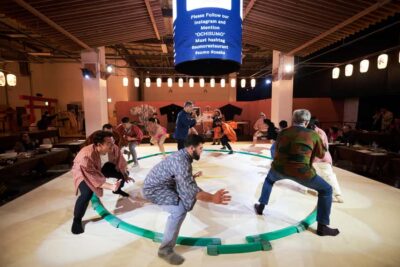
Sumo Show & Experience w/ Optional Kimono & Hot Pot
Read our review →
KYOTO Tea Ceremony with kimono near by Imamiya Jinjya Shrine
Read our review →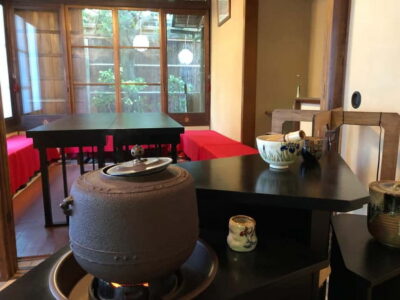
Kimono and Tea Ceremony Experience at Cultural Asset
Read our review →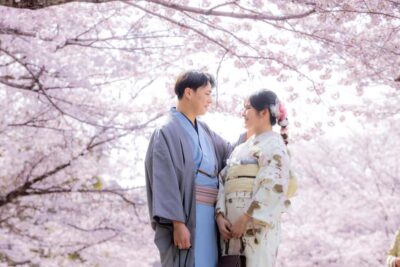
Browse the lists this tour appears in