
Reviewed · TEA CEREMONIES
Kyoto Japanese Tea Ceremony Experience in Ankoan
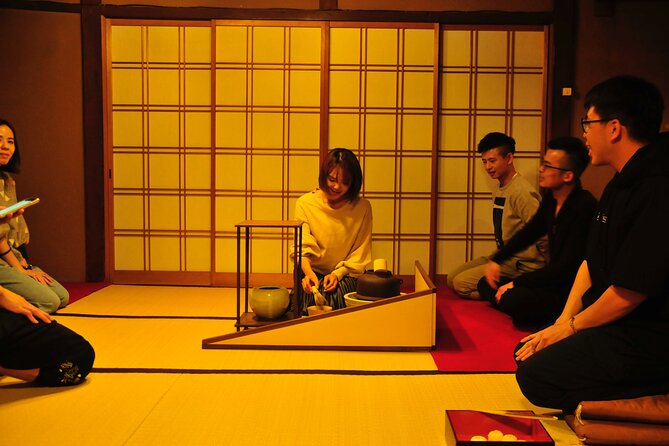
A Kyoto Japanese tea ceremony is already interesting, but the big reason this one feels special is that you do not stay on the outside looking in. At Ankoan, you get a warm start with welcome tea, then you move into a step-by-step tea flow where you actually make and taste matcha yourself. It is Kyoto in miniature, quiet, slow, and human.
Two things I really like. First, the experience starts with conversation and comfort, not just rules, so you can ask questions and get context while you sip. Second, the group stays small, up to 8 people, which makes it easier to learn the motions and feel like you are part of the room, not a spectator. One possible drawback: it is not recommended for knee pain, because tea ceremony setups often mean sitting and being still for stretches of time.
If you want a Kyoto activity that feels authentic, practical, and relaxing, this is a strong bet. You come away with more than photos. You come away with muscle memory for basic matcha technique and a better sense of why the ritual matters.
Key Highlights You Can Expect at Ankoan
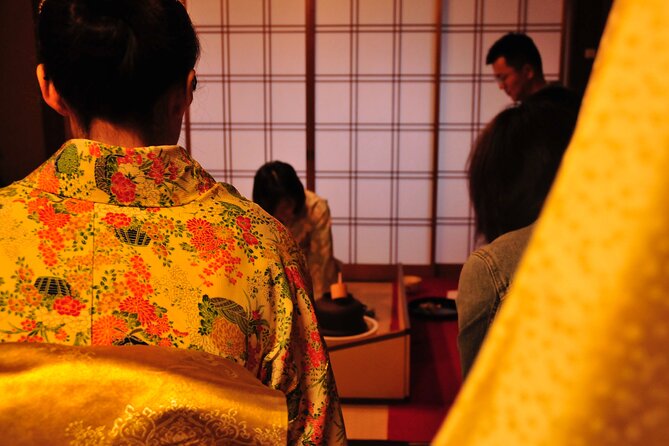
- Welcome tea by Yuka to kick things off, plus relaxed chat to get you comfortable
- Small group size (max 8), which helps the host keep an eye on everyone
- Tea master demonstration and then your turn, so you learn the process in order
- Matcha tearoom time with wagashi tasting, giving you the full flavor picture
- Hands-on matcha preparation, with instruction close by when you need it
- Indoor photos allowed, so you can capture the setting without rushing your experience
Where Ankoan Fits in a Kyoto Day
Kyoto can wear you down fast. Crowds, hills, lines, and the constant decision-making. This tea ceremony is a reset button in the middle of your trip. The studio experience is designed to help you get your energy back after getting to the area, and the first moments matter because you start with a cup of welcome tea and conversation.
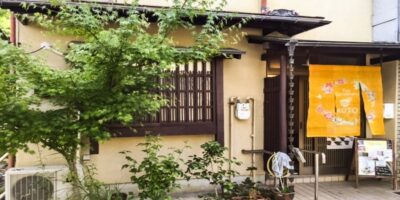
The meeting point is listed at Tea ceremony Japan, 603-8216 Kyoto, Kita Ward, Murasakino Monzenchō, 63 暗香庵, and the activity ends right back there. It is near public transportation, so you are not locked into renting a private ride. Still, you will want to build in a little buffer time, because Kyoto streets can be a puzzle the first time.
Plan on about an hour to two hours total. The booking is labeled around 1 hour, the service is described as 90 minutes, and the hands-on format in the room naturally stretches it closer to two hours in practice. In other words, it is short enough to fit on a busy day, but long enough that you genuinely learn things, not just watch.
More Tea Ceremonies in Kyoto
- Kyoto: Tea Ceremony in a Traditional Tea House in Kiyomizu
★ 4.9 · 3,519 reviews - Kyoto: Tea Ceremony Ju-An at Jotokuji Temple
★ 4.9 · 3,207 reviews - Kyoto: 45-Minute Tea Ceremony Lesson Experience
★ 4.3 · 2,378 reviews
Welcome Tea and a Conversational Start That Changes the Mood
The session begins with welcome tea and a chance to talk. That matters more than it sounds. If you have ever taken a class where you feel like you are being graded, you know the difference. Here, the tone is more like: relax first, then learn.
Yuka prepares the welcome tea, and the host uses that moment to talk about the tea ceremony and etiquette. The goal is not to dump history on you. It is to help you understand the idea and manners so the ceremony makes sense once you are in it.
You can also ask big-picture questions during the chat. The description explicitly points to discussions like how Japanese people live and how Japanese culture came into being. You are not going to leave with a textbook. You are going to leave with a few new angles on everyday Japanese life, and that is useful when you are walking around Kyoto afterward.
Language support is also a real advantage. The provider notes Chinese/English is OK, and the reviews highlight strong English. So even if your Japanese is basic, you should be able to follow along and participate.
Tea Ceremony Basics: From Etiquette to the Tea Master Demonstration
After the welcome tea, the session shifts into explanation and demonstration. You get a clear walkthrough of the specific parts of the tea ceremony, including manners and what each step is trying to accomplish. This is where a lot of tea experiences fall short, because they teach motions without explaining why they matter. This one tries to connect both.
Then you watch the tea master’s demonstration. Even if you have never seen a ceremony before, you will understand what is happening because you have already been primed on the etiquette and flow. In a small room, you can actually see the details, not just the final cup.
The host then models the procedure and you begin practicing. That is one of the most praised parts of the experience, and it is also where you get the real value. Watching is nice, but your brain really locks in the steps when you do them yourself.
Move to the Matcha Tearoom: Wagashi, Tasting, and Learning by Doing
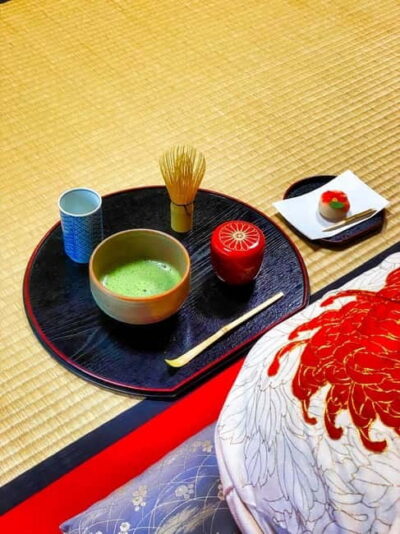
Next comes the matcha-focused segment. The description says you move to another matcha tearoom where you watch how matcha is made, then you taste matcha and wagashi. This is a smart structure for people who want both craft and flavor.
Matcha is not just about drinking green powder. It is about texture, froth, and the way the taste changes with preparation. So watching the process first helps, then tasting gives you immediate feedback. When you later make your own, you are not guessing what good matcha should feel like.
Wagashi are included in the tasting part. Even if you do not know much about Japanese sweets, this is the right pairing moment. It helps you understand how the tea ceremony is not a single drink moment, but a coordinated sensory experience: tea, sweetness, calm pacing, and shared attention.
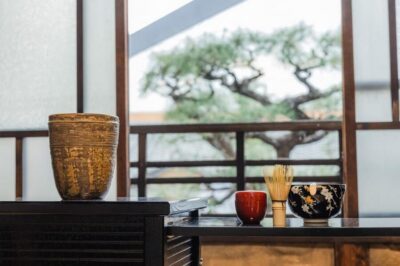
One practical bonus: the setting is photo-friendly. The activity allows you to take pictures indoors freely. That helps you capture the room and the bowls and tools without feeling like you have to hide your camera every ten seconds.
A change of pace from Kyoto:
- PERFECT KYOTO 1-Day Bus Tour
★ 5.0 · 13,518 reviews - Kyoto: Fushimi Inari, Kinkakuji, Bamboo Grove 1 Day Bus Tour
★ 4.8 · 4,316 reviews - Kyoto Geisha Walking Tour: Gion District & Hidden Gems
★ 4.7 · 3,273 reviews - Kyoto: Gion Magical Night Walking Tour with Geisha Trivia
★ 4.9 · 2,393 reviews
Your Matcha Turn: Hands-On Practice With Close Instruction
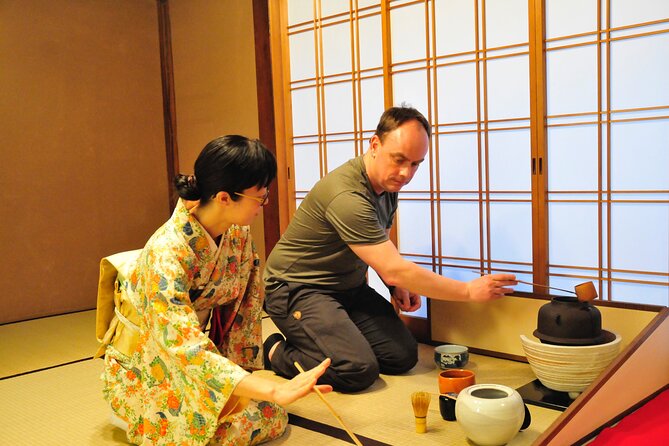
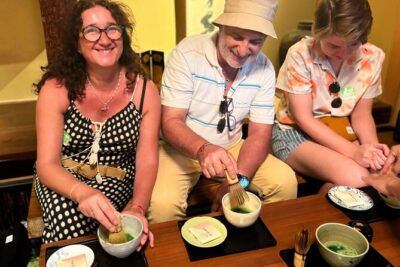
This is the core experience: you make matcha personally. The description is clear that you should not worry, because the teacher stays around to instruct and explain. That matters. A tea ceremony can look intimidating, with exact gestures and formal steps, but you are not expected to master it instantly.
The way the session is described suggests a smooth rhythm: teacher demonstrates, you model what you saw, then you repeat the procedure as you prepare your tea. Reviews also point to step-by-step guidance and a hands-on, interactive approach. The host explains not only the actions but also the meaning behind parts of the ceremony, including symbols and phrases used during serving.
If you like knowing what you are doing, this is your moment. You get a chance to experience the ritual, not just perform it.
At the end, your tea is tasted by others, and the room becomes a shared moment of harmony and calm. That final step is important because it gives your effort a purpose. You are not making matcha just to taste it yourself, you are participating in the social side of the ritual.
Etiquette and the Small Details That Actually Matter
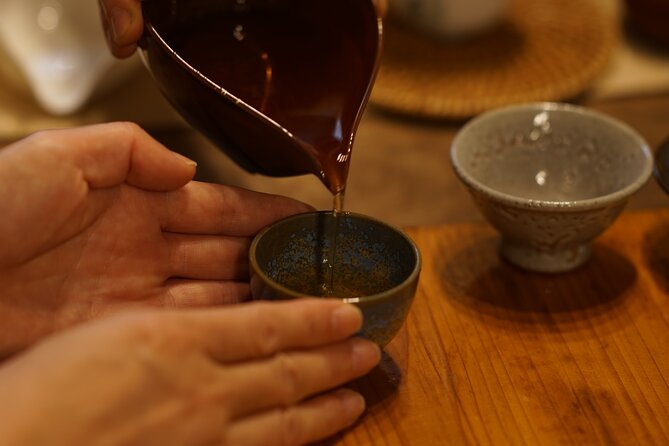
A lot of people sign up for a tea ceremony to see something pretty and quiet. That is valid. But the best part is what the etiquette teaches you about attention.
You are guided through manners and the flow of the ceremony, including key concepts of the process. Reviews specifically mention learning about symbols and phrases used when having a tea ceremony. That kind of detail is not random trivia. It changes how you perceive the ritual, even if you are not fluent in Japanese.
Another detail I appreciated from the experience description and feedback: the host blends formality with real conversation. The session discusses what you see and what you feel, and it uses the tea ceremony as a bridge between cultures. If you are traveling solo, that is comforting. If you are traveling with a partner or family, it becomes a shared activity that is not just another photo stop.
Pricing and Value: What $32.84 Really Buys You
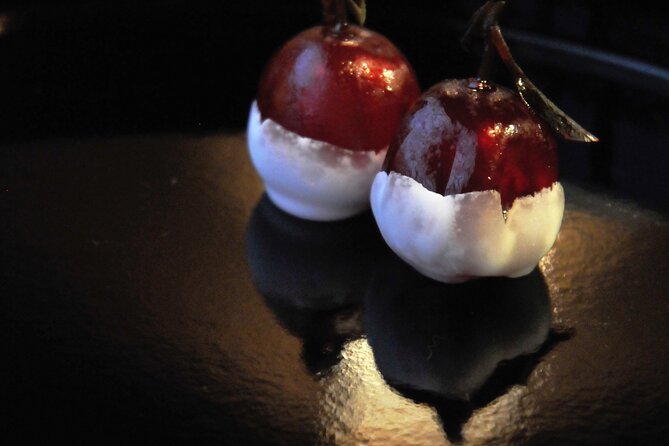
At $32.84 per person, this is not a bargain class, but it is also not a high-end, ultra-exclusive private lesson. The value comes from the combination:
- Hands-on matcha practice, not just observation
- Small group size up to 8, which improves teaching time
- Tasting components, including wagashi
- Tea ceremony etiquette explanation, which helps you understand what you are doing
In practical terms, you pay for guided instruction plus the use of the setting and tools. If you tried to self-learn matcha from a video at home, you would still need technique coaching, and you would miss the etiquette context that makes the experience feel complete. Here, you get both.
Also, the experience is short enough that it does not gobble your whole day. You can plan another Kyoto stop before or after without feeling like you lost the entire afternoon.
Logistics That Affect Your Experience (The Stuff to Get Right)
This activity uses a mobile ticket, which is convenient. Confirmation is received within 48 hours of booking, based on availability. That helps you know you are locked in, but you should still double-check your timing close to the start.
Weather is a factor. The experience requires good weather. If it is canceled due to poor weather, you will be offered another date or a full refund. Since Kyoto weather can change quickly, having flexible plans in that window is smart.
Transportation: private transport is not included, but it is near public transportation. If you hate stress, plan to arrive a little early so you can settle before welcome tea starts.
Fitness note: it is not recommended for knee pain. If you know you struggle with kneeling or sitting on the floor for a while, this is the moment to rethink. A tea ceremony is calm, but it is still physically structured.
Who This Is Best For in Your Group
This works well for people who want a Kyoto experience that is quiet and meaningful, but not rigid. If you like hands-on learning, you will enjoy the matcha making. If you want cultural context, the etiquette explanation and conversation give you that.
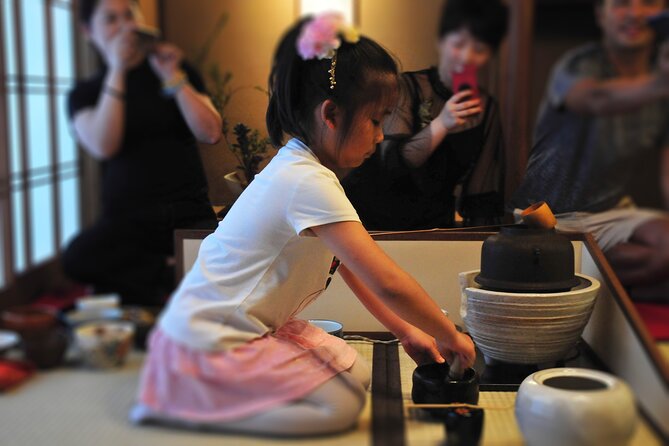
It is also family-friendly in the sense that at least one review describes a flexible host and children participating, including an 8-year-old making tea. That said, the knee pain note means you should consider any mobility needs before booking.
If you are traveling with friends who just want something scenic, the atmosphere helps. If you are traveling solo, the small group size and conversation structure make it easier to feel included.
Should You Book Ankoan for Kyoto Matcha?
I would book this if you want a calm Kyoto moment that teaches you something you can actually use. The combination of welcome tea with Yuka, a proper ceremony explanation, and then your own matcha hands-on practice makes it more than a quick show.
Skip it or reconsider if you have knee pain or mobility limits, because the format is not built for standing around politely. Also, if you hate structured activities and want total spontaneity, you might find the etiquette steps feel a bit formal. But for most people, that formality is the point, and the host’s conversational style keeps it grounded.
My practical suggestion: treat this as a mid-trip reset. Book it on a day when you have already seen a couple of sights and your brain could use a softer rhythm. Then walk around Kyoto afterward with a better sense of why the ritual is designed the way it is.
FAQ
How long is the Kyoto Japanese tea ceremony experience at Ankoan?
The duration is listed as about 1 hour. The description also refers to a 90-minute service, and the session is hands-on, so it may run closer to that longer end.
What is the price per person?
The price is $32.84 per person.
What is included in the experience?
The included item listed is coffee and/or tea. The experience also involves tasting matcha and wagashi as part of the ceremony flow, plus hands-on matcha-making.
Where do I meet, and where does it end?
You meet at Tea ceremony Japan, 603-8216 Kyoto, Kita Ward, Murasakino Monzenchō, 63 暗香庵. The activity ends back at the meeting point.
Is the group size limited?
Yes. The experience has a maximum of 8 travelers.
Is it suitable if I have knee pain?
It is not recommended for those with knee pain.
Latest write-ups near Kyoto
- Kyoto Private Tour Full Day with Local Guide&Nara Option(PerGroup★ 5.0 · 20 reviews
- Sacred Pathways: Discover the Philosopher’s Path of Kyoto★ 4.9 · 20 reviews
- Hammer Pattering Experience of Ring★ 5.0 · 20 reviews
- Kyoto UNESCO World Heritage Site Private Tour with a Premium Van★ 5.0 · 20 reviews
- KYOTO: Private Tea Ceremony in Hidden Townhouse (Kid-Friendly)★ 5.0 · 20 reviews
- Sushi or Traditional Japanese Cuisine in a Kyoto Home with Emika★ 5.0 · 20 reviews
- The Kyoto VIP Experience!★ 5.0 · 20 reviews
- Kyoto Customized Private Tour: See Top Attractions in 1 Day★ 4.7 · 20 reviews
Tea Ceremonies, compared.
Tea Ceremony in a Traditional Tea House in Kiyomizu
Read our review →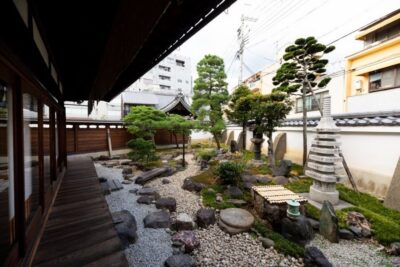
World Heritage Kyoto & Nara Uji Authentic Matcha Experience
Read our review →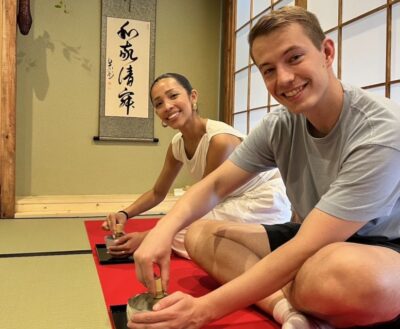
Browse the lists this tour appears in