
Reviewed · KIMONO EXPERIENCES
A Unique Antique Kimono and Tea ceremony Experience in English
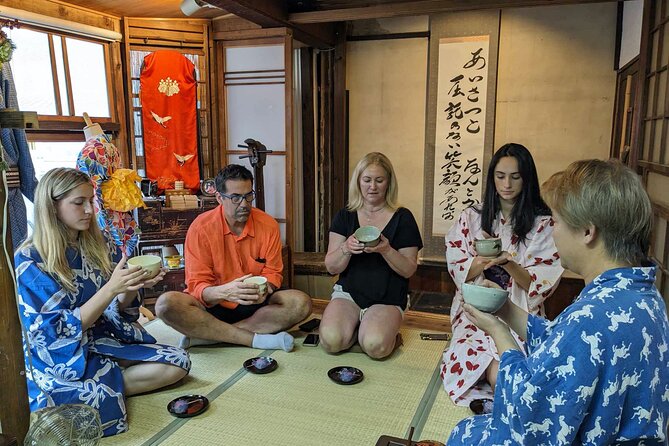
What makes this Kyoto experience interesting is the combo: you learn matcha with a real tea practitioner, then step into a 100-year-old private house wearing a rare antique kimono. This one is set in the calmer Katsura Imperial Villa area, not in a loud, tourist-packed space.
I like the small-group setup (max six people). It keeps things patient and personal, and you get room to ask questions about etiquette and how the ceremony works.
My one caution is expectation setting: the included tasting is green tea with Japanese sweets, so it is not designed as a big menu of tea varieties. If you want lots of different teas to compare, you may leave wanting more.
Key things to know before you go
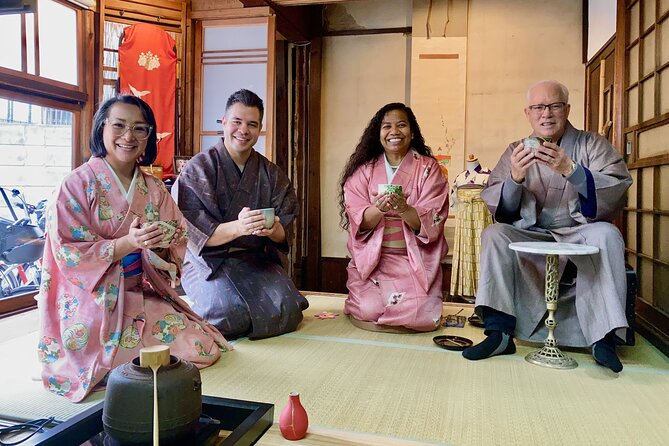
- Rare antique kimono rental included, so you are dressed for the full tradition, not just watching it
- Small group of up to six, which helps the host slow down and explain clearly in English
- A quieter setting near Katsura Imperial Villa, in a house that feels away from central Kyoto noise
- Matcha preparation lesson with etiquette and manners, not just a performance
- Samurai and tea culture context, added to make the ritual make sense
A Kyoto tea ceremony that starts before the first sip
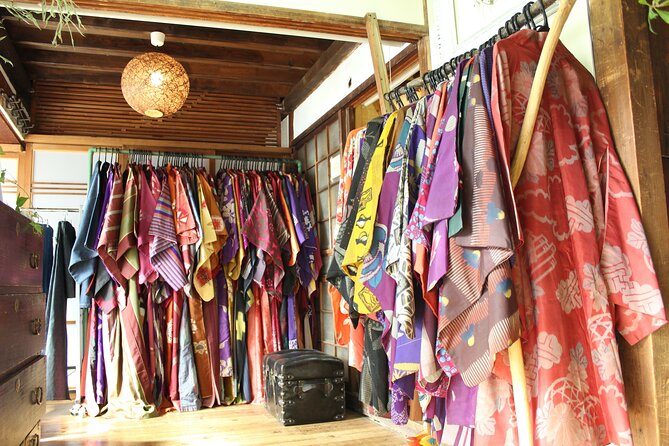
Most Kyoto tea ceremonies are one part ritual, one part story. This one adds a third ingredient that changes the whole mood: the antique kimono rental, chosen with help from Toku at Miyagawa Tokusaburo shoten.
You arrive at an old private home near Katsura Imperial Villa. The location matters because the ceremony happens in a calmer, quieter atmosphere than you get in the busiest city zones. That silence helps you follow what is happening, instead of juggling noise, crowds, and filming angles.
And then there is the kimono. You are not put into a generic costume for the sake of photos. You are guided into a kimono selection that feels intentional, with accessory advice and styling support, so your outfit fits the moment you are about to experience.
More Kimono Experiences in Kyoto
- Kimono Tea Ceremony at Kyoto Maikoya, NISHIKI
★ 5.0 · 911 reviews - Kyoto: Kimono Rental with Hairstyling and Accessories
★ 4.8 · 653 reviews - Kyoto: Kimono Tea Ceremony at Orizuruya Gion
★ 4.9 · 618 reviews
Meet Toku at Miyagawa Tokusaburo shoten
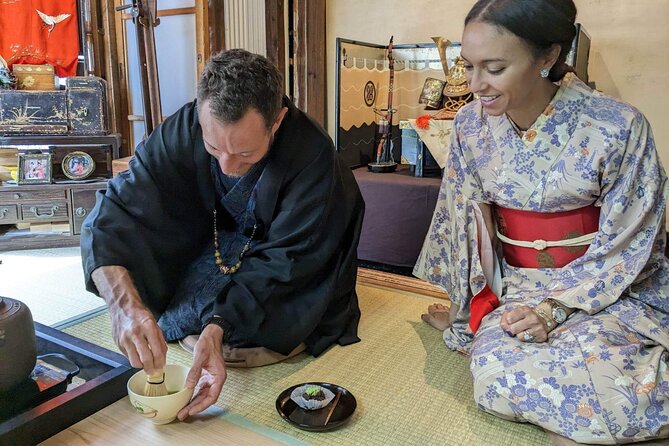
The host, Toku, brings over 20 years of tea ceremony experience. That kind of time on the mat shows up in how the session is paced: calm, careful, and explained step by step.
Toku and his wife run it as a family effort, and the vibe is welcoming from the moment you walk in. People who care about the details tend to do two things well: they explain the ritual without rushing you, and they make you feel comfortable while you learn.
In the session, you also get a bit of the human story behind the practice. For example, you learn how Toku’s life path connects to kimono fitting and the tea tradition. That extra context turns the experience from a class into something more like being let into a family practice.
What the 90-minute ceremony actually feels like
The session runs about 1 hour 30 minutes. In that time, you cover the core tea ceremony etiquette, learn how matcha is made, and then enjoy green tea along with Japanese sweets.
Here is what you should expect, in plain terms:
You start with instruction and manners, then move into the matcha preparation part. The host explains what you are doing and why it matters. After that, you taste the tea in a way that follows the ceremony’s rhythm.
A big part of the value is that you are not treated like a checkbox. With a cap of six people, the pace stays slow enough for beginners. The experience is designed to be solemn, but not confusing.
You also learn some cultural backstory. One example that comes up in the teaching is the relationship between samurai culture and the tea ceremony. That link helps you understand the ceremony as something with social meaning, not just a drink.
Antique kimono fitting: more than a costume
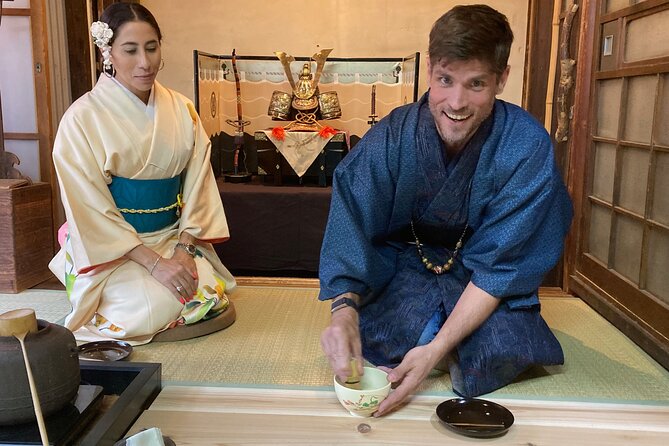
This is one of the most praised parts of the experience, and for good reason. You do not just wear a kimono. You go through selection and fitting with guidance.
Toku helps you choose a kimono you like and often recommends accessories to match. People also mention help with hair and hair accessories, which is a detail that makes the whole look feel complete. If you care about photos, this matters, because it is not just putting on fabric. It is getting styled so you look like you belong in the scene.
Also, the kimono itself is described as antique and rare, with items over 80 years old. That means the rental feels like an actual artifact you are temporarily honoring, not a modern prop.
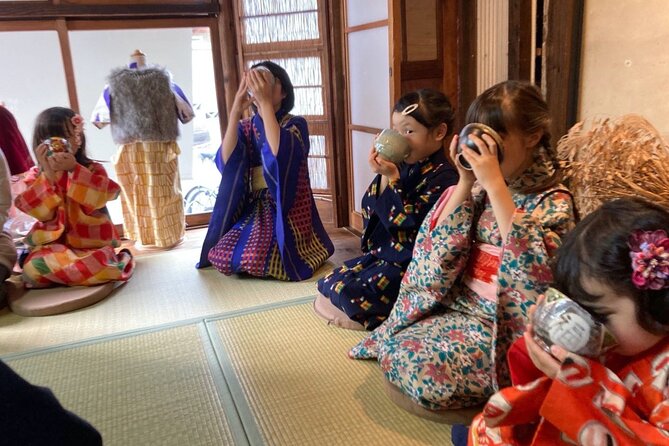
If you are traveling with kids, this also tends to work well. The hosts are comfortable guiding younger people through the experience without turning it into chaos. The ceremony stays respectful, while still being friendly and approachable.
More Tea Ceremonies in Kyoto
- Kyoto: Tea Ceremony in a Traditional Tea House in Kiyomizu
★ 4.9 · 3,519 reviews - Kyoto: Tea Ceremony Ju-An at Jotokuji Temple
★ 4.9 · 3,207 reviews - Kyoto: 45-Minute Tea Ceremony Lesson Experience
★ 4.3 · 2,378 reviews - Kyoto: Table-Style Tea Ceremony at a Kyo-Machiya
★ 4.9 · 1,211 reviews
Why the Katsura Imperial Villa area changes everything
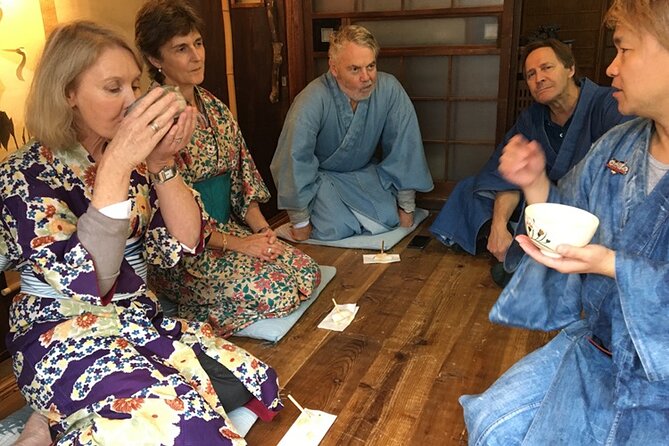
Kyoto can be intense. The best parts are often tucked away, but you still have to fight crowds to get there.
This experience takes place near Katsura Imperial Villa, in the Miyagawa Tokusaburo shoten house. The setting helps you slow down. You hear less city noise. The room feels more like a private home than a public venue.
That calmer atmosphere does two practical things for you:
- You can focus on etiquette, because you are not distracted.
- You can appreciate the matcha lesson, because the host has the space to explain without rushing.
Even the route to the meeting point is meant to be straightforward. It is near public transportation, and people report the ride from central areas being easy by taxi. If you want a break from the busiest Kyoto circuits, this is a smart way to spend your time.
The price: what $99.10 buys you, and why it adds up
At $99.10 per person for about 90 minutes, you are paying for more than a tea ritual. You are paying for a package that includes:
- Antique kimono rental
- The tea ceremony experience fee
- Green tea and Japanese sweets
So the value question is not just whether the tea ceremony is worth it. The better question is whether the total experience feels complete for the time and the small-group pace.
It does, mainly because the kimono is included and it is a key part of the storytelling. In many Kyoto experiences, you pay extra for dressing. Here, the antique kimono rental is bundled into the price. That is a big practical win.
The other value booster is group size. With a max of six, you are more likely to get real explanations and adjustments, rather than being herded through. That matters if you are nervous about etiquette or you want to understand what you are doing.
Small details that make the experience feel personal
The best tea ceremonies teach you how to slow down. This one adds a few practical touches that help you actually do it.
People often mention that Toku and the family provide lots of photographs during the session. If you want outfit photos and ceremony-style images, this is likely to satisfy without you having to manage everything yourself.
You also get step-by-step guidance. That is not just “saying what happens.” It is explaining the manners and the meaning behind them while you participate.
There is also flexibility in how they guide people through the ceremony. One example mentioned is that the host adapted the ceremony for someone who could not kneel. If you have physical limitations, it is worth knowing that the host can adjust to keep the experience comfortable.
A fair warning: what you might feel you wanted more of
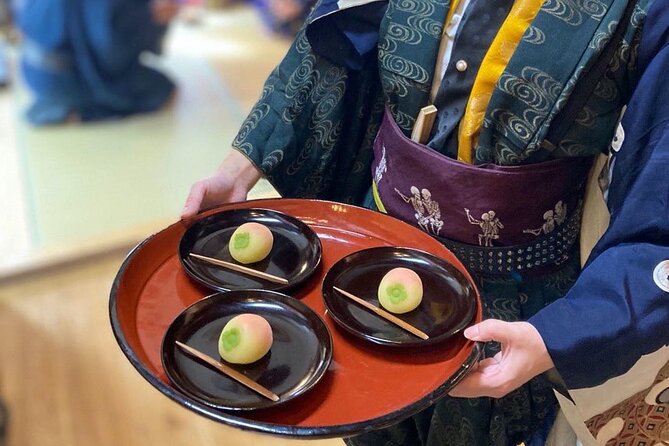
One less-than-perfect review raises a key point: some people expected more tea variety and more tasting.
Here is how to set your expectations based on what is included:
You will enjoy green tea and Japanese sweets as part of the ceremony. The matcha lesson focuses on the ritual and how matcha is made, but the experience is not described as a multi-tea tasting flight.
So if your dream is an all-you-can-compare tea sampler, this may not match that goal. If your dream is learning etiquette, practicing matcha preparation, and wearing an antique kimono in a calm house setting, it is much more aligned.
Who this Kyoto tea ceremony is best for
This experience fits best if you:
- Want a small-group Kyoto activity that feels calm
- Love matcha and want to learn the basics of how it is made
- Care about kimono culture and want more than a quick photo stop
- Prefer quiet, respectful settings over crowded spectacle
- Enjoy learning cultural context, including the samurai and tea connection
It is also a good fit for families, including kids, because the hosts are used to guiding different ages through the ceremony.
You might skip it if:
- You are only interested in many different tea types to taste
- You want a very informal, hands-off experience with no etiquette focus
Should you book this antique kimono and matcha experience?
Yes, with the right expectations. I think you should book if you want a Kyoto tea ceremony that feels like a private lesson in a real old home, with antique kimono rental included in the price. The small group cap, English availability, and the focus on manners and matcha preparation make it a strong use of 90 minutes.
I would not book it expecting a big variety of teas. But if your priority is learning the ceremony’s spirit, tasting the included green tea and sweets, and getting styled in an antique kimono near Katsura Imperial Villa, this is an easy choice.
FAQ
How long is the tea ceremony experience?
It runs about 1 hour 30 minutes.
Where does the experience meet, and where does it end?
You meet at Miyagawa Tokusaburo shoten, 32-4 Katsuranozatochō, Nishikyo Ward, Kyoto, 615-8073, Japan. The activity ends back at the meeting point.
Is the experience available in English?
Yes, it is available in English.
What is the group size limit?
The tea ceremony is capped at a maximum of six travelers.
What is included in the price?
The price includes the antique kimono rental fee and the tea ceremony experience fee, which includes green tea and Japanese sweets.
Is lunch or dinner included?
No, lunch and dinner are not included.
Is it near public transportation?
Yes, it is near public transportation.
Can I cancel for a full refund?
Yes. You can cancel up to 24 hours in advance for a full refund. If you cancel less than 24 hours before the start time, the amount you paid will not be refunded.
Latest write-ups near Kyoto
- Kyoto: Nishiki Market Tour with a Local Foodie & Tastings★ 4.5 · 67 reviews
- Kyoto Kimono Rental mimosa |Kimono/Yukata Rental Couple Plan★ 4.8 · 67 reviews
- Kyoto: Traditional Kimono Fabric Handicrafts Workshop★ 5.0 · 67 reviews
- Kyoto Tea Ceremony and Samurai Photo Session★ 5.0 · 70 reviews
- Kyoto: Replica food making experience★ 4.8 · 70 reviews
- Kyoto: Kinkakuji, Golden Pavilion Guided Tour★ 4.7 · 71 reviews
- Private departure transfer from Kyoto city to Kansai International airport★ 5.0 · 72 reviews
- Uji: Green Tea Tour with Byodoin and Koshoji Temple Visits★ 4.8 · 72 reviews
Kimono Experiences, compared.
Sumo Show & Experience w/ Optional Kimono & Hot Pot
Read our review →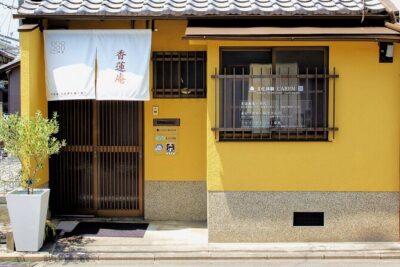
KYOTO Tea Ceremony with kimono near by Imamiya Jinjya Shrine
Read our review →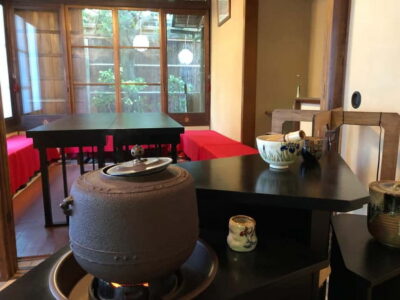
Kimono and Tea Ceremony Experience at Cultural Asset
Read our review →
Browse the lists this tour appears in