
Reviewed · TEA CEREMONIES
Nara:5 Type of Tea Tasting & Mindful Tea Ceremony
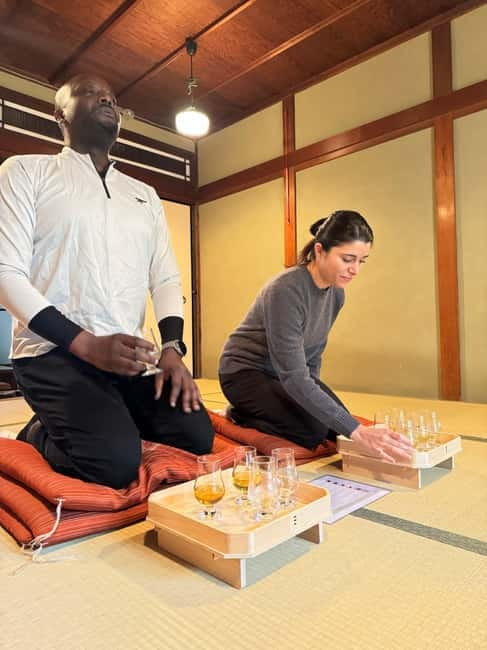
This Nara tea tasting and mindful tea ceremony is interesting because it turns a casual drink into a slow, guided ritual in a real, older Japanese home. I especially love the five-tea flight of locally sourced cups, and I love that you do real hands-on matcha, not just watch. The main drawback is time and stillness, this experience runs at a calm pace and asks you to sit and focus.
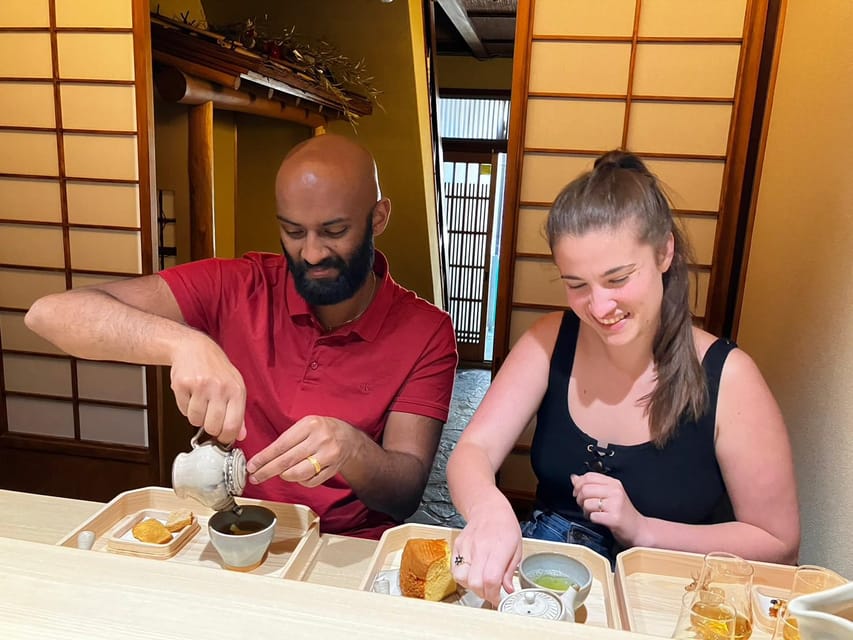
I also like how the host keeps it friendly, dignified, and tour-smart. In one recent session, the tea master Mike worked with a very small group in a 125-year old wooden house overlooking a garden, and the vibe stayed quiet. That can be a win if you want culture, and a miss if you need constant action and photos.
It lasts 90 minutes, it’s in English, and it’s set up as a private group. Do note it is not suitable for children under 12 or for pregnant women, and you should be ready for a seated, floor-friendly style of instruction.
Key points to know before you go
- Five Nara-sourced teas tasted side by side, explained by the tea master
- Pick your favorite, then enjoy it again as a special pot-brewed serving
- Hands-on matcha with personalized feedback while you whisk
- Tea ceremony etiquette and tools taught in a serene renovated house
- Seasonal wagashi included, paired to match the tea you taste
- Small, private instruction in English, with time to ask practical Japan questions
A renovated traditional house setting in Nara prefecture
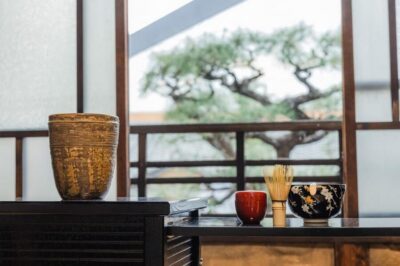
The experience starts where the pacing changes. Your tea room is in a renovated traditional Japanese house, the kind with quiet corners and a sense of restraint. The goal is simple, help you slow down enough to notice aromas, temperature, and flavor, instead of treating tea like a quick stop between sights.
You’ll be guided through the experience by an English-speaking instructor and tea master. Based on what I’ve seen in the reviews, the hosts tend to set a tone early, calm, respectful, and still welcoming. In one description, Mike made the explanation easy to follow without turning it into a lecture, and that matters because tea etiquette can feel intimidating until someone makes it feel doable.
Before you book, consider your comfort with the space. One person noted that you need to be able to walk to the house and sit still on the floor for about two hours. That’s longer than the listed 90 minutes, but it points to the reality of how the ceremony feels, slow and deliberate. If you want a quick, standing-and-strolling kind of activity, this may not fit your style.
The setting is also a value driver. You’re paying for a private lesson, yes, but you’re also paying for the environment that makes the lesson work, a serene room with traditional tools and a real garden view in at least some sessions.
More Tea Ceremonies in Nara:
- World Heritage Kyoto & Nara Uji Authentic Matcha Experience
★ 5.0 · 1,573 reviews - Nara:Authentic Tea Ceremony(Max 5 ppl) -Master Matcha Making
★ 5.0 · 119 reviews - Kyoto: Tea Ceremony in a Traditional Tea House in Kiyomizu
★ 4.9 · 3,519 reviews
Five Nara teas and the pot-brew moment that follows
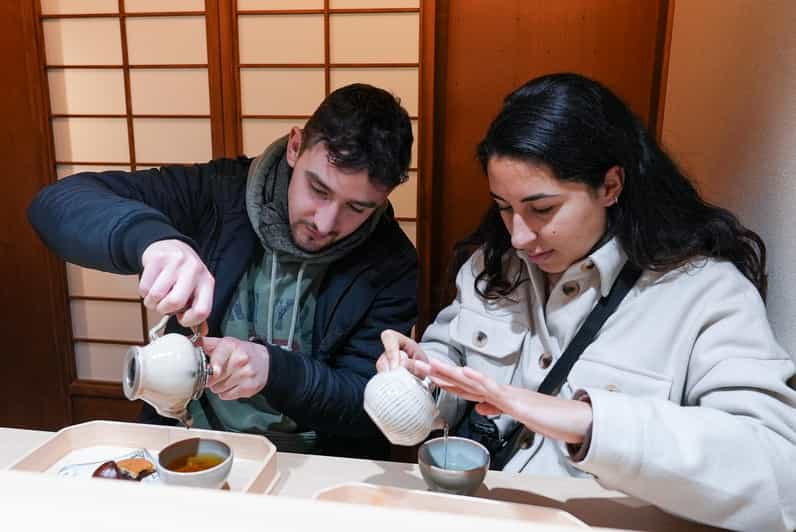
The core of the tasting is a flight of five teas, selected and served with care. You’ll sample five different types of Japanese tea, and they’re described as being locally sourced in Nara prefecture. That local angle is more than a marketing line. It helps you taste with context, so you can start noticing what changes from region to region.
Here’s the part I think makes this better than a basic tasting. You don’t just sip five random cups. The tea master helps you compare them, then you choose a favorite for a special pot-brewed serving. That means you get repeat tasting, which is how you actually learn. You’ll notice how the aroma shifts, how bitterness or sweetness shows up, and how the tea develops as it cools a little.
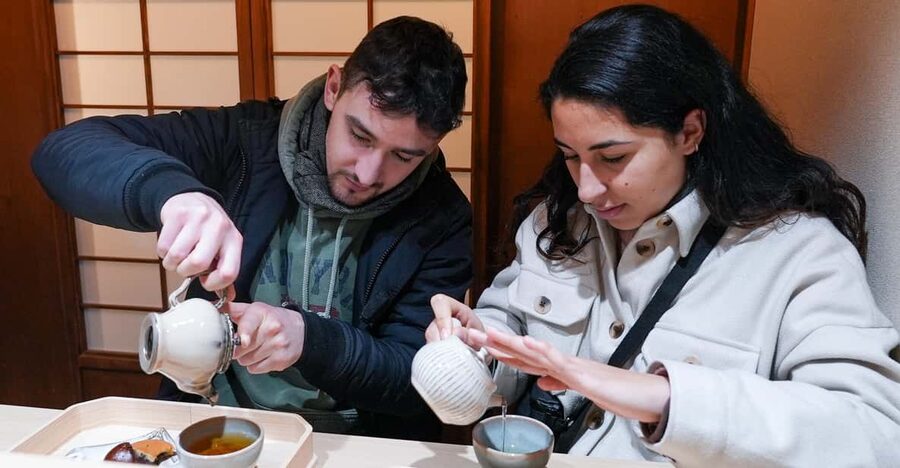
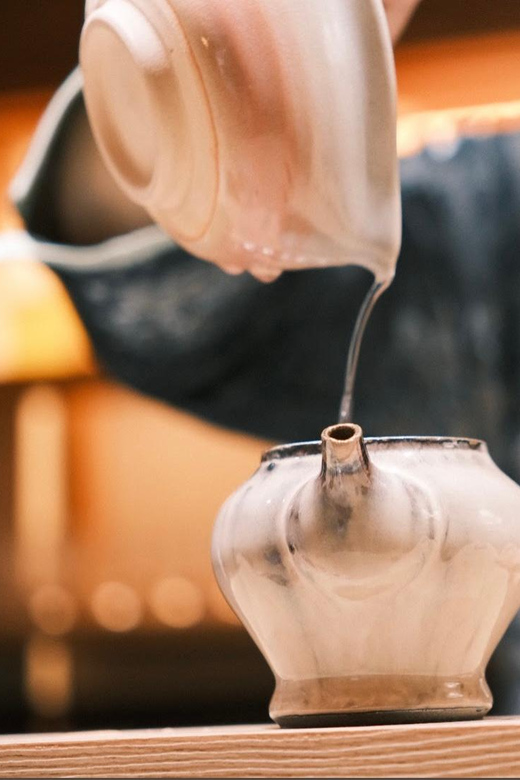
During the pour, the master brings out the tea’s full flavor with each serving. That matters because Japanese tea isn’t only about the plant, it’s about technique and attention. If you’ve ever tasted tea and thought it was fine but not memorable, this is the kind of lesson that can reset your expectations.
You can also expect a mix of styles. The description highlights everything from matcha with its delightful aroma to mellow roasted teas. So even if you’re not a tea person, you’ll likely find at least one cup that clicks. And if you do end up liking tea more than coffee for a day, you’ll know why, because you’ll connect the flavor to the method.
A practical tip: keep your palate neutral at first. If you arrive already wired from strong coffee or a heavy meal, it can be harder to separate aroma notes. Tea tasting works best when your senses are fresh.
Matcha practice with personalized coaching from the tea master
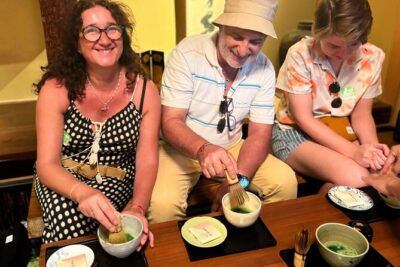
The hands-on matcha portion is the heart of the ceremony for many people, and you do it yourself. After the flight tasting, the session moves into the tea ceremony, and you’ll whisk your own matcha. This isn’t a vague participation activity. It’s designed to give you personalized feedback while you practice.
Matcha can be surprisingly technical, even though the motions are simple. The difference between good and great matcha often comes down to whisking pace, consistency, and how you handle the bowl and powder. In reviews, people loved that the host explained the process clearly and adjusted the instruction to the learners right there in the room.
One review specifically called out learning about the bamboo tea whisks used to mix matcha, including the craft behind them. That’s a small detail, but it changes how you appreciate what you’re doing. When you understand the purpose of the tools, you stop treating the ceremony like theatre and start treating it like a method.
You’ll also have a chance to slow down during the drinking part. The tea master guides you to savor the delicate aroma and flavor of your creation. This is one of those moments where the lesson is not only what you make, but how you experience it. Even if your first whisk is not perfect, you’ll walk away knowing what to try next time.
If you’re worried about learning, don’t. The goal is not perfection. It’s understanding. You’re there for the technique, plus the calm focus that goes with it.
Tea ceremony etiquette, tools, and the calm rules of the room
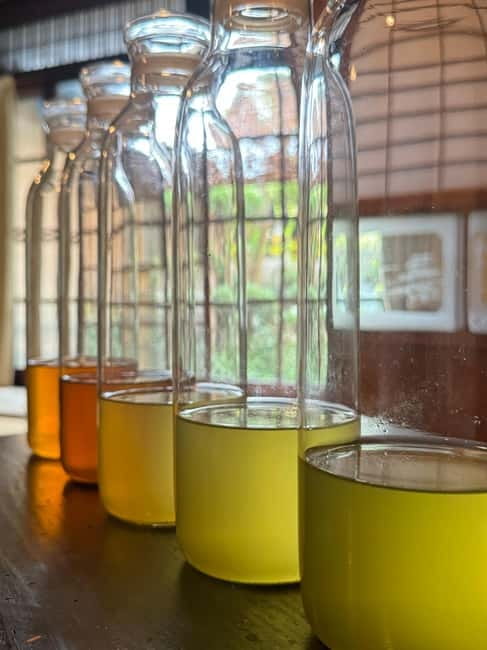
Once tasting is done, you’ll begin the tea ceremony proper. You’ll learn the tradition’s history, but the focus is practical: etiquette, tools, and what each step is for. The ceremony can look strict from the outside, especially if you’ve only seen it in videos. Here, it becomes understandable because you’re guided step by step.
You’ll also learn about the tools in a way that connects to the experience. You’ll see how the equipment supports the ritual, and why small actions matter. The tea master will walk you through symbols and rituals, so you’re not just copying movements without meaning.
There’s also an emotional component. Multiple reviews describe the atmosphere as calm and quiet, with a respectful friendliness. That matters because etiquette classes often feel either too formal or too casual. The sweet spot here is dignified, friendly, and focused.
One thing to plan for is how long you sit and pay attention. Even with a 90-minute schedule, people noted that it can take time to settle in and stay still on the floor during the ceremony. If you’re traveling with a short attention span, you’ll probably feel it. If you’re the type who enjoys slow activities, you’ll feel right at home.
As for the language, instruction is in English. That keeps you from missing key points. Tea etiquette has lots of small details, and with English guidance you can actually retain what you’re taught and use it later.
More Food & Drink in Nara:
- Private Nara Tour and Sake Tasting (Departing from Kyoto/Nara)
★ 5.0 · 40 reviews - Tokyo: Shinjuku Food Tour (13 Dishes at 4 Local Eateries)
★ 5.0 · 6,603 reviews - Tokyo Tsukiji Fish Market Food and Culture Walking Tour
★ 5.0 · 3,184 reviews - Osaka: Shinsekai Food Tour with 13-15 Dishes at 5 Eateries
★ 4.8 · 2,204 reviews
Wagashi pairing, not just a snack break
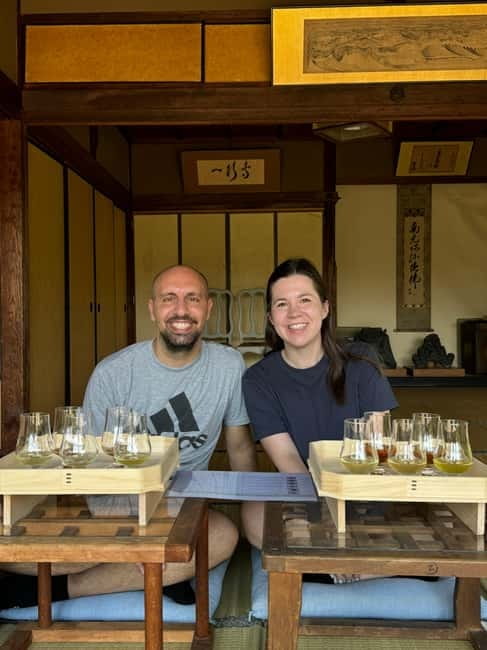
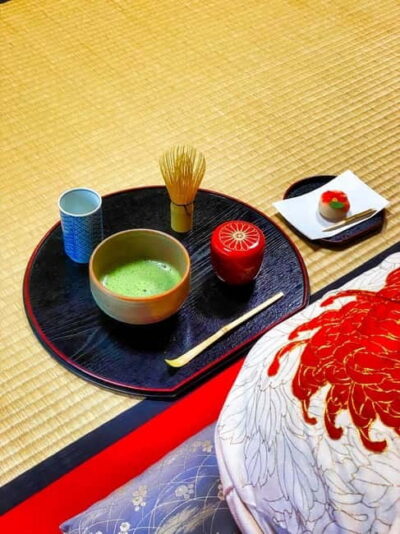
Tea tasting becomes much more interesting when there’s a reason for what you eat with it. That’s where wagashi comes in. You’ll enjoy seasonal Japanese sweets, with two kinds included. They’re designed to complement the tea you’re tasting, so each pairing feels intentional.
Wagashi can be simple, sweet, and gentle on the palate. Paired with green tea or roasted teas, it helps balance bitterness and highlights aroma. If you’ve never tried wagashi before, this is one of the better ways to start, because you taste with context instead of trying to guess what each sweet is supposed to do.
The seasonal angle also helps you get a more real feel for Japanese culture. Tea isn’t only about the plant, it’s about timing and the mood of a season. Seasonal wagashi is a small but smart way to make that idea concrete.
If you’re watching sugar intake, don’t worry about getting overwhelmed. This isn’t an all-you-can-snack situation. It’s two kinds of sweets timed to the experience, so you can treat it like a flavor lesson, not a dessert marathon.
Asking the tea master for Japan tips while you sip
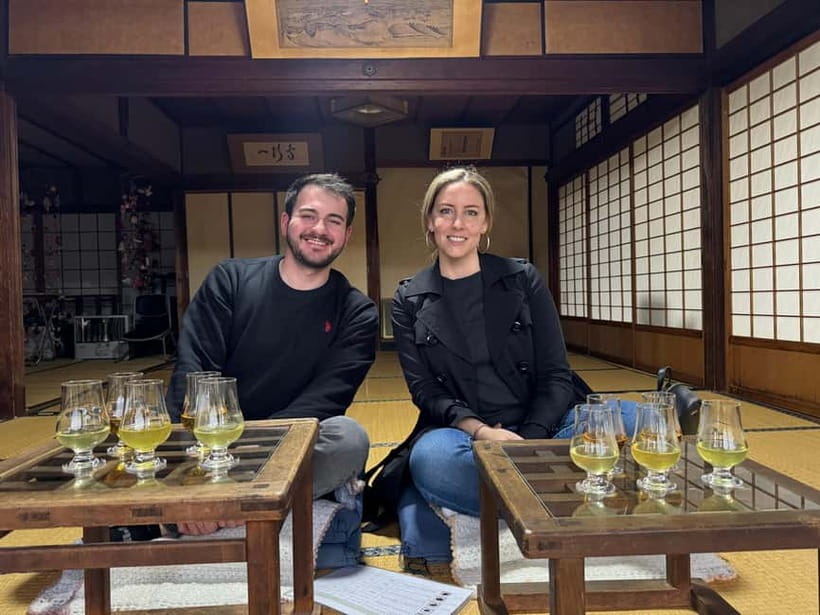
One of the underrated benefits of a private tea lesson is the conversation. Along the way, you’ll talk with the tea host for inside tips on places to visit while in Japan. This is the kind of local knowledge you can’t easily get from a guidebook, because it comes from someone living with the craft and the area.
In reviews, people enjoyed that the hosts were friendly and that the explanations felt personal. Some sessions included a bit of humor, which can make the ceremony feel approachable. You’re learning etiquette, yes, but you’re also getting a human connection, which is what makes a cultural activity feel lived-in.
If you’re using Nara as a base, these kinds of tips can help you plan beyond the main sights. Nara has temples and big heritage, but the best moments are often small details, like when to go somewhere or which neighborhood feels more your style. A tea master is well positioned to give you that kind of practical guidance.
This matters for value too. The price is not only for tasting and matcha practice. It’s also for time with someone who can point you toward better use of your day.
A practical way to get the most out of that conversation is to ask two things. First, ask what you should do next based on your interests, temples, food, walking routes, day trips. Second, ask what to avoid so you don’t waste time.
Is it worth $61, and should you book?
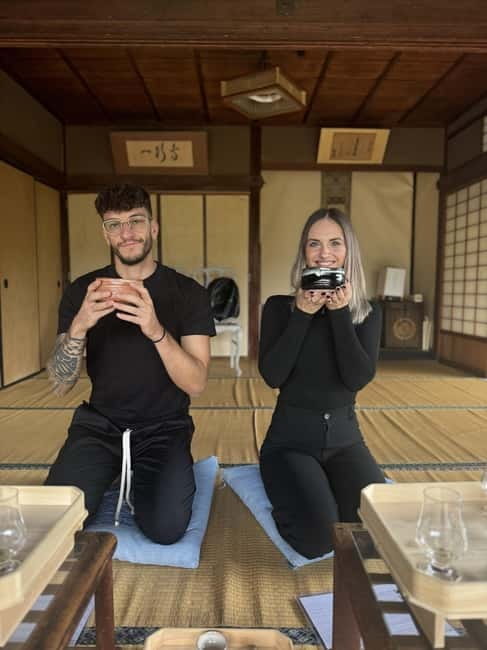
At $61 per person for 90 minutes, this can be good value if you want a true Nara tea experience rather than a quick tasting. You’re getting five teas, matcha practice, and seasonal wagashi, plus private instruction in English. In a city where many tours charge similarly but offer less hands-on value, that combination feels fair.
The decision comes down to your travel style. Book it if you want a quiet cultural reset, you like learning by doing, and you enjoy atmosphere that rewards focus. You’ll likely love the ceremony structure, the careful tasting, and the personalized help while you whisk.
Skip it or think twice if you need a high-energy, on-the-move itinerary. This is a seated experience with a calm pace. It also is not suitable for children under 12 or for pregnant women, so plan around that if you’re traveling as a family.
If you’re traveling solo, this is still worth it because it’s private group instruction. If you’re worried about your tea knowledge, don’t. The lesson starts from basics and builds as you taste and practice.
One more practical note: the tea room is wheelchair accessible, which is a plus if you need that. Still, you should confirm the exact on-site setup with the provider if you have mobility concerns beyond general access needs.
Should you book?
If you’re in Nara for a few days and you want one activity that feels genuinely different, book this. It’s structured, calm, and hands-on in a way that makes the tea stick with you. If you’re rushing through Japan or you hate sitting still, pick a faster food or sightseeing stop instead.
FAQ
What is included in the Nara tea tasting and mindful tea ceremony?
You get 5 kinds of Japanese tea and 2 kinds of Japanese sweets (wagashi). You also get instruction that includes a tea ceremony portion and hands-on matcha practice.
How long does the experience last?
The duration is 90 minutes.
Is this a private experience?
Yes. It’s listed as a private group, with private one-on-one instruction from a skilled tea master.
What language is the instruction provided in?
The instructor speaks English.
Do I get to try matcha myself?
Yes. You can whisk your own matcha as part of the ceremony, with personalized feedback.
Are wagashi sweets included?
Yes. Seasonal wagashi is included, and two kinds of Japanese sweets are part of the experience.
Is the tea room wheelchair accessible?
Yes, it is listed as wheelchair accessible.
How much does it cost?
The price is listed as $61 per person.
Who should not book this experience?
It is not suitable for children under 12 and it is not suitable for pregnant women.
What are the cancellation and payment options?
You can cancel up to 24 hours in advance for a full refund. You can also reserve now and pay later.
Latest write-ups near Nara
- Nara: Essential Private Tour with Deer Park and Temples★ 5.0 · 24 reviews
- Nara: City Highlights Shared Group or Private Bike Tour★ 4.9 · 34 reviews
- Sushi Making Experience Luxury Course in Nara★ 5.0 · 36 reviews
- Nara: Private Walking Tour with a Local★ 4.3 · 36 reviews
- Private Nara Tour and Sake Tasting (Departing from Kyoto/Nara)★ 5.0 · 40 reviews
- Nara: Bike Tour in Ancient Capital UNESCO World Heritage★ 5.0 · 43 reviews
- Discover Ancient Nara: Private Car Tour from Kyoto or Osaka★ 5.0 · 52 reviews
- Nara: Great Buddha, Kasuga Shrine & Deer Park Tour★ 4.8 · 62 reviews
Tea Ceremonies, compared.
Tea Ceremony in a Traditional Tea House in Kiyomizu
Read our review →
World Heritage Kyoto & Nara Uji Authentic Matcha Experience
Read our review →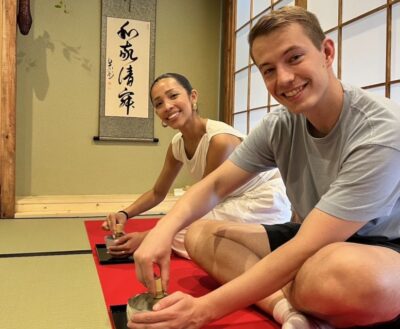
Browse the lists this tour appears in