
Reviewed · TEA CEREMONIES
Experience a tea ceremony in an authentic tearoom, in Kyoto!
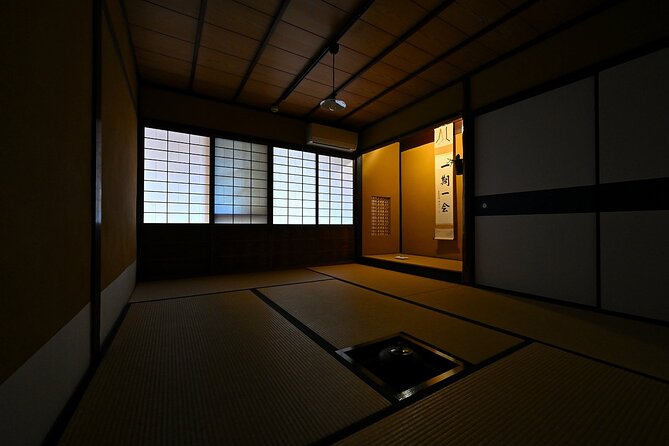
Kyoto tea ceremonies work best when you stop rushing. This one takes you into a real 130-year-old Kyoto townhouse, and you start in a way that feels like you are slipping in quietly from the garden. I love how hands-on it is, with you actually making your own matcha instead of just watching.
I also like the way the host, Kaori, slows things down and teaches with care. You taste dried sweets paired with matcha, then you learn the meaning, the rhythm, and how to appreciate each step. One drawback to consider is that the ceremony involves sitting in a traditional style, so if knees or mobility are an issue, you may want to plan ahead and ask about a stool.
Key highlights you will feel fast
- A real 130-year-old townhouse setting in Nakagyo Ward, not a stage set
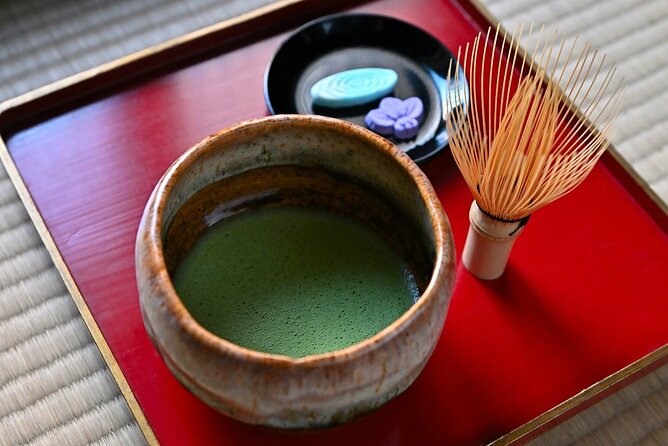
- Sweets and matcha served as part of the lesson, not just a quick sip
- You make the matcha as the instruction happens, even as a beginner
- Small group size up to 10 travelers, with some sessions feeling private
- Practical take-home tips for enjoying matcha at home, even without utensils
Step inside a 130-year-old Kyoto townhouse (and into the right mood)
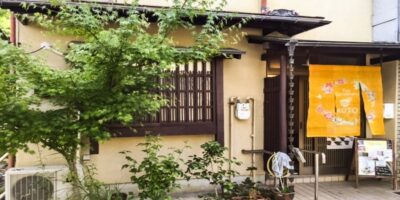
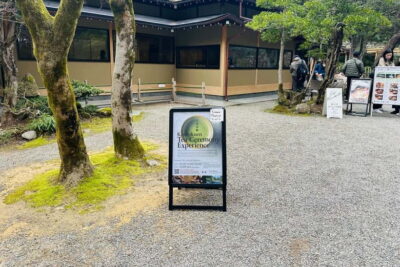
The address is tucked into Nakagyo Ward: 22-26 Nishinokyō Ikenouchichō, Kyoto (604-8375). You will get a mobile ticket, and the meeting point is near public transportation, which helps because Kyoto has enough walking without adding a long detour.
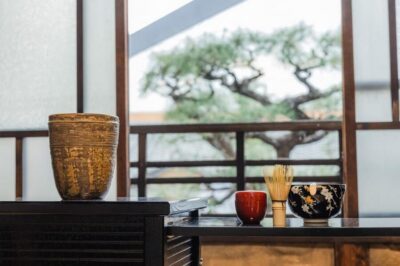
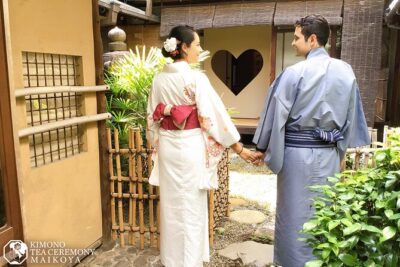
What makes this experience feel special is the setting. You do not just sit in a generic room. You enter a Kyoto townhouse with age in the wood and calm in the atmosphere, the kind of place where people naturally lower their voices and move slower. Several guests described it as cozy and intimate, especially when the group was only a few people.
The start matters. You begin by getting into the tea room from the garden, which instantly shifts you out of sightseeing mode. Even if you only have 45 minutes, this kind of arrival gives your brain permission to slow down.
More Tea Ceremonies in Kyoto
- Kyoto: Tea Ceremony in a Traditional Tea House in Kiyomizu
★ 4.9 · 3,519 reviews - Kyoto: Tea Ceremony Ju-An at Jotokuji Temple
★ 4.9 · 3,207 reviews - Kyoto: 45-Minute Tea Ceremony Lesson Experience
★ 4.3 · 2,378 reviews
The 45-minute flow: sweets, matcha lesson, then you make it
The whole ceremony runs about 45 minutes. That sounds short, but it is paced like a focused lesson, not a rushed performance. You will see an instructor demonstration first, then you get your hands on the process.
Here is the basic rhythm you can expect:
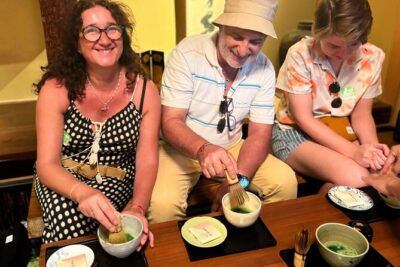
1) Dried sweets first
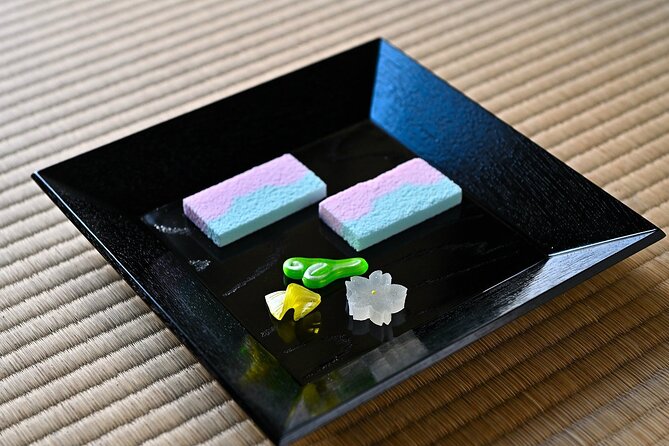
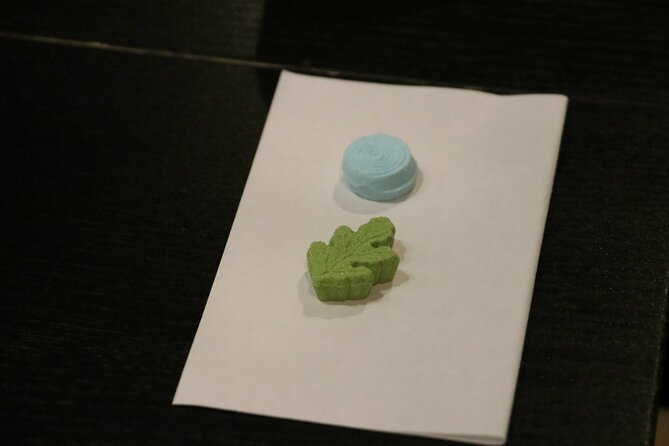
You will be served dried sweets from a historic Japanese confectionery shop in Kyoto. One name that came up is Shioyoshi-ken (塩芳軒). The sweets are not random sugar snacks. They connect to the tea ceremony tradition, including a Japanese sugar called wasanbon, which is often associated with classic tea-ceremony sweets.
2) Matcha tasting with guidance
Next comes the matcha. You taste it and get taught how to appreciate it. One theme that comes up in the reviews is that the host explains more than just what to do, she also explains what you are tasting and why the ceremony handles each step with intention.
3) Making your own matcha
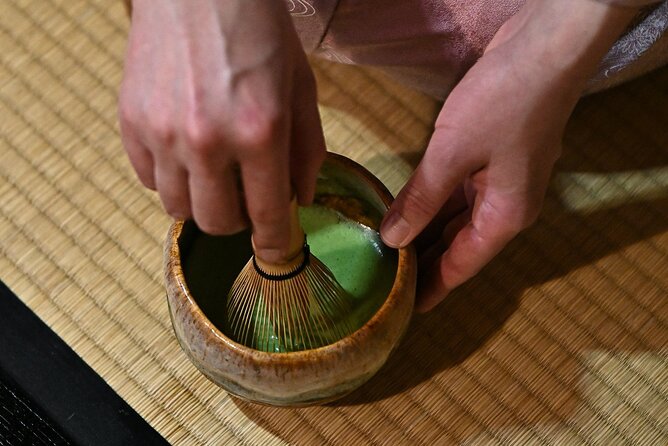
After the demonstration, you make your own matcha. Even when you start with no experience, you should be able to follow along. The tea ceremony is formal, but the instruction is designed for beginners, with a clear sequence and time to ask questions.
Because it is hands-on, you are not stuck passively waiting out a show. You leave with a memory you can replay, the feel of whisking and the moment you pour.
Making matcha as a beginner, without feeling lost
If you have never made matcha, you can still do this. The lesson is set up like training wheels for a traditional ritual. You will get detailed instructions on how to make matcha, and you will hear the history and culture behind what you are doing.
A big benefit here is that the host teaches the why, not just the how. Tea ceremony can look like strict choreography from the outside, but once you understand the intent, the steps make more sense. Guests specifically praised the way Kaori explains carefully and with calm focus.
There is also a practical angle. You are not only learning how to follow a ceremony once. You get tips on how to enjoy matcha at home even without tea utensils. That matters, because most of us do not travel with a full tea-tool kit.
One more detail worth knowing: the traditional seating style can be tough if you have bad knees. One guest noted that a stool was available and the issue was manageable. If you have mobility concerns, do not suffer silently. You should be able to ask for help on where to sit.
The authenticity you can actually notice in the details
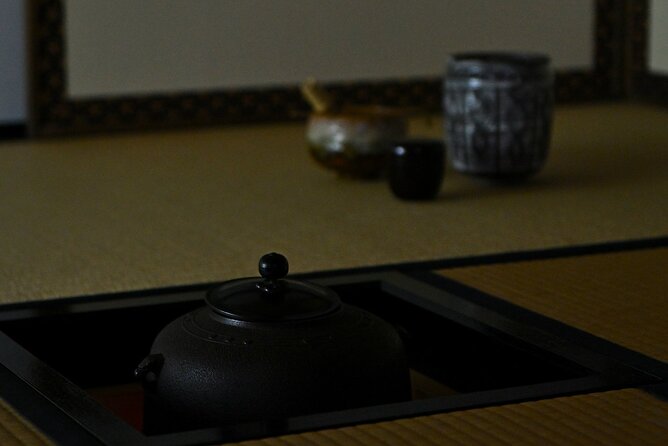
This experience is in Kyoto, but more importantly, it happens in a townhouse that feels lived-in and old. Multiple reviews singled out the authenticity of the tea room and praised the setting as beautiful and serene.
Authenticity is not only about the building. It is also about the pace and the manners. The ceremony is structured, and the host keeps the tone respectful and welcoming. Several guests mentioned a calming, friendly presence, the kind that makes you feel you can ask basic questions without being embarrassed.
English support also shows up in the reviews in a big way. People repeatedly called out the host’s English as excellent or very good, and that you can follow even if your Japanese is limited. That is not a small thing. A tea ceremony can lose meaning fast if instruction is hard to understand.
You also get a clear lesson on appreciating matcha. Matcha is not just flavored green tea. In the ceremony context, the tasting is part of the ritual. You learn what to notice, how to drink, and how the sweetness from the sweets fits with the bitterness and aroma of the tea.
And yes, the sweets matter. One review that was not fully positive criticized the quantity and sweetness, but the host response clarified that these dried sweets are part of real tea ceremonies and come from a long-established Kyoto shop, Shioyoshi-ken. If you go in expecting a big snack, you may feel disappointed. If you go in expecting a tea ceremony pairing, it makes more sense.
A change of pace from Kyoto:
- PERFECT KYOTO 1-Day Bus Tour
★ 5.0 · 13,518 reviews - Kyoto: Fushimi Inari, Kinkakuji, Bamboo Grove 1 Day Bus Tour
★ 4.8 · 4,316 reviews - Kyoto Geisha Walking Tour: Gion District & Hidden Gems
★ 4.7 · 3,273 reviews - Kyoto: Gion Magical Night Walking Tour with Geisha Trivia
★ 4.9 · 2,393 reviews
Price check: is $39.63 worth it for 45 minutes?
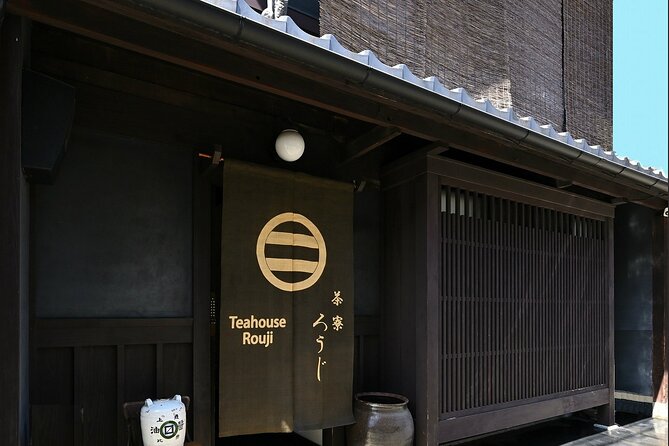
At $39.63 per person for about 45 minutes, this is not a budget activity. The value depends on what you want out of Kyoto.
Here is what you do get for the price:
- A real tea room experience in a 130-year-old townhouse
- Dried sweets from a historic shop
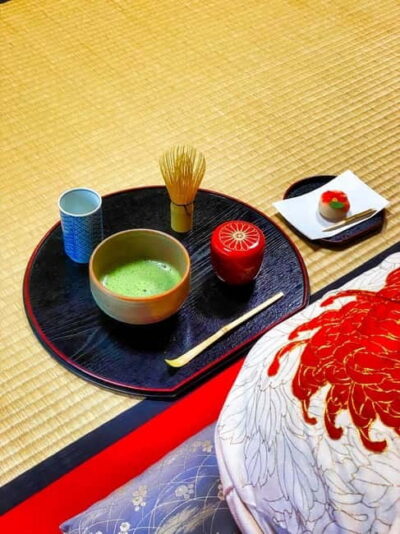
- Matcha included, and you also learn how to make it
- Instruction for beginners, including history and culture
- Take-home tips for enjoying matcha at home without utensils
- Small group size up to 10, which helps you get attention
If your goal is a quick photo stop or a generic cultural activity, then yes, this may feel expensive. But if your goal is a guided, hands-on ritual with a patient teacher, it is easier to justify.
The best way to think about the cost is like this: you are paying for time with a tea teacher, plus a structured lesson, plus the tea and sweets, all in a space that is part of Kyoto’s living history. That is usually worth more than a one-off demo where you only watch.
Also, the group size helps. Reviews mention some sessions felt intimate, sometimes just a few family members. When it is smaller, the lesson becomes more personal, and you get a better chance to ask questions.
Who should book this Kyoto tea ceremony (and who might not)
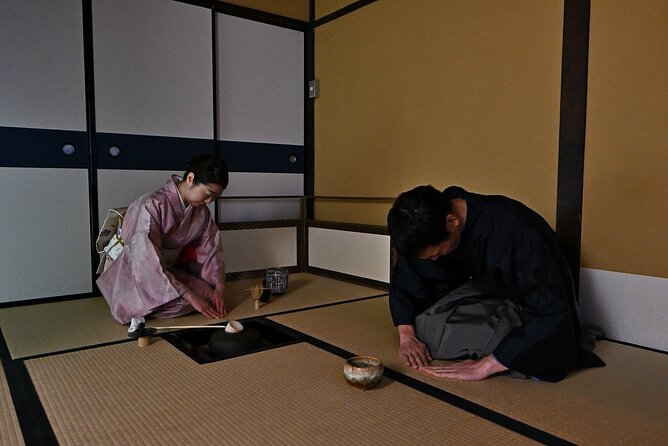
This tea ceremony fits you well if:
- You want a calmer, cultural break from temples and crowds
- You like learning by doing, not just watching
- You want matcha knowledge you can use at home
- You appreciate small details, sweetness pairings, and ritual pacing
It may not be the best fit if:
- You mainly want lots of food or a long entertainment time
- You have mobility challenges that make traditional seating hard, unless you plan to request a stool
- You dislike structured activities and prefer free-form experiences
One practical tip for getting the most from it: treat it like a sit-down lesson. Put your phone away as much as you can. Let your attention rest on the steps. Tea ceremony is short by design, so your experience depends on whether you let the ritual do its work.
Final call: should you book this tea ceremony?
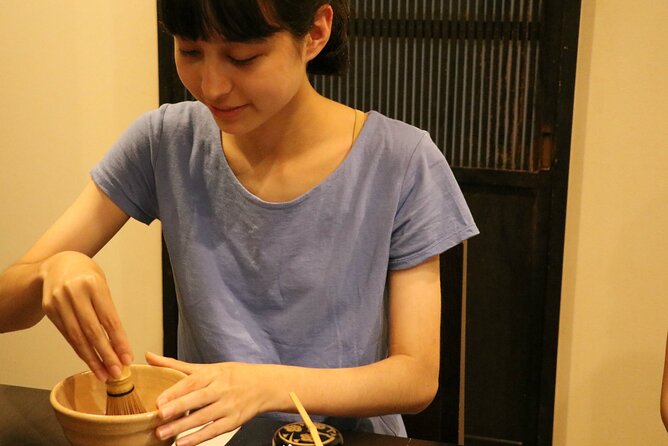
I think this is a strong Kyoto choice if you want something authentic, guided, and hands-on. The 130-year-old townhouse setting, the pairing of dried sweets with matcha, and the fact that you make your own tea all create a complete experience in just 45 minutes. The reviews also point to careful teaching by Kaori, with the kind of calm that makes beginners comfortable.
Book it if you want an unforgettable ritual memory you can recreate at home. Skip it only if you are chasing a big-ticket, high-energy activity or you expect a long, fancy add-on package. If you are the type who enjoys learning how tradition works, this one will likely feel like a highlight of your Kyoto trip.
FAQ
How long is the tea ceremony experience?
It lasts about 45 minutes.
What is the price per person?
The price is $39.63 per person.
Where does the experience start?
The meeting point is at 22-26 Nishinokyō Ikenouchichō, Nakagyo Ward, Kyoto, 604-8375, Japan.
Is this a small-group activity?
Yes. There is a maximum of 10 travelers.
Do I need any tea ceremony experience?
No. The experience includes detailed instructions for beginners, including how to make matcha.
Is matcha and sweets included?
Yes. You will have matcha and delicious dried sweets as part of the ceremony.
How does ticketing work?
You receive a mobile ticket, and confirmation is provided within 48 hours of booking, subject to availability.
Latest write-ups near Kyoto
- Kyoto Private Tour Full Day with Local Guide&Nara Option(PerGroup★ 5.0 · 20 reviews
- Sacred Pathways: Discover the Philosopher’s Path of Kyoto★ 4.9 · 20 reviews
- Hammer Pattering Experience of Ring★ 5.0 · 20 reviews
- Kyoto UNESCO World Heritage Site Private Tour with a Premium Van★ 5.0 · 20 reviews
- KYOTO: Private Tea Ceremony in Hidden Townhouse (Kid-Friendly)★ 5.0 · 20 reviews
- Sushi or Traditional Japanese Cuisine in a Kyoto Home with Emika★ 5.0 · 20 reviews
- The Kyoto VIP Experience!★ 5.0 · 20 reviews
- Kyoto Customized Private Tour: See Top Attractions in 1 Day★ 4.7 · 20 reviews
Tea Ceremonies, compared.
Tea Ceremony in a Traditional Tea House in Kiyomizu
Read our review →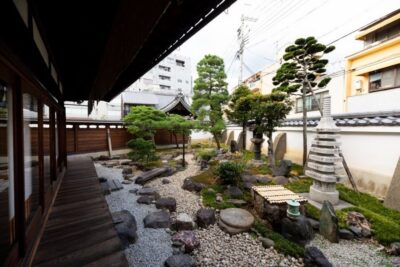
World Heritage Kyoto & Nara Uji Authentic Matcha Experience
Read our review →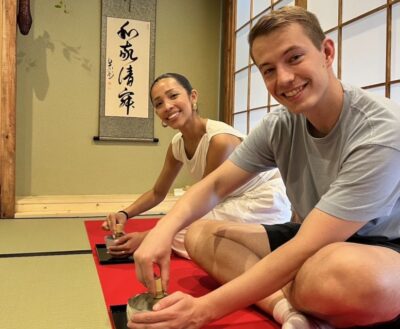
Browse the lists this tour appears in