
Reviewed · COOKING CLASSES
Bento Box Cooking Class
A bento box class in Kyoto is interesting because you learn how Japan turns everyday ingredients into something tidy, portable, and delicious. It is not just a cooking demo. It is a hands-on way to understand what makes bento culture tick. You make your own lunch, then you leave with recipes you can actually use.
I especially like the small-group feel and the close guidance. You get an English-speaking instructor and apron, plus ingredients are handled for you, so you are focused on learning the steps that matter. I also like that the menu shifts with the seasons, so the class feels less like a template and more like real Japanese home cooking.
One consideration: this is a hands-on cooking class, and some prep can take time, even if key steps are supported. If you arrive starving, it will still be a bit of a wait before you sit down to eat, so plan accordingly.
Key things to know before you go
- Small group size (max 8) means more direct help as you cook.
- English-speaking instruction makes techniques and timing easier to follow.
- Chef-led demos plus your hands-on work help you learn by doing.
- Seasonal menus change every three months based on available ingredients.
- You eat your bento at the end, then take recipe copies home.
- Dietary requests are welcomed, and the staff is reported to be careful with food allergies.
Why bento box culture is a great match for Kyoto
Kyoto is full of food choices, but a bento class gives you something most meals do not: a clear look at how Japanese cooking fits into daily life. Bento is famous worldwide as a convenient lunch, yet the real story is about planning. You are balancing flavors, textures, and presentation in a box that has to hold up from morning to lunchtime.
This class is a smart use of limited sightseeing time. It runs about 3 to 3.5 hours, and you get a finished product at the end. That matters in Kyoto, where you can easily spend a morning walking and still not learn much about how people actually cook.
You also get a bit of context before you start cooking. You will learn where the word bento comes from, with the explanation reaching back to the 13th century when the Song Dynasty used the term in connection with something convenient. It is not heavy theory. It is just enough background to make what you cook feel intentional.
More Cooking Classes in Kyoto
- Ramen Cooking Class at Ramen Factory in Kyoto
★ 5.0 · 1,937 reviews - Kyoto: Ramen Cooking Class at a Ramen Factory with Souvenir
★ 4.9 · 532 reviews - Kyoto: Ramen, Gyoza, and Onigiri Cooking Class
★ 5.0 · 445 reviews
Cooking Sun Kyoto, start time, and what you really get for $71.35
The class meets at Cooking Sun, 679 Funayachō, Shimogyo Ward, Kyoto 600-8466. It starts at 9:30 am and finishes back at the meeting point. It is near public transportation, so you should not need a private taxi plan.
Price is $71.35 per person, and the big value point is what is included:
- Lunch
- All ingredients
- English-speaking cooking instructor
- Apron
What is not included is food and drinks beyond lunch unless specified, and there is no hotel pickup or drop-off.
To me, the value comes from the combination of ingredients plus instruction plus a full meal you make. You are not paying for a snack and a brochure. You are paying for a structured cooking session where you leave with something tangible: your bento and recipe copies.
Also, you get a mobile ticket, and there are group discounts offered. If you are coming with friends or family, check whether bundling helps, since the group size is kept small.
How the class kicks off: origins, technique, and a guided pace
You begin at the studio, where the class starts with background on bento. The goal is to connect the cooking you are about to do with the cultural idea behind it: practicality, portioning, and making food look good without making it fragile.
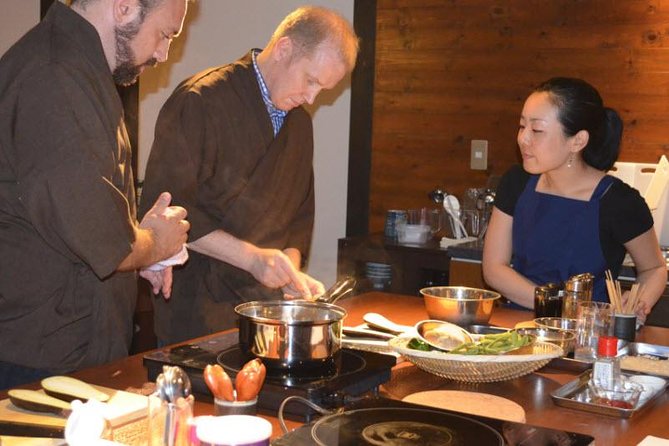
Then you shift into chef instruction. A Japanese master chef demonstrates key techniques used in common bento staples. Even if you cook at home, this part is useful because it usually focuses on the “why,” not just the “how.” The cooking is likely to include building blocks like dashi and careful sauce handling, since bento food depends heavily on balanced seasoning.
You are also working in a supported environment. The format is close enough that you can ask questions as you go. That is a big deal in Japanese cooking, where small timing differences and sauce ratios can change the result.
One practical note: this is designed for people who want to cook, not people who want to watch. If you hate getting hands-on, this may feel like work. If you like learning step-by-step, it is a good fit.
Making your bento: what you cook and why those dishes matter
The hands-on portion is where the class earns its keep. You try making several typical bento-style items, and the menu can change depending on the season, since it is adjusted every three months to use the best-available ingredients.
While the exact dishes vary, you can expect bento-friendly classics and technique-heavy favorites such as:
- Miso soup
- Tempura vegetables
- Egg rolls (including rolled egg)
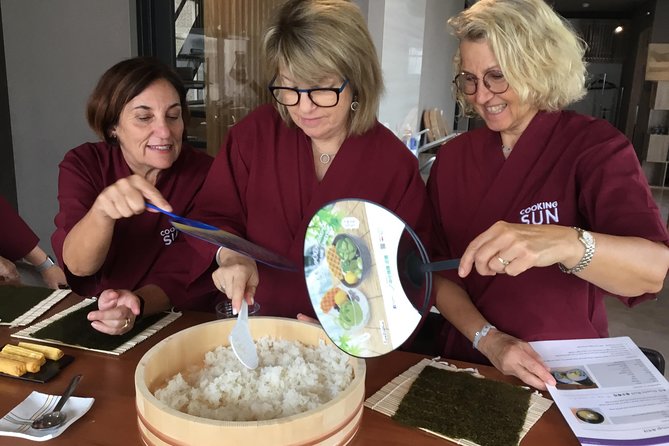
- A sushi roll / maki-style roll (with instruction on rolling)
Other examples seen in the class experiences include things like teriyaki-style chicken, spinach with sesame, omelet, layered egg, and tempura shrimp and vegetables. Think of this as a menu of core skills. You are learning the techniques that show up again and again in Japanese lunch boxes.
A change of pace from Kyoto:
- PERFECT KYOTO 1-Day Bus Tour
★ 5.0 · 13,518 reviews - Kyoto: Fushimi Inari, Kinkakuji, Bamboo Grove 1 Day Bus Tour
★ 4.8 · 4,316 reviews - Kyoto: Tea Ceremony in a Traditional Tea House in Kiyomizu
★ 4.9 · 3,519 reviews - Kyoto Geisha Walking Tour: Gion District & Hidden Gems
★ 4.7 · 3,273 reviews
The technique focus that pays off later
This class is not just about assembling food. It is about learning the methods that create flavor with less fuss:
- Tempura practice teaches you how to treat batter and frying so it stays crisp rather than soggy.
- Rolled egg practice gives you control over texture and shape, which matters in bento presentation.
- Sushi rolling practice helps you understand portioning and how tight rolling affects the final slice.
- Dashi and soy sauce handling comes up as part of learning Japanese seasoning logic, including tips about using different soy sauce types.
If you cook Asian food already, you might still pick up “small but important” improvements. The best part is that you get to see how chefs do it, then you try it yourself.
How much is prepped for you
Some steps are likely to be set up so the class moves smoothly, but you still do real cooking at your station. That combination is what keeps the class fun. You get to use the skills, not just follow directions while someone else does the hard work.
The lunch moment: eating your box and using the recipes right away
After you finish cooking, you sit down with the group and eat. This is not an afterthought. It is part of the learning experience because bento is meant to be eaten, not just displayed.
You receive copies of the session recipes so you can recreate the dishes at home for friends and family. That is where most cooking classes either win or lose. Here, the recipe handouts help you translate what you did in class into an actual kitchen plan later.
My practical advice: take a few minutes during the meal to compare what you made to what you expected. If something tastes too salty, note it right away. If a tempura piece lost crispness, you will learn how timing affects results next time. You do not need to overthink it, just gather quick notes while it is fresh.
Also, do not show up on a totally empty stomach. There is enough cooking work that you may feel hungry before lunch, and a lot of people find it more enjoyable if they eat breakfast first.
Dietary needs and how the studio handles allergies
One of the strongest praise points is the care shown for people with allergies. If you have a dietary requirement, you are asked to advise it at booking. That is exactly what you want, since it gives the instructor a chance to adjust handling before you arrive.
Food allergy friendliness is directly reflected in the experience feedback. The staff is reported to be careful, kind, and clear with explanations, which helps you feel safe instead of guessing.
Still, bring a practical mindset: if you tell them your needs clearly at booking, you are already doing the right thing. Then, ask questions again on the day if anything is unclear, especially around sauce ingredients and cross-contact risks.
Group size, instructor support, and why it feels hands-on
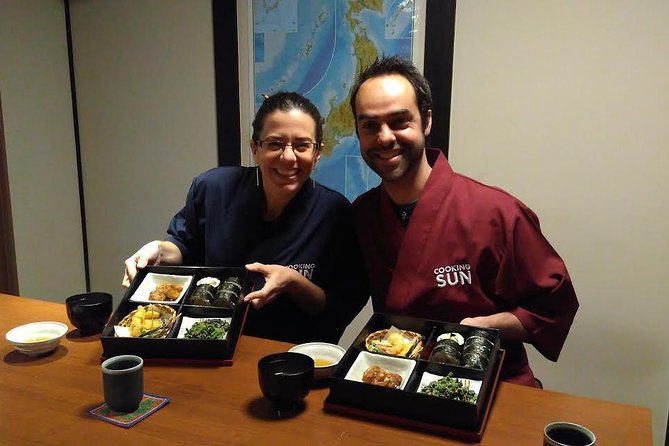
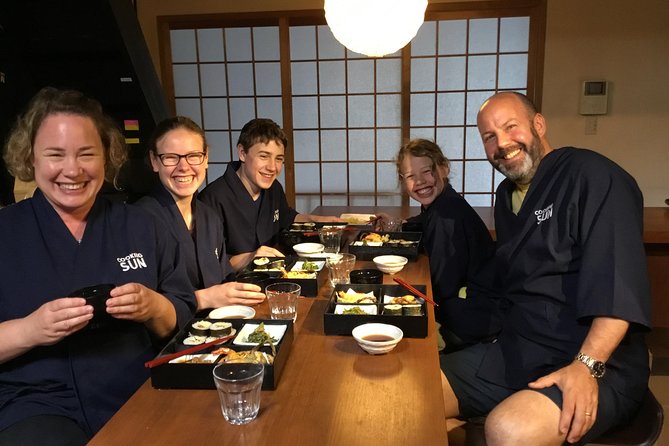
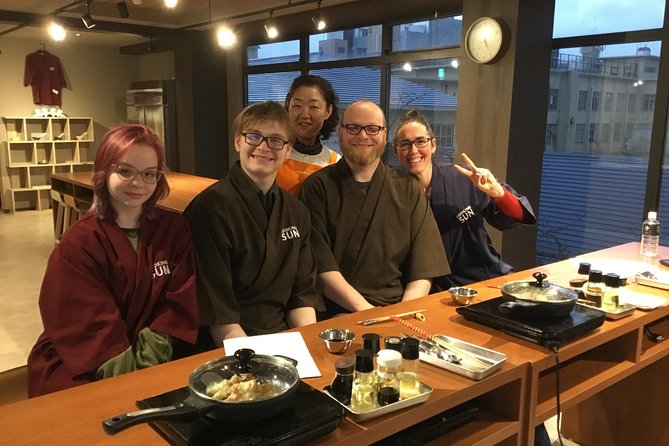
The class is capped at a maximum of 8 travelers. That size is a sweet spot for a cooking class. You get enough people to make the room lively, but not so many that you feel lost.
Multiple reviews highlight a setup where different instructors provide precise, patient guidance and make sure you can keep up. The pace is built for learning: watch the chef do it, then do it yourself with instruction and correction.
If you are cooking with a friend or your kid (some people do this), the small-group format is also reassuring. You are not stuck watching your partner work. You are both learning at the same time.
Seasonal menu changes, skill level, and what you can realistically learn
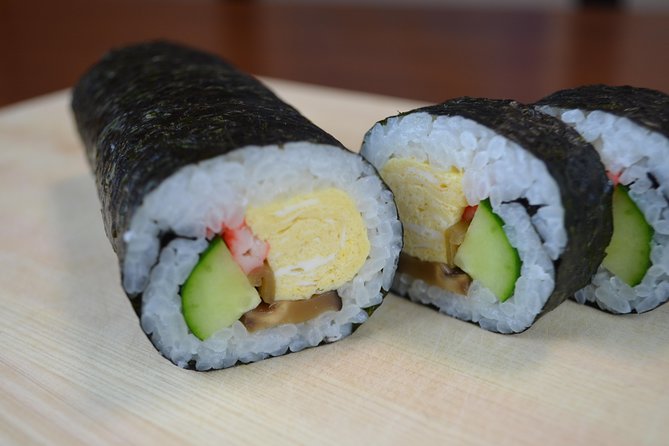
Because the menu is adjusted every three months, you will not get the exact same bento mix year-round. That is good news. It means the class stays relevant even if you return, and it also means you are more likely to cook with ingredients that taste good right now.
Skill level: this class works for beginners who want a structured start, but it can still be rewarding for people who already cook. Even experienced home cooks often need Japanese-specific technique coaching, like sushi rolling basics or sauce choices.
What you leave with is more than a meal. You leave with a better sense of how to build bento style components: how different items fit together, how sauces control flavor, and how presentation can be both simple and disciplined.
Who should book this bento box class in Kyoto
You will probably love this if:
- You want a morning activity that ends with a full lunch.
- You like learning by cooking, not just watching.
- You care about Japanese food culture and want a practical takeaway.
- You have dietary needs and want to join a class that takes allergies seriously.
You might think twice if:
- You hate hands-on cooking.
- You are short on time and need a very passive experience.
- You expect the class to be mostly sightseeing. This is a kitchen lesson, not a tour of food markets.
It also suits couples, families, and anyone planning a Japan trip with a mix of temples and food. In fact, a bento class is one of the best “bridge activities” between Kyoto’s historic sights and its everyday food life.
Should you book Bento Box Cooking Class in Kyoto?
Book it if you want value for your time. For about $71.35, you get a guided cooking session, ingredients, apron, and the lunch you make, plus recipe copies to use later. That is a lot for one half-day block.
I would also book it if you like structured learning. The small group size and the emphasis on technique and explanation make it a calmer choice than you might expect in a cooking class.
The only real decision point is your hunger and schedule. If you can eat a light breakfast beforehand and plan to take your time, you will get the full experience, cook hands-on, and enjoy your bento at the end without rushing.
FAQ
How long is the Bento Box Cooking Class?
The class runs about 3 hours, with some sessions listed as approximately 3 to 3.5 hours.
Where is the meeting point in Kyoto?
You meet at Cooking Sun, 679 Funayachō, Shimogyo Ward, Kyoto 600-8466, Japan.
What time does the class start?
The start time is 9:30 am.
What is included in the price?
The price includes lunch, all ingredients for cooking, an English-speaking cooking instructor, and an apron.
Is lunch included?
Yes. Lunch is included, and you eat the bento you make at the end of the class.
Do they provide instruction in English?
Yes, the class includes an English-speaking cooking instructor.
Can I request dietary accommodations?
Yes. You are asked to advise any specific dietary requirements at the time of booking.
How many people are in a group?
A booking is capped at a maximum of 8 people.
Is hotel pickup or drop-off included?
No. Hotel pickup and drop-off are not included.
What is the cancellation policy?
Free cancellation is available. You can cancel up to 24 hours in advance for a full refund, based on the experience’s local time.
Latest write-ups near Kyoto
- Kyoto: Nishiki Market Tour with a Local Foodie & Tastings★ 4.5 · 67 reviews
- Kyoto Kimono Rental mimosa |Kimono/Yukata Rental Couple Plan★ 4.8 · 67 reviews
- Kyoto: Traditional Kimono Fabric Handicrafts Workshop★ 5.0 · 67 reviews
- Kyoto Tea Ceremony and Samurai Photo Session★ 5.0 · 70 reviews
- Kyoto: Replica food making experience★ 4.8 · 70 reviews
- Kyoto: Kinkakuji, Golden Pavilion Guided Tour★ 4.7 · 71 reviews
- Private departure transfer from Kyoto city to Kansai International airport★ 5.0 · 72 reviews
- Uji: Green Tea Tour with Byodoin and Koshoji Temple Visits★ 4.8 · 72 reviews
Cooking Classes, compared.
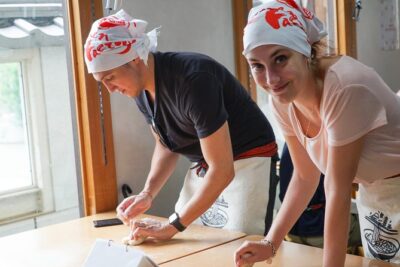
Ramen Cooking Class at Ramen Factory in Kyoto
Read our review →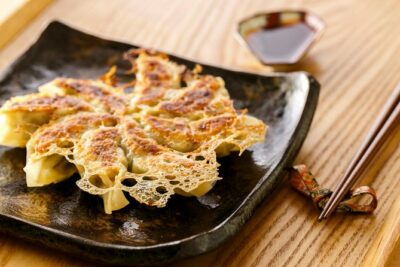
Ramen & Gyoza Cooking Class in Tokyo with Local Supermarket Visit
Read our review →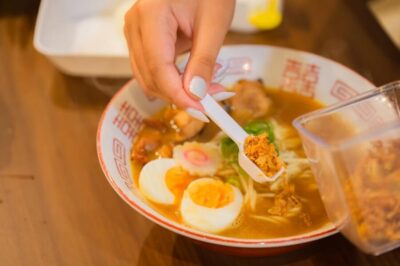
Ramen Cooking Class at a Ramen Factory with Souvenir
Read our review →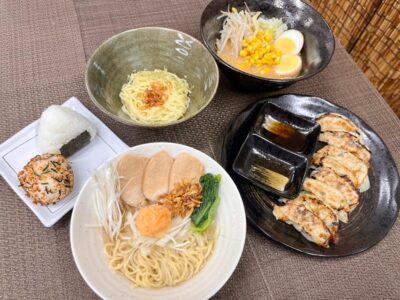
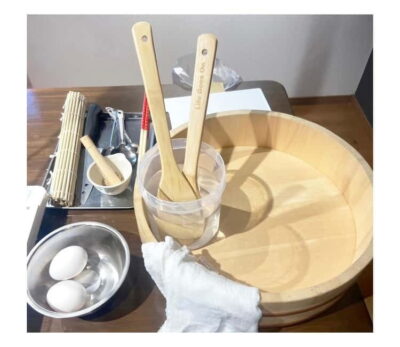
Japanese Washoku Bento Small Group Cooking Class
Read our review →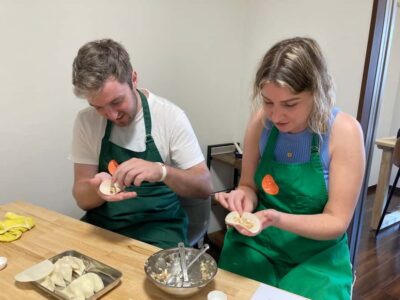
Easy Ramen Cooking Experience in Kabukicho, Shinjuku
Read our review →
Ramen and Sushi Cooking Class with Sake Pairing Set in Tokyo
Read our review →Browse the lists this tour appears in