
Reviewed · SUSHI MAKING CLASSES
Tokyo: Sushi Making with Pro Chef & Tsukiji Fish Market Tour
This is an interesting Tokyo experience because it ties together two parts of Japanese food culture in one smooth 4-hour block: the ingredients at Tsukiji Fish Market and the technique in a sushi workshop. I especially like the hands-on payoff, where you actually shape rice and build nigiri and a maki roll yourself. I also like that the market walk gives context for what you are eating, so sushi stops being just a restaurant order and starts feeling logical. One drawback to consider is that it is not a casual stop-and-snack tour, and you do need to keep up with walking and timing.
I like the small-group feel, limited to 8 people, because it makes it easier to ask questions during the class. I also appreciate the human touch of the guides, with names like Kate, Yuko, and Matsayo showing up in guest feedback as kind, professional, and entertaining. Another plus is that you meet at a real temple location, not some random street corner, so you start the morning in the right headspace.
Before you book, do a quick reality check: if your day includes mobility limits, late arrivals, or specific diet needs, this one has clear boundaries. It also involves stairs to a 3rd-floor classroom, and the fish market is closed on specific days, including Wednesdays and Sundays.
Key things I’d circle before you go
- Tsukiji context before class: you see how ingredients get to the kitchen, not just the final plate
- Small-group instruction: limited to 8 participants, so the chef can actually help
- You make multiple styles: guests report making several nigiri plus a maki roll
- Market sampling focus: you try foods that show up in fine cuisine dining, not only tourist items
- Pro chef-led technique: step-by-step guidance with rice, fish handling, and assembly
- Temple start point: meeting at the front of Tsukiji Honganji-Temple helps you orient fast
Tsukiji and sushi class in 4 hours, the smart way to use your Tokyo time
If you only have a short window in Tokyo, this combo tour is practical. Four hours is enough to get momentum, learn real food technique, and still keep your afternoon open for other neighborhoods. You do not spend the whole time standing in a line with a camera. You get movement, explanation, and an actual skill at the end.
I also like the value angle here. Yes, it costs more than a basic market walk. But you pay for two things that usually cost separately: guided access to Tsukiji’s food world and a professional sushi workshop with lunch included. The lunch is not extra, it is built into the experience because it is the sushi you make.
More Market Tours in Tokyo
- Tokyo Tsukiji Fish Market Food and Culture Walking Tour
★ 5.0 · 3,184 reviews - Tokyo: Tsukiji Fish Market Food and Walking tour
★ 5.0 · 1,724 reviews - Tokyo: Tsukiji Fish Market Guided Walking Tour
★ 4.9 · 1,397 reviews
Where you start: Tsukiji Honganji-Temple front gate (and the Maps trick)
Your meeting point is the main gate of Tsukiji Honganji-Temple, at the front of the temple. Google Maps may route you to the back of the temple, so ignore that and go to the front. This matters because the schedule is tight, and the tour cannot be extended if you arrive late.
I recommend arriving a few minutes early, even in good weather. The start point is easy to find once you know the front gate detail, but you still want time to regroup, use the restroom if you need it, and get comfortable with the pace.
The lead-in: temple and food culture basics you can use later
You begin with a temple visit and a short orientation to Japanese culture around food. It is not just religious sightseeing. The point is to set a tone: respect, attention, and the idea that food has meaning beyond taste.
Then you head into the market area with a guide who knows where to go and what to look for. The tour focuses on the foundations of sushi culture, including why certain ingredients matter and how professionals treat fish as a raw material with rules. This kind of framing pays off later at your own meals, because you start noticing details, like how fish quality affects texture, or how rice is treated differently than regular cooked rice.
In the class and market pieces, you also get practical learning. Guests highlight that they got clear instructions on what to do and how to do it right, even if they had never made sushi before. That is a key difference between a demo and a workshop.
Tsukiji Fish Market walk, what you actually see and try
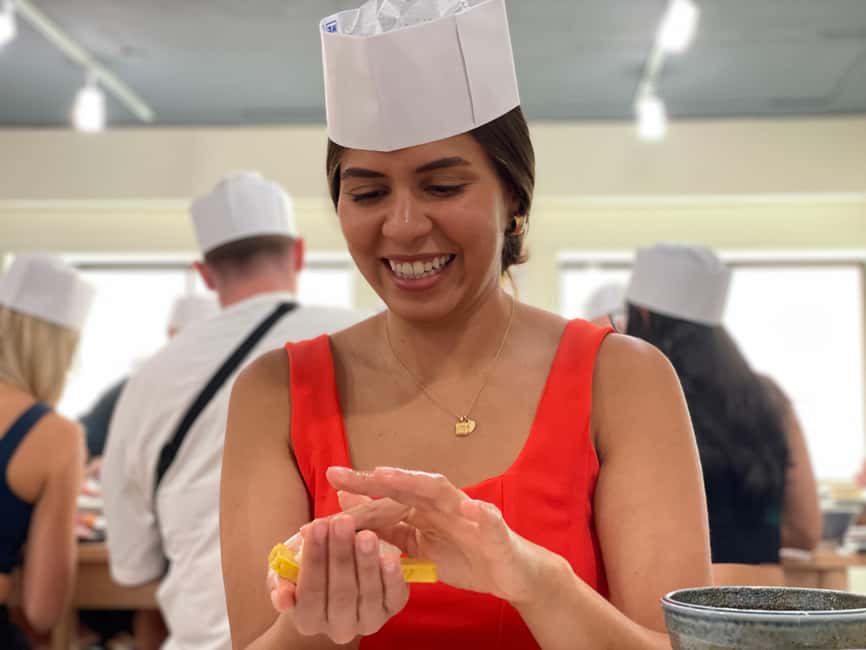
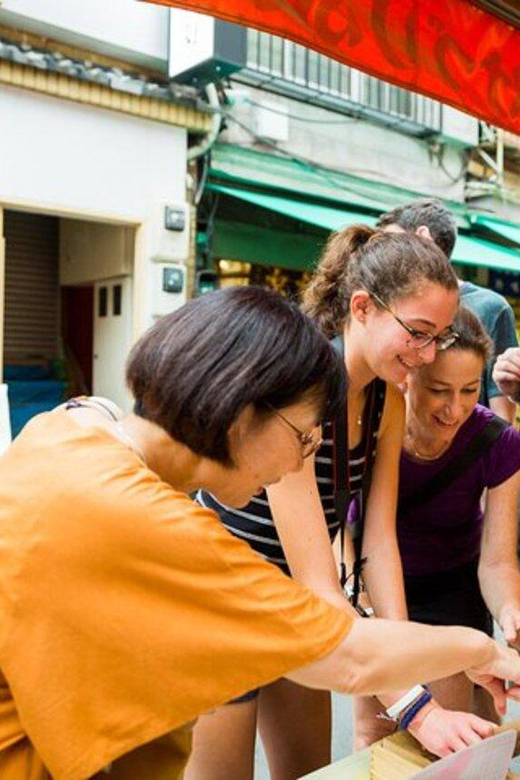
Tsukiji is famous, but this tour helps you see more than the headline. You explore the market with a local guide and you get an explanation of how professionals work and where ingredients come from. The goal is to connect the dots between the fish you see and the sushi you will build later.
You also sample foods during the walk. The sampling is one of the most praised parts of the experience, with people calling out that they tried items beloved by fine cuisine restaurants, not just generic snacks. Some specific examples show up in feedback, like trying whale meat and other market items. If you are curious about what Japanese food looks like beyond typical tourist options, this is where that curiosity gets fed.
A couple timing notes matter:
- The fish market portion is closed Wednesdays and Sundays, plus other closed market days.
- Because the market can be shut on your travel dates, the tour operator may adjust what is possible that day. If Tsukiji access is a dealbreaker for you, double-check your date before you book.
Also, expect a lot of close-up energy. Even when you are not tasting, you are looking at how vendors handle products, how they package, and what professionals pay attention to. That is the stuff that makes your later sushi-making feel real.
More Shopping Tours in Tokyo
- Tsukiji Fish Market Guided Tour and Sushi Making with Pro Chef
★ 5.0 · 775 reviews - Tokyo: Tsukiji Fish Market Food and Culture Walking Tour
★ 4.7 · 757 reviews - Tsukiji Fish Market: Street Food & Culture Walking Tour
★ 5.0 · 669 reviews - Tsukiji Fish Market Small-Group Food Walking Tour
★ 5.0 · 621 reviews
“The Kitchen of Tokyo” foundations, why rice and fish details matter
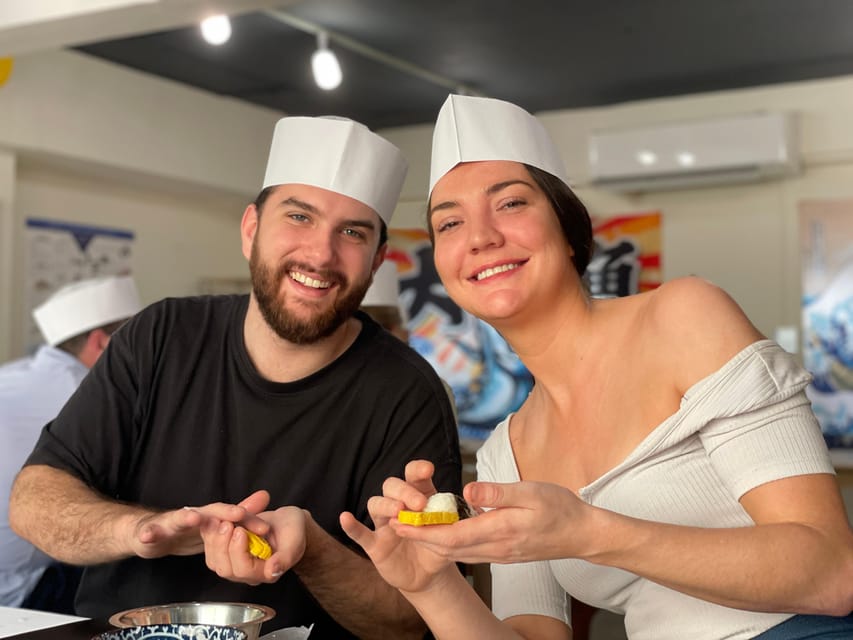
Before you start rolling anything, you learn the basics that make sushi work. The workshop includes instruction on the foundation of Japanese food culture through the lens of sushi, which is a smart setup because it prevents the class from becoming purely mechanical.
You spend time learning:
- How sushi fish is handled and prepared, at least at the level you need for home competence
- How rice is treated as the base, not just something you pile on top
- How different styles change the build, like nigiri versus maki roll assembly
I like how this part teaches you to think in steps. Sushi feels like a restaurant magic trick until someone breaks it down into a process you can copy. Once you understand the logic, it becomes way more fun, even if your first attempt looks a little awkward. (Mine would, and yours likely will too, and that is fine.)
The professional sushi workshop: making nigiri and a maki roll yourself
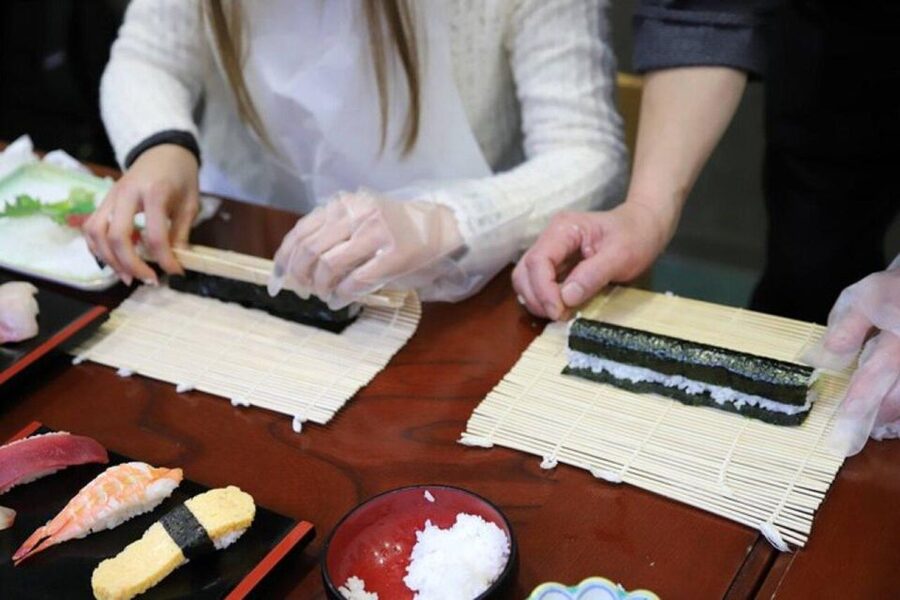
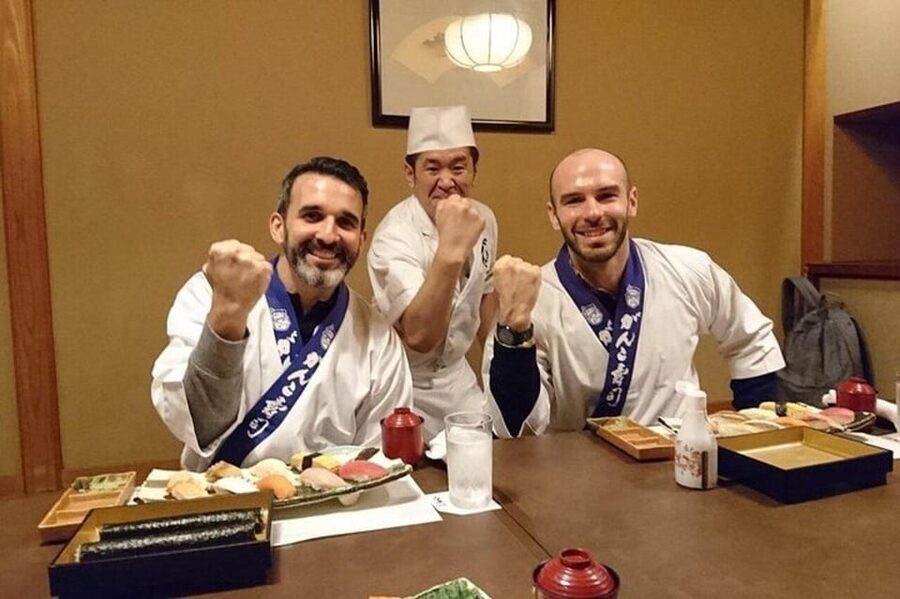
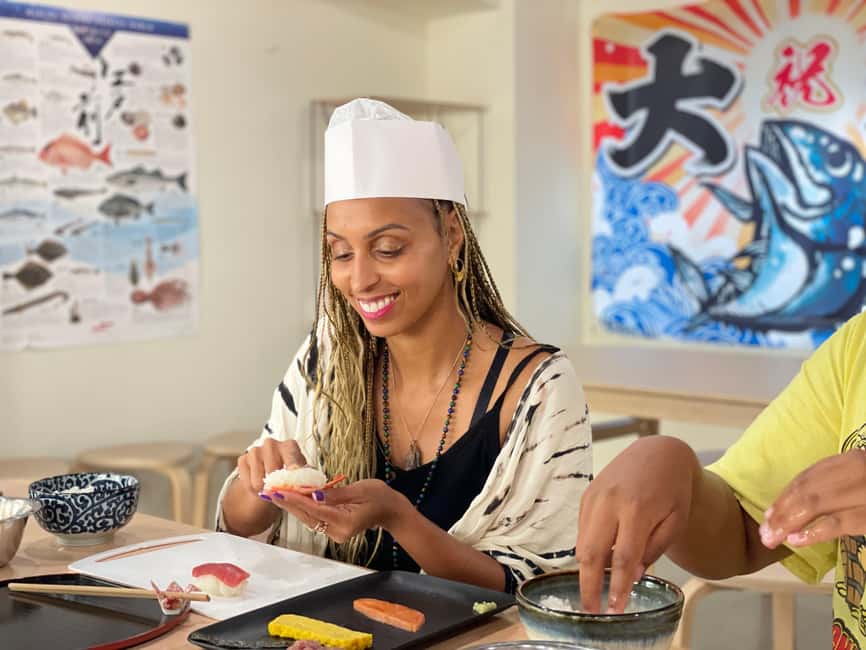
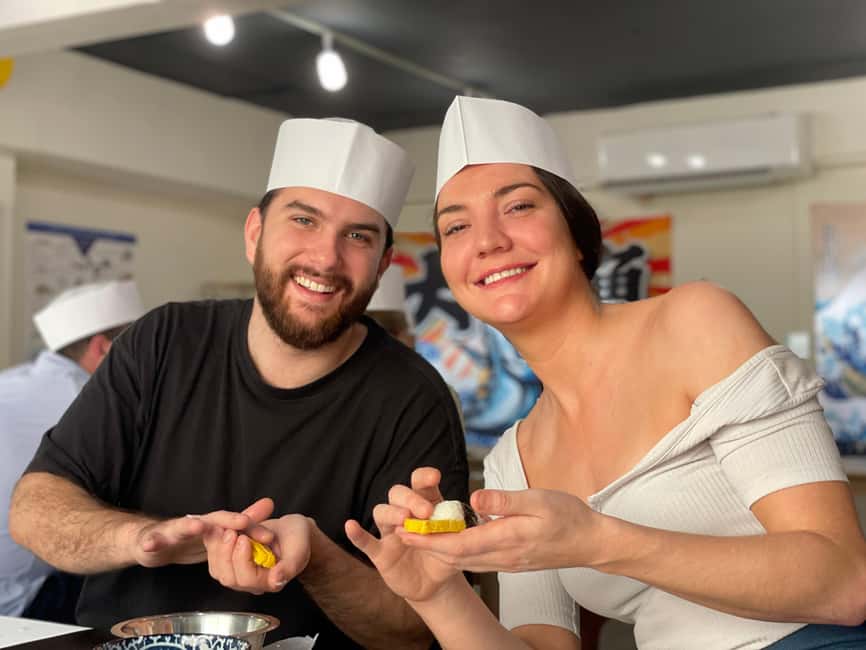
This is the main event, and it is hands-on. You get step-by-step guidance from an experienced sushi chef, not a lecture. The class format is built for small group teaching, so you are not watching from the back row while someone else gets all the attention.
What you make:
- Multiple nigiri pieces (feedback mentions five nigiri)
- At least one maki roll
People also mention learning several sushi varieties, including ones they did not know existed before the class. That is a great sign, because it means the chef is not just repeating a single formula. You get variety in technique and build.
You also learn practical eating basics, not just how to make sushi. Guests mention that they received guidance on how to eat sushi properly, which can change the experience when you go to sit-down restaurants afterward.
And yes, you are using real technique, not a plastic imitation kit. People mention learning fish carving and then actually making sushi. Even if you are not confident with cooking, the instruction is paced, and tips are offered so you can correct mistakes in real time. One guest described getting confidence building tips even after feeling nervous at the start.
Lunch included: the sushi you made (fresh, not just fed)
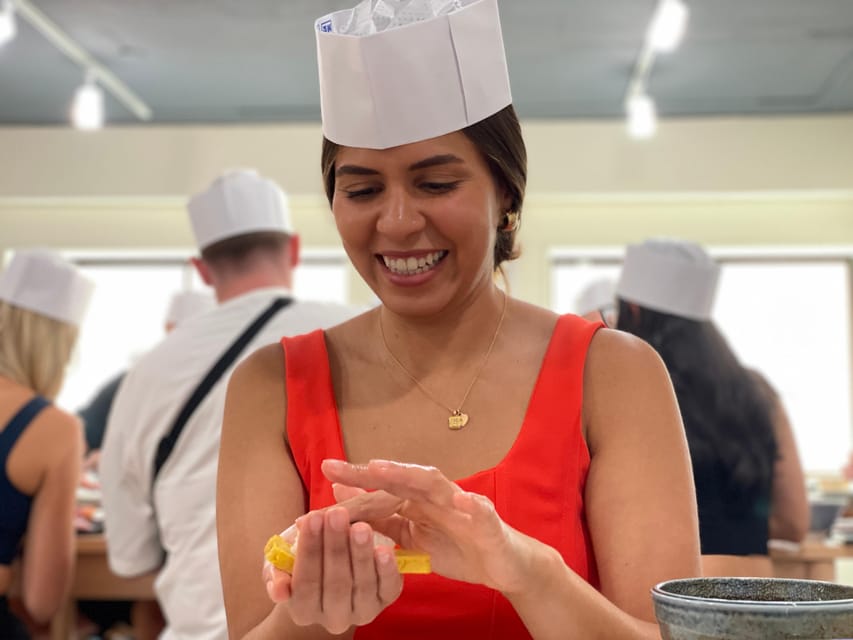
Lunch is included, and it is the sushi you make in the workshop. That is a big value point. With many food tours, lunch is something you eat after the learning. Here, the learning becomes your meal.
You should expect flavors that make sense with the seafood and rice technique you were taught. Feedback also suggests the sushi was delicious and very fresh, which is what you want when the class includes fish handling and assembly. If you have preferences around sauces, note that at least one guest wished for more green tea and soy sauce, so if that matters to you, plan your expectations.
One more detail to keep in mind: sushi toppings cannot be changed on the day of the event. If you have restrictions or allergies, you need to tell the operator before 5:00 P.M. JST on the day before your tour.
Price and value: $101 for 4 hours, where the money really goes
At $101 per person, this is not a budget impulse buy. But it is also not overpriced when you break down what is included.
You are paying for:
- A guided Tsukiji visit with market context and sampling
- A sushi workshop led by a professional chef
- Lunch, which is the sushi you create
- English live guiding
- Small-group teaching, limited to 8 people
That combination is exactly why the price makes sense. If you booked a market guide and then found a separate sushi class with a pro chef, you would likely spend more than this single package.
Also, the tour includes flexible booking options like reserve now and pay later, plus free cancellation up to 24 hours in advance. That helps if you are juggling weather or tightening up your Tokyo schedule.
Who this tour fits best (and who should skip it)
This experience is best for people who want more than photos. If you want to understand sushi as a craft, and you like the idea of learning technique while also walking a real food market, you will enjoy it.
It suits:
- First-time visitors who want Tokyo food culture explained in a clear, practical way
- Foodies who like market context and ingredient sourcing
- Anyone willing to wear comfortable shoes and follow a step-by-step class
It is not suitable for:
- Children under 4 years
- People with mobility impairments or wheelchair users
- Vegans and vegetarians
- People who need vegetarian, halal, or gluten-free accommodations (requests are not accommodated, though allergy-related requests may be possible)
If you are traveling with picky eaters or strict diets, this is the part to take seriously.
Logistics that can make or break your day
A few details can save you stress:
- Wear comfortable shoes. You are walking through market areas and moving between spaces.
- You will need to walk upstairs to reach the 3rd-floor classroom.
- If you arrive late, the tour cannot be extended, and there are no refunds for late arrivals on the day of the tour.
- Sushi topping changes are not available on the day. Send allergy or restriction info by the stated deadline.
It is also smart to plan for weather. One guest mentioned rain and late arrival support, but do not count on that. Show up early and bring a basic layer in case the day changes.
Should you book this Tokyo sushi making tour?
I would book it if you want a Tokyo experience that teaches real skills, not just sightseeing. The strongest reason to go is the combination: market context plus a professional sushi class where you make nigiri and a maki roll, then eat what you made for lunch.
I would hesitate if:
- You cannot do stairs or longer walking routes.
- You need vegetarian, vegan, halal, or gluten-free meals.
- You are coming on a day when Tsukiji operations are closed for the market portion, especially if your primary goal is market access.
If your schedule allows flexibility and you are ready to learn by doing, this is one of those trips that leaves you with something useful. Even after Tokyo, you will remember how sushi rice should feel, how fish is handled, and what matters when you build nigiri at home.
FAQ
Where do we meet for the tour?
Meet at the main gate of Tsukiji Honganji-Temple, at the front of the temple. Google Maps may take you to the back of the temple, but you should ignore that and go to the front.
What is the duration and group size?
The tour lasts 4 hours and is a small group limited to 8 participants.
Is the Tsukiji market always open?
No. The fish market (Uogashi wholesaler market) is closed on Wednesdays, Sundays, and other closed market days.
What should I wear or bring?
Bring comfortable shoes. You will also walk upstairs to reach the 3rd-floor classroom.
Can the sushi toppings be changed for dietary needs?
Sushi topping cannot be changed on the day of the event. If you have allergies or restrictions, you need to let the operator know before 5:00 P.M. JST on the day before your tour.
Do you accommodate vegetarian, vegan, or halal requests?
No. The tour does not accommodate vegetarian, vegan, halal, or gluten-free requests. Allergy-related requests may be possible, but it is not guaranteed.
More Sushi Making Classes in Tokyo
- Sushi Making Tokyo Roll and Authentic Japanese Sushi Class
★ 5.0 · 3,971 reviews - Tokyo: Roll and Authentic Sushi Making Class in Asakusa
★ 4.9 · 1,957 reviews - Make Sushi and Create Unforgettable Memories in Tokyo
★ 5.0 · 1,413 reviews - Tokyo: Sushi Making Class in a Happi Coat near a Famous Spot
★ 4.9 · 1,377 reviews
Latest write-ups near Tokyo
- Tokyo Customized Private Tour: See Top Attractions in 1 Day★ 4.8 · 67 reviews
- From Tokyo: Top 5 Scenic Spots of Mount Fuji Full-Day Tour★ 4.5 · 67 reviews
- Tokyo: Shinjuku Izakaya and Golden Gai Bar Hopping Tour (2h)★ 4.9 · 67 reviews
- Traditional Japanese Music ZAKURO SHOW in Tokyo★ 5.0 · 67 reviews
- Tsukiji: Unlimited Sake Tasting Experience★ 4.9 · 67 reviews
- Samurai Ninja Museum Asakusa: Kid-Friendly Ninja Training★ 4.7 · 67 reviews
- Tokyo: Not a show- a professional sumo practice with experts★ 4.9 · 67 reviews
- Private Harajuku Omotesando Architecture Walking Tour★ 5.0 · 67 reviews
Sushi Making Classes, compared.
Sushi Making Tokyo Roll and Authentic Japanese Sushi Class
Read our review →
Roll and Authentic Sushi Making Class in Asakusa
Read our review →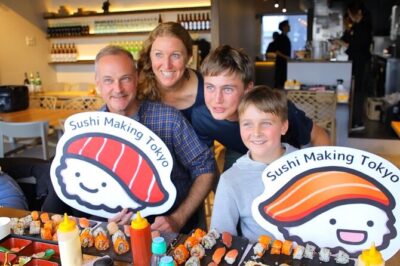
Make Sushi and Create Unforgettable Memories in Tokyo
Read our review →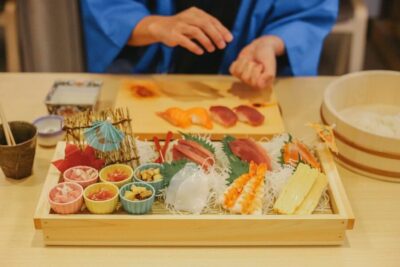
Sushi Making Class in a Happi Coat near a Famous Spot
Read our review →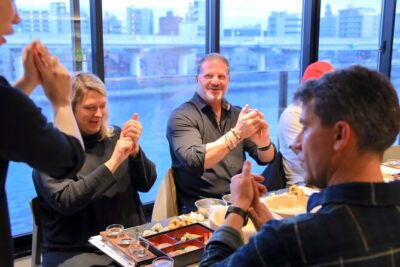
Sushi Making Osaka Roll and Authentic Japanese Sushi Class
Read our review →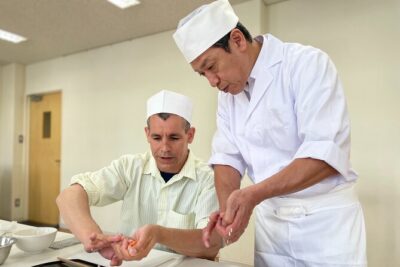
Tokyo Sushi Making Class in Tsukiji with Professional Chef
Read our review →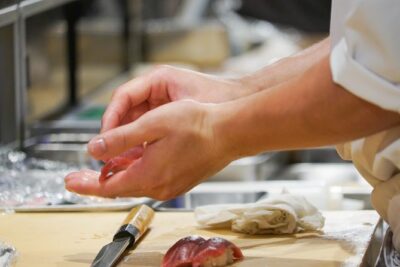
Tokyo Night Foodie Tour in Shinjuku – Seasonal Sushi, Wagyu Beef
Read our review →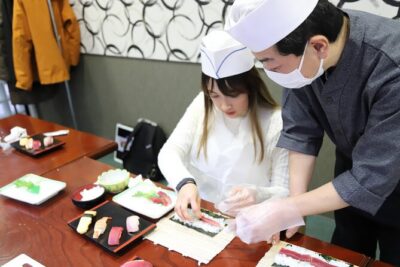
Tsukiji Fish Market Guided Tour and Sushi Making with Pro Chef
Read our review →Browse the lists this tour appears in