Reviewed · MARKET TOURS
Tokyo’s Kitchen: Tsukiji Market Food & Culture Walk
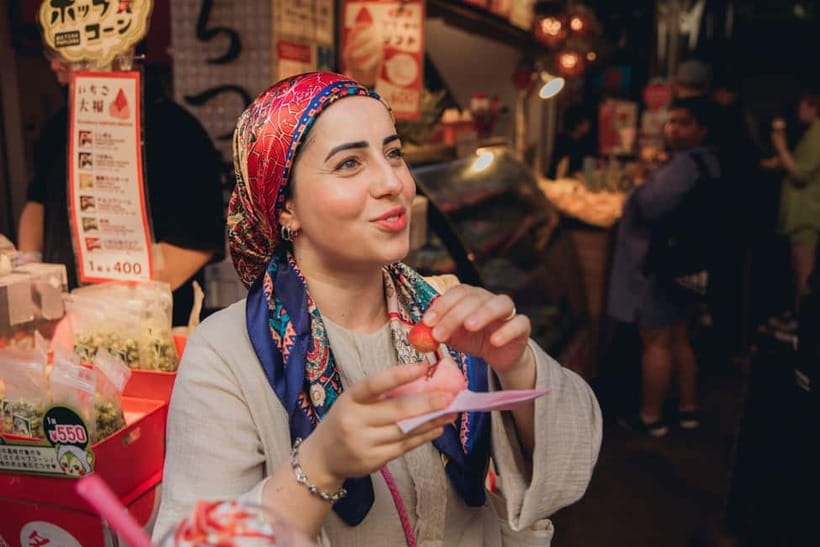
Tokyo’s Kitchen is interesting because it turns Tsukiji from a noisy place you walk through into a story you can actually understand. With a small group and a real local guide, you move stall to stall with translations and context, starting right near the Kabukiza Theatre. I also like that guides such as Mikki and Oku clearly build a warm rapport with vendors, so the market feels like a living neighborhood, not a museum.
Two things I especially like: you get multiple tastings (fresh sushi, Japanese street snacks, and seasonal wagashi) and you learn the why behind what you eat. You also visit shrines like Kabuki Inari Shrine and Namiyoke Inari Jinja, where simple ritual gestures help you connect food culture to Shinto and Buddhist roots.
One possible drawback to plan for is the pace. Tsukiji is busy and you will stand and walk a lot, plus the market floors can be wet, so it helps to wear closed-toe shoes and be ready to eat.
Key Highlights Worth Your Morning
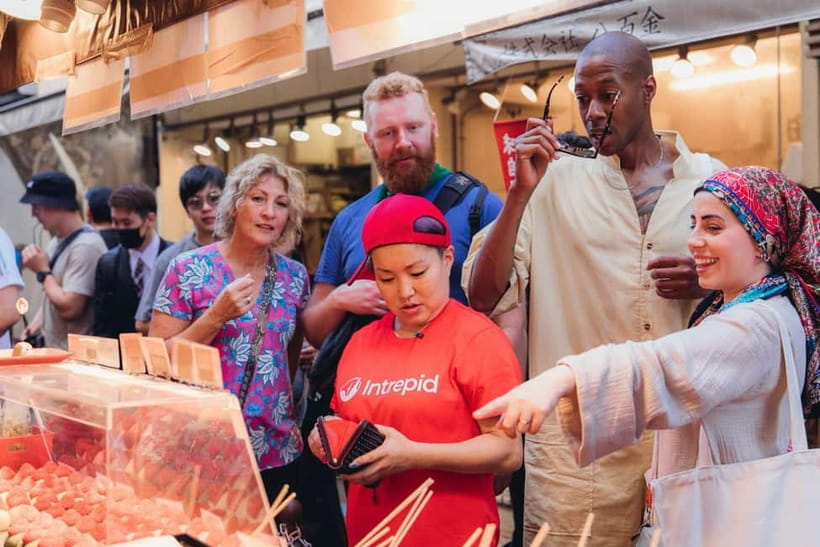
- A six-guest max group keeps you from getting lost in the crowd and makes questions easy
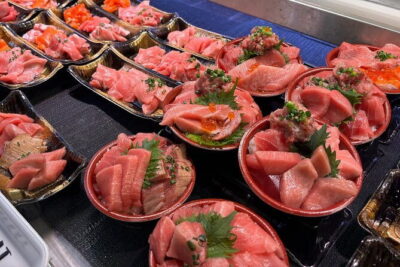
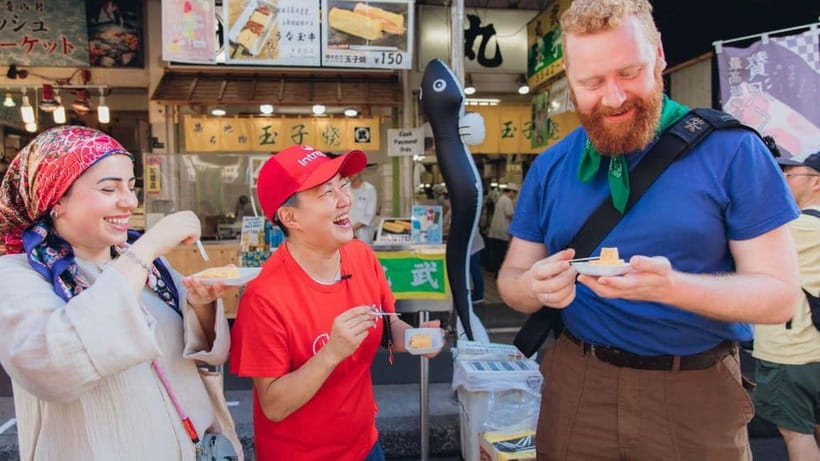
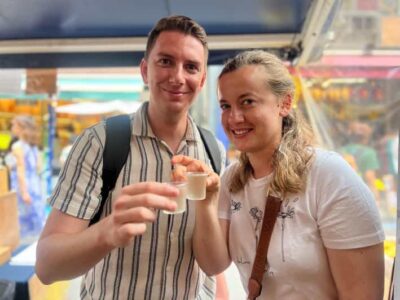
- Tastings at Tsukiji Outer Market include sushi, snacks, and seasonal wagashi in small portions
- Sushi history and Tsukiji culture come with explanations, including the move of the famous tuna auction to Toyosu
- Shrine stops and respectful rituals connect the food scene to Shinto and Buddhist influence
- Behind-the-scenes moments you might catch, like how certain items are prepared, based on your guide and day
Tsukiji Starts at Higashi-ginza, Not Somewhere Convenient
Your morning begins at Higashi-ginza Station, Exit 3. You meet on the street level at the top of the escalator, in front of the Kabukiza Theatre, on the Harumi Street side, by a little shrine and torii gate. This is a good setup because you start in the thick of the neighborhood, with enough time to settle your pace before Tsukiji’s main lanes hit full speed.
You should also assume your shoes get a workout. The market floors can be wet, and a three-hour walking window means you are moving most of the time. Closed-toe sneakers are a smart call, and bringing a small umbrella or rain layer is just practical.
The tour runs in English with a local guide, and the group is limited to six people. That matters because Tsukiji can feel overwhelming if you go solo. With a guide, you get a route and an explanation for what you are seeing and tasting.
More Food & Drink in Tokyo
- Tokyo: Shinjuku Food Tour (13 Dishes at 4 Local Eateries)
★ 5.0 · 6,603 reviews - Tokyo Tsukiji Fish Market Food and Culture Walking Tour
★ 5.0 · 3,184 reviews - Tokyo: Shinjuku Food Tour (15 Dishes and 4 Eateries)
★ 4.9 · 2,033 reviews
Kabuki Inari Shrine: The Ritual Primer Before You Eat
The first guided stop is Kabuki Inari Shrine. This is not a big tourist temple moment, it is more like a fast orientation to how locals show respect. You learn simple gestures and customs, then you carry that mindset into the market.
Why do this early? Because Tsukiji is not only a food hub. It is also a place where people treat daily work with spiritual awareness. Once you understand that, the market’s rhythms make more sense, like why vendors behave the way they do and why certain actions around the market have deeper meaning.
The atmosphere here helps you slow down for a minute. Even if the rest of your morning is fast food tasting, this stop gives you a cultural anchor so you do not feel like you are just chasing calories.
Tsukiji Outer Market With a Guide Who Knows Everyone
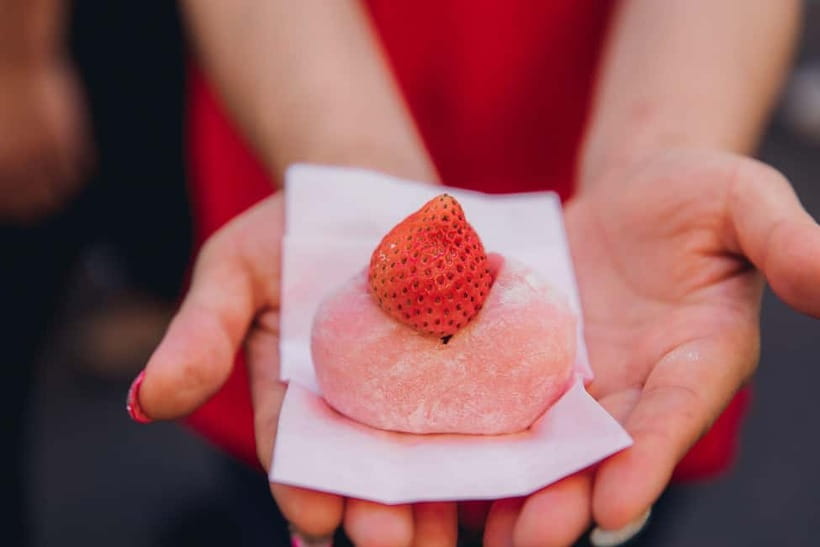
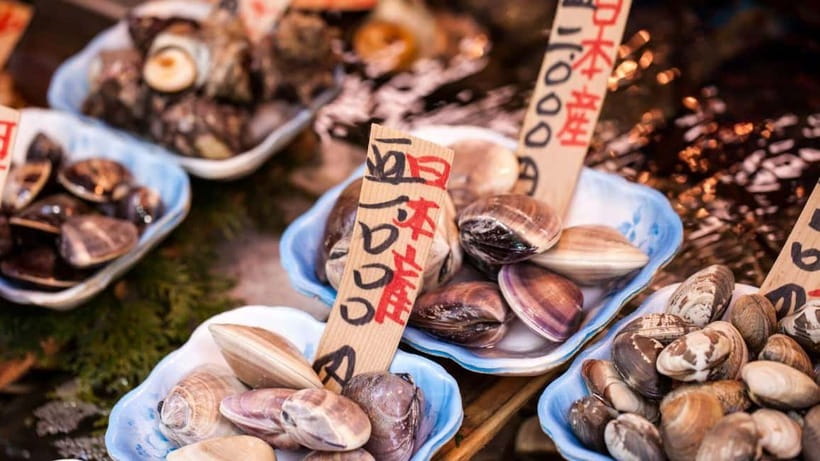
Once you move into Tsukiji Outer Market, the difference a small group makes becomes obvious. You are surrounded by seafood displays, sizzling street snacks, and lines for popular stalls, but your guide helps you stay oriented. Guides like Mihori and Shinto are praised for keeping the group together while explaining what to look for and what to choose.
This is where the tour beats the DIY approach. You do not just wander and guess. You learn what you are tasting, why it matters, and how different items connect to Tokyo’s food culture.
A second big win is vendor rapport. Multiple guides are described as being greeted by name, and that kind of relationship changes the feeling of the market. Instead of being one more face in a crowd, you are treated like you are joining a local food circuit.
You might also spot crafts and food shops you would skip if you only focused on seafood. The tour is built to show variety, not just the headline stalls.
Tastings That Teach You Sushi, Wagashi, and Market Snacks
The tour is built around multiple tastings, not one big meal. The pace is usually small portions, so you can sample enough to understand the differences without feeling stuffed by the halfway point.
Here are the kinds of items you can expect as part of the tasting flow:
- Fresh sushi and sashimi-style bites, depending on what is available
- Japanese street snacks and seasonal picks
- Wagashi sweets, tied to the time of year
- Drinks that may include tea and sake for adults 20 and up
You will hear explanations about sushi history along the way. A key thread is how market culture and food traditions evolved over time, including how the famed tuna auction moved from Tsukiji to Toyosu. That context helps you understand why Tsukiji’s role changed, even if the street-level food culture still feels intensely Tokyo.
A few very specific moments mentioned in experience notes include learning about ingredients like tamagoyaki, soy-based items, matcha, and dashi, and even seeing how items like tamagoyaki are made in certain spots. One guide even helped a guest grind wasabi, which is the kind of hands-on detail that makes the whole tour stick in your memory.
The real practical advice: come ready to taste. People often finish wishing they had not eaten earlier, not because the tour is tricking you, but because you will want your palate fresh for each stop.
More Market Tours in Tokyo
- Tokyo: Tsukiji Fish Market Food and Walking tour
★ 5.0 · 1,724 reviews - Tokyo: Tsukiji Fish Market Guided Walking Tour
★ 4.9 · 1,397 reviews - Tokyo Sushi Making Class in Tsukiji with Professional Chef
★ 5.0 · 1,177 reviews - Tsukiji Fish Market Guided Tour and Sushi Making with Pro Chef
★ 5.0 · 775 reviews
How the Tour Handles Crowds and Questions
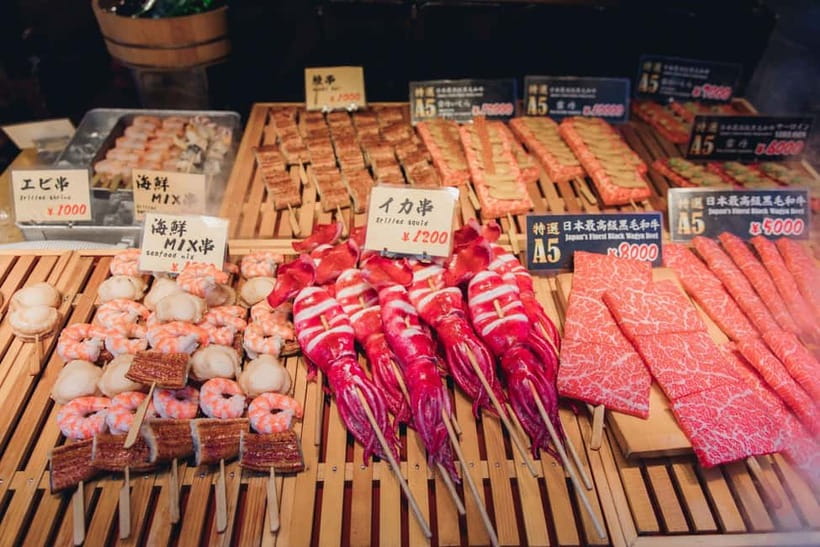
Tsukiji is famous for being busy, and this is not the kind of place where you can pretend you will stroll calmly. What makes this walk work is the structure and the guide’s job. You get a steady path from stall to stall so you do not lose time trying to figure out what is worth your money and what is worth your calories.
You also get time for questions. Guides such as Oku, Kyou, and Meg are specifically praised for answering lots of questions and tailoring the explanations to what people care about. That means if you want to know the difference between fish types, how flavors work in dashi, or what wagashi is meant to communicate, you have a place to ask.
Some people also want more behind-the-scenes work, and that is a fair expectation to manage. This walk is mainly about the market experience and shrine connection, so you might not see everything you could see on a specialized working-market access tour. You can still leave with a much clearer picture of how food gets made and sold, but it is good to expect a balanced street tour rather than an industrial inspection.
Namiyoke Inari Jinja: When Food Culture Meets Spiritual Practice
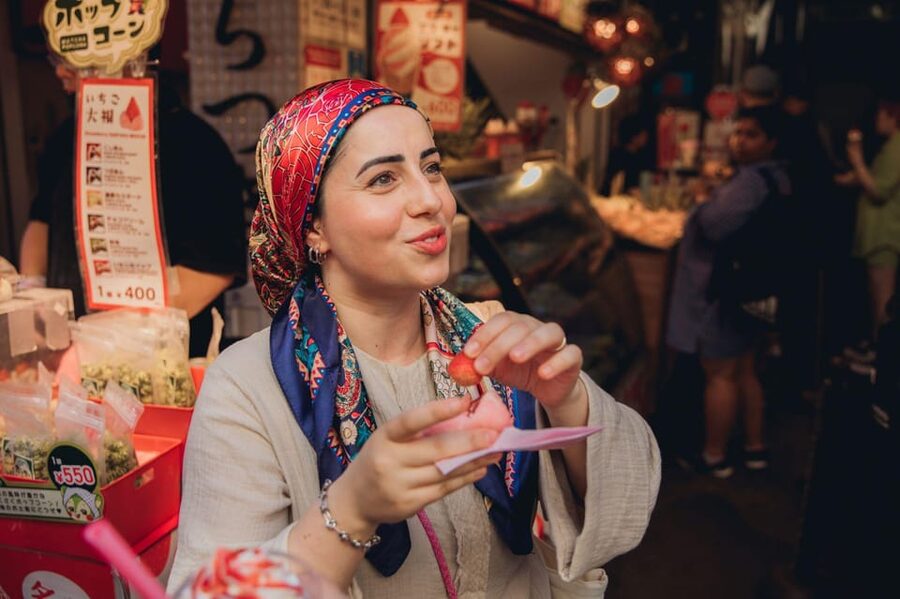
Next you visit Namiyoke Inari Jinja. This stop continues the tour’s theme of the market’s spiritual roots. You learn more about respectful behavior and simple ritual gestures, then the tour ties those customs back to the way people treat daily work and food.
This part matters because it changes your lens. After Namiyoke, you are not only looking at seafood and sweets. You are paying attention to the atmosphere of intention, respect, and everyday tradition that runs through the market.
You also get more explanation connecting Shinto spirit and Buddhist beliefs to market culture. That might sound abstract, but it becomes concrete as you watch how vendors interact and how people move through the area. Even if you are not deeply religious, this helps you understand why Tsukiji feels different from other markets in Tokyo.
It is also a nice mental reset before your final stretch.
Finishing at Tsukiji Fish Market: What You See After the Walk
The tour ends at TSUKIJI FISH MARKET. This is a satisfying finish point because you leave the walking loop with a clearer sense of what you just experienced. You know what you ate, why it was offered, and how the market’s history shaped what you see today.
From a planning point of view, this is a great early-morning anchor. You typically finish with time to explore nearby Tokyo neighborhoods without rushing to catch another reservation immediately. If you want to keep the food theme going, you can do it thoughtfully now, because you have context for what to look for and how to order.
If you are the type who likes a checklist, keep one in your head: you will remember the shrine gestures, the sushi and snack explanations, and the wagashi seasonal element. Those are the pieces that turn a market photo-op into an actual cultural win.
Price and Value for an $80 Three-Hour Food Walk
At $80 per person for about three hours, this is not a cheap snack crawl, but it also is not overpriced when you factor in what is included. You are paying for a local guide, a small-group experience, and tastings across multiple stalls plus cultural context that you cannot easily replicate on your own.
Here is what you get for that money:
- A guided walking tour focused on Tsukiji Outer Market
- Multiple tastings including sushi, snacks, and wagashi
- A shrine visit with explanations of customs and rituals
- Insights into sushi history and the spiritual roots that shape market behavior
- A limited group size of six, which improves pacing and makes questions possible
You should also note what is not included: additional food and drinks beyond the tastings. So yes, you may still want more later. But you will be more confident about what to buy after you learn what you actually liked.
There is also a values angle. The experience is described as carbon neutral and run by a certified B-Corp, supporting local people and using travel as a force for good. If you care about how tourism impacts communities, that detail is worth considering.
Family-Friendly and Food-Planning Tips That Save Your Morning
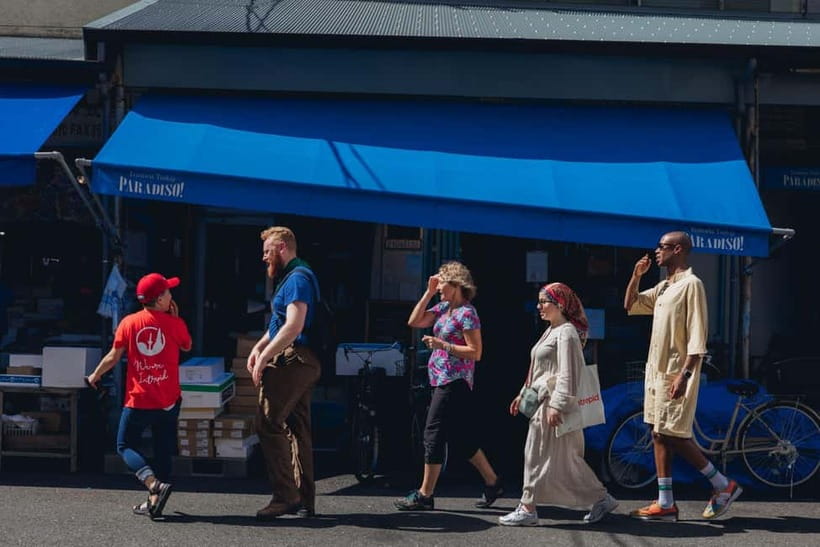
This walk can work well for families. Children aged five and under join free. If you are bringing a child under six, you need to let the operator know when you book so the group can be planned accordingly.
Dietary needs are addressed with care where possible. Vegetarian and vegan options are available, but choices may be limited due to the nature of a fish market. Your best move is to give the guide advance details about what you can and cannot eat, because a guide who knows your needs can steer you toward appropriate tastings.
Alcohol rules are straightforward. If the tour includes alcoholic drinks like sake, guests must be 20 or older to enjoy those drinks. Anyone under 20 is offered non-alcoholic alternatives.
Finally, treat this like a morning activity where you should dress for wet floors and crowded streets. Bring closed-toe shoes, stay aware of your footing, and plan to eat enough that you will not be hangry before the shrine stops.
Who This Tour Fits Best (and Who Might Not Love It)
I think this is best for you if:
- You want Tsukiji food without the stress of figuring out what to order
- You enjoy cultural context, not just photos and fast bites
- You like small group walks with lots of Q and A
- You are a sushi fan or you want to understand what makes sushi different
You might not love it as much if you:
- Want long, quiet time shopping on your own, because the structure keeps you moving
- Have a very limited tolerance for crowds and standing, since the market is active and queues can form
- Expect an extensive working-market behind-the-scenes inspection, because this experience also prioritizes shrine culture and general market tastings
Should You Book This Tsukiji Market Food and Culture Walk?
Book it if you want a strong first morning in Tokyo centered on Tsukiji Outer Market and you care about the story behind the food. The small group size, the tastings, and the shrine connection give you more than a standard market walk.
I would especially book it if you are the kind of person who likes learning while eating. The guides, praised for friendliness and explanations, help you turn what looks like chaos into an easy route with real meaning.
Skip or consider alternatives if you hate crowds, need a very slow pace, or are hoping for only behind-the-scenes working access. This is still a market walk, and the payoff comes from understanding what you taste and why it fits Tokyo’s traditions.
FAQ
Where is the meeting point for the tour?
Meet at Higashi-ginza Station, Exit 3. Go to the top of the escalator on street level, in front of the Kabukiza Theatre on the side of Harumi Street, by the small shrine and torii gate.
How long is the Tsukiji Market Food & Culture Walk?
The tour lasts about 3 hours.
How many people are in the group?
The group is limited to 6 guests for a more personal, relaxed experience.
What tastings are included at Tsukiji?
You get multiple tastings at Tsukiji Market, including fresh sushi, Japanese snacks, and seasonal Wagashi. Alcoholic drinks may be offered, depending on the group and the tastings.
Will the tour include shrine visits?
Yes. You visit Kabuki Inari Shrine and Namiyoke Inari Jinja, with cultural explanations about simple rituals and customs.
Can you accommodate dietary needs, and what are the alcohol rules?
Vegetarian and vegan options are available, though choices may be limited due to the market. Let the operator know ahead of time. For alcohol, guests must be 20 or older to enjoy alcoholic drinks in Japan, and anyone under 20 is offered non-alcoholic alternatives.
More Walking Tours in Tokyo
- Tokyo: Imperial Palace and Shogun Historical Walking Tour
★ 5.0 · 2,251 reviews - Tokyo: Shinjuku Local Bar and Izakaya Guided Walking Tour
★ 4.9 · 1,794 reviews - Tokyo: Asakusa Walking Tour with Sensoji Temple Visit
★ 4.8 · 1,583 reviews - Tokyo Castle & Imperial PalaceーShogun Walking Tour
★ 4.7 · 1,068 reviews
More Shopping Tours in Tokyo
- Tokyo: Tsukiji Fish Market Food and Culture Walking Tour
★ 4.7 · 757 reviews - Tsukiji Fish Market: Street Food & Culture Walking Tour
★ 5.0 · 669 reviews - Tsukiji Fish Market Small-Group Food Walking Tour
★ 5.0 · 621 reviews - Tokyo: Tsukiji Fish Market Sushi Making Class with Pro Chef
★ 4.9 · 506 reviews
Latest write-ups near Tokyo
- From Tokyo: Top 5 Scenic Spots of Mount Fuji Full-Day Tour★ 4.5 · 67 reviews
- Tokyo Customized Private Tour: See Top Attractions in 1 Day★ 4.8 · 67 reviews
- Traditional Japanese Music ZAKURO SHOW in Tokyo★ 5.0 · 67 reviews
- Tokyo: Shinjuku Izakaya and Golden Gai Bar Hopping Tour (2h)★ 4.9 · 67 reviews
- Tsukiji: Unlimited Sake Tasting Experience★ 4.9 · 67 reviews
- Samurai Ninja Museum Asakusa: Kid-Friendly Ninja Training★ 4.7 · 67 reviews
- Tokyo: Not a show- a professional sumo practice with experts★ 4.9 · 67 reviews
- Private Harajuku Omotesando Architecture Walking Tour★ 5.0 · 67 reviews
Market Tours, compared.
Tokyo Tsukiji Fish Market Food and Culture Walking Tour
Read our review →
Nishiki Market Brunch Walking Tour (7 Tastings + Brunch)
Read our review →
Tokyo Sushi Making Class in Tsukiji with Professional Chef
Read our review →
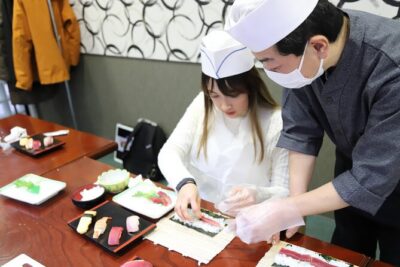
Tsukiji Fish Market Guided Tour and Sushi Making with Pro Chef
Read our review →