
Reviewed · RAMEN EXPERIENCES
Vegan/Vegetarian Ramen and Gyoza by Bentoya cooking
What makes this class interesting is that you cook vegan ramen and gyoza in a real Tokyo kitchen, then eat what you made. You also start with a local supermarket so you learn ingredients, not just a recipe.
I like that you make the ramen soup from scratch and learn practical cutting, seasoning, and presentation tips with a friendly instructor like Kaori. I also love the small-group vibe, capped at 6 people, with instruction files you can use later to cook again at home.
One thing to consider is that this is intentionally plant-based, because traditional Japanese soup stock relies on fish dashi. Also, the experience needs good weather, with a backup plan if conditions are poor.
Key highlights
- Small group, up to 6 people, so you get hands-on help instead of watching
- Supermarket time in Japan, to understand basic ingredients before you cook
- Vegan/vegetarian ramen foundations, including how to handle the dashi challenge
- Ramen soup from scratch plus gyoza, so you leave with two dishes you can repeat
- Clear instruction and follow-up materials, designed to help you recook at home
- Warm teaching styles from hosts like Kaori, Miwa, and Rina, with strong English support
Tokyo’s Vegan Ramen and Gyoza Class, Centered in Komae
If you’re the type of traveler who wants food skills, not just a photo with food, this cooking class hits the mark. It’s based in Komae, Tokyo, and it’s run by BentoYa Cooking, a Japanese Vegan/Vegetarian Cooking School. You’ll meet at Komae Station and the activity ends back at the same meeting point, which makes the day feel simple and contained.
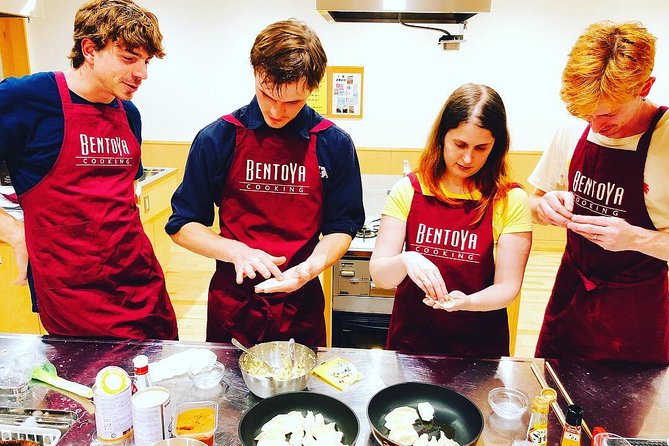
The format is also refreshingly practical. You’re not just being shown what to do, you’re doing it. And because the group is limited to 6 travelers, you’re more likely to get real-time help when you’re slicing, seasoning, or assembling gyoza.
Price-wise, it’s $75 per person for about 2 hours 30 minutes. That can sound steep until you factor in two things: you’re getting supervised cooking in a real Japanese setting, and you’re also getting ingredient education via a supermarket visit. This isn’t a 15-minute tasting. It’s a skill session that ends with lunch you made yourself.
More Cooking Classes in Tokyo
- Ramen & Gyoza Cooking Class in Tokyo with Local Supermarket Visit
★ 5.0 · 823 reviews - Tokyo: Easy Ramen Cooking Experience in Kabukicho, Shinjuku
★ 4.6 · 321 reviews - Ramen and Sushi Cooking Class with Sake Pairing Set in Tokyo
★ 5.0 · 291 reviews
The Dashi Reality Check, and Why This Class Feels Important
Japan is famous for umami. It’s also famous for using fish ingredients as the flavor backbone of almost everything. The class starts from that reality: in Japan, vegetarian food can be tough because dashi is often made from bonito flakes, and that’s not vegetarian or vegan.
So what you’re really learning here is how Japanese-style flavor works, without relying on traditional fish-based dashi. You’ll get taught in a way that makes sense for vegan and vegetarian cooks. You’ll also learn which ingredients matter and how they show up in everyday Japanese ramen and seasoning approaches.
I like teaching that respects the actual problem instead of pretending it doesn’t exist. If you’ve ever tried to make ramen at home and felt like it was missing that deep, savory punch, this is the class that helps you stop guessing.
From Komae Station to the Kitchen: How the 2.5 Hours Actually Play
The session runs through the day, listed as Monday to Sunday from 10:00 AM to 1:00 PM, and the activity length is about 2 hours 30 minutes. That’s a good length for a cooking class because you get enough time to do real work, but you’re not stuck there all afternoon.
Here’s the flow you should expect:
1) Meet at Komae Station
You start at the meeting point near Komae Station, at 1 Chome-7 Motoizumi, Komae, Tokyo 201-0013. The small-group size means you’re not lost in a crowd. And the setup feels neighborly, like you’re joining a lesson rather than entering a factory.
2) Go to a local supermarket for ingredients
A big value point is that you don’t begin with random pantry guesses. You visit a supermarket and get introduced to Japanese basic ingredients. This helps a lot once you get home, because you can translate what you used in Japan to what you can realistically find elsewhere.
3) Move into the cooking portion and make everything
In the kitchen, you’ll cook vegan or vegetarian ramen and gyoza. You’ll learn cutting and cooking techniques, plus seasoning and presentation. In other words, you’re not only making food, you’re learning the moves that create good texture and balanced flavor.
4) Eat what you make, then take your lesson home
You’ll leave with instruction files that make it easier to recreate the meal later. That’s one of the reasons this class has a long tail, because you’re not just done when you walk out the door.
What You Learn Cooking Vegan Ramen Soup from Scratch
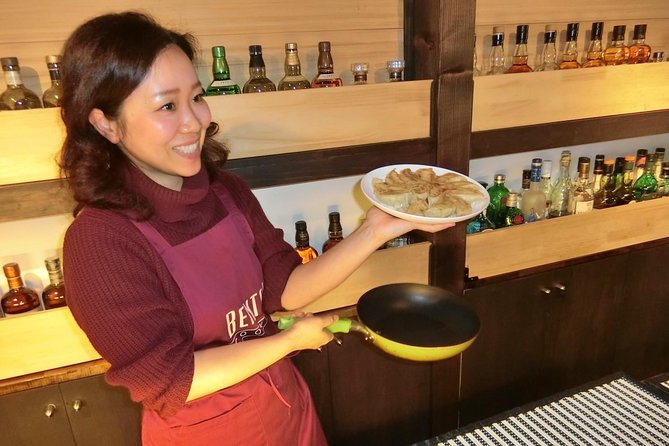
Ramen sounds simple until you try it. Soup is where ramen wins or loses. This is why I really like that the class focuses on ramen soup from scratch, not just toppings.
In your lesson, you’ll learn how to build the soup base and season it. The instructor-led guidance matters because vegan ramen has a reputation for being either bland or overly complicated. A good class helps you aim for balanced depth without turning it into a science project.
You also get to see the ingredients and how they behave during cooking. That’s the real education. When you understand what goes in and when, you can adapt later instead of following a strict recipe like it’s a spell.
Another benefit: the class is designed for vegan or vegetarian cooking in Japan, where the default assumption is often fish dashi. That means you’re learning within the Japanese context, not just translating foreign vegan recipes. The whole point is to make Japanese-style ramen that still fits your dietary needs.
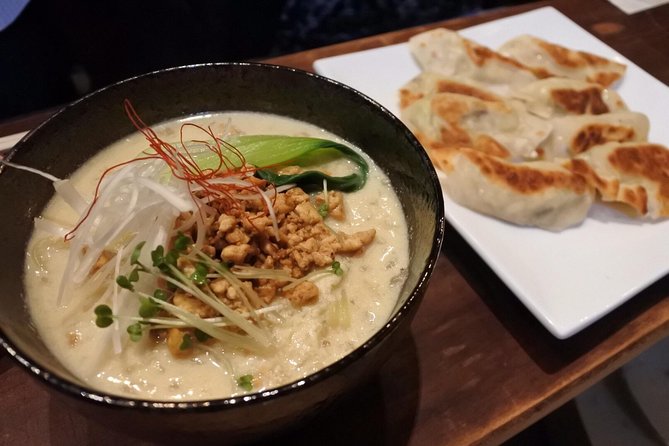
And yes, the finished ramen is meant to be delicious, because this is still lunch. From the quality of the results people talk about, the soup and final dish tend to come out with strong flavor and a satisfying texture.
More Ramen Experiences in Tokyo
- Eat and Drink Like a Local: Tokyo Ueno Food Tour-Taverns&Ramen
★ 5.0 · 957 reviews - Tokyo: Ramen Tasting Tour with 6 Mini Bowls of Ramen
★ 4.9 · 432 reviews - Professional Ramen & Gyoza with Ramen Chef in a restaurant!
★ 5.0 · 223 reviews - Shibuya: Ramen Dojo Tokyo | Make All 3 (Tonkotsu/Shoyu/Miso)
★ 5.0 · 214 reviews
Gyoza Basics: Technique, Not Just Assembly
Gyoza can feel intimidating because it looks neat and perfect in restaurant photos. The good news is that a cooking class breaks it down into learnable steps.
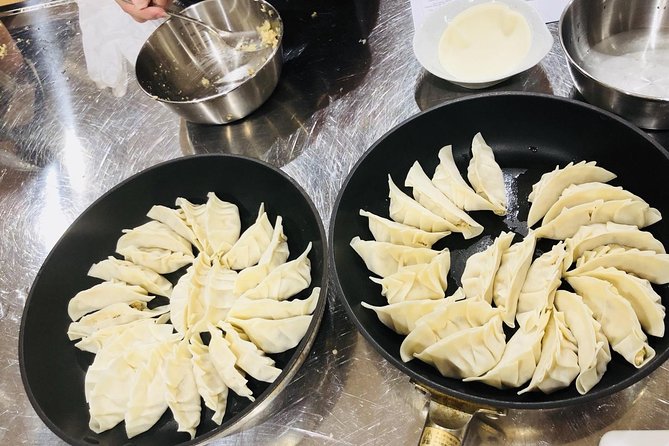
You’ll make vegan or vegetarian gyoza as part of the lesson. The instruction focuses on the basics of making gyoza, and you’ll get taught cutting and cooking techniques again here, since the stuffing and prep matter.
What I appreciate most is the emphasis on seasoning and presentation. A lot of classes teach you how to cook, but not how to make the plate look right and taste consistent. Here, you learn to put together dumplings that are more than just edible. You’re building confidence for the next time you make them at home.
If you’re the kind of person who wants to cook gyoza again for friends, the lesson format is geared for that. People leave feeling like they can actually reproduce the meal, not just “remember the experience.”
The Supermarket Stop: Ingredient Education You’ll Use Later
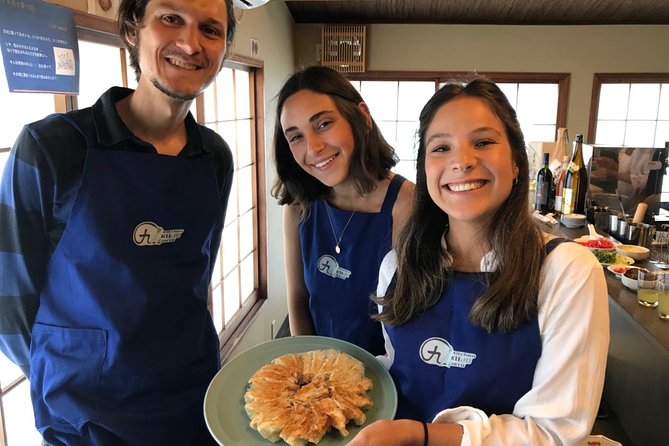
A normal tourist meal teaches you taste. This class teaches you ingredients.
You’ll visit a local supermarket with your instructor to learn Japanese basic ingredients. That can mean understanding what items are commonly used for ramen and gyoza style cooking, and how they appear in Japanese stores.
This matters more than it sounds. Back home, you’ll hit the same problem every cook hits: you can find the recipe, but you can’t always find the exact ingredient. When you’ve practiced learning the “what” and the “why” in Japan, your substitutions get easier.
Also, you’re getting the practical context of what’s available in Tokyo and how Japanese shoppers choose products. It’s the difference between cooking ramen as an experiment and cooking ramen as a skill you can repeat.
Instructors, English, and the Small-Group Advantage
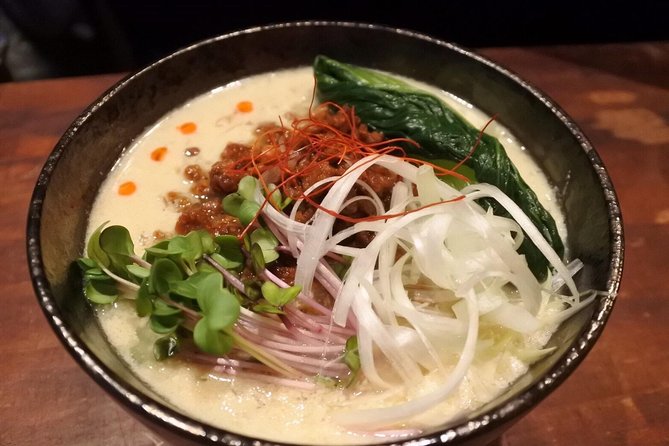
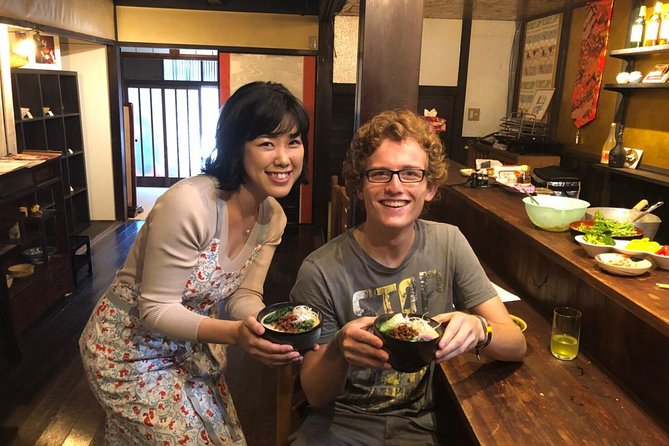
This class is run through BentoYa Cooking, and the instructors you’ll run into can include hosts like Kaori, Miwa, and Rina. A standout theme from people who’ve taken the class is how friendly and welcoming the hosts are, and how clearly they guide you through the steps.
English support comes through strongly in the way the class is taught. If you worry about language barriers, take comfort: the instruction is structured enough that you can follow along, ask questions, and still enjoy the experience.
The group cap at 6 people is a big deal. In a smaller group, you’re more likely to get personal help with hands-on tasks like cutting, cooking timing, and assembling dumplings. It also makes the experience feel more like a shared morning in someone’s kitchen than a scripted workshop.
Price and Value: Is $75 Fair for 2.5 Hours of Cooking?
At $75 per person for about 2 hours 30 minutes, you’re paying for instruction, a guided supermarket introduction, and a finished meal that you helped create. You also benefit from small-group attention.
Here’s the value math that makes sense for most people:
- You’re not just eating ramen, you’re learning how to recreate it. The instruction files make that more realistic.
- You’re learning Japanese ingredient basics, which saves time and frustration later.
- You’re cooking twice in the same session, ramen and gyoza, so the skill set grows fast.
If you’re already a confident cook, you might not see the same value as someone who loves learning new dishes. But even experienced cooks often enjoy ingredient education in Japan, because ramen and dumpling flavor profiles are more specific than they look.
Also, this class is booked about 27 days in advance on average. That’s a sign the best times sell quickly, so if you want a spot, don’t wait until your last day.
Who This Class Fits Best, and Who Might Want Another Option
This is a great match if you:
- want vegan or vegetarian Japanese cooking skills
- enjoy hands-on classes where you actually cook and eat
- like the idea of a supermarket stop as part of your learning
- want instructions you can use at home, not just a one-off meal
You might consider a different option if:
- you’re hoping for traditional fish-based dashi ramen, because this class is plant-based by design
- you only want to sample food at a restaurant, since the point here is skill building and cooking
- you dislike cooking. It’s a cooking class, so there’s real prep and real hands-on work
Weather, Timing, and Simple Practical Tips
The activity requires good weather. If conditions are poor, you’ll be offered a different date or a full refund. That’s worth keeping in mind when you’re planning your Tokyo days.
Timing wise, plan to arrive ready to cook. Bring a calm mindset and expect that part of the time is learning and part is doing. You’ll get the best experience when you treat it like a lesson, not a race.
And for the supermarket portion, keep your pace flexible. You’re there to learn ingredients and how they fit into the meal, so it’s not a quick in-and-out stop.
Should You Book BentoYa Cooking in Komae?
If you want a hands-on Tokyo experience that results in food you can recreate, I’d book this. The combination of vegan/vegetarian ramen soup made from scratch, gyoza, and a local supermarket ingredient education is a rare mix. It also helps that the hosts, including Kaori, Miwa, and Rina, are consistently described as welcoming, organized, and easy to follow in English.
Book it if you’re hungry for skills and you want to leave with a meal that tastes like Japan, even while staying plant-based. If you’re only interested in classic fish dashi ramen flavors, you may feel it’s not what you expected. But if you’re open to learning how Japanese comfort food can be vegan, this is the kind of class that actually follows you home.
FAQ
Where is the class meeting point?
You start at Komae Station, 1 Chome-7 Motoizumi, Komae, Tokyo 201-0013, Japan. The activity ends back at the meeting point.
How long is the cooking experience?
The duration is approximately 2 hours 30 minutes.
What is the group size limit?
This activity has a maximum of 6 travelers.
What food will we cook in the class?
You’ll learn how to make Vegan and Vegetarian Japanese food, including ramen (with ramen soup) and gyoza.
Do you visit a supermarket during the experience?
Yes. The experience includes showing you a local supermarket to introduce Japanese basic ingredients.
What happens if the weather is bad, or if I cancel?
The experience requires good weather. If it’s canceled due to poor weather, you’ll be offered a different date or a full refund. You can cancel for a full refund up to 24 hours before the experience’s start time. If you cancel less than 24 hours before, the amount paid is not refunded.
Latest write-ups near Tokyo
- Tokyo Nights: Shibuya Photo Adventure★ 5.0 · 20 reviews
- Wagyu & Sake 8 Course Tasting Dinner in Shinjuku★ 4.9 · 20 reviews
- Making Japanese desserts Nerikiri & drinking matcha in Tokyo★ 5.0 · 20 reviews
- Japanese Whisky Hunting《HIGH-QUALITY-ONLY》Rare Tasting Class★ 5.0 · 20 reviews
- Mt. Fuji 5th Station, Owakudani Ropeway, Pirate Ship plus Outlet shopping!★ 4.5 · 20 reviews
- Kintsugi Experience with Arita Ware in Tokyo (English Guide)★ 4.8 · 20 reviews
- This is Asakusa! A Tour Includes the All Must-Sees!★ 5.0 · 20 reviews
- Ebisu Local Food Tour: Shibuya’s Most Popular Neighborhood★ 5.0 · 20 reviews
Ramen Experiences, compared.

Ramen Cooking Class at Ramen Factory in Kyoto
Read our review →
Eat and Drink Like a Local: Tokyo Ueno Food Tour-Taverns&Ramen
Read our review →
Ramen & Gyoza Cooking Class in Tokyo with Local Supermarket Visit
Read our review →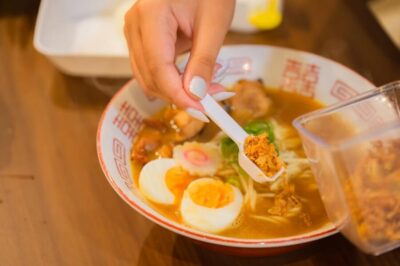
Ramen Cooking Class at a Ramen Factory with Souvenir
Read our review →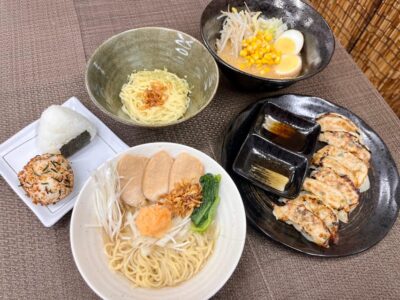

Five Must-See Highlights Walking Tour & Ramen Lunch
Read our review →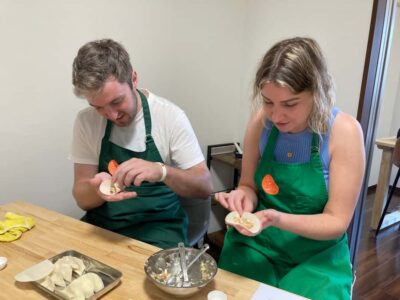
Browse the lists this tour appears in