
Reviewed · TEA CEREMONIES
Authentic Kyoto Tea Ceremony: Camellia Flower Teahouse
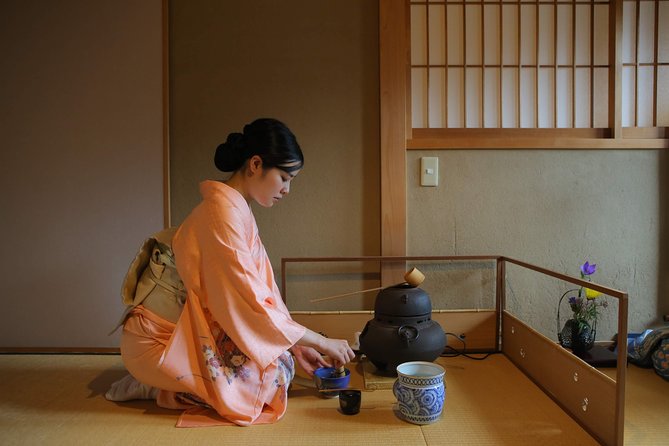
A Kyoto tea ceremony is interesting because it is equal parts ritual and practical skill. At Camellia Flower in Higashiyama Ward, you learn matcha making the way people have done for generations, with instruction you can actually use. It is hands-on, not a museum talk.
Two things I really like: you sit down with the right tools and learn the steps in a calm, guided way, and you get time to ask questions instead of being rushed. One possible drawback to know upfront: it is not wheelchair accessible, and the pace is built around a standard 45 minute ceremony flow.
Key highlights to watch for
- Small group size (max 8) keeps the experience personal and lets you practice your whisking
- English-speaking instructors explain both the how and the why of each step
- Utensils provided so you can make your own frothy matcha bowl
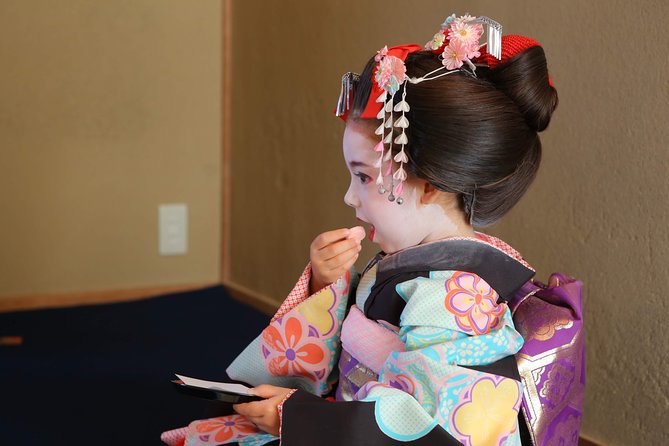
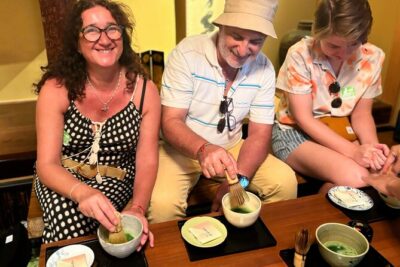
- Seasonal sweet + matcha tasting so you experience the ceremony, not just learn it
- Photos and short videos allowed so you can capture the moment without feeling secretive
- Chairs and tables available if floor sitting is not your thing
Kyoto tea ceremony in Higashiyama: calm ritual, real technique
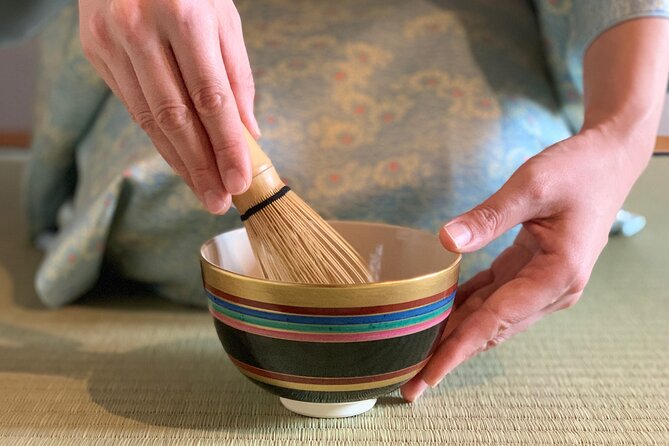
This is the kind of Kyoto activity that helps your day slow down without becoming complicated. The goal here is simple: you learn how to prepare matcha properly, you taste it, and you make your own bowl before you leave.
What makes it work is the structure. A host starts with context, your instructor walks you through the utensils and room layout, and then you get the hands-on portion. You are not just watching someone else do it.
Also, the group stays small, capped at 8 travelers. That matters because matcha whisking is one of those skills where small differences show up fast. In a big class, you can end up waiting your turn. In a small group, you get practical feedback.
More Tea Ceremonies in Kyoto
- Kyoto: Tea Ceremony in a Traditional Tea House in Kiyomizu
★ 4.9 · 3,519 reviews - Kyoto: Tea Ceremony Ju-An at Jotokuji Temple
★ 4.9 · 3,207 reviews - Kyoto: 45-Minute Tea Ceremony Lesson Experience
★ 4.3 · 2,378 reviews
Finding Tea Ceremony Camellia FLOWER in the city
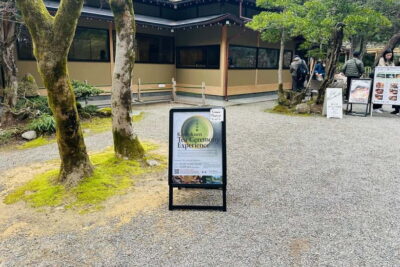
Your meeting point is Tea Ceremony Camellia FLOWER, 349-13 Masuyachō, Higashiyama Ward, Kyoto, 605-0826. It is near public transportation, so you can combine it with a walk around Higashiyama rather than planning a special transit mission.
If you are doing this as part of a longer sightseeing day, I like the idea of placing it after you have already done a few busy blocks. The ceremony gives you a reset. One review experience described it as a needed calming moment after sightseeing, and that tracks with how the ritual is taught.
Practical tip: keep your visit schedule realistic. You are planning about 45 minutes for the ceremony time, plus a little time to settle in.
Before the matcha: welcome, etiquette, and what the room is for
At the start, your host gives a short introduction to the world of matcha. This is not a sales pitch. It is basic framing so the actions you learn do not feel random.
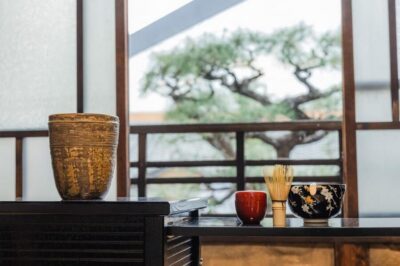
Then your instructor explains the steps, the utensils, and the importance of the room’s decoration and layout. Even if you do not memorize every detail, you will notice how the ceremony treats the space like part of the lesson.
A recurring theme in what people found meaningful is the sense of respect and cleansing. One person called out the idea behind cleansing with water, plus the mindset of respect for who the tea is prepared for. That is one reason tea ceremony can feel more spiritual than “food and drink class” on paper.
Utensils and steps: what you are taught and why it matters
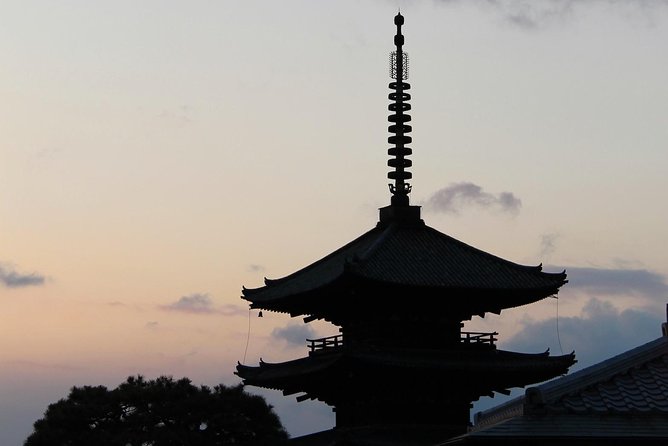
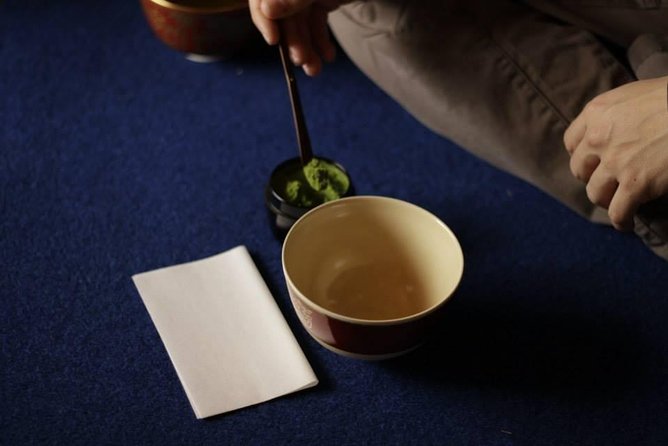
You are provided with the key tools: tea bowls, tea scoops, and a tea whisk. That is important for value because it means you are not paying just to taste matcha. You are paying to learn how to make it.
During the instruction, you learn what each utensil is for and how the process fits together. The ceremony is precise by design, and the host does not pretend it is easy. Expect explanations that focus on how technique affects texture, especially the froth you are trying to create.
One strong point that keeps coming up is how clear the English instruction is. People specifically noted good English and patient teaching. That is exactly what you want if you are trying your first tea ceremony in Japan.
A change of pace from Kyoto:
- PERFECT KYOTO 1-Day Bus Tour
★ 5.0 · 13,518 reviews - Kyoto: Fushimi Inari, Kinkakuji, Bamboo Grove 1 Day Bus Tour
★ 4.8 · 4,316 reviews - Kyoto Geisha Walking Tour: Gion District & Hidden Gems
★ 4.7 · 3,273 reviews - Kyoto: Gion Magical Night Walking Tour with Geisha Trivia
★ 4.9 · 2,393 reviews
Sweet and first sip: the flavor part of the ritual
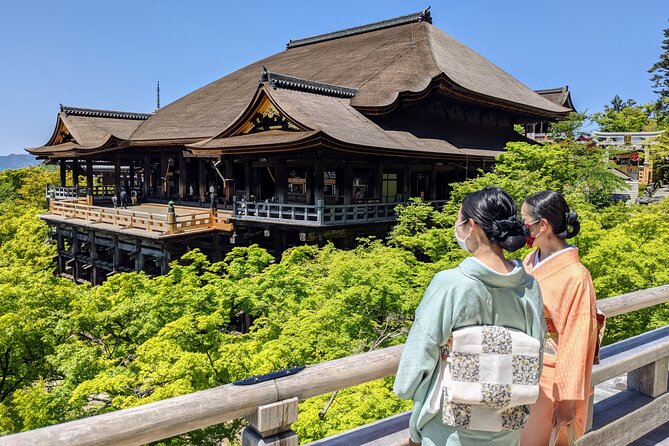
Before you start whisking your own matcha, you taste matcha along with a seasonal sweet. The sweet is part of the experience because it balances the taste and gives you something comforting during the ceremony rhythm.
Matcha can be a shock on the first sip if you only know it as a sweet drink. In a tea setting, you taste more depth and bitterness control. The way the host paces the ceremony helps you notice the flavor changes as the ritual progresses.
And yes, you are encouraged to ask questions during this time. If you wonder why the steps are structured the way they are, this is your chance to ask instead of carrying questions all day.
Making your own bowl: whisking froth without stress
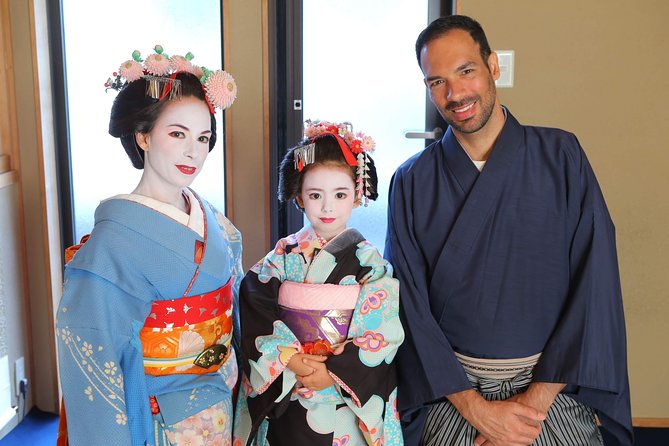
The best part of the experience is the part where you do the work. At the end, each guest gets the opportunity to make their own bowl of matcha, and you learn the basics of tea making.
This is where the small-group format helps again. Whisking matcha is not just about stirring. It is about creating a specific frothy texture. People described the process as precise and praised the way explanations helped them understand the procedure.
Here is the practical way to think about it: you are not aiming for perfection on your first try. You are learning the method so you can repeat it at home. The instructors frame it like a skill you can practice, not a test you can fail.
Seating options, comfort, and what to expect inside
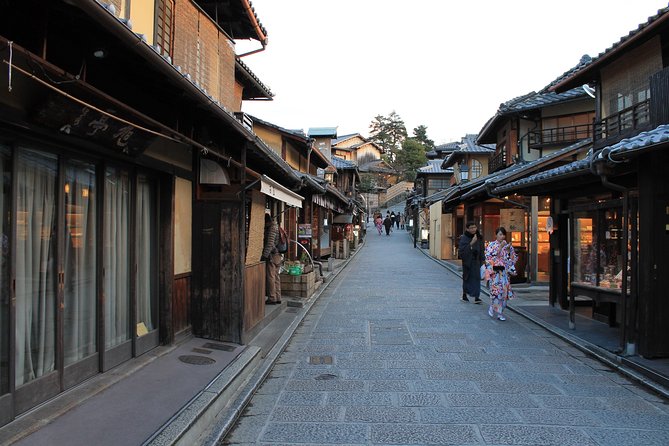
Traditionally, guests may sit on the floor. That is built into many Kyoto tea rooms. But in this experience, you can also choose chairs and tables if you prefer.
So your comfort comes down to what you want your body to do for about 45 minutes. If floor seating is hard for you, pick the chair option in advance when you arrive, or ask what is available when you meet your host.
Photos and short videos are permitted, which helps you document the moment. Still, keep it respectful. This is a quiet activity, and you will likely be asked to keep your phone use from disrupting others.
Also, it is for all ages, but children under 6 cannot join. Service animals are allowed, and the class says it is near public transportation.
Kimono rental: optional, but it changes the feel
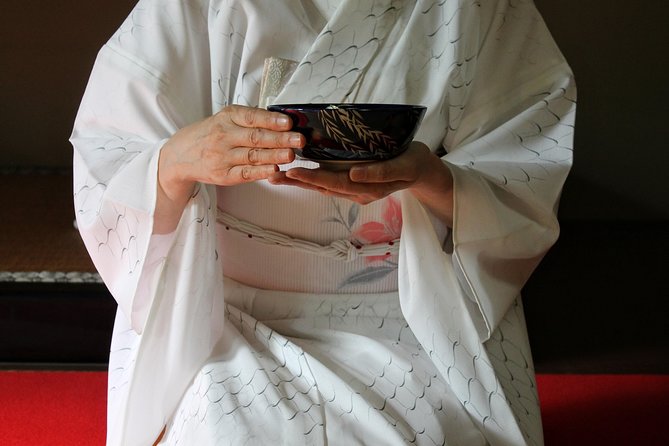
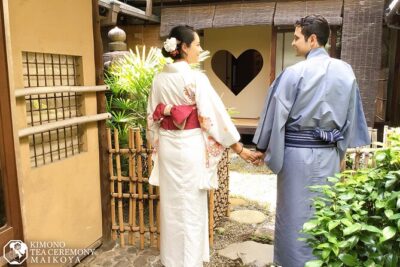
Kimono rental is not included, but you can request it for an additional charge by message. People who did the kimono option described it as more authentic and worth the extra cost.
If you care about visual immersion, kimono rental is the simplest way to make the ceremony feel like a Kyoto moment rather than a standard class. If you prefer light, practical travel clothes, skip it and focus on the matcha technique. Either way, you still get the full hands-on matcha experience.
Price in plain terms: what $36.48 is buying you
At $36.48 per person for about 45 minutes, you are paying for more than tasting. Your money goes toward:
- instruction in the steps and the meaning behind them
- utensils provided (bowl, scoop, whisk)
- a seasonal sweet and matcha
- time for you to practice making matcha yourself
That is decent value because it ends with something tangible: your own bowl of frothy matcha, plus the knowledge to try again at home. If you have ever done a “sit and watch” cultural activity, you know the feeling of leaving with photos but no skill. This one aims to leave you with technique.
Also, the experience offers group discounts and uses a mobile ticket. That is helpful if you are traveling with family or friends and want a smoother, less chaotic check-in.
Weather and timing: when to schedule it
The activity requires good weather. If poor weather cancels it, you will be offered a different date or a full refund.
So I suggest scheduling this on a day when you still have flexibility, not as your one perfect no-mistake plan. Kyoto weather can be moody, and it is better to set this when you can adjust.
As for timing, do not put it at the exact end of your day when you are already late for dinner reservations. You want your mind free enough to appreciate the pacing, not stuck thinking about your next train.
Who this Kyoto matcha class is best for
This is a strong fit for you if you want:
- a small-group cultural experience in English
- a hands-on skill, not just a short demonstration
- a calmer break in your Kyoto sightseeing day
It also works well for families, as long as kids are old enough to qualify. One family with children around ages 7 and 8 described it as a highlight, which makes sense because the ceremony teaches through participation and explanation.
If you are someone who loves details, you will enjoy the focus on procedure, utensil use, and the significance of steps. If you prefer quick activities, the ceremony might feel slow on purpose, but the 45 minute structure keeps it from dragging.
Should you book Camellia Flower Teahouse?
If you are in Kyoto and you want an authentic tea ceremony experience that includes hands-on matcha making, I think this is an easy yes. The max 8 group size, the English instruction, and the fact you actually whisk your own bowl make it worth your time and money.
Book it if you want a skill you can repeat at home and a calmer hour that feels distinctly Kyoto. Consider the chair option if floor seating would be uncomfortable, and decide early whether you want kimono rental for the added authenticity.
If you want a tea ceremony that is quiet, guided, and practical, this is the kind of Kyoto stop that does not feel like a detour. It feels like a reset.
FAQ
Where is the tea ceremony located?
You meet at Tea Ceremony Camellia FLOWER, 349-13 Masuyachō, Higashiyama Ward, Kyoto 605-0826, Japan.
How long does the ceremony take?
Plan for about 45 minutes (approx.).
How many people are in each group?
The experience has a maximum of 8 travelers per group.
Is kimono rental included?
No. Kimono rental is an optional add-on you can request by message for an additional charge.
What is included in the experience?
Tea bowls, tea scoops, and tea whisks are provided, and you will learn to make matcha, including tasting matcha and sweets.
Can I take photos or videos?
Yes. Photos and short videos are permitted.
Is this activity wheelchair accessible?
No, this experience is not wheelchair accessible.
Are children allowed?
It is for all ages, but children under 6 years old cannot join.
Is it near public transportation?
Yes, the meeting point is near public transportation.
What happens if the weather is bad?
The experience requires good weather. If it is canceled due to poor weather, you will be offered a different date or a full refund.
What is the cancellation policy?
You can cancel for a full refund up to 24 hours in advance of the experience start time. If you cancel less than 24 hours before, the amount paid is not refunded.
Latest write-ups near Kyoto
- Kyoto: Nishiki Market Tour with a Local Foodie & Tastings★ 4.5 · 67 reviews
- Kyoto Kimono Rental mimosa |Kimono/Yukata Rental Couple Plan★ 4.8 · 67 reviews
- Kyoto: Traditional Kimono Fabric Handicrafts Workshop★ 5.0 · 67 reviews
- Kyoto Tea Ceremony and Samurai Photo Session★ 5.0 · 70 reviews
- Kyoto: Replica food making experience★ 4.8 · 70 reviews
- Kyoto: Kinkakuji, Golden Pavilion Guided Tour★ 4.7 · 71 reviews
- Private departure transfer from Kyoto city to Kansai International airport★ 5.0 · 72 reviews
- Uji: Green Tea Tour with Byodoin and Koshoji Temple Visits★ 4.8 · 72 reviews
Tea Ceremonies, compared.
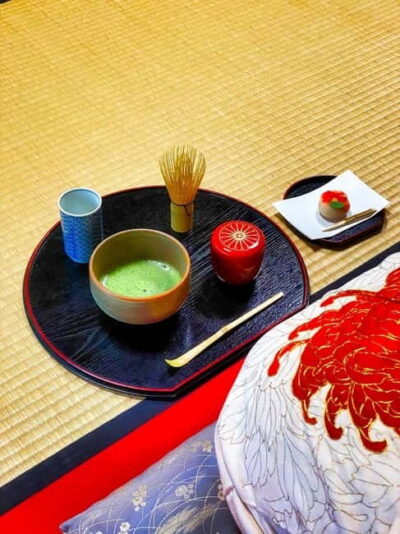
Tea Ceremony in a Traditional Tea House in Kiyomizu
Read our review →
World Heritage Kyoto & Nara Uji Authentic Matcha Experience
Read our review →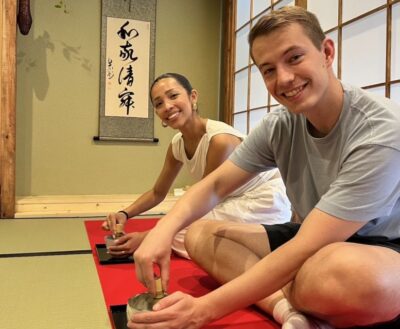
Browse the lists this tour appears in