
Reviewed · WORKSHOPS
Experience the Soul of Hiroshima: A Peaceful Koto Workshop
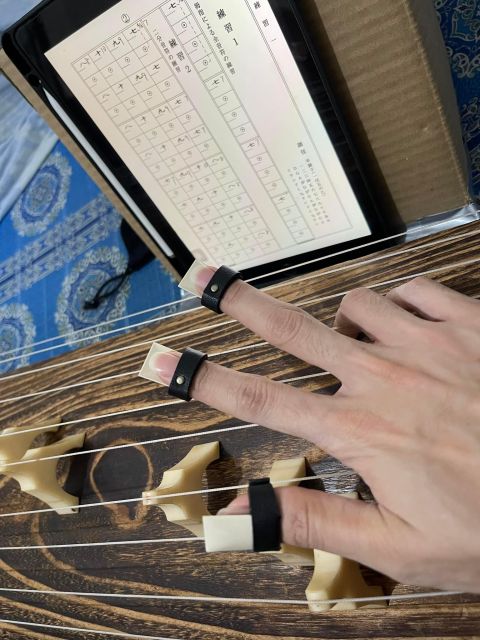
A Hiroshima day can be heavy. This workshop keeps it thoughtful but gentle, you sit down with a koto and work toward a peace tribute called Echo of Serenity in a studio within walking distance of Peace Memorial Park. I love how the lesson ties technique to meaning, not just notes on paper. I also like that you leave with a video recording and a handfolded origami crane. The main drawback to know up front, it is a 90 minute class, so you will learn the basics and one complete piece, not become fluent in koto.
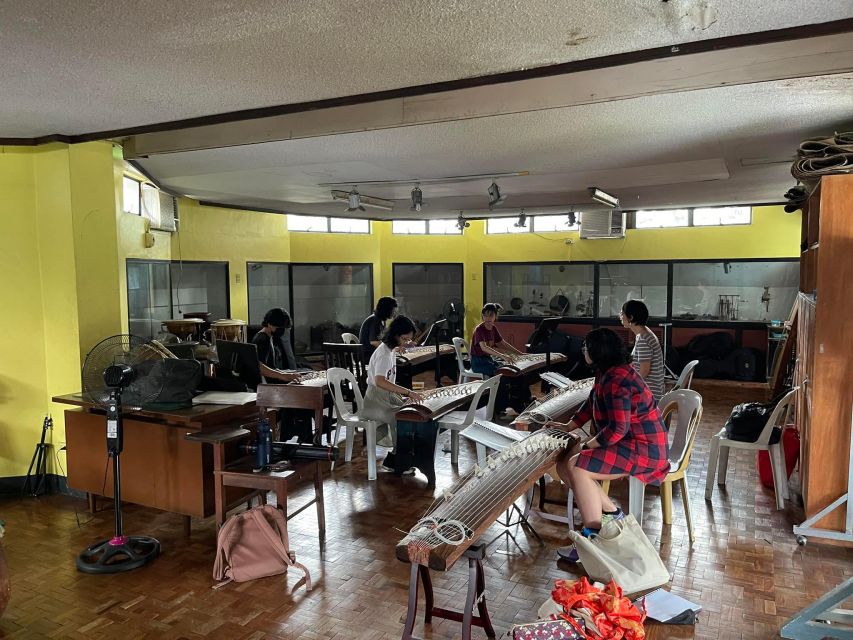
What makes it practical is the format. Instruction is in English with a small group limited to 6, and teachers like Vincent and Nicholas are praised for clear explanations that build step by step. If you expect a long conservatory-style training session, you may feel the time is short, but for a first experience it is exactly the right pace.
Key highlights at a glance
- Koto plus peace context through a performance honoring atomic bomb victims
- Hands-on learning in English with no prior music experience needed
- Fukuyama craftsmanship story tied to where many kotos come from
- Small-group group finale with your own keepsake performance video
- Take-home symbol of hope with a handfolded origami crane
Why Hiroshima koto playing feels different than a standard workshop
Most music classes focus on technique. This one starts with why the music matters, because the session centers on peace and remembrance through a koto piece called Echo of Serenity. You are not just learning to pluck strings, you are learning how to make sound carry intention.
I also like that it is not performative. You work at a real beginner pace: posture, how to hold your hands, how to pluck cleanly, and how to fit into a group arrangement. That structure keeps you from feeling lost, even if this is your first time touching a koto.
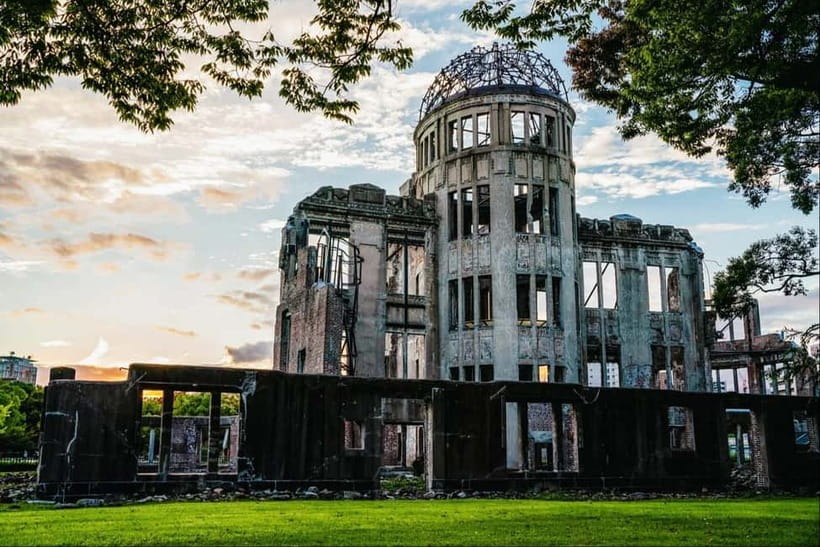
And because the studio is close to Peace Memorial Park, it feels like a calmer chapter of your day. You still meet history, but you do not have to sprint from exhibit to exhibit. Instead, you make something with your own hands.
Also on the shortlist for Hiroshima:
- Peaceful Hiroshima & Miyajima UNESCO 1 Day Bus Tour
★ 5.0 · 5,309 reviews - Hiroshima: Hiroshima and Miyajima UNESCO Sites 1-Day Tour
★ 4.9 · 2,330 reviews - Hiroshima / Miyajima Full-day Private Tour with Government Licensed Guide
★ 5.0 · 1,298 reviews
What you learn in 90 minutes: posture, technique, and Echo of Serenity
The workshop runs for 90 minutes, and the goal is not to overwhelm you. You will learn the basics of the koto and eventually play a complete piece. In practice, that means you will spend your time on the parts that help you produce the right sound quickly.
Expect four phases that work well for beginners:
- Getting oriented to the instrument, including what the parts mean and how the design supports the sound.
- Learning the physical basics, like posture and plucking technique.
- Building toward the piece, guided by an instructor in English, with exercises that get you ready for the final performance.
- Playing together as a group, so you hear how your part blends with others.
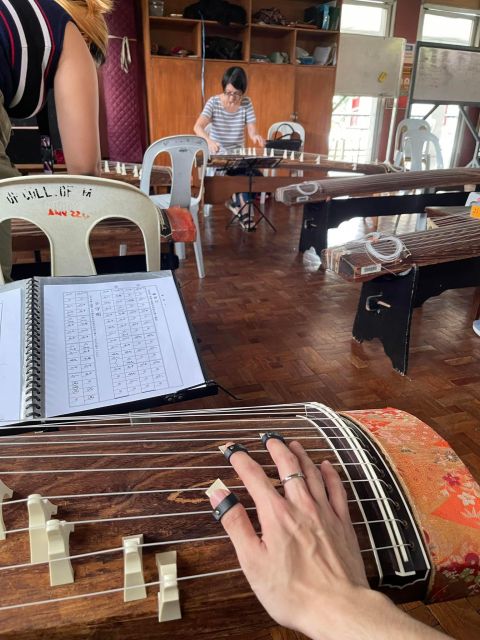
The most praised moments in the class are the early clarity and the way the instructor builds confidence. People specifically note that teachers explain history first and then guide a progression into the group piece, and that you can learn to read the music used in the workshop within the session. You should not expect to master everything, but you can walk away with a real sense of accomplishment.
If you are worried about not having musical ability, the lesson is designed for that. The workshop is listed as ages 10+ with no musical experience required, and it repeatedly emphasizes step-by-step English guidance.
Fukuyama craftsmanship: the part of the koto story you actually get
One of the reasons this workshop feels “Hiroshima-specific” is the koto origin story. You learn about the instrument’s long legacy and the specific Hiroshima region connection, especially Fukuyama City. Fukuyama is described as the heartland of koto craftsmanship, where over 70% of Japan’s kotos are born.
That matters because it changes how you think about the sound. The koto is not just an object with strings. The workshop explains symbolism behind the instrument’s design, and it treats the craft as part of the listening experience. You start noticing how construction supports tone, and you get why a high-quality instrument can sound more resonant and controlled.
This is also where the experience stays authentic. Instead of giving a generic “here is a Japanese instrument” lecture, you get a story with real geography attached. If you like travel that connects art to place, you will probably appreciate this part.
From quiet listening to a group finale and your peace keepsakes
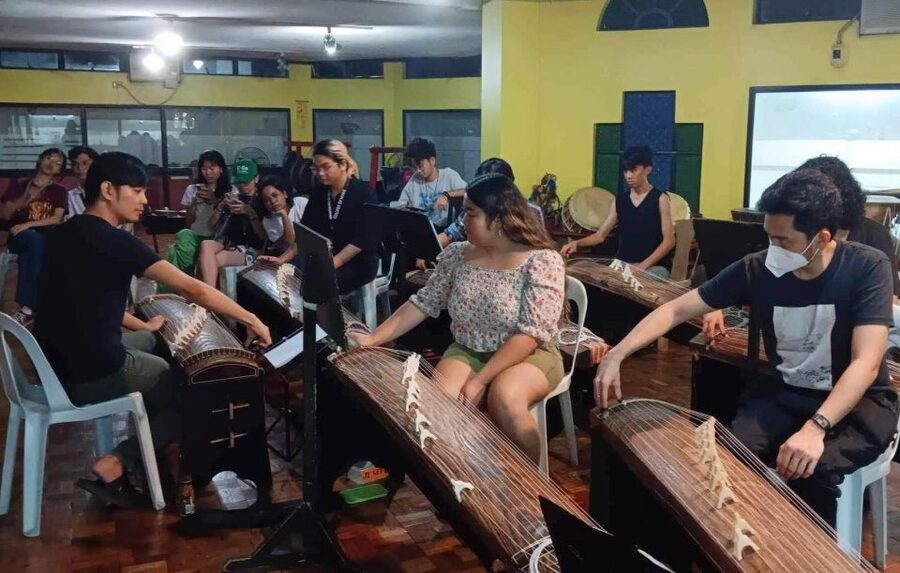
The emotional center is Echo of Serenity. The workshop includes a composition honoring atomic bomb victims, and you are guided to listen for the instrument’s resonant tones and the message you are carrying as you play. It is the kind of moment that can feel surprisingly personal, even if you are not a musician.
Then comes the part you will remember with your body: the final group performance. You play a special piece together as an ensemble, led by the instructor. Multiple people note that the teacher’s guidance is encouraging and that the group part turns the session from a lesson into a shared performance.
After that, you get two keepsakes that make the whole thing feel real rather than temporary:
- A video recording of your group performance, so you can rewatch and share later.
- A handfolded origami crane, presented as Hiroshima’s enduring symbol of peace.
The video is especially useful. In 90 minutes, you can feel like you are focusing on mechanics, so having a recording helps you see what you actually accomplished once your hands stop being the main problem.
There is also a drinks service after the class, including free soft drinks, plus coffee, tea, and juice. It is a small detail, but it adds comfort after a calm, reflective activity.
A change of pace from Hiroshima:
- Hiroshima Historical Walking Tour – Why A-Bomb was Dropped
★ 4.8 · 893 reviews - Hiroshima Peace (Heiwa) Walking Tour at World Heritage Sites
★ 5.0 · 872 reviews - Hiroshima in a Nutshell: Morning Bike Adventure
★ 5.0 · 524 reviews - Hiroshima City 4hr Private Walking Tour with Licensed Guide
★ 5.0 · 437 reviews
Getting there in Hiroshima: finding 石田第2ビル from Tatemachi
You meet at 石田第2ビル (the second building on the block, second floor is where you go). If you are using the streetcar, start at Tatemachi station.
Here is the practical route:
- Get off at Tatemachi station.
- Walk straight on the corner toward YMCA, with Tully’s coffee shop as your landmark.
- When you reach the okonomiyaki restaurant Gokku 悟空, turn right.
- Follow the signs and head to the second floor.
This is the kind of setup where arriving 10 minutes early helps. The instructions are clear, but Hiroshima neighborhoods are a little lane-like, and you will be happier if you give yourself a buffer.
Price and value: why $50 makes sense for first-timers
At $50 per person for 90 minutes, the price can feel high until you match it to what you actually get. You are not just paying for a “try the instrument” photo moment. You are paying for an instructor-led structure with English teaching, a small group setting, and time dedicated to producing a complete piece.
Here is why the value holds up:
- Small group (up to 6) means more attention per person.
- English instruction removes the usual language barrier, so you can focus.
- You play a complete piece, not just sit and watch.
- You get a performance video and an origami crane, which turns the session into a take-home memory.
- Refreshments are included, which is a nice bonus after a quieter activity.
There is also an optional long-term angle. It is possible to purchase a koto on the spot and take it home, and there is mention that you can continue lessons online even after returning home. If you think you might want to keep going, this is one of the few workshops in Hiroshima that leaves a door open for follow-up.
Who this workshop fits best (and who should skip it)
This is ideal if you want:
- a first-time-friendly cultural activity
- a calm, creative experience connected to Hiroshima’s message of peace
- something meaningful you can share at home via the video recording
It is a strong match for families (with kids age 10+), couples, solo travelers, and friends who want to do something hands-on rather than only sightseeing.
Two practical considerations:
- The class is not suitable for children under 10, so plan for that if you are traveling with younger kids.
- If you expect lots of time for repetition and mastery, the 90 minutes may feel brief, because the workshop is built to get you to a complete piece quickly.
There are also clear rules: pets are not allowed (assistance dogs are allowed), and alcohol and drugs are not allowed.
Should you book this Hiroshima koto workshop?
If your Hiroshima trip includes Peace Memorial Park, I think this is one of the best ways to balance the day. It turns remembrance into action, and it does it in a way that is beginner-friendly and not intimidating. The combination of English instruction, a small group finale, and keepsakes like the performance video and origami crane makes it feel worth the money.
Book it if you like hands-on learning and you want a cultural experience that connects directly to the city’s meaning. Skip it only if you want a longer, technical multi-session training plan, because this one is intentionally focused on finishing a complete piece within 90 minutes.
FAQ
How long is the workshop?
The class is 90 minutes.
What does the $50 price include?
You get a hands-on koto lesson that aims to help you play a complete piece, plus coffee, tea, juice, and free soft drinks after the session. You also receive a video recording of your performance and a handfolded origami crane.
Is the instruction available in English?
Yes. All lessons are conducted in English, and you do not need Japanese.
Do I need any musical experience?
No musical experience is required. The workshop is designed to teach you from basics like posture and plucking technique.
What age is this workshop for?
It is for ages 10+.
What group size should I expect?
The class is limited to 6 participants.
Where is the meeting point in Hiroshima?
You meet at 石田第2ビル. If you are coming by streetcar, get off at Tatemachi station, walk toward YMCA past Tully’s coffee shop, turn right at Gokku 悟空, and follow the signs to the second floor.
Can I get a refund if my plans change?
Yes. Free cancellation is available up to 24 hours in advance for a full refund.
Latest write-ups near Hiroshima
- An Amazing set of Cultural experience: Kimono, Tea Ceremony and Calligraphy★ 5.0 · 69 reviews
- Hiroshima: Private Walking Tour with a Local★ 4.6 · 70 reviews
- Hiroshima: Miyajima Island Half-Day Tour with Guide★ 4.9 · 71 reviews
- Kimono and Tea Ceremony in Miyajima★ 5.0 · 73 reviews
- Hiroshima and Miyajima Private Guided Tour★ 4.5 · 75 reviews
- HIROSHIMA ORIZURU TOWER Admission Ticket★ 4.6 · 75 reviews
- Hiroshima & Miyajima: UNESCO A-Bomb Dome & Itsukushima★ 5.0 · 76 reviews
- Hiroshima to Miyajima: Private Custom Tour with Ferry Ride★ 4.9 · 77 reviews
Workshops, compared.
Sushi Making Tokyo Roll and Authentic Japanese Sushi Class
Read our review →

Roll and Authentic Sushi Making Class in Asakusa
Read our review →
Ramen Cooking Class at Ramen Factory in Kyoto
Read our review →
Sushi Making Class in a Happi Coat near a Famous Spot
Read our review →
Sushi Making Osaka Roll and Authentic Japanese Sushi Class
Read our review →Browse the lists this tour appears in