
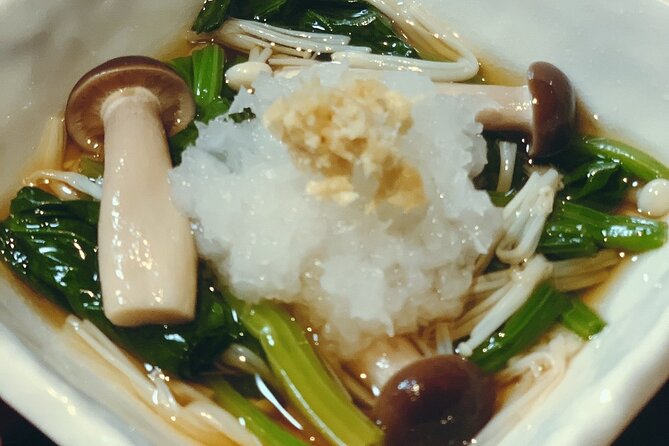
Reviewed · COOKING CLASSES
Izakaya Style Cooking Class
Kyoto has plenty of food classes. What makes this one stand out is the focus on izakaya-style cooking, the casual, shareable side of Japanese eating, plus the key building block: dashi. You get a 2 pm start in a traditional wood studio, then spend about 3 hours learning to cook and finally sitting down to eat what you make.
I especially like the small-group hands-on format (up to 8 people) and the way the instructors guide your knife work, seasoning, and timing step by step. I also love that you leave with recipes you can actually cook again at home, not just a full belly and a blurry photo.
One drawback to plan around: the menu can change with seasonal ingredients, and alcohol may not be included even if sake is offered with dinner. If you want to try drinks, ask what is and is not covered before you order.
Key things to know before you go
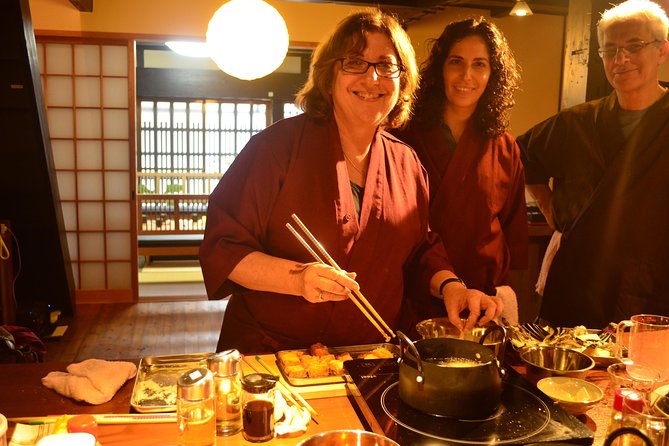
- Small group, max 8, so you can get real guidance while you cook
- Dashi and seasoning training, so your food has that Japanese base flavor at home
- Menu varies by season, so expect favorites plus seasonal swaps
- Dinner is included, and you eat what you just made
- English-speaking instructor, plus lots of chances to ask questions
- Recipes to take home, so the class keeps paying off after Kyoto
Why izakaya cooking in Kyoto feels different (and more useful)
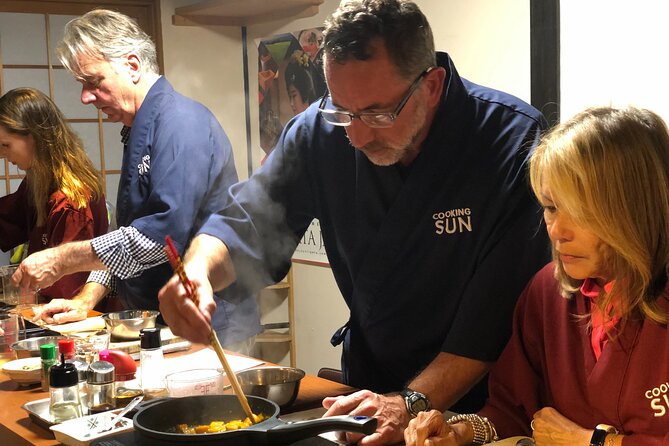
Izakaya is the Japanese version of tapas culture: small plates, lots of sharing, and casual comfort food built around bold-but-balanced flavors. In Kyoto, that matters. You are not just learning a single signature dish like sushi rice or teriyaki chicken. You are learning the logic behind the kind of home cooking that shows up in neighborhood izakayas every night.
The best part is that the class builds practical skills. You start with seasoning techniques and the core soup stock, dashi. Once you understand that base, you can wrap your brain around why Japanese food tastes the way it does, even when you are staring at your own kitchen supplies later.
Also, the teaching does not feel like a lecture. You cook with your hands. That is how seasoning stops being theory and turns into something you can repeat.
More Cooking Classes in Kyoto
- Ramen Cooking Class at Ramen Factory in Kyoto
★ 5.0 · 1,937 reviews - Kyoto: Ramen Cooking Class at a Ramen Factory with Souvenir
★ 4.9 · 532 reviews - Kyoto: Ramen, Gyoza, and Onigiri Cooking Class
★ 5.0 · 445 reviews
Cooking Sun Kyoto: your 2 pm start in a traditional wood space
The class begins at 2:00 pm at Cooking Sun Kyoto, located at 679 Funayachō, Shimogyo Ward, Kyoto. It ends back at the meeting point, so you do not need a transit plan at the end. That sounds basic, but it is a real comfort factor when you are juggling other Kyoto plans.
You will work from a designated cooking studio, described as a beautiful traditional wood house. Even if you have taken other cooking classes in Japan, there is something calming about cooking in a space that feels connected to the everyday life of the city. It also helps that the studio is near public transportation, so arriving is usually straightforward.
Practical tip: plan to show up a few minutes early. The start is timed, and you will want to settle in before you start chopping and mixing.
The izakaya story you get right at the beginning
Before you cook, you get a quick history and origin lesson for what izakaya is, and why it became such a common social habit. You hear the idea that izakaya roots go back to an 18th-century moment when rice was taxed to brew sake. Then, in the Edo era, sake bottle shops started serving dishes as well as sake, partly to encourage customers to try the local brew.
I like lessons like this because they are not trivia-only. When you understand that izakaya grew from practical everyday sharing, it makes sense why the food is designed for groups, why flavors are so snackable, and why small dishes are the point. It also nudges you to eat the way locals do during the class dinner, not like it is a formal set meal.
Dashi and seasoning: the skills that carry past the class
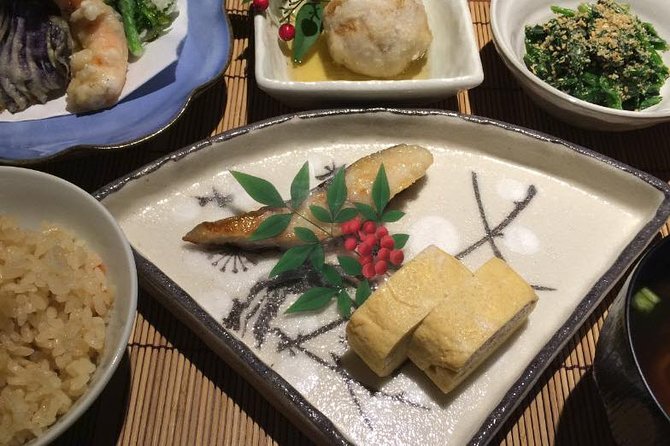
A lot of cooking classes teach recipes. Fewer teach the techniques that create flavor. This one specifically targets Japanese seasoning techniques and dashi, which is the soup stock used as a foundation in many Japanese dishes.
What to expect here is a mix of explanation and demonstration, then guided practice. Your English-speaking instructor shows you the ingredients and methods, and you follow along. After that, you grab a knife and start cooking your own dishes with hands-on coaching.
Why this matters for value: when you can make dashi and season with more confidence, you stop treating Japanese cooking like a list of special products. You start cooking with a method. That is what lets you reuse your take-home recipes without second-guessing everything.
If you are a beginner, you will likely feel supported because the workflow is structured and the class is small. If you are an avid cook, you still get useful refinements, especially around how Japanese flavors get built through balance, not just heat or salt.
More Bar Hopping in Kyoto:
- Kyoto: Izakaya Bars Guided Walking Tour
★ 4.9 · 815 reviews - Kyoto Bar Hopping Night Tour
★ 5.0 · 613 reviews - Kyoto Local Bar Crawl in Kawaramachi Area
★ 5.0 · 378 reviews - Kyoto: Afternoon Japanese Izakaya Cooking Class
★ 4.9 · 241 reviews
The dishes you may make, and why the menu teaches range
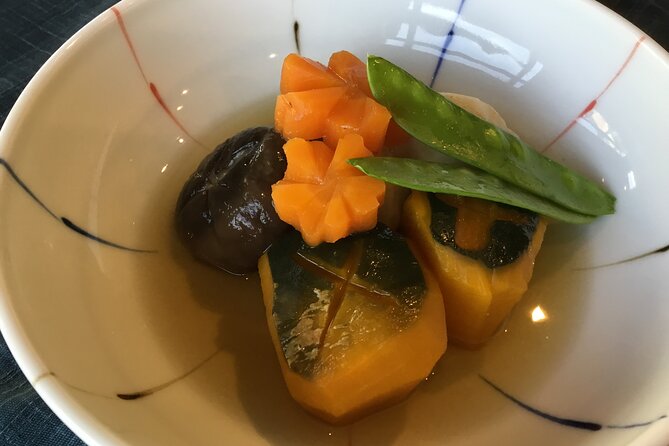
The class focuses on typical izakaya favorites. You cook multiple dishes in one sitting, often around six dishes total, depending on the menu. The exact selection can change due to seasonal ingredients, so do not plan your expectations around one specific dish.
Common favorites you may see include:
- Spinach with sesame sauce
- Teriyaki-style yellowtail
- Vegetable chowder
- Mushroom tempura
- Rice with vegetables
Some menus also may include things like cucumber salad, pumpkin soup, mochi dessert, or a pasta-style dish. The point is not any single recipe. It is variety: you learn how different sauces and condiments behave, and how textures shift across hot and cold dishes.
A really smart part of the setup is the pacing. Ingredients are prepared enough that you can focus on cooking, not only on chopping forever. That means you can get through more dishes and still enjoy the final meal, instead of leaving hungry because you spent the whole time in prep mode.
Also note: even when dishes differ, you keep circling back to the same core ideas: proper seasoning, using Japanese-style base flavors like dashi, and balancing savory, sweet, and tang through sauce choices.
Eating your own izakaya dinner with the group
After the cooking portion, you sit down with the other participants to eat the dinner you made. This is not an add-on. It is part of the lesson. You taste what you cooked while the techniques are fresh in your head, so you can link flavor outcomes to steps you just completed.
This is also where the izakaya concept clicks. You typically get multiple dishes at once, so it feels like sharing. You can compare bites, talk with your group about what you liked, and ask follow-up questions while the instructor is still around.
Come hungry. The class often ends with a satisfying spread, and multiple dishes add up fast. If you love learning by eating, this format is a win.
One caution: sake and other drinks may be treated separately. There was at least one experience where sake was offered but charged separately at checkout. If you want alcohol, ask what is included before you assume.
Group size, pacing, and getting personal help (even if you’re shy)
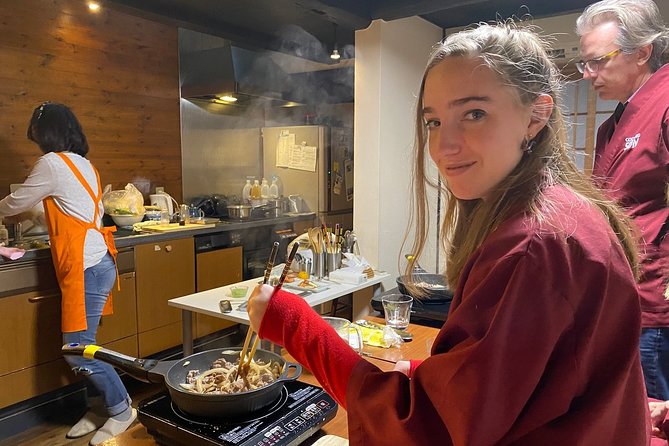
This is where Cooking Sun shines. The group size is capped at 8 travelers per booking, which means you are not lost in the crowd. Reviews consistently point to smooth teamwork among the instructors, quick cleanups during the class, and staff who help you keep moving to the next dish.
What that means for you:
- You get hands-on help when your chop technique or sauce mixing needs a tweak
- The studio feels organized, not chaotic
- You have enough time to ask questions without feeling like you are interrupting
If you have dietary needs, you should flag them at booking. The class notes that you can advise for dietary requirements ahead of time. You may find accommodations are possible, including for certain allergies and for vegetarian preferences, as long as you tell them early.
For your own success, bring a simple goal: learn how to season confidently. If you focus on that, you will get a lot more from the class than if you only aim to memorize every ingredient list.
Taking the recipes home, and how to use them right away
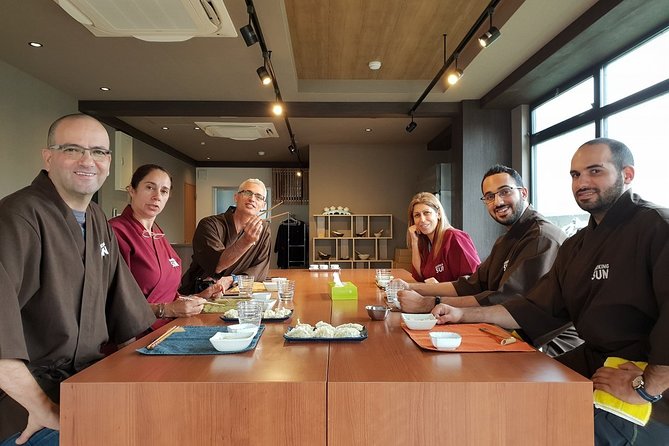
A big promise of this class is that you leave with recipes you can cook for friends and family. That is what turns your Kyoto experience into a lasting skill, not just a vacation meal.
Here is how I would use it:
- Recreate one dish within a week of your trip while the smells and tastes are fresh.
- Pay special attention to the parts tied to dashi and seasoning, because those are the techniques you can reuse across many Japanese dishes.
- Cook the rest later as your confidence grows.
Even if your kitchen does not have the exact same tools, the methods should translate. The class also provides an apron, which is a nice touch because it keeps you focused on cooking rather than scrambling for gear.
Price and value for a 3-hour dinner-included experience
At $71.63 per person for about 3 hours with dinner included, ingredients included, and an English-speaking instructor, the value is clear if you compare it to paying for a full meal plus buying a pile of ingredients separately.
You are paying for:
- a guided lesson on dashi and seasoning
- hands-on instruction while you cook multiple dishes
- dinner that is part of the learning process
- recipes you can reuse later
Also, the class offers group discounts and uses a mobile ticket, both of which are practical perks if you are coordinating dates or traveling with friends.
If you are traveling on a tight schedule, the trade-off is that this is a scheduled 2 pm class. It is not flexible like a casual market tour. But the upside is you get a complete, structured experience that ends at a known time, with dinner handled.
Who should book this izakaya class in Kyoto
This is a great fit if you want:
- a break from sushi-only food experiences
- a hands-on class where you cook and eat in one afternoon
- practical skills like dashi and Japanese seasoning that help you cook at home
- a small group setting with time to ask questions
It is also family-friendly. There have been experiences with kids joining and learning along. The pacing and multiple dishes tend to keep things lively, and the teaching is structured enough to work for different experience levels.
You might want to choose something else if you need a very specific dish every time. Because the menu can shift with the season, you might not get one exact item you had in mind. Still, you will almost certainly leave with a strong set of skills and flavors.
Should you book Cooking Sun’s izakaya cooking class?
If you want value, structure, and skills you can reuse, I think you should book it. For the price, you get dinner plus ingredients plus a guided lesson on dashi and seasoning in a small group. That is a strong mix.
Book it especially if you:
- like learning by doing
- want recipes to bring home
- enjoy the casual, social feel of izakaya-style food
I would double-check your drink expectations, ask about sake or any paid add-ons before ordering, and tell the team about dietary requirements ahead of time. If you do that, this class has the right ingredients for a very satisfying Kyoto afternoon.
FAQ
How long is the izakaya style cooking class in Kyoto?
The class runs for about 3 hours.
Where does the class meet in Kyoto?
The experience starts at Cooking Sun, 679 Funayachō, Shimogyo Ward, Kyoto 600-8466, Japan. It ends back at the meeting point.
Is dinner included?
Yes. Dinner is included, along with all ingredients for cooking, an English-speaking cooking instructor, and an apron.
What group size should I expect?
The class has a maximum of 8 people per booking.
Can I request dietary accommodations?
Yes. You should advise any specific dietary requirements at the time of booking.
Is the class offered in English?
Yes. The cooking instructor is English-speaking.
Do I need to worry about cancellation?
If you cancel up to 24 hours in advance, you can get a full refund. If you cancel within 24 hours of the start time, the amount paid is not refunded.
Latest write-ups near Kyoto
- Kyoto: Nishiki Market Tour with a Local Foodie & Tastings★ 4.5 · 67 reviews
- Kyoto Kimono Rental mimosa |Kimono/Yukata Rental Couple Plan★ 4.8 · 67 reviews
- Kyoto: Traditional Kimono Fabric Handicrafts Workshop★ 5.0 · 67 reviews
- Kyoto Tea Ceremony and Samurai Photo Session★ 5.0 · 70 reviews
- Kyoto: Replica food making experience★ 4.8 · 70 reviews
- Kyoto: Kinkakuji, Golden Pavilion Guided Tour★ 4.7 · 71 reviews
- Private departure transfer from Kyoto city to Kansai International airport★ 5.0 · 72 reviews
- Uji: Green Tea Tour with Byodoin and Koshoji Temple Visits★ 4.8 · 72 reviews
Cooking Classes, compared.
Ramen Cooking Class at Ramen Factory in Kyoto
Read our review →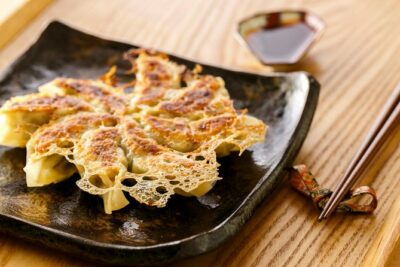
Ramen & Gyoza Cooking Class in Tokyo with Local Supermarket Visit
Read our review →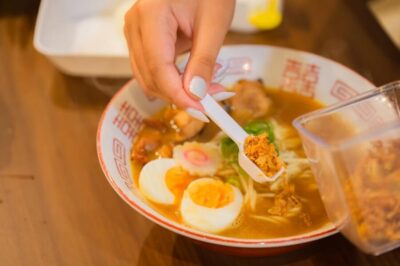
Ramen Cooking Class at a Ramen Factory with Souvenir
Read our review →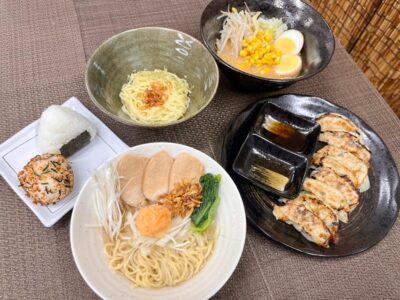
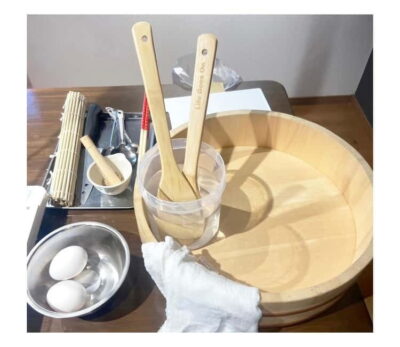
Japanese Washoku Bento Small Group Cooking Class
Read our review →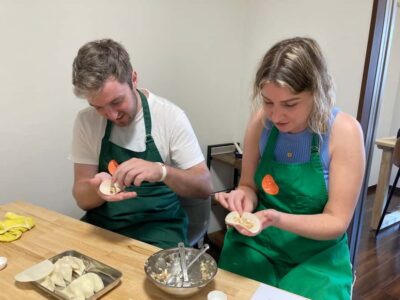
Easy Ramen Cooking Experience in Kabukicho, Shinjuku
Read our review →
Ramen and Sushi Cooking Class with Sake Pairing Set in Tokyo
Read our review →Browse the lists this tour appears in