
Reviewed · COOKING CLASSES
Kyoto: Afternoon Japanese Izakaya Cooking Class
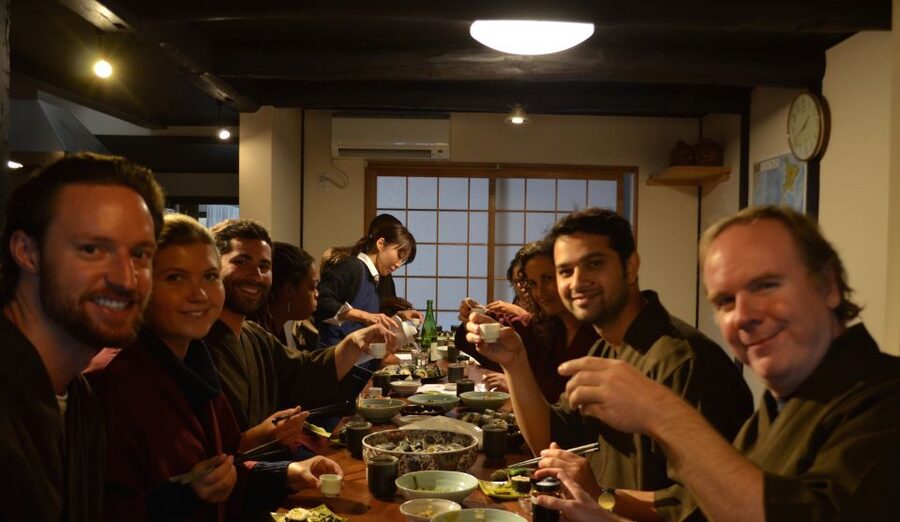
What makes this Kyoto afternoon cooking class interesting is the focus on izakaya-style Japanese home food, not tourist-only dishes. The format is very social too, you cook, taste, and talk with your chef while everything is happening. It is also a smart break from sightseeing, because you get a full meal out of the experience.
I like two things most: first, you learn hands-on techniques you can repeat later, not just watch someone else cook. Second, the English instruction is helped along by friendly guides like Yumi and Yumiko, and the class stays approachable even if your knife skills are rusty.
One thing to consider is pace. Reviews describe it as fairly fast moving, and that is because you cook multiple dishes in a short 3-hour window. If you prefer slow, relaxed cooking demos, this may feel a bit busy.
Quick Takeaways for Your Kyoto Schedule
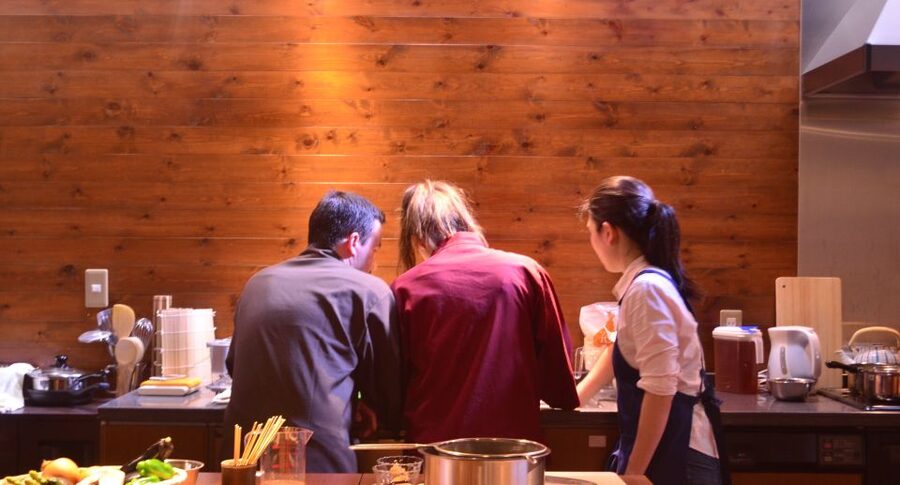
- Izakaya rhythm, talk while you cook, with you preparing dishes and tasting them as you go
- A full meal you make, usually multiple dishes, and sometimes dessert, with an easy-to-follow recipe set to take home
- English instruction, so you can actually ask why things work, not just follow steps
- Small, station-based setup, with ingredients and tools arranged so you can start quickly
- Tell them dietary needs upfront, and the team can adapt when you book
- Kyoto convenience, it runs in the afternoon and returns you to the table more than once
Why an Izakaya Cooking Class in Kyoto Feels More Local Than a Food Tour
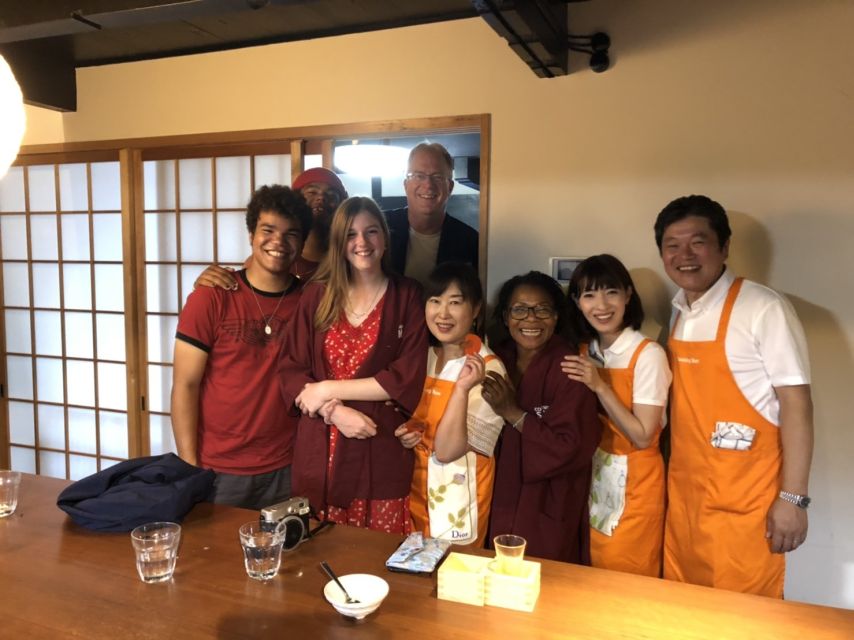
Kyoto is famous for temple walks and calm streets. But Japanese food culture is also loud, messy, and social, the way it shows up in izakaya bars. This class brings that energy into a kitchen. You cook what people actually eat at home and order casually at local spots. You are not trying to recreate a formal multi-course showpiece.
I love that it teaches home-style logic. Japanese cooking often comes down to a few smart building blocks, broth, seasoning, and technique, then you apply them to different dishes. By the end, you are not just proud you made food. You understand how the flavors get there.
It is also a good way to meet locals through food, even if you cannot speak much Japanese. The chef and instructors guide the process in English, while you still get the real back-and-forth of cooking. That means you leave with more than recipes, you leave with context for how people think about meals in Japan.
One practical plus: it is an afternoon activity. You can plan morning sightseeing, then come in hungry and leave fed. For many people, that is the ideal Kyoto rhythm.
More Cooking Classes in Kyoto
- Ramen Cooking Class at Ramen Factory in Kyoto
★ 5.0 · 1,937 reviews - Kyoto: Ramen Cooking Class at a Ramen Factory with Souvenir
★ 4.9 · 532 reviews - Kyoto: Ramen, Gyoza, and Onigiri Cooking Class
★ 5.0 · 445 reviews
Finding Cooking Sun and Getting Set Up to Cook Fast
The meeting point is Cooking Sun, Funayacho, Shimogyo Ward, Kyoto 600-8466. It is the kind of address that works well if you plan to arrive a little early, since the class starts and then you move quickly.
Inside, expect a hands-on setup. Multiple reviews mention each participant having their own tools or station. Ingredients and equipment are prepared in a way that keeps you from wasting time hunting for basics. You also get an apron and utensils, so you do not need to show up thinking about what to bring.
Because the instructors teach in English, the staff focus on making the steps clear and doable. That matters in Japan, where cooking terms can be specific. Here, you get explanations that help you understand what you are doing, not just memorize a list of actions.
The 3-Hour Flow: Two Cooking Rounds, Two Meals, Real Izakaya Timing
This class is designed around a simple cycle. First you cook a set of dishes together with your chef, then you go back to the kitchen for more, then you eat again.
Round one: cook 2 to 3 dishes together, then eat
You start in the kitchen with a group of 2 to 3 dishes. Your chef walks you through steps as you go. Reviews repeatedly mention clear instruction and a relaxed, helpful atmosphere. That is important because you are doing real work, not just assembling ingredients.
Once the first dishes are ready, you eat what you cooked. This is not just a reward. It is part of the learning. You taste the flavors while the techniques are fresh in your mind, and you can hear feedback from the instructors in real time.
More Bar Hopping in Kyoto:
- Kyoto: Izakaya Bars Guided Walking Tour
★ 4.9 · 815 reviews - Kyoto Bar Hopping Night Tour
★ 5.0 · 613 reviews - Kyoto Local Bar Crawl in Kawaramachi Area
★ 5.0 · 378 reviews - Izakaya Style Cooking Class
★ 5.0 · 219 reviews
Round two: return to cook 2 to 3 more dishes
After you eat, you head back for the second set of dishes. The same hands-on style continues. Expect you to do tasks like chopping, mixing, and managing heat, with step-by-step guidance so you can succeed even if you are new to Japanese cooking.
This part also helps you understand how different flavors and textures fit together on a casual table. That is exactly what an izakaya meal feels like: multiple items, different styles, shared pace.
Final eating moment: enjoy everything again
Then you eat once more, which means you get a proper meal out of the class, not a few bites. Several reviews mention up to 6 dishes total in some sessions, including dessert. Even when the exact menu changes, the structure stays the same: cook, taste, learn, cook again, eat again.
What You Learn in This Japanese Home Cooking Kitchen
“Izakaya” can sound like a vibe, but in a cooking class it also becomes a way of thinking. It is comfort food culture. You learn techniques and flavor building blocks that show up again and again in Japanese kitchens.
Dashi, broth, and the base flavors behind lots of dishes
You might find yourself making dashi broth from scratch. At least one class review calls out starting with making your own dashi. Even if your menu differs, the cooking usually emphasizes how broth and seasoning create the backbone of the meal. That is huge for home cooks, because broth is the shortcut to better flavor without complicated ingredients.
Heat control and timing, not just recipes
Japanese home cooking is often about timing. Reviews mention step-by-step instructions that help you avoid common mistakes, like overcooking or missing the moment when seasoning blooms. The fast class pace forces you to learn practical timing, which is exactly what you want if you will cook again at home.
A conversational kitchen, you are allowed to ask why
This class style encourages talking with your chef while cooking and eating. That matters because the best part of learning is understanding the why, not only the how. When you can ask a question in English, you can correct problems on the spot.
The Dishes: Expect Comfort Food You Can Actually Recreate
The exact menu can vary, but you can expect a mix of Japanese home dishes that taste good and are realistic to make again later. That is the real value here. You leave with food skills, not just a souvenir photo.
From the feedback you have shared, you can expect at least some of these themes:
Okonomiyaki and other savory favorites
One review specifically calls out okonomiyaki as the best they have had. Okonomiyaki is a great example of this class’s promise: a dish that feels fun and forgiving, while still teaching real technique, like managing heat and getting the right texture.
Desserts can be part of the menu
A few reviews mention a dessert included in the session, with one person describing 5 savory dishes plus 1 dessert. So if you think Japanese cooking classes are only about savory plates, check expectations. You may get a sweet finish.
Flavor tools like mirin and dashi
Reviews mention going home needing mirin and dashi in the pantry. That tells me the class focuses on the seasonings that make Japanese cooking taste Japanese. It is also a good reminder that these are not optional. If you want to recreate the dishes, you will likely want to pick up the key staples.
If you are a “cook at home” type of person, this is where the class pays off. You can look at your recipe set later and know you can do the steps, because you already did them once in a real kitchen.
Price and Value: Why $67 Can Make Sense for Kyoto
At $67 per person for a 3-hour class, this can be strong value, if you compare it to what you usually spend to eat and learn in Kyoto.
Here is what you are getting that helps justify the price:
- You cook multiple dishes, usually 2 to 3 in each round
- Ingredients and tools are included, which lowers the cost and the hassle
- You get an instructional structure with an English-speaking instructor
- You eat what you cook, so you are not paying just for instruction
- You receive recipes you can take home, which turns the class into a skill you keep
The sweet spot is that you get both the experience and repeatable results. A lot of travel activities give you memories. This one can also give you dinner plans for the weeks after your trip.
Who This Kyoto Izakaya Cooking Class Suits Best
This class fits best if you want a hands-on cultural experience that is practical, not complicated. Based on what the class delivers, it works especially well for:
- Food lovers who want more than just tasting, you want to learn technique
- Beginner cooks who still need step-by-step guidance and tools ready to go
- Groups with mixed experience, since reviews mention instructors adapting to different levels
It can also be a good option if you want an indoor activity in Kyoto that does not feel touristy. One review even notes it as a highlight for people who needed a break from sightseeing.
If you are very sensitive to dietary restrictions, be proactive. The data says to let the local supplier know about dietary requirements upon booking. That is the responsible way to set yourself up for a good meal.
Tips to Get the Most Out of Your Class
A few practical pointers based on the style of the cooking session:
- Come hungry, because you will cook and then eat twice
- Ask questions in English, even small ones, the format is built for back-and-forth
- Expect active participation, you will be cooking, not just watching
- Plan for ingredients afterward, because you may want to buy mirin, dashi, or other staples to recreate the dishes
- Let them know dietary needs when booking, so they can adapt from the start
Also, if you bring a basic attitude of curiosity, you will do great. This is cooking you can repeat, not a quiz.
Should You Book This Kyoto Izakaya Cooking Class?
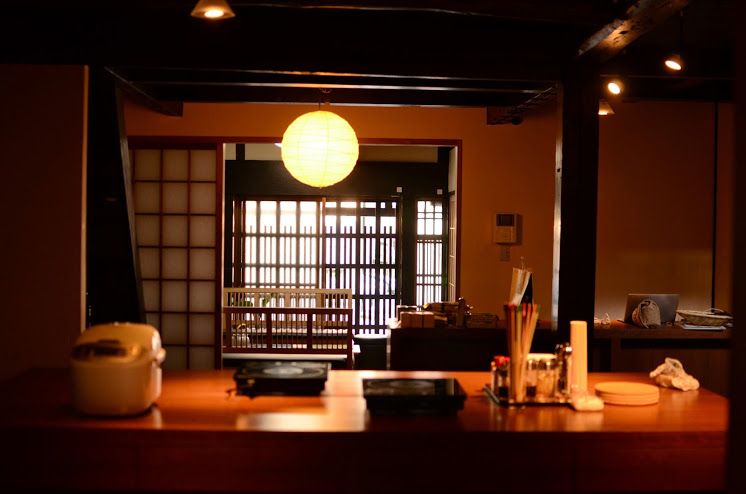
If your goal is learning Japanese food culture through Japanese home cooking, this is a yes for me. The class is built around doing, tasting, and repeating in a structured 3-hour window. You leave fed and with recipes you can use again.
Book it if:
- you want practical skills, not just a meal
- you like interactive classes where you talk while cooking
- you want an afternoon activity that feels local
Skip it if:
- you prefer slow, low-pressure experiences
- you want a more casual sit-and-watch format rather than hands-on cooking
If you are on the fence, think about one simple question. Do you want dinner at the end, plus the ability to make it again later? If yes, this Kyoto izakaya cooking class is a smart use of your time.
FAQ
How long is the Kyoto afternoon izakaya cooking class?
The class lasts 3 hours.
What does the class cost?
It costs $67 per person.
What is the cooking class language?
Instruction is in English.
How many dishes will I cook during the class?
The class is described as cooking 2 to 3 dishes in the first part, then returning to cook 2 to 3 more dishes before eating again.
Is the cooking class wheelchair accessible?
Yes, it is listed as wheelchair accessible.
What if I have dietary requirements?
If you have any dietary requirements, you should let the local supplier know upon booking.
Where do I meet for the class?
The meeting point is Cooking Sun, Funayacho, Shimogyo Ward, Kyoto, Kyoto 600-8466.
Can I cancel and get a refund?
Yes. Free cancellation is available up to 24 hours in advance for a full refund.
Latest write-ups near Kyoto
- Kyoto: Nishiki Market Tour with a Local Foodie & Tastings★ 4.5 · 67 reviews
- Kyoto Kimono Rental mimosa |Kimono/Yukata Rental Couple Plan★ 4.8 · 67 reviews
- Kyoto: Traditional Kimono Fabric Handicrafts Workshop★ 5.0 · 67 reviews
- Kyoto Tea Ceremony and Samurai Photo Session★ 5.0 · 70 reviews
- Kyoto: Replica food making experience★ 4.8 · 70 reviews
- Kyoto: Kinkakuji, Golden Pavilion Guided Tour★ 4.7 · 71 reviews
- Private departure transfer from Kyoto city to Kansai International airport★ 5.0 · 72 reviews
- Uji: Green Tea Tour with Byodoin and Koshoji Temple Visits★ 4.8 · 72 reviews
Cooking Classes, compared.
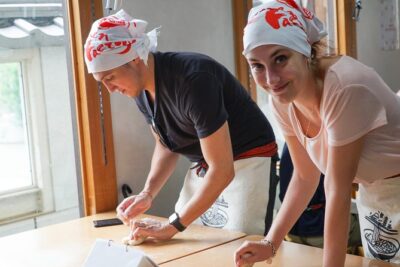
Ramen Cooking Class at Ramen Factory in Kyoto
Read our review →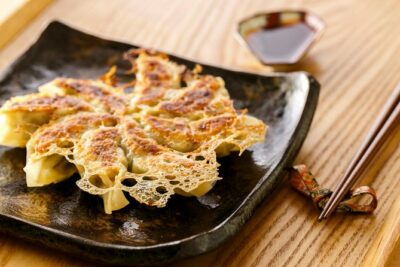
Ramen & Gyoza Cooking Class in Tokyo with Local Supermarket Visit
Read our review →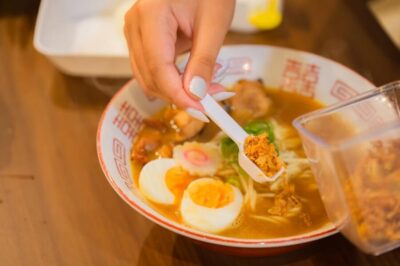
Ramen Cooking Class at a Ramen Factory with Souvenir
Read our review →
Japanese Washoku Bento Small Group Cooking Class
Read our review →
Easy Ramen Cooking Experience in Kabukicho, Shinjuku
Read our review →
Ramen and Sushi Cooking Class with Sake Pairing Set in Tokyo
Read our review →Browse the lists this tour appears in