
Reviewed · KIMONO EXPERIENCES
Kimono Tea Ceremony Experience at Kyoto Oritzuruya, Nishiki
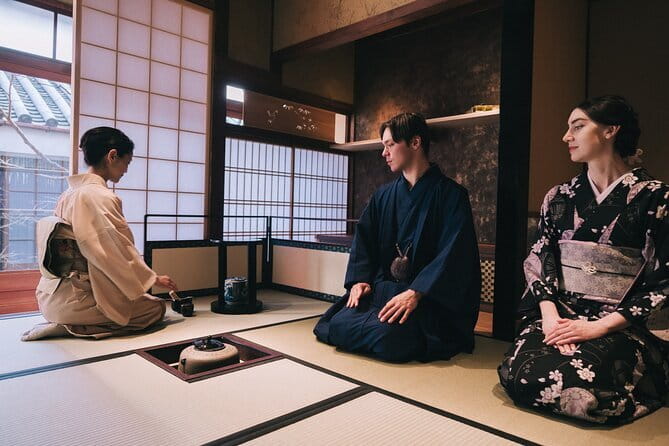
If you want a Kyoto experience that feels both polished and hands-on, this kimono-and-matcha session at Nishiki Orizuruya is a smart pick. I like the fact you can take your time picking from 200+ kimono designs, with staff guiding you through the details. I also like the practical matcha lesson, where you learn how to make your own bowl with a traditional bamboo whisk.
One consideration: a few people felt the ceremony can skew more staged than participatory, and that there is a bit of waiting during dressing and setup. If you’re expecting a deeply spiritual, totally quiet, fully participatory experience from start to finish, this one may not match that exact vibe.
Key Highlights You Should Know
- 200+ kimono choices in one place, with staff helping you pick the right look and accessories
- Small-group format (max 10) so you’re not lost in a crowd
- Matcha practice with the chasen, plus you get to drink what you make
- Wagashi and matcha snacks paired with your tea session
- Optional calligraphy lesson for a take-home souvenir
- You can keep wearing the kimono outside after the ceremony until the shop closes
Meeting Nishiki Orizuruya: Where the Day Starts in Kyoto
This starts in a very convenient spot if you’re already planning time around Nishiki Market. Your meeting point is at Nishiki Orizuruya, 452 Jūmonjichō, Nakagyo Ward, Kyoto. It’s near public transportation, and the activity ends back at the same place.
Plan your schedule like this: your total time is about 1 hour 30 minutes. That’s enough time to do the kimono process, get through the tea ritual, and learn matcha without feeling like you disappear for half the day. You’ll feel busy, but not stretched.
Also, come prepared to be guided step-by-step. This isn’t the kind of experience where you wander in and figure it out alone. Check in, go to the changing area, and follow staff directions.
More Kimono Experiences in Kyoto
- Kimono Tea Ceremony at Kyoto Maikoya, NISHIKI
★ 5.0 · 911 reviews - Kyoto: Kimono Rental with Hairstyling and Accessories
★ 4.8 · 653 reviews - Kyoto: Kimono Tea Ceremony at Orizuruya Gion
★ 4.9 · 618 reviews
Kimono Shopping and Dressing: The Part You Actually Remember
The biggest reason this works for most people is the dressing process. You start by choosing a kimono from over 200 designs. That matters, because the selection is a big part of the fun. You’re not just wearing a single set outfit; you’re picking the fabric and look that you want.
Staff assist with everything, so you’re not doing guesswork on the obi and matching pieces. For women, complimentary hair styling is included, and you’ll complete the traditional look with accessories. The experience includes a simple underlayer as part of the dressing setup, and you’ll be guided into sandals for walking around.
In the reviews, one theme keeps popping up: people love that the staff treats the process like a real styling job, not a quick costume swap. You’ll get time to select hair ornaments like hair sticks and a hair flower. Then it clicks into place, and you suddenly feel like you are in a period photo set, except you’re actually in Kyoto.
Practical note: kimonos look easy in movies. They are not. But you’re being dressed by specialists, and they’ll handle the tight, careful steps. Still, be ready for the fact that your day will have a “slow and careful” rhythm, not a fast sightseeing one.
Hair, Accessories, and Photos: Why This Is More Than Just a Costume
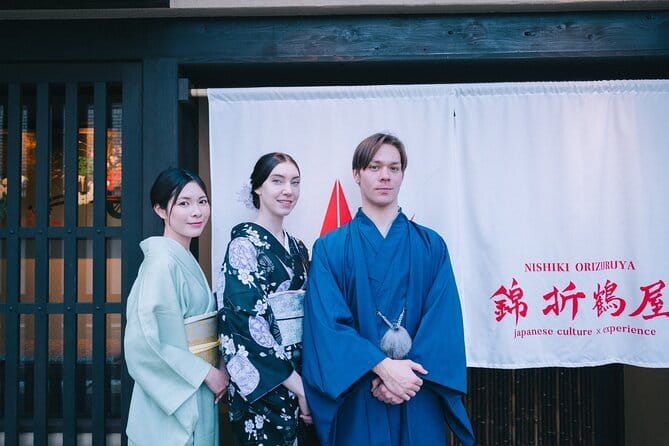
This experience leans into the full transformation. There’s even a brief photo moment where staff snap a few pictures while you’re dressed. After that, you’re part of the tea experience, but you also get that outfit time that helps you feel like you really did something in Kyoto, not just watched something.
If you like photos, this delivers. If you hate photos, you can still enjoy it. The key is to treat the photo moment like a bonus, not the goal.
One detail I appreciate in this setup is how much control you get over the pieces. You’re not just given whatever is left in your size. People mention that plus-sized guests still found good options and had choices, which is a big comfort point. Also, staff are used to accommodating different needs, including a case where someone with knee issues was provided a small table and chair.
The Cleansing Process Before Tea: The Ritual Moment People Appreciate
Before you reach the tea room, there’s a cleansing process. That’s one of the most educational parts of the whole experience. You’re guided through why the ritual has multiple steps, and how those steps set the mood for the tea moment.
This part can be calming, but it can also be where some guests feel the timeline is “waiting-heavy.” The reason is simple: dressing and preparation are layered, and the tea room wants everyone ready at the same time.
Here’s how I’d look at it. If you’re the type who enjoys etiquette and quiet choreography, the cleansing steps are the real bridge into tea culture. You’re not just learning matcha facts. You’re learning how the experience feels.
More Market Tours in Kyoto
- Nishiki Market Brunch Walking Tour (7 Tastings + Brunch)
★ 5.0 · 1,355 reviews - Kyoto Nishiki Market Food and Culture Walking Tour
★ 5.0 · 412 reviews - Kyoto: Nishiki Market Tea Ceremony with Koto Performance
★ 4.8 · 294 reviews - Kyoto: Nishiki Market Brunch Walking Tour-7 Tastings+Brunch
★ 4.8 · 197 reviews
Entering the Tea Room: Matcha Basics With Real Techniques
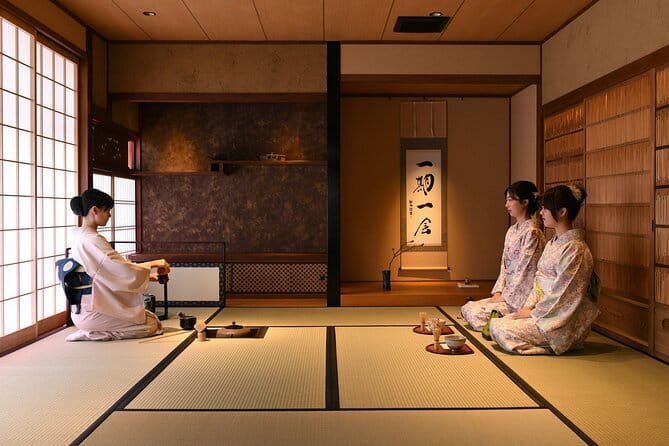
Once you’re in the tea room, your instructor guides you through the tea ceremony. The focus is on the key gestures and the order of actions, plus how to prepare matcha properly.
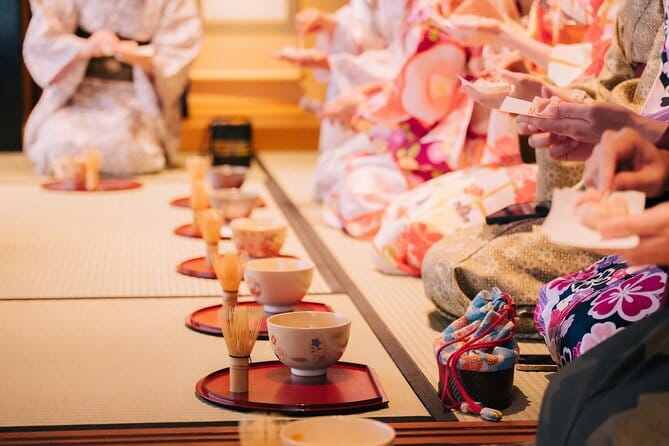
You learn how to mix matcha with a traditional bamboo whisk (chasen). Then you get to try it yourself, making your own bowl. That’s important. Many tea experiences stop at watching. Here, you practice enough to leave with at least a basic method you can repeat later at home.
Then you taste what you made, and your matcha is paired with wagashi, the traditional Japanese sweets. The sweets are described as coming from a century-old confectionery, which gives you a nice feeling of “this isn’t random snack time.” It’s meant to be part of the ritual pacing.
What you’re really learning is not just how to whisk powder into water. You’re learning how tea is presented as a mindful sequence of small actions. If you like calm, that comes through.
Matcha You Can Actually Recreate: What You’ll Take Home
After the ceremony, you’ll be able to say you know the basics of matcha prep. That’s the skill portion of the experience, and it’s one of the most valued parts in the reviews.
A practical way to think about value: your $50.87 price is buying a complete cultural package, not just a beverage. You get:
- Kimono costume
- Hairstyling (simple style, included)
- Tea ceremony guidance
- Matcha prep practice with utensils
- Snacks (wagashi and matcha)
- All fees and taxes
- A licensed guide
So even if matcha is not your drink today, you’re leaving with a technique and a memory that’s tied to Kyoto.
Optional Calligraphy Add-On: A Souvenir With Real Craft
If you add calligraphy, you’ll get a basic lesson in the art and create your own piece to take home. In the feedback, calligraphy is repeatedly called out as a highlight, especially as a souvenir that feels personal instead of generic.
This is the part I’d recommend if you want your tea experience to reach beyond photos and matcha. Calligraphy makes you slow down and focus. It’s also a tangible reminder that you did more than a “tourist performance.”
One practical catch: calligraphy is optional. If you’re deciding on the day, pick it if you enjoy making something by hand and want a longer-lasting keepsake.
Time After the Ceremony: Wearing the Kimono Around Nishiki
Here’s a fun detail that many people love: you can keep wearing the kimono outside after the ceremony, until 18:00 when the shop closes. That turns the outfit into an experience extender.
If you’re near Nishiki Market, you get a natural place to walk around and soak in Kyoto atmosphere in your costume. Just be smart about timing. Your activity ends back at the meeting point, but your kimono time continues while the shop remains open.
Also, remember the shop and ceremony are scheduled. Don’t plan to sprint into other activities right away. Think of this as part of your Kyoto block of time.
Price and Value: Why $50.87 Can Make Sense in Kyoto
At $50.87 per person, this is not a “cheap snack plus a show” type of activity. It’s priced like a full service, because it is.
You’re paying for:
- the kimono itself (and the labor to dress you properly)
- hairstyling support for women
- tea ceremony teaching and utensils
- wagashi and matcha included
- a licensed guide
- taxes and fees included
So the value equation changes depending on what you’d otherwise spend in Kyoto. If you were going to rent a kimono, then find a tea lesson separately, you’d often pay more or end up with a thinner experience. Here, the kimono and matcha training are bundled into one smooth flow.
The only time I’d hesitate is if you strongly want a slow, reverent, deeply participatory ceremony and you dislike the idea that this may be optimized for visitors. For most people, though, the combination of dressing plus hands-on matcha is exactly what makes this feel worth it.
Who This Fits Best (And Who Might Want Something Else)
This is a great match if you want:
- a small-group experience (max 10) with real human guidance
- to wear a kimono without stress, even if you’re worried about fit or styling
- hands-on matcha practice, not just watching
- a culturally themed activity near Nishiki Market
You might want to choose something else if:
- you expect zero wait time and a purely hands-on tea participation from start to finish
- you’re only interested in deep tea theory and spiritual context, and you don’t care about kimono dressing or photos
A balanced way to set expectations: treat this as a cultural craft experience. You’re learning, tasting, and dressing. If the presentation feels a bit structured, that’s part of how the experience runs.
Before You Go: Simple Tips That Make It Smoother
A few practical points can save you hassle:
- Bring your confirmation as instructed. You’ll need to open a website page from a smartphone, using your voucher link, and show it to staff. Screenshots and printed tickets are not accepted.
- Make sure your smartphone has internet access at check-in.
- Wear practical footwear to get to the meeting point. You’ll be guided into sandals for the kimono time.
- Plan around weather. The experience requires good weather, and if canceled due to poor weather, you’ll be offered a different date or a full refund.
- Transportation is not included. You’re responsible for getting yourself to the meeting point.
If you want the best photo results, go a little earlier to help yourself settle. If you’re rushed, the kimono timing can feel more intense than it needs to.
Should You Book Kyoto Oritzuruya Kimono and Matcha?
I’d book this if you want a “Kyoto day you can wear.” The kimono dressing from 200+ designs, the staff help, the matcha practice with a chasen, and the included wagashi make it feel like you got a full cultural experience for your money.
I would not book it only if you’re chasing a quiet, fully spiritual, slow ceremonial vibe with lots of participation every minute. Since some guests have felt the ceremony leans more staged and the experience has waiting, it’s best for people who are okay with structure.
If you can do two things in one go, kimono plus matcha, do it. It’s one of those activities that turns Kyoto into something you carry in your memory, not just something you look at.
FAQ
Where is the meeting point for the Kyoto kimono tea ceremony?
The meeting point is at Nishiki Orizuruya, 452 Jūmonjichō, Nakagyo Ward, Kyoto, 604-8121, Japan. The activity ends back at the meeting point.
How long does the experience take?
The duration is about 1 hour 30 minutes.
Is a kimono and hair styling included?
Yes. The experience includes a kimono costume and hair styling (simple style). For women, complimentary hair styling is included as part of completing the traditional look.
What do I learn or make during the tea ceremony?
You learn how to prepare matcha using a traditional bamboo whisk (chasen), and you get to make your own bowl of matcha to drink. Wagashi and matcha snacks are included.
Can I add calligraphy, and is it included?
Calligraphy is optional. The experience includes the tea ceremony and matcha components in the base offering, and calligraphy is an add-on you can choose.
Is transportation or hotel pickup included?
No. Transportation and hotel pickup and drop-off are not included, so you’ll need to get to the meeting point yourself.
Can I cancel for a full refund?
Yes, free cancellation is available. You can cancel up to 24 hours in advance for a full refund, based on local time. If you cancel less than 24 hours before the start time, the amount paid will not be refunded.
More Tea Ceremonies in Kyoto
- Kyoto: Tea Ceremony in a Traditional Tea House in Kiyomizu
★ 4.9 · 3,519 reviews - Kyoto: Tea Ceremony Ju-An at Jotokuji Temple
★ 4.9 · 3,207 reviews - Kyoto: 45-Minute Tea Ceremony Lesson Experience
★ 4.3 · 2,378 reviews - Kyoto: Table-Style Tea Ceremony at a Kyo-Machiya
★ 4.9 · 1,211 reviews
Latest write-ups near Kyoto
- Kyoto: Nishiki Market Tour with a Local Foodie & Tastings★ 4.5 · 67 reviews
- Kyoto Kimono Rental mimosa |Kimono/Yukata Rental Couple Plan★ 4.8 · 67 reviews
- Kyoto: Traditional Kimono Fabric Handicrafts Workshop★ 5.0 · 67 reviews
- Kyoto Tea Ceremony and Samurai Photo Session★ 5.0 · 70 reviews
- Kyoto: Replica food making experience★ 4.8 · 70 reviews
- Kyoto: Kinkakuji, Golden Pavilion Guided Tour★ 4.7 · 71 reviews
- Private departure transfer from Kyoto city to Kansai International airport★ 5.0 · 72 reviews
- Uji: Green Tea Tour with Byodoin and Koshoji Temple Visits★ 4.8 · 72 reviews
Kimono Experiences, compared.
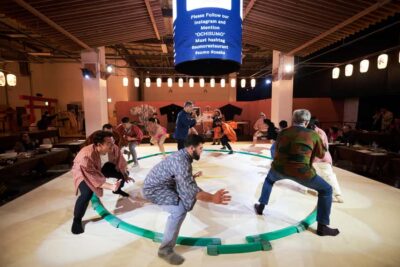
Sumo Show & Experience w/ Optional Kimono & Hot Pot
Read our review →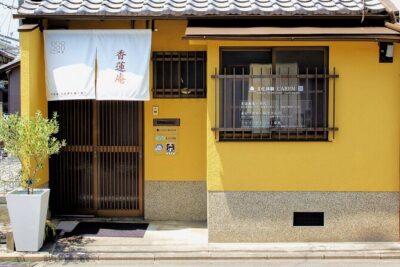
KYOTO Tea Ceremony with kimono near by Imamiya Jinjya Shrine
Read our review →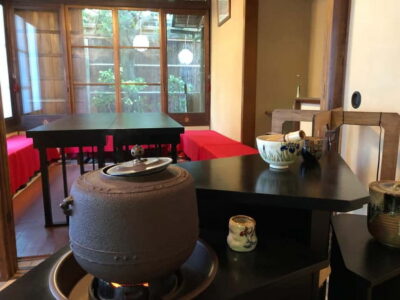
Kimono and Tea Ceremony Experience at Cultural Asset
Read our review →

Browse the lists this tour appears in