
Reviewed · TEA CEREMONIES
Kyoto: Japanese Traditional Sweets Making and Tea Ceremony
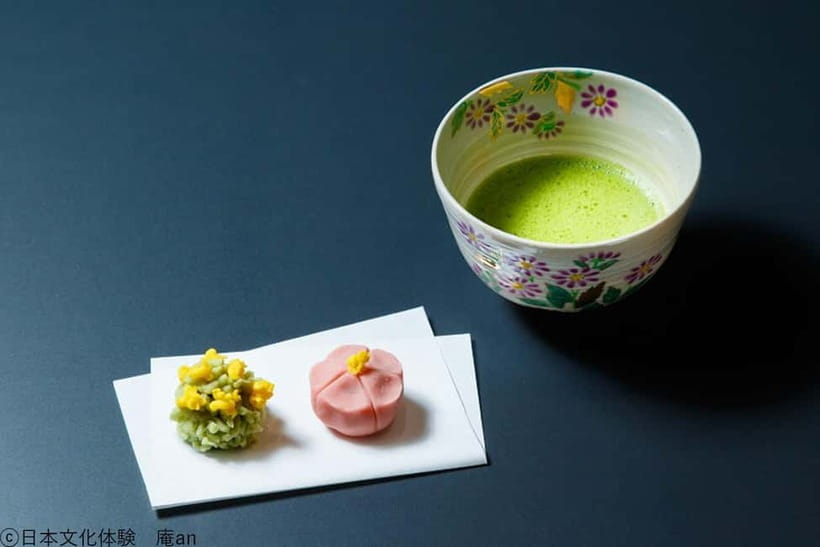
Kyoto is a city where food is art, and this class turns that idea into hands-on time. You’ll mold nerikiri sweets from colored bean paste, then sit down for a tea moment built around Uji matcha.
I like that you make two seasonal sweets, not just one quick craft. I also like that the ingredients come from long-established Kyoto shops, and the matcha is single-origin special grade.
One thing to consider: the experience relies heavily on Japanese instruction, and while English support is provided as much as possible, some details may still be easier to follow visually.
Key things to know before you go
- Two seasonal nerikiri sweets you’ll shape start to finish, matched to the time of year
- Kyoto bean paste from long-established shops for a more authentic wagashi taste
- Uji matcha tea ceremony with a hands-on, step-by-step feel
- Single-origin special matcha used both for making and tasting
- 95 minutes means it’s focused, not a half-day production
- Stairs are required even though the venue is listed as wheelchair accessible
What you are really doing in this Kyoto sweets and matcha class
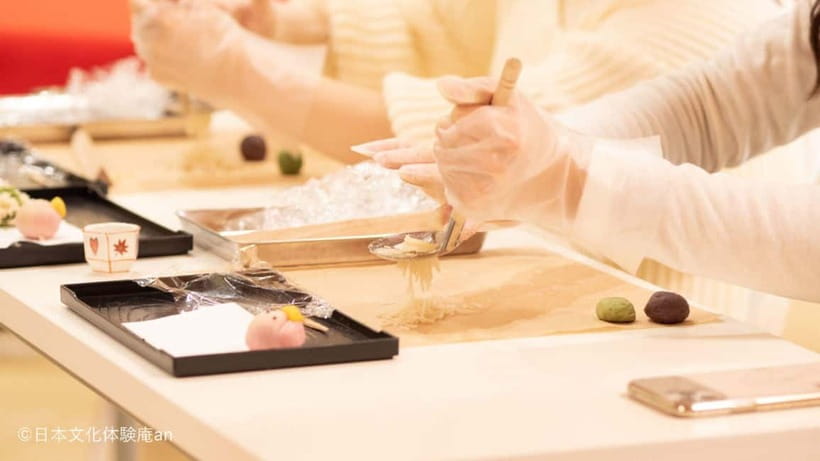
This isn’t a souvenir workshop where you watch someone else work. It’s a guided session where you actively form nerikiri, then drink the matcha you made with the sweets you created.
The fun part is the combination. Wagashi making teaches patience and detail. The matcha portion resets the pace, with you slowing down to taste what you just made possible. It’s also a good way to understand why tea and sweets feel inseparable in Japan: the sweetness is meant to work with, not overpower, the tea.
The quality angle matters too. The experience uses white/red bean paste produced by Kyoto’s long-established shops, and it includes single-origin special matcha. That means you’re not just learning technique, you’re learning what real ingredients taste like.
More Tea Ceremonies in Kyoto
- Kyoto: Tea Ceremony in a Traditional Tea House in Kiyomizu
★ 4.9 · 3,519 reviews - Kyoto: Tea Ceremony Ju-An at Jotokuji Temple
★ 4.9 · 3,207 reviews - Kyoto: 45-Minute Tea Ceremony Lesson Experience
★ 4.3 · 2,378 reviews
Entering the experience near Gojo Station, and what logistics can trip you up
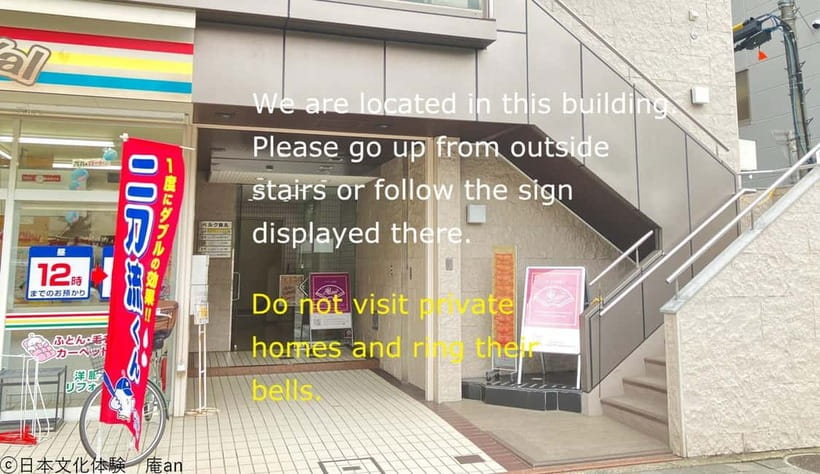
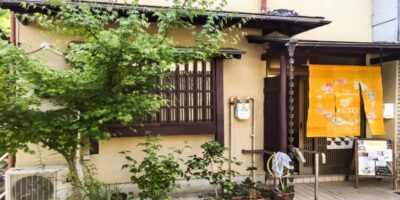
Meeting point is easy: it’s a 1-minute walk from Exit 1 of Subway Karasuma Line Gojo Station. The store entrance faces Gojo-dori (the main street). If you’re using maps, the provided coordinates will get you very close.
Timing is important. The experience runs from 10:00 to 17:00, and reservations received after 17:00 are processed the next day. Also, the provider notes they won’t hold the event for delays, so arrive with a buffer rather than trying to “beat the clock.”
Physical access is mixed. The experience is listed as wheelchair accessible, but there is no elevator, and you need to take stairs to reach each venue. If you’re bringing a wheelchair, stroller, or you have limited mobility, I’d treat this as something to confirm before you go, because stairs are explicitly part of the route.
Language is another practical point. The instructor is Japanese, and English translation is provided as much as possible. If you want additional English help, you’re asked to contact the provider. In other words, plan on learning key steps in Japanese too, and use the visuals and hand movements as your guide.
The 95 minutes: the step-by-step flow that keeps it doable
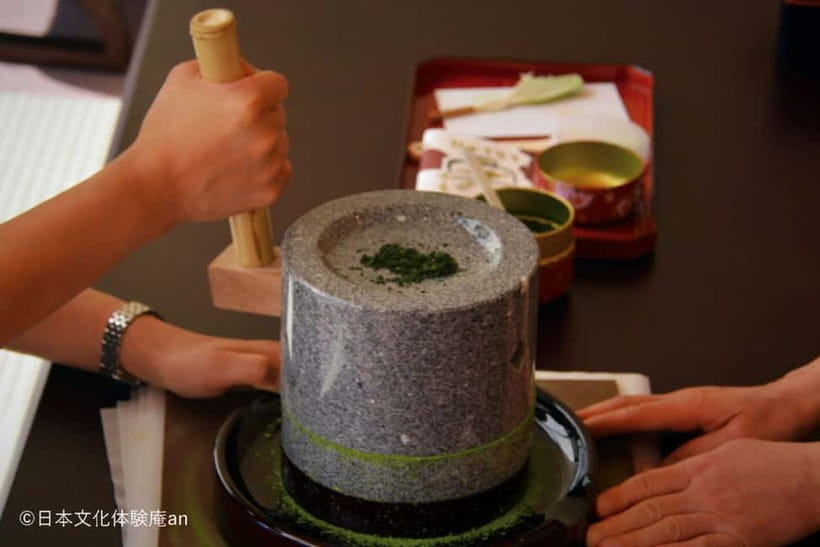
The class is built around three main phases, in this order:
1) Nerikiri sweets making
You start with coloring white bean paste, then shape and craft high-grade nerikiri.
2) Tea ceremony with Uji matcha
You prepare and follow the basics of making and drinking matcha as part of a tea ceremony experience.
3) Tasting your own sweets with your matcha
You finish by enjoying the two sweets you made alongside the matcha you prepared.
What I like about this structure is that it’s not vague. You get a clear craft task, then a clear tea task, and then a clear payoff. It also fits the reality of Kyoto: you can do this after exploring temples, or as a calmer indoor activity on a rainy afternoon.
Making Nerikiri: coloring bean paste and shaping seasonal art
Nerikiri is a type of wagashi that looks like a little sculpture. It uses colored bean paste crafted into shapes like seasonal flowers and fruits, so the sweets change with the time of year.
Here’s what you can expect during the sweets part:
- You begin by coloring white bean paste.
- Then you continue into shaping and crafting your two Japanese sweets to match the season.
- The instructions emphasize technique you can actually repeat at home, even if your first attempt is rough.
This is the heart of the experience. Nerikiri isn’t hard in the sense of needing advanced math or machinery. It’s hard in the sense that it asks for careful handling and patience, and that is exactly why it feels meaningful.
Also, the ingredient choice matters. Because the bean paste is produced by long-established Kyoto shops, the flavor has that clean, sweet depth you’re looking for in traditional wagashi. The sweets end up balancing the matcha rather than turning the pairing into a sugar overload.
One more practical note: you’re making something seasonal, so don’t expect the exact shapes to match what you’ve seen in photos online. The beauty is in that seasonal variation.
A change of pace from Kyoto:
- PERFECT KYOTO 1-Day Bus Tour
★ 5.0 · 13,518 reviews - Kyoto: Fushimi Inari, Kinkakuji, Bamboo Grove 1 Day Bus Tour
★ 4.8 · 4,316 reviews - Kyoto Geisha Walking Tour: Gion District & Hidden Gems
★ 4.7 · 3,273 reviews - Kyoto: Gion Magical Night Walking Tour with Geisha Trivia
★ 4.9 · 2,393 reviews
The Uji matcha tea ceremony: what you do and why it matters
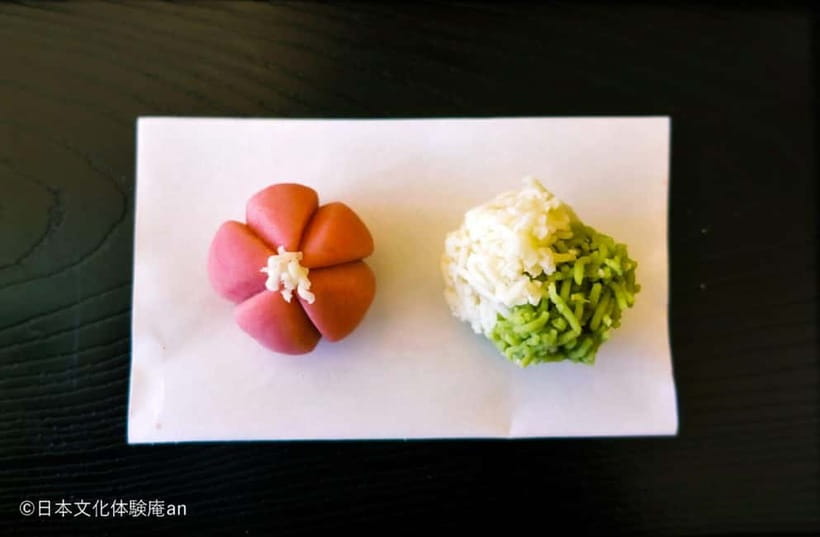
After the sweets are made, you shift to matcha. The experience uses Uji matcha, which is Kyoto’s most famous matcha region. You’ll prepare your matcha as part of the tea ceremony flow.
What makes the tea portion valuable is how it changes the way you taste.
- You learn the idea that matcha isn’t just a drink. It’s part of a ritual pacing that makes you pay attention.
- You see how the tea works with the sweets you shaped moments earlier.
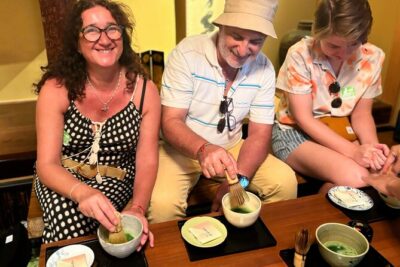
The class isn’t positioned as a silent, museum-style tea performance. It’s more of a teach-and-practice session, with etiquette explained and then put into action as you drink.
I’d also keep your expectations grounded. Some sessions can feel faster than what people imagine when they hear the word ceremony, and group dynamics can affect the mood in the room. If you’re sensitive to noise or want a truly quiet, private tea atmosphere, consider choosing a time slot when the room is likely less crowded.
Still, for most people, this is a solid way to learn the basics correctly and then enjoy what you made without guessing.
Pairing your sweets with matcha: the flavor logic
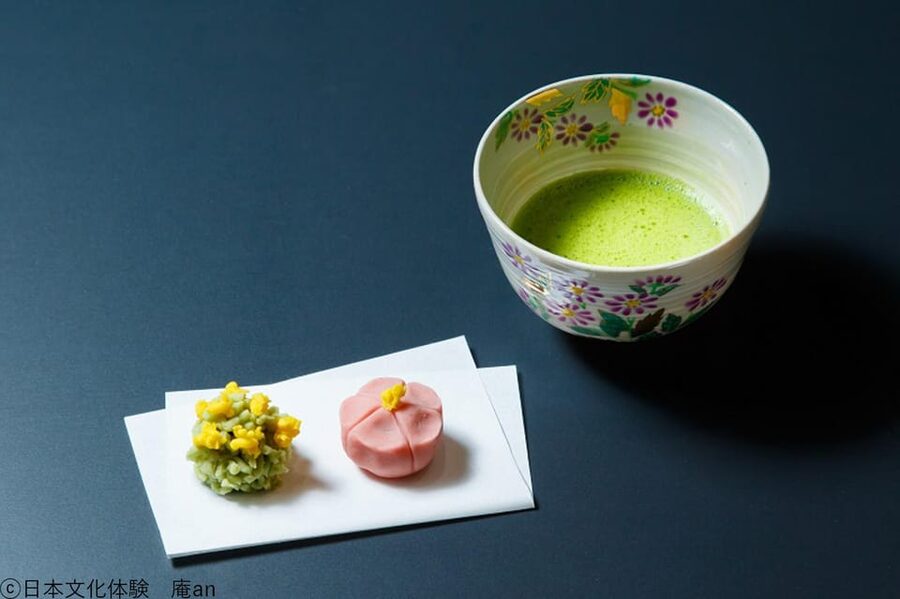
The pairing is the payoff, and it’s not accidental. The experience highlights that the high-quality white/red bean paste sweetness is designed to balance the taste of matcha.
In plain terms, matcha brings bitterness and earthy depth. Nerikiri brings sweetness and bean richness. The goal is harmony:
- If the bean paste is good, the sweet taste feels smooth, not cloying.
- If the matcha is special and properly prepared, it stays refreshing rather than heavy.
When it works, each sip changes how you perceive the next bite. That is why the class ends with you eating the sweets you prepared alongside the matcha you made. You get feedback immediately, right there at the table.
Price and value: why $18 for 95 minutes can be a fair deal in Kyoto
At $18 per person for 95 minutes, this class aims at value through a few concrete things you get:
- Instruction on a craft that takes time: two seasonal nerikiri sweets
- Materials and ingredients used during the session, including Kyoto bean paste
- Matcha preparation plus tasting as part of the experience
In Kyoto, you can spend similar money on wagashi and matcha separately. The difference is that here you get the process, not just the product. You’ll understand why certain shapes and textures matter, and you’ll have a real reference point for what “good matcha” tastes like.
Extras exist, but they’re optional. If you want a take-out box, it’s 100 JPY. If you want a completion certificate, it’s 300 JPY. I’d treat those as add-ons, not part of the value equation.
Bottom line: the price makes sense when you want hands-on learning and don’t just want to sample sweets.
Who should book this Kyoto class, and who might prefer something else
This is a great fit if you want:
- A rainy-day activity that doesn’t drain your energy
- A culture-focused workshop that’s still fun and not overly serious
- Something you can share afterward, because you’ll remember the steps and the flavors
It’s especially good if you like crafts where you can see results quickly. Two sweets in 95 minutes is a satisfying target.
You might want to think twice if:
- You need lots of fluent English detail, because instruction is Japanese and English is only provided as much as possible
- You are very picky about a quiet, slow, traditional tea mood, because group situations can affect pacing and sound levels
- You rely on elevators or step-free access, since there is no elevator and stairs are required to reach each venue
If that sounds like your situation, contact the provider before booking and ask how they handle stair access for your needs.
Practical tips so you enjoy it more
Here are the small things that help you get the most out of the class:
- Arrive early enough that you are not rushing through the check-in. The provider notes they can’t accommodate delays.
- Wear sleeves and clothing that you don’t mind getting a little busy during coloring and shaping.
- Plan to watch hands closely, even if you don’t catch every word. Much of the craft is visual.
- If you see optional add-ons during booking, use them only when they match your situation. One common tip is that extra helper options are often only needed when traveling with a child.
Most importantly, treat it as a slower moment. You’re not trying to win a craft competition. You’re learning a Japanese pairing of patience (wagashi) and attention (matcha).
Should you book this Kyoto sweets and matcha experience
I think you should book it if your Kyoto trip has room for a focused, hands-on food activity and you want something more memorable than a quick tasting stop. The two nerikiri sweets, the seasonal shapes, and the Uji matcha pairing are exactly the kind of experience that gives you both a skill and a flavor memory.
Skip it if your priority is a fully quiet, deeply ceremonial tea performance, or if you need step-free access and an elevator. In those cases, you’ll likely feel frustrated by room noise or stairs.
If you fit the first group, this is a fun, good-value way to understand Kyoto through the simplest possible lens: sweets, tea, and the craft that connects them.
FAQ
Where do I meet for the Kyoto sweets making and tea ceremony?
You meet 1 minute walk from Exit 1 of Subway Karasuma Line Gojo Station. The store entrance faces Gojo-dori (the main street).
How long is the experience?
The experience lasts 95 minutes.
What will I make during the sweets part?
You will make two Japanese sweets called nerikiri, shaped using colored white/red bean paste matching the season.
What matcha is used, and do I taste it during the class?
The tea ceremony uses Uji matcha, and you prepare it as part of the experience. You can enjoy your two sweets along with the matcha you prepared.
Is instruction available in English?
English translation is provided as much as possible. If you would like to add English support, you are asked to contact the provider.
Is the venue wheelchair accessible if there is no elevator?
The experience is listed as wheelchair accessible, but there is no elevator, and you need to take stairs to reach each venue.
Are take-out boxes and completion certificates included?
Take-out boxes are not included (100 JPY). A completion certificate is not included (300 JPY).
What is the cancellation policy, and are children under 2 free?
You can cancel up to 24 hours in advance for a full refund. Children under 2 who sit on their parent’s laps are free of charge.
Latest write-ups near Kyoto
- Kyoto: Nishiki Market Tour with a Local Foodie & Tastings★ 4.5 · 67 reviews
- Kyoto Kimono Rental mimosa |Kimono/Yukata Rental Couple Plan★ 4.8 · 67 reviews
- Kyoto: Traditional Kimono Fabric Handicrafts Workshop★ 5.0 · 67 reviews
- Kyoto Tea Ceremony and Samurai Photo Session★ 5.0 · 70 reviews
- Kyoto: Replica food making experience★ 4.8 · 70 reviews
- Kyoto: Kinkakuji, Golden Pavilion Guided Tour★ 4.7 · 71 reviews
- Private departure transfer from Kyoto city to Kansai International airport★ 5.0 · 72 reviews
- Uji: Green Tea Tour with Byodoin and Koshoji Temple Visits★ 4.8 · 72 reviews
Tea Ceremonies, compared.
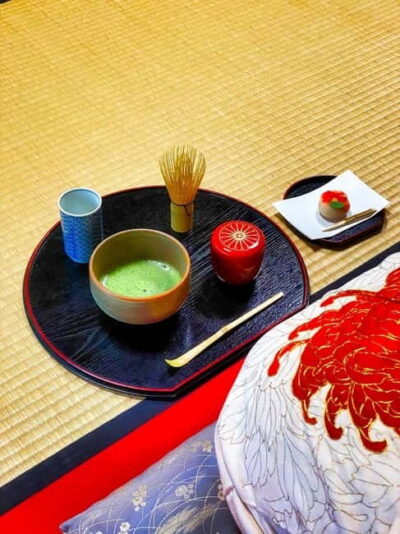
Tea Ceremony in a Traditional Tea House in Kiyomizu
Read our review →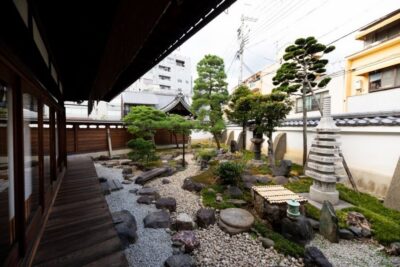
World Heritage Kyoto & Nara Uji Authentic Matcha Experience
Read our review →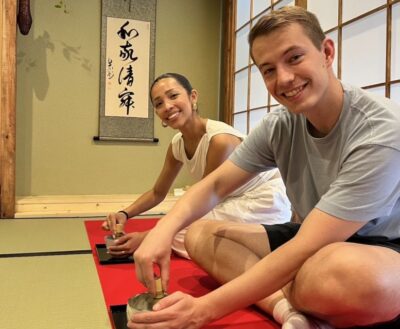
Browse the lists this tour appears in