
Reviewed · COOKING CLASSES
Kyoto: Morning Japanese Bento Cooking Class
Kyoto’s morning bento cooking class is a fun way to get inside Japanese food culture, not just look at it. You learn to make a complete bento meal in a single sitting, then eat it right away in the same session.
Two things I really like: the hands-on pace that actually gets you cooking, and the focus on practical bento tricks that make the food look tidy and intentional. One thing to consider is that the class is centered on cooking, so it is not a passive sightseeing stop.
Key Highlights I’d Prioritize
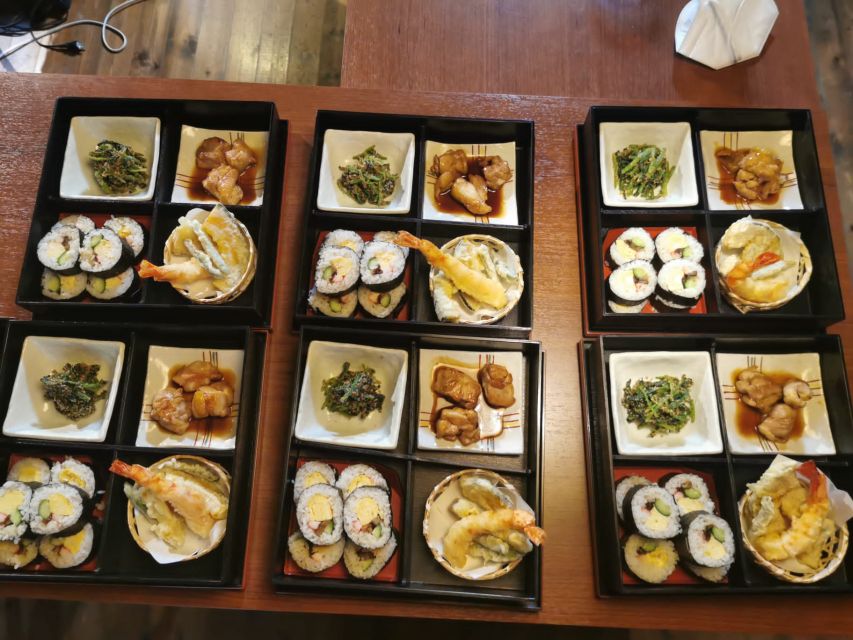
- Real bento meal building with the full arc from cooking to arranging
- English instruction so you can follow step by step without guessing
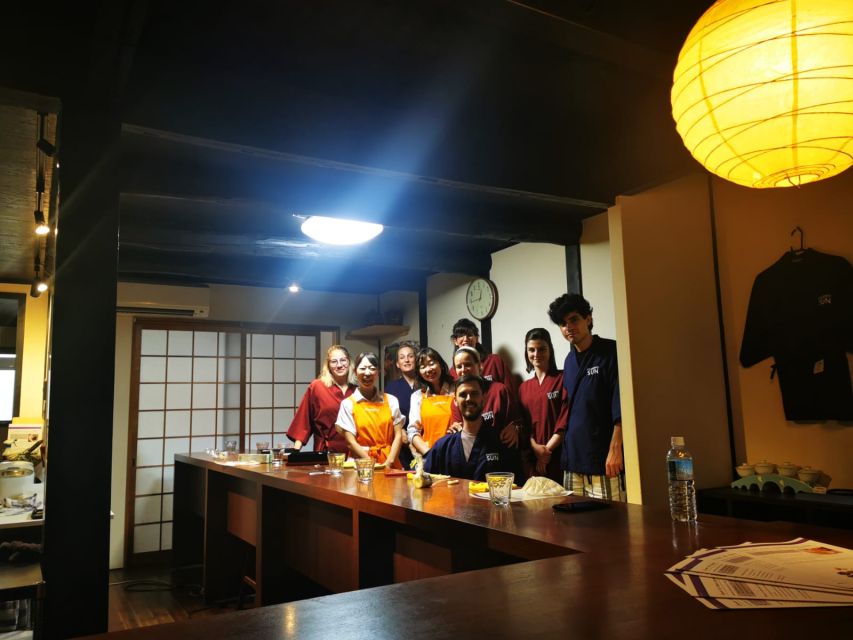
- Small-group energy with multiple instructors on hand, often for a very personal feel
- Hands-on techniques that go beyond taste, including presentation tips
- Lunch included with the dishes you make, not a separate restaurant meal
- Diet support when you book ahead, including no-shellfish and vegetarian options
Why Kyoto’s Morning Bento Class Feels Like Real Everyday Japan
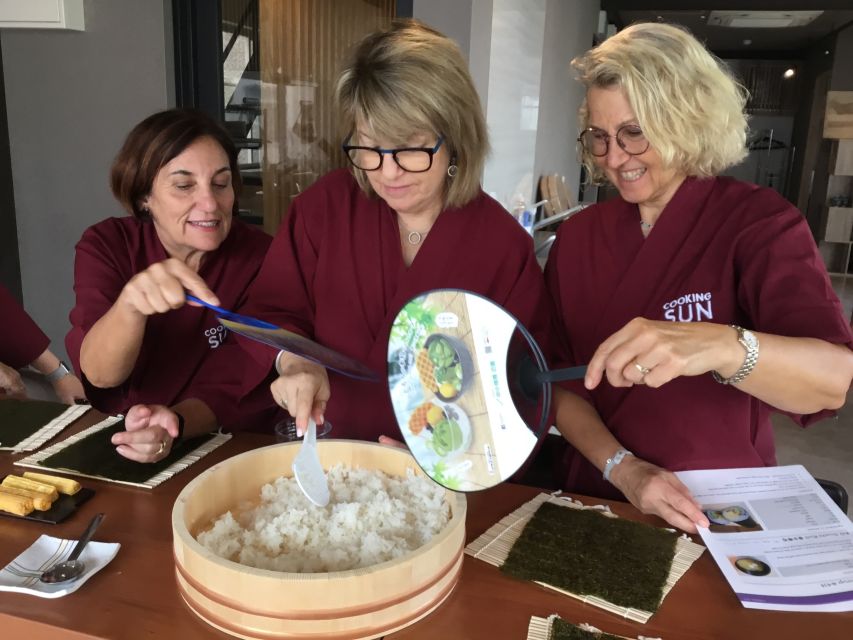
A bento is the kind of Japanese food idea that sounds simple until you try to do it well. In Kyoto, you get to treat bento like what it is in real life: a boxed meal meant to travel, to hold up, and to look good even when it is not hot anymore.
This class is interesting because it mixes technique with culture. You learn how dishes like sushi, tempura, teriyaki chicken, and miso soup fit together in a bento, and you also hear about the tradition itself, including how bento boxes have been traced back to the late Kamakura period (1185 to 1333). That context makes the meal feel less like random party food and more like a real system.
More Cooking Classes in Kyoto
- Ramen Cooking Class at Ramen Factory in Kyoto
★ 5.0 · 1,937 reviews - Kyoto: Ramen Cooking Class at a Ramen Factory with Souvenir
★ 4.9 · 532 reviews - Kyoto: Ramen, Gyoza, and Onigiri Cooking Class
★ 5.0 · 445 reviews
What You’ll Cook in 3 Hours, Sushi, Tempura, Teriyaki Chicken, Miso Soup
The headline dishes are clear, and you should show up excited to cook them: sushi, tempura, teriyaki chicken, and miso soup. You will watch the chef demonstrate, then you will follow along at your station.
In the time window, the emphasis is on getting practical, not just learning theory. Several participants mention that the class can cover more than the four headline items, with some sessions resulting in around 6 or 7 dishes. So if you like the idea of leaving with more than one dish to repeat at home, this format is a good match.
Here is how those dishes generally translate into useful skills:
- Sushi teaches you how Japanese flavors balance in a compact bite, and it trains you to think about portioning and assembly.
- Tempura is all about texture and timing, which is why it works well in a structured class where someone can guide your process.
- Teriyaki chicken shows how a sauce turns into something glossy and flavorful without getting heavy.
- Miso soup is the comfort side of the meal, and it gives your bento box warmth even when the rest of the lunch is room temperature.
Meeting at Cooking Sun, Finding the Place Without Stress
Your meeting point is Cooking Sun, Funayacho, Shimogyo Ward, Kyoto, Kyoto 600-8466. There is no hotel pickup or drop-off, so you need to plan your own route.
One practical tip from past participants: the location can be a little tricky to find if you arrive right on the dot. I suggest building in a few extra minutes to orient yourself and get settled before class starts.
When you arrive, you do not just sit and watch. You collect your ingredients, apron, and utensils. That early hands-on moment matters because it pushes you from tourist mode into cook mode fast.
From Ingredient Prep to Bento Assembly, How the Class Actually Works
The class runs about 2.5 to 3 hours. In that time, you will cycle through demonstration, cooking at your station, and then assembling your own bento lunch.
One thing that makes this class feel approachable is that ingredients are typically already prepped for you. That means it is not a knife skills class where you spend the whole session on cutting. Instead, you spend your energy on cooking technique, seasoning, and how each dish fits in the bento concept.
You will also be guided through the details that make Japanese food look right. The emphasis is on the small tricks you see in a good bento box, like tidy arrangement and getting each component to feel like part of one coherent meal. If you care about presentation, this part is genuinely satisfying.
If you’re curious who might teach your class, instructors named in past sessions include Mei, Mae, Tomoko, Yukari, Coco, and Ikari. You should expect clear English explanations, and the group setup usually includes more than one instructor, which helps when you need a quick fix.
A change of pace from Kyoto:
- PERFECT KYOTO 1-Day Bus Tour
★ 5.0 · 13,518 reviews - Kyoto: Fushimi Inari, Kinkakuji, Bamboo Grove 1 Day Bus Tour
★ 4.8 · 4,316 reviews - Kyoto: Tea Ceremony in a Traditional Tea House in Kiyomizu
★ 4.9 · 3,519 reviews - Kyoto Geisha Walking Tour: Gion District & Hidden Gems
★ 4.7 · 3,273 reviews
The Hands-On Cooking Flow, What You Do After the Chef Shows You
At the core, the rhythm is simple: chef demonstrates, then you copy the method. That sounds obvious, but it is the reason this class works for beginners. You are not dropped into a recipe and told to figure it out.
You will spend time on:
- following step-by-step cooking instructions at your station
- using a variety of ingredients so your bento does not taste one-note
- learning techniques that you can realistically repeat later
A few participants also mention the class gets you making multiple dishes within the same session, so you are not waiting around for one long single-dish project. The pacing is described as nicely balanced, especially in small groups where instructors can keep an eye on what each person is doing.
Lunch in Your Own Bento Box, What It’s Like to Eat Your Work
Once you finish cooking, you eat what you make. This is not a detour to a nearby restaurant. Your bento lunch is the payoff, and it is part of the learning because you get to judge seasoning and texture for yourself.
A bento is designed to be eaten in pieces, so you get a feel for how each dish contributes. Sushi brings bright flavor and balance, tempura brings crunch, teriyaki chicken brings savory sweetness, and miso soup adds a steady, comforting backbone.
One more reason lunch is a highlight: you are eating the results right after cooking, so everything tastes fresh relative to how it was prepared. Then you get to think, while it is still in your mind, about what you would repeat at home.
Price and Value for $67, Is It Worth It?
The price is $67 per person for about 3 hours. Is that fair? If you compare it to the cost of a good meal plus the time and instruction, it starts looking reasonable.
Here is what you actually get for your money:
- a full cooking class with ingredients included
- apron and utensils
- lunch included
- English instruction
Then there is the “repeatability” factor. Many participants leave saying they plan to cook again at home, and some even mention buying small equipment from the class setup to help recreate the dishes later. That makes the value less about the lunch itself and more about what skills you take home.
Small-group size also improves the value. Past classes have been described as intimate, including groups around 4 to 8 people. In at least one case, it was just two participants. That kind of ratio usually means you get quicker help and fewer moments standing around.
Dietary Needs, No-Shellfish and Vegetarian Options
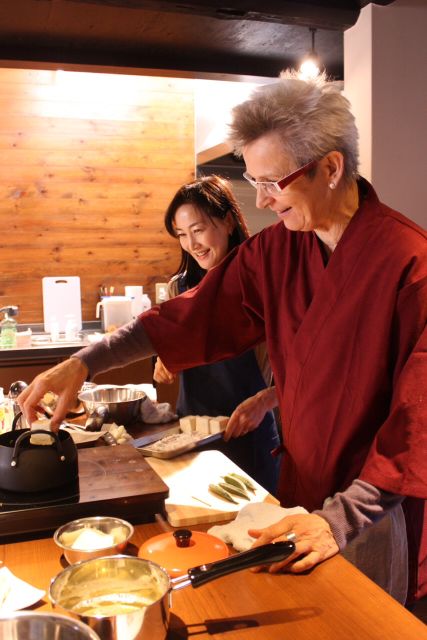
This class asks you to advise dietary requirements when booking. That matters because bento cooking is ingredient-dependent, so accommodations need planning.
Past participants report two helpful examples:
- a no-shellfish version of the meal
- vegetarian-friendly adaptations
If you have allergies or dietary limits, I would treat this as a must-communicate situation rather than a last-minute fix. Put your needs clearly in the booking notes so the kitchen can plan what you will cook and what you will avoid.
It’s Good for Families, With a Real Cooking Pace
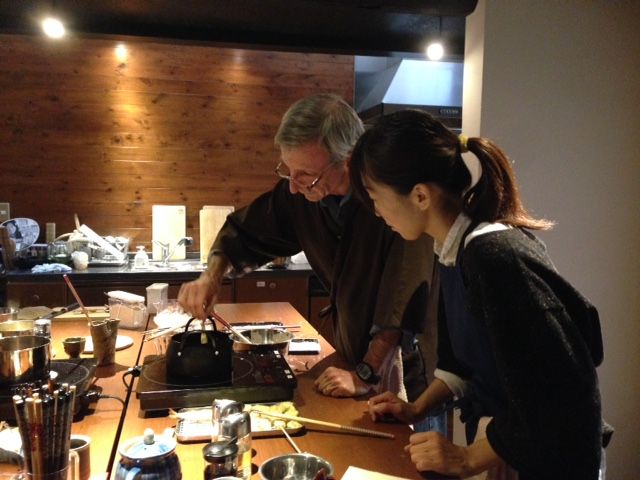
If you’re traveling with kids, this is worth considering. A family group with twin 10-year-old kids has taken the class, and the instructors were able to guide them through the process.
That does not mean it is a kids-only class. Teens and adults also described feeling supported, including patience from instructors when someone needed extra guidance. The overall feel is active, but not chaotic.
If your goal is a fun morning activity that is also culturally meaningful and structured, this fits well. You get to talk about what you are making, why it belongs in a bento, and what techniques you used.
Practical Tips to Get the Most Out of Your Morning Class
A few things to do before you go, so you feel confident once you arrive:
- Arrive early enough to find Cooking Sun calmly.
- Bring any dietary needs to the booking clearly, especially allergies.
- Go in hungry, but do not plan a big snack before the class ends, since lunch is included.
- If you want to recreate the meal later, take notes while you cook, not only after you eat.
Also, remember the class is centered on cooking. If you are the kind of traveler who likes hands-on experiences, you’ll probably love it. If you want a lot of free time to roam Kyoto, you might find this uses your morning fully, which could affect your schedule.
Who Should Book This Kyoto Bento Class, and Who Might Skip It
I’d steer you toward this class if:
- you want a practical way to learn Japanese flavors
- you like hands-on cooking rather than watching from the sidelines
- you want a meal you can recreate, not just taste once
- you’re traveling with friends or family and want a shared activity
I’d be more cautious if:
- you dislike structured tasks and prefer open-ended exploration
- you are mainly looking for sightseeing photos
- you expect a pure knife skills workshop, because ingredients are often prepped in advance
For most people, it lands in the sweet spot: structured, friendly, and outcome-focused.
Should You Book This Kyoto Morning Bento Cooking Class?
If you want one Kyoto experience that mixes culture, technique, and a satisfying meal, I think this is a strong choice. The bento concept keeps everything cohesive, and the class format helps beginners and experienced cooks alike move through multiple dishes in a few hours.
My main decision rule is simple: if you want to come home with skills you can use, book it. If you only want to sample Japanese food with minimal effort, you might prefer a tasting-focused experience instead.
Either way, plan your morning around the start time, show up ready to cook, and treat your bento lunch like the final exam you actually enjoy taking.
FAQ
How long is the Kyoto morning bento cooking class?
The class lasts about 3 hours, described as 2.5 to 3 hours.
What dishes will I learn to make?
You’ll learn how to make sushi, tempura, teriyaki chicken, and miso soup.
Is the class taught in English?
Yes, the instructor teaches in English.
Is lunch included?
Yes. Lunch is included, and you eat the bento meal you prepare.
Are ingredients and cooking tools provided?
Yes. The class includes ingredients, plus an apron and utensils.
Is hotel pickup or drop-off included?
No. Hotel pickup and drop-off are not included.
Where do I meet the class?
Meet at Cooking Sun, Funayacho, Shimogyo Ward, Kyoto, Kyoto 600-8466.
Can the class accommodate dietary requirements?
You should advise dietary requirements when booking. The class has been able to provide alternatives such as no-shellfish and vegetarian versions.
Is the experience wheelchair accessible?
Yes, it is wheelchair accessible.
How much does it cost?
The price is $67 per person.
Latest write-ups near Kyoto
- Kyoto: Nishiki Market Tour with a Local Foodie & Tastings★ 4.5 · 67 reviews
- Kyoto Kimono Rental mimosa |Kimono/Yukata Rental Couple Plan★ 4.8 · 67 reviews
- Kyoto: Traditional Kimono Fabric Handicrafts Workshop★ 5.0 · 67 reviews
- Kyoto Tea Ceremony and Samurai Photo Session★ 5.0 · 70 reviews
- Kyoto: Replica food making experience★ 4.8 · 70 reviews
- Kyoto: Kinkakuji, Golden Pavilion Guided Tour★ 4.7 · 71 reviews
- Private departure transfer from Kyoto city to Kansai International airport★ 5.0 · 72 reviews
- Uji: Green Tea Tour with Byodoin and Koshoji Temple Visits★ 4.8 · 72 reviews
Cooking Classes, compared.
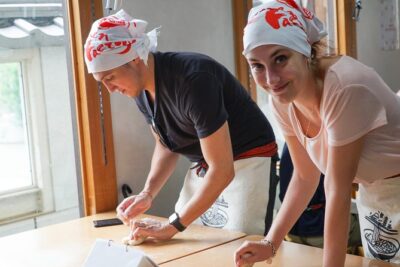
Ramen Cooking Class at Ramen Factory in Kyoto
Read our review →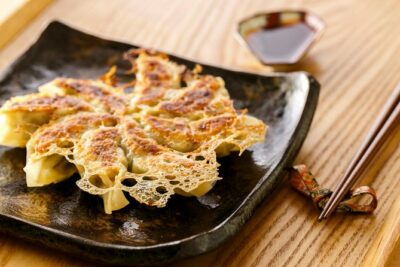
Ramen & Gyoza Cooking Class in Tokyo with Local Supermarket Visit
Read our review →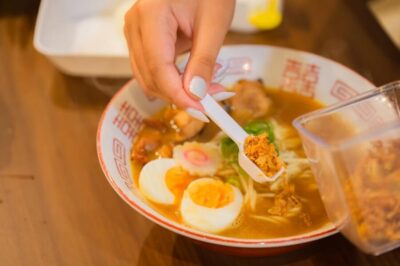
Ramen Cooking Class at a Ramen Factory with Souvenir
Read our review →
Japanese Washoku Bento Small Group Cooking Class
Read our review →

Easy Ramen Cooking Experience in Kabukicho, Shinjuku
Read our review →
Ramen and Sushi Cooking Class with Sake Pairing Set in Tokyo
Read our review →Browse the lists this tour appears in