
Reviewed · TEA CEREMONIES
Kyoto: Private Tea Ceremony at local home with tea master
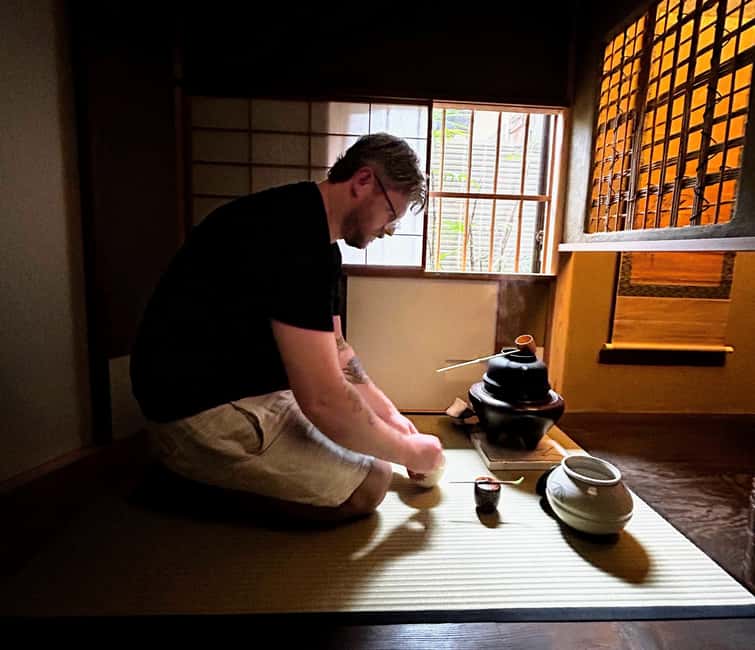
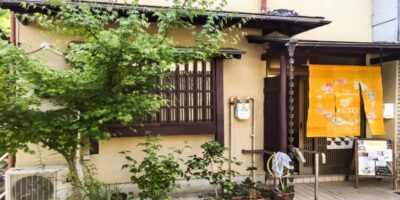
A private tea ceremony in a real Kyoto home near Nijo Castle is interesting because it trades a quick showroom demo for a slow, quiet lesson in manners and meaning. You get that lived-in feeling, not the staged “stand here and watch” vibe.
I love the certified tea master approach, with clear explanations in English and Japanese that make the whole process easier to follow. I also love the Uji matcha factor, served alongside two beautiful seasonal sweets made to pair with your cup.
One possible drawback: with a one-hour visit, the pace can feel a little tight near the end if the next session is also moving. Dress rules are strict too, so plan your outfit ahead.
Key highlights you will actually care about
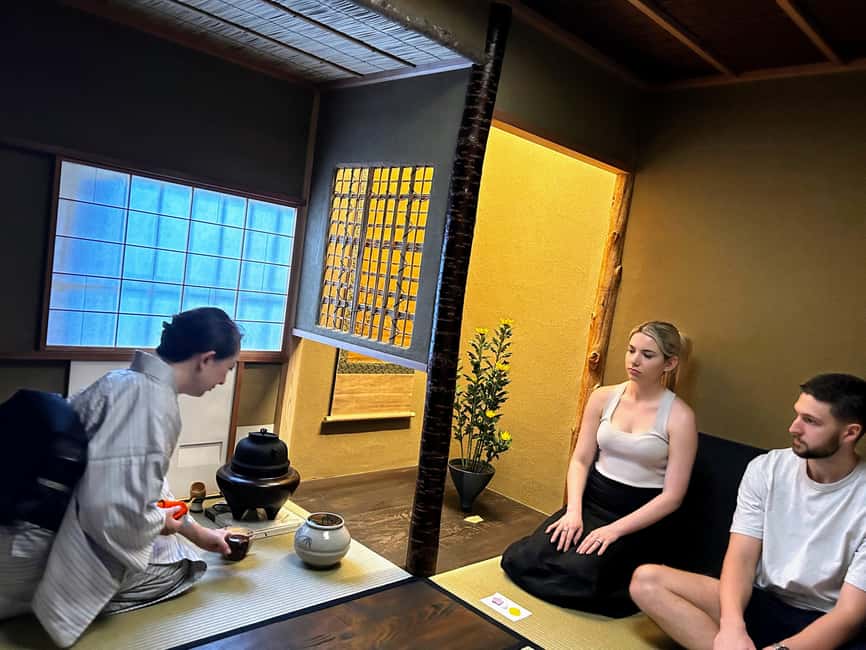
- Local home setting near Nijo Castle: you learn the ceremony in a lived-in space, not a generic studio.
- Certified tea master instruction: the teacher explains the why behind the movements and the tools.
- Uji matcha in Kyoto: you drink matcha sourced from Kyoto, with a focus on quality.
- Two seasonal sweets, served with intent: sweets are order-based and designed to balance the tea.
- Dietary and personal needs supported: the host can accommodate LGBTQ, Halal, vegan, and allergies.
- Clear rules for comfort and respect: long pants, socks, no perfume, and no shoes indoors.
A Kyoto tea ceremony that feels like manners, not performance
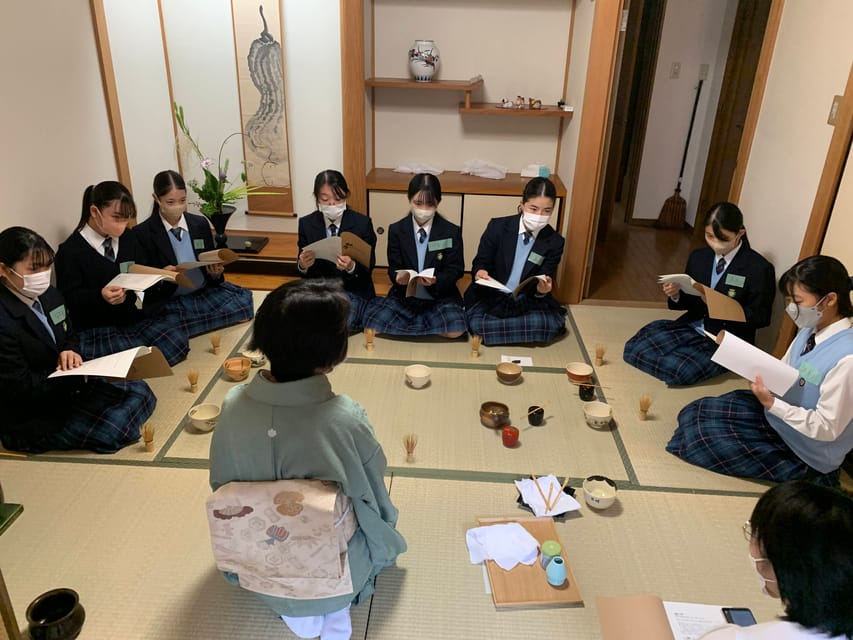
Kyoto can be loud, even when you are trying to be peaceful. This tea ceremony is built for quiet: respect, restraint, and a gentle focus on one bowl of matcha at a time. And doing it in a local home near Nijo Castle makes the lesson feel more like culture you can picture in daily life, not just an activity.
I like that the instruction is structured for beginners. You are not expected to already know what chawan, chasen, and chashaku are. You get the history and the practical meanings first, then you get to practice, then you get time for Q and A.
If you want a temple sprint or a photo-heavy experience, this is not it. It is short, rules-based, and sensory. That is exactly the point.
More Tea Ceremonies in Kyoto
- Kyoto: Tea Ceremony in a Traditional Tea House in Kiyomizu
★ 4.9 · 3,519 reviews - Kyoto: Tea Ceremony Ju-An at Jotokuji Temple
★ 4.9 · 3,207 reviews - Kyoto: 45-Minute Tea Ceremony Lesson Experience
★ 4.3 · 2,378 reviews
Arriving near Nijo Castle, and the dress code that shapes the vibe
Your start point is Sakura 日本文化体験, and it is close to major transport. It is about 3 minutes from Nijo Castle and the Kyoto subway station Nijojomae on foot, and also about 3 minutes from Kyoto city bus Nijojomae. If you are coming from JR Kyoto Station, plan on about 10 minutes by taxi.
The ceremony itself happens indoors, in a tea room where shoes are not allowed. You will need socks, and the rules specifically say you should not go without them. If you forget socks, the experience includes socks available for purchase.
What to wear matters more than most people expect. You are asked for comfortable clothes and long pants or a long skirt, plus no shorts, no short skirts, no sleeveless tops, no hats, and no jewelry. You also need to come without perfume or strong fragrances. Even if you think your scent is light, follow the rule. Tea rooms are about controlling distractions.
Also, no video recording and no audio recording. You can still take photos where allowed, but the key thing is that the ceremony asks for attention, not filming.
How the 1-hour flow actually works from start to finish
This is a private group experience that lasts about 1 hour. The visit starts with a short orientation and then moves into the ceremony sequence with teaching throughout. There is also a reflection and Q and A portion.
Here is the arc you should expect:
First, you receive an introduction to the Japanese tea ceremony from the tea master. The teacher is a certified instructor who was born and currently lives in Kyoto, so the explanations feel grounded in real place and tradition, not just textbook terms.
Next comes the lesson in utensils and etiquette. Even if you have never held a tea bowl before, you will learn what each tool is and why it matters. Then you get a demonstration to see the movements with seasonal hospitality in mind, not just technique.
Then you shift from watching to doing. You will prepare matcha yourself, step-by-step. That practical moment is usually the memory that sticks, because you finally understand what the earlier teaching was training you to notice.
Finally, you have time for questions and reflection. This is where you can ask what you should remember for next time, or how the ceremony connects to Japanese culture beyond the tea room.
What you learn before the first sip: history, utensils, etiquette
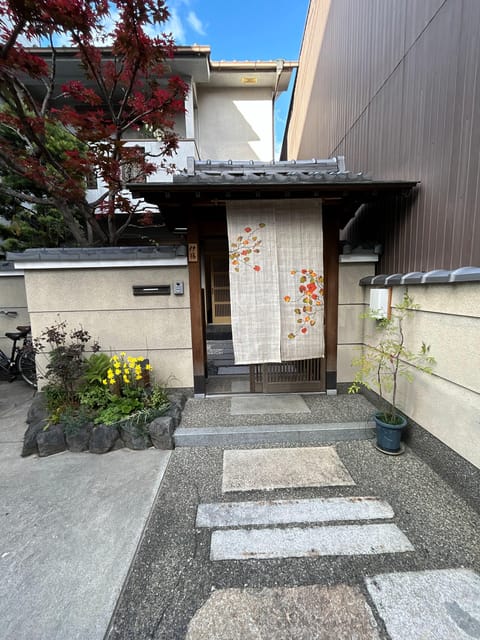
The ceremony lesson is beginner-friendly on purpose. The goal is not to overload you with vocabulary. It is to give you a simple mental map so you can follow the gestures without feeling lost.
You learn about four big categories:
Tea ceremony basics and background
You get an overview of how the practice developed and how it is passed down, including the core ideas tied to Japanese culture. This matters because it explains why the steps are slow and why the rules are so specific.
Utensils and what they represent
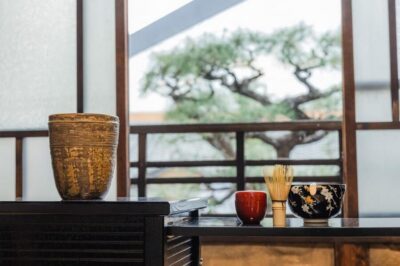
You learn how to use and care for the main tools:
- the tea bowl (chawan)
- the tea whisk (chasen)
- the tea scoop (chashaku)
Even if you will not own these items after the class, you will understand why they are handled carefully. That changes how you look at the ceremony once you have seen it.
Etiquette for handling and enjoying tea
You will learn how to hold the bowl and how to appreciate the tea with the right mindset. Think of it as training your attention. The etiquette is not about being strict for its own sake, it is about respect for the moment and for the host.
A demonstration to connect the dots
The tea master will show you the movements gracefully. This is your chance to watch how the season and hospitality show up in the way the ritual unfolds.
If you are sensitive to cultural “rules,” this is still the right kind of rules. They are explained so you understand them, and you will not just be told what to do.
A change of pace from Kyoto:
- PERFECT KYOTO 1-Day Bus Tour
★ 5.0 · 13,518 reviews - Kyoto: Fushimi Inari, Kinkakuji, Bamboo Grove 1 Day Bus Tour
★ 4.8 · 4,316 reviews - Kyoto Geisha Walking Tour: Gion District & Hidden Gems
★ 4.7 · 3,273 reviews - Kyoto: Gion Magical Night Walking Tour with Geisha Trivia
★ 4.9 · 2,393 reviews
Hands-on matcha: when the ceremony becomes yours
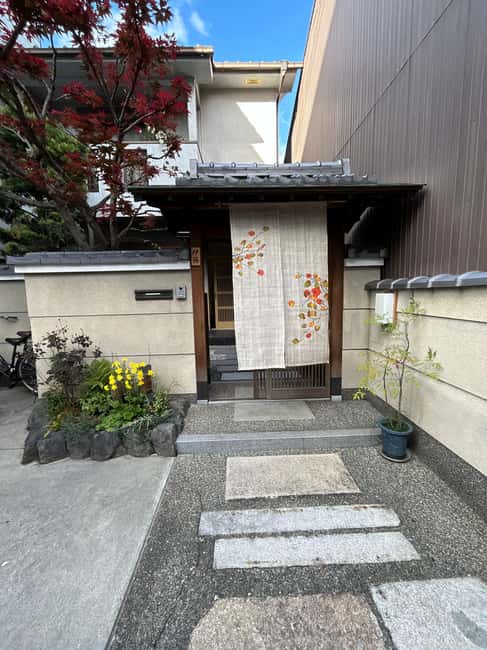
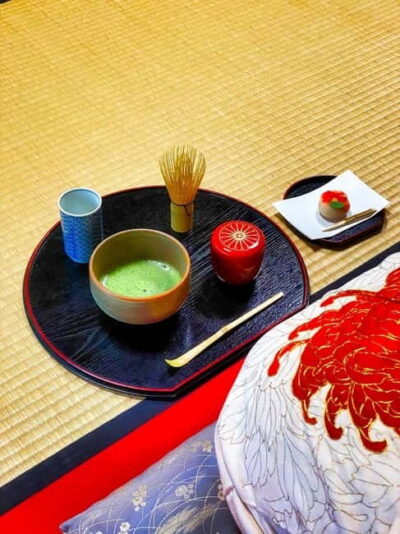
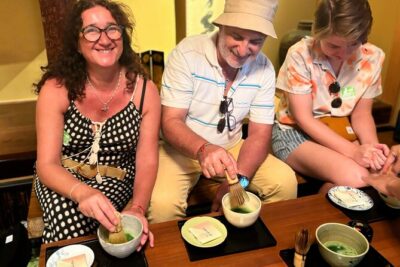
The headline experience is matcha preparation. You will be served matcha, and you also get the chance to make it yourself during the session. You can think of it as three parts: preparation, whisking, and serving with proper respect.
Because you prepare it, you also learn what to feel for. You start to notice how the whisking changes the texture, and how careful pouring is part of the method, not just a show. That is where the ceremony becomes personal.
The matcha itself is a major quality point in this experience. You enjoy high-quality matcha made in Uji, and it is part of the overall pairing with seasonal sweets. Uji is one of the best-known regions for tea in Japan, so when a tour calls that out, it usually means you can taste a difference.
The ceremony also teaches you what to do with the bowl. For example, how to treat the chawan in a way that signals respect. These are small actions, but they make the experience feel intentional, calm, and surprisingly grounding.
Seasonal sweets, order-based pairings, and dietary accommodations
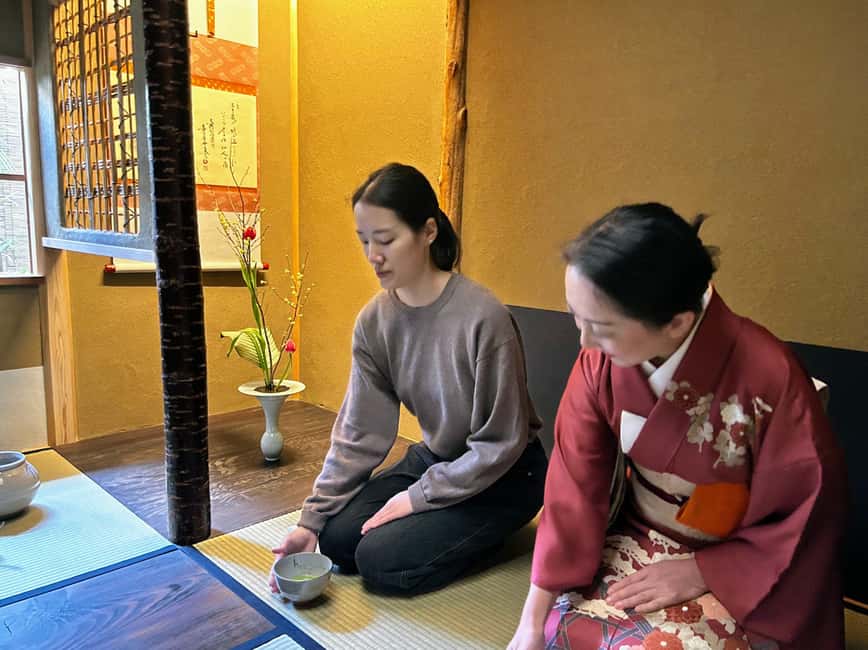
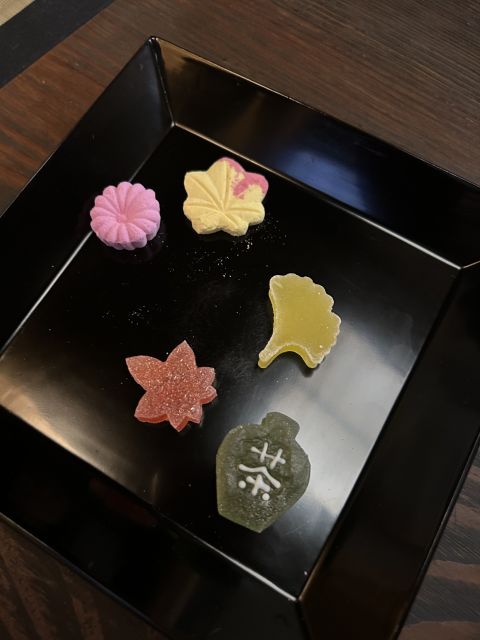
A tea ceremony is not just about matcha. You also get sweets designed to balance the taste of the tea. In this experience, you receive two kinds of Japanese traditional dried sweets that are served as part of the ceremony.
They are also described as order-based and seasonal. That means the sweets are chosen with your session in mind, rather than being a one-size-fits-all snack plate.
What really makes this valuable for real people is the way dietary needs are handled. The experience states they accommodate:
- LGBTQ
- Halal
- Vegan
- various allergies
So if you eat vegan or need to avoid certain ingredients, you should be able to participate without feeling like you are stuck watching others. The best move is to communicate your needs clearly when you book, especially for allergies.
A note on expectations: sweets here are traditional and dried, not a big dessert buffet. That is fine. In a tea ceremony, you are tasting small amounts meant to harmonize with matcha, not trying to “solve” your sugar craving.
The host factor, and why Aya-san’s style lands well
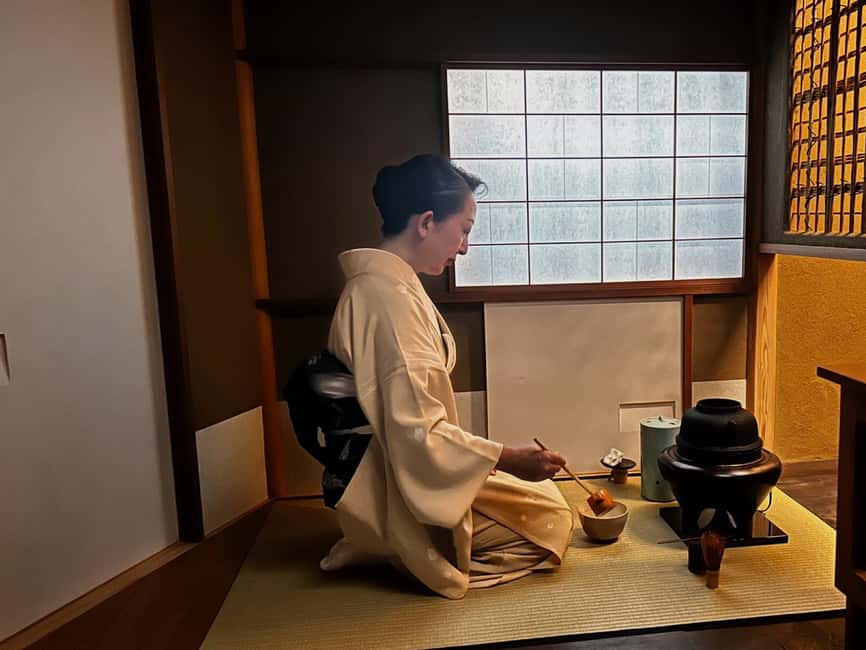
The vibe in the tea room is often what people remember. In this case, the teaching style seems to be a big reason it scores so high. One mention that stands out is Aya-san, described as welcoming and warm while still keeping the ceremony precise.
That combination is rare. Some instructors either go too fast, or they explain only in a way that makes everything feel technical. Here, the tone appears to be gentle and clear, with explanations that help you understand the why behind the steps.
I also like that the experience is flexible for different comfort levels. It is designed for beginners, so you should not feel judged if you are new to the tools, the etiquette, and the rhythm.
Price and value: is $101 for one hour worth it?
At $101 per person for one hour, this is not the cheapest thing you can do in Kyoto. But it is also not “just tea and a cookie,” either.
Here is what is included:
- 2 cups of matcha
- 2 types of Japanese traditional dried sweets
- instruction from a certified tea master, plus a certification from the tea master
A private tea ceremony has added value because it gives you more direct attention than group classes. You can ask questions during the Q and A without feeling rushed by the pace of a larger crowd.
You are also paying for experience quality that you cannot fake. The ceremony is built around controlled details: how utensils are handled, how etiquette is taught, how the teacher explains the meanings behind each step. In a classroom setting, you might pick up facts. Here, you are set up to practice and understand, which is what makes the hour feel worth it.
Still, be honest about your priorities. If you want more time to roam a neighborhood, this short format might feel too tight. If you want a focused cultural lesson you can actually repeat mentally later, the one-hour length can feel perfect.
Who should book this Kyoto tea ceremony, and who might skip it
This fits you well if:
- you want a calm, structured cultural experience without chaos
- you like learning with your hands, not just watching
- you care about tea quality and want matcha made in Uji
- you have dietary needs like halal, vegan, or allergies and want an experience that can accommodate them
- you want a private setting with teaching in English or Japanese
You might think twice if:
- strict dress rules and fragrance rules are hard for you
- you need lots of time for photos or recording (those are restricted)
- you are traveling with children under 13, since it is not suitable for them
- you are sensitive to the possibility of time feeling a bit rushed near the end, especially on a busy schedule
Should you book this private tea ceremony in Kyoto?
Book it if you want a real Kyoto experience that focuses on behavior, attention, and tea craft. The certified tea master instruction, the Uji matcha, and the calm tea-room etiquette lesson are the core value, and they line up well with what makes people rate it highly.
Skip it if you are shopping for a long activity with lots of sightseeing time. This is one hour of careful ritual, not a half-day excursion.
If you do book, plan your outfit early, skip perfume entirely, and show up with the mindset of learning one ritual well. That is when you get the most out of the experience.
FAQ
Where is the meeting point for the tea ceremony?
The meeting point is Sakura 日本文化体験, located about 3 minutes from Nijo Castle and Kyoto subway station Nijojomae on foot, and about 3 minutes from Kyoto city bus Nijojomae on foot.
How long is the Kyoto private tea ceremony?
The experience lasts 1 hour.
How much does it cost, and what is included in the price?
It costs $101 per person. It includes 2 cups of matcha, 2 kinds of Japanese traditional dried sweets, and certification from a tea master.
Who teaches the ceremony, and what languages are offered?
The instructor is a tea master and the languages are English and Japanese.
Is this experience private, or a group class?
It is a private group experience.
What should I wear or bring?
Wear comfortable clothes and bring long pants or a long skirt, plus socks. Shorts and short skirts are not allowed.
Are shoes allowed inside the tea room?
No. Shoes are not allowed indoors.
Can I record video or audio during the ceremony?
No video recording and no audio recording are allowed.
Do they accommodate dietary needs and personal needs?
Yes. They state they accommodate LGBTQ, Halal, Vegan, and various allergies.
Is there a cancellation policy?
Yes. Free cancellation is available up to 24 hours in advance for a full refund. The booking also offers reserve now and pay later, meaning you pay nothing today.
Latest write-ups near Kyoto
- Kyoto: Nishiki Market Tour with a Local Foodie & Tastings★ 4.5 · 67 reviews
- Kyoto Kimono Rental mimosa |Kimono/Yukata Rental Couple Plan★ 4.8 · 67 reviews
- Kyoto: Traditional Kimono Fabric Handicrafts Workshop★ 5.0 · 67 reviews
- Kyoto Tea Ceremony and Samurai Photo Session★ 5.0 · 70 reviews
- Kyoto: Replica food making experience★ 4.8 · 70 reviews
- Kyoto: Kinkakuji, Golden Pavilion Guided Tour★ 4.7 · 71 reviews
- Private departure transfer from Kyoto city to Kansai International airport★ 5.0 · 72 reviews
- Uji: Green Tea Tour with Byodoin and Koshoji Temple Visits★ 4.8 · 72 reviews
Tea Ceremonies, compared.
Tea Ceremony in a Traditional Tea House in Kiyomizu
Read our review →
World Heritage Kyoto & Nara Uji Authentic Matcha Experience
Read our review →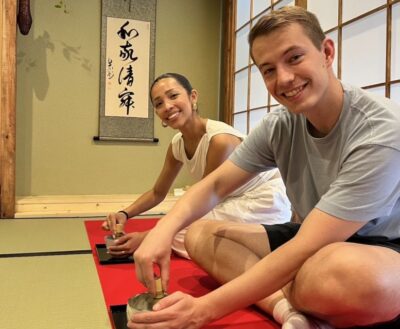
Browse the lists this tour appears in