
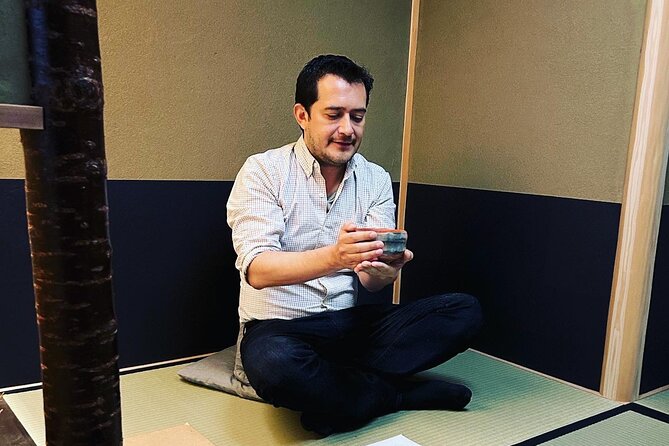
Reviewed · TEA CEREMONIES
Kyoto Private Tea Ceremony with Tea Master at Home
Kyoto tea ceremonies are usually performed like a show for a crowd, but this one is built for quiet, real-life tradition in a local home near Nijo Castle. I love the hands-on matcha lesson with a bamboo whisk, and I love that you snack on three wagashi options that are gluten-free and vegan. The only drawback is that the house rules are serious, so if you hate sock rules, perfume rules, and dress rules, you’ll feel the friction.
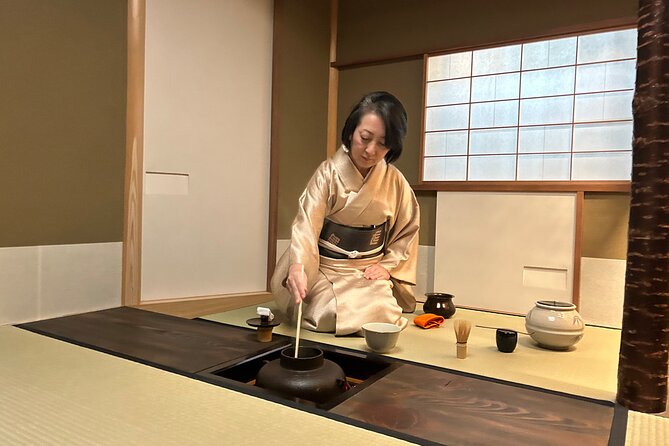
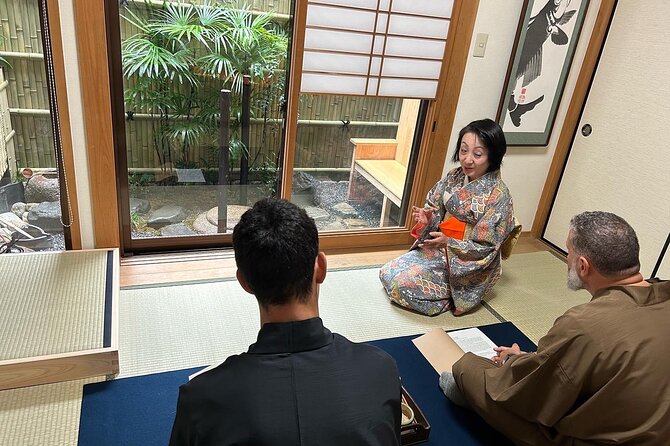
You’ll be guided by Aya-sensei (Aya Ito), a licensed tea master, and the session takes place in traditional tea rooms named Koma and Hiroma. It’s private, meaning just your group, which makes questions easy. The time window is short at about an hour, so go in expecting calm focus, not a long wandering cultural tour.
Key things I’d zero in on
- Licensed guidance from Aya-sensei in a real home tea room setup
- Hands-on matcha prep, including using a bamboo whisk and tasting it right away
- Three types of wagashi that are gluten-free and vegan
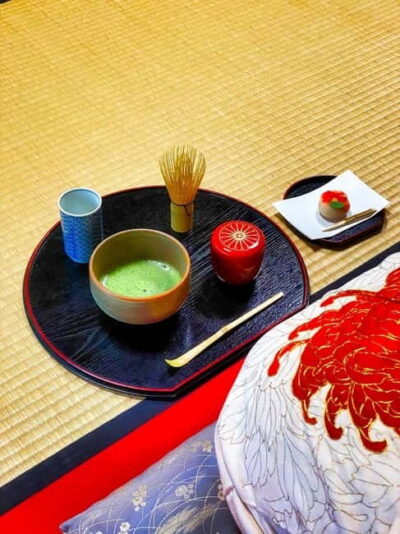
- Original Uji matcha served in two bowls made for your group’s tasting
- Tatami-friendly rules like socks and a fragrance-free space
- A take-home tea ceremony booklet so the ritual sticks after you leave
Entering a Kyoto Home Tea Room Near Nijo Castle
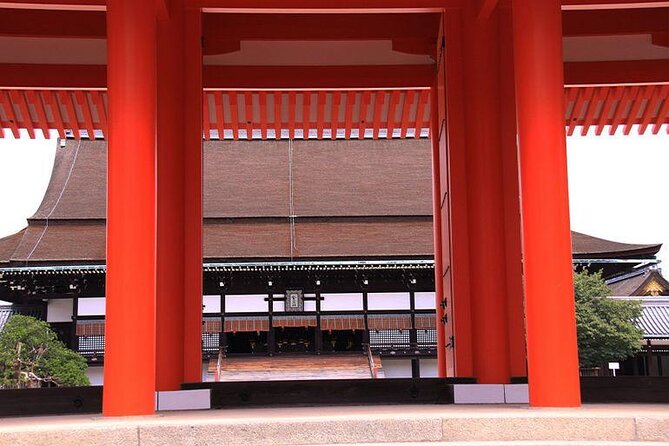
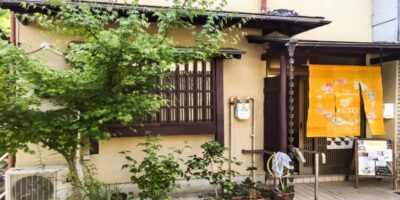
This is Kyoto tea ceremony culture without the crowd noise. The experience happens at Sakura Experience Japanese Culture Nijo Home, at Izumichō 660 in Nakagyo Ward, which is close enough to Nijō Castle that you can often pair it with a morning or early afternoon plan. You meet at the home, step inside, and the atmosphere quickly shifts from streets to stillness.
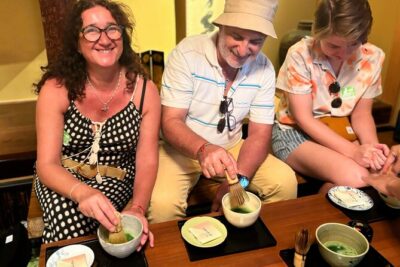
The big difference here is privacy. This is a private tour/activity, so you won’t be squeezed into the “watch and clap” rhythm that many group experiences fall into. Instead, you get time to understand what is happening and why, and you can ask questions without worrying about holding up other people.
More Tea Ceremonies in Kyoto
- Kyoto: Tea Ceremony in a Traditional Tea House in Kiyomizu
★ 4.9 · 3,519 reviews - Kyoto: Tea Ceremony Ju-An at Jotokuji Temple
★ 4.9 · 3,207 reviews - Kyoto: 45-Minute Tea Ceremony Lesson Experience
★ 4.3 · 2,378 reviews
What You’ll Learn (Beyond Just Making Tea)
Tea ceremony in Kyoto is not only about drinking matcha. It is a full set of etiquette and attention, where the small actions add up to something you can feel. In this session, the focus is both practical and respectful: you’ll learn the proper flow of the ceremony, how to handle and prepare, and how to serve and receive the tea with the right mindset.
Aya-sensei’s teaching style comes through in the way the session is structured. The ritual is explained, then you do parts of it yourself. That matters because you don’t just memorize steps, you feel the tempo of the movements and the reasons behind them.
You also get a souvenir guide: a concise booklet on the spirit and etiquette of the tea ceremony. It is the kind of thing you’ll be glad you brought home, because it helps you remember what each moment was for once the novelty fades.
The Three Wagashi Snack Course (Gluten-Free and Vegan)
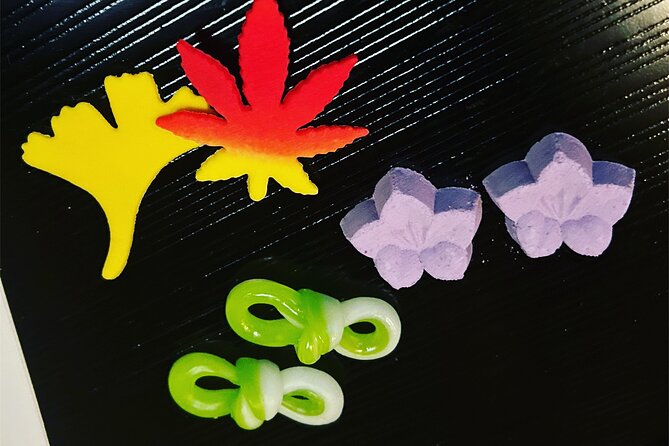
Before the matcha moment, you’ll have a snack break with three types of Japanese sweets. These are prepared by a long-established Kyoto confectioner, and the sweets are gluten-free and vegan, which makes the experience easier for many dietary needs.
Wagashi are not random candies. They are usually designed around seasons and visual balance, and they help you shift gears from your day into the tea room mood. In a good tea ceremony, the sweets teach you how to slow down: how you take a bite, how you taste, and how you notice flavors without rushing.
If you’re used to traveling with food worries, this part is a relief. It means you can focus on the ceremony instead of wondering what’s safe to eat.
Matcha Preparation With a Bamboo Whisk, Then Two Bowls of Tasting
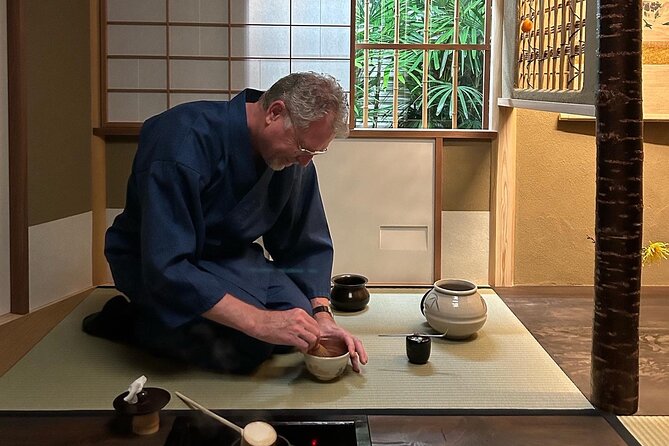
This is the hands-on payoff. You’ll prepare matcha the traditional way using a bamboo whisk (chasen) and learn how to blend it properly before tasting. The tea comes from original blended matcha sourced from Uji, the region famous for matcha tea gardens.
One of the practical details that makes this feel complete is that you’ll have two bowls of matcha prepared for your group. You’re not just doing a quick demo and calling it done. You get the chance to taste and learn what changing technique or attention feels like in the cup.
The matcha you drink is part of the ritual, not a stand-alone beverage. Aya-sensei’s guidance is meant to help you understand how the tea room rules, the serving order, and even your posture all connect to the experience.
A change of pace from Kyoto:
- PERFECT KYOTO 1-Day Bus Tour
★ 5.0 · 13,518 reviews - Kyoto: Fushimi Inari, Kinkakuji, Bamboo Grove 1 Day Bus Tour
★ 4.8 · 4,316 reviews - Kyoto Geisha Walking Tour: Gion District & Hidden Gems
★ 4.7 · 3,273 reviews - Kyoto: Gion Magical Night Walking Tour with Geisha Trivia
★ 4.9 · 2,393 reviews
Tea Rooms Koma and Hiroma: Tatami Etiquette, Socks, and Quiet Focus
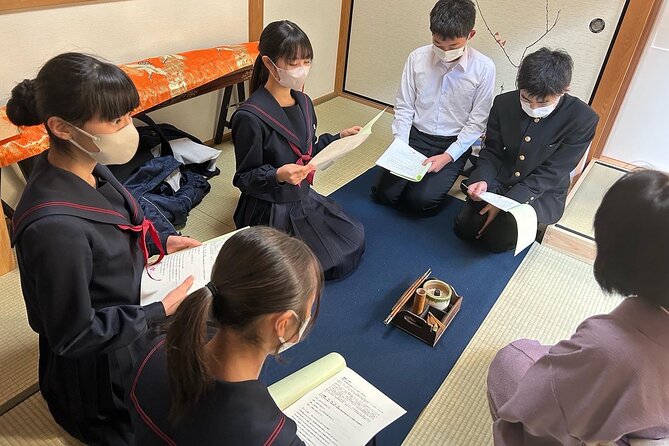
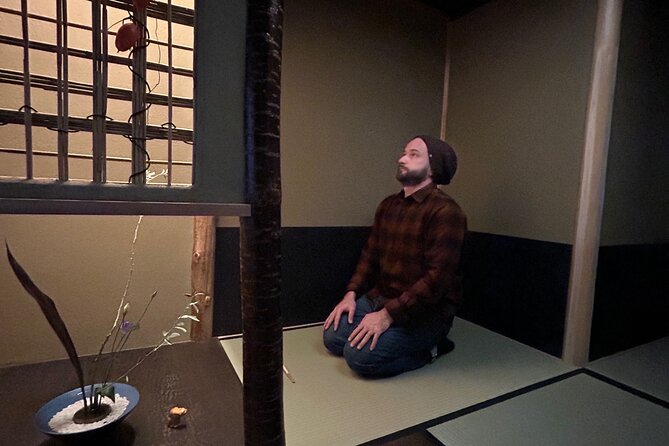
The setting matters here. You’ll be in a traditional tea room environment with tatami mats, which is why hygiene and foot rules show up immediately. You need to wear socks, not bare feet, to protect the mats and keep things clean. If you forget, socks are available for purchase on site.
For clothing, plan for long pants or a long skirt, plus a top with sleeves. Sleeveless tops, shorts, and mini skirts are not permitted. It’s not about fashion, it’s about making the tea room comfortable and respectful for everyone.
Also, perfume and fragrance are a no-go. You should refrain from wearing perfume, including musk-based scents. If you show up wearing fragrance, you might be asked to remove it before entering. This is one of those rules that feels strict until you’re inside, then you realize why the room needs a neutral smell to keep the tea moment clear.
If you need seating, small chairs are available. Just tell the team in advance.
The Tea Bowl Details That Make It Feel Like Real Craft
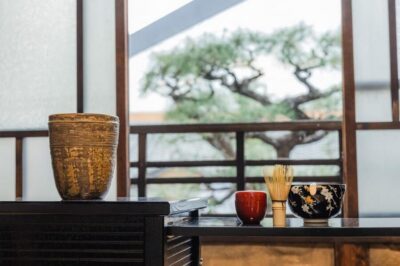
Tea ceremony can feel overly precious if you treat it like a museum exhibit. Here, it feels crafted for actual use. The experience includes tea bowls that are custom-made and commissioned from Kiyomizu and Raku potters. That’s a big deal because Kiyomizu ceramics and Raku ware each carry their own character and traditions, and the bowls influence how the tea ceremony feels.
Even if you’re not a ceramics person, you’ll notice the difference when the bowl is part of how the tea is served. The shape, finish, and the way it sits in the hand support the ritual. This is also why a tea ceremony is worth doing in a small setting. You can actually see and handle what you’re learning.
Getting There and Timing: The 1-Hour Window Is Real
Plan your day like you mean it. The session is about 1 hour, so treat it as a focused slot, not something you fit between two trains at the last second.
Punctuality is important. You should arrive on time, and if you arrive more than 15 minutes after the start, you won’t be able to participate. There’s no refund in that situation, so build in buffer time and aim to arrive early.
If you’re coming straight from Nijō Castle or another neighborhood stop, give yourself extra walking margin. Kyoto can be slower than you think when streets narrow and you’re looking for a discreet house entrance.
Price and Value: Is $99.08 Worth It?
At $99.08 per person for an hour, this is not a cheap “tea tasting” add-on. But it is priced more like a private lesson, and the value comes from what you’re actually receiving.
Here’s what pushes the price into the reasonable range:
- Private format in a real home setting, not a crowded demo
- Licensed instruction from Aya-sensei
- Hands-on matcha prep with proper ritual guidance
- Two bowls of matcha prepared from original Uji blended matcha
- Three crafted wagashi that are gluten-free and vegan
- A take-home booklet to remember the etiquette and spirit
If you compare this to the cost of a basic matcha tasting plus a separate ticketed cultural activity, the math gets closer because you’re getting many parts in one sitting. The biggest value boost is privacy, especially if you want real questions answered and not just a quick overview.
Who This Tea Ceremony Fits Best
This experience is best suited for people who enjoy quiet settings, traditional etiquette, and cultural depth. In plain terms, you’ll get more out of it if you like manners, patience, and noticing details.
It’s a great match for:
- Couples and solo travelers who want something calm
- People who like structured cultural learning with hands-on practice
- Travelers with dietary needs, since the wagashi are gluten-free and vegan
- Anyone visiting early in the day who wants a meaningful, grounding activity
It may not be the best fit if:
- You want a high-energy show or lots of sightseeing during the session
- You’re not comfortable following rules about socks, fragrance, and clothing
- You’re traveling with children under 13, since children aged 13 and under cannot join
Practical Tips So You Don’t Fight the Rules
A few small choices make a big difference here.
Arrive ready for socks and tatami. Wear socks you’re comfortable in. If you forget, buy on site, but don’t count on it if you hate extra stops.
Dress for sleeves and coverage. Long pants or a long skirt is the easiest path. Keep it simple, and you won’t spend the tea room trying to adjust clothes.
Skip fragrance. Even subtle scents can matter. If you’re sensitive to this rule, plan deodorant and laundry routines that won’t leave a strong smell.
Go in with questions. Aya-sensei’s guidance encourages interaction. If you’re curious about why certain steps matter, ask.
One more real-world travel help: Aya and her team tend to communicate clearly before arrival, and in at least some cases they help with photos during the experience. That’s useful if you want memories without trying to photograph while holding a bowl and keeping the mood right.
Should You Book This Kyoto Private Tea Ceremony at Home?
Book it if you want a private, respectful Kyoto tea lesson with real craft, not a rushed tasting stop. The hands-on matcha prep, the three wagashi options that fit many diets, and the licensed guidance from Aya-sensei are the core reasons it’s worth your time. You’ll also get a take-home booklet, so the experience can keep working for you after the hour ends.
Skip it, or choose something more casual, if you can’t follow room rules or you dislike calm, quiet activities where punctuality and etiquette matter. And remember, it is about one hour. If you want a long, walking tour of Kyoto neighborhoods, this is not that.
If your goal is to understand the tea ceremony in Kyoto in a way you actually remember, this one is a solid bet.
Latest write-ups near Kyoto
- Kyoto: Nishiki Market Tour with a Local Foodie & Tastings★ 4.5 · 67 reviews
- Kyoto Kimono Rental mimosa |Kimono/Yukata Rental Couple Plan★ 4.8 · 67 reviews
- Kyoto: Traditional Kimono Fabric Handicrafts Workshop★ 5.0 · 67 reviews
- Kyoto Tea Ceremony and Samurai Photo Session★ 5.0 · 70 reviews
- Kyoto: Replica food making experience★ 4.8 · 70 reviews
- Kyoto: Kinkakuji, Golden Pavilion Guided Tour★ 4.7 · 71 reviews
- Private departure transfer from Kyoto city to Kansai International airport★ 5.0 · 72 reviews
- Uji: Green Tea Tour with Byodoin and Koshoji Temple Visits★ 4.8 · 72 reviews
Tea Ceremonies, compared.
Tea Ceremony in a Traditional Tea House in Kiyomizu
Read our review →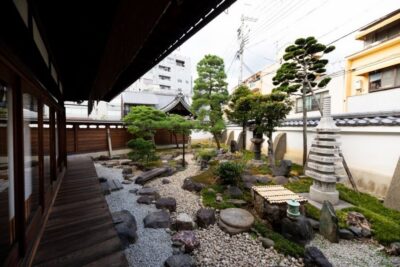
World Heritage Kyoto & Nara Uji Authentic Matcha Experience
Read our review →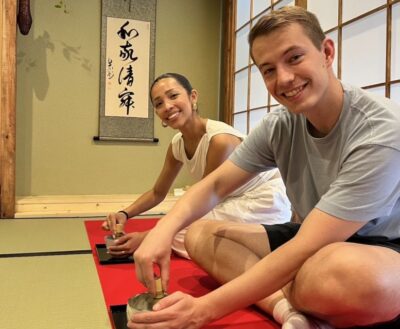
Browse the lists this tour appears in