
Kyoto can be big on temples and quiet streets, but this class is more hands-on, more personal, and easier to fit into a busy day. I love the paint-your-own ceramic ramen bowl and the Michelin-nominated Musoshin ramen you eat right after you build it. One possible catch: the ramen part is more about guided assembly and quick cooking than making every sauce from scratch.
The hosts, like Shin (and often Sherry), run a friendly, photo-friendly workshop that works for couples and for families. You get a small-group setup, and the pace is steady enough that kids can participate without feeling lost.
Plan around the souvenir timing. The ceramic can be taken home the same day for decoration, or you can get it kiln-fired for free so it is ready the next day for real meal use, which is a great perk if you have a night in Kyoto.
Key things I think you’ll love
- A ceramic ramen souvenir you design with a real, usable payoff
- Michelin-nominated Musoshin ramen built around handmade ingredients
- A “do it yourself” assembly style that makes the bowl taste more satisfying
- Free kiln firing if you want to turn your painted piece into something you can eat from
- Dietary options including gluten-free, vegetarian, and vegan ramen
- Real hospitality with English support and lots of photos during the class
A Kyoto ramen workshop that feels like a real restaurant skill
This is not a vague cooking demonstration where you watch from the sidelines. Musoshin Ramen Academy runs out of a ramen workshop that is tied to an actual ramen restaurant, so the food logic feels grounded and practical.
Musoshin started in Kyoto in 2022, and the recipe is the same across their locations in Kyoto and Toronto. In Toronto, Musoshin has been nominated for Michelin for three consecutive years, so you are learning from a team that is serious about standards, not just vibes.
What helps most is that the ingredients are handled like they would be in-house. The noodles are made every morning and then left to sit overnight, and the soup gets cooked for 12 hours. That matters because it tells you the staff is aiming for consistency, not shortcuts.
One more detail I like: they bring ingredients from their Musoshin Gion location, so you are not cobbling together a “similar” ramen. You are assembling a bowl built on the restaurant’s workflow.
More Cooking Classes in Kyoto
- Ramen Cooking Class at Ramen Factory in Kyoto
★ 5.0 · 1,937 reviews - Kyoto: Ramen Cooking Class at a Ramen Factory with Souvenir
★ 4.9 · 532 reviews - Kyoto: Ramen, Gyoza, and Onigiri Cooking Class
★ 5.0 · 445 reviews
Painting a ramen bowl or spoon: your souvenir, your design, your rules
The class starts with the fun part, painting your own ceramic ramen bowl or spoon. You are not stuck with a cookie-cutter pattern. You get to create an original design, and that turns the souvenir into something you actually want to pack home.
If you are traveling light, the spoon option is a sneaky win. A spoon is easier to wrap and squeeze into luggage, and it still lands as a memorable ceramic keepsake. One family even noted they chose spoons specifically to save luggage space, and that worked well for them.
A practical tip: keep your design bold and readable from a distance. Painting ceramics is a little like poster-making, thick lines and clear shapes photograph better and look better once fired. If you get stuck, copy a classic ramen motif from Japanese design style, waves, small repeating marks, or a simple label-like layout.
Then comes the timing you need to plan for. The ceramic you paint can be taken home the same day for decoration. If you want it fired in a kiln so it is usable for meals, it is baked for free and ready for pick up after the next day. That means you can choose depending on whether your Kyoto schedule is tight.
Also, you will get the Musoshin bandana as part of the included kit, which makes the experience feel like a full workshop, not a quick craft stop.
The Michelin-nominated ramen: what’s made in-house (and why it tastes deeper)
Here’s the key: the flavor base is not built from seasoning packets. Musoshin emphasizes in-house prep across the core ramen components.
They make noodles in their shop every morning and let them sit overnight for the next day. That timing helps with texture, and it also explains why their bowls taste “finished,” not just hot.
The soup is cooked for 12 hours. That is long enough to build depth, and it usually takes a restaurant setup to do it consistently. On top of that, the ramen soy sauce and roast pork are handmade, which is where a lot of that slow, savory background flavor comes from.
Even better, the ingredients are professionally prepared and sourced from their Musoshin Gion location. In plain terms, this is not a class where you invent the ramen from random pantry items. You are working with ingredients that already match the restaurant target.
What you eat is Michelin-nominated Musoshin ramen. The recognition connection can be confusing online, but the important part for you is straightforward: the ramen is built to the standard of a Michelin-nominated restaurant group, and you are eating it in the same ecosystem it comes from.
Your hands-on ramen assembly: fun work, smart guidance, and a real reality check
The hands-on part is the “why” behind this class. You get guided steps, and you also get to arrange your own bowl, which makes the meal feel like your work, not just your seat at a show.
In the workshop style, the staff brings ingredients and you do the assembly and the quick cooking steps that make it interactive. Reviews highlight that the experience can feel like a mix of painting, a demonstration, then building and cooking your own bowl under Shin’s direction.
So what should you expect if you love cooking technique? Know the difference between a “from scratch” cooking class and a “restaurant assembly” class.
This one is heavy on process and standards, but not every element is made in front of you. Some people felt it leaned more toward constructing the ramen than teaching every sauce component to recreate everything perfectly at home. That does not mean it is shallow, it means the goal is teaching you how the finished bowl comes together in a way that fits a 1 to 90 minute experience.
Still, it is a great learning format. You can watch how toppings and timing interact, and you learn how to build a bowl that tastes balanced, salty, and satisfying in one sitting.
Dietary options are supported too. You can choose gluten-free, vegetarian, or vegan ramen. If you have picky eaters, this is one of the few ramen activities that tries to solve the problem instead of forcing everyone to eat the same bowl.
More Ramen Experiences in Kyoto
- Kyoto Ramen and Gyoza Cooking Class with Professional Chefs
★ 5.0 · 282 reviews - Home style Ramen and Homemade Gyoza in Kyoto
★ 5.0 · 152 reviews - Kyoto Michelin Ramen Workshop or Painting Ramen Essentials
★ 4.9 · 100 reviews - Kyoto Ramen & Gyoza Cooking Class with Professional Chefs
★ 4.8 · 100 reviews
The hosts and the vibe: Shin, Sherry, and the people-power that makes it easy
A big reason the reviews score so high is how welcoming and structured the experience feels. Shin is repeatedly named, and many groups also mention Sherry. Other staff names like Amir, Miki, and Mickey come up too, and it feels like the workshop runs as a team.
The class is paced well. People describe it as organized and perfectly timed, with hosts who explain what you are doing and then help you do it without rushing. For families, that’s a big deal. Kids can participate without knocking the whole experience off schedule.
Photography is also part of the service style. Several reviews mention that hosts take lots of photos during assembly and even help with family moments. If you care about documenting your trip without juggling your camera constantly, this is a real convenience.
The workshop itself is not just plain tables and stools. One review mentions a Japanese décor vibe with samurai swords, and that kind of visual detail helps the class feel like a mini cultural stop, not a generic kitchen studio.
Language support is another win. The instructor speaks English and Japanese, which helps if your Japanese is limited. And since it is small-group friendly, you usually get enough time to ask questions without feeling like you are shouting over a crowd.
Planning your day in Kyoto: when this fits best and what to watch
With a duration of 1 hour to 90 minutes, you can slot this between sightseeing blocks without losing the whole afternoon. I like that it is long enough to feel like you did something special, but short enough that it does not turn your day into an accounting problem.
The souvenir timing is the part that changes your planning the most. You can take the ceramic piece home right away for decoration. If you want it kiln-fired for meal use, you will need to come back the next day to pick it up. That is easy if you stay centrally and have flexibility, but it’s something to decide up front.
Also consider what you want to carry. A painted spoon or bowl can be fragile, so pack with care. Going with the spoon option is often a practical choice for space and wrapping, especially if you are also buying other ceramics or textiles during your Kyoto stay.
Finally, think about your goals. If you want a fun craft that also ends with a top-tier bowl of ramen, this hits both. If your priority is learning to make every ramen component at home, you might feel the ramen portion is more assembly-based than full instruction from zero.
Either way, the meal itself is the payoff. Reviews describe it as among the best ramen on their Japan trip, and that matches the in-house focus: handmade noodles, 12-hour soup, handmade soy sauce, and handmade roast pork.
Value check: is $64 worth it?
At $64 per person for a 1 to 90 minute experience, the value is all about what you get for that money.
You get:
- A Michelin-nominated Musoshin ramen meal
- Guided ramen assembly and eating
- A ceramic souvenir option (bowl or spoon)
- A bandana
- Free kiln firing if you want it fired for meal use
That is a lot for one sitting, especially because the food is not a token taste. It is a full ramen bowl built from restaurant-style ingredients.
It also helps that the workshop aims to keep the experience inclusive. Gluten-free, vegetarian, and vegan options are available, so the experience does not automatically become “one person gets a special bowl and everyone else enjoys.” That matters in family situations.
The only extra cost to think about is shipping. If you request shipping to your next hotel, shipping cost is not included. If you want a smoother end to your Kyoto trip, plan to carry your fired piece home yourself, or plan a simple pickup the next day.
Should you book this Kyoto ramen bowl painting and Michelin class?
If you want a Kyoto activity that mixes creativity with an actual restaurant-level meal, I’d book it. The best reasons are simple: your ceramic souvenir is genuinely fun, and the ramen is built around in-house prep that translates into real flavor.
I would hesitate only if you are chasing a strict, step-by-step “make every sauce yourself” cooking lesson. This is more about assembling a high-standard bowl with smart guidance than performing every component from scratch.
If you are traveling with kids, or you want something you can do in small-group comfort, it is a strong fit. Choose bowl or spoon based on how you pack, then decide whether you want the free kiln firing for next-day meal use.
FAQ
How long is the Kyoto ramen bowl painting and cooking class?
The class runs for 1 hour to 90 minutes. Starting times depend on availability.
How much does it cost?
It costs $64 per person.
What can I paint, and can I take it home the same day?
You can paint a Musoshin ramen bowl (option) or a ramen spoon (option). The ceramic you paint can be taken home the same day for decoration.
Is kiln firing included, and when would I pick it up?
Yes. Your designed ceramic can be baked in a kiln for free. It is ready for pick up after the next day, and if fired, it can be used for meals.
Are gluten-free, vegetarian, or vegan ramen options available?
Yes. Gluten-free, vegetarian, and vegan ramen options are available.
Is the ramen connected to Michelin recognition?
The class includes Michelin-nominated Musoshin Ramen. Musoshin in Toronto has been nominated for Michelin for three consecutive years, and the recipe is the same across locations.
What languages do the instructors speak?
The instructor speaks English and Japanese.
Is this a small-group experience?
Yes. Small group is available.
If I want the painted items shipped to my next hotel, is that included?
No. Shipping cost is not included if you request delivery to your next hotel.
Latest write-ups near Kyoto
- Kyoto: Nishiki Market Tour with a Local Foodie & Tastings★ 4.5 · 67 reviews
- Kyoto Kimono Rental mimosa |Kimono/Yukata Rental Couple Plan★ 4.8 · 67 reviews
- Kyoto: Traditional Kimono Fabric Handicrafts Workshop★ 5.0 · 67 reviews
- Kyoto Tea Ceremony and Samurai Photo Session★ 5.0 · 70 reviews
- Kyoto: Replica food making experience★ 4.8 · 70 reviews
- Kyoto: Kinkakuji, Golden Pavilion Guided Tour★ 4.7 · 71 reviews
- Private departure transfer from Kyoto city to Kansai International airport★ 5.0 · 72 reviews
- Uji: Green Tea Tour with Byodoin and Koshoji Temple Visits★ 4.8 · 72 reviews
Ramen Experiences, compared.

Ramen Cooking Class at Ramen Factory in Kyoto
Read our review →
Eat and Drink Like a Local: Tokyo Ueno Food Tour-Taverns&Ramen
Read our review →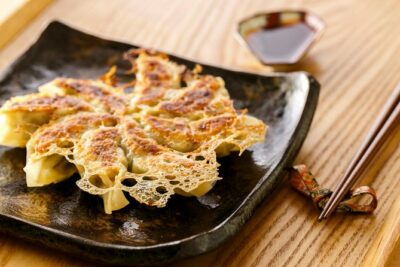
Ramen & Gyoza Cooking Class in Tokyo with Local Supermarket Visit
Read our review →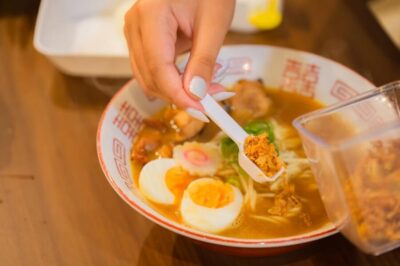
Ramen Cooking Class at a Ramen Factory with Souvenir
Read our review →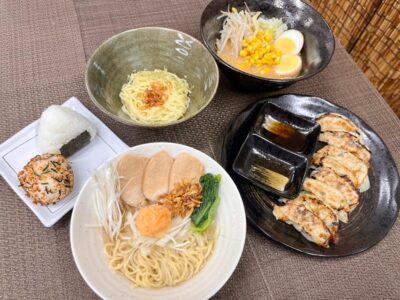
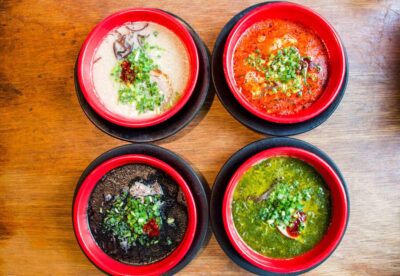

Five Must-See Highlights Walking Tour & Ramen Lunch
Read our review →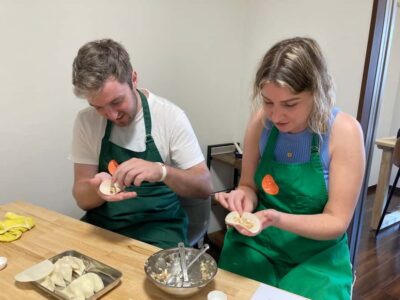
Browse the lists this tour appears in