
Reviewed · TEA CEREMONIES
Kyoto: Tea Ceremony Experience in a Small Tea Room
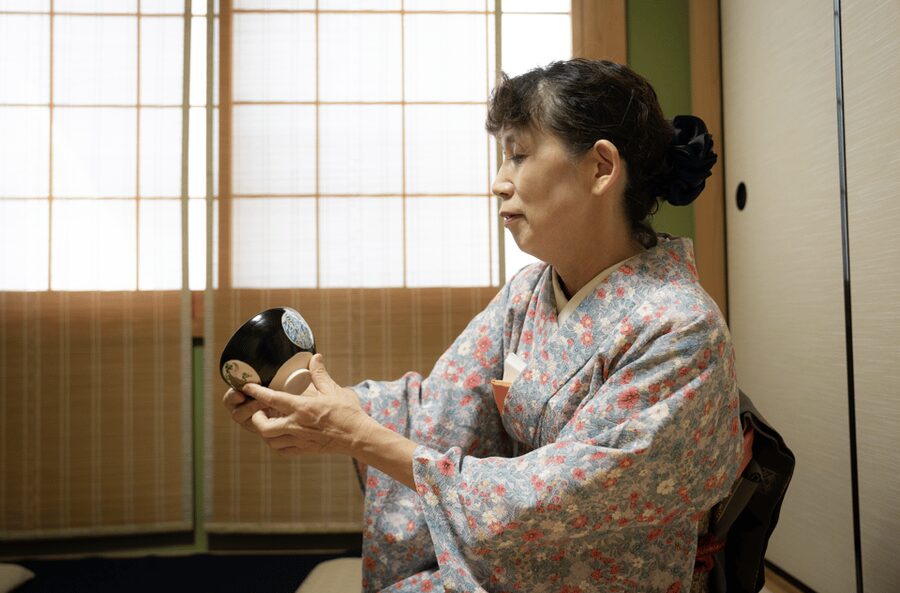
Kyoto is full of loud sights, but this experience gives you the opposite. A small tea room near the Kamogawa Delta turns the volume down, and you spend an hour learning the rhythm of a traditional ceremony from a 30-year tea master.
Two things I like a lot: you get hands-on matcha practice, not just watching, and the session is kept small, limited to 6 people, so questions actually get answered. One thing to consider is time. At 1 hour, you will learn the basics well, but you probably will not get the kind of long, slow practice you might hope for if you want to perfect every step.
Key Highlights You Should Know
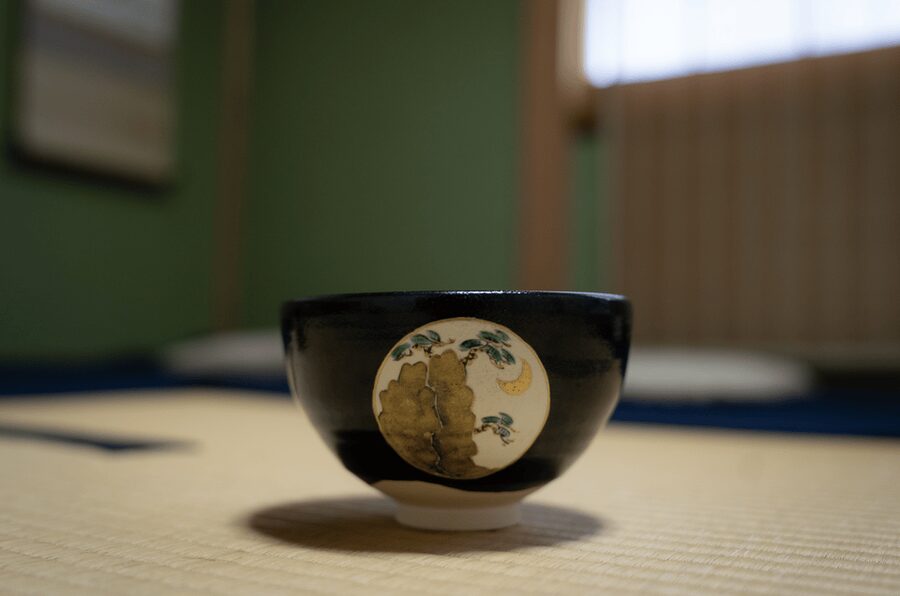
- 30 years of tea expertise guiding you through the ceremony at a calm pace
- Make your own matcha if you want, with step-by-step instruction
- English instruction for a smoother, less stressful first-time experience
- Traditional dried sweets served as part of the tasting moment
- Small group size limited to 6 participants for a more personal feel
- Great location for walkers, about a 15-minute walk from Demachiyanagi Station and Kamogawa Delta
A Matcha Class Next to the Kamogawa Delta
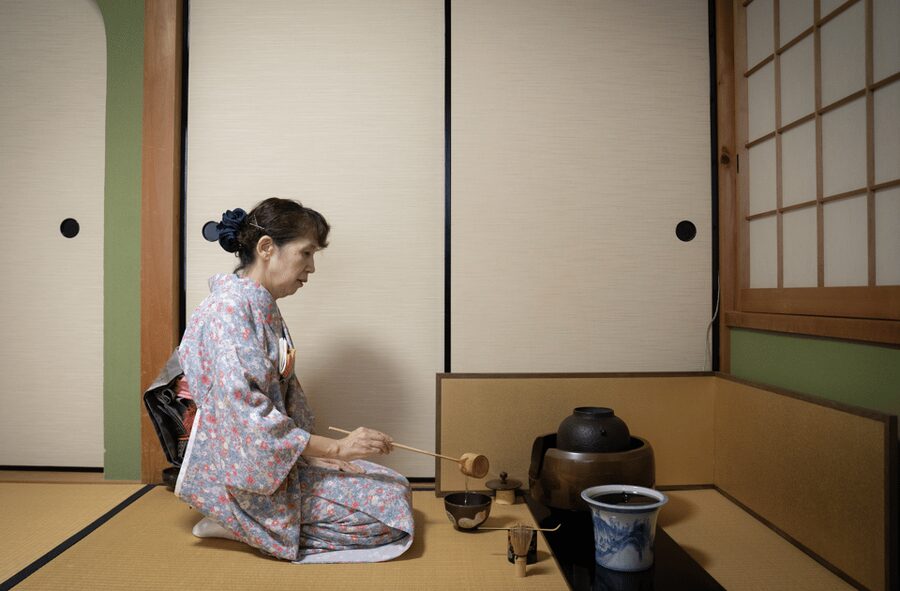
This is the kind of Kyoto activity that feels like a reset button. You start near the Kamogawa Delta, where the river scene is peaceful and you can actually breathe after busy streets. Then, inside a small Japanese house, the pace shifts. Movements get slower, attention gets sharper, and you learn why tea ceremonies are less about the drink and more about the moment.
The teacher brings a long track record, 30 years, and that matters. When someone has practiced for decades, they know what beginners get stuck on. In this kind of session, you are not expected to perform. You are expected to learn the steps, understand the reason behind them, and feel comfortable asking questions.
I also like that the experience is set up to be welcoming. No prior tea knowledge is required. If you’ve never held a whisk, you’re still the target. If you’ve attended a ceremony before, you’ll still likely pick up details you missed the first time.
More Tea Ceremonies in Kyoto
- Kyoto: Tea Ceremony in a Traditional Tea House in Kiyomizu
★ 4.9 · 3,519 reviews - Kyoto: Tea Ceremony Ju-An at Jotokuji Temple
★ 4.9 · 3,207 reviews - Kyoto: 45-Minute Tea Ceremony Lesson Experience
★ 4.3 · 2,378 reviews
Finding the Tisato Tea Room (What to Look For)
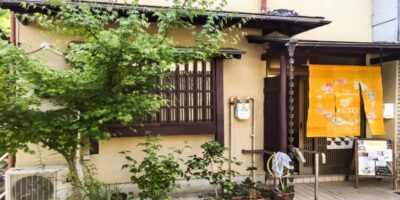
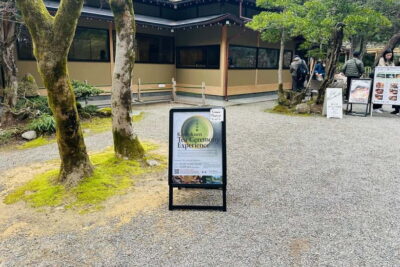
Your meeting point is a Japanese house, with a sign that says Tisato. That’s it. Keep it simple in your head: find the Japanese house, then find the Tisato sign.
Practical walking matters here. The location is about a 15-minute walk from Kamogawa Delta, and about a 15-minute walk from Demachiyanagi Station. That means you can pair this with sightseeing without adding extra transit stress.
If you plan to explore the area around Demachiyanagi Station afterward, you’re also in a good spot. The session is near routes that can work well with visiting Kibune Shrine and Rurikou Temple, since that’s the direction Demachiyanagi Station points you toward.
What Happens During Your 1-Hour Kyoto Tea Ceremony
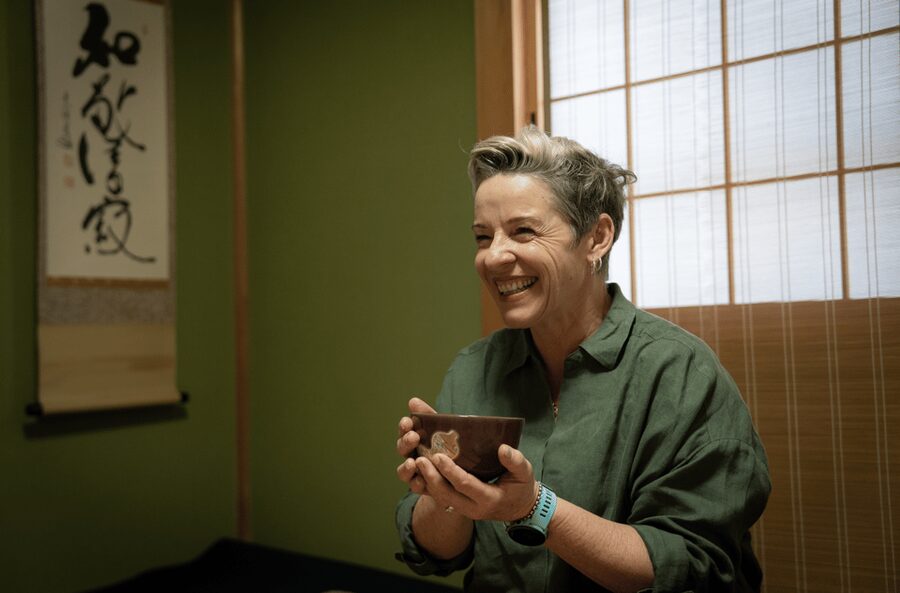
The ceremony runs about an hour. Inside that hour, you get the structure of a traditional tea experience without it turning into a museum lecture.
Here’s the flow you can expect in plain terms:
1) Welcome and a quick setup
You’ll meet the instructor and get oriented. This is where the teacher sets expectations, including how you should handle the tools and what the ceremony is trying to accomplish. The whole point is to lower the barriers that often surround tea ceremonies, so you can focus instead of worrying about doing it wrong.
A change of pace from Kyoto:
- PERFECT KYOTO 1-Day Bus Tour
★ 5.0 · 13,518 reviews - Kyoto: Fushimi Inari, Kinkakuji, Bamboo Grove 1 Day Bus Tour
★ 4.8 · 4,316 reviews - Kyoto Geisha Walking Tour: Gion District & Hidden Gems
★ 4.7 · 3,273 reviews - Kyoto: Gion Magical Night Walking Tour with Geisha Trivia
★ 4.9 · 2,393 reviews
2) The teacher demonstrates matcha preparation
Then you watch the matcha being prepared, with clear guidance on technique. You learn what each motion is meant to do, especially around whisking powdered matcha.
The ceremony emphasizes mindfulness and harmony, and you feel that in the pace of the demonstration. It’s not a rush to finish. It’s about controlled movements and attention to small details.
3) You can make your own tea
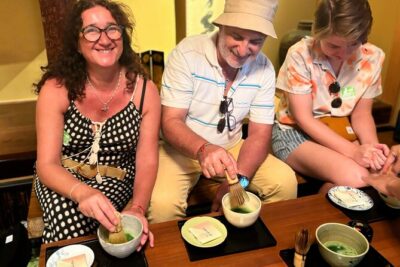
A major highlight is that you can make your own matcha if you want. You’ll learn the steps for whisking the powdered tea, and you’ll get help as you try it.
This is where I think the session earns its value. Many tours stop at observation. Here, you actually participate. Even if your first whisk is not perfect, you understand the process because your hands are involved.
4) Traditional dried sweets and tasting
Traditional dried sweets are included, and they show up as part of the tasting moment. This matters because sweets are not just snacks in a tea setting. They create a balance, helping your palate shift before and during the tea.
You get to slow down and taste, rather than rushing toward the next attraction.
5) Closing with time for questions
At the end, there’s usually room to ask the practical stuff that keeps popping into your mind, like what you should do differently next time or what to notice while watching others.
If you are the type who likes a lesson, this ending phase is useful. It helps you connect the steps you learned to the meaning behind them.
Why the Teacher’s 30 Years of Experience Matters
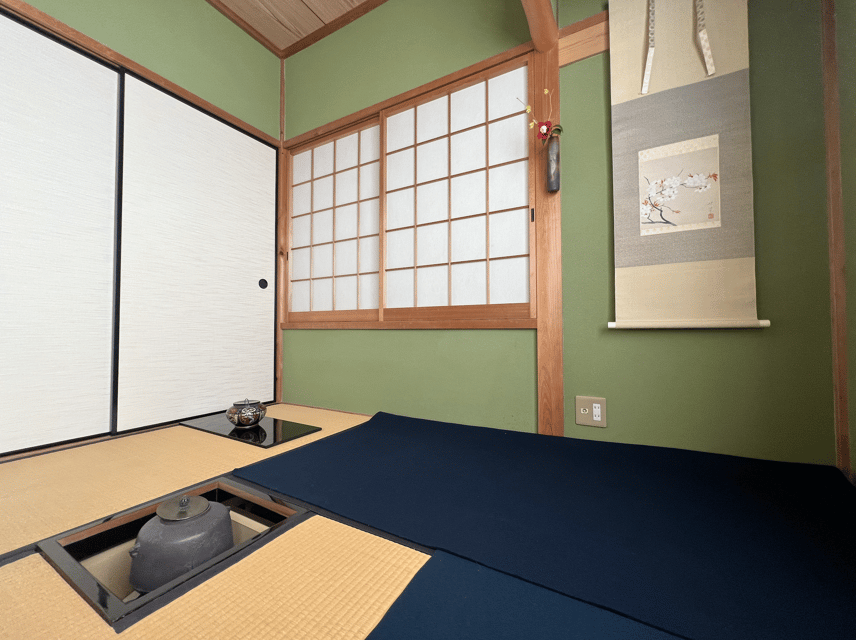
A tea ceremony can look simple from the outside. Powder, water, whisk. Done.
But technique is the whole story. That’s why the instructor’s experience is one of the best parts of this class. A seasoned teacher can explain what beginners need, not what experts already know.
If your instructor is someone like Ms Yamazaki, the vibe you should expect is patience and careful explanation. People consistently praise her kindness and the way she handles questions without making the atmosphere tense. Even if you’re a complete beginner, you won’t feel like you’re being graded.
Also, because the class is in English, you’re less likely to get lost in translation. In a ceremony where gestures and timing matter, clear language helps you focus on doing the right thing.
Matcha Basics You’ll Actually Remember
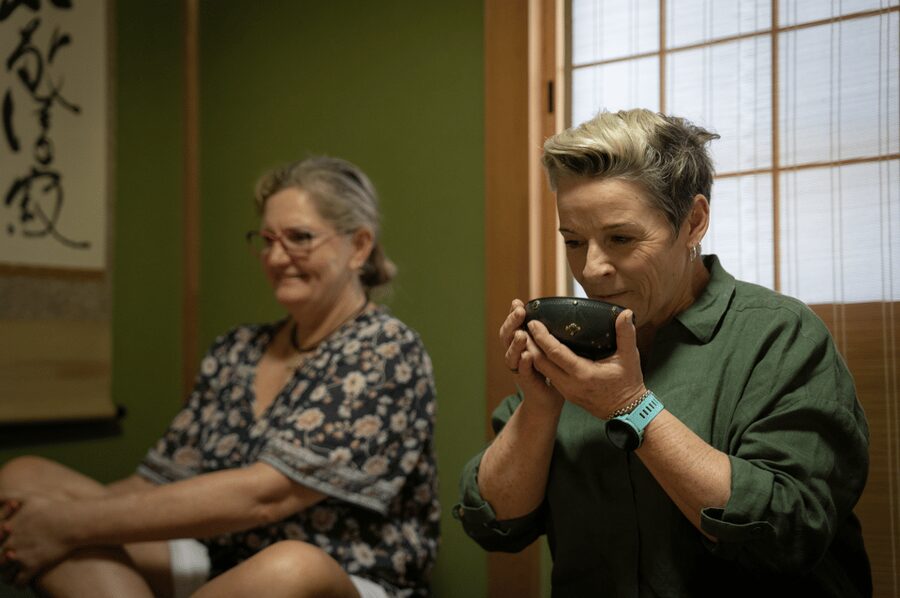
You’ll cover matcha preparation steps, but what’s more important is how those steps teach you to slow down.
The ceremony trains you to notice:
- The way powdered matcha changes in water as you whisk
- How different whisking motions affect the outcome
- Why timing and posture matter in a practical, repeatable way
- How the tea and the included sweets work together
You can treat this as a mini skill session, with a cultural layer added. That’s why I think this experience is worth it, even if you don’t consider yourself a tea person.
When you leave, you will likely understand matcha preparation better than before. You won’t just have a photo and a vague feeling of tradition. You’ll have steps in your head and a memory in your body.
Where to Fit It Into Your Kyoto Day
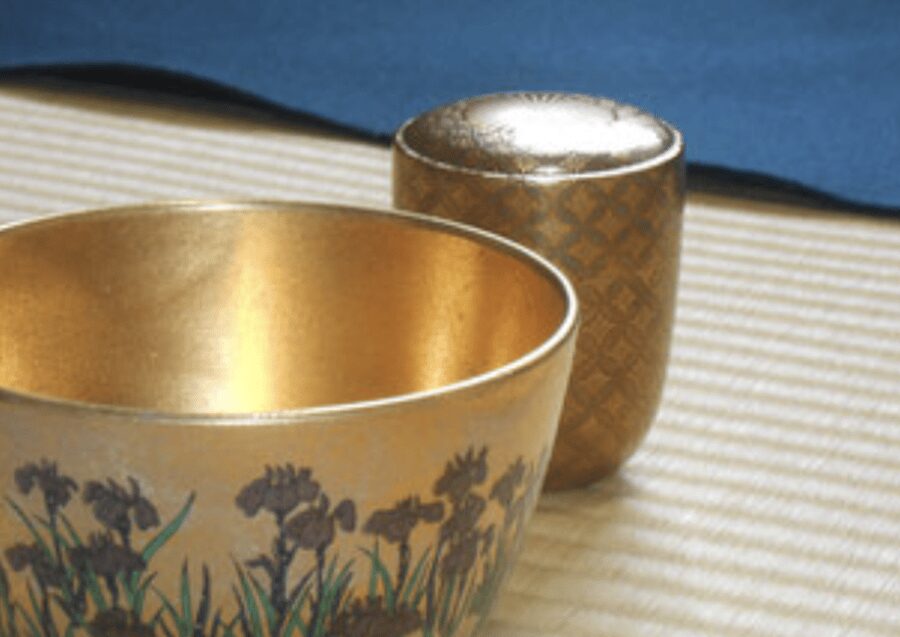
This is a smart add-on because it’s centrally located for walkers and easy to pair.
You’re about a 15-minute walk from Kamogawa Delta. That means you can do riverside scenery first, then switch to calm indoor learning. It’s a nice contrast, and you won’t feel like you’re forcing your body through one more big attraction.
You’re also about a 15-minute walk from Demachiyanagi Station. That makes it compatible with plans around that area. If you’re heading toward places like Kibune Shrine and Rurikou Temple, consider booking the tea ceremony earlier in your route so you have time to continue exploring afterward.
Because the session is 1 hour, it won’t swallow your whole day. It’s also short enough that it won’t punish you if your Kyoto day runs behind schedule.
Price and Value: Is $38 Worth It?
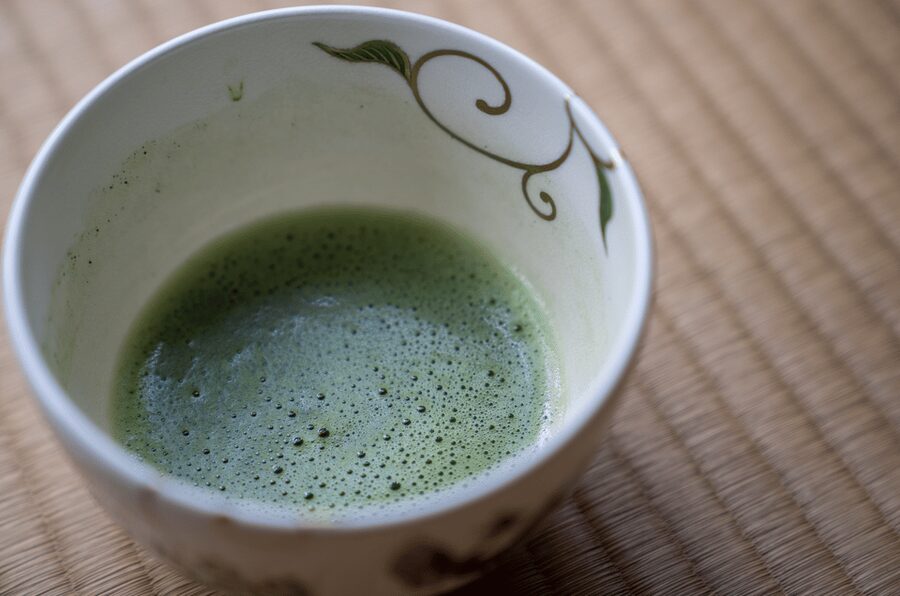
At $38 per person for about an hour, you’re paying for three things at once: instruction by a tea master with 30 years of experience, hands-on matcha preparation, and the included tea and traditional dried sweets.
Here’s how I think about the value.
You are not paying for a lecture you could read online. You are paying for guided technique with a small group. You also get your own matcha making moment, which you can’t really replicate without someone walking you through the steps.
The class is limited to 6 participants, so the instructor can actually correct and support you. That personalization tends to be what makes the experience feel memorable.
If you enjoy hands-on cultural activities, this price usually feels fair. If you only want a passive viewing experience, you may not get as much value from the interactive part. But the option to make your own tea is a core part of the format.
The Most Praised Parts You Should Bet On
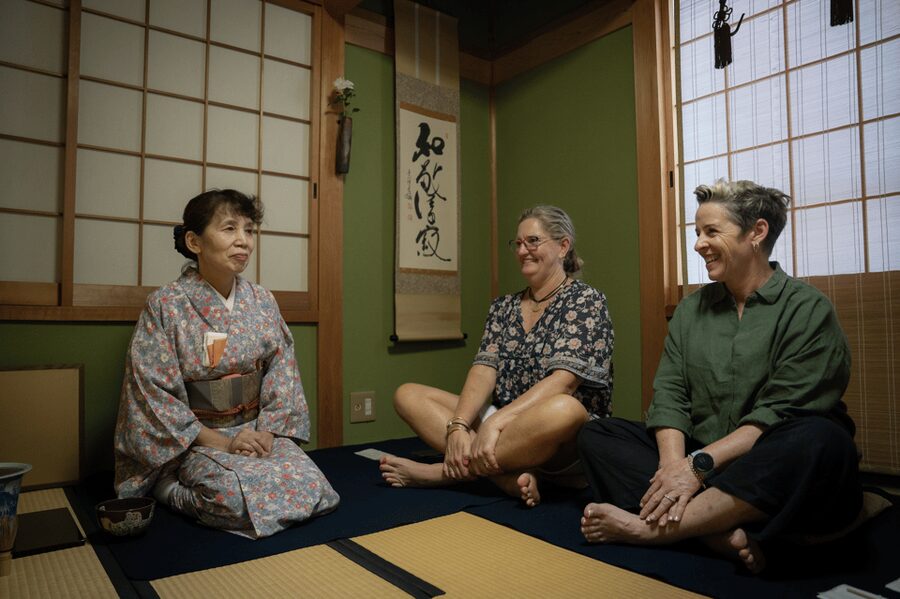
This experience is consistently loved for a few reasons that matter in real life.
First, the explanation style. The instruction is described as very well explained and easy to follow, even when you are brand new. That’s not a small point. In Kyoto, it’s easy to get overwhelmed. Here, the pace supports learning.
Second, patience. The session is praised for being calming and pleasant, with instructors who handle questions gently. When someone teaches with patience, you feel safe trying, and trying is what makes the ceremony stick with you.
Third, authenticity of the setting and the flow. The experience feels like a genuine tea ceremony, not a staged performance. That authenticity shows in the calm focus on matcha, sweets, and careful movements.
Who This Kyoto Tea Ceremony Suits Best
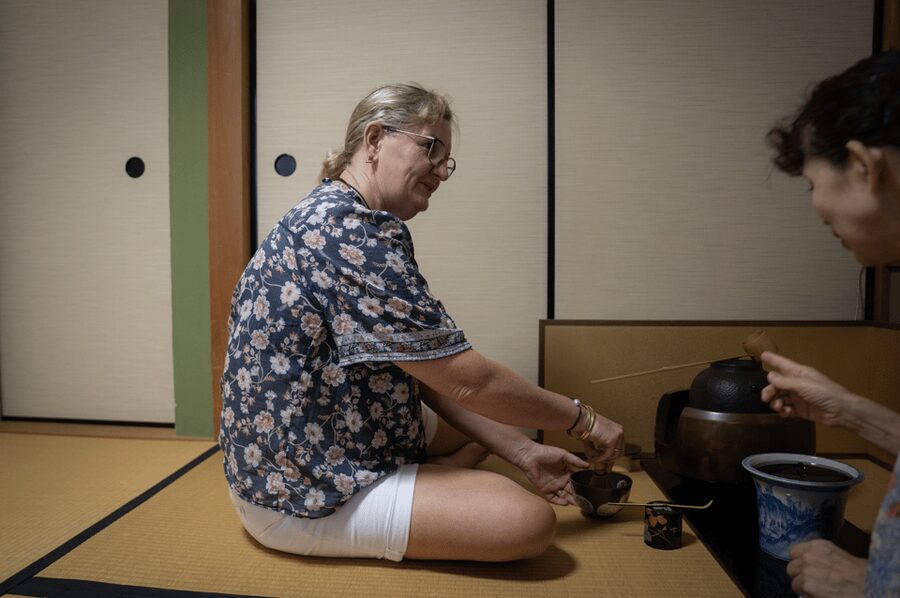
This is a strong match for you if:
- You’re visiting Kyoto and want something quieter that still feels cultural
- You like hands-on classes where you do the main activity
- You want English instruction so you don’t miss the meaning
- You prefer small group experiences, limited to 6 participants
It may be less ideal if:
- You want a long, multi-hour deep practice with lots of repetition
- You expect a big sightseeing payoff right inside the ceremony
- You want something that feels like a loud show or performance
But as a one-hour Kyoto reset, it’s a really good fit.
Should You Book This Tea Ceremony in Kyoto?
If you want a calm, hands-on cultural experience with a teacher who can explain clearly, I think you should book it. The combination of 30 years of expertise, English instruction, and the chance to make your own matcha is the winning formula. Add the traditional dried sweets, and you get a complete tea moment instead of a rushed demo.
Book it especially if your Kyoto itinerary is packed. This is the kind of break that gives you something useful to remember, not just another photo stop.
FAQ
What is the duration of the Kyoto tea ceremony?
The tea ceremony lasts about 1 hour.
Is the tea ceremony instructor available in English?
Yes. The instructor provides instruction in English.
Do I need prior experience with Japanese tea ceremonies?
No. The session is designed to be welcoming to beginners, regardless of prior tea experience.
Can I make my own matcha during the session?
Yes. You can prepare matcha yourself if you wish, guided by the instructor.
What is included in the experience price?
The experience includes the tea ceremony, instructions by the teacher, matcha tea, and traditional dried sweets.
What is the meeting point location?
Look for a Japanese house and the sign that says Tisato so you can enter.
Can I cancel or reserve without paying immediately?
You can cancel up to 24 hours in advance for a full refund. You can also reserve now and pay later.
Latest write-ups near Kyoto
- Kyoto: Nishiki Market Tour with a Local Foodie & Tastings★ 4.5 · 67 reviews
- Kyoto Kimono Rental mimosa |Kimono/Yukata Rental Couple Plan★ 4.8 · 67 reviews
- Kyoto: Traditional Kimono Fabric Handicrafts Workshop★ 5.0 · 67 reviews
- Kyoto Tea Ceremony and Samurai Photo Session★ 5.0 · 70 reviews
- Kyoto: Replica food making experience★ 4.8 · 70 reviews
- Kyoto: Kinkakuji, Golden Pavilion Guided Tour★ 4.7 · 71 reviews
- Private departure transfer from Kyoto city to Kansai International airport★ 5.0 · 72 reviews
- Uji: Green Tea Tour with Byodoin and Koshoji Temple Visits★ 4.8 · 72 reviews
Tea Ceremonies, compared.
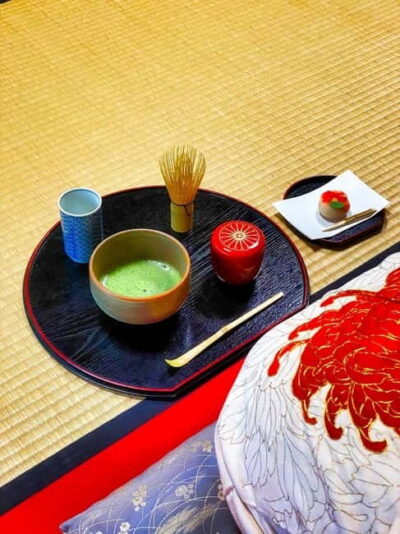
Tea Ceremony in a Traditional Tea House in Kiyomizu
Read our review →
World Heritage Kyoto & Nara Uji Authentic Matcha Experience
Read our review →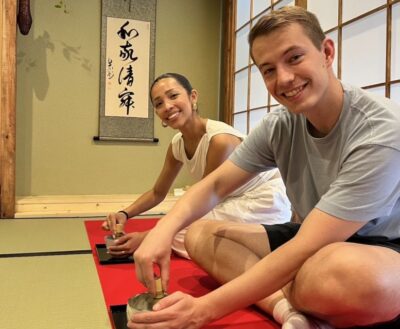
Browse the lists this tour appears in