
Reviewed · TEA CEREMONIES
Kyoto: Tea Ceremony in 100-year-old Kyo-Machiya Townhouse
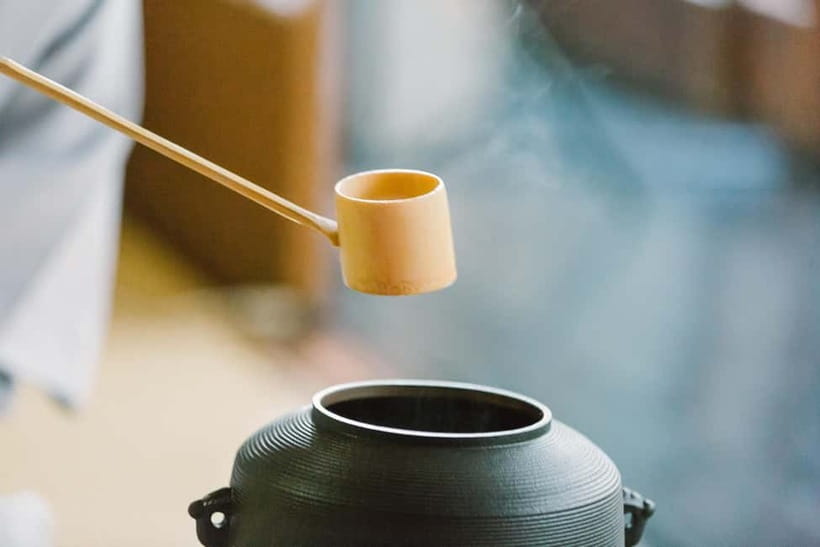
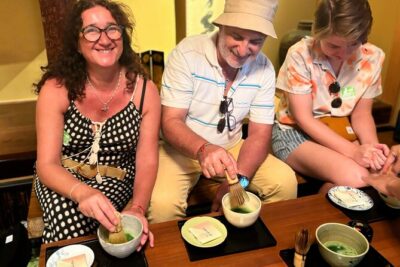
A Kyoto tea ceremony inside a 100-year-old machiya townhouse is the kind of cultural experience that feels less like a show and more like stepping into a working ritual. I love that you don’t just watch. You learn the rules, then you make your own matcha under a real tea master’s supervision, so the etiquette sticks.
I also like how the option to wear a kimono turns the ceremony into a full sensory Kyoto moment. One practical consideration, though: it’s a group session (up to 20 people), and you may sit on the floor, so it helps to be ready for quiet and careful movement.
Key highlights you can plan around
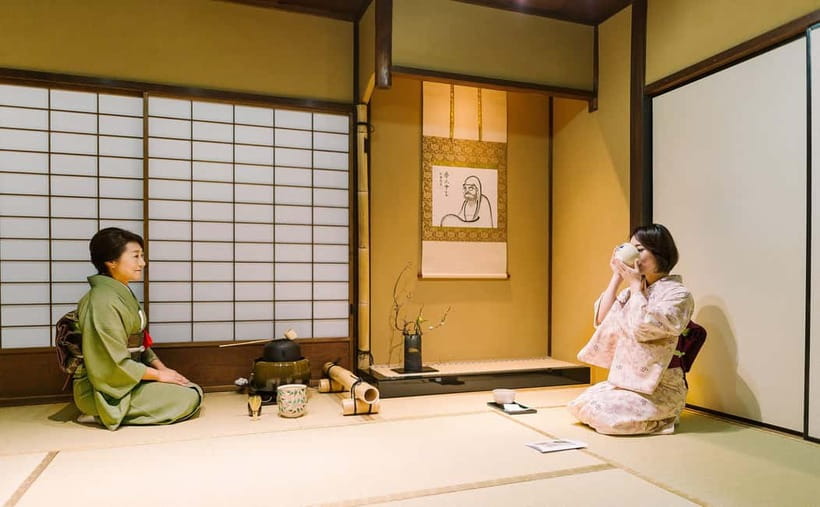
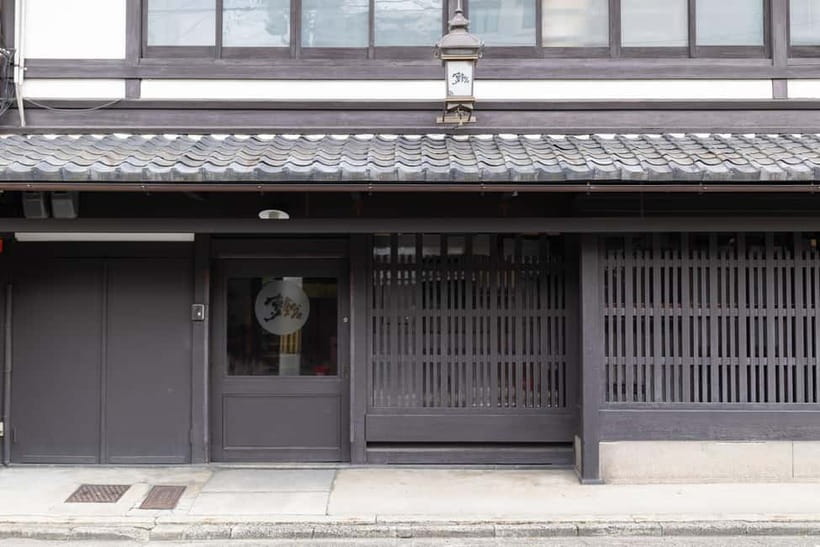
- 100-year-old machiya setting near Kyoto Gosho, with calm rooms designed for tea
- Hands-on matcha making, not just a walkthrough
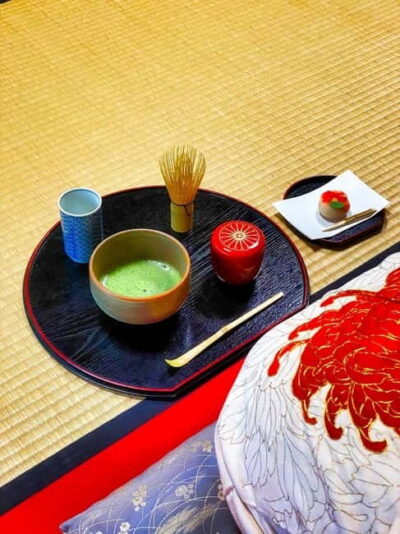
- Matcha plus traditional Japanese sweets, served as part of the ritual flow
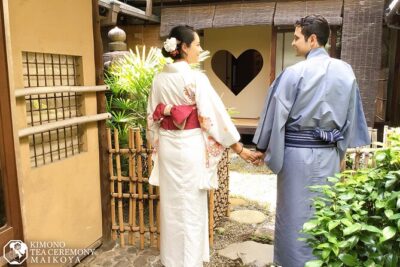
- Kimono rental option so you can keep the look going after tea
- Tea etiquette coaching: bowing, greeting words, drinking properly, and observing the bowl
- Optional Machiya moment add-on with a short tour and selfie time
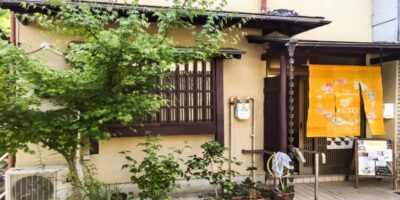
A 100-year-old machiya townhouse makes the etiquette real
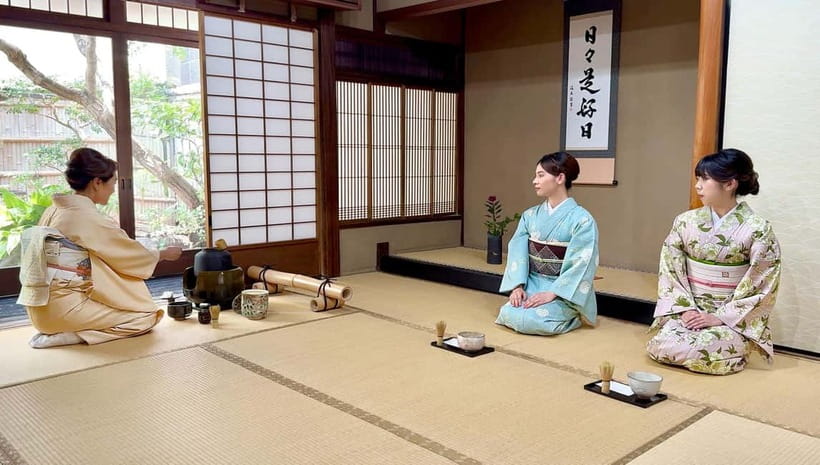
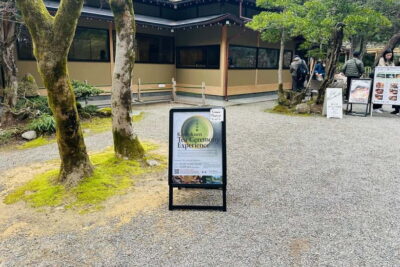
The setting matters more than people expect. A machiya townhouse has that old Kyoto rhythm, wooden details, paper screens, and a room layout built for formality and focus. When you learn how to bow, handle the sweets, and drink matcha slowly, the architecture helps you understand why the tea ceremony feels like a choreographed calm.
This experience also gives you a practical lens on Japanese tea culture. You start with a clear explanation of how tea ceremony practice developed after tea traveled from China into Japan about 1,200 years ago, and how it became the modern Way of Tea you recognize today.
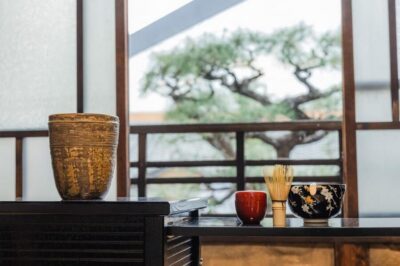
Then the master brings the tools into the room and performs the first tea service. That first service is a model you can mirror when it’s your turn, so you’re not guessing what good form looks like.
More Tea Ceremonies in Kyoto
- Kyoto: Tea Ceremony in a Traditional Tea House in Kiyomizu
★ 4.9 · 3,519 reviews - Kyoto: Tea Ceremony Ju-An at Jotokuji Temple
★ 4.9 · 3,207 reviews - Kyoto: 45-Minute Tea Ceremony Lesson Experience
★ 4.3 · 2,378 reviews
Gojo shop kimono fitting, add-ons, and what you’ll actually wear
If you choose the kimono option, your day starts at Gojo Shop at the time shown on your voucher. You’ll pick from different colors, designs, and sizes, then get help getting dressed so you aren’t wrestling fabric for 30 minutes and rushing through photos.
There’s also an optional upgrade for ladies that can include styled hair, makeup, and moving from casual kimono to a more formal Houmongi style. You can also get a hair accessory as part of that add-on. This isn’t just for looks, it changes how the whole day reads, because the ceremony and the later stroll follow the same formal mood.
A few practical notes you’ll appreciate before you go:
- You’ll need to wear socks, and you can’t use sandals or flip-flops indoors.
- Kimonos are layered, so plan for warmth and comfort issues on hot days.
- If you’re sensitive to tight dressing, decide in advance whether you want the upgraded, more formal look.
Timing that can confuse you, how it works from voucher time to tea start
Here’s the schedule logic that matters: you choose a starting time on your voucher for the kimono portion, and the actual tea ceremony begins two hours after that selected time. Example given: if you pick 11:00 AM, the tea ceremony starts at 1:00 PM.
After you’re dressed, you go to Yumeyakata Oike Bettei, a traditional machiya townhouse that becomes your tea room for the session. If you book only the tea ceremony without kimono rental, you skip the Gojo shop and instead go straight to Oike Bettei. In that case, you should arrive 5 to 10 minutes before the voucher time, so you can settle in before the master starts.
This time spacing is a real planning tool. If you like a slower Kyoto day, the kimono fitting buffer helps. If you’re the type who hates waiting, go with tea-only, or pick a voucher time that avoids your lunch rush.
Inside the ceremony, what you’ll do step by step
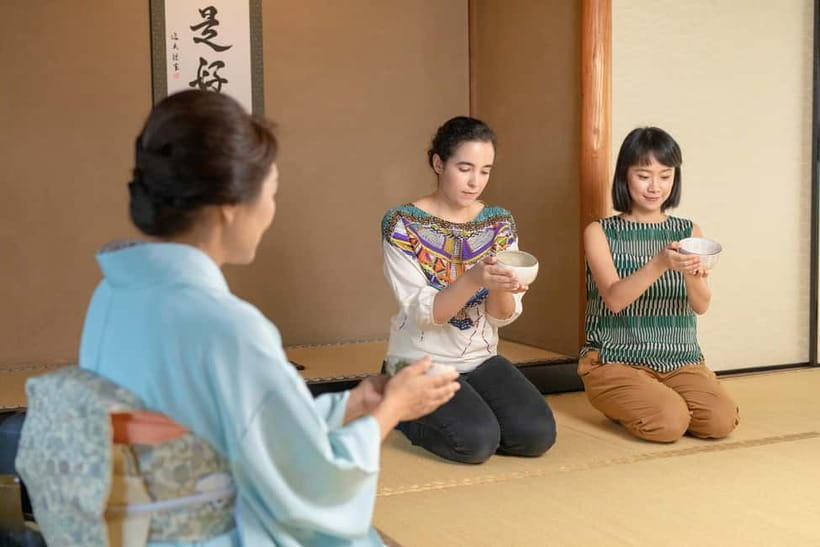
The ceremony itself runs through a full sequence, and it’s structured so you learn meaning, not just movements.
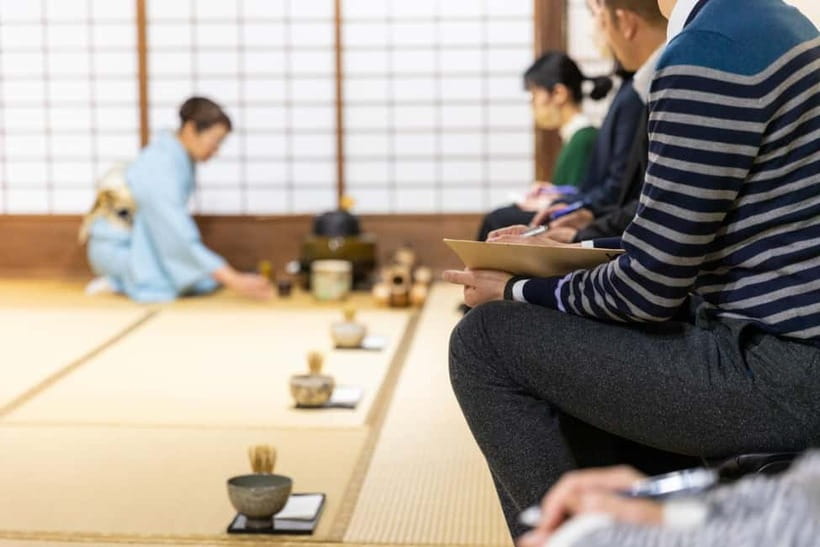
You begin with an explanation of the tea ceremony history and purpose, then you learn key etiquette details such as:
- How to bow and use proper greeting words
- How to eat the sweets before you drink
- How to drink matcha in the right manner
- How to observe and appreciate the tea bowl
You can sit on a small chair, or you can sit on the floor. That chair option is important for comfort, especially if you’re not used to long seated floor positions. The room setup can vary depending on group size, but you’re offered a way to participate comfortably.
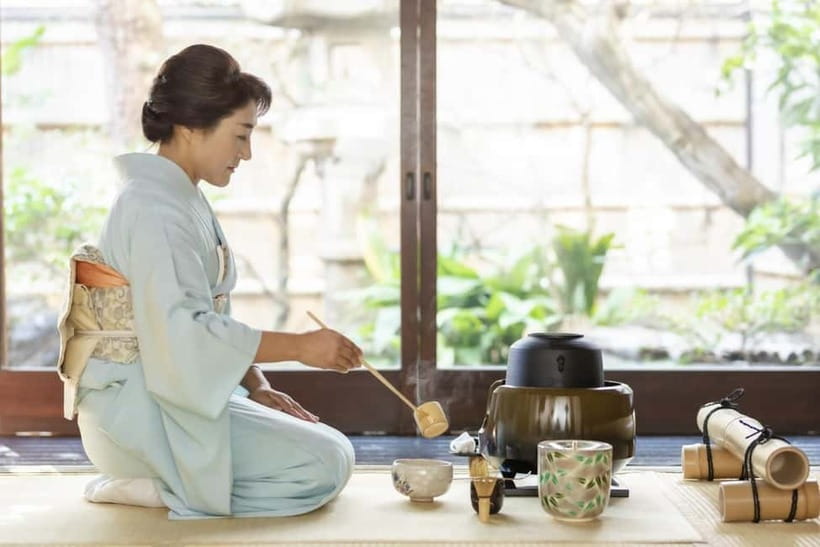
Then comes the best part for most people: the master does the first service, and then you prepare tea yourself under supervision. This is where you feel the ritual become your own skill. The master’s guidance helps you avoid common mistakes, like rushing the whisking or handling tools in the wrong order.
Finally, the master closes the ceremony, and you’re encouraged to ask questions before you leave. That Q and A moment is where you can connect your experience to what you’ll notice later in Kyoto, like how tea culture shows up in gardens, sweets, and even art.
A change of pace from Kyoto:
- PERFECT KYOTO 1-Day Bus Tour
★ 5.0 · 13,518 reviews - Kyoto: Fushimi Inari, Kinkakuji, Bamboo Grove 1 Day Bus Tour
★ 4.8 · 4,316 reviews - Kyoto Geisha Walking Tour: Gion District & Hidden Gems
★ 4.7 · 3,273 reviews - Kyoto: Gion Magical Night Walking Tour with Geisha Trivia
★ 4.9 · 2,393 reviews
Group session reality, seating, quiet rules, and comfort tips
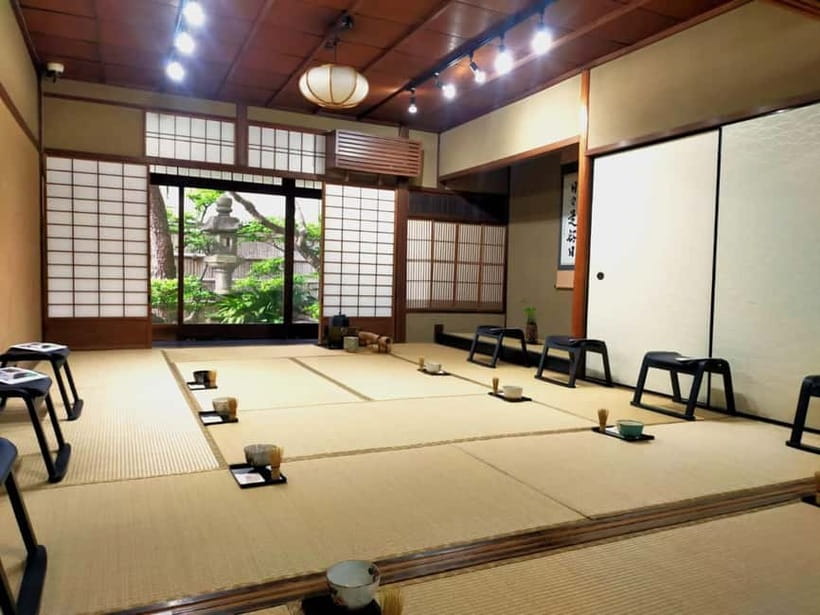
This is not a private ceremony. It’s a group session that can accommodate up to 20 people, so you’ll share the room and instruction time with others. The upside is energy and momentum, and the room often feels more alive because there’s movement as tools are shown and steps are repeated.
The downside is the pacing. If you arrive late, you can still join, but they cannot extend the session time. In practice, that means you should aim to arrive calmly and on time, especially if you’re also getting dressed for the kimono option.
The ceremony is also built for quiet. No flash photography is allowed, you can’t smoke indoors, and you’re expected to keep noise low. If you want to talk a lot during the lesson, this format will feel strict, because the whole point is focus and respect.
One more comfort tip from real-world experience: even when you’re given a chair, you’re still in a traditional room with a formal pace. Bring patience, and keep your movements slow when you’re following the bowing and tool handling.
Walking Kyoto in kimono, and the Machiya moment near Kyoto Gosho
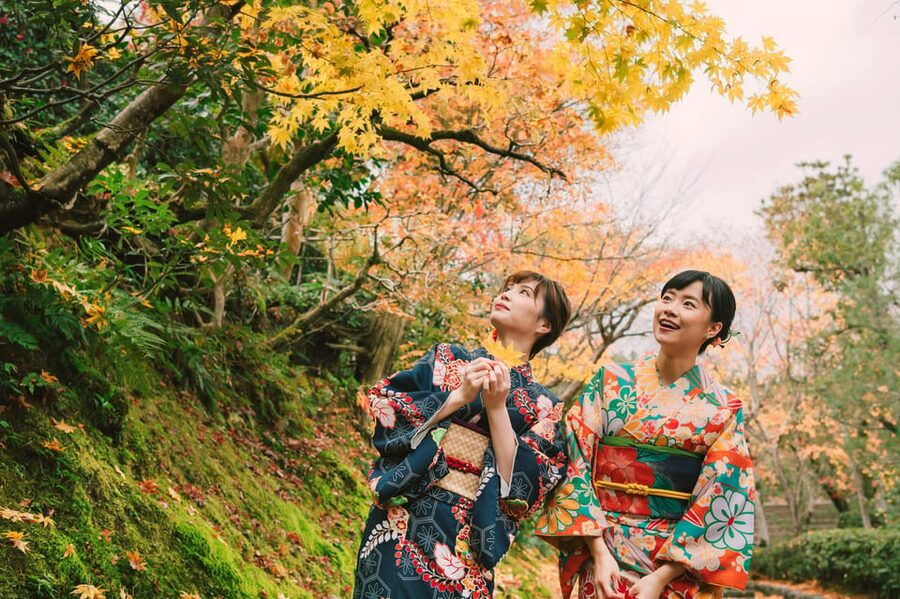
After the tea ceremony, the kimono option lets you continue the Kyoto look for a while. You can stroll around Kyoto in kimono after tea, then you return the outfit by 5:30 PM the same day to the Yumeyakata Gojo Shop.
This is where you get real value for your effort. A tea ceremony can be meaningful, but it can also feel like a single hour trapped indoors. Wearing the kimono afterward helps you carry the vibe into Kyoto streets and shopfronts, and it gives your photos context beyond a posed portrait.
If you select the add-on, there’s also a Kyo-Machiya (Kyoto Townhouse) Tour right after tea in the same place. It’s a short format described as a 30-minute Machiya moment, made of a 20-minute tour plus about 10 minutes for selfie time. You’ll learn about the history, cultural significance, architectural details, and hidden functions of these unique homes.
A neat detail here is the location context. The tea house is near Kyoto Gosho (Kyoto Imperial Palace), and the property is next to the former residence of Nijō Yoshimoto (1,320 to 1,388), a court noble from the Nanboku-chō period. He was the Daijō Daijin (Grand Minister of State) and one of the founding figures of renga, linked verse poetry culture. That matters because tea gatherings were part of aristocratic life in this region, tied to aesthetics, poetry, and refined conversation.
Price and value around $31, what you’re really paying for
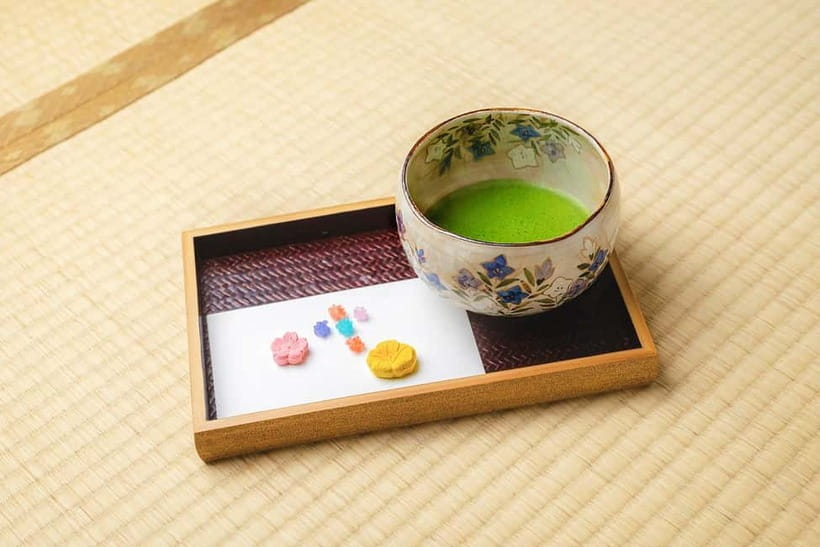
At about $31 per person, the value depends on what you select. The base experience includes the tea ceremony, matcha tea, traditional sweets, and interpretation help, plus a leaflet explaining the ceremony.
What makes it feel worth it is that you’re not just buying matcha. You’re buying:
- A guided ritual with etiquette coaching
- Access to a tea master’s technique
- The chance to actively prepare your own tea
- A setting designed for traditional formality
Add the kimono rental option, and your purchase expands into a full Kyoto storytelling thread. You get a guided start with the kimono, a formal tea experience, then a later stroll where your outfit matches the cultural context.
Even if you skip the upgraded Houmongi styling, the regular kimono option can still elevate the day because it encourages you to slow down and move with intention. That’s exactly how tea ceremony culture is meant to be experienced.
The only value “watch-out” is time expectations. If you’re on a tight schedule, understand that the kimono day flow pushes the actual tea start two hours after your chosen voucher time.
Who this suits best, and who should skip
This works well for adults and older kids because it’s structured, quiet, and formal. It’s suitable for ages 10 and above, and it requires a calm atmosphere. Disruptive behavior may mean you’re asked to leave, so it’s best for people who can follow instructions and keep things respectful.
It’s also a strong choice for anyone who wants to learn the why behind the gestures. The ceremony includes explanation of how tea practice evolved and how etiquette connects to appreciation, especially how you’re taught to handle sweets, drink tea properly, and observe the tea bowl.
Not ideal if you have certain constraints. It’s not suitable for:
- Children under 10
- Pregnant women
- Wheelchair users
- People over 6 ft 6 in (200 cm)
- Visually impaired people
- Babies under 1 year
- People over 209 lbs (95 kg)
If you have trouble sitting on the floor, note that a small chair is available. That’s helpful, but the room remains traditional, so you should still expect a formal seated lesson format.
Should you book this Kyoto tea ceremony in a 100-year-old machiya?
If you want a Kyoto activity that’s more than a photo stop, I think this is an easy yes. You get a real tea lesson, you make matcha yourself, and the machiya townhouse setting helps you understand why the ritual matters.
Book it especially if:
- You want hands-on matcha skills, not just watching
- You enjoy etiquette and small cultural details
- You’re tempted by the kimono rental to keep the day cohesive
Skip or reconsider if:
- You hate group settings and want total privacy
- You’re very tight on timing, especially if you pick the kimono option with the two-hour shift
- You’re uncomfortable with quiet rules and traditional seated formats
FAQ
How long is the tea ceremony?
The experience is listed as lasting 50 minutes to 3 hours, depending on the option you choose.
Is kimono rental included?
Kimono rental is available as an option. If you choose kimono rental, you pick it up at Gojo Shop first and then go to the tea venue.
Where do I go for the kimono option?
Go to Gojo Shop at the time on your voucher to choose and receive your kimono.
When does the tea ceremony start if I choose kimono rental?
The tea ceremony begins two hours after the selected starting time on your voucher.
When should I arrive if I book only the tea ceremony?
Visit Oike Bettei 5 to 10 minutes before the starting time shown on your voucher.
Can I sit on a chair instead of on the floor?
Yes. You can sit on a small chair, or you can sit on the floor.
What should I bring?
Bring socks.
Are sandals or flip-flops allowed?
No. Sandals or flip-flops are not allowed.
Is flash photography allowed?
No. Flash photography is not allowed.
FAQ
Are instruction and guidance available in English?
Yes. The instructor/interpreter provides English and Japanese.
What about kids, pregnancy, or mobility needs?
The experience is suitable for guests aged 10 and above. It is not suitable for pregnant women, wheelchair users, and several other listed physical limitations.
Latest write-ups near Kyoto
- Kyoto: Nishiki Market Tour with a Local Foodie & Tastings★ 4.5 · 67 reviews
- Kyoto Kimono Rental mimosa |Kimono/Yukata Rental Couple Plan★ 4.8 · 67 reviews
- Kyoto: Traditional Kimono Fabric Handicrafts Workshop★ 5.0 · 67 reviews
- Kyoto Tea Ceremony and Samurai Photo Session★ 5.0 · 70 reviews
- Kyoto: Replica food making experience★ 4.8 · 70 reviews
- Kyoto: Kinkakuji, Golden Pavilion Guided Tour★ 4.7 · 71 reviews
- Private departure transfer from Kyoto city to Kansai International airport★ 5.0 · 72 reviews
- Uji: Green Tea Tour with Byodoin and Koshoji Temple Visits★ 4.8 · 72 reviews
Tea Ceremonies, compared.
Tea Ceremony in a Traditional Tea House in Kiyomizu
Read our review →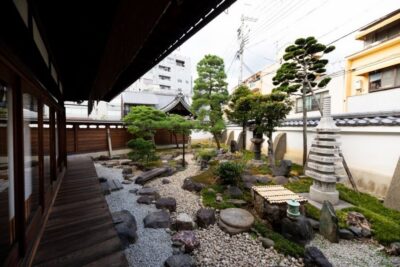
World Heritage Kyoto & Nara Uji Authentic Matcha Experience
Read our review →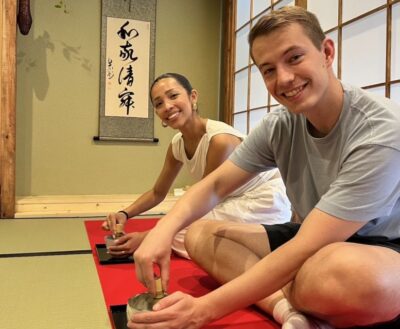
Browse the lists this tour appears in