
Reviewed · TEA CEREMONIES
Kyoto: Wazuma Magic Show & Tea Ceremony
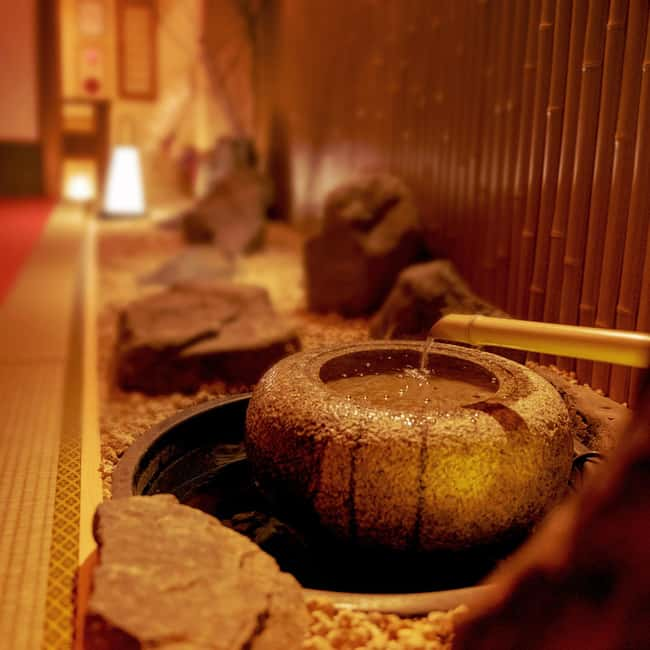
Kyoto can feel like a museum. This one-hour slot feels like you found a working craft, not a staged performance. You’ll sit in a traditional tea room in Gion, watch Wazuma magic that traces back about 1,000 years, and then slow down with Uji matcha.
I especially like the up-close format. The show is just for your group, in a room made for close attention, so the small gestures land right where you’re sitting. I also love the pair-up of entertainment and tradition, with a hand-whisked bowl of Uji matcha after the magic, guided in English.
One drawback to plan around: the venue is not suitable for wheelchair users, and flash photography is not allowed during the performance. Also, because there are only 6 seats, you’ll want to arrive on time, about 5 minutes early.
Key things to know before you go
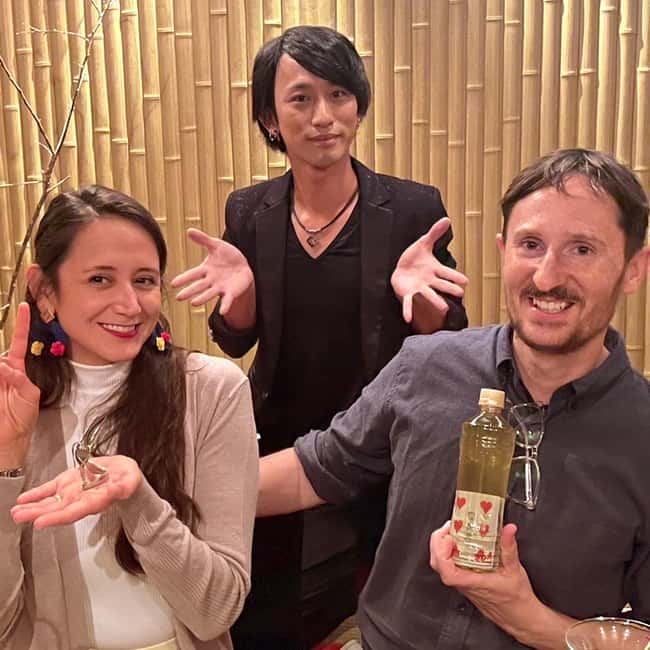
- Wazuma, a rare art form recognized as intangible cultural heritage, performed by very few masters today
- Private, six-seat tea room in Kyoto’s Gion area, with your group only
- 30 minutes of magic, then 30 minutes of matcha with English guidance
- Uji matcha served after the show, not as an afterthought
- No flash during the performance, so set your phone to silent and leave the camera tucked away
Kyoto’s Gion Tea Room, Built for Close-Up Wonder (Six Seats Only)
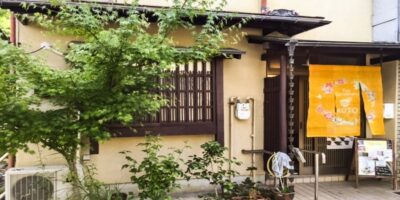
This is the kind of Kyoto activity that starts working on you the moment you find it. The venue is tucked into a quiet alley in Gion, and the tea room setup is meant for intimacy. There are only 6 seats, so the experience feels like a private salon, not a show you watch from the back row.
That small seating count is a big deal for two reasons. First, it changes how the magic feels. When the magician’s hands, props, and timing stay within arm’s length, the tricks stop looking like stagecraft and start looking like precise physical skill. Second, it makes the matcha portion feel more personal. You’re not trying to hear over a crowd while sipping something you barely get to understand.
The experience also runs as a true private booking. It’s for one group only, which means you’re not sharing the room with strangers from different time slots. That matters in Kyoto, where good experiences often get swallowed by logistics and lineups.
More Tea Ceremonies in Kyoto
- Kyoto: Tea Ceremony in a Traditional Tea House in Kiyomizu
★ 4.9 · 3,519 reviews - Kyoto: Tea Ceremony Ju-An at Jotokuji Temple
★ 4.9 · 3,207 reviews - Kyoto: 45-Minute Tea Ceremony Lesson Experience
★ 4.3 · 2,378 reviews
Wazuma Magic in a Quiet Tea Room: The “Seldom Seen” Part
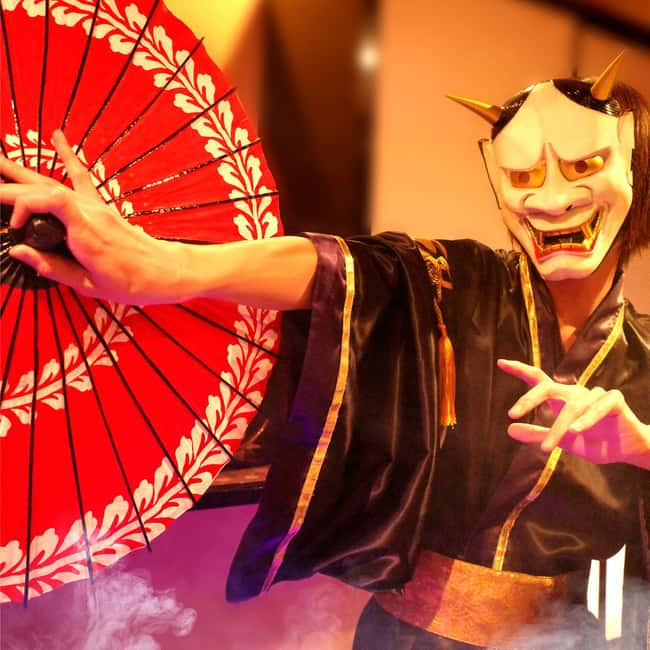
Wazuma is an ancient style of Japanese illusion, and this is one of the few places you can see it in a serious, traditional setting. It’s officially recognized as intangible cultural heritage, and it’s now performed by fewer than ten remaining masters. In plain terms, you’re watching something that is hard to find, not just a clever magic routine.
The performance itself is about 30 minutes. It’s not long, but it doesn’t feel rushed either. The pacing works because the room is designed for close viewing, and your attention stays on the magician’s timing and technique. People in the room get that rare feeling of not being able to reverse-engineer what you just saw.
One detail I really like: the show is done in a way that keeps you “in the action” without turning it into chaotic audience participation. It stays refined and controlled, which fits the tea room setting. I also appreciate the bilingual setup. You get English guidance, which helps you follow what’s happening without needing to guess the meaning behind every gesture.
And yes, there’s a practical perk too. At the end, you’ll receive a souvenir, so you’re not leaving with only photos and memories. The physical keepsake makes the whole thing feel complete.
One Hour, Two Acts: How the Schedule Runs From Show to Tea
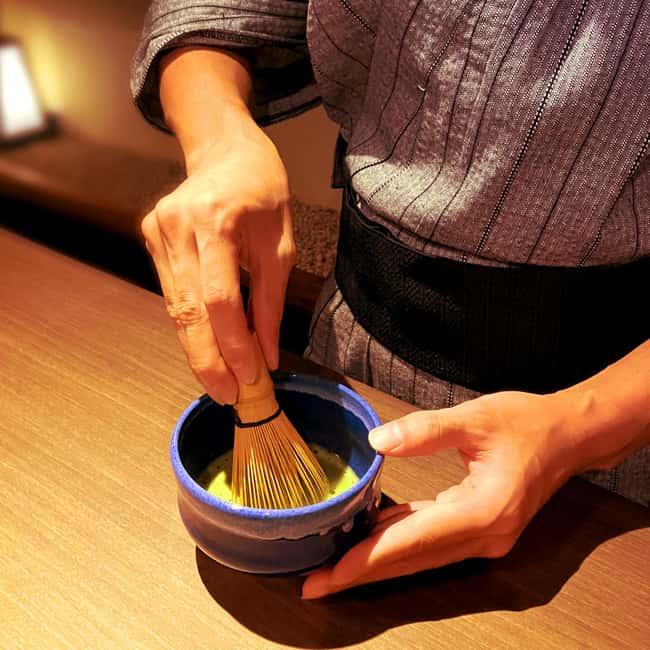
Think of this as a clean, simple one-hour program: 30 minutes of Wazuma magic, then 30 minutes of Uji matcha tea time. There’s no break to wrangle, no maze of rooms, and no long waiting around. That makes it a great fit when you want something special but don’t want to burn half a day.
Here’s how it typically unfolds in the flow you’ll experience:
- Arrive 5 minutes early at the front of the building. A staff member meets you outside, right on time.
- Step into the tea room where your group sits in the small seating area.
- Watch the Wazuma show at close range for about half an hour. Flash photography is not allowed during the performance, so plan to rely on your eyes.
- Transition to tea time immediately after, still in the same intimate setting.
- Enjoy hand-whisked Uji matcha with English guidance for the final half hour.
If you’re worried about being late, don’t panic. There’s at least one documented situation where the guide adjusted to the timing, which tells you they’re trying to keep the experience smooth when real life happens. Still, your best move is arriving early. With only six seats, starting on schedule is part of what keeps the room feeling calm.
Transportation is not included, so build in time to get yourself to the Gion area. Once you’re there, the activity itself is straightforward.
Uji Matcha Tea Time: Calm Focus After the Tricks
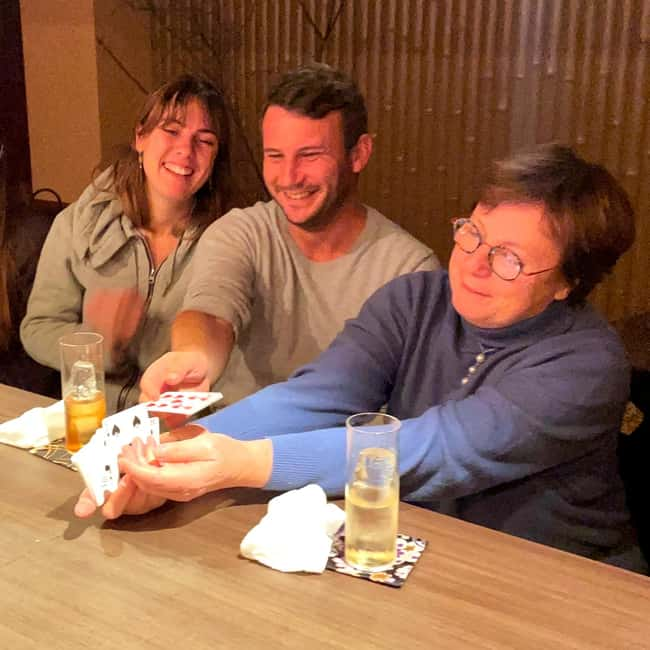
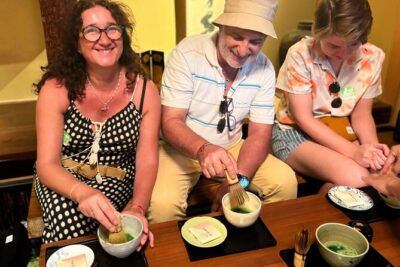
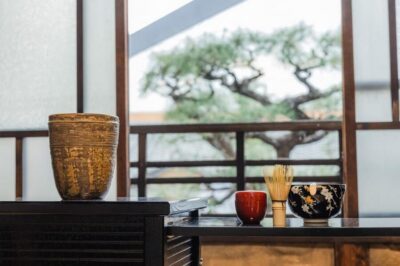
The matcha portion is not just a ceremonial add-on. It’s half the value of the hour. You’ll be served a hand-whisked bowl of Uji matcha, one of Japan’s best-known matcha origins, and you’ll have English guidance to help you understand what you’re tasting and how the tea ritual works.
I like this pairing because it gives your brain a place to land after the magic. For a lot of Kyoto activities, you’re constantly switching contexts: temple, shrine, street, photo, repeat. Here, you get a designed contrast. The magic gets your senses sharp and curious, then the matcha turns the volume down.
Also, matcha is one of those foods that can be either forgettable or memorable, depending on quality and how it’s served. With the focus on a proper tea experience, you’re more likely to enjoy it fully. If you’ve had matcha before, you’ll likely notice the difference between something sweetened and a properly prepared bowl. If you’ve never had it, this is a gentle way to start, with guidance that keeps it from feeling too formal.
The best part is that you don’t feel like you’re rushing through the tea. Because your group has the room to itself, the tea time feels like a real pause, not a stop on a checklist.
A change of pace from Kyoto:
- PERFECT KYOTO 1-Day Bus Tour
★ 5.0 · 13,518 reviews - Kyoto: Fushimi Inari, Kinkakuji, Bamboo Grove 1 Day Bus Tour
★ 4.8 · 4,316 reviews - Kyoto Geisha Walking Tour: Gion District & Hidden Gems
★ 4.7 · 3,273 reviews - Kyoto: Gion Magical Night Walking Tour with Geisha Trivia
★ 4.9 · 2,393 reviews
Why This Private Show Feels Like Better Value Than It Looks
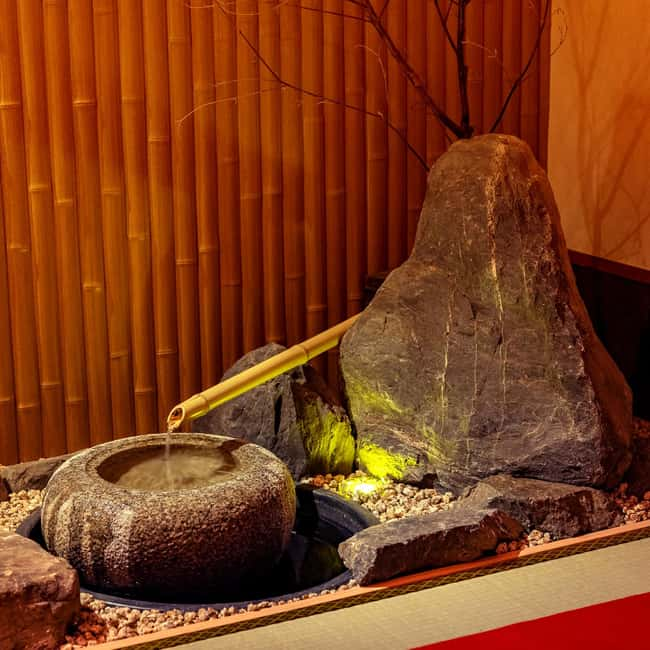
At $77 per person for one hour, you might wonder if it’s pricey. In Kyoto, $77 is not cheap. But it can be good value if you look at what you’re actually getting: a rare cultural art form, a small-room setting, English guidance, and a private slot rather than a shared schedule.
Here’s how the value adds up in a way that matters on the ground:
- Rarity matters. Wazuma is seldom seen by visitors, and it’s tied to a heritage status that reflects genuine tradition.
- Privacy is expensive for a reason. With only six seats and your group only, you’re paying for attention, not just admission.
- Two distinct parts. You’re not only paying for magic. You’re also paying for a structured tea time with quality matcha and guidance.
- A souvenir at the end makes it feel like a full package, not a one-and-done show.
Compare this to many group tours where you’re sharing time with strangers, squeezed into a less comfortable viewpoint, and trying to hear through noise. This booking is designed so you can watch closely and then sit comfortably while the tea part happens. For a short Kyoto visit, that kind of focus is worth paying for.
Practical Tips for a Smooth Hour in Gion
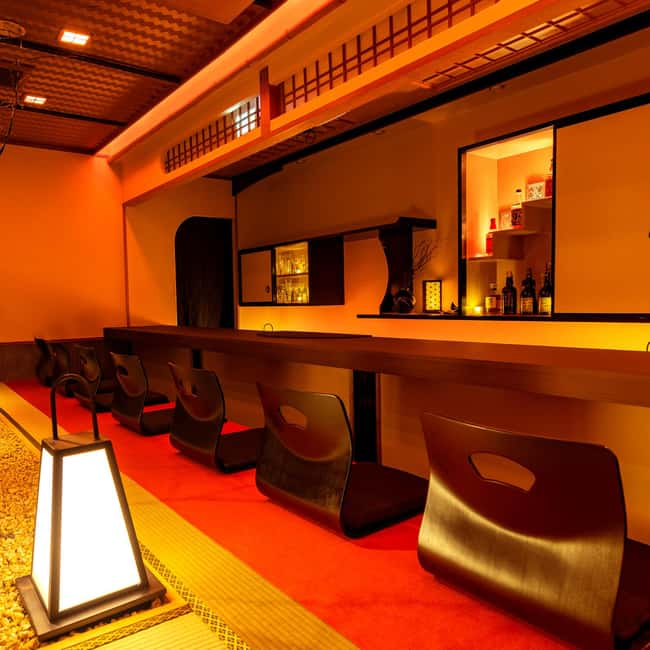
This activity rewards planning. Here are the points that keep everything calm and easy:
- Arrive about 5 minutes early. A staff member is waiting in front of the building.
- Keep flash photography turned off. Flash is not allowed during the performance.
- Dress for a seated setting. You’ll be in a traditional tea-room style environment with limited seating space.
- Expect no transportation included. You’ll need to get yourself to the Gion area.
- Language support is covered. The host or greeter is in English, so you can enjoy the meaning, not just the motion.
One small mindset tip: go in ready to watch with your full attention. The magic works best when you don’t multitask. Put your phone away, silence notifications, and treat it like a quiet performance. You’ll get more from the craft, and you’ll have fewer moments where you realize you missed a detail.
Who Should Book, and Who Might Want Another Option
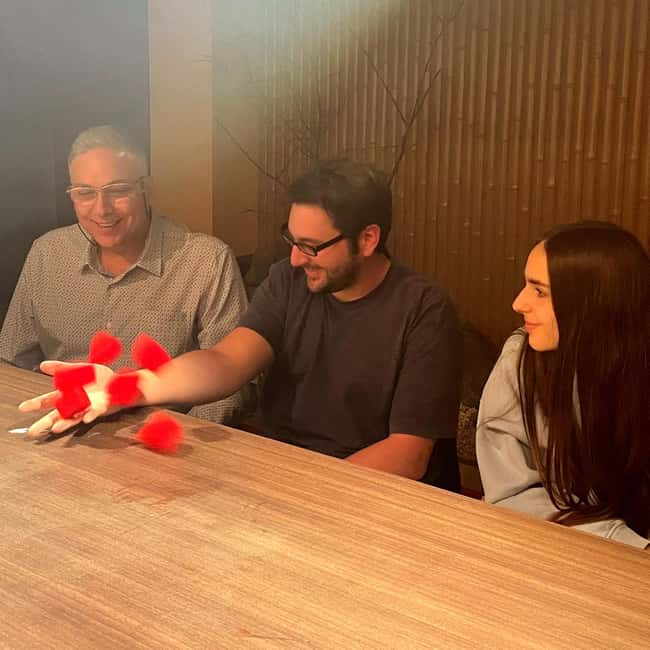
This is a great match for you if you want something genuinely different in Kyoto: a rare tradition, up close, with a calm tea ceremony afterward. It’s also ideal if you care about English guidance. The experience is built to be understandable, so you’re not left guessing what you’re seeing or tasting.
It’s also a strong pick for couples and small groups who like the idea of your own time slot. Because it’s private and the room is limited to six seats, it’s the kind of activity that feels special rather than crowded.
Who might skip it?
- If you use a wheelchair, this venue is not suitable.
- If you need lots of room to move around, keep in mind it’s an intimate tea room with fixed seating.
- If you hate quiet rules, remember flash photography is prohibited during the show.
Should You Book the Kyoto Wazuma Magic Show & Tea Ceremony?
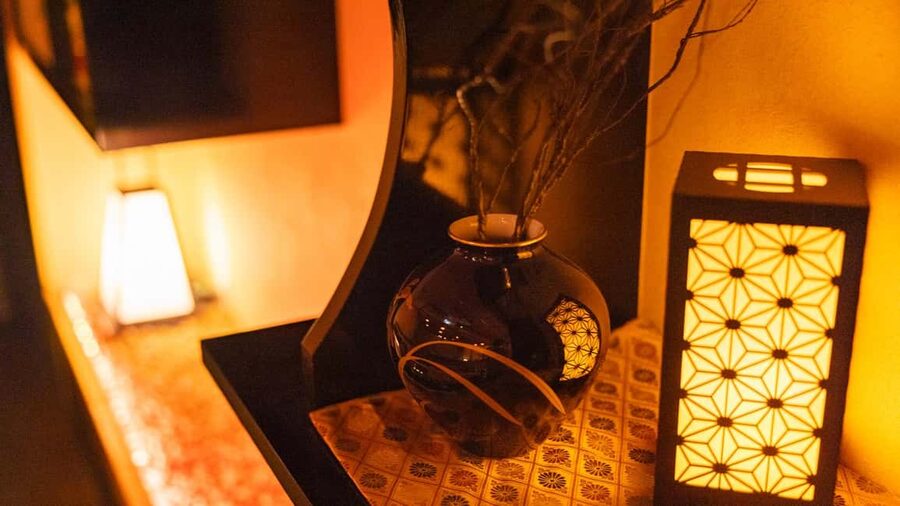
If you want one hour in Kyoto that feels personal, cultural, and hard to replace, I’d book it. You’re paying for rarity, close-up viewing, and a thoughtfully paired tea time with hand-whisked Uji matcha and English guidance. The small six-seat setting is the secret sauce. It turns a magic show into a craft you can actually watch carefully, and it turns the tea into a real experience instead of a rushed add-on.
Skip it only if accessibility is a concern for you, or if you prefer big, sightseeing-style activities where you’re constantly moving and watching from a distance. If you’re the type who likes quiet, detailed culture, this one is worth your Kyoto time.
FAQ
Where is the meeting point for the Kyoto Wazuma show and tea ceremony?
You’ll meet a staff member in front of the building about five minutes before the show starts.
How long is the experience?
The total duration is 1 hour.
What’s included in the ticket price?
It includes a 30-minute traditional Japanese magic show and a 30-minute Uji matcha tea time.
Is this activity private?
Yes. It’s a private group experience for one group only.
What language is used during the experience?
The host or greeter provides English guidance.
Are there restrictions on photography during the performance?
Flash photography is not allowed during the performance.
How many seats are available in the tea room?
The show takes place in a traditional tea room in Kyoto’s Gion area with only 6 seats available.
Is the venue wheelchair accessible?
No. It is not suitable for wheelchair users.
What is the cancellation policy?
Free cancellation is available up to 24 hours in advance for a full refund.
Latest write-ups near Kyoto
- Kyoto Private Tour Full Day with Local Guide&Nara Option(PerGroup★ 5.0 · 20 reviews
- Sacred Pathways: Discover the Philosopher’s Path of Kyoto★ 4.9 · 20 reviews
- Kyoto UNESCO World Heritage Site Private Tour with a Premium Van★ 5.0 · 20 reviews
- Hammer Pattering Experience of Ring★ 5.0 · 20 reviews
- KYOTO: Private Tea Ceremony in Hidden Townhouse (Kid-Friendly)★ 5.0 · 20 reviews
- Sushi or Traditional Japanese Cuisine in a Kyoto Home with Emika★ 5.0 · 20 reviews
- The Kyoto VIP Experience!★ 5.0 · 20 reviews
- Kyoto Customized Private Tour: See Top Attractions in 1 Day★ 4.7 · 20 reviews
Tea Ceremonies, compared.
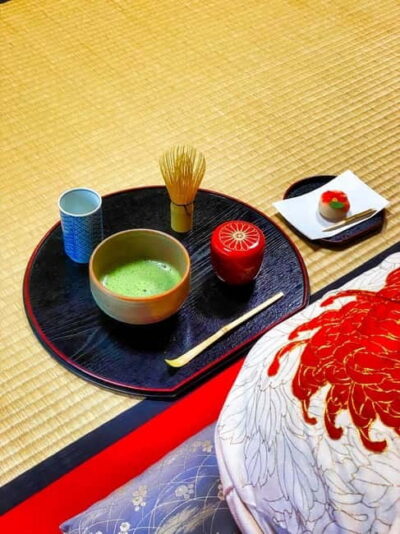
Tea Ceremony in a Traditional Tea House in Kiyomizu
Read our review →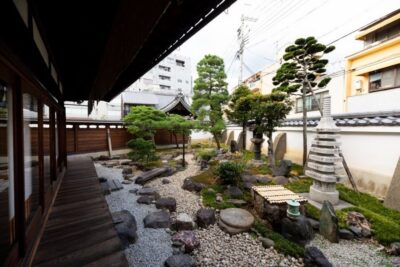
World Heritage Kyoto & Nara Uji Authentic Matcha Experience
Read our review →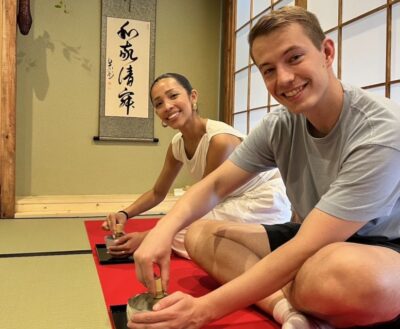
Browse the lists this tour appears in