
Reviewed · WORKSHOPS
Manga Lesson with a Professional Japanese Manga Artist in Nakano
A manga lesson in Tokyo’s Nakano is interesting because you are not just consuming art, you are making it, step by step, with the same kinds of tools pros use. I like the private class feel, and I especially like the take-home finished drawing you walk out with after about 2 hours. You will likely leave with more confidence than you expect, even if your drawing skills are rusty.
One thing to plan for is that the meeting point can be a little tricky to spot, and communication may be limited in English at the building level. In that case, the best move is to show up on time with the address saved, and expect a short “where are we” moment before you find the studio entrance (Nakano, Arai 2-chome, South Building, Minami-kuni Bldg area).
Key takeaways you will care about
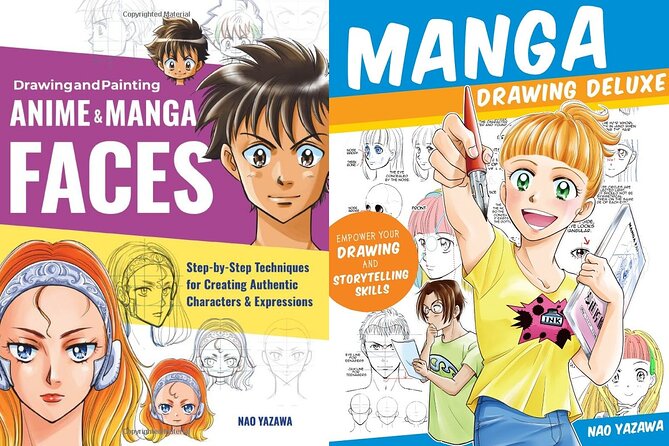
- Professional instruction from a working manga artist (often taught by Nao Yazawa)
- Real manga workflow, pencil draft to inking, white highlights, and screen tones
- Tools you get to use, including screen tones, dip pens, ink, and specialized pen nibs
- Private class format for singles or small groups, with instruction adjusted to your level
- Finished artwork to keep, so you can bring home something that looks like manga, not a sketch practice sheet
Why a Nakano Manga Class Feels More Like Studio Time Than a Craft Project
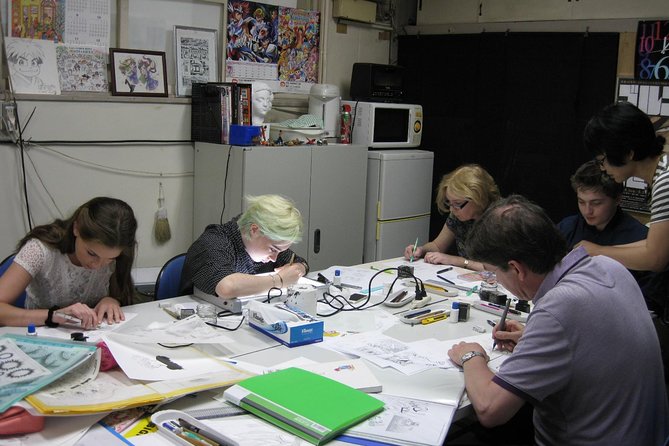
This is the kind of activity that makes Tokyo feel hands-on. Instead of a tour where you look at things, you practice the process behind what you see in manga panels. In a neighborhood like Nakano, that matters, because you get to connect the art to the culture around it, not just watch it from a distance.
I also like that the class is private. You are not stuck waiting your turn behind a dozen people. The teaching can actually respond to what you are doing wrong (and what you are doing surprisingly right).
A second reason I think it works is the end goal. You do not leave with only tips and a worksheet. You leave with a completed piece, so your effort has a clear finish line.
More Anime & Pop Culture Tours in Tokyo:
- Official Street Go-Kart Tour – Akihabara
★ 5.0 · 1,578 reviews - Tokyo Go Kart: Asakusa, Skytree, and Akihabara **IDP MUST**
★ 5.0 · 988 reviews - Tokyo Studio Ghibli Museum and Ghibli Film Appreciation Tour
★ 4.5 · 421 reviews
The Two-Hour Plan: From Pencil Draft to Screen Tone Texture
The class is about 2 hours and it follows a pretty clear manga workflow. If you have never done manga before, that structure is a gift, because you are not guessing what to do first. You usually start with a pencil draft, then build the page in stages.
Here is what you can expect as the lesson progresses:
- Pencil drawing (draft)
- Inking step where pencil lines get erased and replaced with clean manga ink
- Black parts work, so your character has the bold contrast manga readers expect
- Corrections, because even manga pros revise lines
- White ink highlights, which add that pop to hair, eyes, and reflective surfaces
- Screen tones (gray textures and effects) pasted on at the end
That last step is more important than it sounds. Screen tones are what give manga its depth and mood. You can copy a character’s basic shape without screen tones, but once they go on, your page starts reading like manga.
Meet Nao Yazawa and Get English-Friendly Guidance Without Interpreters
A big plus here is the teaching style. Many students highlight how friendly and patient Nao is, plus how clearly she breaks techniques down. You can also receive guidance in English without interpreters, which makes the class feel more efficient and less stressful.
I like that this is not a one-size-fits-all session. Instruction is customized for your level, so beginners are guided through the steps slowly, while people with more experience can focus on the parts they want to improve.
Also, the class includes a short lecture with technique and a bit of manga history. That might sound like filler, but it helps you understand why manga uses certain conventions, like how line weight, highlights, and tones communicate emotion quickly.
The Tools: What You Use Matters More Than What You Watch
This lesson is built around the tools. You get familiar with materials that you might never try in your home country. One student said the chance to test tools they usually would not touch was genuinely exciting, and that matches how this type of class tends to feel.
You use things like screen tone material, manga pens and ink, and specialized pen nib types. The class description also points to trying dip pens and ink, plus multiple nib options, so you can see how line thickness and texture change with the pen setup.
In plain terms, you will learn how to control:
- clean line work for outlines and details
- bold blacks for impact
- white ink highlights for shine
- screen tone placement for shadows and atmosphere
Even if your drawing is not perfect, using the right tools makes your work look more like the manga you are used to seeing.
A change of pace from Tokyo:
- Mt Fuji and Hakone 1-Day Bus Tour Return by Bullet Train
★ 5.0 · 26,383 reviews - 1-Day Tokyo Bus Tour
★ 5.0 · 14,250 reviews - Tokyo: TOKYO SKYTREE® Admission ticket
★ 4.5 · 11,192 reviews - Tokyo: teamLab Planets TOKYO Digital Art Museum Entry Ticket
★ 4.6 · 9,779 reviews
References and Character Choice: How You Still Get a Great Result
The class supports all skill levels, and it offers manga references to copy. Beginners can choose from references to copy with instructor help. That is smart, because it reduces the hardest part of drawing manga, the part where you panic about proportions and expressions.
You will also see authentic manga original art referenced in the lesson. Having real reference material matters because manga uses specific styles, like eye shapes, expression patterns, and hair rendering. Copying from something real helps you avoid generic “manga-style” attempts that look off.
A practical tip: pick a character you actually like. The class includes time to build your own manga-type character step by step, and it goes easier when you care about the end result.
Stop Details: Manga School Nakano and What the Classroom Time Looks Like
Your lesson is at Manga School Nakano, in Nakano City, Arai area. The meeting address is listed as Japan, 165-0026 Tokyo, Nakano City, Arai, 2-chome 7-13, Minami-kuni Building area. It is near public transportation, but one review also flagged that figuring out the location can be tough, especially with minimal English signage.
So here is how I would handle it:
- arrive a little early so you are not rushed
- save the address in Japanese text on your phone
- plan for a quick orientation check at the building entrance
During the 2 hours, the instructor reviews and corrects your drawings as you go. That matters because manga mistakes tend to snowball. One wrong proportion can ruin the face. Corrections early keep you from struggling for the rest of the session.
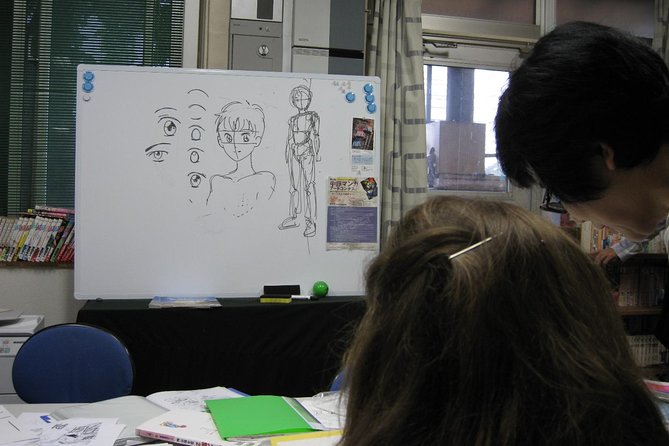
The classroom also helps with technique explanations using tools, a whiteboard, and reference books in at least some cases. That gives you a visual guide while you work, which is especially useful for beginners.
What You Take Home, and Why It Feels Better Than a Souvenir Magnet
At the end, you walk away with your finished manga drawing. That is the core of the value. A lot of Tokyo workshops end with something cute, but not really “yours.” Here, you are producing a piece you can show friends, frame, or keep in your travel journal.
Also, you are working in stages that mirror real manga production. Pencil draft, then ink cleanup, then blacks, corrections, white ink highlights, then screen tones. When you finish a page through that full process, you understand manga production more than you did at the start.
One more detail worth knowing: in at least one class experience, the instructor kept copies to display and post on social media. Your personal result may vary, but it signals that the work is treated seriously, not like a disposable craft.
Price and Value at $67.77: What You Pay For
At $67.77 per person for around 2 hours, you are paying for three things:
1) instruction from a professional manga artist
2) manga tools and materials provided in class
3) the time to complete an actual finished artwork
If you tried this yourself, buying the pens, ink, nibs, and screen tones would cost more than the class, and you still would lack the step-by-step coaching. The private format also adds value, because you are not sharing a teacher with strangers.
One more value factor is that you get feedback while you draw. That is hard to replicate on your own. In a beginner-friendly activity, coaching is often the difference between a fun practice session and a frustrating one.
So yes, it is not a “cheap and cheerful” souvenir stop. It is a skill-building experience that ends with something you can keep.
Who This Manga Lesson Is Best For (and Who Might Hesitate)
This works great if you fit one of these profiles:
- manga fans who want to draw, not just browse
- beginners who want clear guidance, not vague art tips
- families, since the class can be tailored to different ages and levels in a small private setup
- teens and adults who think drawing might be too hard for them, because the step-by-step process lowers the pressure
In particular, multiple family experiences mentioned how the instructor tailored the lesson to mixed ages and different skill levels. That is a big deal. It is hard to keep everyone engaged in one activity unless the teaching adapts in real time.
You might hesitate if you need a very flexible schedule. The class is timeboxed to about 2 hours, and you have a clear sequence to follow. If you want open-ended art time, you may prefer a longer workshop format.
Practical Tips So Your Lesson Goes Smoothly
You will enjoy this more if you show up ready to work. Here are small, practical moves that help:
- Wear comfortable clothes, since inking and paper work can get a little messy.
- Come with a character idea, even a simple one. You can still adjust once you see the references and guidance.
- If you are using the single or group tuition option, confirm your setup before you go, so you are not surprised by the teaching flow.
- Since drinks are not included, plan to grab water or a light drink before you arrive.
Also, because the location can be a bit hard to find, give yourself extra time. A stress-free start makes the whole 2 hours better.
Should You Book the Nakano Manga Lesson?
I think you should book it if you want a hands-on Tokyo experience with real artistic output. The biggest reason is simple: you learn the manga workflow, and you keep the result. That combination beats most “watch and leave” activities.
Book it if you have any doubt you can draw. The lesson is designed for all skill levels, and the instructor corrects your work step by step. You are not thrown into a blank page situation.
Skip it only if you dislike structured instruction or you want something purely observational. This class is about making, in order, with tools that shape the outcome.
If you want one memorable way to bring Tokyo home, a finished manga drawing from Nakano is a strong choice.
FAQ
How long is the manga lesson?
It runs for about 2 hours.
What is the price per person?
The price is $67.77 per person.
Is this class private?
Yes. It is a private tour or activity, only your group participates.
Is the lesson suitable for beginners?
Yes. All skill levels are welcome, and the instructor adjusts the lesson to your level.
What will I take home?
You will take home your completed manga drawing as a souvenir.
What materials are included?
The class includes manga tools. Screen tones, manga pens and ink, and specialized pen nibs are part of the lesson materials.
Are drinks included?
No. Drinks are not included.
Where is the meeting point in Nakano?
The meeting point is listed in Nakano City, Arai 2-chome, Tokyo 165-0026, at the Minami-kuni Building area.
What is the cancellation policy?
Free cancellation is available up to 24 hours in advance for a full refund. If you cancel less than 24 hours before the start time, the amount paid is not refunded.
Latest write-ups near Tokyo
- Tokyo Customized Private Tour: See Top Attractions in 1 Day★ 4.8 · 67 reviews
- From Tokyo: Top 5 Scenic Spots of Mount Fuji Full-Day Tour★ 4.5 · 67 reviews
- Traditional Japanese Music ZAKURO SHOW in Tokyo★ 5.0 · 67 reviews
- Tokyo: Shinjuku Izakaya and Golden Gai Bar Hopping Tour (2h)★ 4.9 · 67 reviews
- Tsukiji: Unlimited Sake Tasting Experience★ 4.9 · 67 reviews
- Private Harajuku Omotesando Architecture Walking Tour★ 5.0 · 67 reviews
- Tokyo: Not a show- a professional sumo practice with experts★ 4.9 · 67 reviews
- Samurai Ninja Museum Asakusa: Kid-Friendly Ninja Training★ 4.7 · 67 reviews
Workshops, compared.

Sushi Making Tokyo Roll and Authentic Japanese Sushi Class
Read our review →
Roll and Authentic Sushi Making Class in Asakusa
Read our review →
Ramen Cooking Class at Ramen Factory in Kyoto
Read our review →
Sushi Making Class in a Happi Coat near a Famous Spot
Read our review →

Sushi Making Osaka Roll and Authentic Japanese Sushi Class
Read our review →Browse the lists this tour appears in