
Reviewed · TEA CEREMONIES
Matcha Grinding Experience and Walking Tour in Uji Kyoto
Uji is where Japan’s matcha culture feels real, not staged. You get a hands-on stone mill matcha workshop, then a guided walk that includes the Byodo-in Temple area, famous for the 10-yen coin image.
I especially like that the experience is built around making tea yourself, not just watching it happen. I also like the small group size, up to 6 people, which makes it easier to ask questions while you’re learning how Uji tea culture works.
One thing to plan for: you need to use WhatsApp for easy guide communication, and you’ll be asked to wear a mask during the matcha making workshop.
Key things to know before you go
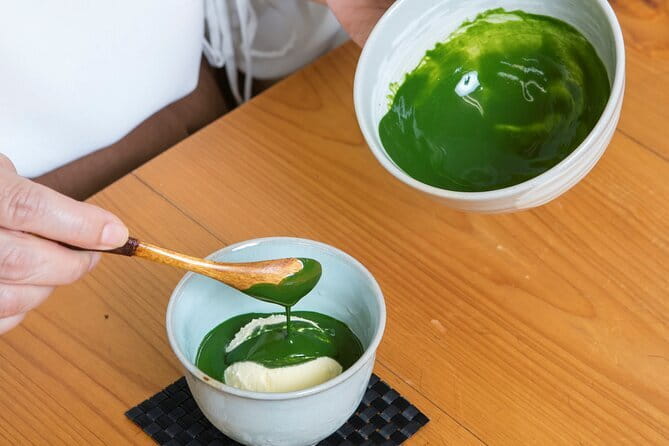
- Grind matcha with a traditional stone mill, then drink it right away
- Byodo-in Temple is included (UNESCO site, 10-yen coin landmark)
- Small group size, up to 6 travelers, for a calmer, more personal pace
- Uji Shrine and Fukujuen Ujicha Kobo round out the tea-town walk
- Included snacks or matcha ice cream give you a sweet landing after the workshop
- WhatsApp contact and a mask for workshop time are part of the experience
Getting to Uji, and why this tour runs smoothly for 4 hours
This is a half-day style outing from Kyoto, starting at 9:30 am and running about 4 hours. The meeting point is near JR Kyoto Station, at Shinshindo, around the Central Exit area by the bus ticket center. The tour ends back at that same meeting point, so you do not have to worry about figuring out your next move at the finish.
The logistics are refreshingly straightforward. You get a mobile ticket, and confirmation is sent within 48 hours of booking, depending on availability. The group is capped at 6 travelers, which matters in Uji, because popular sights can feel slow when everyone is trying to squeeze into the same viewing spots.
Two practical notes before you go: first, make sure WhatsApp is available on your phone. The guide uses it for contact, which can save time if schedules shift slightly. Second, bring a mask, because you’ll be asked to wear one during the matcha making workshop.
More Tea Ceremonies in Kyoto
- Kyoto: Tea Ceremony in a Traditional Tea House in Kiyomizu
★ 4.9 · 3,519 reviews - Kyoto: Tea Ceremony Ju-An at Jotokuji Temple
★ 4.9 · 3,207 reviews - Kyoto: 45-Minute Tea Ceremony Lesson Experience
★ 4.3 · 2,378 reviews
Byodo-in Temple, the 10-yen coin landmark you can actually walk through
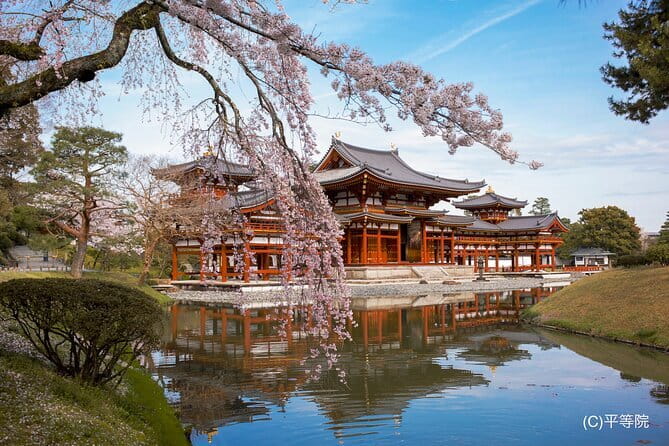
Your first stop is Byodo-in Temple, and the entry fee is included. This is a UNESCO World Heritage Site, and it’s the temple most closely associated with the famous 10-yen coin design. In other words, you’re not just hearing about a postcard image. You’re seeing the real place that shaped the way people recognize Japanese temple architecture.
What I like about this order is simple. You start with the big visual, then the smaller tea-town stops feel more meaningful. As you walk around, your guide can help you connect what you’re seeing with why Uji’s tea culture grew around places like this.
A realistic consideration: Byodo-in is a major stop, so it helps to be ready to move with the group. If you like slow pacing and lots of quiet sitting time, you may want to plan a little extra free time in Kyoto after this tour, so you do not feel rushed.
Uji Shrine stop, a calmer cultural pause between tea landmarks
Stop 2 is Uji Shrine, which gives you a different flavor than the temple architecture at Byodo-in. A shrine visit also helps you understand how tea traditions fit into daily life and local identity, not only into cafés and souvenirs.
In a tour like this, the shrine stop works as a pacing tool. After the first major sightseeing hit, you get a more relaxed segment that still keeps you in the heart of Uji’s cultural landscape. It’s also a good moment to reset, take photos, and get your legs back under you before the hands-on workshop.
Even if you are not a deep shrine person, you’ll likely appreciate it because the guide can explain how Uji is understood as Japan’s top region for high-quality green tea. That context makes the walk feel like more than just passing by sites.
Fukujuen Ujicha Kobo matcha workshop, grind first, sip second
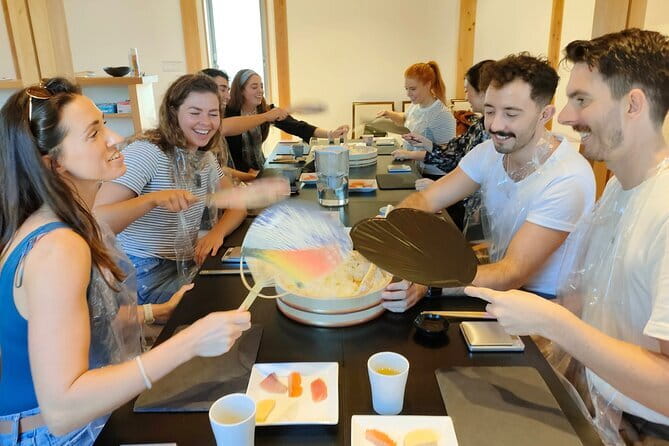
Stop 3 is Fukujuen Ujicha Kobo, where the matcha experience happens. This is the heart of the tour: you grind tea leaves into matcha powder using a traditional stone mill, then you enjoy freshly made matcha tea.
This kind of workshop is valuable because you start to understand why matcha can taste so different from powder that has been pre-mixed or pre-sifted for you. When you grind it yourself, you get a feel for the texture and the effort that goes into making a powder that can whisk smoothly. The aroma is often the first thing you notice, and that sensory part sticks with you longer than lecture-only explanations.
You will also have a guide walking you through what you’re doing. In at least one version of this tour, the guide Vincent is specifically praised for being friendly and for explaining what you’re seeing along the route, not just the tea steps. That matters because matcha is part tool, part ritual, part local knowledge. When someone explains the “why” as well as the “how,” the workshop feels more complete.
Two on-the-ground tips:
- Wear a mask during the workshop, and consider how you’ll keep your breath comfortable while grinding and drinking.
- Expect the workshop to be the part where you slow down. This is not a photo-only stop, so give yourself a little patience with the hands-on timing.
More Walking Tours in Kyoto
- Kyoto Geisha Walking Tour: Gion District & Hidden Gems
★ 4.7 · 3,273 reviews - Kyoto: Gion Magical Night Walking Tour with Geisha Trivia
★ 4.9 · 2,393 reviews - Kyoto: Gion Geisha District Walking Tour – Stories of Geisha
★ 4.7 · 2,187 reviews - Night Walk in Gion: Kyoto’s Geisha District
★ 4.5 · 2,003 reviews
What you get to eat and drink, snacks or matcha ice cream
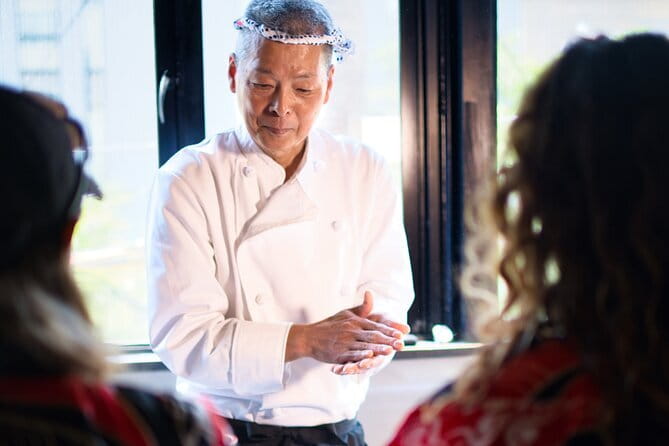
After the tea grinding and tasting, you’re included with Japanese snacks or matcha ice cream. That choice is a nice touch because it lets you end the tour in the direction you prefer. If you want something light and classic, snacks can feel right. If you want a colder, creamy payoff, the matcha ice cream option can soften any tea bitterness you might not be used to.
This is also one reason the tour feels like a good value. Many city walking tours include a viewpoint and a lecture. Here, you leave with actual food and drink that connects to the activity you just did, plus you’re learning how Uji tea culture is framed locally.
If you tend to be picky about sweets, pick the option that matches your palate. I like to choose based on what I think I will actually eat, not what sounds best on paper.
Price, value, and who pays for what
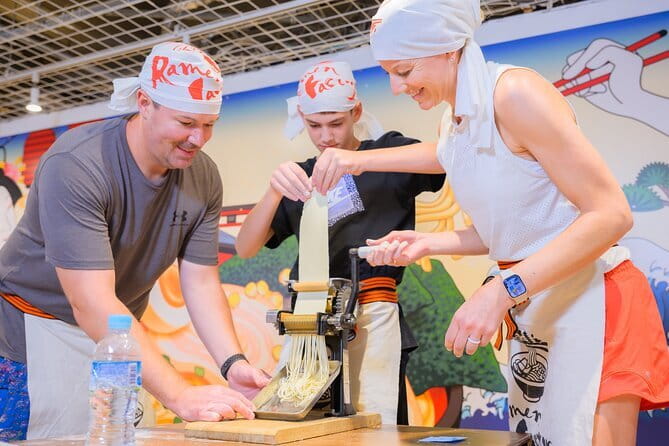
At $130.46 per person for about 4 hours, you’re paying for three things bundled together:
- Guided walking time around Uji’s major tea-culture stops
- The matcha making class with stone mill grinding
- Included Byodo-in Temple admission plus snacks or matcha ice cream
That combo is where the value lives. You are not just buying a class ticket and hoping you can also see the best temple site nearby. You’re getting structured access to the landmark that defines Uji in many people’s minds, then hands-on tea practice, then a snack finish.
The main trade-off is that hotel pick-up is not included. You should feel comfortable making it to the meeting point near Kyoto Station on your own. If you need door-to-door service, this might feel a bit inconvenient. If you are already working from Kyoto Station, though, it’s a workable plan.
Small group pacing, and how to plan your shoes and timing
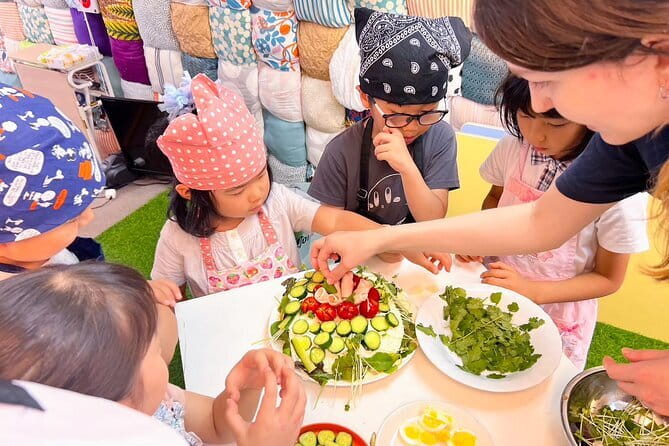
With a maximum of 6 travelers, the tour typically feels less like a cattle run and more like a guided day you can keep up with. Still, it’s a walking tour plus a workshop, so comfort matters.
I recommend you wear comfortable shoes with grip. Temple areas and shrine approach paths can be uneven, and you’ll be standing at times while you watch the workshop process. If you’re sensitive to scent or steam, pay attention during the workshop when the tea process is happening close by, and use the mask as directed.
Also, you start at 9:30 am, so you’ll want breakfast handled before you meet. The tour includes snacks later, but it is not described as a full meal replacement.
Should you book this matcha grinding experience in Uji?
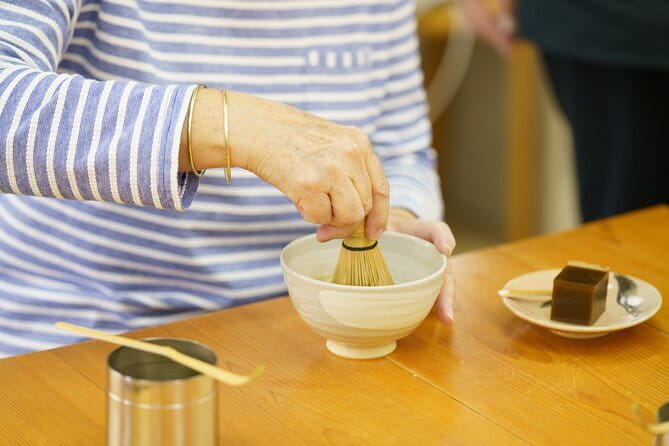
Book it if you want the most practical kind of cultural souvenir: you’ll go home with the memory of making matcha yourself, plus you’ll have walked through a UNESCO landmark that ties directly to Japan’s everyday iconography. The stone mill grinding, the included Byodo-in admission, and the included snack or matcha ice cream are the big reasons this feels like more than a simple walking itinerary.
Skip it if any of these are dealbreakers for you:
- You do not want to use WhatsApp for guide contact.
- You’re not comfortable with the mask requirement during the workshop.
- You need hotel pick-up instead of meeting near Kyoto Station.
If none of that bothers you, this is a strong pick for matcha lovers and for anyone who likes guided structure without committing to an all-day Kyoto plan.
FAQ
How long is the Matcha Grinding Experience and Walking Tour in Uji?
The tour lasts about 4 hours.
What time does the tour start?
The start time is 9:30 am.
Where do I meet the guide?
You meet at Shinshindo near JR Kyoto Station, at the Central Exit area (bus ticket center inner).
Where does the tour end?
The tour ends back at the same meeting point.
Is the tour in English?
Yes, it is an English guided tour.
What is included in the price?
Included are the Byodo-in Temple admission fee, the matcha making class, and Japanese snacks or matcha ice cream.
Do I need to wear a mask during the workshop?
Yes. You are asked to wear a mask during the matcha making workshop.
Latest write-ups near Kyoto
- Kyoto Private Tour Full Day with Local Guide&Nara Option(PerGroup★ 5.0 · 20 reviews
- Sacred Pathways: Discover the Philosopher’s Path of Kyoto★ 4.9 · 20 reviews
- Kyoto UNESCO World Heritage Site Private Tour with a Premium Van★ 5.0 · 20 reviews
- Hammer Pattering Experience of Ring★ 5.0 · 20 reviews
- KYOTO: Private Tea Ceremony in Hidden Townhouse (Kid-Friendly)★ 5.0 · 20 reviews
- Sushi or Traditional Japanese Cuisine in a Kyoto Home with Emika★ 5.0 · 20 reviews
- The Kyoto VIP Experience!★ 5.0 · 20 reviews
- Kyoto Customized Private Tour: See Top Attractions in 1 Day★ 4.7 · 20 reviews
Tea Ceremonies, compared.
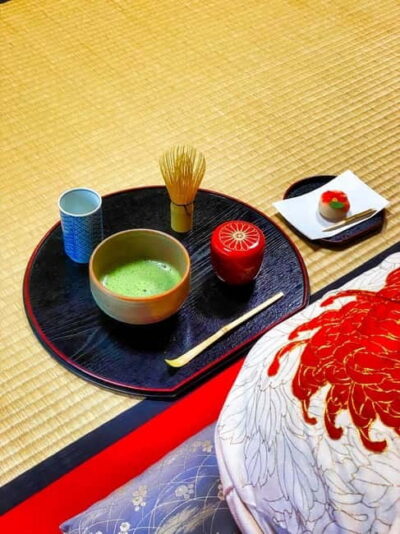
Tea Ceremony in a Traditional Tea House in Kiyomizu
Read our review →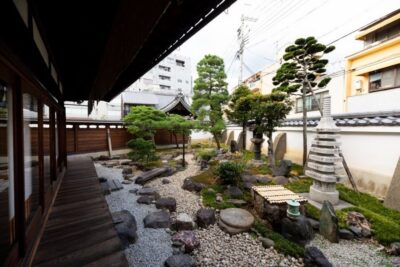
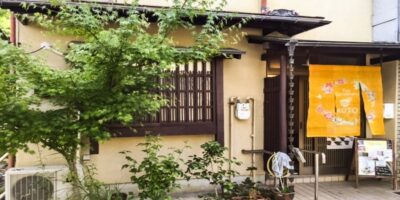
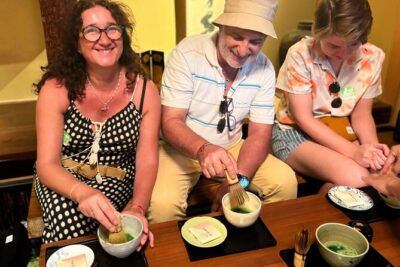
World Heritage Kyoto & Nara Uji Authentic Matcha Experience
Read our review →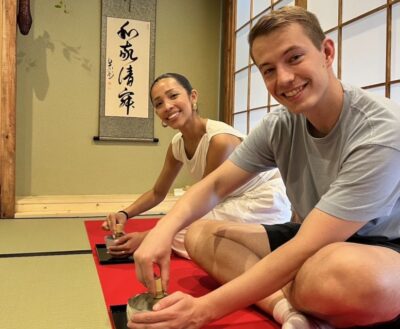
Browse the lists this tour appears in