
Reviewed · WAGASHI & MOCHI MAKING
Mochi and Nerikiri Wagashi Combination Cooking Class
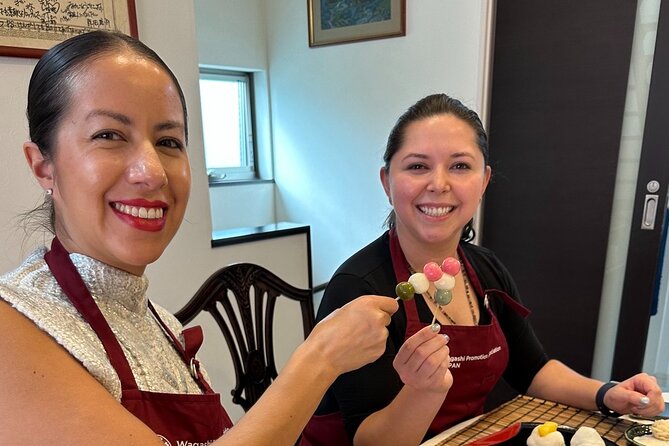
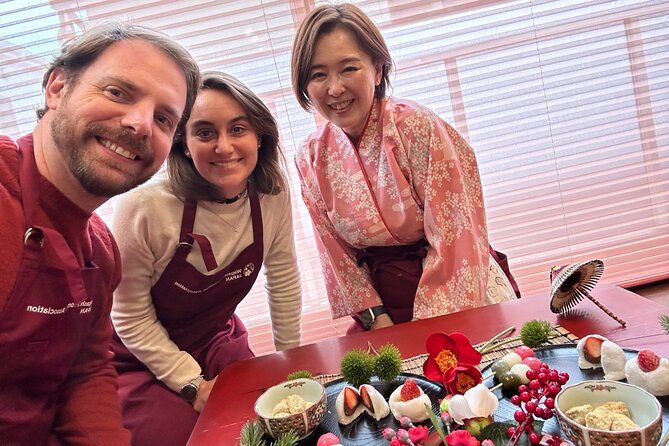
This in-home Tokyo cooking class is interesting because you trade the usual noise of the city for a calm kitchen lesson with a real host, Satoko-san. I especially like the private, in-home attention, and I also love that you sit down to enjoy your treats with freshly guided matcha.
One thing to consider up front: there are two short hair cats in the home, and they stay in the bedroom during the lesson. If you have a strong cat allergy, this may not be for you.
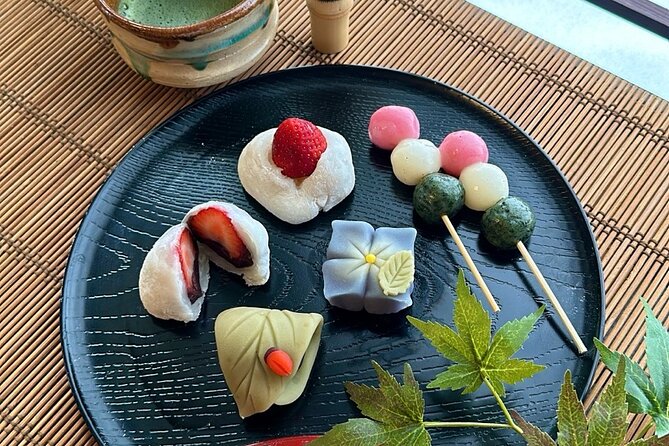
You’ll learn three different styles of Japanese sweets, starting with mochi made from glutinous rice flour and moving into strawberry daifuku and dango. Then you shape two kinds of seasonal nerikiri wagashi dough using a motif guide and a tutorial video.
Key Highlights Worth Your Time
- Satoko-san’s patient teaching makes shaping wagashi feel doable, not stressful
- Matcha included so you taste what you made the same way it’s traditionally enjoyed
- Seasonal adjustments mean fruit fillings and nerikiri motifs change based on what’s in season
- A takeaway special box lets you bring your sweets back (or share them later)
- Tools and a takeaway setup are included, so you do not waste time hunting gear
- History of mochi and how to eat it gives context beyond just following steps
A Cozy, Practical Tokyo Cooking Class Setup
Mochi and wagashi classes can feel like either a factory line or a demo where you watch most of the time. This one sits in a better middle ground. You come to a local home, you get hands-on instruction, and you work through multiple sweets so you get real practice.
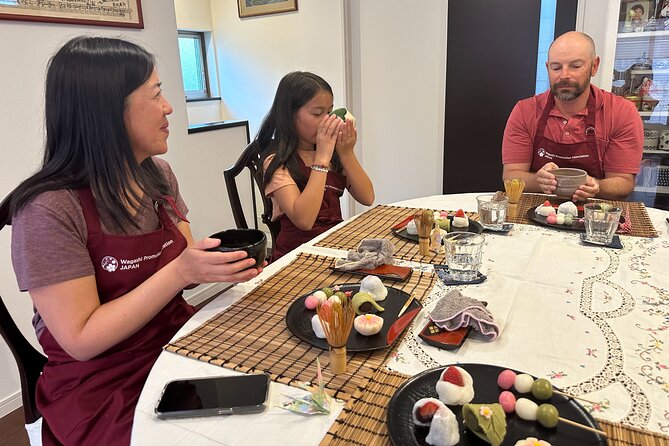
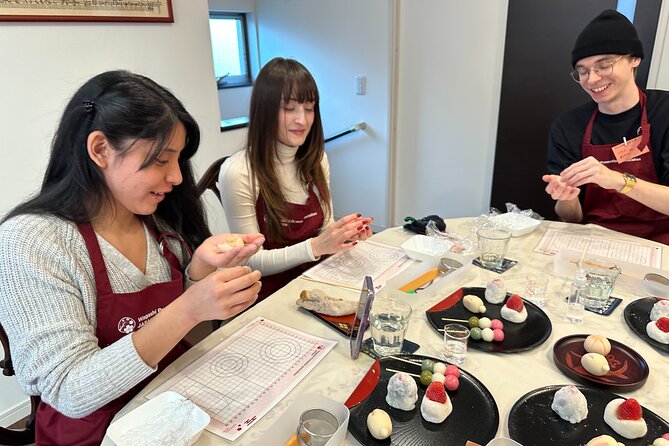
The lesson runs about 2 hours 30 minutes, and it is designed as a private experience, meaning only your group participates. That matters in a class like this because timing and technique are everything. When something sticks, tears, or looks uneven, you can adjust right away with your host’s guidance.
I also like that it is described as being about 15 minutes from the city, which is travel language for: you can start near where your Tokyo day already is, then quickly shift into a calmer setting. You are not commuting across town for a lesson that feels like an airport tour. You get a small, neighborhood-scale experience that fits Tokyo at a human pace.
More Cooking Classes in Tokyo
- Ramen & Gyoza Cooking Class in Tokyo with Local Supermarket Visit
★ 5.0 · 823 reviews - Tokyo: Easy Ramen Cooking Experience in Kabukicho, Shinjuku
★ 4.6 · 321 reviews - Ramen and Sushi Cooking Class with Sake Pairing Set in Tokyo
★ 5.0 · 291 reviews
What You’ll Make: Daifuku, Dango, and Two Seasonal Nerikiri Styles
This class focuses on mochi and wagashi in a way that builds skills as you go. You start with the basic mochi idea using glutinous rice flour, then you repurpose that dough into several iconic forms.
Here is the menu of what you will learn to make:
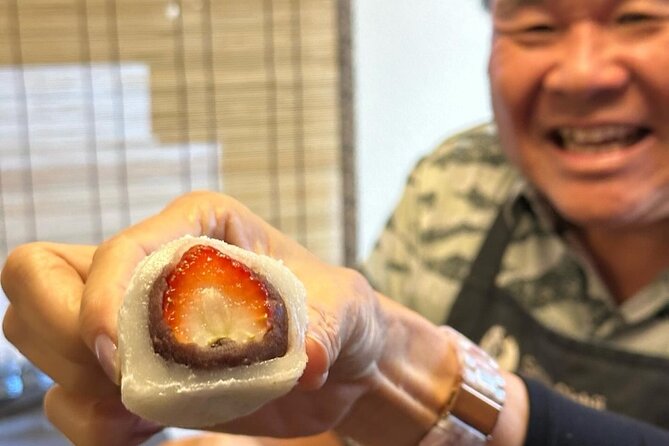
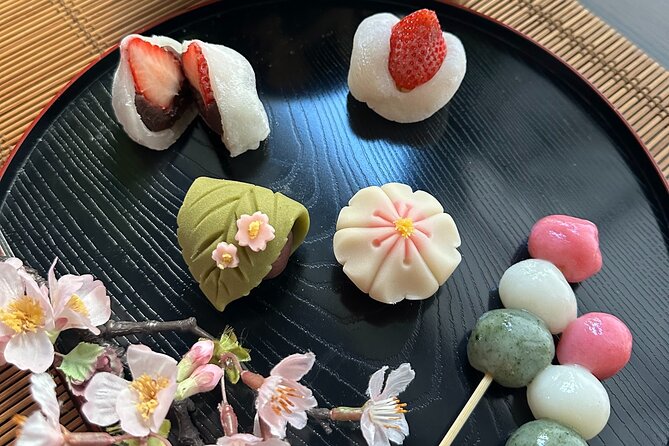
- Strawberry daifuku (and if strawberries are out of season, the filling swaps to pineapple or kiwi)
- Dango (mochi balls served on skewers)
- Two types of nerikiri wagashi (seasonal motifs change by time of year)
What I like about this mix is that it teaches you more than one texture goal. Daifuku asks for a neat, enclosed shape. Dango asks for portioning and even sizing so your skewers look tidy and cook up nicely in your mind for later. Nerikiri is the most artistic step, where shaping and motif matter, so it is great for getting feedback from a patient instructor.
And yes, there is an added bonus: you learn the history of mochi and the different ways it can be eaten. That context makes the sweets feel less like random food shapes and more like part of Japanese seasonal culture.
Mochi From Glutinous Rice Flour, Plus Real Shaping Practice
Mochi can look mysterious in photos, but your host keeps it practical. You learn how to make mochi using glutinous rice flour, then you use that mochi in the sweets you are building.
For daifuku and dango, the big challenge is usually control. You need a dough feel that is flexible but not sticky, and you need consistent portions so the final look is balanced. In a private setting, you can correct technique mid-course instead of hoping you got it right.
Then comes nerikiri wagashi, and this is where the class becomes more like a craft workshop. The dough is made and colored in advance, which helps you avoid the mess and timing problems people run into on their own. You still learn the shaping and motif work, but you also get support through a tutorial video for guidance.
The motif changes seasonally, so your version depends on timing. The class approach stays the same: you shape the dough into a seasonal design, and you learn how to make the style look intentional instead of accidentally lumpy.
Seasonal Nerikiri Wagashi: How to Think Like a Maker
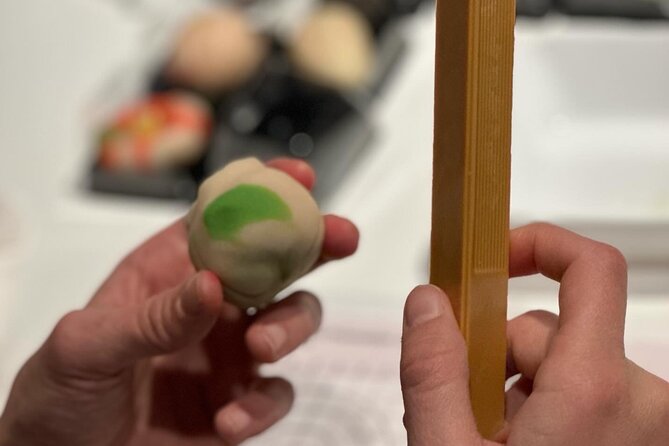
Nerikiri wagashi is often described as art, but in this class it is treated like a teachable process. Even if you have never made sweets before, you get a structured path, and Satoko-san helps you refine details without making you feel behind.
Two helpful things are clearly part of how the class works:
- You are not starting from zero dough preparation, because the dough is made and colored in advance. That keeps the lesson moving and keeps the focus on shaping.
- You have a tutorial video to reinforce what you do during the lesson. This is huge for learning transfer. After class, you are not stuck remembering what went where. You have a visual reference.
Also, the motifs being seasonal is not just a fun theme. It is a real reason the sweets feel special. If you come in spring, you might get one kind of motif. If you come later, it changes. That means you learn the method rather than just memorizing one design.
Finally, Satoko-san is known for being kind and patient, and that shows in the way your pieces get shaped. One review also highlighted that she takes photos during the process and helps with plating so your results look good, not just edible.
More Wagashi & Mochi Making in Tokyo
- Tokyo Sumo Experience: Chanko & Mochi with a Former Pro
★ 4.8 · 567 reviews - Tokyo: Matcha Making Experience with Mochi Sweets in Asakusa
★ 4.9 · 388 reviews - TokyoSumoShow, ChickenHotPot, and Mochi-Pounding by Pro Wrestlers
★ 5.0 · 226 reviews - Private Mochi Sweets Making class near Shibuya area
★ 5.0 · 93 reviews
Matcha Tea With Your Host, Then Taste the Results
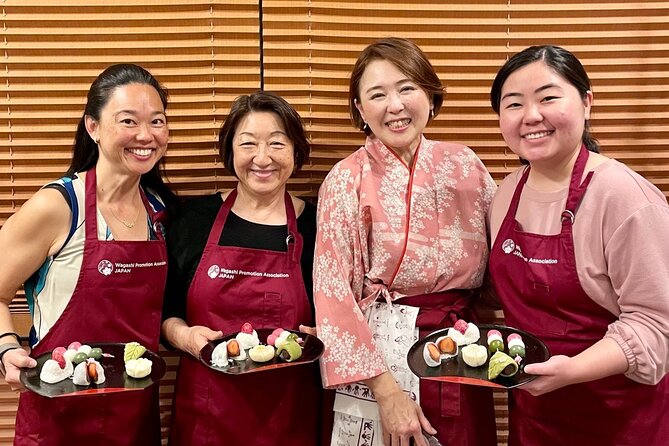
After the hands-on work, the class shifts to tasting. You can enjoy your creations with matcha green tea, and the matcha is guided during the lesson. That is a smart choice because mochi and wagashi are not only desserts, they are meant to be paired.
The flavor balance matters. Matcha gives a slightly bitter backbone that cuts through sweetness, and it makes the texture more interesting on the tongue. When you taste what you made right after shaping, you also get instant feedback on whether your dough portioning and filling choices matched the intended result.
You also get a practical takeaway option. You can eat everything on the spot, or you can take it with you in a special box. That is perfect for people who want to keep the experience contained, rather than turning it into a full afternoon snack run.
One more small plus: there is mention of a Japanese gift as a souvenir. Those little extras do not replace good instruction, but they do add warmth to a class that already feels personal.
Tools, Apron, Towel, and What You Really Pay For
At $85.66 per person, the price might look like a lot until you break down what is included. In this case, you are not just paying for a recipe. You are paying for materials, guided technique, and a host who walks you through multiple sweets.
What you actually get included:
- Apron and hand towel (so you can focus on the food, not your clothes)
- Special tools for wagashi making
- Special box for takeaway
- Drinking water
And because it is in a private home, you also get that attention. Group discount options exist too, which can make it a better deal if you are traveling with friends.
To me, this is value because wagashi tools and ingredient timing add up if you try to reproduce everything at home on your first attempt. Here, the class gives you a structured workflow and the necessary gear, so you leave with something usable immediately.
Vegetarian-Friendly Ingredients You Can Feel Good About
The class notes that ingredients are plant-based, and it is appropriate for vegetarians. That is not always true with Japanese sweets because some desserts can include animal products depending on ingredients.
If you have dietary restrictions, do not assume a dessert class will work for you. In this case, you have enough clarity to feel confident booking. Still, if your food needs are very strict, it is always smart to double-check details when you confirm.
The plant-based approach also means you can focus on learning the techniques rather than worrying about substitutions mid-lesson.
Location and Timing: Getting to 20-15 Kitaminemachi Without Headaches
The meeting point is listed at 20-15 Kitaminemachi, Ota City, Tokyo 145-0073, Japan, and the lesson ends back at that location. Private transportation is not included, but it is near public transportation.
This matters because a cooking class in a home works best when you show up calm. You do not want a frantic last-minute scramble while holding ingredients or trying to figure out where to park. If you use transit, give yourself extra buffer time. The address is specific, and that helps once you are close.
Booking is also popular. The class is, on average, booked about 51 days in advance, which tells you it is not a throwaway filler activity. If your dates are fixed, do not wait until the last minute.
Also, the class uses a mobile ticket. That is modern and convenient for Tokyo, where most of your day is already digital.
Who This Mochi and Nerikiri Class Is Best For
This experience is a strong match if you want something more authentic than a factory-style cooking demo. It is also a good fit if you want beginner-friendly instruction but still want to make a real set of sweets, not just assemble one item.
You will likely enjoy it if:
- you like hands-on food experiences and want practice shaping
- you care about seasonal Japanese treats and not only the basics
- you want a quieter Tokyo moment in a local neighborhood home
- you want matcha and sweets together in a guided way
It may not be the best choice if:
- you have a strong cat allergy (two cats are in the home, staying in the bedroom during the lesson)
- you hate the idea of going to a private home setting, since the experience depends on that cozy, personal environment
Should You Book This In-Home Mochi and Nerikiri Wagashi Class?
If you want an actually personal Tokyo food experience, I think this is book-worthy. You get hands-on instruction, a structured set of sweets to learn, and you take home a takeaway box. The best part, for me, is that it feels like you are learning a craft method you can repeat, not just copying a one-time result.
The price is not bargain-level, but it is fair considering you get tools, guided matcha, multiple sweets, and private attention from Satoko-san. Add in the fact that recipes are described as simple and the class provides a tutorial video for nerikiri shaping, and you have a strong chance of using what you learn after you return home.
If your dates are coming up and you fit the cat note, book early. This is the kind of class that gets scheduled because it is fun, doable, and genuinely different from the usual Tokyo checklist.
FAQ
What sweets will I learn to make?
You will learn to make mochi and then use it to make strawberry daifuku (with pineapple or kiwi if strawberries are out of season), dango (mochi balls on skewers), and two types of nerikiri wagashi with seasonal motifs.
Is the class beginner-friendly?
Yes. The hands-on instruction is described as beginner-friendly, and the class teaches you the process step by step.
Can I take the sweets home?
Yes. After the lesson, you can taste your creations with matcha, or you can take them with you in a special box.
What is included in the price?
Included items are an apron, hand towel, special tools for wagashi making, a special box for takeaway, and drinking water.
Are the ingredients vegetarian-friendly?
The ingredients are described as plant-based, and the class is appropriate for vegetarians.
Are there cats in the home?
Yes. There are two short hair cats, and they stay in the bedroom during the lesson. It is noted that the experience is not recommended for people with strong cat allergies.
How does cancellation work?
Free cancellation is available. You can cancel up to 24 hours in advance of the experience for a full refund. If you cancel less than 24 hours before the start time, the amount paid is not refunded.
Latest write-ups near Tokyo
- Tokyo Nights: Shibuya Photo Adventure★ 5.0 · 20 reviews
- Wagyu & Sake 8 Course Tasting Dinner in Shinjuku★ 4.9 · 20 reviews
- Making Japanese desserts Nerikiri & drinking matcha in Tokyo★ 5.0 · 20 reviews
- Mt. Fuji 5th Station, Owakudani Ropeway, Pirate Ship plus Outlet shopping!★ 4.5 · 20 reviews
- Japanese Whisky Hunting《HIGH-QUALITY-ONLY》Rare Tasting Class★ 5.0 · 20 reviews
- Kintsugi Experience with Arita Ware in Tokyo (English Guide)★ 4.8 · 20 reviews
- This is Asakusa! A Tour Includes the All Must-Sees!★ 5.0 · 20 reviews
- Tokyo: Karate Experience with Former All-Japan Champion★ 5.0 · 20 reviews
Wagashi & Mochi Making, compared.

Tokyo Sumo Experience: Chanko & Mochi with a Former Pro
Read our review →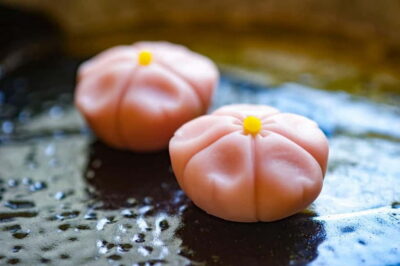
Matcha Making Experience with Mochi Sweets in Asakusa
Read our review →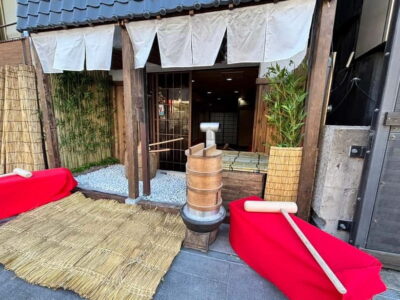
Traditional Mochi Pounding Experience with Tasting
Read our review →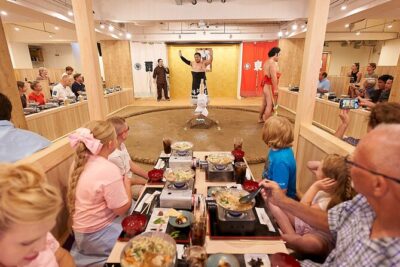
TokyoSumoShow, ChickenHotPot, and Mochi-Pounding by Pro Wrestlers
Read our review →
Private Mochi Sweets Making class near Shibuya area
Read our review →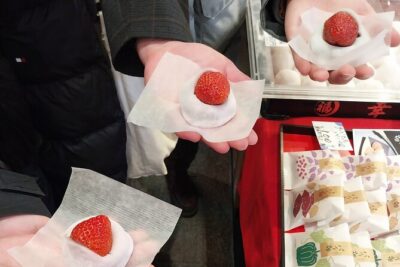
Kyoto Food Tour of 10 Tastings with Wagyu, Mochi & More Surprises
Read our review →
【For adult】Traditional Mochi Pounding Experience with Tasting
Read our review →
Kyoto Wagashi(Japanese sweets) Cooking Class near Fushimiinari
Read our review →Browse the lists this tour appears in