
Reviewed · WORKSHOPS
Nagoya: Traditional Japanese Sweets-Making Workshop
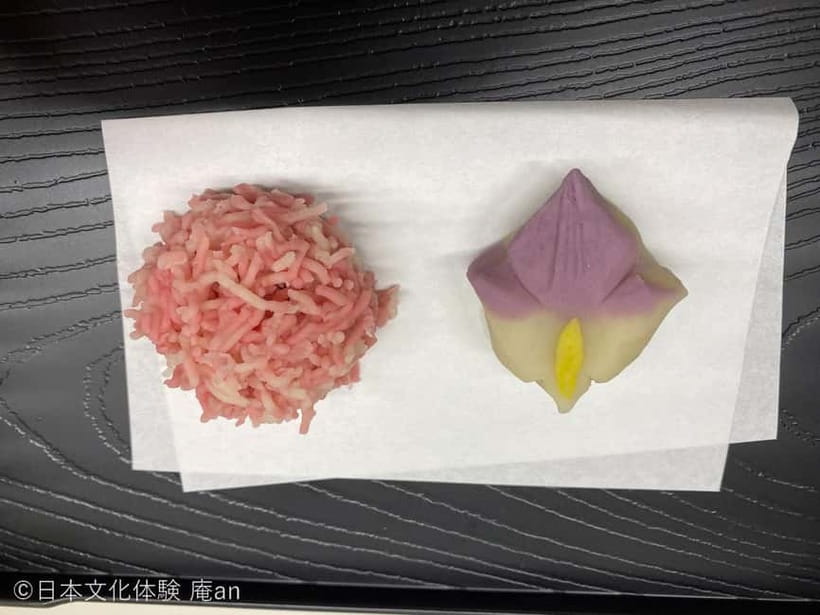
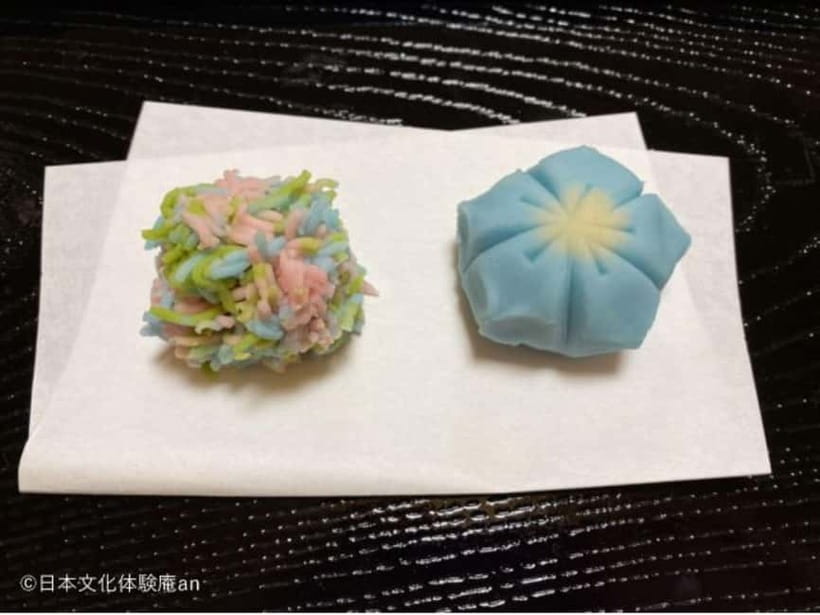
Nagoya’s traditional sweets workshop is interesting because you are not just watching. You are shaping soft bean paste into nerikiri, the kind of wagashi that look almost too pretty to eat.
I love two things right away. First, you work with white and red bean paste sourced from Kyoto’s long-established shops, so the flavor feels old-school. Second, you make two seasonal sweets in one session, then you can taste what you make right away.
One consideration: the venue is on the 3rd floor with no elevator, so you will want to plan for stairs. And since they cannot hold the class for delays, arrive early and keep it simple.
Key takeaways before you go
- Kyoto bean paste for both white and red flavors, used in your own nerikiri
- Two seasonal nerikiri made by you in about 65 minutes
- Made for eating on the spot, so you get instant satisfaction
- Small classroom feel (around 20 people), with clear guidance
- Japanese-led with English support, plus extra explanations like matcha basics
- Nominative certificate and take-out box options if you want keepsakes
Why Nerikiri in Nagoya feels like portable Japanese art
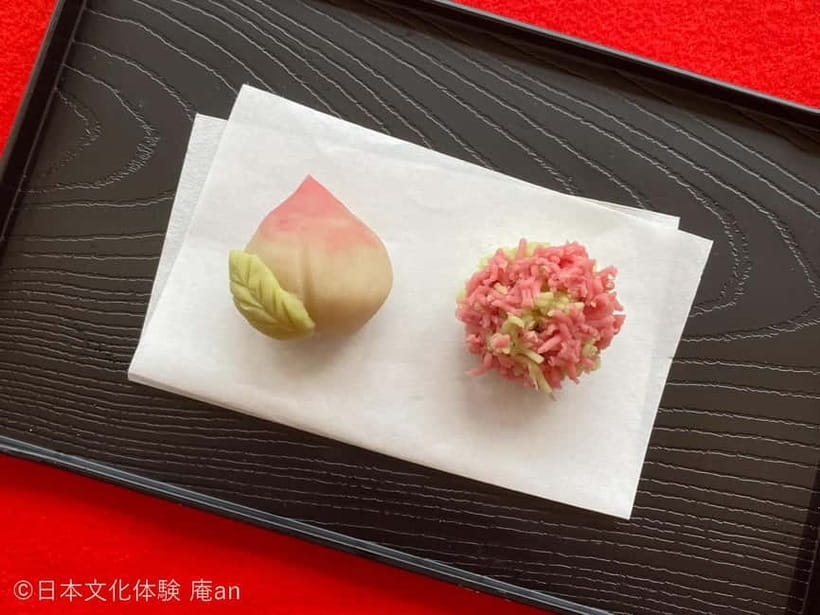
Nerikiri is the kind of wagashi that turns a snack into a tiny visual world. The beauty is in the details, like how the surface is smoothed and how the color transitions look intentional. In this Nagoya workshop, that idea is practical, not fancy talk. You get your hands on the paste, you follow the steps, and you end up with something you can actually eat.
I like that the workshop treats this as both craft and taste. You do not need to be an artist. You just need patience for small steps and a willingness to try. The process is hands-on enough that the time flies.
And the class has a friendly rhythm. The instructor teaches in Japanese, with English translation provided as much as possible. In real life, that means you can keep up even if your Japanese is basic. If you want a low-stress cultural activity in Nagoya, this is a strong choice.
Also on the shortlist for Nagoya:
- From Nagoya: Gujo, Hida Takayama, and Shirakawa-go Day Tour
★ 4.4 · 398 reviews - Ghibli Park 1-Day Bus Tour from Nagoya
★ 4.5 · 277 reviews - From Nagoya: Hida Takayama & Shirakawa-go Tour w/Opt. Lunch
★ 4.5 · 256 reviews
What you make in 65 minutes: two seasonal sweets
The core of the experience is simple. You will make two seasonal Japanese sweets called nerikiri. The class is designed for completion within about 65 minutes, so it is not one of those half-day commitments.
Each sweet has its own shaping challenge. Even if the final forms are not identical to a shop sample, the workshop is focused on the process: knead and handle the paste correctly, build the shape, and finish it neatly.
You will also notice something important once you start. Nerikiri is forgiving in some ways and strict in others. The paste is workable, so you can adjust while you form it. But the look is all about careful finishing, especially on the surface. That is why the instructor guidance matters. They help you avoid common mistakes and keep your sweets looking clean.
At the end, your sweets are plated, and you get to enjoy them on the spot. That last part is not an afterthought. It is part of the experience.
The Kyoto bean paste detail that actually changes your taste
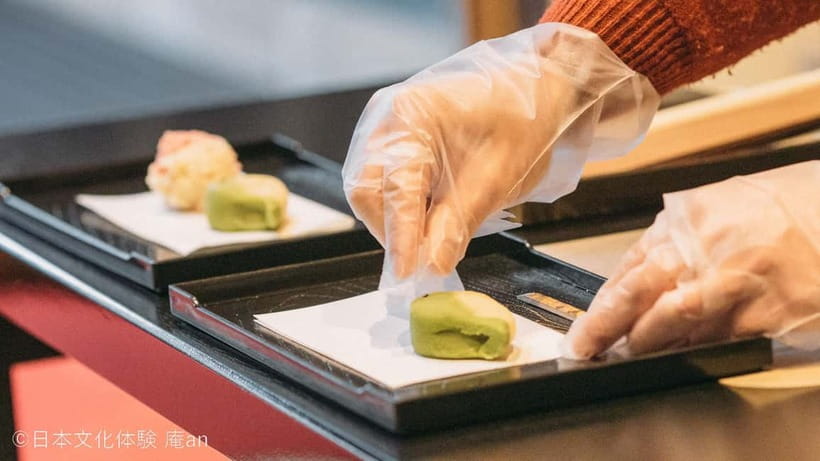
Here is a rare, useful detail: you use white/red bean paste produced by Kyoto’s long-established shops. That is not just a marketing line. Bean paste quality shows up in the flavor and texture.
White bean paste tends to feel smoother and sweeter, while red bean paste usually brings deeper, more robust flavor. Using both means you are not stuck with one taste profile. You get two different directions in one class, which makes your tasting more interesting.
Also, since the paste is already prepared for wagashi, you are learning technique rather than reinventing the basics. That matters because it keeps the class on track. You spend your time shaping, smoothing, and decorating, not troubleshooting homemade bean paste.
Step by step: shaping, coloring, and finishing your nerikiri
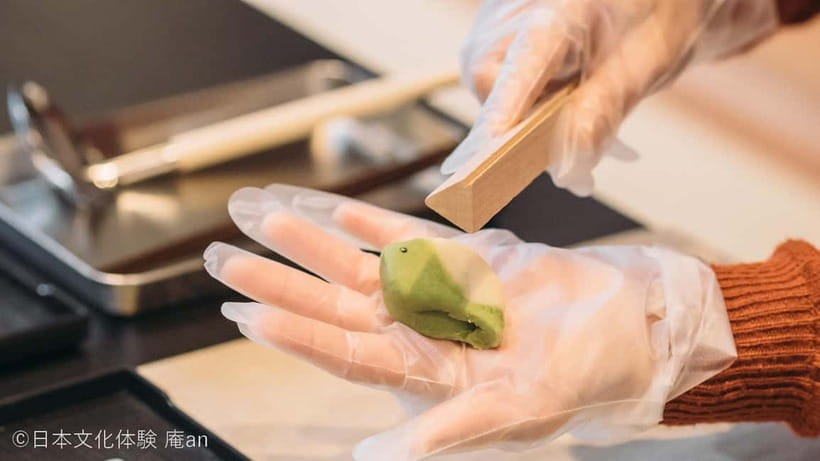
The workshop is essentially a guided “make along” session. The instructor demonstrates, then you follow. You should expect a classroom-style layout rather than a studio where you are alone with tools. The setup feels collaborative, with other participants at nearby stations.
What to focus on as you work:
- Keep your movements steady. Nerikiri is soft, and quick, rough handling can make shapes lose definition.
- Pay attention to how the paste is prepared before shaping. The early steps affect everything that comes after.
- Take your time on the finishing surface. That is where your sweets start to look like wagashi instead of something that accidentally became a snack.
The class is structured enough that it feels doable, even if you have never handled nerikiri before. One review highlighted how easy it was to understand and how fun it was making the sweets. That matches what you will probably feel in the moment: once you get the hang of the steps, it becomes satisfying rather than stressful.
Another detail I appreciate is the “artwork” mindset. When you place your handmade sweets on the plate, you are not just done. You are looking at your own small result. It feels a bit like finishing a drawing and stepping back to see it in a frame.
A change of pace from Nagoya:
- Hiking the Historic Nakasendo Trail [1 Day Tour from Nagoya]
★ 5.0 · 104 reviews - Nagoya Highlight Tour guided by a friendly local
★ 5.0 · 86 reviews - Nagoya: Japanese Traditional Sweets making and Tea Ceremony
★ 4.9 · 76 reviews - Magome-juku, Tsumago-juku & Ena-kyo 1d Bus Tour from Nagoya
★ 4.6 · 75 reviews
The matcha moment and the classroom vibe
This is not only about shaping nerikiri. You may also get a short introduction related to matcha. One participant specifically mentioned listening to an introduction of matcha making during the workshop.
That kind of add-on is worth it. It gives context to the sweets. In Japan, wagashi and tea are often paired, and matcha is the easy gateway drink. Even if you only pick up a few basics, it helps you understand why these sweets are designed the way they are.
As for the group feel, the workshop runs like a classroom. One review described around 20 people. That is big enough to feel lively, not so big that you get lost. The instructor spoke clearly in Japanese and English for participants who needed translation support.
So if you like structure, you will probably enjoy this. If you prefer total silence and solo craftsmanship, you might find it slightly social. But the guidance is the priority.
Price and value: $11 for hands-on wagashi you eat
The price is $11 per person for a 65-minute hands-on session that includes the experience itself. You also get the chance to eat what you make on the spot, which turns the class into more than a souvenir-making exercise.
Here is how I judge value in cases like this:
- Are materials and instruction included? Yes, you are making the sweets with the provided bean paste and guidance.
- Do you get a result you can enjoy immediately? Yes, you can eat the sweets on site.
- Does the time feel efficient? 65 minutes is long enough to learn the technique but short enough to fit into a day in Nagoya.
Then there are optional add-ons. You can buy a take-out box for 100 JPY if you want something to go. There is also an experience completion certificate for 300 JPY, and nominative certificates require you to share your names in advance, otherwise the name field is left blank.
Those options do not make the core experience better, but they can help if you like taking home proof, or if you want to share sweets later.
Finding the workshop near Kokusai Center Station and Nagoya Station
Logistics matter because this class runs on a set schedule. The meeting point is about a 1-minute walk from Exit 3 of the Sakura-dori Line subway station Kokusai Center Station. It is also about a 13-minute walk from Nagoya Station on the Sakura-dori side.
Once you arrive, note the tricky part: the venue is on the 3rd floor and there is no elevator. If you are carrying a bag, keep that in mind. Shoes and stairs become part of your plan.
If you want to be calm, aim to arrive early and do not try to sprint at the last second. They will not accommodate delays by holding the event.
One more practical note: the class is in Japanese, with English translation provided as much as possible. If you can bring your curiosity more than your vocabulary, you will be fine.
Who this workshop suits best
I think this is a great fit for people who want cultural experiences that are hands-on and quick. If you like making things with your hands, this delivers. If you enjoy food that looks like art, it delivers even harder.
You will likely enjoy it if:
- You want something more personal than a museum stop
- You are traveling in a small group or solo and want a shared activity
- You like seasonal food and want to learn a traditional technique
It is also a good choice for visitors who want English support. The instructor provides translation support as much as possible, and multiple participants noted clear instruction in Japanese and English.
If you are traveling with very young kids, there is a small detail to know: children who sit on their parents’ laps are free of charge (under 2 years old only). And those who do not participate are not allowed to enter, so plan accordingly.
Should you book this Nagoya sweets-making workshop?
If you want a single activity that combines technique, taste, and a pretty strong “I made this” feeling, I would book it. The value is solid because you get instruction plus two finished sweets you can eat immediately. You also get a real ingredient story, with Kyoto bean paste shaping the flavor of your result.
The main reason to hesitate is the 3rd-floor walk and the strict timing. If stairs are an issue for you or you might be late due to a packed schedule, choose a different day or plan a bigger buffer.
Otherwise, this is a smart cultural stop in Nagoya. It is short enough to fit anywhere, and it gives you a skill and a snack you can remember long after the plate is cleared.
FAQ
How long is the Nagoya traditional sweets-making workshop?
It runs for about 65 minutes.
What sweets will I make?
You will make two seasonal Japanese sweets called nerikiri.
What ingredients are used?
You use white and red bean paste produced by Kyoto’s long-established shops.
Can I eat the sweets after making them?
Yes. You can eat the sweets on the spot.
Is the workshop available in English?
English translation is provided as much as possible. The workshop language is Japanese, and you can contact the operator if you want to add English support.
Where is the meeting point?
It is a 1-minute walk from Exit 3 of Kokusai Center Station on the Sakura-dori Line. It is also about a 13-minute walk from the Sakura-dori side of Nagoya Station. The coordinates are 35.1715323, 136.891893.
Is there an elevator at the venue?
No. The venue is on the 3rd floor and there is no elevator.
Are there options to take anything home or get a certificate?
Yes. A sweets take-out box is available for 100 JPY. An experience completion certificate is available for 300 JPY if you provide the names in advance for a nominative certificate.
What are the operating hours and cancellation rules?
Operations are from 10:00 to 17:00. Reservations received after 17:00 are processed the next day. You can cancel up to 24 hours in advance for a full refund.
Latest write-ups near Nagoya
- Magome-juku, Tsumago-juku & Ena-kyo 1d Bus Tour from Nagoya★ 4.6 · 75 reviews
- Nagoya: Japanese Traditional Sweets making and Tea Ceremony★ 4.9 · 76 reviews
- Nagoya Highlight Tour guided by a friendly local★ 5.0 · 86 reviews
- From Nagoya: Hida Takayama & Shirakawa-go Tour w/Opt. Lunch★ 4.5 · 256 reviews
- Hiking the Historic Nakasendo Trail [1 Day Tour from Nagoya]★ 5.0 · 104 reviews
- Ghibli Park 1-Day Bus Tour from Nagoya★ 4.5 · 277 reviews
- Nagoya Full-day Private Custom Tour with National Licensed Guide★ 5.0 · 61 reviews
- Nagoya Samurai & Toyota Tour guided by a friendly local★ 5.0 · 24 reviews
Workshops, compared.
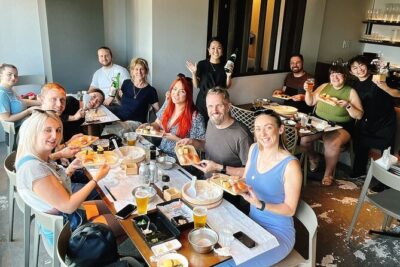
Sushi Making Tokyo Roll and Authentic Japanese Sushi Class
Read our review →
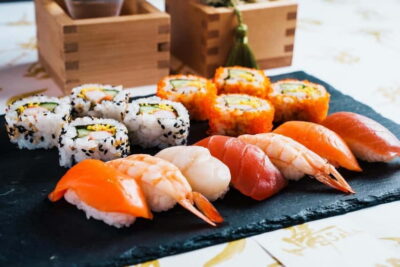
Roll and Authentic Sushi Making Class in Asakusa
Read our review →
Ramen Cooking Class at Ramen Factory in Kyoto
Read our review →
Sushi Making Class in a Happi Coat near a Famous Spot
Read our review →

Sushi Making Osaka Roll and Authentic Japanese Sushi Class
Read our review →Browse the lists this tour appears in