
Reviewed · COOKING CLASSES
Near Fushimiinari: Kyoto Home Cooking Class & Supermarket tour
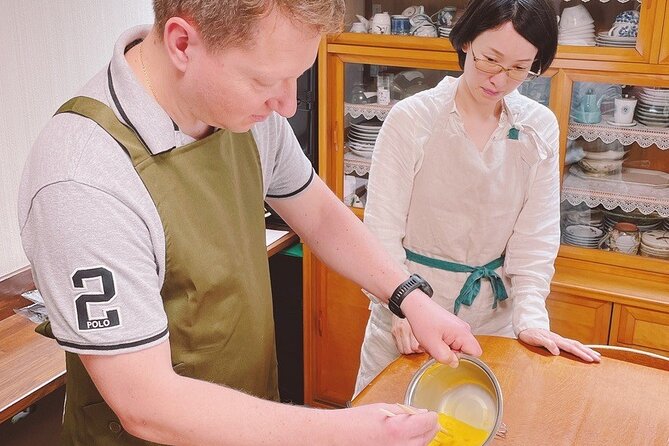
What makes this Kyoto food experience interesting is the mix of cooking in a real Japanese home and learning how to shop for the ingredients that make it work. You start near Fushimiinari, cook an entire lunch yourself, then walk a local supermarket with your instructor to find what you used.
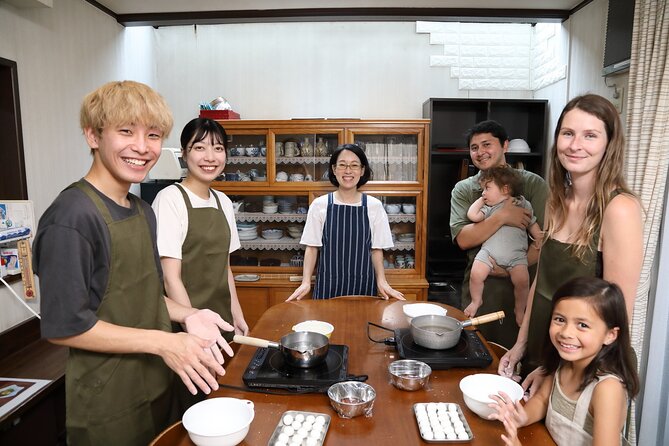
I especially like that the class keeps things small, up to six people, so you can actually ask questions while you work. I also like that it is taught entirely in English by licensed guide interpreters, so the explanations land fast, even if you are not speaking Japanese.
One consideration: drinks are not included, so plan to purchase your own beverage during the meal or budget a little extra.
Key highlights to know before you book
- Near Fushimiinari, with an easy meeting point in Fushimi Ward
- Small group size (max 6), which makes Q and A feel natural
- Hands-on cooking of about 5 dishes, not just watching
- English-only instruction, delivered by licensed guide interpreters
- Short supermarket tour (about 30 minutes) to locate the ingredients you used
- Take-home recipes so you can reproduce the dishes later
A Kyoto home-cooking class that feels personal, not scripted
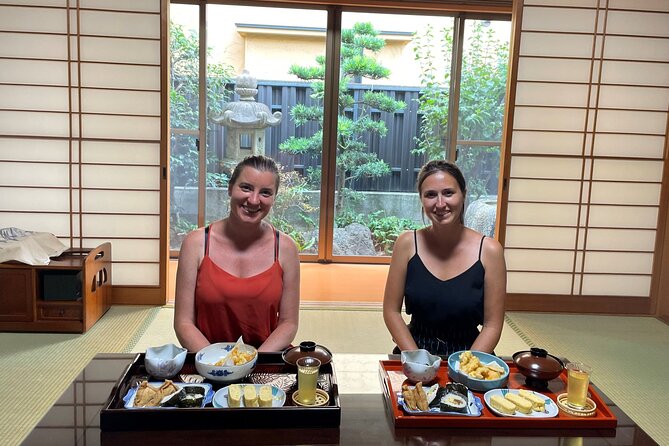
Kyoto can be packed with cooking classes that feel like a show: stand back, watch, then assemble something pretty. This one is different because you cook in a traditional home setting, with a tatami room and a calm garden view that makes the whole experience feel quieter and more local.
The format matters. You get a quick orientation, then you get hands-on time in the kitchen. That is where you learn technique, not just steps. The room itself adds something practical too. When you eat in a traditional space, you see how the meal is meant to flow, how dishes come together, and how Japanese hospitality often centers on shared food and comfort.
Also, the group size helps. With a maximum of six people, you are not stuck waiting for attention. You can ask why something is handled a certain way, and you can get your instructor to correct your technique before it becomes a bad habit.
One more plus: the class is held in English, and the instructor is a licensed guide interpreter. That means you are not guessing at explanations, and non-English speakers are still accommodated, so you can join without worrying that language will trap you.
More Cooking Classes in Kyoto
- Ramen Cooking Class at Ramen Factory in Kyoto
★ 5.0 · 1,937 reviews - Kyoto: Ramen Cooking Class at a Ramen Factory with Souvenir
★ 4.9 · 532 reviews - Kyoto: Ramen, Gyoza, and Onigiri Cooking Class
★ 5.0 · 445 reviews
The 4-hour flow near Fushimiinari, from dashi to lunch
The experience runs about 4 hours, starting at 9:30 am. It begins at the meeting point in Fushimi Ward, then it loops back there at the end. Since there is no hotel pickup or drop-off, you will want to plan how you get there using public transportation.
Here is the rhythm of the class:
First, you focus on dashi, the Japanese soup stock. Dashi shows up across Japanese cuisine, and understanding it is like learning the base layer of flavor. Your instructor introduces what it is and why it matters, before you jump into cooking.
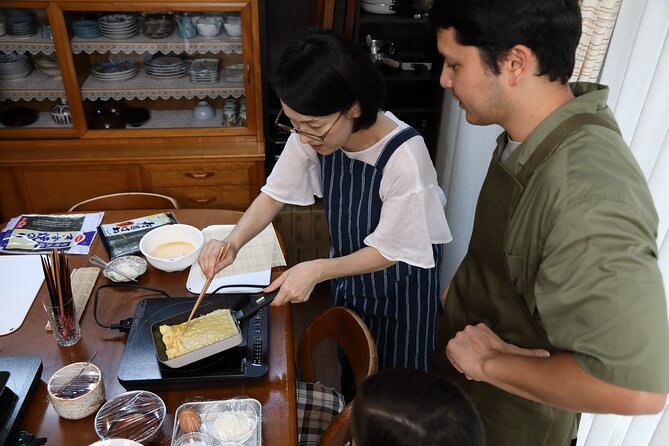
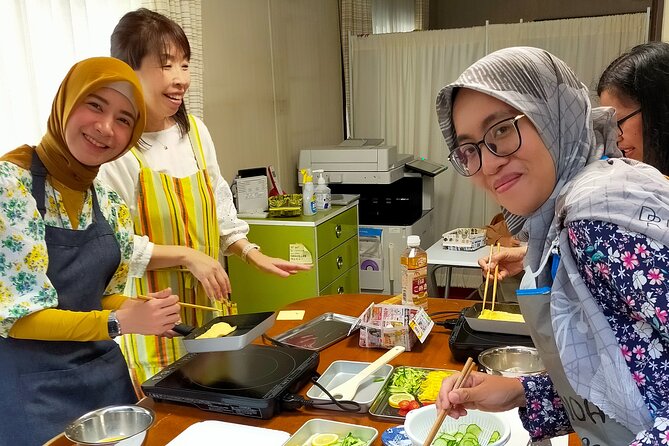
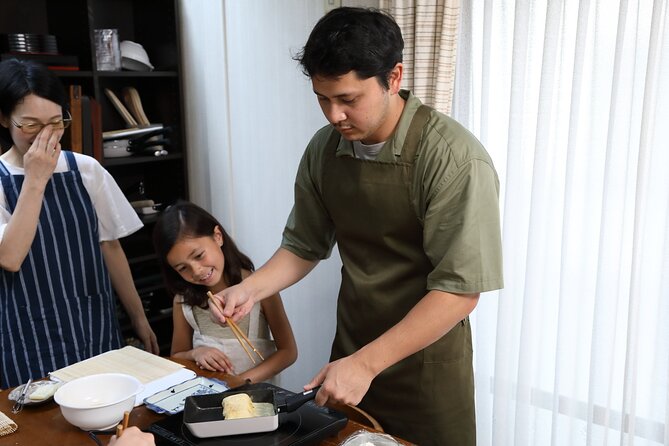
Then comes the work phase. You will prepare about 5 dishes, either by yourself or with your partner. Your instructor demonstrates some parts in front of you first, so you see how the technique should look. After that, you cook.
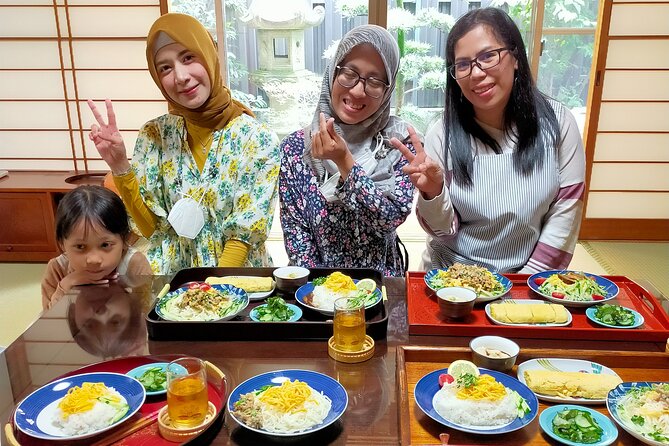
Next you eat. You and the rest of the group sit together in a traditional room. Based on past participants, the setting includes tatami flooring and a view of the garden, with a calm space that makes the lunch feel like a real meal, not a timed break.
After the meal, you head to the supermarket together for about 30 minutes. This is not a long shopping trip. It is a targeted ingredient hunt based on what you made, with your instructor explaining what you are looking at as you walk the aisles.
Why this flow is valuable: it ties together cooking and sourcing. Many classes teach you how to make food but leave you stranded when you get home and cannot find the ingredients. Here, you practice the shopping side while you still have expert help.
What you might cook (and why dashi is the anchor)
The exact menu can shift, but you can expect a set of dishes that teach core Japanese flavors and common techniques. The class covers dashi first, then moves into a mix of savory and lighter dishes.
From the kinds of dishes past participants have cooked, you should be ready for things like:
- Miso soup (a great first taste of umami and salt balance)
- Sushi components (technique plus understanding flavor pairing)
- Tempura (handling batter and heat is where real skill lives)
- Matcha (so you see how simple ingredients become something special)
- Spinach salad (often a chance to learn dressing structure)
- Mochi as a dessert element, with at least one guest making mochi-based treats
What I like about this type of menu is the mix. You are not stuck in one cooking style. You learn how Japanese cuisine balances stock flavor (dashi), fermented depth (miso), and crisp textures (tempura). Even if you never plan to make sushi at home again, the underlying lessons transfer.
One detail worth calling out: your instructor prepares some dishes in front of you, then you repeat the process hands-on. That reduces stress. You are not trying to figure out everything from scratch while everyone else watches you fumble. You get a model first, then you build confidence.
The supermarket tour that actually solves a common problem
The supermarket visit is short, but it is one of the most useful parts of the experience because it tackles a real headache: Japanese ingredients can look unfamiliar, and labels are not always intuitive if you have not cooked here before.
In practical terms, the supermarket stop is where you connect the dots between what you cooked and what you can buy later. Your instructor helps you find the ingredients used in class. Past participants have said the explanations in the store made the whole shopping experience feel less mysterious, and that you can buy ingredients afterward if you want to recreate the dishes for friends and family.
Think of it like a translator for your shopping list. You are learning which products you need, what they do, and how to shop with intent instead of guessing.
A small time note: it is about 30 minutes. That is enough to identify key items, but it is not enough to wander and casually explore everything. If your goal is to browse the entire supermarket and taste snacks, you might want to do that on another day. For this class, the purpose is targeted ingredient learning.
A change of pace from Kyoto:
- PERFECT KYOTO 1-Day Bus Tour
★ 5.0 · 13,518 reviews - Kyoto: Fushimi Inari, Kinkakuji, Bamboo Grove 1 Day Bus Tour
★ 4.8 · 4,316 reviews - Kyoto: Tea Ceremony in a Traditional Tea House in Kiyomizu
★ 4.9 · 3,519 reviews - Kyoto Geisha Walking Tour: Gion District & Hidden Gems
★ 4.7 · 3,273 reviews
Small group + English-only teaching = fewer barriers
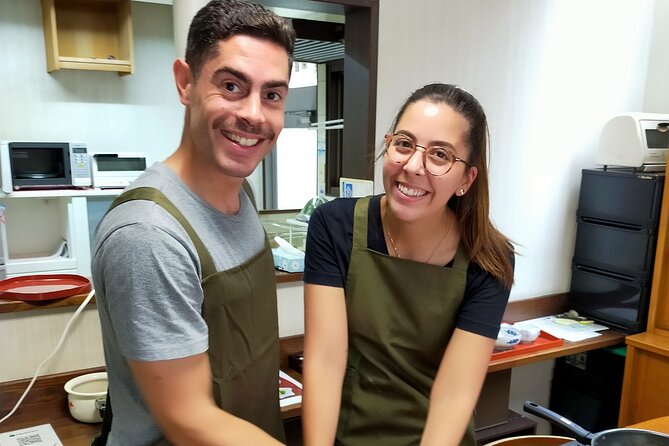
If you travel solo, this is a very friendly setup. The maximum group size is six, and the lessons are conducted entirely in English. On top of that, the instructors are licensed guide interpreters, which helps when the topic is technical or when you want specific answers.
This matters because cooking has lots of micro-decisions. How hot is the pan? How thick should a sauce be? How do you handle the timing? When explanations are clear, you learn faster and feel more confident replicating the dish later.
From the tone of the experience, the instructors also seem to be warm and responsive. Guests have highlighted how friendly and professional hosts like Miho can be, including how confidently they answer questions and how patiently they explain items during the supermarket portion.
So if you are the kind of person who asks why something works, this class fits your style.
Price and value: what you pay for, and what you get
The price is $118.92 per person, and it includes lunch, all seasonings and ingredients for cooking, the English-speaking instructor, and a supermarket tour for about 30 minutes. It also covers all fees and taxes.
That is the value part. Cooking classes often charge you for the instruction but then expect you to buy ingredients separately. Here, your ingredient costs are handled. You also get the meal you make, plus recipes to take home.
What is not included:
- Drinks
- Gratuity
- Hotel pickup and drop-off service
How I would think about the cost: you are paying for an instructor-led meal, hands-on cooking time in a real home, and guided shopping help. If you were to try to do this alone, you would likely spend money on ingredients anyway, then lose time hunting for what to buy and how to use it. The class compresses the learning into a half-day, with support.
If you are planning to buy some ingredients at the supermarket afterward, that is extra. But the class gives you a smart starting list, so any extra shopping is for the fun of cooking again, not for survival.
Who should book this Kyoto cooking class near Fushimiinari
This is a good fit if you want:
- A hands-on Kyoto home cooking experience (not just a demonstration)
- A chance to learn dashi-based foundations and standard Japanese techniques
- A guided supermarket visit so you can shop with confidence
- A small-group class that works well for solo travelers
- English instruction from licensed guide interpreters
It might be less ideal if you only want sightseeing. Yes, you are near Fushimiinari, but the focus here is cooking, lunch, and ingredient learning, not shrine time or a long walk with photo stops.
Also consider your appetite and schedule. It is a morning start, and you will be cooking and eating for much of the session. If mornings are hard for you, you might want to compare with other time slots in Kyoto.
Practical tips to make your morning smoother
A few things I would do before you go:
- Arrive a little early, since you are meeting at a specific address and the session starts at 9:30 am.
- Bring a small bag if you plan to buy ingredients at the supermarket after class. The tour is short, but you can still pick up items you want for later cooking.
- Wear comfortable shoes. You will be in a traditional home setting and then walking in a supermarket.
- If you eat vegetarian, plan to mention that when booking. One participant reported the class can accommodate vegetarians, but you will want to confirm your preferences directly.
If you have been to Japan before, you will probably appreciate the supermarket focus. If you have not, it will be even more helpful. Either way, you come away with a realistic path to cooking these dishes at home.
Should you book it? My honest call
Book this Kyoto home cooking class near Fushimiinari if you want a skill-building meal with a friendly, small group and real support while you cook and shop. The biggest win is the pairing: you learn technique in the kitchen, then you immediately learn how to find what you need in the supermarket.
I would skip it only if you hate structured activities or you expect a long sightseeing route. This is food first, and it does that job very well.
FAQ
Where and when does the experience start?
The class starts at 9:30 am. The meeting point is 38-4 Fukakusa Watamorichō, Fushimi Ward, Kyoto, 612-0022, Japan, and it ends back at the meeting point.
How long is the Kyoto cooking class and supermarket tour?
The experience is about 4 hours.
Is the class taught in English?
Yes. The lesson is conducted entirely in English, and the instructors are licensed guide interpreters.
What do I cook, and do I get recipes to take home?
You will prepare about 5 dishes during the class, after instructor demonstrations. You also receive recipes to recreate the dishes later.
Is lunch included in the price?
Yes. Lunch is included, along with all seasonings and ingredients for cooking.
Is the supermarket tour included, and how long does it take?
Yes. The tour to the local supermarket is included and lasts about 30 minutes.
What extra costs should I plan for?
Drinks are not included, and gratuity is not included. You should also expect to cover any ingredients you choose to buy during the supermarket visit if you want to shop beyond what the class uses.
Is hotel pickup provided, and how big is the group?
Hotel pick-up and drop-off are not included. The class has a maximum of 6 travelers.
What if weather is poor?
The experience requires good weather. If it is canceled due to poor weather, you will be offered a different date or a full refund.
Latest write-ups near Kyoto
- Kyoto: Nishiki Market Tour with a Local Foodie & Tastings★ 4.5 · 67 reviews
- Kyoto Kimono Rental mimosa |Kimono/Yukata Rental Couple Plan★ 4.8 · 67 reviews
- Kyoto: Traditional Kimono Fabric Handicrafts Workshop★ 5.0 · 67 reviews
- Kyoto Tea Ceremony and Samurai Photo Session★ 5.0 · 70 reviews
- Kyoto: Replica food making experience★ 4.8 · 70 reviews
- Kyoto: Kinkakuji, Golden Pavilion Guided Tour★ 4.7 · 71 reviews
- Private departure transfer from Kyoto city to Kansai International airport★ 5.0 · 72 reviews
- Uji: Green Tea Tour with Byodoin and Koshoji Temple Visits★ 4.8 · 72 reviews
Cooking Classes, compared.
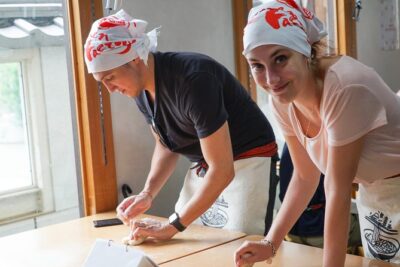
Ramen Cooking Class at Ramen Factory in Kyoto
Read our review →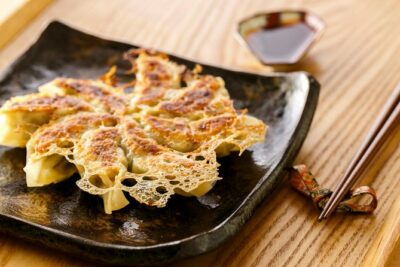
Ramen & Gyoza Cooking Class in Tokyo with Local Supermarket Visit
Read our review →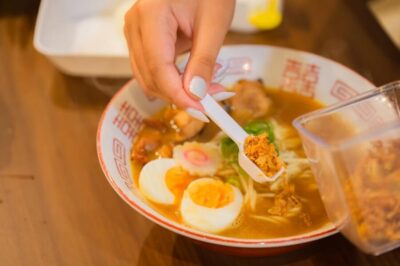
Ramen Cooking Class at a Ramen Factory with Souvenir
Read our review →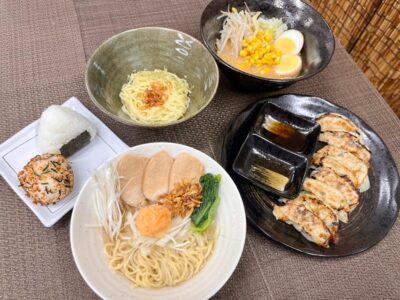
Japanese Washoku Bento Small Group Cooking Class
Read our review →
Easy Ramen Cooking Experience in Kabukicho, Shinjuku
Read our review →
Ramen and Sushi Cooking Class with Sake Pairing Set in Tokyo
Read our review →Browse the lists this tour appears in