
Reviewed · TEA CEREMONIES
Osaka; Japanese Tea ceremony experience, Macha and Sencha
A tea ceremony in Osaka is interesting because it turns something you usually gulp down into a slow, careful routine with rules and meaning. I like the matcha etiquette you practice yourself, and I love that the experience is led by an English-speaking tea master, including Yuko, so you actually understand what you’re doing. The one drawback is that this is a short, structured session, and the included sweets can be a problem if you have food allergies.
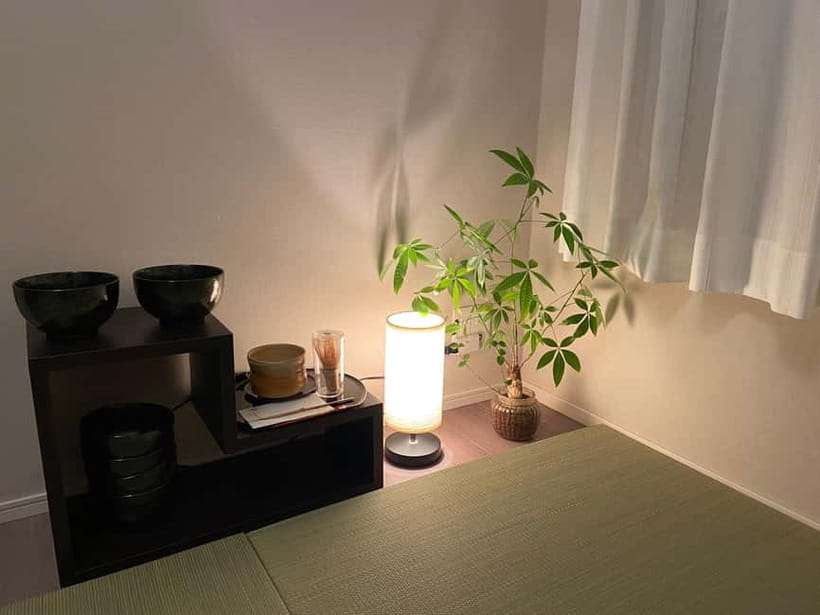
You’ll sit in a traditional tatami room, get guided step-by-step, and you can add a yukata and a photo if you want the full cultural look. Expect calm, orderly behavior, too, because there are clear do-not list rules.
In about an hour, you’ll go from watching to making matcha, then tasting it with sweets, and finishing with sencha and more sweets, with explanations along the way. If that sounds like your kind of Osaka activity, this is a very focused cultural reset.
Key things I’d plan for
- Tatami-room tea ceremony with hands-on guidance, not just a demo
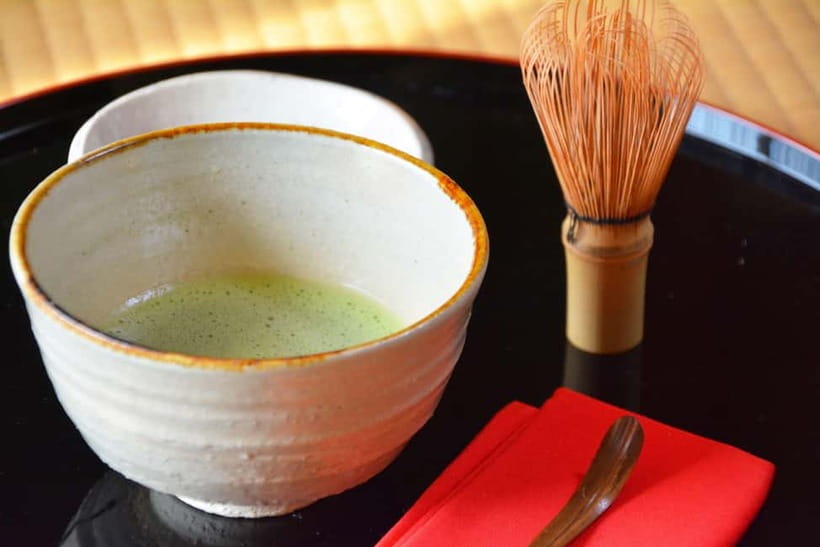
- Matcha and sencha tastings plus traditional sweets, included in the price
- English-speaking tea master instruction, including Yuko from past sessions
- Etiquette training that helps you understand why each step matters
- Optional yukata and photo if you want an extra keepsake
- Food allergies and wheelchair access are limiting factors for this experience
Step Into a Tatami Tea Room in Osaka
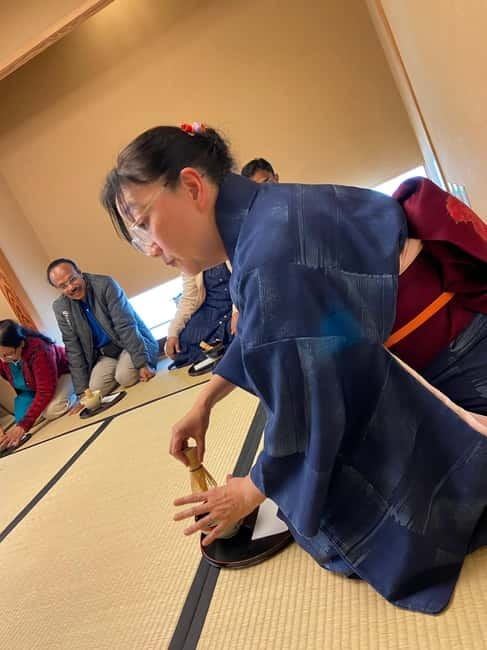
This tea ceremony experience starts in a simple, traditional setting: a tatami room designed for quiet attention. That matters more than you might think. Tatami rooms naturally slow you down. Your posture, the way you move, and even your sense of volume change, which makes it easier to learn the etiquette instead of just performing it.
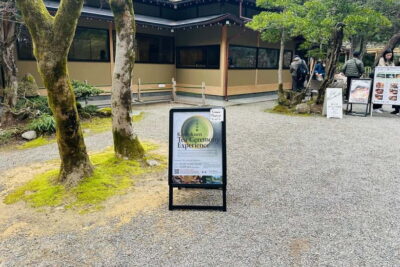
You meet at the Osaka Metro Midosuji Line, Exit 3, ground floor. That’s helpful because it keeps the start straightforward, especially if you’re already moving around Osaka by subway. From there, you’re guided into the tea space, where you’ll be welcomed by an English-speaking tea master.
More Tea Ceremonies in Osaka
- Osaka: Tea Ceremony Experience
★ 4.9 · 1,426 reviews - Tea Ceremony Experience in Osaka Doutonbori
★ 5.0 · 754 reviews - Matcha Making Class in Osaka with Authentic Japanese Sweets Set
★ 5.0 · 509 reviews
Your Tea Master Welcomes You, Then Sets the Tone
A big reason this experience gets high marks is that the instructor connection is real, not robotic. In reviews, Yuko specifically gets praise for being warm and for explaining the ceremony and its history with ease in English. That’s the difference between watching something pretty and actually understanding what you’re experiencing.
You’ll get an introduction that frames the tea ceremony as more than a drink. The tea master shares the history and the spiritual role of the tea ceremony while you’re doing the activity. That’s a smart teaching approach because it prevents your brain from treating it like a checklist.
This is also where you should listen for practical cues. The tea master will guide you through posture, handling, and timing, and those details are what make you feel like you’re participating, not just observing.
Matcha Preparation: Watch, Then Learn the Etiquette
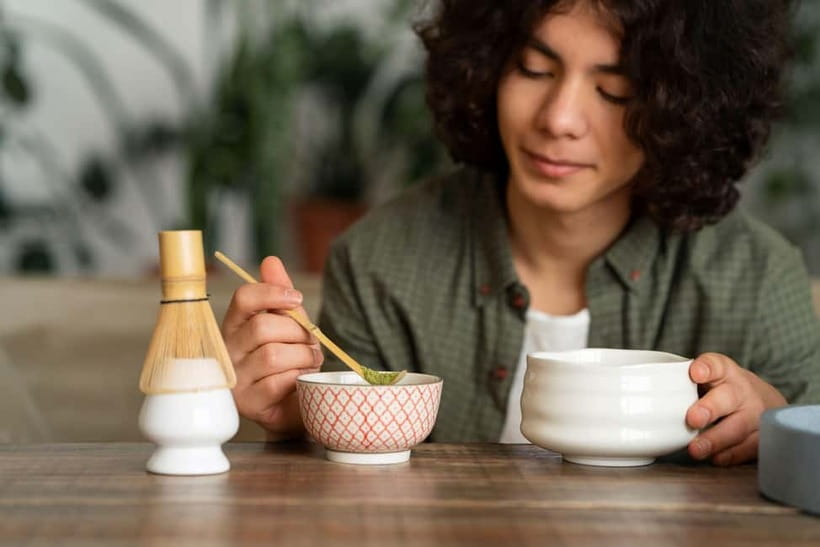
The center of the first half is matcha. You’ll watch the tea master prepare matcha green tea, then you’ll learn how to participate in a way that fits the ceremony’s etiquette.
Seeing matcha made first is a great learning method. Matcha preparation involves more than just adding powder to hot water. The tea master’s pace and technique help you understand that the goal is texture and balance, not speed.
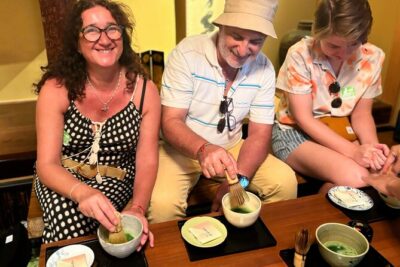
After the demonstration, the session shifts into you making tea yourself. This is where the etiquette coaching really pays off. You’re not just being told what to do. You’re being guided as you do it, which makes it easier to remember later, and it also makes you feel like the ceremony is something you can respect properly.
Making Tea Yourself: The Part You’ll Remember
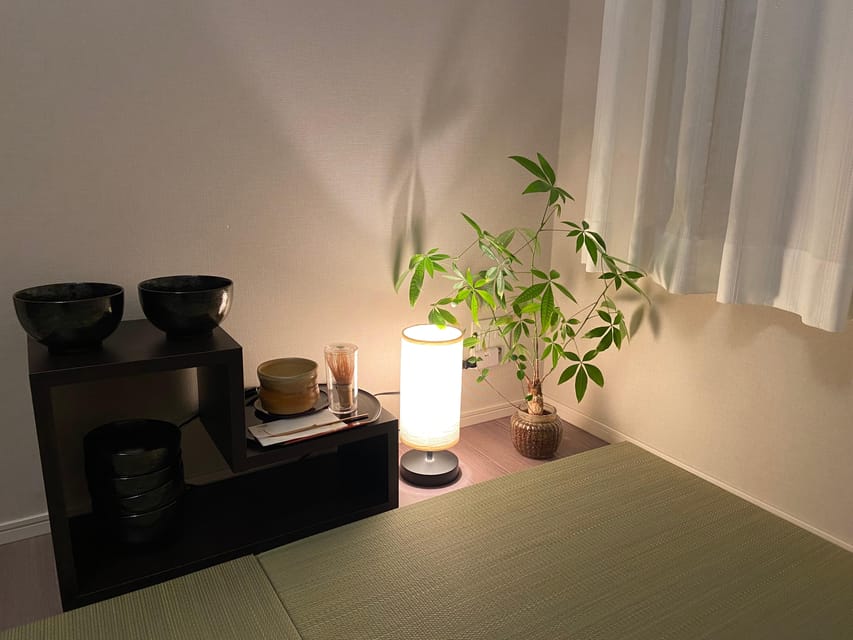
This experience is hands-on in a way many food and culture activities are not. You’ll follow instruction and then make tea yourself according to the ceremony etiquette. In practical terms, that means you’ll pay attention to how you receive items, how you handle utensils, and how you present and receive the tea.
I like this structure because it gives you a clear sequence:
1) You observe the flow.
2) You learn the meaning.
3) You practice the steps correctly.
That sequence is also why the session feels cohesive. You don’t bounce around between facts and food. You move through the ceremony like it has chapters.
And yes, it’s calm and rules-based, which is part of the value. There are no shortcuts here, and you’ll likely leave with a stronger sense of what makes the tea ceremony different from simply making tea at home.
A change of pace from Osaka:
- Osaka Go Karting Tour with Funny Costume
★ 5.0 · 2,658 reviews - Osaka Castle: Museum and Tower Entry Ticket
★ 4.5 · 2,380 reviews - Osaka: Shinsekai Food Tour with 13-15 Dishes at 5 Eateries
★ 4.8 · 2,204 reviews - Osaka Food Tour: 13 Dishes at 5 Local Eateries
★ 5.0 · 2,149 reviews
Traditional Japanese Sweets: A Necessary Piece of the Ceremony
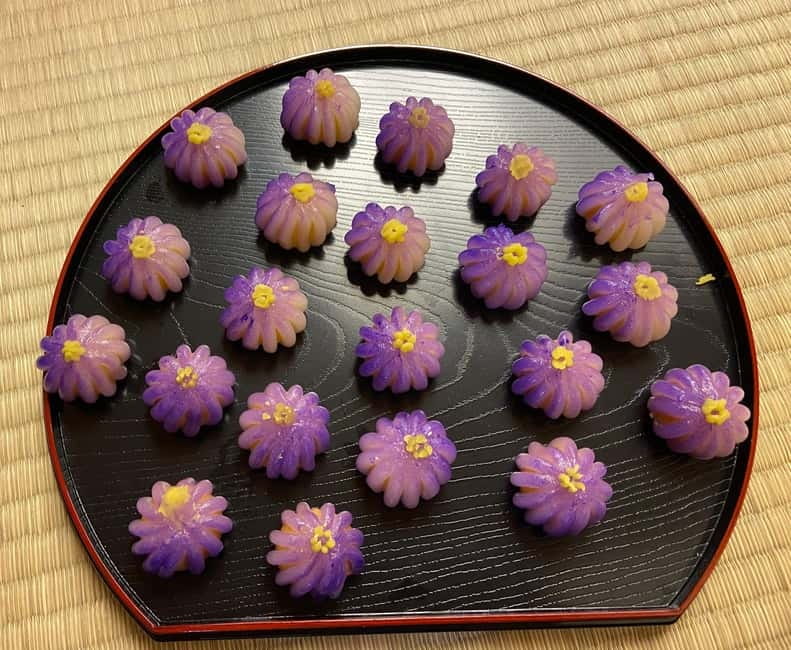
Right after the matcha making and instruction, you’ll taste traditional Japanese sweets. This is included, and it isn’t random. In the ceremony context, sweets help set the palate and change the rhythm of the experience.
A key consideration: persons with food allergies should not eat Japanese sweets and confectionery. If you have any allergy concerns, don’t treat that as a small note. It’s the kind of limitation that can change whether the experience is safe and comfortable for you.
Also, the overall vibe is quiet. Chewing gum is not allowed, and the rules encourage a respectful atmosphere. So if you’re sensitive to structured environments, keep that in mind.
Tasting Sencha Tea and Modern Japanese Confectionery
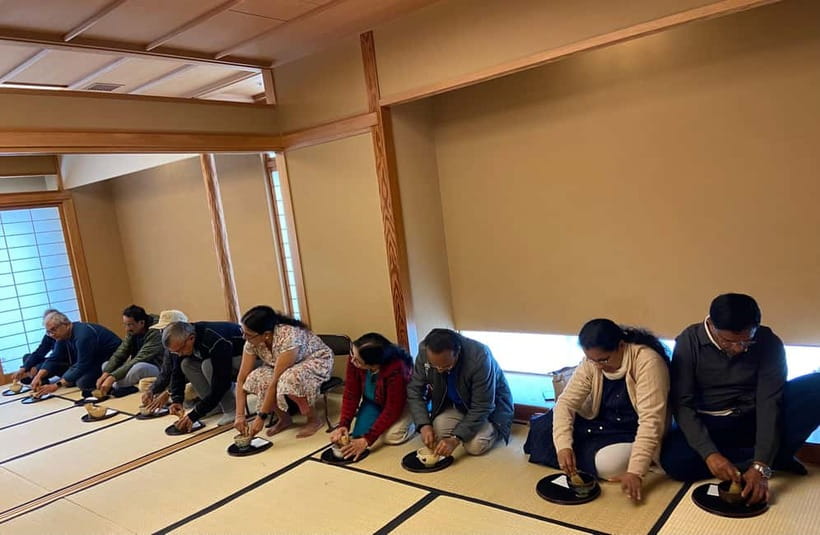
The second tasting is sencha, a tea many people in Japan drink today. The transition from matcha to sencha is one of the smartest parts of the session because it broadens your understanding. You get matcha first as a ceremonial focus, then you move to sencha as a everyday reality.
As you taste sencha tea and current Japanese confectionery, the instructor explains the history of sencha and other aspects of how it’s used and perceived. That context helps you make sense of why Japan has different tea styles that feel distinct, not interchangeable.
This part also makes the ceremony feel more usable after the class. If matcha is the ritual you learned, sencha becomes the practical tea you can imagine ordering or enjoying in daily life.
Optional Yukata and a Photo Moment
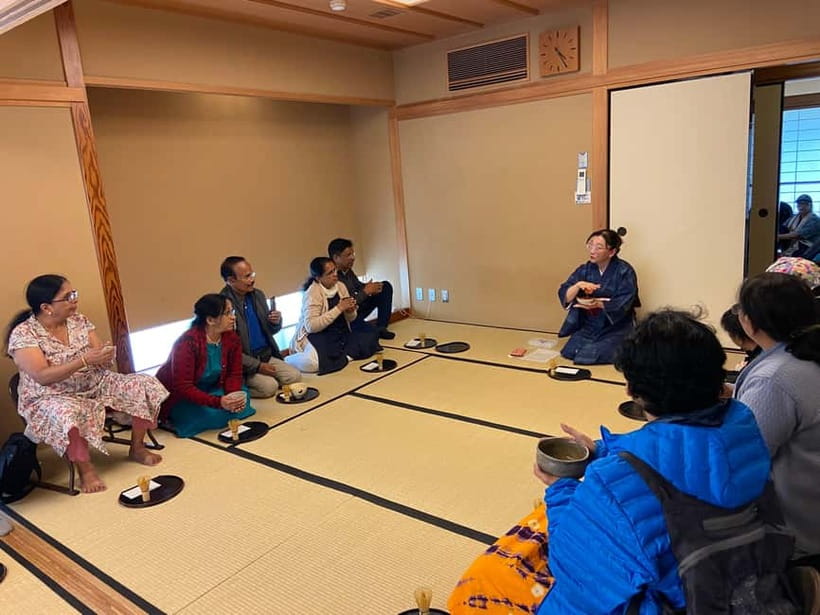
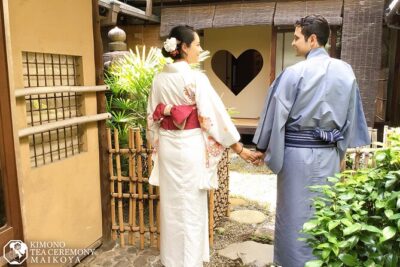
If you want to lean into the look and the memory, there’s an optional yukata and a photo taken during the experience. You can select this additional option when booking.
This can be a fun add-on, especially if you like dressing up for cultural activities and you want a tangible keepsake. Just remember yukata is not included by default, so you should budget for the extra rental if you want it.
Also, this part is optional. You can still enjoy the full tea ceremony even if you skip the yukata and photo.
Price and Value: Is $25 for 1 Hour Worth It?
At $25 per person for about 1 hour, you’re paying for three things that are hard to replicate on your own:
- instruction from a tea master
- hands-on etiquette practice
- tastings of both matcha and sencha plus sweets
It is not a meal. You shouldn’t book this expecting a full dining experience. But if your goal is cultural learning plus tastings, the price is fair for the time and the guided format.
Where the value really shows is in the structure. A lot of tea experiences are either show-and-tell or workshop-only. This one combines the two: you watch preparation, you learn meaning, you practice, and then you taste in a sequence that matches the ceremony.
Who This Osaka Tea Ceremony Is Best For
This experience is ideal if you want something focused and respectful, with clear teaching and a calm pace. You’ll probably enjoy it most if you:
- like hands-on cultural activities
- want to learn etiquette and not just taste tea
- enjoy Japanese sweets enough to participate fully
- prefer a small time commitment (just one hour)
It’s also a good choice for solo travelers, since the structure gives you something meaningful to do without needing group energy. Couples can also enjoy it because the room and the flow are designed for quiet attention.
Who Should Skip or Adjust Plans
There are a few situations where this won’t work well:
- Wheelchair users: this experience is not suitable for wheelchair access.
- Food allergies: if you have allergies, you should not eat the included sweets and confectionery, which makes participation complicated or unsafe.
Also, if you’re looking for a party-style experience, this is not it. The rules prohibit things like noise, smoking, intoxication, and various disruptive behavior. Think “quiet ritual,” not nightlife.
What the Rules Mean for Your Experience
The ceremony rules may feel strict, but they’re there for a reason. In a tea room setting, small disruptions matter. That’s why you’ll see restrictions such as no smoking, no weapons or sharp objects, no chewing gum, and no intoxication or drugs.
If you’re respectful and follow the guidance, those rules won’t hurt your day. They’ll actually help protect the calm environment that makes the etiquette lessons easier to learn.
How to Prepare Before You Go
You don’t need special gear, but you can do a few things to make the hour go smoothly:
- Plan to arrive a little early at Midosuji Line Exit 3, ground floor so you don’t rush.
- If you have dietary restrictions, consider them seriously. This experience includes sweets, and the instruction says people with food allergies should not eat them.
- Wear comfortable clothing. You’ll be in a tatami setting, and you’ll be moving in a controlled, respectful way.
If you’re adding a yukata, follow the booking options and plan for the styling time inside the experience.
Should You Book This Osaka Matcha and Sencha Ceremony?
Yes, if you want a short, guided tea ritual that covers both ceremonial matcha and everyday sencha. The best reason to book is the combination of hands-on practice and explanation from an English-speaking tea master, with Yuko standing out in reviews for friendliness and clear guidance.
Skip it or rethink it if you need wheelchair accessibility or if food allergies make the included sweets unsafe for you. And if you’re hoping for a long, wandering sightseeing day, this isn’t that. It’s a focused one-hour experience with tastings and etiquette.
If you like thoughtful cultural activities you can actually learn from in a single sitting, this is a strong Osaka pick.
Latest write-ups near Osaka
- PRIVATE 6hr, Food tour from Osaka Castle, Kuromon, Dotonbori.★ 5.0 · 68 reviews
- 90 min Shared Handmade Udon Experience★ 5.0 · 70 reviews
- Ramen and Gyoza Cooking Class in Osaka Dotonbori★ 5.0 · 73 reviews
- Osaka: Sushi Making in Spacious Studio (SAME-DAY OK!)★ 5.0 · 75 reviews
- Osaka E-Bike Tour With A Local Guide★ 4.7 · 75 reviews
- 1.5〜2 Hours Traditional Kintsugi Work Shop in Namba Osaka★ 5.0 · 75 reviews
- Retro Osaka Street Food Tour: Shinsekai★ 4.5 · 77 reviews
- Osaka: Osaka Castle Guided Tour with Local Guide★ 4.7 · 78 reviews
Tea Ceremonies, compared.
Tea Ceremony in a Traditional Tea House in Kiyomizu
Read our review →
World Heritage Kyoto & Nara Uji Authentic Matcha Experience
Read our review →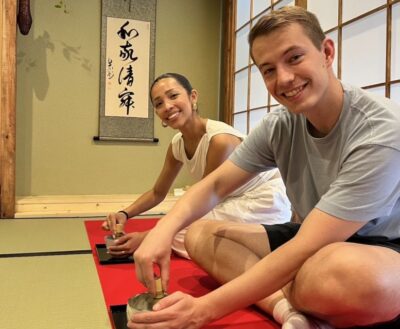
Browse the lists this tour appears in