
Reviewed · COOKING CLASSES
Private Cooking Class Udon in Kyoto Japan
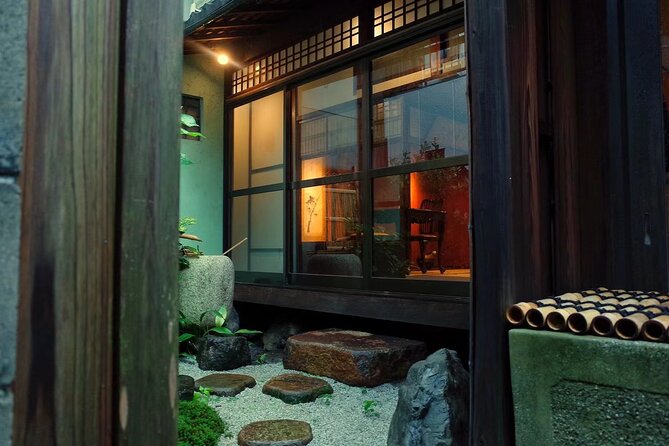
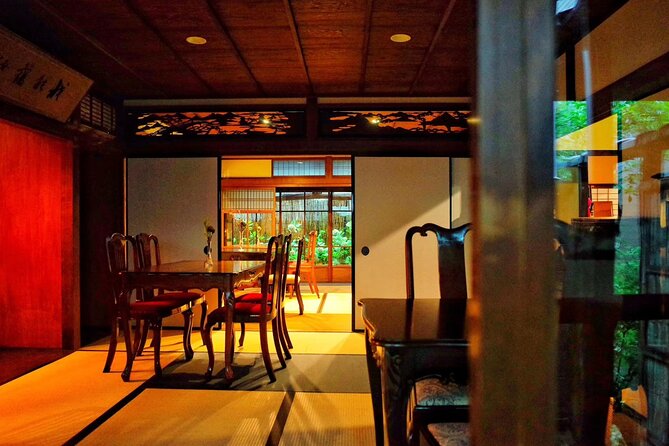
This private Kyoto udon class turns lunch into something you can touch and do, inside a beautifully renovated 130-year traditional house. I especially like the hands-on noodle-making in a Kyomachiya-style classroom, and I also love that the instruction comes from local Kyoto teachers who keep things patient and easy to follow.
One thing to consider: this is hands-on for the udon, but you do not have to do everything yourself. You will not be making or cooking the tempura, and you typically are not in charge of the boiling, so if you want a fully kitchen-run experience from scratch, this may feel a bit guided.
Key Highlights You Will Actually Care About
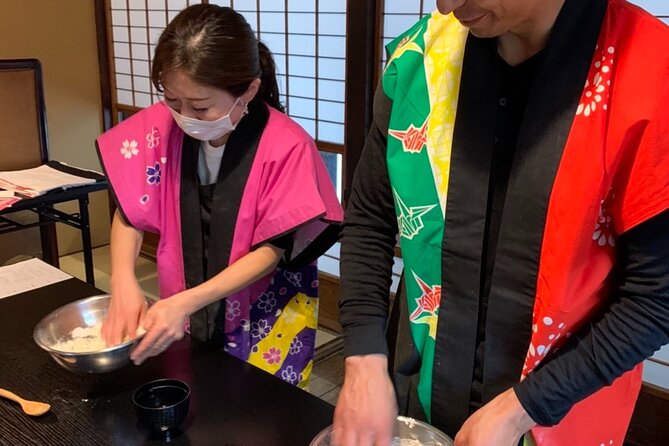
- 130-year renovated home setting with antique furniture and over-110-year-old artifacts, so the class feels like Kyoto, not a studio
- Private group format, meaning only your group participates, with a teacher focused on your pace
- Step-by-step udon workflow including dough maturation and cutting, with “feet in the process” as part of the traditional stages
- You eat what you make, then relax afterward with the meal served in the same house setting
- Tempura handled separately, so you can focus on noodles without multitasking
- Highly rated experience, averaging a 4.9 score with strong “kid-friendly and fun” feedback
A 120-Year Kyomachiya Classroom That Makes Udon Feel Like Kyoto
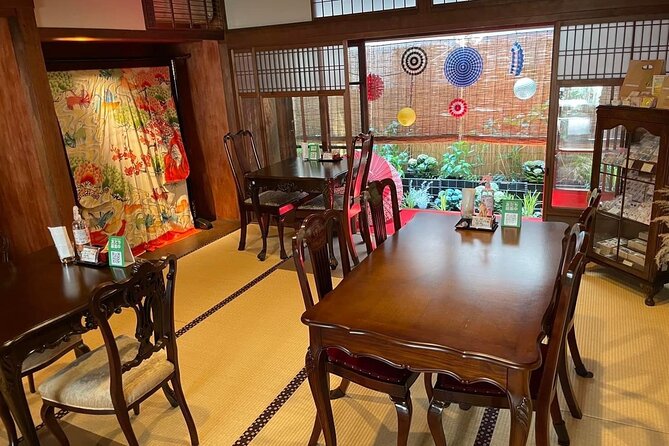
The big reason this experience works is the setting. You meet in a traditional Japanese house that dates back about 130 years, and it has been transformed into a cooking classroom with a very old-house feel. Inside, you get the visual texture that makes Kyoto memorable, antiques and artifacts that are well over a century old, plus traditional music that helps you shift out of tourist mode.
Why does that matter? Because udon is simple food, but doing it well takes hands, timing, and attention. When the environment feels like Kyoto’s past, the lesson lands differently. You are not just following a recipe. You are learning a rhythm.
Also, the house location is practical. It is near Kyoto Station (about a 12-minute walk), so this is a good midday plan that does not eat your whole day. And it is also close to Nishi Honganji Temple (about a 2-minute walk), so you can tie it into a walk through central Kyoto.
More Cooking Classes in Kyoto
- Ramen Cooking Class at Ramen Factory in Kyoto
★ 5.0 · 1,937 reviews - Kyoto: Ramen Cooking Class at a Ramen Factory with Souvenir
★ 4.9 · 532 reviews - Kyoto: Ramen, Gyoza, and Onigiri Cooking Class
★ 5.0 · 445 reviews
Meeting Point and Timing: Plan Your 12:00 pm Lunch Around It
The class start time is 12:00 pm, and it ends back at the meeting point. The meeting address is 364 Momijichō, Shimogyo Ward, Kyoto, 600-8345, Japan.
Because it is midday, I like pairing this with either a morning temple visit nearby or a short Kyoto Station stop first. If you are moving from one area to another that morning, build in a little buffer. Even though the walk is manageable, Kyoto streets can slow you down with detours and photo stops.
You also get a mobile ticket, which makes this easy to manage while you are out and about. Confirmation is sent within 48 hours of booking, based on availability, so check your email after you book and keep an eye out for that message.
Finally, the experience is private, meaning only your group participates. That changes the feel. You are not competing for attention or standing in line while other people take up the teacher’s time.
The Udon Workflow: Saltwater, Footstep Stage, Maturation, Stretch, Cut, and Boiling
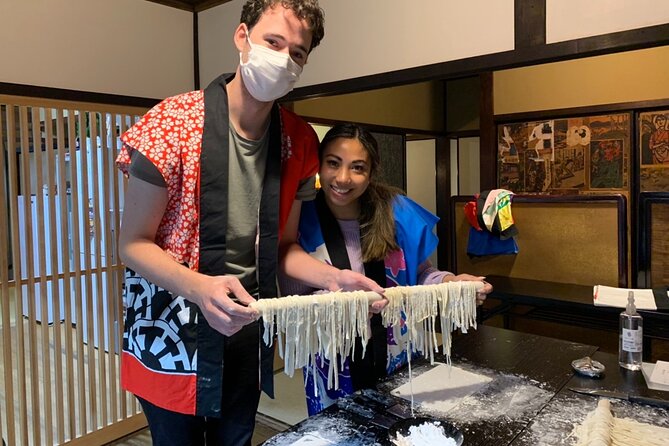
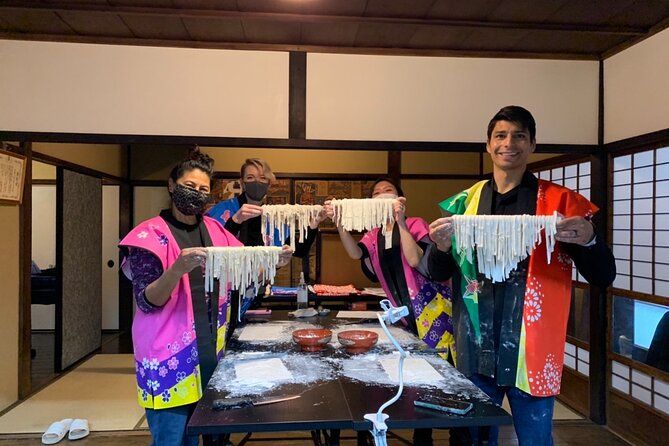
This is a true “hands-on udon” class, not a demo where you watch and then eat. You follow a guided process designed to produce good noodles while keeping the lesson accessible.
Here is the workflow you will learn:
- Making saltwater
- Rinse the water
- A stage that the materials describe as footsteps
- A mature step for the dough
- Stretch the fabric (working the dough so it develops the right texture)
- Knife cut
- Then the noodles go to boiling
A key practical detail: you do the noodle work, shaping and cutting. The boiling is handled for you as part of the class flow, which is why this works so well for kids and families. You also have help from your teacher at each step, and the pace is designed to keep you from getting overwhelmed.
From a value standpoint, this is important. Cooking classes can fail when they are too complicated or too long. Here, the structure gives you confidence. You are likely to leave knowing what to do next time, because you did not just memorize a list. You practiced the motions.
One more cultural note: udon sometimes comes with short context, including how it relates to older food traditions from China before it became a Japanese staple. You may also get light extras like learning a playful udon-related dance, which is the kind of detail that makes the memory stick.
What You Actually Eat After Class: Your Udon Plus Tempura and Dashi
After the hands-on work, you sit down to eat the udon you made. The meal portion is part of the experience, not an afterthought.
What you can expect includes:
- Your udon, cooked and served for you
- A tempura set for the meal (and you do not need to make it during class)
- Flavor components like dashi dipping broth, freshly grated ginger, and minced green onion
- Vegetable tempura served with the meal, often alongside sauce depending on how it is set that day
The best part for me is that this turns into a closed loop. You make the noodles, you see them transformed into the finished dish, then you eat them while the process is still fresh in your mind.
Time matters here too. The class is listed at about 1 hour, but many people end up staying longer after eating, around 1.5 to 2 hours total when you include the meal and the relaxed post-class time. If you are timing a later plan, I recommend assuming you will spend a little extra.
A change of pace from Kyoto:
- PERFECT KYOTO 1-Day Bus Tour
★ 5.0 · 13,518 reviews - Kyoto: Fushimi Inari, Kinkakuji, Bamboo Grove 1 Day Bus Tour
★ 4.8 · 4,316 reviews - Kyoto: Tea Ceremony in a Traditional Tea House in Kiyomizu
★ 4.9 · 3,519 reviews - Kyoto Geisha Walking Tour: Gion District & Hidden Gems
★ 4.7 · 3,273 reviews
Teachers Who Keep It Friendly, Patient, and Easy to Join In
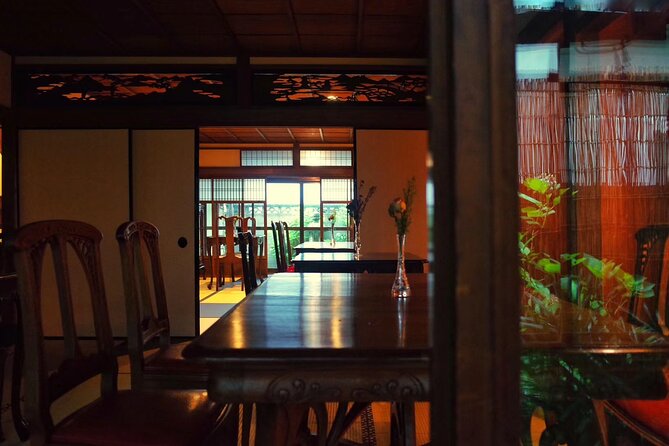
A cooking class lives or dies by the teacher, and this one has strong feedback on that point. You are taught by local Kyoto instructors, and the tone is friendly, encouraging, and practical.
In particular, names like Tanaka-san and Hisayu show up in the experience details people share, and the common thread is clear: they are patient, they explain step by step, and they keep the class moving without rushing anyone.
If you are traveling with kids, this is a big deal. You do not boil your own noodles, and you do not handle tempura production. That reduces the messy, complicated steps that can turn families into stress machines. Kids can focus on what they can do well: kneading, stretching, cutting, and participating in the process.
Even if you are an adult who just wants great noodles, the teaching style still matters. Good udon depends on technique. A patient instructor can correct small things in the moment, like dough handling and cutting.
Price and Value: Is $60.43 Worth It?
The price is $60.43 per person, and that is a fair question in a city where you can find food and cooking demos everywhere.
Here is why I think the value holds up:
- It is private, so you are paying for attention and a small, focused group rather than shared instruction
- You get the setting: a renovated traditional house with antique furnishings and real cultural atmosphere
- You get an actual meal after class, including tempura and broth-style toppings
- You likely get a recipe so you can recreate what you learned at home, based on what people say they received after the class
Also, this is scheduled at 12:00 pm, which means it can replace part of a meal plan. You are not paying for a cooking activity and then separately buying lunch. You still have to eat, but the meal is part of the deal.
If you want a quick, hands-on Kyoto food moment that is not just tasting, this price lands in the reasonable range.
Who This Udon Class Fits Best, and Who Might Skip It
This class is a strong fit if:
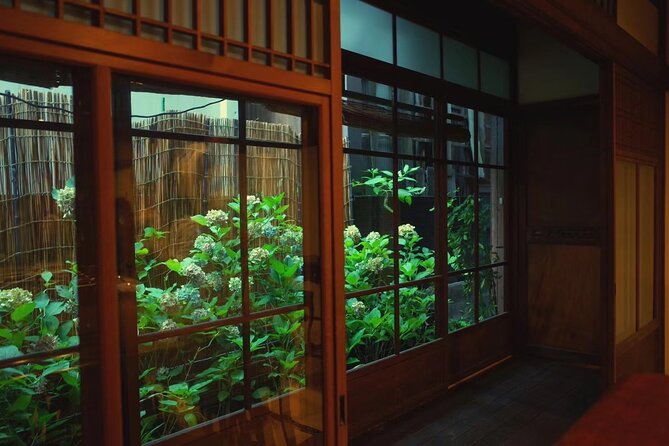
- You want a hands-on Kyoto food experience in a real traditional setting
- You are traveling as a family and want kids to actively participate
- You like classes where you eat what you made, with tempura and toppings handled for you
- You want something near Kyoto Station that does not require long transfers
It might be less ideal if:
- You want to control every part of cooking yourself, including tempura and boiling
- You prefer a class that runs strictly by the clock, since many people stay a bit after eating
- You are looking for a major multi-stop itinerary. This is focused and concentrated, and you will get the most from it when you give it your attention
Tips Before You Go: Make the Most of the Traditional House Setting
A few practical moves can help:
- Wear comfortable clothes you do not mind getting flour dust on. You typically work at a table with noodle dough.
- If you have kids, remind them that the teacher is in charge of the hot, boiling moments, and their job is the dough work.
- Bring a light curiosity mindset. Even if you only catch part of the explanation, the process teaches you.
- Plan your next stop with a buffer. The class is about an hour, but the meal and relaxed time after can extend it.
Also, keep in mind the experience is described as requiring good weather. Even if the core activity feels indoor-focused, follow their guidance if weather affects operations. If that happens, the plan is a different date or a full refund.
Should You Book the Private Udon Class in Kyoto Izumo?
If you want a Kyoto lunch that actually teaches you something, I think this is a smart booking. The private format, the traditional house setting, and the fact that you make the noodles and then eat them make it feel complete. The teacher support, including names like Tanaka-san and Hisayu, and the kid-friendly pacing are exactly what you want when you do not want the class to turn into a stressful performance.
Book it if:
- You are near Kyoto Station at midday and want a meaningful activity
- You want hands-on cooking without being responsible for the hardest hot steps
- You like the idea of learning udon technique you can try again later
Skip it if:
- You only want a quick snack tasting and no cooking work
- You want to do tempura from scratch or manage every kitchen step yourself
FAQ
What time does the private udon cooking class start?
The start time is 12:00 pm, and it ends back at the meeting point.
How long is the udon class?
The duration is listed as about 1 hour.
Is this experience private?
Yes. It is a private tour or activity, and only your group will participate.
Where do we meet for the class?
The meeting point is 364 Momijichō, Shimogyo Ward, Kyoto, 600-8345, Japan.
Do I make tempura during the class?
No. The class includes a separate tempura set for meals, so you do not need to make the tempura.
Will I boil the udon myself?
You do not need to boil the noodles yourself as part of the experience flow.
What is included in the meal after making udon?
You eat the udon you make, along with a tempura set and dipping broth and toppings like grated ginger and minced green onion.
How much does the experience cost?
It costs $60.43 per person.
When will I receive confirmation after booking?
Confirmation is received within 48 hours of booking, subject to availability.
Is there a cancellation policy and what happens in bad weather?
You can cancel for a full refund up to 24 hours before the experience’s start time. The experience requires good weather, and if it is canceled due to poor weather you are offered a different date or a full refund.
Are service animals allowed, and is it near public transportation?
Service animals are allowed, and the location is near public transportation.
Latest write-ups near Kyoto
- Kyoto Private Tour Full Day with Local Guide&Nara Option(PerGroup★ 5.0 · 20 reviews
- Sacred Pathways: Discover the Philosopher’s Path of Kyoto★ 4.9 · 20 reviews
- Kyoto UNESCO World Heritage Site Private Tour with a Premium Van★ 5.0 · 20 reviews
- Hammer Pattering Experience of Ring★ 5.0 · 20 reviews
- KYOTO: Private Tea Ceremony in Hidden Townhouse (Kid-Friendly)★ 5.0 · 20 reviews
- Sushi or Traditional Japanese Cuisine in a Kyoto Home with Emika★ 5.0 · 20 reviews
- The Kyoto VIP Experience!★ 5.0 · 20 reviews
- Kyoto Customized Private Tour: See Top Attractions in 1 Day★ 4.7 · 20 reviews
Cooking Classes, compared.
Ramen Cooking Class at Ramen Factory in Kyoto
Read our review →
Ramen & Gyoza Cooking Class in Tokyo with Local Supermarket Visit
Read our review →
Ramen Cooking Class at a Ramen Factory with Souvenir
Read our review →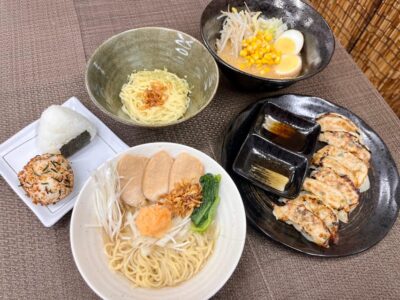
Japanese Washoku Bento Small Group Cooking Class
Read our review →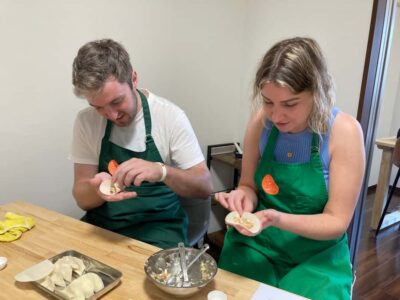

Easy Ramen Cooking Experience in Kabukicho, Shinjuku
Read our review →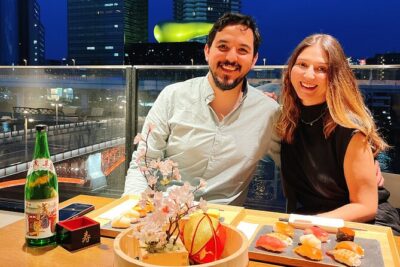
Ramen and Sushi Cooking Class with Sake Pairing Set in Tokyo
Read our review →Browse the lists this tour appears in