
Reviewed · WORKSHOPS
Private Handmade Ring Workshop Class
This Osaka Tankin ring workshop is interesting because you create the surface pattern yourself by hammering, then a craftsperson handles the delicate final finishing. I like the mix of hands-on making with an easy support system, and I especially like how you can choose options that go beyond basic silver, including green gold.
The only drawback to plan for is cost flexibility. The published workshop rate is the entry option, and the final total can change on the day once you pick your metal, width, and add-ons, depending on what you want.
Key highlights
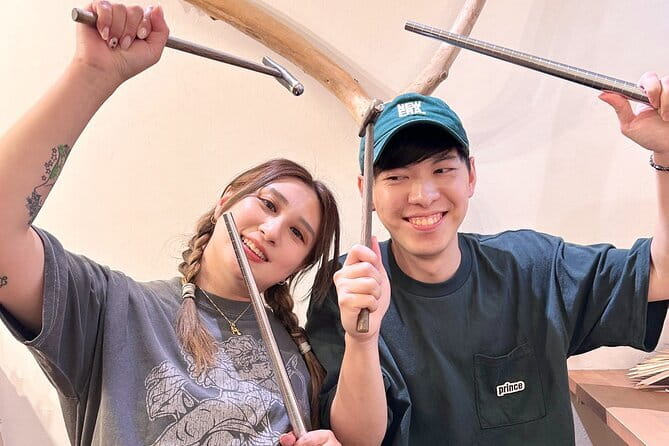
- Tankin technique: you hammer a textured pattern known as 槌目 for a true one-of-one look
- Real choice, not a template: pick material, ring thickness, shape, and finish before you start
- Staff coaching in plain language: Japanese support with translation help, plus patient step-by-step guidance from instructors like Junpei, Ayane, and Connie
- Take it home the same day: you leave with a finished ring, not just a souvenir certificate
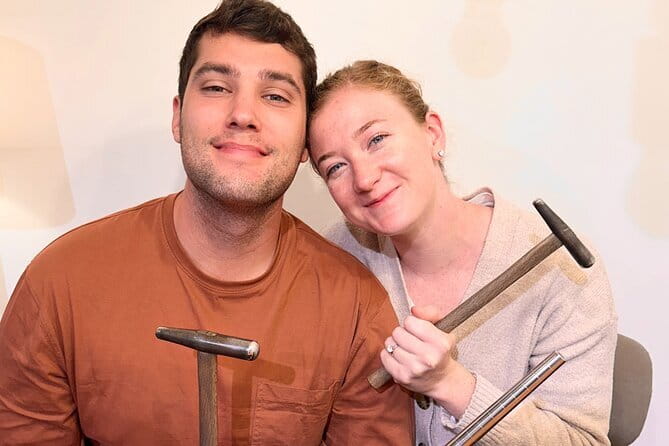
- Great for couples: you can make matching rings and exchange them as a symbol of your relationship
- Optional photos: you can ask staff to take commemorative photos with your phone
Tankin ring making in Osaka, what you actually do
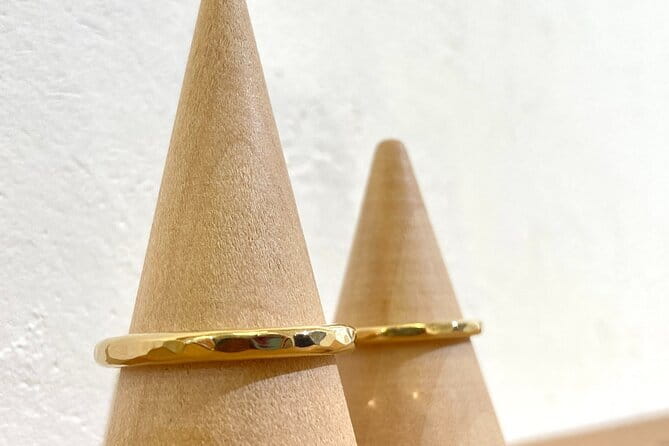
This class is built around one simple idea, make a ring with a hammered texture that looks like it belongs to you and only you. The technique they use is called Tankin, and the classic Japanese name for the style of texture is 槌目. In plain terms, you are not doing “crafts and glitter.” You are learning a real metalworking process you can feel in your hands.
The session runs about 90 minutes (roughly 60 to 90 minutes depending on the flow), and you work on the part that creates the surface character. The final delicate polishing step is handled by the craftsperson, which means you do not need to be someone who is naturally good at super-fine, careful tasks.
You start by choosing your ring direction. Then the staff prepares the base ring before you hammer. After that, you get the fun part, add the pattern with specialized hammers and tools. Finally, the craftsman completes the finish so you leave with something you would actually wear, not something that only looks good under workshop lighting.
Also on the shortlist for Osaka:
- Osaka Go Karting Tour with Funny Costume
★ 5.0 · 2,658 reviews - Osaka Castle: Museum and Tower Entry Ticket
★ 4.5 · 2,380 reviews - Osaka: Shinsekai Food Tour with 13-15 Dishes at 5 Eateries
★ 4.8 · 2,204 reviews
Choosing your metal and ring thickness, where the value really starts
Here is the big practical thing you should understand before you show up: the workshop price is only one piece of your total. The shop calls this the lowest-price product plan. On the day, you choose your material, ring width, and options, so the amount you pay can end up higher than what you might expect from the entry rate.
Why this matters for value: if you treat it like a flat-fee “just make a ring” experience, you can get surprised. If you treat it like a menu where the base metal is a starting point, you can plan your budget and even plan your design theme.
What you can choose from includes:
- Silver925 with widths such as 1.0mm, 1.5mm, 2.0mm, 2.5mm, and more (the thicker the band, the higher the cost)
- K10 GreenGold
- Pt900 (platinum)
- K18 Gold available in multiple colors, including yellow, pink, green, and white
Two cost details are worth calling out because they affect the final amount:
- Ring size 21号以上 has a 10% additional charge.
- On the day, the store may ask you to pay the difference if you choose options above the base plan.
If you want the best “value per yen,” decide your target look early. A thin silver band is usually the cheapest route. If you want gold tones, thicker widths, or platinum, the same workshop time can still feel like great value, but your total cost is going to rise. The good news is the choices are clear and itemized up front, so you can decide before you commit.
The step-by-step flow at itoaware Osaka, from base ring to final polish
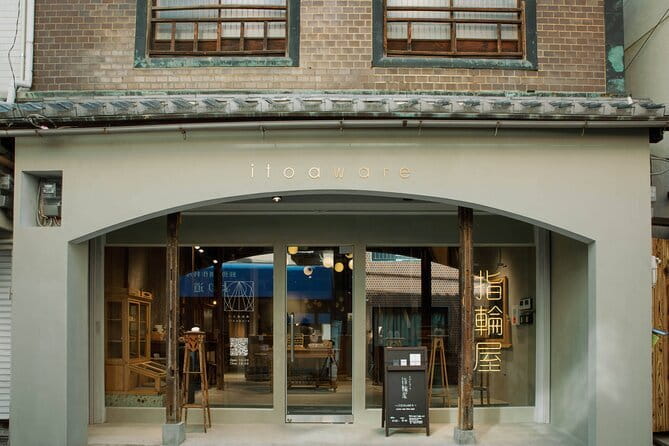
You meet at itoaware Osaka at 3-chōme-2-18 Nakazaki, Kita Ward, Osaka (530-0016). The class ends back at the meeting point, so it is not a “wandering craft tour” where you have to juggle directions. Bring yourself, your curiosity, and a steady hand.
They also note a timing rule that you should take seriously: if you arrive 15 minutes or more late, you might not be able to do the experience. That is the one place you do not want to be casual, Osaka transit can be fast, but it is still easy to misread which entrance you need.
Once you start, the process is straightforward:
1) Pick your design setup
You choose your ring width, shape, and finish. You also choose the overall look of the texture pattern you want the hammering to create. This is where you can shift the ring from simple to personal.
2) The craftsperson prepares the base ring
Before you hammer, an artisan makes the base ring. This matters because it keeps the class accessible. You are not expected to do the full metalworking foundation yourself.
3) You hammer the 槌目 texture
This is the hands-on highlight. Staff give instructions and you use the specialized hammers and tools to create the surface pattern. The texture is the soul of the piece, because it is what makes each ring feel like a one-off.
4) Finishing and polishing are done by the craftsperson
The class is designed so you do the fun, visible work, while someone skilled handles the delicate final steps. That is a huge comfort if you worry you might mess up fine details.
A helpful detail from the experience description: Japanese staff guide you, and they can use translation support. Based on what people have said about the process, even if your Japanese is minimal, translation tools make the instructions workable.
What makes this a great souvenir, not just a gimmick
Plenty of “do a thing for an hour” souvenirs are forgettable. This one is different because you leave with something wearable, and the technique is meaningful.
The hammered Tankin texture is inherently irregular. That is not a flaw, it is the point. Each pass of the hammer creates tiny variations that you cannot replicate the exact same way twice. So when you wear the ring later, it reads as intentional, not mass-produced.
It also makes a strong gift. People commonly think of Japan souvenirs as cute, edible, or decorative. This ring hits a different category: a personal object tied to the place you made it. If you are shopping for something that feels special without looking overly flashy, a one-of-a-kind ring is hard to beat.
One more reason it works as a souvenir: the ring is finished the same day. You are not waiting for shipping. You are not crossing your fingers that it arrives intact. When you leave, it is ready.
A change of pace from Osaka:
- Osaka Food Tour: 13 Dishes at 5 Local Eateries
★ 5.0 · 2,149 reviews - Hungry Osaka Street Food Tour:15 Tastings & 3 Drinks with a Local
★ 5.0 · 1,727 reviews - Osaka: teamLab Botanical Garden Entry Ticket
★ 4.5 · 1,710 reviews - Osaka: Tea Ceremony Experience
★ 4.9 · 1,426 reviews
Couples workshop energy, exchanging rings you made together
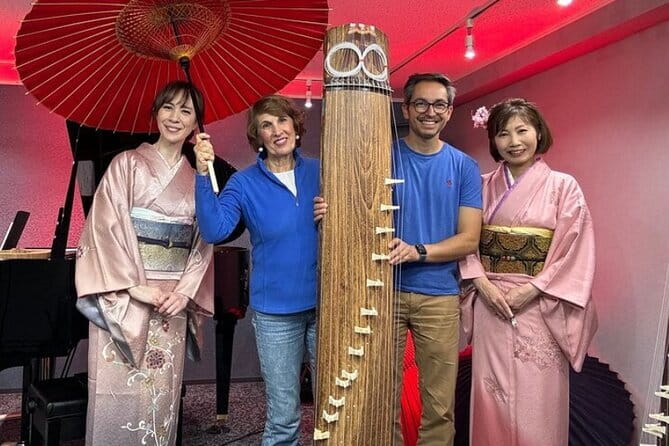
If you are coming as a couple, this class has a romantic structure built into the activity. The description specifically mentions that couples can exchange rings and hammer the texture together, turning the rings into a symbol of enduring love.
Practically, that means you are doing the same core action at the same time. You are not stuck watching your partner craft something you cannot relate to. You both contribute to the appearance of the ring.
It also helps that staff handle the parts you might find stressful. You and your partner can focus on choosing the look and enjoying the hammering, while the artisan finishes and polishes so the end result feels professional.
If you want a personal touch, consider matching the metal and width while varying the texture intensity or finish details. That way the rings feel like a set without becoming identical clones. A hammered ring already has enough natural individuality that tiny differences look intentional.
Photos, after-purchase polishing, and the small extras that matter
You can ask staff to take commemorative photos with your mobile during the workshop. That may sound minor, but it solves a real problem. Most ring experiences are hands-on and messy in a charming way, and you often do not have someone free to film you while you work.
There is also an after-sales angle mentioned by the shop. They encourage you to return for polishing service if you come back to Japan. That is not something every souvenir workshop offers, and it matters if you want the ring to keep looking crisp months later.
Some sessions also include playful extras. One class mentioned Halloween games, and people mentioned getting both photos and personal video footage. You should not count on a specific themed activity, but the presence of these small touches hints that the shop likes to keep the experience light and memorable.
Price reality check, what $21.80 likely represents

The advertised price is $21.80 per person, and the workshop is about 90 minutes. On paper, it sounds like a bargain.
Here is the honest value logic: the low rate likely lines up with the entry metal and ring width. The shop states that this plan is the cheapest product price plan, and on the day you choose material and thickness and options, so the final amount at checkout may be higher.
The reference prices (tax included) give you a sense of the range:
- Silver925 starts at 3,300 yen for a 1.0mm width.
- Silver goes up quickly as you increase width. For example, 2.5mm is listed at 7,700 yen, and 5 x 2mm goes higher.
- K10 GreenGold and gold colors jump much faster, with K10GreenGold starting at 11,000 yen for 1.0mm.
- Platinum and K18Gold are the top tier, with K18Gold 1.0mm at 27,500 yen and much higher widths beyond that.
So is it worth it? If you keep your plan in the silver range and go for a width that matches the entry tier, yes, this can feel like excellent value for a full hands-on workshop plus a finished ring.
If you want gold or platinum, it may still feel worth it because you are paying for time with skilled instruction and finishing, not just buying jewelry. But the total will not stay tiny. Go in with a budget mindset so you can choose what you truly want.
One more practical pricing caution from the feedback: the base price can correspond to a specific ring type, and thicker bands or gold colors can cost extra. That lines up with the shop’s own warning that on-day selection changes what you pay.
Who should book this ring workshop in Osaka
This is a strong fit if you want:
- A hands-on, creative activity that ends with something you can wear
- A meaningful gift you can actually give to someone, not just something decorative
- A couple experience that is participatory, not something you watch from across the room
- A workshop where finishing is handled by the craftsperson, so you are not relying on flawless personal technique
It is also a good match if your Japanese is limited. The shop notes Japanese staff help you, and you can use translation support.
Where it might not be the best idea:
- If you are hoping for a fixed, all-inclusive price with no chance of topping up
- If you hate the idea of choosing options on the day and then paying the difference
- If you are tight on time and cannot realistically arrive early, because late arrival can affect whether you can participate
Getting the most out of your 90 minutes, simple tips
You will enjoy this more if you treat it like design planning, not just a craft class.
- Decide your material range ahead of time. Silver is the entry point. Gold and platinum choices increase cost significantly, so pick what you can afford before you start comparing in the moment.
- Think about thickness. A thicker ring feels more substantial, but it also raises price. If you want comfort for everyday wear, you might choose a width that feels right on your finger.
- Wear clothing that lets you focus. Hammering is active, and you will be handling tools and metal during the texture step.
- Plan your arrival so you are not near the 15-minute late cutoff. Give yourself a little buffer around Osaka transit and finding the entrance.
Also, lean into the human side of the shop. Names like Junpei, Ayane, and Connie show up in the experience guidance reputation, and people repeatedly mention patience and clear instruction. Ask questions early. The first few minutes set the tone.
Should you book itoaware Osaka’s Tankin ring workshop?
Book it if you want an Osaka souvenir that is personal, wearable, and made with a technique tied to Japanese tradition. The hammered texture, the selection of metals and widths, the supportive staff guidance, and the same-day finish all point toward a satisfying experience.
Skip or reconsider if you dislike pricing surprises. Even though the workshop has a base rate, you will choose your ring options on the day, and the total can rise fast once you move beyond the entry silver thickness. If you go in with a clear budget, you will almost certainly feel good about the value.
If you are looking for a fun couple activity, or you want a gift that does not feel generic, this is one of the more memorable ways to spend time in Osaka.
FAQ
How long does the private handmade ring workshop take?
It takes about 1 hour 30 minutes (approximately). The full process, including final finishing by staff, is about 60 to 90 minutes.
Can I take the ring home on the same day?
Yes. These one-of-a-kind rings can be taken home on the day.
What technique is used to create the ring’s texture?
The texture is made using the Japanese traditional style called Tankin, also described as 槌目.
What materials and ring options can I choose?
You can choose from materials such as silver925, K10GreenGold, Pt900 (platinum), and K18Gold. K18Gold is available in multiple colors: yellow, pink, green, and white. You can also choose ring width (thickness), shape, and finishing options.
Is the on-day ring price the same as the booked price?
Not always. The plan is described as the lowest-price option, and you choose material and ring width and options on the day, so the amount at checkout may be different. You can pay any difference at the store after online prepayment.
Can staff take commemorative photos with my phone?
Yes. If you prefer, staff can take commemorative photos using your mobile during the workshop.
What if I arrive late?
If you are 15 minutes or more late, you may not be able to take part in the experience.
Is there free cancellation?
Yes. You can cancel up to 24 hours in advance for a full refund. Less than 24 hours before start time is not refunded.
Latest write-ups near Osaka
- PRIVATE 6hr, Food tour from Osaka Castle, Kuromon, Dotonbori.★ 5.0 · 68 reviews
- 90 min Shared Handmade Udon Experience★ 5.0 · 70 reviews
- Ramen and Gyoza Cooking Class in Osaka Dotonbori★ 5.0 · 73 reviews
- Osaka: Sushi Making in Spacious Studio (SAME-DAY OK!)★ 5.0 · 75 reviews
- Osaka E-Bike Tour With A Local Guide★ 4.7 · 75 reviews
- 1.5〜2 Hours Traditional Kintsugi Work Shop in Namba Osaka★ 5.0 · 75 reviews
- Retro Osaka Street Food Tour: Shinsekai★ 4.5 · 77 reviews
- Osaka: Osaka Castle Guided Tour with Local Guide★ 4.7 · 78 reviews
Workshops, compared.

Sushi Making Tokyo Roll and Authentic Japanese Sushi Class
Read our review →

Roll and Authentic Sushi Making Class in Asakusa
Read our review →
Ramen Cooking Class at Ramen Factory in Kyoto
Read our review →
Sushi Making Class in a Happi Coat near a Famous Spot
Read our review →

Sushi Making Osaka Roll and Authentic Japanese Sushi Class
Read our review →Browse the lists this tour appears in