
Reviewed · RAMEN EXPERIENCES
Ramen & Dumpling Cooking in Tokyo with Chef/Vegan possible
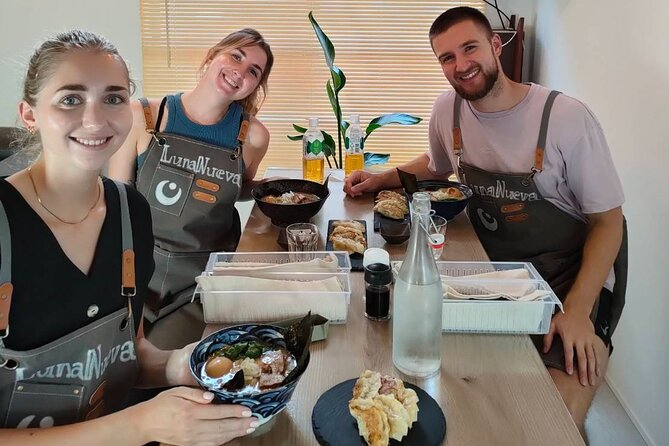
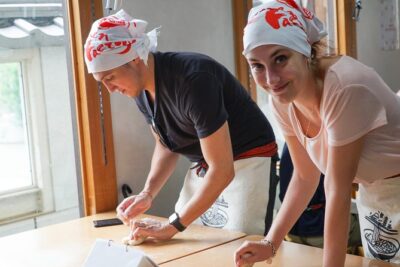
Cooking ramen in Tokyo is fun. Cooking it in a real neighborhood kitchen with a chef who can correct your technique is the kind of hands-on experience that sticks. You’ll get a small-group setup, a friendly host vibe, and a bowl you helped build from scratch, not just taste.
What I especially like is the focus on step-by-step technique and the way the class ends with you plating your own signature ramen. The other big plus is that you can often get vegetarian, no-fish/seafood, and vegan-leaning options, as long as you mention your needs in advance.
One consideration: this is not a quick tasting. It’s about cooking, folding, and learning, so come hungry and expect to stay engaged for the full roughly two hours.
Key highlights that matter before you book
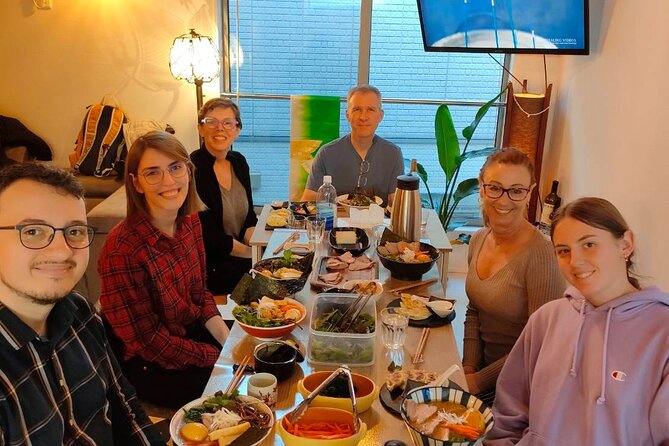
Small group size for real coaching (max 12, and many classes run even smaller)
Gyoza folding plus ramen building so you learn more than one trick
Time-saving chef prep so you can focus on technique without feeling rushed
Ramen finishing and plating where you learn how a bowl should look and taste
Dietary flexibility with vegetarian and no fish/seafood options, and vegan possible with advance notice
Ramen and gyoza in a real Tokyo home kitchen near Ekoda Station
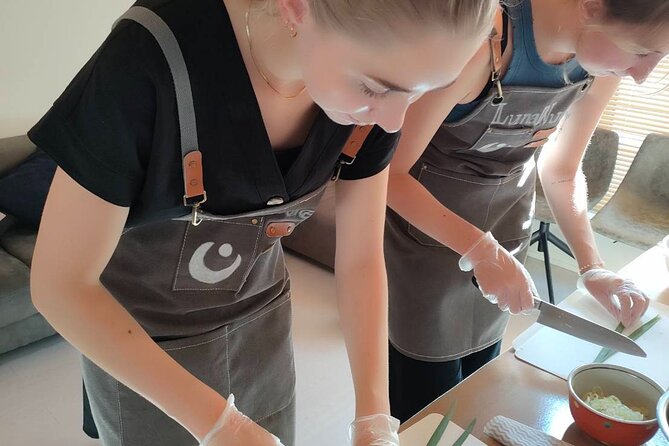
This class takes you out of the main tourist grid and into a residential part of Tokyo, which is part of the charm. Instead of eating ramen at a counter and calling it a day, you learn how the flavors come together, right where local life happens.
The meeting point is Ekoda Station in Nerima City. Plan on being guided from there to the class space, and expect the hosts to help you find the right spot in the neighborhood. It also helps that the meeting area is described as near public transportation, so you are not stuck with complicated logistics.
If you care about authentic food culture, this format makes a big difference. You learn the why behind the steps, from broth and noodle handling to toppings and the final bowl. That means you can actually repeat the results later, not just remember a delicious meal.
More Cooking Classes in Tokyo
- Ramen & Gyoza Cooking Class in Tokyo with Local Supermarket Visit
★ 5.0 · 823 reviews - Tokyo: Easy Ramen Cooking Experience in Kabukicho, Shinjuku
★ 4.6 · 321 reviews - Ramen and Sushi Cooking Class with Sake Pairing Set in Tokyo
★ 5.0 · 291 reviews
Morning or noon class: how to choose the best time
You can pick a morning or noon slot, which is great because ramen can fit into your day in more than one way. If you want the class to kick off your food day, a morning session works well. If you prefer a late start and a fuller lunch rhythm, the noon session can feel more natural.
Either way, the class is about two hours (approx.). That length is long enough to do hands-on cooking, but short enough that you can still keep your Tokyo plans moving afterward.
Here’s a practical tip: whichever slot you choose, schedule it when you are not already mentally exhausted from travel. The hands-on part is the point, and you will get more from it if you bring energy.
What you cook: seasoned eggs, gyoza folding, noodles, broth, toppings
Let’s talk about the actual building blocks of your meal, because that is where the value is.
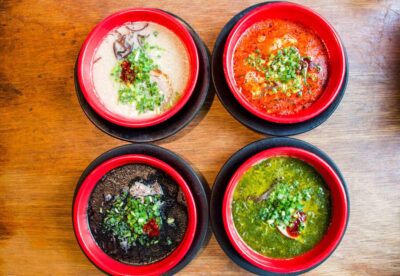
You’ll start with ramen basics and learn how to create flavor using local ingredients. Expect seasoned eggs and colorful toppings as part of your ramen bowl. Those toppings matter, not just for looks. They create the balance between rich broth, savory egg, and fresh or aromatic accents.
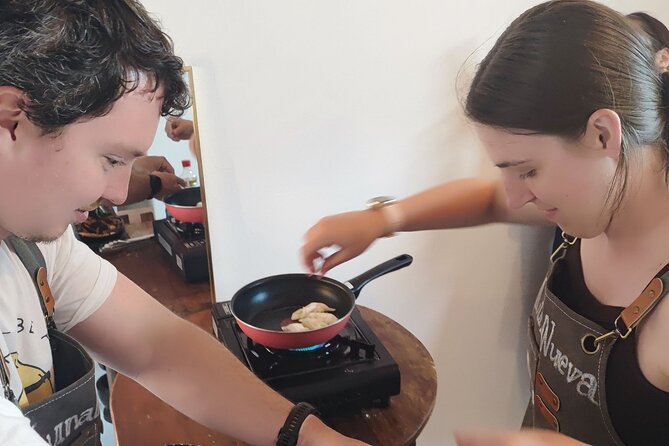
On the dumpling side, you’ll make gyoza and practice folding techniques like a local. Dumplings look simple until you try to get the folds right, and that’s why hands-on coaching is such a big deal here.
Then comes the main event: you’ll work on ramen noodles and get involved in the broth process. Even if some key broth steps are handled in advance by the chef, you still learn what the broth needs and how the process affects the final taste. You finish by plating noodles, soup, and toppings into your own signature ramen bowl.
If you like food that is both comforting and technical, this mix is a sweet spot. You get street-food satisfaction with real cooking skills.
The ramen technique part: flavor, timing, and getting it right at home
Ramen has a reputation for being hard at home. That’s partly true, but the trick is knowing which steps create the flavor and which steps just take time.
In this class, the chef setup helps you focus on the parts that actually teach you something. You learn how the broth process affects depth and how to think about seasoning as you assemble the bowl. You also practice noodle handling, because even good broth can fall flat if the noodles are treated casually.
From the results side, many people describe the finished ramen as among their best meals in Tokyo. That makes sense when you realize the class is designed around getting you to build a bowl correctly, not just watch someone else do it.
If you want to recreate your ramen later, pay attention to two things during class. First, how the broth tastes at each stage of preparation. Second, how toppings and eggs sit in relation to noodles, because the order and timing affect how everything comes together.
More Ramen Experiences in Tokyo
- Eat and Drink Like a Local: Tokyo Ueno Food Tour-Taverns&Ramen
★ 5.0 · 957 reviews - Tokyo: Ramen Tasting Tour with 6 Mini Bowls of Ramen
★ 4.9 · 432 reviews - Professional Ramen & Gyoza with Ramen Chef in a restaurant!
★ 5.0 · 223 reviews - Shibuya: Ramen Dojo Tokyo | Make All 3 (Tonkotsu/Shoyu/Miso)
★ 5.0 · 214 reviews
Gyoza hands-on: folding dumplings like you mean it
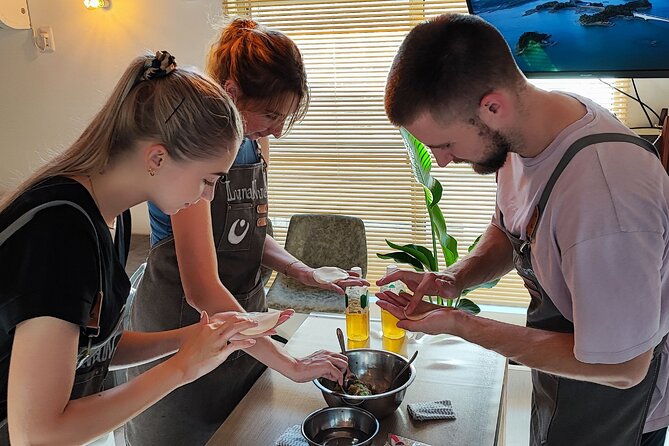
Gyoza is the fastest way to turn a cooking class into a skill. You’ll practice folding and learn techniques that you can actually repeat, which is why families and groups tend to love this part.
The best gyoza are about more than filling. The fold helps seal the dumpling so it cooks properly, and the way you handle the edges affects how they crisp. In class, the feedback from the instructor is the difference between a dumpling that looks okay and one that cooks well.
Also, because you’re doing it yourself, you get a lot more satisfaction when you take the first bite. It tastes better because you earned it with your hands.
Meet the hosts: why the small group feels personal
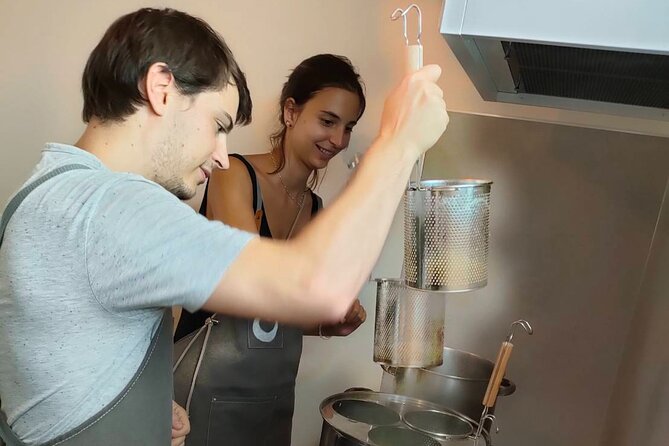
This is capped at 12 travelers, and in practice it often feels even smaller. That matters because ramen and dumplings are hands-on tasks. You cannot learn properly if the instructor is only able to glance at your work from the other side of the room.
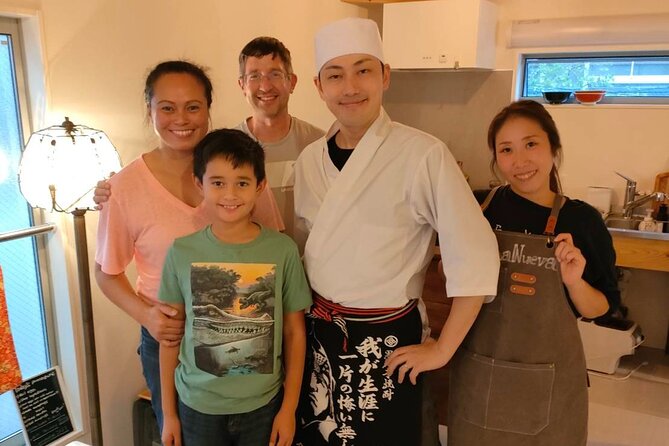
The class is led by Yoshi and Amo (sometimes listed with additional help such as Oma in guidance). Multiple reviews highlight how patient and welcoming they are, and that is what you want in a class like this. You should feel comfortable asking questions, especially if you have never made ramen or gyoza before.
A small-group setup also gives you more chances to talk about Tokyo beyond the kitchen. People mention getting helpful tips on what else to do in the city, which turns the class into more than a meal. It becomes a mini cultural exchange.
Finally, the home setting helps. It’s cozy, clean, and organized for cooking, so you are not squeezed into a crowded studio kitchen.
Diets and vegan possibilities: what you should ask before you go
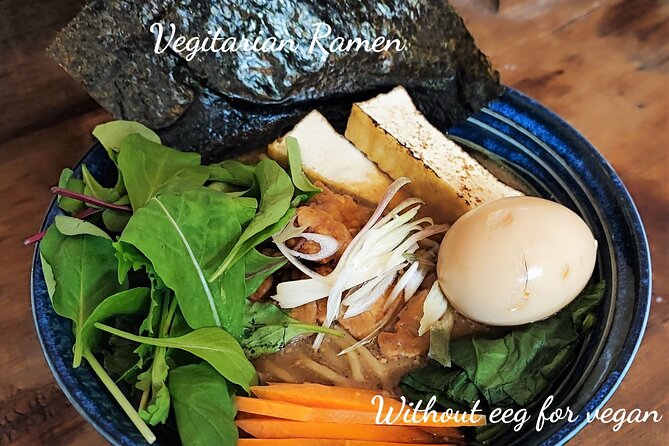
The experience is described as vegan possible, and there is clear evidence that the hosts can adjust based on needs. One guest mentioned options that avoided fish/seafood and another mentioned vegetarian versions prepared in advance.
Here’s the most practical way to handle this: message your needs early and be very clear about what vegan means for you. For example, confirm whether you need a fully vegan broth approach, and whether any sauces or toppings use animal-based ingredients.
If you are eating vegetarian or avoiding fish/seafood, you can likely breathe easier, since the class has been able to prepare options for those diets. If you are strictly vegan, ask directly so you get the best match.
The good news is that the class is set up for customization. When hosts plan ahead, the whole bowl can still feel complete, not like a compromise plate.
Getting there and making the most of the neighborhood
The class starts and ends at the meeting point, so you do not need to plan a long transit after dinner-making. That is helpful in Tokyo, where switching trains can become mentally annoying.
Since this takes place in a residential part of Nerima, you may enjoy the chance to walk around a little before or after. Reviews mention how people liked getting out of central Tokyo to experience quieter local culture.
Practical tip: wear shoes you can walk in. Even if trains are easy, you will likely do some short walking between the station and the home class space.
Amount of food and what to expect from the final bowl
You should plan to come hungry. The class is built around a full meal experience, and most people leave full from the ramen and gyoza you make together.
The finale is not just eating. You’ll plate noodles, soup, and toppings and make a bowl that feels personal. That step makes the meal memorable because it ties together everything you practiced.
Also, because you added toppings and eggs yourself, the bowl feels more layered. You taste the ramen as a system, broth plus noodles plus texture from gyoza, instead of a single flavor at random.
Price, value, and why this can be worth more than a restaurant meal
At $102.41 per person for roughly two hours, this is not cheap in the casual sense. But it can still be good value when you look at what you get.
You are paying for:
- A pro chef-led class with hands-on practice
- Ingredient prep and cooking guidance
- Small-group attention and feedback
- A full meal outcome, not just a sample
- The chance to learn repeatable technique
In Tokyo, a great ramen meal can cost similar money once you factor in drinks and a few stops. The difference is this class adds skills and gives you a new way to enjoy ramen later, with your own version at home.
If you care about food technique and want something interactive, this price starts to look reasonable fast.
If you only want a quick bite, you might be happier with a normal meal. This experience is best for people who want to learn.
Who should book this ramen and dumpling class
Book it if you:
- Want hands-on cooking, not just eating
- Like learning technique, especially broth, noodles, and dumpling folds
- Need small-group coaching
- Are traveling with family, since the format works for kids and teens
- Care about dietary adjustments and will communicate your needs early
You might skip it if:
- You prefer passive experiences like museum time and guided walks
- You are in a tight schedule where two hours of active cooking will feel like too much
- You want a broad overview of Tokyo, not a focused food skill session
Should you book it?
Yes, I think you should book it if your trip includes food as a priority and you want a memorable skill-based meal. The standout is the combination of hands-on ramen and gyoza with small-group attention from Yoshi and Amo, plus the fact that vegetarian and no-fish/seafood options are possible and vegan can be arranged with advance notice.
If you book, do one thing that makes a difference: send your dietary requirements clearly before the class. Then show up hungry, expect lots of instruction, and plan a little time afterward to enjoy the surrounding neighborhood.
FAQ
How long is the ramen and dumpling cooking class in Tokyo?
It runs for about 2 hours.
Where is the class meeting point?
The start point is Ekoda Station, 1 Chome-78 Asahigaoka, Nerima City, Tokyo 176-0005, Japan.
Is there a morning and noon option?
Yes. You can choose a morning or noon class to fit your schedule.
How big is the group?
The class has a maximum of 12 travelers.
Can the class accommodate vegan or vegetarian diets?
The experience notes vegan is possible, and there is information from participants that vegetarian and no fish/seafood options can be prepared. Share your dietary needs in advance.
Is it near public transportation?
Yes, the meeting point is described as near public transportation.
Is a mobile ticket used?
Yes, the class uses a mobile ticket.
What is the cancellation policy?
Free cancellation is available. You can cancel up to 24 hours in advance for a full refund, and cancellations made less than 24 hours before the start time are not refunded.
Latest write-ups near Tokyo
- From Tokyo: Top 5 Scenic Spots of Mount Fuji Full-Day Tour★ 4.5 · 67 reviews
- Tokyo Customized Private Tour: See Top Attractions in 1 Day★ 4.8 · 67 reviews
- Traditional Japanese Music ZAKURO SHOW in Tokyo★ 5.0 · 67 reviews
- Tokyo: Shinjuku Izakaya and Golden Gai Bar Hopping Tour (2h)★ 4.9 · 67 reviews
- Tsukiji: Unlimited Sake Tasting Experience★ 4.9 · 67 reviews
- Tokyo: Not a show- a professional sumo practice with experts★ 4.9 · 67 reviews
- Samurai Ninja Museum Asakusa: Kid-Friendly Ninja Training★ 4.7 · 67 reviews
- Private Harajuku Omotesando Architecture Walking Tour★ 5.0 · 67 reviews
Ramen Experiences, compared.
Ramen Cooking Class at Ramen Factory in Kyoto
Read our review →
Eat and Drink Like a Local: Tokyo Ueno Food Tour-Taverns&Ramen
Read our review →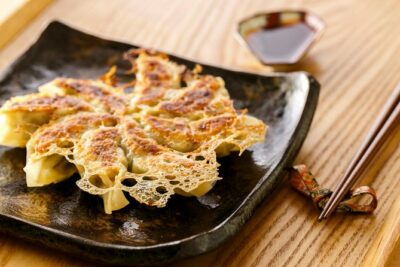
Ramen & Gyoza Cooking Class in Tokyo with Local Supermarket Visit
Read our review →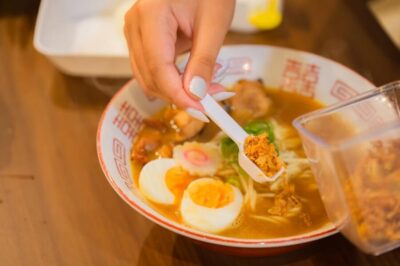
Ramen Cooking Class at a Ramen Factory with Souvenir
Read our review →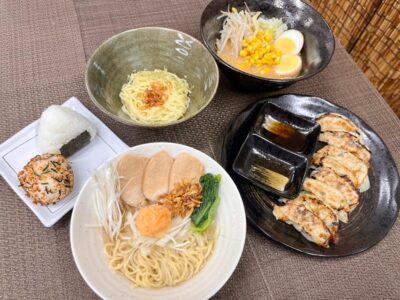

Five Must-See Highlights Walking Tour & Ramen Lunch
Read our review →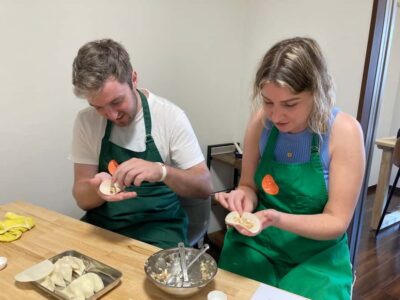
Browse the lists this tour appears in