
Reviewed · SUSHI MAKING CLASSES
Shibuya Tokyo: Sushi Making Class (Vegan/Vegetarian/Halal)
Shibuya Sushi Making Class: Vegan, Vegetarian, Halal
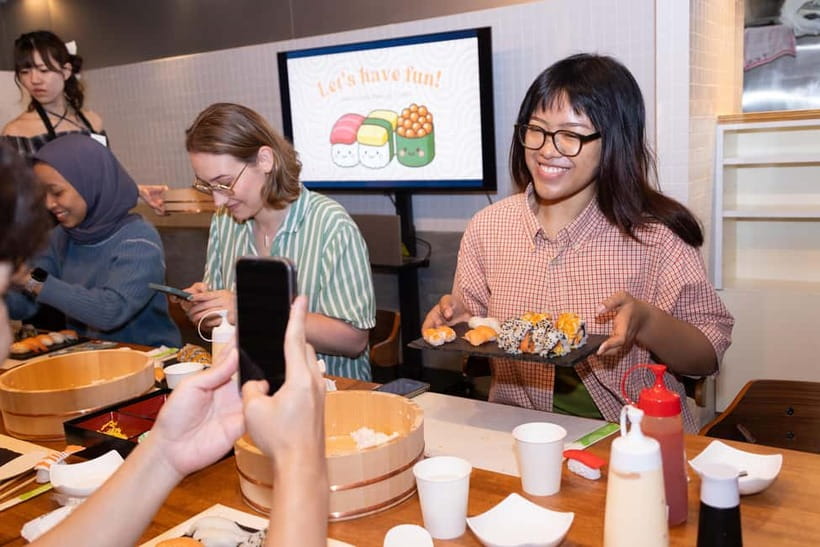
What makes this sushi class interesting is the setting. You’re learning a hands-on Japanese cooking skill in the middle of Shibuya, not in some far-off demo kitchen. The vibe is friendly and practical, and the instructors guide you step by step, including tips they clearly care about, like how to make vegan sushi look right and taste clean.
I like two things a lot here. First, you can make real nigiri and California-style rolls, not just decorate something. Second, the class is taught in English by instructors like Momoyo and Kaito, and they mix in a short sushi-history quiz so you get context without it turning into a lecture.
One consideration: even though the class can fit vegan, vegetarian, halal-friendly, and gluten-free needs, you should plan on the menu staying the same. Menu changes are not accommodated on the day of the activity, so confirm your dietary requirements up front.
Key things I’d put on your radar
- Vegan, vegetarian, halal-friendly, and gluten-free options are built into the class plan
- You make nigiri and rolls, then eat what you create
- English-speaking instruction plus a warm welcome quiz about sushi basics
- Fresh seasonal ingredients for your chosen dietary option
- Instructors like Momoyo and Kaito are repeatedly praised for clear, patient teaching
- Photo-friendly moment before you eat, so your sushi has a chance to look good on camera
More Sushi Making Classes in Tokyo
- Sushi Making Tokyo Roll and Authentic Japanese Sushi Class
★ 5.0 · 3,971 reviews - Tokyo: Roll and Authentic Sushi Making Class in Asakusa
★ 4.9 · 1,957 reviews - Make Sushi and Create Unforgettable Memories in Tokyo
★ 5.0 · 1,413 reviews
A 90-Minute Sushi Skill in the Middle of Shibuya
This is one of those Tokyo experiences that’s fun even if you’re not trying to become the next sushi master. You walk into a studio near Shibuya Station, meet a group, and in about 90 minutes you go from sushi-curious to sushi-confident enough to recreate the basics at home. The class focuses on technique and taste, not on performance or fancy equipment.
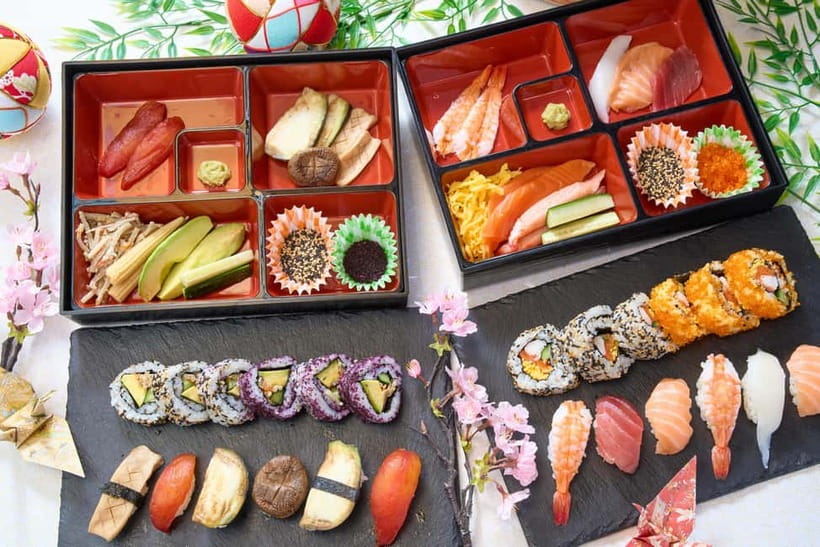
What I appreciate is how the experience stays grounded. You learn the core building blocks, like prepping ingredients and rolling sushi, then you practice the signature shapes. The emphasis on vegan and vegetarian-friendly sushi also matters. Vegan options use vegetables like eggplant, mushroom, tomato, and avocado, which gives your sushi a real texture and color mix, not just a sad, plain filling.
It’s also not a long time commitment. Ninety minutes fits easily between Shibuya shopping and dinner. And because the instructors are English-speaking, you can ask questions as you go, which makes the whole thing feel less intimidating.
The Class Flow: Quiz, Hands-On Rolling, and Nigiri
The schedule is simple, and that’s part of the charm. The class starts with a short sushi quiz about the history of sushi. It’s meant to be light and engaging, a quick way to help you understand what you’re making and why people care so much about details like rice and presentation.
Then you get into the hands-on part. You’ll make California rolls and also nigiri, the classic bite-sized sushi. Along the way, your English-speaking instructor walks you through what to do, including how to roll so your sushi holds together. You also learn practical technique cues that you can actually remember later, like how to handle rice and how to build the pieces so they look tidy.
Finally, you eat your sushi. That part is more important than it sounds. Cooking classes in Tokyo can sometimes end with leftovers in a box. Here, you sit down and enjoy what you made while it’s still fresh.
One more helpful detail: the staff is happy to take photos of your sushi before you eat. It’s a small thing, but it turns the class into a full experience, not just a meal you rushed through.
Vegan, Vegetarian, Halal-Friendly, and Gluten-Free Without Extra Stress
Tokyo is very accommodating for many diets, but you often need to be specific. This class makes things easier because the dietary options are planned in advance: vegan, vegetarian, halal-friendly, and gluten-free are all available. You just need to indicate your preferences when you book.
If you choose vegan or vegetarian, the fillings are built around vegetables such as eggplant, mushroom, tomato, and avocado. That matters because sushi is partly about texture. Mushrooms bring a savory depth. Eggplant can add softness. Avocado adds creaminess, which helps vegan sushi feel complete.
For halal-friendly needs, the class is described as customizable. The important move for you is simple: share your dietary needs clearly when booking. The class can accommodate them, but it has to be set up before the session.
One thing to keep in mind: menu changes on the day of the activity can’t be accommodated. So don’t assume you can swap items at the last second. If you have allergies or a very specific restriction, send that information early and stick to the option you selected.
A change of pace from Tokyo:
- Mt Fuji and Hakone 1-Day Bus Tour Return by Bullet Train
★ 5.0 · 26,383 reviews - 1-Day Tokyo Bus Tour
★ 5.0 · 14,250 reviews - Tokyo: TOKYO SKYTREE® Admission ticket
★ 4.5 · 11,192 reviews - Tokyo: teamLab Planets TOKYO Digital Art Museum Entry Ticket
★ 4.6 · 9,779 reviews
How Momoyo and Kaito Make Beginners Feel Ready
The biggest theme from the experience is comfort. Instructors like Momoyo and Kaito are repeatedly described as friendly, patient, and easy to learn from. That’s a big deal, because sushi can feel intimidating if you’ve only eaten it as a customer.
In this class, the instruction style is what lowers the stress. You get clear steps, you get guidance while you’re doing it, and you’re not left to figure things out alone. You’ll likely get little technique tips that matter more than you’d expect, especially for shaping and rolling.
You also get conversation, not just commands. Some people mention chatting with the instructors and feeling at ease right away. That makes it feel more like a cultural activity with real human interaction, rather than a strict checklist.
If you’re traveling solo, that friendliness helps too. You’re not just performing in front of a kitchen timer. You’re part of a small group learning a skill, with staff who make it feel normal to ask, try again, and laugh when something looks a little off.
The Eat-What-You-Make Moment, Plus What You Can Recreate Later
This class doesn’t hide the payoff. After you build your rolls and nigiri, you sit down and eat what you made. And the tone here is practical: you’re learning enough technique to enjoy your own cooking immediately, not just taking a diploma and walking away.
Eating your sushi matters because it turns technique into memory. When you taste the rice, the fillings, and the final roll, you understand which steps are essential. You also see what the instructors were aiming for, like balance, bite size, and how the pieces should look.
Another takeaway is confidence. The class is designed for all skill levels. You don’t need prior cooking experience. By the end, you should be able to reproduce the basic approach at home, especially the concept of building sushi pieces and learning how the rice and fillings work together.
If you’re vegan and you’ve been wondering what sushi can actually taste like, this class gives you a real answer. You’re not guessing. You’re making it, then eating it.
Shibuya Logistics: Easy Walk From Shibuya Station
Location is one of the big practical wins. The studio is in the heart of Shibuya and is about a 7-minute walk from Shibuya Station. That makes it easier to slot into your day, even if you’re bouncing between neighborhoods and shopping streets.
Meeting point may vary depending on the option booked, so double-check your specific instructions after you reserve. Also, the feedback you’re likely to want is simple: allow a little extra time to find the venue. Shibuya can be a maze, especially if you’re arriving for the first time.
The good news is that the class itself is stress-free. Even though you’re in a busy part of Tokyo, the workshop feel is relaxed. You’re inside, you’re working at a station, and you’re guided through each step.
One rule to know ahead of time: audio recording is not allowed. If you like taking notes or recording video footage for yourself, you’ll want to stick to what’s permitted in the space.
Price and Value: $58 for Tools, Instruction, and a Full Meal
At $58 per person, you’re paying for more than a cooking demonstration. You’re paying for:
- an English-speaking local instructor
- all fresh ingredients for your dietary option
- cooking utensils and sushi-making tools
- hands-on instruction for California rolls and nigiri
- a shared meal where you eat what you make
When you put it that way, the price starts to make sense. You’re not buying ingredients and figuring out tools on your own. You’re not spending hours prepping rice and hunting down the right fillings. And you get a structured class with guidance, so you can avoid the usual beginner mistakes.
It also offers a clean value trade. Your “return” is both practical (skills you can reuse) and immediate (food you can eat). That combination is hard to beat in a city where most food experiences stop at tasting and start charging again for anything beyond.
Who This Class Suits Best, and Who Might Skip It
This class is especially a good fit if you:
- want a hands-on Japanese experience in Shibuya
- need vegan, vegetarian, halal-friendly, or gluten-free options
- prefer learning with an English-speaking guide rather than figuring everything out from scratch
- want a fun activity that’s also genuinely tasty
You might consider skipping or choosing something else if you’re only looking for a deep sushi culture tour with lots of sightseeing stops. This is a cooking class first. The sushi-history quiz is short, designed as a warm-up, not a full museum-style experience.
It’s also a strong choice for beginners. A big part of the praise is that the instruction feels clear and supportive, including for people who are new to sushi making.
Should You Book This Shibuya Sushi Class?
If you want a single, well-taught activity that gives you both food and a skill, I’d book it. It’s in a convenient location near Shibuya Station, lasts 90 minutes, and includes the parts that make cooking classes worth it: tools, ingredients, guided technique, and a meal you actually eat.
The biggest reason to feel good about booking is the way dietary needs are handled. Vegan, vegetarian, halal-friendly, and gluten-free options are available, and the class is set up to match your choice ahead of time. If you plan your booking carefully and confirm restrictions, you’ll have a smooth experience.
If sushi feels intimidating, don’t overthink it. The instructors, including Momoyo and Kaito, are repeatedly praised for making the process easy and enjoyable. You’ll likely leave with sushi that tastes good and the confidence to try again at home.
FAQ
How long is the sushi making class?
The class runs for 90 minutes.
Where does the class meet in Shibuya?
The meeting point may vary depending on the option you booked, but the studio is right in the heart of Shibuya and is about a 7-minute walk from Shibuya Station.
What dietary options can the class accommodate?
The class can accommodate vegan, vegetarian, halal-friendly, and gluten-free options if you indicate your preferences when booking.
What will I make during the class?
You’ll make California rolls and nigiri, with ingredients tailored to your dietary option.
Is the class taught in English?
Yes, the instructor is English-speaking.
Can I make changes to the menu on the day?
Menu changes cannot be accommodated on the day of the activity.
Are the ingredients included?
Yes. The class includes all fresh ingredients for the vegan or vegetarian option, and you’ll also receive cooking utensils and sushi-making tools.
Is audio recording allowed?
No, audio recording is not allowed.
Is there free cancellation?
Yes, free cancellation is available up to 24 hours in advance for a full refund.
Latest write-ups near Tokyo
- Tokyo Nights: Shibuya Photo Adventure★ 5.0 · 20 reviews
- Wagyu & Sake 8 Course Tasting Dinner in Shinjuku★ 4.9 · 20 reviews
- Making Japanese desserts Nerikiri & drinking matcha in Tokyo★ 5.0 · 20 reviews
- Mt. Fuji 5th Station, Owakudani Ropeway, Pirate Ship plus Outlet shopping!★ 4.5 · 20 reviews
- Japanese Whisky Hunting《HIGH-QUALITY-ONLY》Rare Tasting Class★ 5.0 · 20 reviews
- Kintsugi Experience with Arita Ware in Tokyo (English Guide)★ 4.8 · 20 reviews
- This is Asakusa! A Tour Includes the All Must-Sees!★ 5.0 · 20 reviews
- Tokyo: Karate Experience with Former All-Japan Champion★ 5.0 · 20 reviews
Sushi Making Classes, compared.
Sushi Making Tokyo Roll and Authentic Japanese Sushi Class
Read our review →
Roll and Authentic Sushi Making Class in Asakusa
Read our review →
Make Sushi and Create Unforgettable Memories in Tokyo
Read our review →
Sushi Making Class in a Happi Coat near a Famous Spot
Read our review →
Sushi Making Osaka Roll and Authentic Japanese Sushi Class
Read our review →
Tokyo Sushi Making Class in Tsukiji with Professional Chef
Read our review →
Tokyo Night Foodie Tour in Shinjuku – Seasonal Sushi, Wagyu Beef
Read our review →
Tsukiji Fish Market Guided Tour and Sushi Making with Pro Chef
Read our review →Browse the lists this tour appears in