
Reviewed · TEA CEREMONIES
Tea ceremony by the tea master in Kyoto SHIUN AN
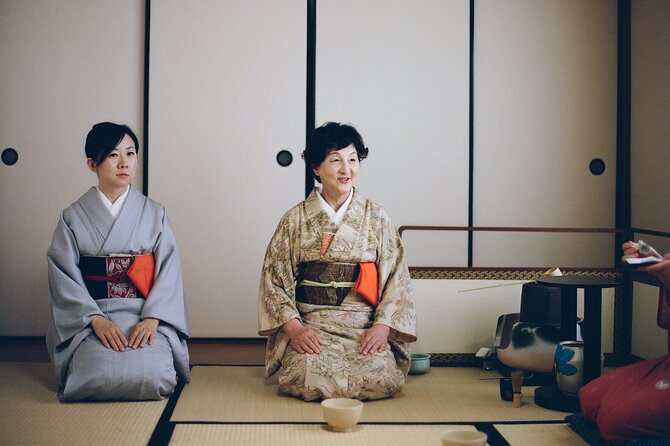
In Kyoto, tea can feel like a quiet superpower. This SHIUN AN experience turns a simple cup of matcha into a structured, Zen-minded practice, with you learning the steps and the why behind them. It is set close to Daitoku-ji, a neighborhood where tea culture is more than a tourist stop.
I love the small group size (up to 6, sometimes 8 in peak season), because it keeps the instruction personal. I also love that you get hands-on time: you taste matcha, learn the utensils and room basics, then make your own bowl to take the ritual home in your muscles, not just your photos.
One possible drawback is logistics. The meeting point is in a residential area, and at least one recent experience notes difficult stairs. If you have mobility issues or prefer level access, it is worth planning your route carefully.
Key things you should know before you go
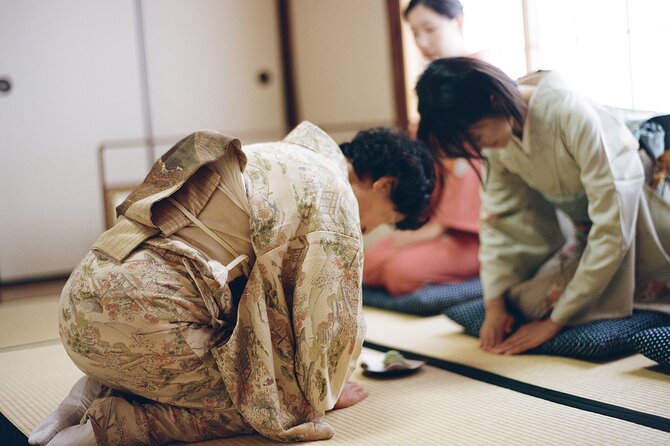
- Small group tea room: maximum 6 guests per session, occasionally increased to 8 in busy periods
- You learn matcha basics hands-on: you make your own bowl, not just watch
- Two servings plus sweets: you enjoy two bowls of matcha and two types of Japanese sweets
- Ritual before pouring: the host explains utensils, steps, and how decoration and layout matter
- Tatami essentials included: you receive white socks and a fold fan
- Quiet Kyoto location: near Daitoku-ji, with Kinkaku-ji about four bus stops away
Tea ceremony at SHIUN AN: why Daitoku-ji matters
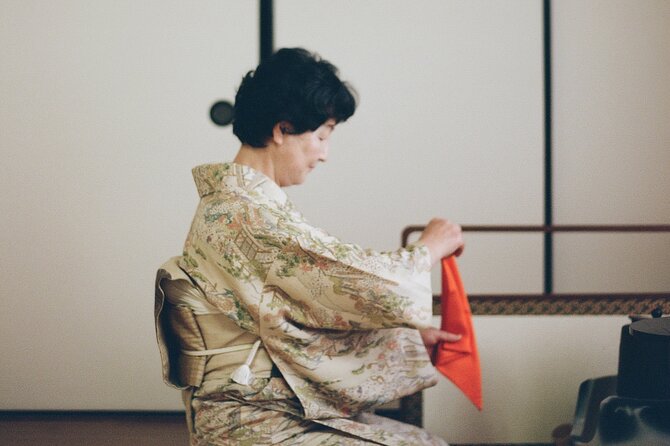
If you are trying to understand Japan beyond bright streets and temple photos, this is a smart pick. Tea in Japan is not just a drink. It is a disciplined way of paying attention. At SHIUN AN, the ceremony is taught as a kind of spiritual exercise, tied to Zen’s idea of realizing truth through self-discovery.
The setting helps. You are near Daitoku-ji Temple, a Zen complex known for the historical connections between Buddhist study and tea culture. In other words, tea practice here is presented as something historically rooted, not just a staged performance.
You also get an easy bonus position for the rest of your day. Kinkaku-ji (Golden Pavilion) is only about four bus stops away. That makes this experience a practical anchor in the north Kyoto area, instead of a detour on the far edges of your itinerary.
More Tea Ceremonies in Kyoto
- Kyoto: Tea Ceremony in a Traditional Tea House in Kiyomizu
★ 4.9 · 3,519 reviews - Kyoto: Tea Ceremony Ju-An at Jotokuji Temple
★ 4.9 · 3,207 reviews - Kyoto: 45-Minute Tea Ceremony Lesson Experience
★ 4.3 · 2,378 reviews
What happens during the 45-minute experience
This is roughly 45 minutes, and it moves with calm structure. There is no long wait around a big crowd. Instead, you transition step-by-step from greeting and room viewing into the actual ceremony.
The flow usually goes like this:
1) Arrival and introduction to the room
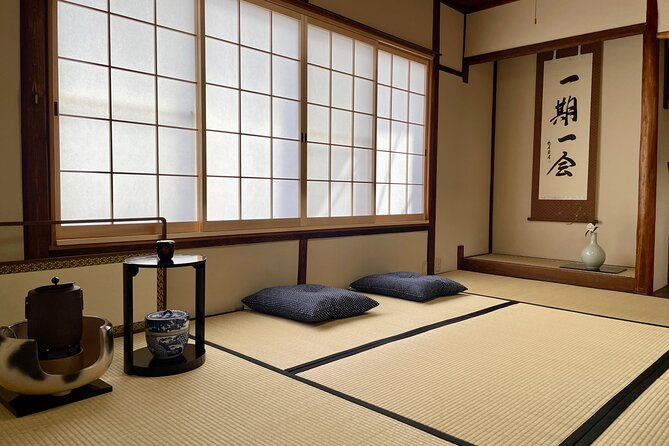
The host takes you into the tea room to admire details like a hanging scroll and seasonal flower arrangements. These are not filler decoration. They frame the moment and help set the tone of the ceremony.
2) A short explanation before you watch and do
Before the tea serving starts, the host explains the steps involved, the utensils you will use, and why the room layout and decorations matter. This is one reason the experience feels more meaningful than the standard quick tea tasting.
3) Sweets and matcha serving
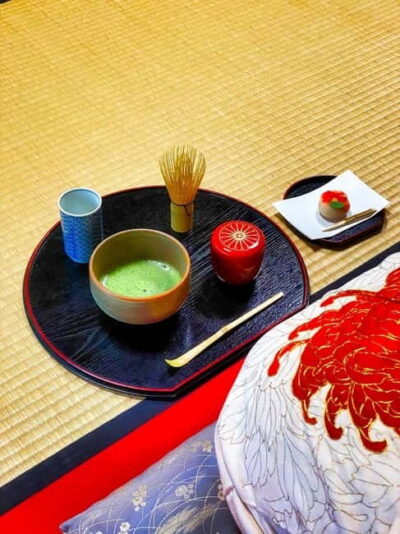
You enjoy a seasonal sweet while watching the serving process. Then you get two bowls of matcha, served during the ceremony. In plain terms, you get to taste first, then learn how to recreate the key actions.
4) Your hands-on matcha making
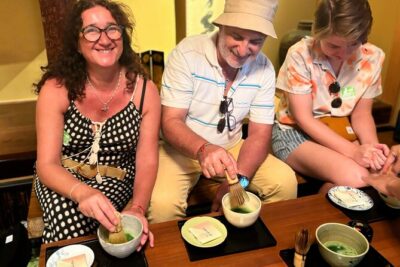
At the end, you sit with the tools and make your own bowl of matcha. You go over the basics with guidance, so you leave knowing what you are doing, not just copying a sequence someone told you to memorize.
The idea is that you walk away understanding the rhythm. In Zen terms, that is the point. In practical terms, it also means you can order matcha back home and know why it tastes the way it does.
Small-group instruction: the real value of limited seating
This experience caps at 6 people, and in peak season it can rise to 8. That matters more than you might think.
In a big group tea show, the host can only explain the steps at a high level, and you mostly watch. Here, you are far more likely to get clear attention on your form and timing. The learning portion is not just a script read at you, it is instruction that responds to how you are holding the whisk or handling the utensils.
You also get a quieter atmosphere. Several aspects of the ceremony are about stillness and attention. A small room helps with that. It also helps you ask questions without feeling rushed.
Utensils, socks, and the hands-on matcha moment
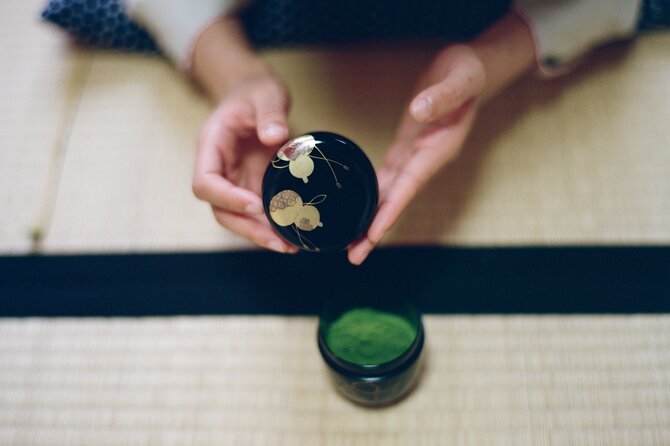
One of the best parts is how physical it all is. You are not only hearing about the tea. You are using the tools.
Included materials are:
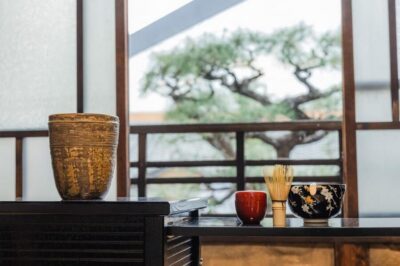
- tea bowls
- tea containers
- tea scoops
- tea whisks
- white socks (for walking and sitting on tatami)
- a fold fan
- matcha tea and Japanese sweets
The socks and fan are practical. Tatami floors change how you move in the room, and socks keep it comfortable and respectful. The fold fan adds to the ceremony atmosphere, too, without turning it into a costume you worry about.
When it is time for your bowl, you focus on the basics:
- how to handle the bowl and utensils
- the motion and timing used when whisking
- how to understand the steps instead of just repeating them
You will likely notice that the host teaches with patience. That is consistent with what people value most here: clear explanation, steady pacing, and practical help for making your bowl correctly.
A change of pace from Kyoto:
- PERFECT KYOTO 1-Day Bus Tour
★ 5.0 · 13,518 reviews - Kyoto: Fushimi Inari, Kinkakuji, Bamboo Grove 1 Day Bus Tour
★ 4.8 · 4,316 reviews - Kyoto Geisha Walking Tour: Gion District & Hidden Gems
★ 4.7 · 3,273 reviews - Kyoto: Gion Magical Night Walking Tour with Geisha Trivia
★ 4.9 · 2,393 reviews
The tea room details you are actually taught to notice
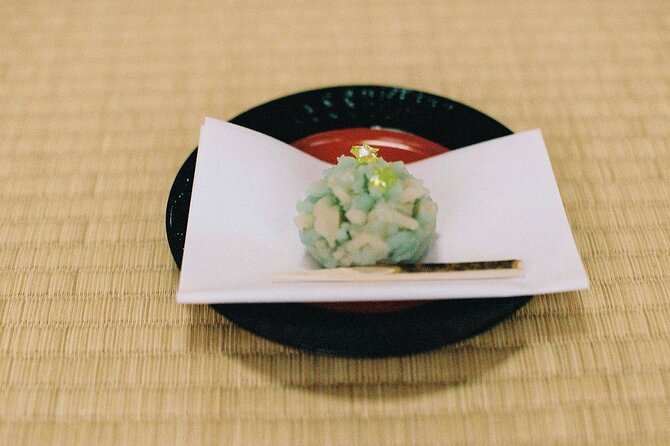
Tea ceremony works because people notice small things. This is not a random skill demo. You get an explanation of the room’s meaning.
At the start, you look at:
- hanging scrolls
- flower arrangements
Then the host explains how the ceremony uses the room layout and decorations. That is valuable because it gives you a framework for understanding what you are seeing. If you only watch the whisking, you miss half the lesson.
Here is the practical payoff for you: when you visit other temples or cultural sites later, you will be more likely to notice how Japan uses seasonal changes, space, and display. It is not just aesthetics. It is communication.
Matcha and sweets: what you’ll taste
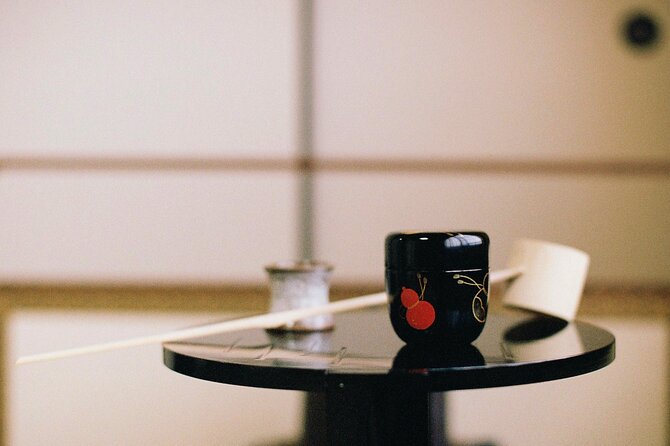
This ceremony does not treat food like a separate add-on. You get sweets tied to the tea moment.
You enjoy:
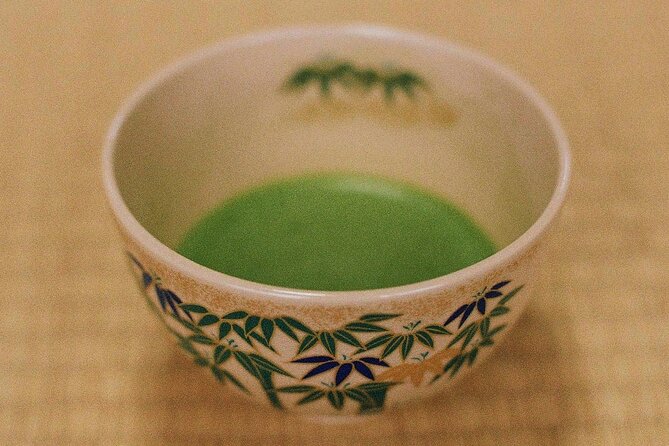
- two bowls of matcha
- two types of Japanese sweets (plus a seasonal sweet during the process)
Matcha itself is the centerpiece, and the fact that you get two bowls helps. It gives you a chance to taste once while watching, then again while understanding the process more deeply.
The sweets also help slow you down. You are not rushing through a taste. You are sampling while the ceremony plays out in front of you, which makes the whole hour feel more like an experience than a transaction.
Location near Daitoku-ji, Kinkaku-ji, and how to get there
The meeting point is at:
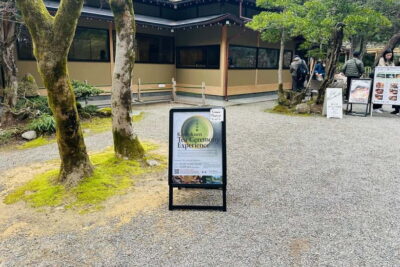
955-1 Idachō, Kamigyo Ward, Kyoto 602-8302, Japan
You start there and return there. There are no pickups or drop-offs, so plan to reach the address under your own power.
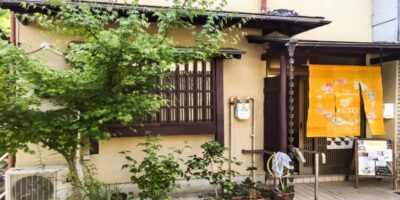
The good news: it is near public transportation. The area is in the north Kyoto suburbs and more residential than the classic tourist corridors. That is part of the appeal, but it can also be the part that takes attention.
Here is the approach I recommend:
- Use maps to find the exact meeting point address early.
- Give yourself extra time to handle any walking on side streets.
- If you are short on time or traveling with someone who tires easily, a taxi from a nearby station can be an efficient shortcut.
Also, note the access reality. At least one recent experience highlights difficult stairs. So if stairs are a challenge, consider asking ahead about the route and level of access, then plan accordingly.
Price and value: what $33 gets you in Kyoto
At $33.03 per person, this is priced in the realm of a short cultural workshop. What makes it good value is what is included and what you do during the time.
You get:
- full teaching of matcha making basics
- utensils used in the ceremony
- two bowls of matcha
- two kinds of Japanese sweets
- tatami socks and a fold fan
- a structured room introduction, not just a quick pouring demo
In many Kyoto experiences, you pay for mostly viewing. Here, a significant chunk of the price funds hands-on practice. That shifts it from passive sightseeing to skill-based cultural learning.
And because the group is small, you are paying for instruction quality, not seat filling.
English support and the role of translation
The ceremony can be detailed. Utensils, steps, and the meaning of room setup all matter. That is why English support is a big part of the experience.
You will have an interpreter or translator as part of the flow. The host explains the steps and you have help understanding context, not just hearing instructions. For many people, that is what turns matcha from a drink into a story they can repeat.
If you are traveling with someone who speaks limited Japanese, this is one of those cultural activities where language support makes a real difference.
Who should book SHIUN AN (and who might pause)
This ceremony fits best if you want:
- a quiet, structured cultural experience
- hands-on matcha making, not just tasting
- a small group setting
- an explanation that connects tea to Zen ideas and Japanese room culture
You might pause if:
- you do not handle stairs comfortably (some people report difficult stairs)
- you are looking for something very near Gion or the busiest central streets
- you only want a fast, simple tea sample (this is more meaningful, but also more ritual)
Should you book the SHIUN AN tea ceremony in Kyoto?
Yes, I think you should book it if your priority is quality over volume. The strongest reasons are the small group, the hands-on matcha making, and the thoughtful structure that starts with the room and ends with you making your own bowl.
If you are sensitive to stairs or want level, easy access, check the route ahead of time and plan your arrival carefully. Also, set expectations that you are going to a calmer residential part of Kyoto, near Daitoku-ji, with Kinkaku-ji reachable by bus. That is not a flaw. It is part of why the experience feels like tea culture, not a show on a schedule.
If you want one Kyoto activity that slows you down and teaches you something you can do later, this is a strong choice.
FAQ
How long is the SHIUN AN tea ceremony?
It runs about 45 minutes.
How many people are in each tea ceremony session?
The maximum is 6 travelers per session, and it can increase to a maximum of 8 in peak seasons.
What is included in the price?
You get tea bowls, tea containers, tea scoops, tea whisks, white socks, a fold fan, matcha tea, and Japanese sweets.
Do I get to make my own matcha?
Yes. You will have the opportunity to make your own bowl of matcha, with instruction.
How much matcha will I drink?
You’ll enjoy two bowls of matcha during the ceremony.
Where does the experience take place?
The meeting point is 955-1 Idachō, Kamigyo Ward, Kyoto 602-8302, Japan. The activity ends back at the meeting point.
Is pickup or drop-off provided?
No, pickups and drop-offs are not included.
Is the location easy to reach using public transportation?
Yes, it is near public transportation.
Are service animals allowed?
Yes, service animals are allowed.
What is the cancellation policy?
You can cancel for a full refund up to 24 hours in advance of the experience start time. If you cancel less than 24 hours before, the amount you paid is not refunded.
Latest write-ups near Kyoto
- Kyoto: Nishiki Market Tour with a Local Foodie & Tastings★ 4.5 · 67 reviews
- Kyoto Kimono Rental mimosa |Kimono/Yukata Rental Couple Plan★ 4.8 · 67 reviews
- Kyoto: Traditional Kimono Fabric Handicrafts Workshop★ 5.0 · 67 reviews
- Kyoto Tea Ceremony and Samurai Photo Session★ 5.0 · 70 reviews
- Kyoto: Replica food making experience★ 4.8 · 70 reviews
- Kyoto: Kinkakuji, Golden Pavilion Guided Tour★ 4.7 · 71 reviews
- Private departure transfer from Kyoto city to Kansai International airport★ 5.0 · 72 reviews
- Uji: Green Tea Tour with Byodoin and Koshoji Temple Visits★ 4.8 · 72 reviews
Tea Ceremonies, compared.
Tea Ceremony in a Traditional Tea House in Kiyomizu
Read our review →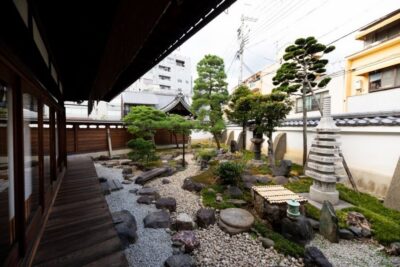
World Heritage Kyoto & Nara Uji Authentic Matcha Experience
Read our review →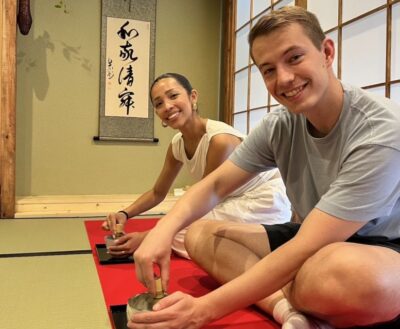
Browse the lists this tour appears in