
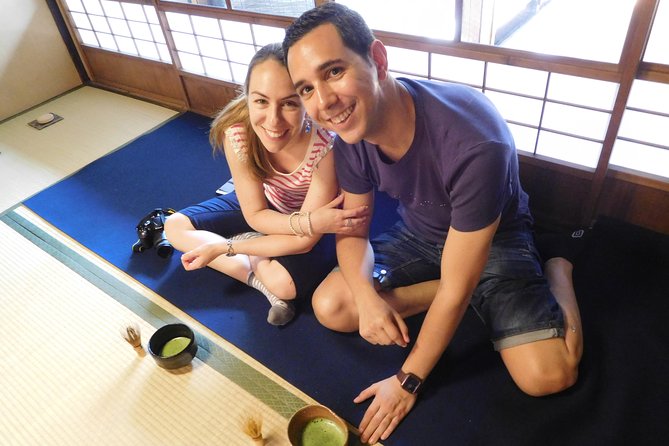
Reviewed · TEA CEREMONIES
Tea Ceremony Experience in Traditional Kyoto Townhouse
This tea ceremony experience is interesting because it puts you inside a real Kyoto machiya, a traditional wooden townhouse, not a museum-style set. You sit down, learn the basics and etiquette, then take a turn making matcha the proper way.
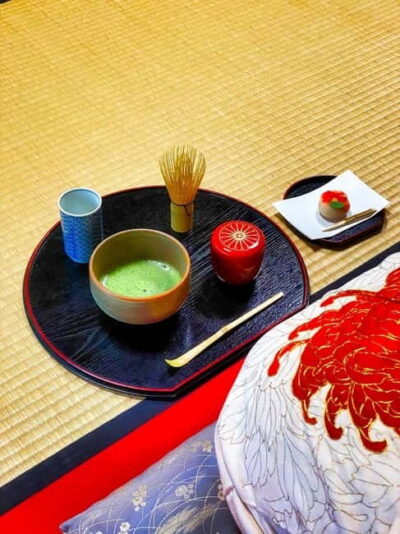
I love two things most: the small-group size (up to 6) and the tea itself. You use high-quality matcha sourced from an Uji City tea farm, paired with traditional Japanese sweets from a famous Kyoto confectioner.
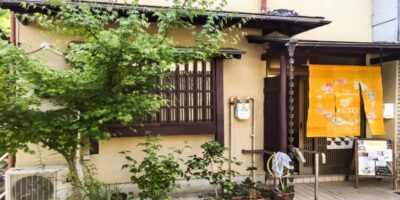
The one possible drawback is that the townhouse is in a residential area, so it can be a little tricky to find at first. Bring your phone, use the exact address, and arrive a few minutes early.
Key highlights to look for
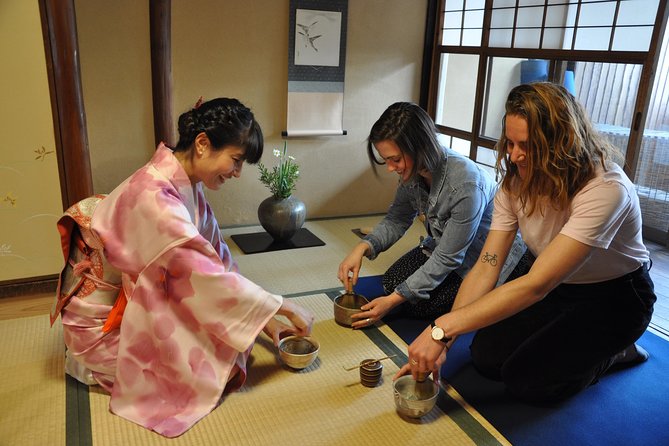
- Traditional machiya interior about 80 years old, with a calm, lived-in feel
- Up to 6 people so you actually get hands-on guidance, not just a show
- Uji matcha from a tea farm, plus Japanese sweets served with your tea
- Tea ceremony etiquette lessons including how to move, serve, and drink
- Multiple start times, so you can fit it into your Kyoto day
- A short, focused 1-hour format that covers demo, practice, and tasting
A traditional machiya tea ceremony at Ami Kyoto
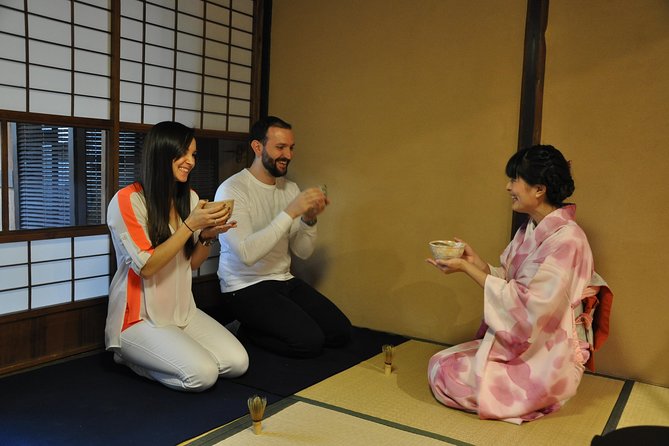
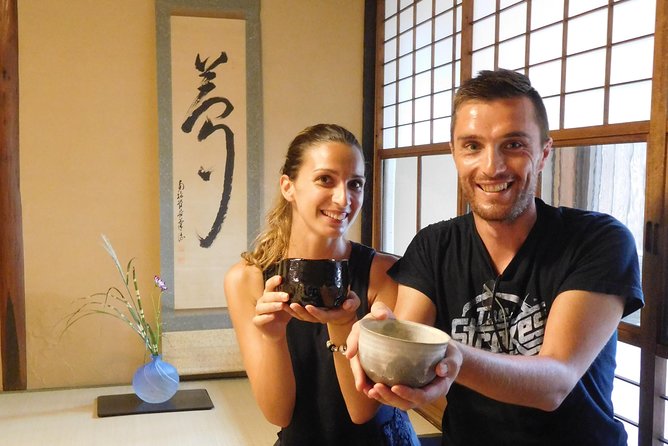
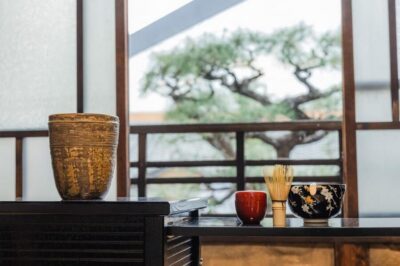
If you care about how people actually live in Kyoto, this kind of experience hits hard. The tea ceremony happens in a traditional wooden townhouse (a machiya), about 80 years old, so you feel the atmosphere that shaped these rituals in the first place.
The setting also matters for the vibe. Instead of a big room full of strangers watching, you get a quieter experience where the host can slow down, explain details, and correct your technique. It’s the sort of place where you naturally lower your voice and pay attention.
Ami Kyoto is run by hosts associated with the tea house, and you’ll likely meet Kimi during the process. In the past sessions, Kimi has also responded to guests with follow-up notes about matcha and sweets, which tells me the team cares about teaching, not just moving people through.
More Tea Ceremonies in Kyoto
- Kyoto: Tea Ceremony in a Traditional Tea House in Kiyomizu
★ 4.9 · 3,519 reviews - Kyoto: Tea Ceremony Ju-An at Jotokuji Temple
★ 4.9 · 3,207 reviews - Kyoto: 45-Minute Tea Ceremony Lesson Experience
★ 4.3 · 2,378 reviews
The 1-hour flow: etiquette, demo, then you make matcha
This is a 1-hour experience that follows a simple rhythm: learn the basics, watch the demonstration, then practice and drink what you make. You’re not left guessing, either. The hosts guide you step by step on the movements and the meaning behind them.
Here’s what you can expect once you arrive in the machiya:
- You start with an explanation of the tea ceremony basics and required etiquette. This is where you learn what to do with the bowl, how to handle it, and how to participate respectfully.
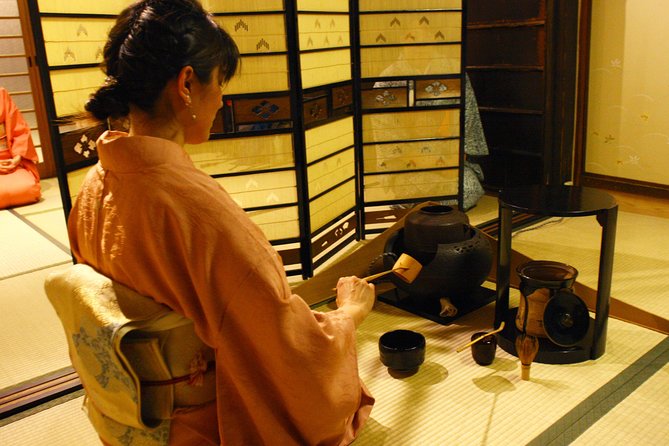
- You watch the host demonstrate the way of tea, including how the flow of the ceremony connects movement, attention, and hospitality.
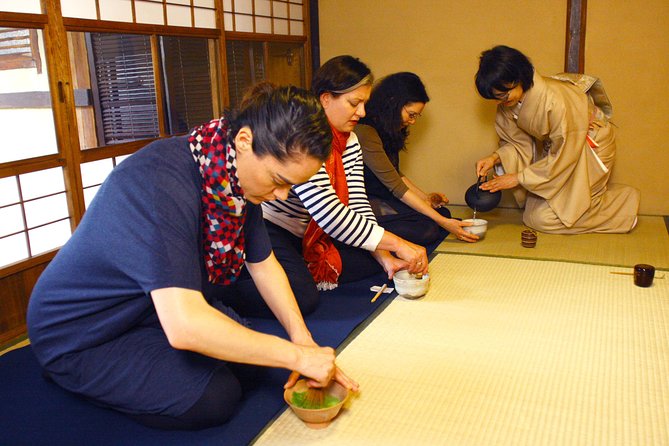
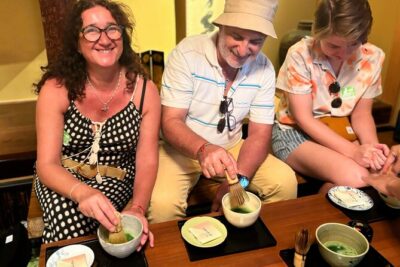
- Then it’s your turn. You make your own bowl of matcha while the instructor guides you through the technique.
The part I like most is that the experience doesn’t treat matcha as just a drink. You learn why the ritual is built the way it is, and you practice the actions that make it feel like ceremony instead of a quick beverage.
You’ll also be served a traditional Japanese cake along with your tea. One of the sweets named in follow-up communication is suhama, and it fits the theme of taking your time with flavor and texture, not rushing to the next thing.
Uji matcha and Kyoto sweets, what you’re tasting and why it matters
You’ll drink matcha made from high-quality tea leaves sourced from an Uji City tea farm. That’s important because matcha quality changes everything, from color to taste to how smooth it feels when whisked properly.
Most tea ceremony experiences sell the experience as a tradition. This one backs it up with ingredients you can actually taste. The matcha is paired with Japanese sweets from a famous Kyoto confectioner, so you’re not drinking matcha alone like it’s some kind of bitter test.
Here’s how to think about the tasting during your session:
- Expect sweetness and texture from the Japanese sweets to balance the matcha.
- Pay attention to the matcha flavor shift as you whisk and drink it, since the process affects how it comes together.
- Use the host’s guidance to aim for the right consistency and temperature.
One practical tip: treat the first sip as a calibration. It’s normal if you’re surprised by how different matcha tastes compared with sweet bottled matcha drinks. The ceremony approach helps you slow down enough to notice the details, like bitterness level, smoothness, and aftertaste.
And if you want a takeaway, this is the kind of experience that makes you more confident buying matcha afterward. At minimum, you’ll know what “good matcha” tastes like when it’s prepared with care.
Why the small group size actually helps
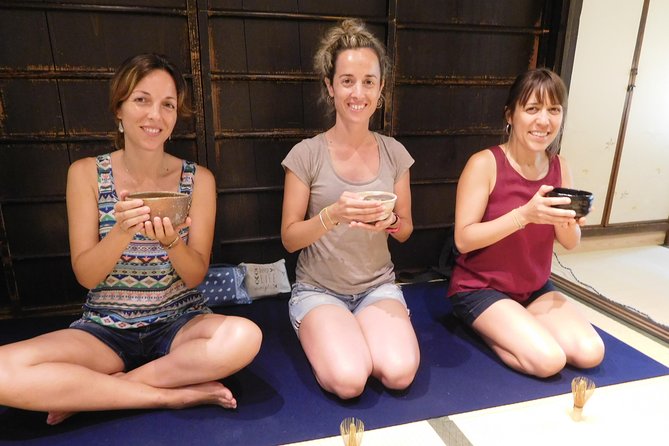
With a maximum group size of 6 travelers, the host can spend time on your specific questions and technique. In a larger group, tea ceremony instruction often turns into watch and hope. Here, the session is compact enough that you can follow closely and actually practice with feedback.
That small size also changes the emotional feel. Tea ceremony is about attention and respectful pace. When you’re not competing for the host’s time, it’s easier to settle into the ritual and focus on what you’re doing.
A practical benefit: you get a comfortable chance to ask questions while you’re learning. The hosts explain details clearly, and people have noted that they answered questions well. Even if you only ask one thing, you’ll leave with a better understanding of what you just practiced.
A change of pace from Kyoto:
- PERFECT KYOTO 1-Day Bus Tour
★ 5.0 · 13,518 reviews - Kyoto: Fushimi Inari, Kinkakuji, Bamboo Grove 1 Day Bus Tour
★ 4.8 · 4,316 reviews - Kyoto Geisha Walking Tour: Gion District & Hidden Gems
★ 4.7 · 3,273 reviews - Kyoto: Gion Magical Night Walking Tour with Geisha Trivia
★ 4.9 · 2,393 reviews
Getting to 605 Nishidachō: simple ways to avoid stress
The meeting point is at 605 Nishidachō, Shimogyo Ward, Kyoto, 600-8397, Japan. It’s near public transportation, which is great, but the townhouse is in a traditional residential area. That can mean signage is limited and street details may not be in English.
So do yourself a favor:
- Use the exact address in Google Maps and follow the walking directions carefully.
- Arrive a bit early so you have time to find the entrance without rushing.
- Have your mobile ticket ready on your phone for quick check-in.
Once you locate the machiya, the rest is straightforward. The experience ends back at the meeting point, so you’re not dealing with transfers or complicated drop-off plans after your tea.
Price and value: is $27.74 worth it?
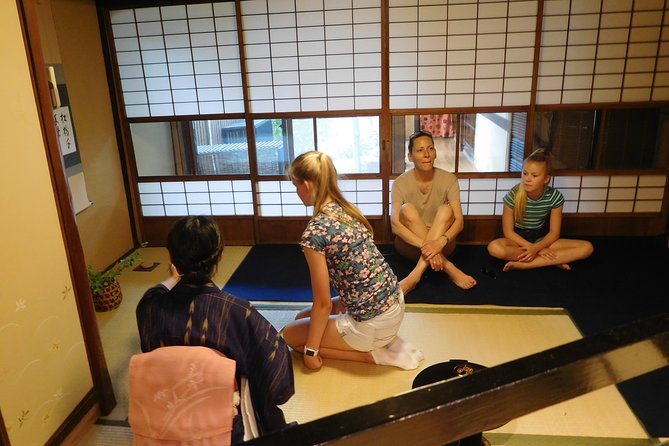
At $27.74 per person for about an hour, the value comes from what you get, not just the ticket price. You’re paying for a real townhouse setting, guided instruction on etiquette and movements, a demonstration, hands-on practice, plus matcha and Japanese sweets.
This isn’t just tasting. You’re learning how to do the key actions, which usually costs more when it’s offered as a private-style experience. And because the group is small, you’re more likely to get real coaching rather than a scripted explanation you can’t apply.
Booking tends to happen ahead of time, with availability often reserved roughly a few weeks out. If you have a specific day or start time you want, it’s smart to plan in advance rather than waiting until the last minute.
Who should book this tea ceremony in Kyoto
This is a strong pick if:
- You want a classic Kyoto cultural activity in a real machiya setting
- You like hands-on learning, not just watching
- You care about matcha quality and how it’s prepared
It’s also a good fit for many travelers because most people can participate. Plus, the hosts have shown flexibility with accessibility needs in at least one case involving a wheelchair user, so you’re not automatically shut out if you need some adaptation.
You might consider another option if:
- You’re looking for a long, multi-hour deep cultural program. This is intentionally about 1 hour.
- You dislike walking in residential areas or arriving a few minutes early to orient yourself.
Should you book this tea ceremony with Ami Kyoto?
Book it if you want a calm, structured lesson in Japanese tea culture that still feels personal. The combination of a traditional machiya setting, small-group teaching, and real Uji matcha makes it easy to justify the time.
Don’t overthink it, but do plan smart. Use the exact address, bring your mobile ticket, and give yourself a few minutes to find the entrance. If you do that, the experience is likely to feel peaceful and well guided, with something tangible to take home in your head, and probably also in the flavor of the sweets and matcha you try during the session.
FAQ
How long is the tea ceremony experience?
It lasts about 1 hour.
What is the group size limit?
The experience has a maximum of 6 travelers.
What is included in the price?
You receive a bowl of matcha green tea and Japanese sweets.
Is hotel pickup or drop-off included?
No, hotel pickup and drop-off are not included.
Where does the experience take place?
It starts at 605 Nishidachō, Shimogyo Ward, Kyoto, 600-8397, Japan.
Is it near public transportation?
Yes, it is near public transportation.
Do I need a printed ticket?
No, you use a mobile ticket.
When will I get confirmation after booking?
Confirmation is typically received within 48 hours of booking, subject to availability.
Can I cancel for a full refund?
Yes. You can cancel up to 24 hours in advance for a full refund.
Latest write-ups near Kyoto
- Kyoto: Nishiki Market Tour with a Local Foodie & Tastings★ 4.5 · 67 reviews
- Kyoto Kimono Rental mimosa |Kimono/Yukata Rental Couple Plan★ 4.8 · 67 reviews
- Kyoto: Traditional Kimono Fabric Handicrafts Workshop★ 5.0 · 67 reviews
- Kyoto Tea Ceremony and Samurai Photo Session★ 5.0 · 70 reviews
- Kyoto: Replica food making experience★ 4.8 · 70 reviews
- Kyoto: Kinkakuji, Golden Pavilion Guided Tour★ 4.7 · 71 reviews
- Private departure transfer from Kyoto city to Kansai International airport★ 5.0 · 72 reviews
- Uji: Green Tea Tour with Byodoin and Koshoji Temple Visits★ 4.8 · 72 reviews
Tea Ceremonies, compared.
Tea Ceremony in a Traditional Tea House in Kiyomizu
Read our review →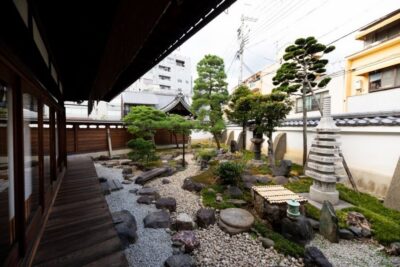
World Heritage Kyoto & Nara Uji Authentic Matcha Experience
Read our review →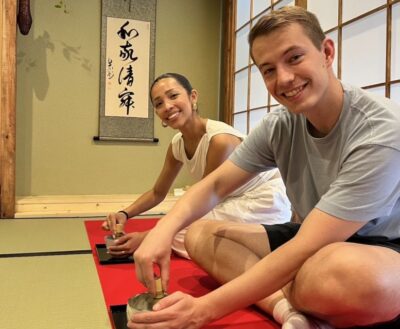
Browse the lists this tour appears in