
Reviewed · WORKSHOPS
Tokyo: Manga Drawing Workshop Guided by Pro Manga Artist
This Tokyo workshop is interesting because it turns manga fandom into a hands-on skill session, not just a photo op. I love the step-by-step traditional process and the take-home keepsake you leave with after 150 minutes.
One thing to watch is logistics. The meeting point is on 6F of a black, relatively thin TR Building in Shibuya 3-chome, and it can take a moment to locate if you arrive right on time.
Key points to know before you go
- Small group of 8 means you actually get help while you draw
- All materials included, so you can come as you are
- English-Japanese interpreter keeps the class flowing without language gaps
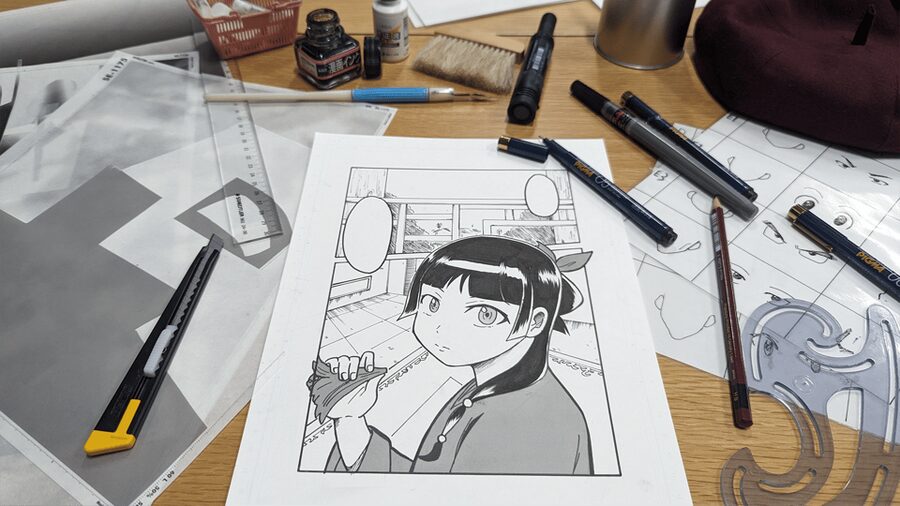
- Traditional workflow (roughs, inking, screen tones, speech bubbles) guides your finished panel
- Pro manga artist support helps beginners produce something wall-worthy
- Final panel is laminated, turning your artwork into a durable souvenir
Why this Shibuya manga class feels like the craft behind Naruto and One Piece
If you like manga and anime, this workshop gives you the part you rarely see: how a panel is built. You’re not just sketching casually. You’re following a workflow that mirrors what professional artists do, moving from idea to rough lines, then into inking, solid blacks, screen tones, and the finishing details that make manga look like manga.
I like that the experience is set up for real learning, even if your drawing skills are rusty. The instructor is a pro manga artist with over 20 years of experience, and the techniques are described as traditional methods that have been evolving for about 100 years. That matters because you get shown what tools and steps actually change the final look, not just how to copy a drawing.
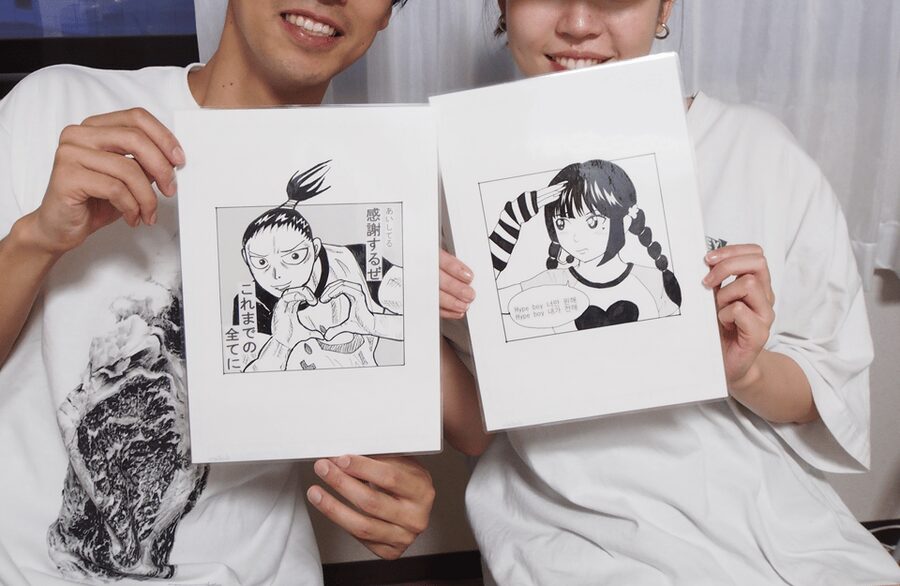
The other thing I really appreciate is the end product. You leave with your own drawn manga panel, and several people mention it is laminated for take-home. That makes it feel less like a disposable souvenir and more like something you can display when you get back.
More Anime & Pop Culture Tours in Tokyo:
- Official Street Go-Kart Tour – Akihabara
★ 5.0 · 1,578 reviews - Tokyo Go Kart: Asakusa, Skytree, and Akihabara **IDP MUST**
★ 5.0 · 988 reviews - Tokyo Studio Ghibli Museum and Ghibli Film Appreciation Tour
★ 4.5 · 421 reviews
Meeting on 6F at Shibuya 3-chome TR Building, and how to find it fast
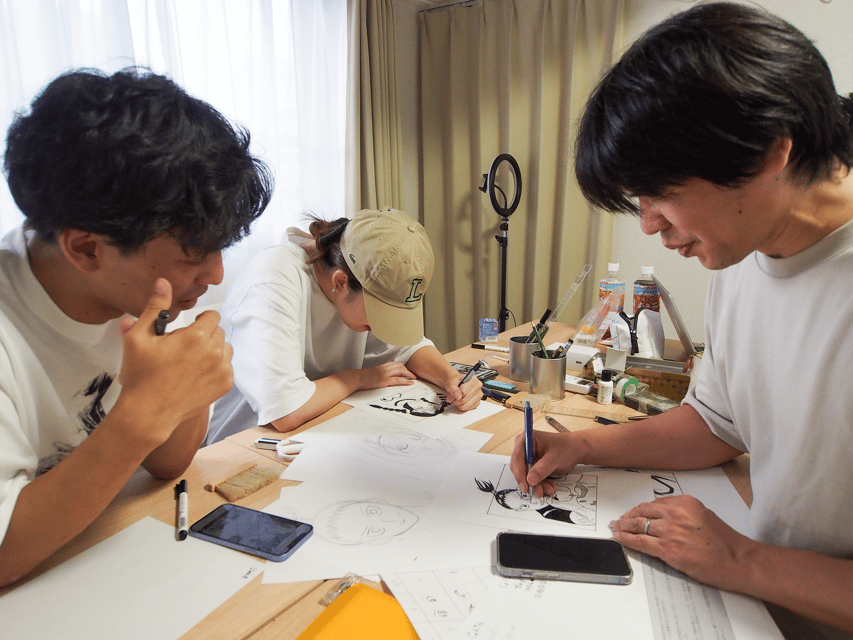
The meeting point is 6F, Shibuya 3-chome TR Building, 3-8-11 Shibuya in Shibuya-ku. The building is described as black and relatively thin, which is exactly the kind of detail that helps but can also confuse you if you’re staring at a busy street.
My practical advice: plan to arrive early enough to settle in before the session starts. One family mentioned that Shibuya crossings plus a political rally made finding the location confusing, and the guides helped them locate the right space. Still, you’ll feel calmer if you don’t rely on last-minute navigation.
Also note the group size. This is a small group limited to 8 participants, so the class likely moves together. If you’re late, you may end up waiting while everyone starts their work.
The 150-minute manga drawing sequence you will actually follow
This class runs 150 minutes, and the structure is designed to keep you moving. Even people who felt intimidated at the start often report finishing a panel that looks finished, not half-done.
Here is the flow you can expect, using the same core steps the instructor guides:
Picking your image and concept
At the start, you choose what you want to draw. You may pick from a set of samples or use something from your own ideas. Some participants describe choosing characters and even a pose, or bringing a reference that the instructor can translate into a manga-style panel.
If you’re worried about drawing from scratch, this is where the support helps. The instructor can guide you toward a workable composition, so you’re drawing something that fits manga proportions and panel readability.
A change of pace from Tokyo:
- Mt Fuji and Hakone 1-Day Bus Tour Return by Bullet Train
★ 5.0 · 26,383 reviews - 1-Day Tokyo Bus Tour
★ 5.0 · 14,250 reviews - Tokyo: TOKYO SKYTREE® Admission ticket
★ 4.5 · 11,192 reviews - Tokyo: teamLab Planets TOKYO Digital Art Museum Entry Ticket
★ 4.6 · 9,779 reviews
Rough sketch and drafting
Next, the instructor creates a rough sketch or outline. Several people mention the instructor provides a draft first, then guides you as you pencil in your version. At this stage, you’re building structure: placement, proportions, and the layout inside the panel.
This is also a good time to think about your expression and motion. Manga relies on clear cues, and you’ll get coached on how to make those cues readable.
Inking and solid blacks
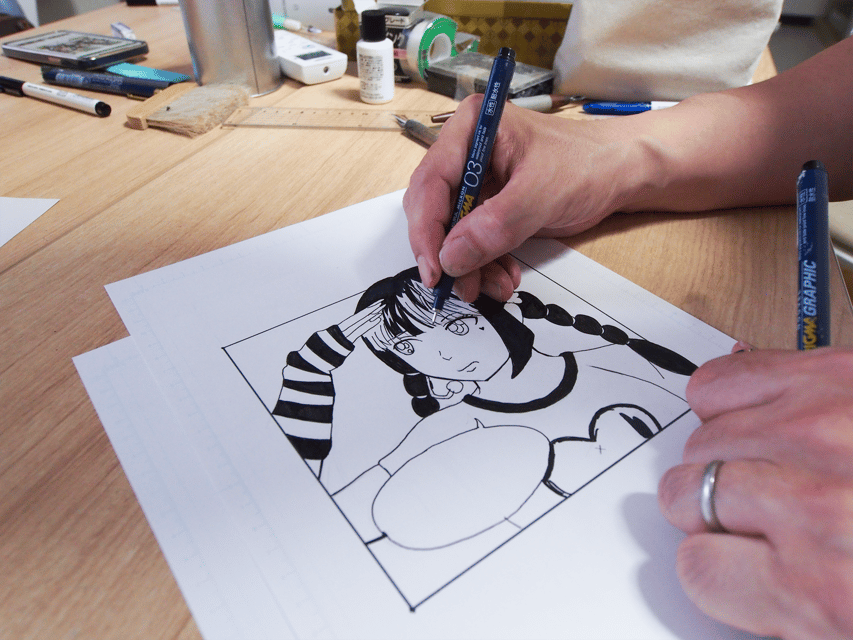
Then comes the part that makes manga pop: inking. Your pencil lines get finalized with ink work, and you add solid blacks where the style calls for it. This step is where manga stops looking like a sketch and starts looking like a real panel page.
If you’re used to digital art, the difference can feel big. One person specifically pointed out how much better the proper tools work for getting the manga look.
Screen tones and panel texture
After inking, you add screen tones. People often highlight screen tones as a “wow” moment because they learn how tones create depth and mood without color.
Some participants also mention using materials like grey calque paper and a cutter for grey background tone effects. The exact setup may vary by session, but the core idea stays the same: you apply tones intentionally, so they support the drawing rather than clutter it.
Speech bubbles and finishing touches
Finally, you add speech bubbles. This is where the panel becomes yours, even if the drawing started from a reference. You can bring your own humor, energy, or story beat to the finished work.
Screentones, speech bubbles, and why tools matter more than talent
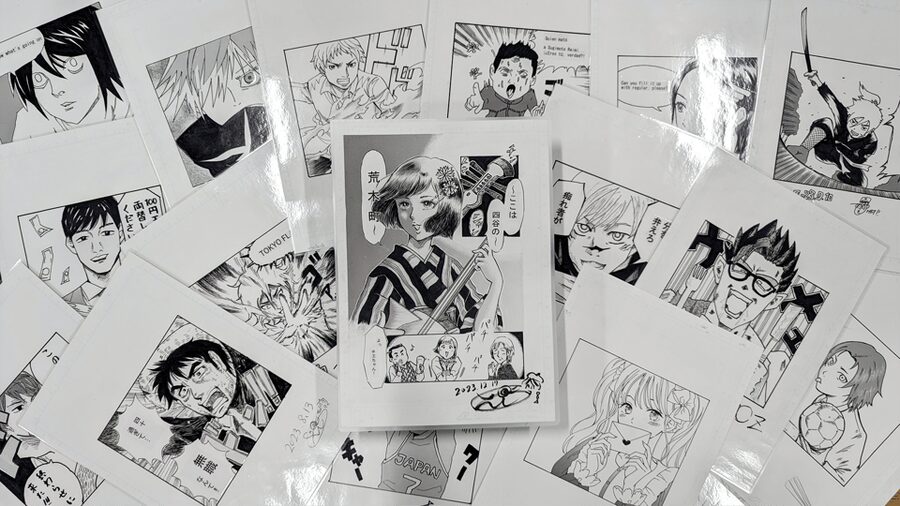
The best value in this workshop is how fast you learn practical technique. Screen tones are the clearest example. They’re often the step that makes beginner manga look “almost right” versus “actually manga,” because tones create contrast and shape clarity.
What I’d tell you upfront: don’t overthink artistic talent. Multiple people describe getting real results even when they said they couldn’t draw well at the start. The class pacing is designed so you can follow the steps and make choices with guidance.
I also like that the instructor style is patient and structured. People specifically mention clear explanations and steady teaching, with translators keeping everything understandable in English and Japanese.
One note for your expectations: a couple of participants describe the session as more instruction-plus-tracing or instructor-led transformation of a reference photo. If you want a fully open-ended art studio where you freehand every line from the start, you might find the structure a bit directed. The tradeoff is speed to a finished panel, plus cleaner manga results.
The pro instructor plus an interpreter: what you get with English-Japanese support
This workshop includes a professional manga artist instructor plus an interpreter. The languages are English and Japanese, and people consistently call out the translator role as a major reason the class feels smooth.
In past sessions, interpreters named in feedback include Machi, Madoka, Ai, and Hanae. Instructors named include Shige Mathumori, Kousei-sensei, Hiroshi, and Rokkaku-sensei. You should treat names as examples of the kind of talent you may meet, but the important point for you is the consistent support: translation plus guidance.
This pairing matters because manga instruction has lots of “how it works” details. How you hold the tools, where blacks go, how tones get layered, how speech bubbles get placed so they don’t block facial expressions. When translation is handled well, you waste less time guessing.
Also, the small group size changes the tone. People mention the sessions feeling intimate and relaxed, with patience for different ages. One family with two 11-year-old boys described the instructors guiding questions and keeping energy positive. Another person worked as a solo attendee on a quiet day and had lots of time to talk.
What you take home: your laminated manga panel (and why it’s a real souvenir)
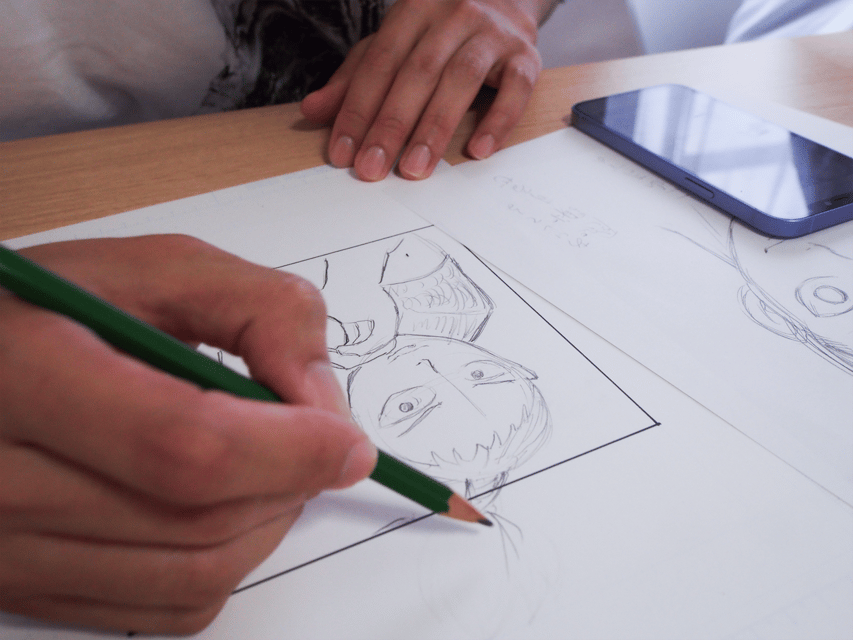
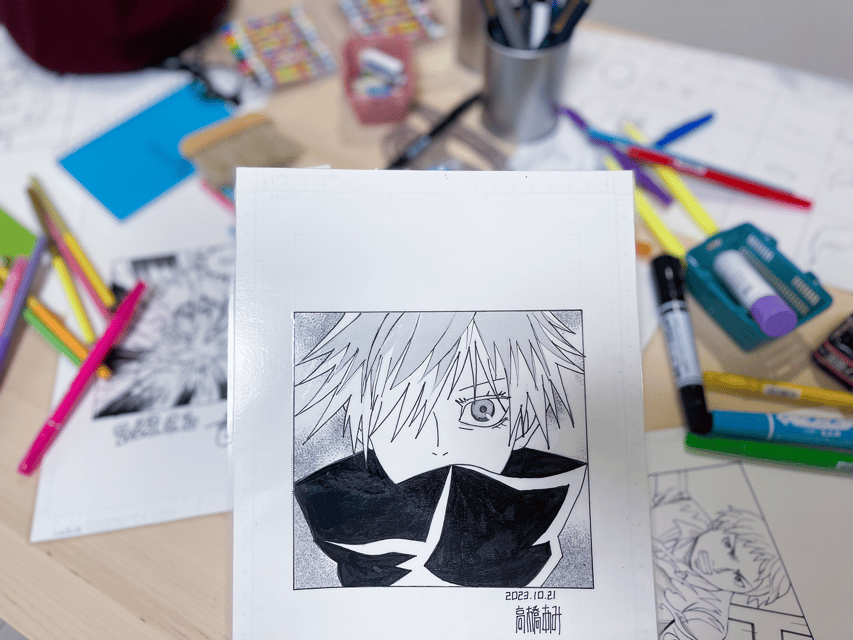
The workshop’s keepsake value is very clear. You bring back your own manga artwork, and multiple people mention it is laminated. That’s a smart finish because it protects your work from smudging and makes it easy to hang or store.
You’ll likely also sign your piece. One participant describes taking home laminated pictures they and the group signed. If you want a souvenir that feels personal and not touristy, this is one of the better categories: you participated in the creation, and the result looks like a manga panel.
Materials are included. You do not need to bring your own pencils, inks, or screen tone tools. That lowers the hassle and makes the price easier to justify.
Who this workshop suits best, and who might want a different class style
This is a strong fit if you:
- Love manga or anime and want a practical way to connect with the craft
- Want to try traditional tools like ink and screen tones
- Are traveling with friends, a partner, or kids who can sit through a 150-minute creative session
- Appreciate guided structure, because you’ll get step-by-step help
It also works if you don’t have drawing confidence. People repeatedly mention feeling at ease once the instructor starts guiding them through the workflow.
Where it may not match your goals: if you expect a pure “learn by doing, everything is freeform” class, you might find that the instructor leads a lot of the process, including transforming your reference into manga style and having you follow the steps to completion. One feedback mentioned the session felt more like watching the sensei create a manga-style version of a photo and then tracing, then adding comic effects, rather than a fully open how-to workshop for independent drawing.
Should you book this Tokyo manga drawing workshop in Shibuya?
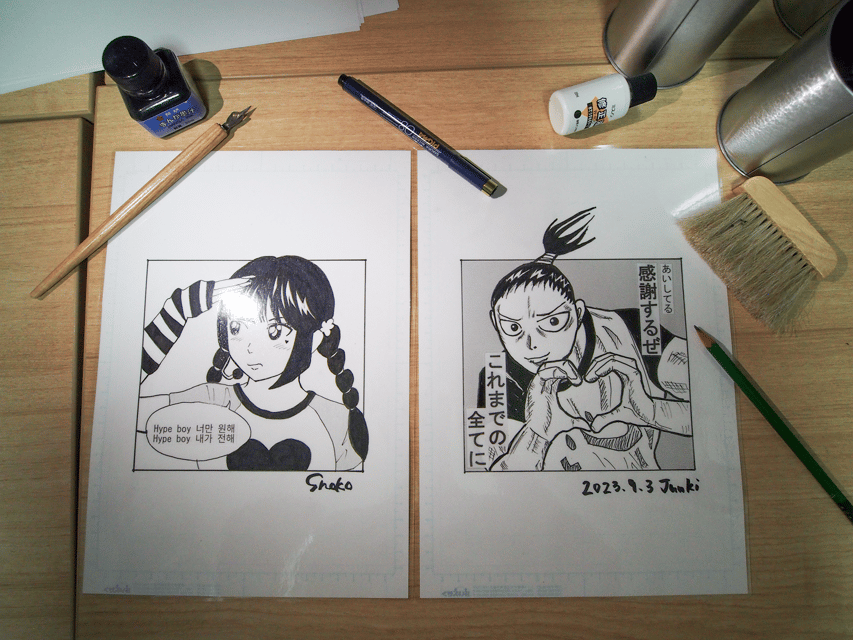
Book it if you want a hands-on Tokyo activity that ends with a finished, displayable souvenir and actual technique you can remember. For $129 per person and 150 minutes, the value comes from three things: a pro artist instructor with decades of experience, an interpreter, and a focused workflow that gets you to screen tones and speech bubbles instead of stopping at a rough sketch.
Skip it or consider an alternative if you mainly want a freeform drawing session, or if you’re only interested in conversation about manga and not the hands-on steps. In that case, you might prefer a less structured art class.
If your goal is to leave Tokyo with something you made yourself that looks like manga, this is a very strong pick.
FAQ
How long is the manga drawing workshop?
The workshop runs for 150 minutes.
How much does the experience cost?
The price is $129 per person.
Do I need prior drawing skills?
No. You can come without previous skills, and you will be guided step by step by a professional manga artist.
What languages are used during the class?
The workshop includes English and Japanese support, including an interpreter.
How many people are in the group?
The group is small, limited to 8 participants.
What is included in the price?
Included are the professional manga artist instructor, the interpreter, and manga drawing materials.
Is food or pickup included?
No. Food and drinks are not included, and there is no pickup.
Where do I meet in Tokyo?
Meet at 6F, Shibuya 3-chome TR Building, 3-8-11 Shibuya, Shibuya-ku, Tokyo.
What is the cancellation policy?
You can cancel up to 24 hours in advance for a full refund.
If you want, tell me your dates and whether you’re a complete beginner or already draw. I can help you pick the right time slot and what to prepare mentally so you get the most out of the class.
Latest write-ups near Tokyo
- Tokyo Customized Private Tour: See Top Attractions in 1 Day★ 4.8 · 67 reviews
- From Tokyo: Top 5 Scenic Spots of Mount Fuji Full-Day Tour★ 4.5 · 67 reviews
- Tokyo: Shinjuku Izakaya and Golden Gai Bar Hopping Tour (2h)★ 4.9 · 67 reviews
- Traditional Japanese Music ZAKURO SHOW in Tokyo★ 5.0 · 67 reviews
- Tsukiji: Unlimited Sake Tasting Experience★ 4.9 · 67 reviews
- Samurai Ninja Museum Asakusa: Kid-Friendly Ninja Training★ 4.7 · 67 reviews
- Tokyo: Not a show- a professional sumo practice with experts★ 4.9 · 67 reviews
- Private Harajuku Omotesando Architecture Walking Tour★ 5.0 · 67 reviews
Workshops, compared.

Sushi Making Tokyo Roll and Authentic Japanese Sushi Class
Read our review →
Roll and Authentic Sushi Making Class in Asakusa
Read our review →
Ramen Cooking Class at Ramen Factory in Kyoto
Read our review →
Sushi Making Class in a Happi Coat near a Famous Spot
Read our review →

Sushi Making Osaka Roll and Authentic Japanese Sushi Class
Read our review →Browse the lists this tour appears in