
Reviewed · TEA CEREMONIES
Uji Tea Ceremony and UNESCO Heritage Walking Tour
Uji is one of those places in Japan where the pace feels different, and this tour strings together UNESCO Byodoin Temple with a tea ceremony at Taihoan, then adds scenic bridges and quiet shrine stops. It is a smart way to see why Uji became so famous for green tea, without spending your whole day stuck in transportation.
I especially like how the tour gives you a guided look at Byodoin’s Phoenix Hall and how it turns the tea ceremony into something you can actually understand while you are sitting there. I also like the way the day ends with real Uji flavors, not just a photo op, so you leave with taste and context.
One consideration: the tea ceremony itself is only about 30 minutes inside the overall 3-hour tour. If you are hoping for a long, slow, very formal tasting ritual, this format might feel a bit quick.
Key highlights worth planning for
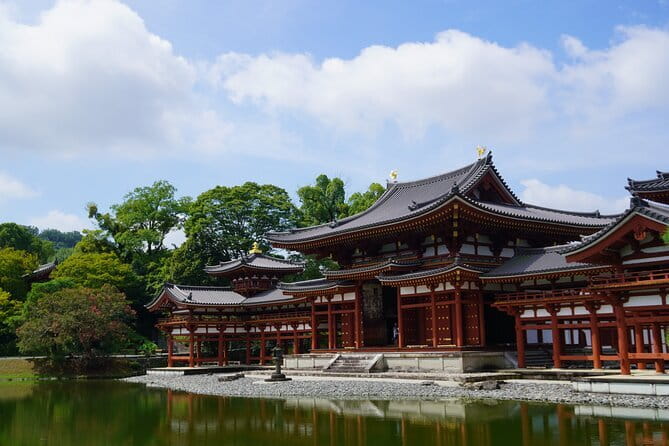
- Byodoin Temple with admission included, including the Phoenix Hall area
- Taihoan tea ceremony at the birthplace of Japan’s green tea concept, with a guided explanation
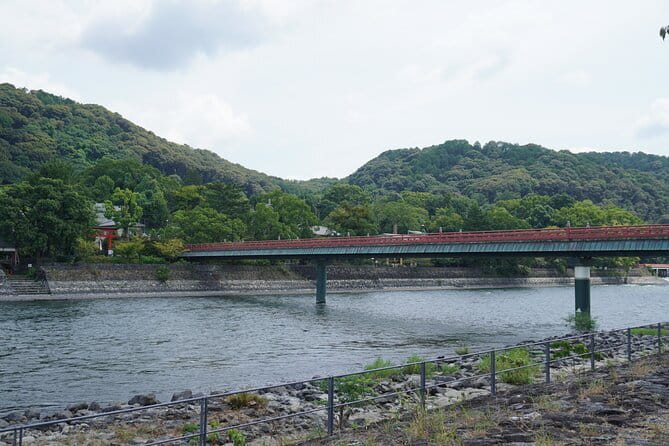
- Asagiri and Tachibara suspension bridges for easy scenic stops and photos
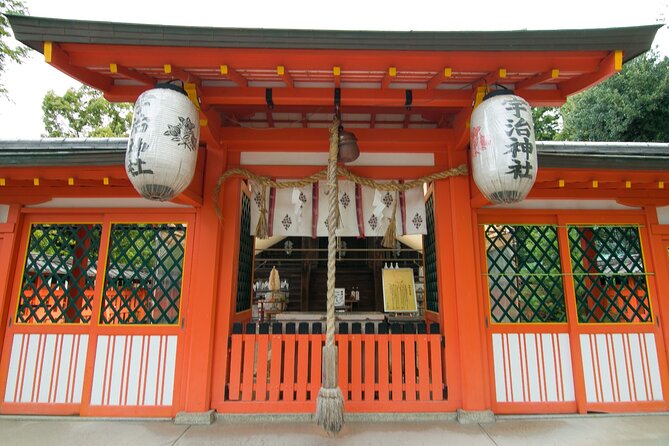
- Uji Shrine and Ujigami Shrine as calmer, meaningful breaks from the crowds
- Small group size (max 9), which makes questions and pacing easier
- Green tea and local delicacies near Uji Bridge to finish on a flavorful note
Uji in three hours: what makes this tour feel like a smart day
This is the kind of tour that works because it hits three things people usually want in Japan: a major cultural site, a hands-on tradition, and a walkable local setting. Uji is close enough to Kyoto to work as a day trip, but it still has that smaller-town feel where you can hear yourself think between stops.
You are also not doing everything at one giant temple gate. You will mix indoor cultural time with outdoor walking, plus shrine visits that tend to feel quieter. That balance is why the tour feels easier than a DIY sprint.
More Historical Tours in Kyoto
- Kyoto Gion: 2-Hour Geisha Culture & History Walking Tour
★ 5.0 · 1,186 reviews - Kyoto Gion Historical Walking Tour
★ 5.0 · 188 reviews - Historical Kyoto E-Bike Tour
★ 5.0 · 181 reviews
Price and logistics: getting value from a $70 small-group format
The price is $70 per person, and for that you get an English-speaking guide, Byodoin admission, and the tea ceremony (30 minutes) included. In plain terms, you are paying for two hard parts to DIY smoothly: understanding what you are looking at at Byodoin, and doing a tea ceremony with proper guidance instead of just sitting there hoping you already know the flow.
It also helps that the group is capped at 9 travelers, so you are not just herded through. You will get time to ask questions and you will spend less energy trying to keep track of the group.
You start at 9:45 am at Uji Station (address: 611-0021 京都府宇治市宇治宇文字1716), and you finish at Uji Bridge, Otsukata Uji, Kyoto 611-0021. The tour is near public transportation, and it lists most travelers can participate, so it is a good fit for visitors who are comfortable walking.
Step into Byodoin Temple: Phoenix Hall first, then the details that matter
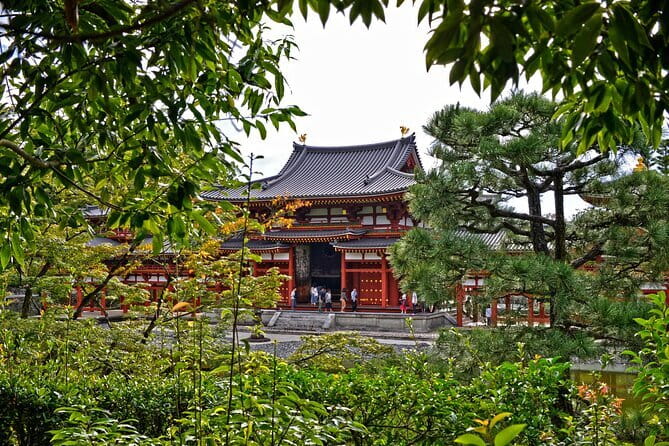
Your first stop is Byodoin Temple, a UNESCO World Heritage Site. Expect about 1 hour here, with admission included, and you will focus on the Phoenix Hall, a centerpiece tied to centuries of history. Guides tend to help you notice what you would otherwise miss, like the way the architecture communicates status and symbolism, not just beauty.
A practical tip: arrive with one simple goal for this stop. Instead of trying to memorize everything, pick one thing to understand, like how the Phoenix Hall relates to the temple’s overall story. Your guide’s job is to connect the dots quickly, and if you listen for that one theme, the whole visit feels more satisfying.
Also, the Byodoin complex has an area that many guides highlight for context, so if your guide points out the museum or indoor interpretation parts, take the hint. That background can make the temple visuals click faster.
Taihoan tea ceremony: what you will learn in about 30 minutes
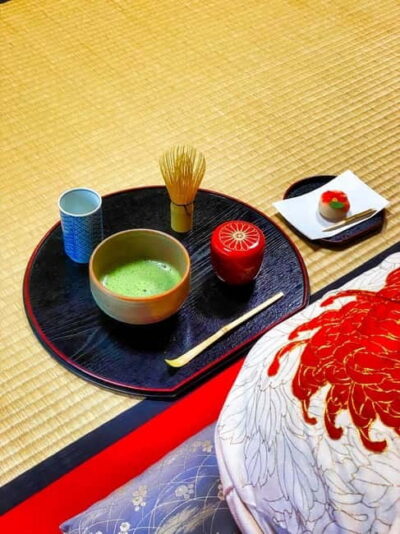
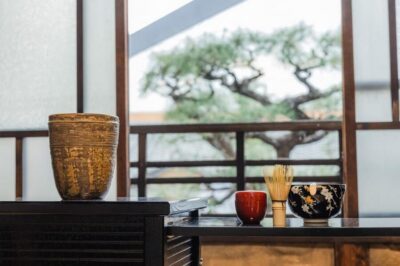
Next comes Taihoan, where you participate in a traditional Japanese tea ceremony. The tour lists 40 minutes at this stop, with 30 minutes of tea ceremony time included, and the framing here is that Taihoan is associated with the birthplace of Japan’s green tea.
This is the part of the tour where you get the most “slow down” moment. Even though the ceremony is not long, the guide’s explanations can turn it from something you just observe into something you understand. You learn the basic intricacies of how tea is prepared and served, which matters because tea ceremonies are full of small steps that each have a reason.
One useful mindset: do not treat this like a show. Treat it like a guided lesson that ends in tasting. If you pay attention to the sequence, you will leave knowing what you just watched, not just remembering that it looked pretty.
More Tea Ceremonies in Kyoto
- Kyoto: Tea Ceremony in a Traditional Tea House in Kiyomizu
★ 4.9 · 3,519 reviews - Kyoto: Tea Ceremony Ju-An at Jotokuji Temple
★ 4.9 · 3,207 reviews - Kyoto: 45-Minute Tea Ceremony Lesson Experience
★ 4.3 · 2,378 reviews - Kyoto: Table-Style Tea Ceremony at a Kyo-Machiya
★ 4.9 · 1,211 reviews
Asagiri and Tachibara suspension bridges: quick scenic payoff without wasting time
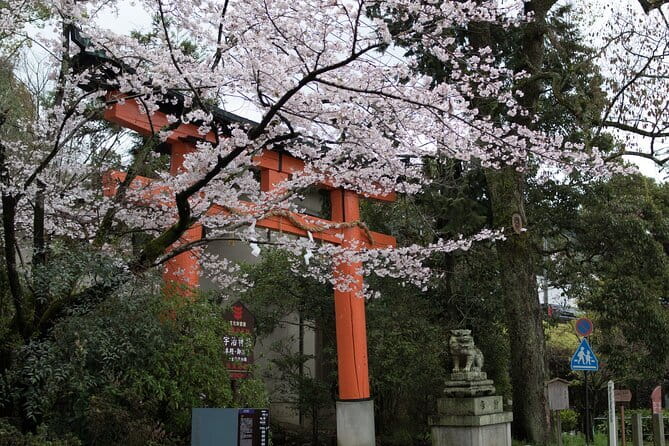
After tea, the tour breaks up the day with outdoor views. You get a short stop for Asagiri Bridge and nearby Tachibara and Asagiri suspension bridges with about 15 minutes here, and admission is free.
This part is simple but worth it. You get a quick reset for your legs and eyes, and it helps you appreciate that Uji is not only temple roofs and tea shops, it is also green valleys and river views. If you want photos, this is one of your easiest windows to grab them without slowing the whole group down.
Uji Shrine and Ujigami Shrine: calm stops with meaning
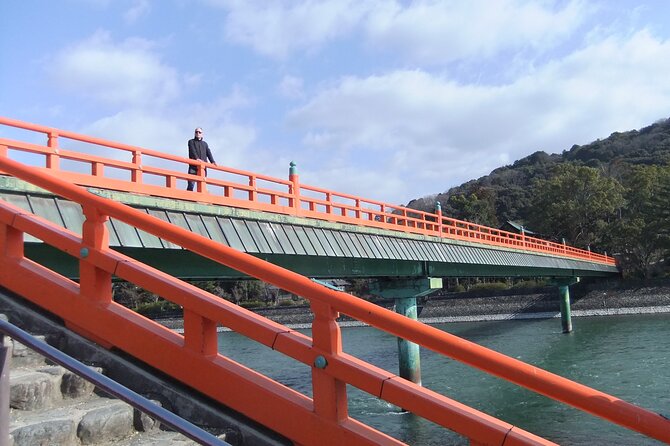
Then you visit Ujikami Shrine, including time at Uji Shrine and Ujigami Shrine for about 20 minutes. These stops are also free, and they give your day a different texture from the temple and tea ceremony.
Shrines in Japan reward respectful attention. You do not need to be an expert, but you do want to follow the guide’s pacing and listen for the specific cultural significance they mention. This is one of the best places to settle into the quieter side of Uji, so you come out of the day feeling like you saw more than a checklist.
Ending at Uji Bridge: matcha taste and local delicacies
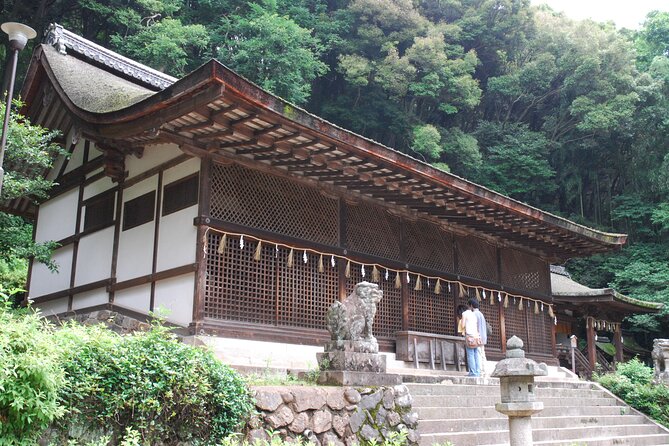
The tour finishes with about 45 minutes near Uji Bridge, where you experience the lively local culture and get a taste of Uji green tea plus local delicacies. Admission is free for this part, and it functions like your reward for the morning’s learning.
This ending matters because it anchors everything you just heard. If you learned about green tea and tea culture earlier, this is where you confirm it with flavor. You also get time to actually stand, smell, and browse a bit as the group wraps up.
Practical note: because tasting and food timing can vary, it is a good idea to be ready to eat when your guide says it is time. If you wait around too long, you can end up with less variety than you wanted.
What small-group pacing adds, and how guides raise the quality

The tour is built for a small group, max 9 travelers, which changes the vibe in a real way. You are not just listening from far away. You get closer, you can catch details, and the guide can adjust if someone needs a slower pace.
The feedback also highlights how guides bring Uji to life with clear explanations and friendly energy. Names that show up in past experiences include Naoki, Nobumasa Myake, Katsuhiko, and Maru. Across those accounts, the pattern is consistent: they keep the day moving but still make time to explain why each place matters, and they often add practical suggestions after the tour, like where to find good matcha.
If you like tours where you are not just transported from stop to stop, this format tends to feel friendly and controlled. You are guided, but you still get to look around like a normal person, not a ticket number.
Does the $70 include what you actually care about?
For many people, the deciding factor is not the number, it is whether your must-dos are covered. Here, the big inclusions are:
- English-speaking guide
- Entrance fees to Byodo-in
- Tea ceremony (30 minutes)
That means you are not paying extra at Byodoin for the main sight, and you are not guessing how a tea ceremony works when you arrive. Even if you could theoretically DIY Uji on your own, these inclusions remove the two biggest friction points: interpretation and correct tea-ceremony context.
You still need to handle personal shopping or extra spending at your own pace, since personal expenses are not included. So go with a plan for spending only what feels meaningful, like matcha you want to take home or one snack that hits the moment.
Weather and timing: the tour works, as long as the sky cooperates
This experience requires good weather. If it is canceled due to poor conditions, you will be offered another date or a full refund.
Because you walk between temple areas, bridges, and shrine grounds, bring shoes you trust. Also bring a small umbrella or light rain layer, especially if you are traveling in seasons when weather can change quickly. Even mild rain can make outdoor sections less fun, so being prepared keeps the day from feeling annoying.
Who should book this Uji tea and UNESCO walking tour
Book it if you want an easy, well-timed introduction to Uji that includes both major heritage and tea culture. It is a good choice if you are doing Kyoto for a few days and you want one extra place that feels genuinely different, without making your itinerary complicated.
It is also a solid fit if you like learning while you walk, and you do not want to get lost in guessing what to look for at Byodoin. A guide helps you understand what you are seeing, and the tea ceremony gives you a hands-on tradition to connect it to.
Consider skipping or adjusting expectations if your top priority is a long, detailed tea ceremony session. The ceremony portion is only about 30 minutes, and the rest of the tour is designed to cover multiple Uji highlights within the overall time.
Should you book this tour?
I think this is worth booking if you want a guided day that makes Uji feel understandable fast. The strongest reasons: UNESCO Byodoin admission is included, the tour teaches tea ceremony basics at Taihoan, and you end with Uji green tea and local delicacies so the experience lands on taste, not just photos.
I would skip it only if you are the type who prefers to wander without structure and you do not care about guided context. Otherwise, this is a clean, efficient way to see Uji’s most important tea-and-heritage story in about 3 hours.
FAQ
How long is the Uji Tea Ceremony and UNESCO Heritage Walking Tour?
The tour is approximately 3 hours.
What is the price per person?
The price is $70.00 per person.
Where do I meet the guide, and what time does the tour start?
You meet at Uji Station at 9:45 am. The meeting point address listed is 京都府宇治市宇治宇文字1716, 611-0021.
Where does the tour end?
The tour ends at Uji Bridge, Otsukata Uji, Kyoto 611-0021, Japan.
Is this tour in English?
Yes. It includes an English-speaking guide.
What is included in the price?
Included items are the English speaking guide, tea ceremony time (30 minutes), and entrance fees to Byodo-in.
Is the tea ceremony included, and how long is it?
Yes. The tour includes a traditional Japanese tea ceremony with 30 minutes included.
What happens if the weather is bad?
This experience requires good weather. If it is canceled due to poor weather, you will be offered a different date or a full refund.
Can I cancel for free?
Yes. You can cancel for a full refund if you cancel at least 24 hours in advance of the start time. If you cancel less than 24 hours before, the amount paid is not refunded.
More Walking Tours in Kyoto
- Kyoto Geisha Walking Tour: Gion District & Hidden Gems
★ 4.7 · 3,273 reviews - Kyoto: Gion Magical Night Walking Tour with Geisha Trivia
★ 4.9 · 2,393 reviews - Kyoto: Gion Geisha District Walking Tour – Stories of Geisha
★ 4.7 · 2,187 reviews - Night Walk in Gion: Kyoto’s Geisha District
★ 4.5 · 2,003 reviews
Latest write-ups near Kyoto
- Kyoto Private Tour Full Day with Local Guide&Nara Option(PerGroup★ 5.0 · 20 reviews
- Sacred Pathways: Discover the Philosopher’s Path of Kyoto★ 4.9 · 20 reviews
- Kyoto UNESCO World Heritage Site Private Tour with a Premium Van★ 5.0 · 20 reviews
- Hammer Pattering Experience of Ring★ 5.0 · 20 reviews
- KYOTO: Private Tea Ceremony in Hidden Townhouse (Kid-Friendly)★ 5.0 · 20 reviews
- Sushi or Traditional Japanese Cuisine in a Kyoto Home with Emika★ 5.0 · 20 reviews
- The Kyoto VIP Experience!★ 5.0 · 20 reviews
- Kyoto Customized Private Tour: See Top Attractions in 1 Day★ 4.7 · 20 reviews
Tea Ceremonies, compared.
Tea Ceremony in a Traditional Tea House in Kiyomizu
Read our review →
World Heritage Kyoto & Nara Uji Authentic Matcha Experience
Read our review →
Browse the lists this tour appears in