Reviewed · SAMURAI & NINJA EXPERIENCES
Kyoto Tea Ceremony and Samurai Photo Session
Kyoto has tea. Not the postcard kind. The real kind, done with attention and small gestures that make a big difference. This experience takes place in a 100-year-old machiya and turns matcha into something you make with your own hands, not just watch.
Two things I especially like. First, you get to learn matcha basics and then make your own cup, which makes the whole lesson stick. Second, you also craft a Kyoto-style matcha latte at the end, so you leave with both tradition and a modern favorite. One possible drawback: the session is short, so if you want a long, slow, multi-course tea program, this will feel more like a focused workshop than an all-evening immersion.
You’ll start at Samurai Gyoza Factory Kyoto and finish back there. Group size is capped at 10, and the instructor is comfortable in English, which matters when you want to actually understand what you’re doing.
Key highlights before you go
- Hands-on matcha, not just watching you make your own matcha and learn the steps
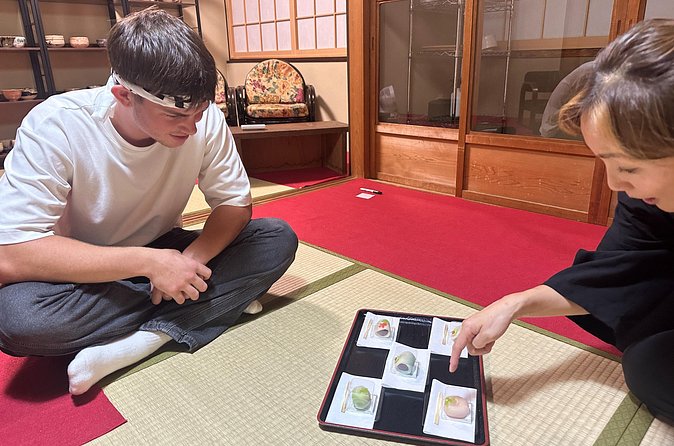
- Seasonal wagashi you taste traditional sweets paired with your tea
- Matcha latte training so you can recreate a Kyoto-style latte at home
- Samurai armor photo session quick, fun, and very photo-friendly
- Small group setup maximum 10 travelers, so there’s room to ask questions
- English instruction with humor the sensei approach is upbeat and easy to follow
Step into a 100-year-old Kyoto machiya, then get to work fast
The first thing you notice is the setting. This tea session takes place inside a 100-year-old Kyoto machiya, a traditional townhouse style space. That matters because the tea ceremony is less about fancy equipment and more about atmosphere, pace, and respect for the moment. A machiya gives you the calm you need to actually focus on the experience.
The time frame is also important. You’re there for about 1 hour 20 minutes total, with around 50 minutes dedicated to the tea ceremony portion. That makes it ideal if you’re doing Kyoto sightseeing all day and don’t want a long commitment. It also means the lesson moves at a good clip, so you’ll learn, participate, and taste before you start to feel rushed or mentally checked out.
The group stays small, maximum 10 people. That’s a sweet spot. You’re not stuck waiting your turn for every step, and the instructor can still correct your technique.
More Photoshoots in Kyoto
- Kyoto: Maiko Makeover and Photoshoot Experience
★ 4.7 · 239 reviews - Kyoto: Private Photoshoot Service
★ 5.0 · 158 reviews - Kyoto: Tea Ceremony with Kimono and Photoshoot
★ 4.9 · 90 reviews
The matcha workshop: make it yourself and learn what matters
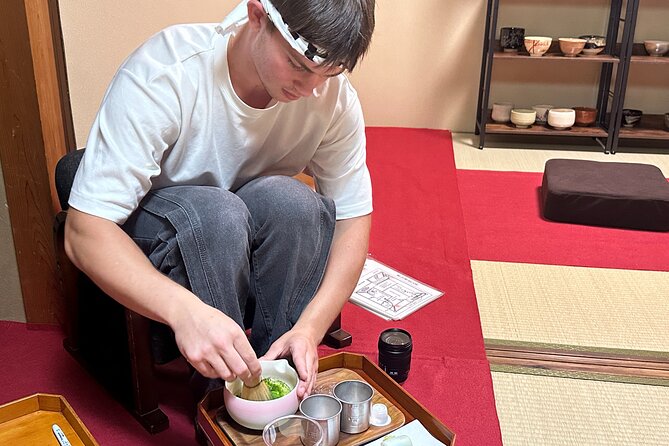
This is a true workshop. You don’t just sit there. You learn the process of making matcha the proper way, then you make matcha yourself. That hands-on part is why this works for beginners. You can start from zero and still come away feeling like you did something real.
You’ll also get an explanation of tea ceremony history, including the meaning behind what’s happening as you whisk and serve. The best part is that the instructor breaks things down clearly, in English, so the lesson isn’t just about repeating gestures. You understand why they matter.
A practical tip: when you’re making matcha, slow down your hands for the first attempt. People often rush because they want the finished drink quickly. Instead, aim for steady movements. You’ll get a better result and you’ll remember the steps more easily.
And yes, this is designed for people who have never done matcha before. If you’re a first-timer, you’ll still be able to participate. If you already like matcha, you’ll probably enjoy seeing how the traditional approach differs from what you do at home.
Wagashi and sweets: the Kyoto pairing that turns tea into a full moment
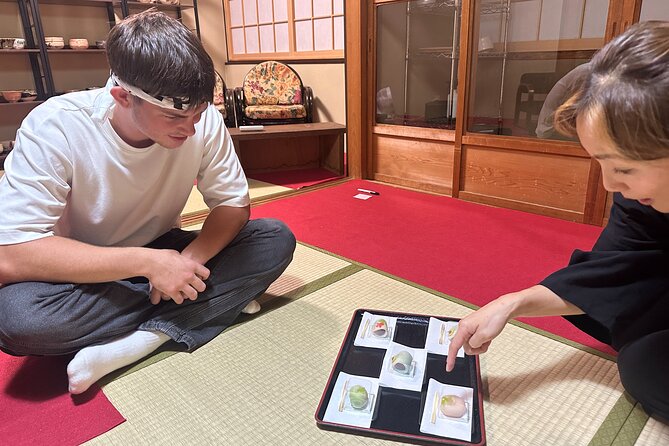
The session includes seasonal wagashi, traditional Japanese sweets. Wagashi aren’t an afterthought here. They’re part of how you experience tea in Japan, because sweetness, texture, and seasonal ingredients are chosen to match the mood of the day.
What I like about this setup is that it teaches you to taste in context. You’re not just consuming sugar. You’re making a pairing. You’ll notice how the wagashi affects your perception of the tea, especially if you’re used to Western desserts where everything is sweet and syrupy.
Because the sweets are seasonal, the flavor will change depending on when you go. That keeps the experience from feeling generic, and it gives you something more specific to remember beyond matcha itself.
If you’re watching your sugar intake, you can still enjoy the bite-sized portions. But don’t plan to skip wagashi entirely. This part helps you understand why tea culture is treated like a small ritual, not just a drink.
A modern twist: making your own Kyoto-style matcha latte
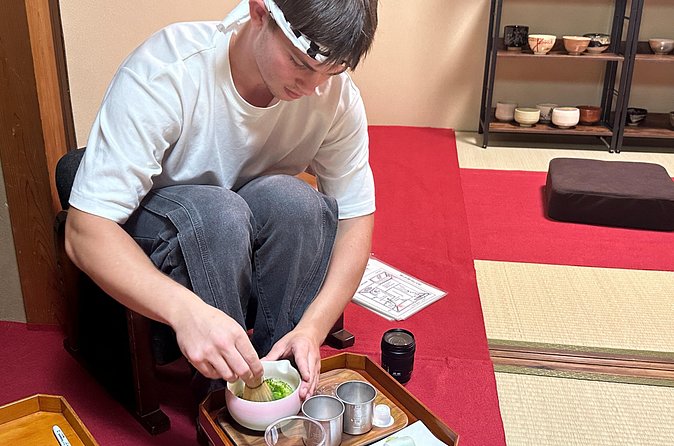
After the traditional matcha part, you get to make a creamy Kyoto-style matcha latte. This is where the experience becomes especially “useful” for day-to-day life. Traditional matcha can be intense if you’ve never had it properly prepared. A latte is often the gateway drink that makes matcha more approachable.
You’re not just tasting a latte you bought somewhere. You learn how to make it, and you even get a recipe to take home. One review highlights that you can incorporate the mindfulness aspect at home, which is a good reminder that the point isn’t only the final drink. It’s the way you approach it.
If you love coffee culture, this part will feel familiar. If you’re new to matcha, the latte gives you a comfortable entry point while still staying connected to the ceremony tradition.
Practical move: take your recipe note seriously. Bring a note app on your phone, or have a pen ready. You’ll be glad you did when you recreate it later and forget one small detail.
More Samurai & Ninja Experiences in Kyoto
- Kyoto Samurai Experience
★ 5.0 · 1,294 reviews - Kyoto: Kendo and Samurai Experience with Uniform and Gear
★ 4.9 · 815 reviews - Kyoto: Samurai Sword Class by Experts in Traditional Arts
★ 4.9 · 657 reviews - Skip the lines Basic Ticket at SAMURAI NINJA MUSEUM KYOTO
★ 4.5 · 632 reviews
Samurai armor photos: quick fun with real photo payoff
The session ends with a chance to don authentic samurai armor for photos. This is one of those add-ons that actually makes sense because Kyoto already has this strong visual language. Matcha gives you the cultural side. Samurai armor gives you the playful, memorable photo moment.
The nice part is that it’s not just a costume photo with no context. The overall flow frames it as part of the spirit of Japan, tying the traditional tea setting to another recognizable image from Japan’s past.
In practical terms, you’ll want to treat this like a photo shoot. Wear clothing that lets you move comfortably for the arm and shoulder positions. And if you care about photos, angle your phone or camera first. Then step into the armor pose. It saves time and you’ll feel less flustered.
You should also expect this part to be photo-focused, not time-intensive. It’s a final flourish. Think “memorable ending” rather than “another full experience.”
Meet your instructor, Maya: English, humor, and clear steps
A big reason this program gets consistent high marks is the sensei approach. The instructor name you’ll see is Maya, and the feedback is pretty consistent on three points: she’s kind, she explains things clearly, and she brings humor into the session.
That combination matters more than people think. A tea ceremony can sound serious on paper, and for beginners it can feel intimidating. When the teacher uses a friendly tone and gives you encouragement to try, you relax. When you relax, you learn faster.
Also, English comfort shows up again and again. If you’re traveling with friends and you’re worried you’ll miss the explanations, this is reassuring. You can ask questions in English, and you’ll still get the deeper meaning behind what you’re doing.
One more small but meaningful detail: people mention plenty of photo opportunities. That’s not luck. It’s usually a sign the instructor understands what participants want at the end, and she helps create a smooth flow.
Logistics that matter: meeting point, mobile ticket, and timing
You start at Samurai Gyoza Factory Kyoto, 230-1 Kamimyōkakujichō, Nakagyo Ward, Kyoto 604-0025, Japan. The activity ends back at the meeting point, so you’re not left wondering how to get yourself out of the area afterward.
The location is described as near public transportation, which is practical in Kyoto. Transit can be easy, but walking distances between neighborhoods add up fast. A meeting point you can reach without a huge detour makes the whole experience easier to fit into a busy itinerary.
You’ll get a mobile ticket, and confirmation comes at booking time. That’s good for planning. You don’t need to scramble with printouts.
Timing wise, plan to arrive a few minutes early. The session is about 1 hour 20 minutes total. When you’re on time, the mood stays calm instead of turning into a rush.
Price and value: why $71.74 can make sense in Kyoto
At $71.74 per person, this isn’t the cheapest activity in Kyoto. But it also isn’t just a lecture. You’re paying for several things at once.
You get:
- A tea ceremony session in a 100-year-old machiya
- Hands-on time where you make your own matcha
- Seasonal wagashi
- Time to make a matcha latte
- A samurai armor photo opportunity
- A small group experience capped at 10 travelers
When you add those together, the price starts to look more reasonable. Many Kyoto experiences charge you for either cultural instruction or a photo moment. Here, you get instruction plus participation plus a strong memory anchor with the armor photos.
One more value angle: you leave with practical take-home ability. The latte recipe is a real benefit, and the mindset lesson is something you can try again. If you’ve ever come home from a class thinking, Cool, now I know something, but I can’t do it. This one aims to leave you with something you can repeat.
If your budget is tight, you might compare this to a longer full-day food or culture tour. But if you want a compact, beginner-friendly hit of Kyoto culture with both taste and photos, it’s priced in a way that matches what you actually get.
Who should book this Kyoto tea ceremony with samurai photos?
This experience is a great fit if:
- You’re a matcha beginner and you want hands-on guidance in a calm setting
- You like cultural activities that still feel fun
- You want a structured class that ends with a memorable photo moment
- You’re traveling with friends and want something you can all participate in
It may be less ideal if:
- You want a long, slow, traditional tea ceremony with minimal talking and lots of quiet time
- You’re allergic to sweets or strongly prefer savory snacks only
- You’re mainly after sightseeing photos and not interested in the tea-making part
That said, even if you mainly came for photos, the ceremony portion does enough to make the armor part feel connected, not random.
My take: should you book it?
Yes, I’d book it if you want a short, well-run Kyoto experience that gives you both culture and something you can do. The combination of matcha instruction, seasonal wagashi, and a matcha latte you can recreate at home is a strong mix for the time. Add in the samurai armor photo session, and you get a final payoff that’s hard to beat for the cost.
I’d also book it sooner rather than later. The average booking window is about 72 days in advance. That doesn’t mean it’s impossible to find, but it does suggest popular times go first.
If you’re going to Kyoto and you want one activity that feels authentically Japanese, but still approachable for beginners, this is the kind of experience you’ll be glad you scheduled.
FAQ
How long is the Kyoto Tea Ceremony and Samurai Photo Session?
The experience lasts about 1 hour 20 minutes.
Where do I meet for the tea ceremony?
You meet at Samurai Gyoza Factory Kyoto, 230-1 Kamimyōkakujichō, Nakagyo Ward, Kyoto 604-0025, Japan.
Is this a small group experience?
Yes. The group size is capped at a maximum of 10 travelers.
What activities are included in the session?
You learn about Japanese tea culture, make your own matcha, enjoy seasonal wagashi, and also make a Kyoto-style matcha latte. The experience ends with samurai armor photo time.
Do you include wagashi?
Yes. You’ll have seasonal wagashi as part of the ceremony.
Is there time to take photos in samurai armor?
Yes. You can wear authentic samurai armor for unforgettable photos.
Do I get a mobile ticket?
Yes. The tour uses a mobile ticket.
Is the meeting point near public transportation?
Yes. The meeting point is near public transportation.
Is the instructor able to speak English?
Based on guest feedback included with the experience, the instructor’s English is described as very good.
What is the cancellation policy?
Free cancellation is available up to 24 hours before the experience start time for a full refund. If you cancel less than 24 hours before, the amount paid is not refunded. Changes within 24 hours are not accepted.
More Tea Ceremonies in Kyoto
- Kyoto: Tea Ceremony in a Traditional Tea House in Kiyomizu
★ 4.9 · 3,519 reviews - Kyoto: Tea Ceremony Ju-An at Jotokuji Temple
★ 4.9 · 3,207 reviews - Kyoto: 45-Minute Tea Ceremony Lesson Experience
★ 4.3 · 2,378 reviews - Kyoto: Table-Style Tea Ceremony at a Kyo-Machiya
★ 4.9 · 1,211 reviews
Latest write-ups near Kyoto
- Kyoto: Replica food making experience★ 4.8 · 70 reviews
- Kyoto: Kinkakuji, Golden Pavilion Guided Tour★ 4.7 · 71 reviews
- Private departure transfer from Kyoto city to Kansai International airport★ 5.0 · 72 reviews
- Uji: Green Tea Tour with Byodoin and Koshoji Temple Visits★ 4.8 · 72 reviews
- Kyoto: Geisha Dinner & Gion Cultural Walk★ 5.0 · 73 reviews
- Kimono and Yukata Experience in Kyoto★ 4.5 · 73 reviews
- Kyoto: Toei Kyoto Studio Park Admission Ticket★ 4.1 · 73 reviews
- Private car tour in Kyoto (up to 9)★ 5.0 · 74 reviews
Samurai & Ninja Experiences, compared.
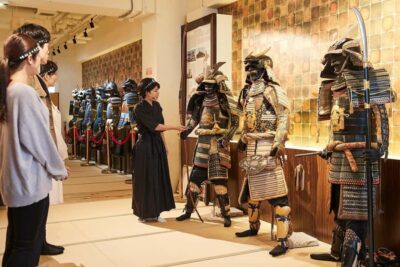
Samurai Ninja Museum Guided tour and Experience
Read our review →
Kendo and Samurai Experience with Uniform and Gear
Read our review →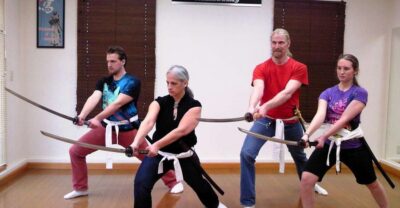
Samurai Sword Class by Experts in Traditional Arts
Read our review →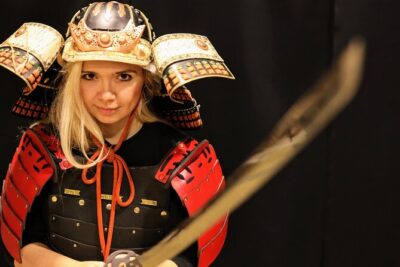
Skip the lines Basic Ticket at SAMURAI NINJA MUSEUM KYOTO
Read our review →
Samurai Sword & Archery Class from Samurai Descendant
Read our review →