
Reviewed · SUSHI MAKING CLASSES
Kanazawa: Sushi & Japanese Cooking Class at a Historic School
If you want a food experience that actually changes what you can cook at home, this Kanazawa class is interesting for one simple reason: you make the dishes, step by step. I especially like the hands-on format with five dishes you shape, simmer, and roll yourself, and the real-time AI translation that keeps the conversation flowing in English. One important consideration: vegan diets and guests avoiding fish-based dashi can’t be accommodated.
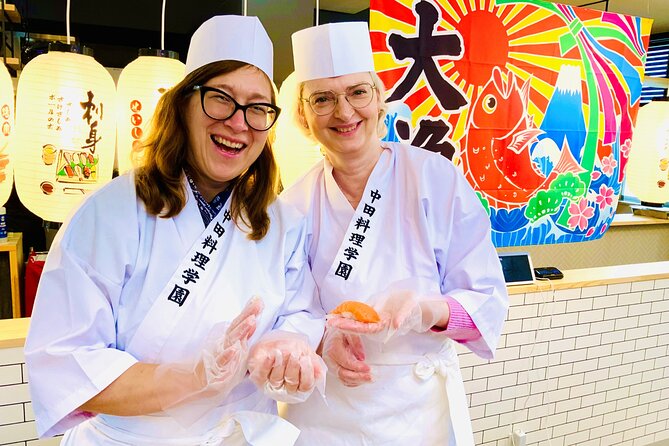
This is run out of Nakata Cooking School and Knife Shop, about three minutes from Kanazawa Station. The chef-instructor, Seiji, keeps things fun and focused, and the class is capped at a small group size (max 8), so you get personal attention while you cook.
You’ll finish with what you made, plus an aperitif of Kanazawa plum wine or local sake. You also get photos taken during the class, a Japanese certificate with your name, and an email of English recipes sent the day before.
Key highlights to look for before you book
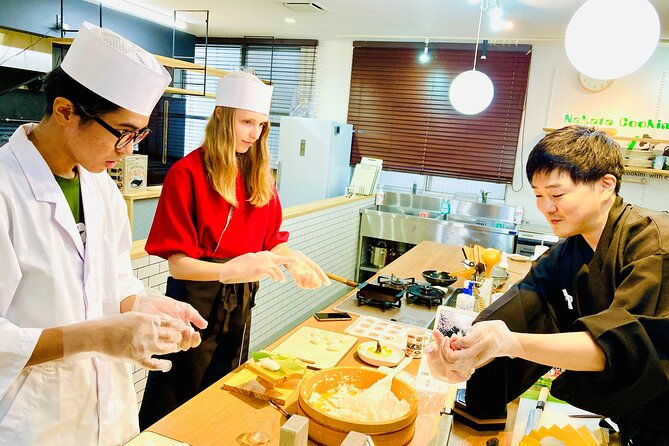
- Five dishes, fully hands-on, including nigiri sushi, jibuni, dashi-maki tamago, dashi, and miso soup plus a seasonal side
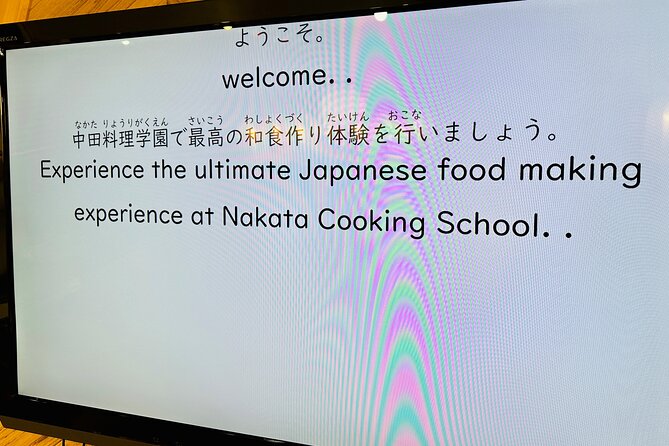
- AI voice and text translation on a large screen, so you can follow along without guessing
- Premium Japanese knives used during the class, with an optional opportunity to buy knives
- Near Kanazawa Station meeting point, making it easy to fit into a tight itinerary
- Photo service and a certificate, so you leave with more than just full stomach energy
- Aperitif included (plum wine or sake), which makes the meal feel like a proper occasion
From Kanazawa Station to Chef Uniform in minutes
The biggest practical win here is location and pacing. The meeting point is Nakata Cooking School and Knife Shop, and it’s by appointment only. The school itself is roughly three minutes from Kanazawa Station, so you’re not burning half your time hunting for the right street.
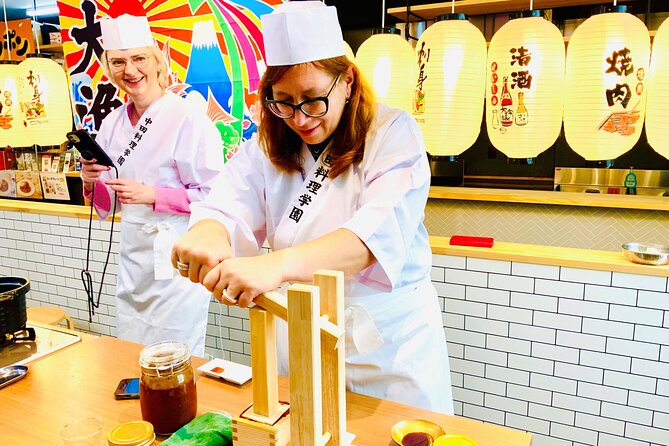
When you arrive, you’ll change into a chef-style uniform. It sounds like a small detail, but it changes the whole tone. You’re not hovering. You’re working. You’ll also get a first look at the kitchen setup, including how ingredients and tools are laid out for guests who are still learning.
This class is designed for small groups, up to 8 people. That matters because sushi shaping, dashi prep, and rolled omelet technique are all hands-on skills. With a small group, your questions do not get lost, and Seiji can correct your grip, your timing, and your consistency.
More Sushi Making Classes in Kanazawa:
- Sushi Making Tokyo Roll and Authentic Japanese Sushi Class
★ 5.0 · 3,971 reviews - Tokyo: Roll and Authentic Sushi Making Class in Asakusa
★ 4.9 · 1,957 reviews - Make Sushi and Create Unforgettable Memories in Tokyo
★ 5.0 · 1,413 reviews
Your 2.5-hour menu: sushi, chicken stew, tamago, dashi, and miso
The experience runs about 2 hours 30 minutes, and the flow is simple. You’ll start with food culture and ingredients, then you cook five dishes, then you eat what you made.
The menu is built around comfort food plus key “Japanese cooking fundamentals.” Even if you’re not trying to become a sushi professional, these are the techniques that show up again and again in Japanese kitchens.
Here’s what you’ll cook:
Nigiri sushi, built with seafood from Omicho Market
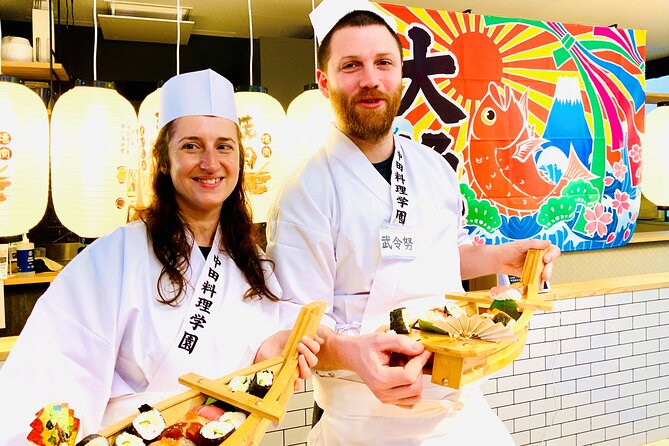
You’ll learn sushi shaping using wild fish sourced from Omicho Market. That matters for two reasons. First, you taste what good-quality fish and proper handling do to the final bite. Second, you see how shaping is about balance and pressure, not just speed.
One practical technique you’re likely to pick up: weighing and measuring rice so the roll ratio stays consistent. A helpful rule you may hear is rice portioning around 15 grams for a roll context. It’s the kind of detail that sounds small until you try it later at home.
Jibuni, Kanazawa’s signature chicken stew
Jibuni is one of the dishes that makes this class feel specific to Kanazawa, not generic “Japan cooking.” It’s chicken stew with strong local identity and samurai-era roots. You’ll cook it yourself, so you understand how the flavor is built and how it changes as it simmers.
If you usually think of Japanese cooking as fish and soy sauce, jibuni is a great corrective. It shows how the region developed its own comfort dishes.
More Historical Tours in Kanazawa:
- World Heritage Shirakawa-go and Experience Tours from Kanazawa
★ 5.0 · 4,049 reviews - [One-day bus tour departing from Kanazawa Station] Shirakawa-go and Gokayama – Two World Heritage Villages Enjoyable Bus Tour
★ 5.0 · 253 reviews - World Heritage Shirakawa-go Perfect Guided Tour from Kanazawa
★ 5.0 · 220 reviews - [Day trip bus tour from Kanazawa Station] Weekend only! World Heritage Shirakawago Day Bus Tour
★ 5.0 · 46 reviews
Dashi-maki tamago, the soft rolled omelet
This is where technique turns into wow. Dashi-maki tamago is not just scrambled egg. It’s rolled, seasoned with dashi, and worked in a way that creates that soft, custardy texture.
The class uses a Michelin-style recipe approach, so you’re learning a method designed for repeatable results. You’ll practice rolling and coordinating heat and timing, which is exactly what you want if your goal is to cook like a guest in a Japanese home kitchen rather than just follow a script.
Dashi broth, the stock that powers Japanese flavor
You’ll also make dashi, a traditional bonito and kelp stock. Dashi is the backbone for miso soup, noodle broths, and many everyday Japanese sauces.
You’ll learn the difference between “fish stock as a vague idea” and dashi as a real component with an actual scent, clarity, and purpose. This dish is simple on paper and easy to get wrong when you rush. Making it in class helps you understand what good looks and smells like.
Seasonal side dish plus miso soup
To round things out, you’ll cook a seasonal side dish and miso soup. This part is useful because it teaches how the dishes connect. Dashi becomes soup flavor. Miso soup becomes the comfort counterpoint to sushi richness and stew depth.
You’ll likely also get small presentation and knife handling tips while cooking the seasonal items. For example, you may learn decorative cutting patterns for ingredients like mushrooms, which is one of those practical habits that turns a home meal into something that looks like it belongs at the table already.
How the AI translation works, and why it actually matters
Communication is often the weak point in cooking classes abroad. Here, that’s handled upfront. You get real-time AI translation with voice and text shown on a large screen.
What I like about this approach is that it does more than translate menus. It helps you follow Seiji’s explanations as he adjusts techniques in real time. It also makes the humor land. Several parts of the class lean on light joking, so the tone stays relaxed instead of stressful.
You’ll also receive the English recipe by email the day before. That’s a big deal for your brain during class. You can skim before you arrive, then check it while you cook.
Knives, optional purchases, and the Knife Museum opening in 2025
You’ll use premium Japanese kitchen knives during the class. This is one of the most practical “take it home” elements because good knife feel changes everything, from how you dice to how you slice fish.
Seiji also offers a participants-only option to purchase premium Japanese knives. If you’re already thinking about bringing one home, this can be a convenient way to compare styles and find something suited to your cooking habits. If you don’t plan to buy, you still benefit from using the tools the right way.
There’s also an in-house Knife Museum option, with an opening planned for July 2025. Participants get a 10% discount. Even if you never buy a knife, the museum angle can be a fun way to understand why Japanese blade design and sharpening techniques matter to everyday cooking.
The meal at the end: tasting what you made, with a simple drink
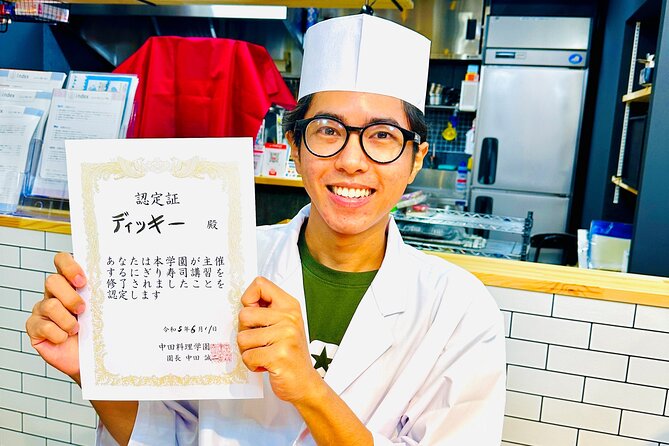
After you finish cooking, you eat the dishes you prepared. The class includes a full tasting of everything you make, so there’s no waiting for the chef to plate a final version while you sit hungry.
You’ll also get one aperitif, either Kanazawa plum wine or local sake. It’s included, so you can treat it like part of the experience instead of an add-on. And it helps turn the class into a meal, not just a workshop.
If you’re the type who wants to understand Japanese flavors through variety, this lineup does that well. Sushi and tamago bring refined texture. Dashi and miso soup bring clarity and comfort. Jibuni adds regional depth.
Price and value: why $99.10 can still feel like a deal
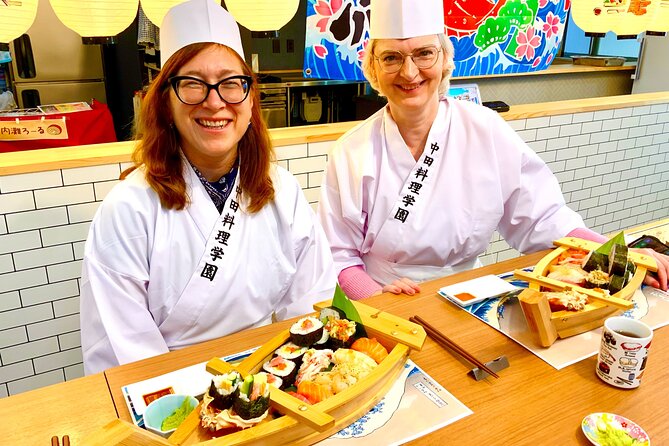
At $99.10 per person for about 2.5 hours, the value comes from three places.
First, you’re paying for real instruction while cooking five dishes. Many classes squeeze guests through one or two items and call it a day. Here you’re actively making the menu.
Second, ingredients and tools are part of the package. You’re using premium Japanese knives and working with fresh, seasonal ingredients. You also get premium seafood tied to Omicho Market.
Third, you receive take-home support: English recipes the day before, photos from the experience, and a certificate. Those might sound like extras, but they help you remember the process and reproduce it later.
One more value point: the meeting point is close to Kanazawa Station. That saves time and transport hassles, especially if you’re planning multiple activities in one day.
Diet rules you should know before you arrive
This class is not flexible for everyone. Vegan diets cannot be accommodated, and guests avoiding fish-based dashi cannot be accommodated.
If you eat fish but have other restrictions, you should inform the organizers at booking. Same-day changes are not possible, so plan ahead.
If you’re unsure, double-check before you pay. Dashi is central here, and the entire flavor plan depends on it.
Who should book this cooking class, and who might skip it
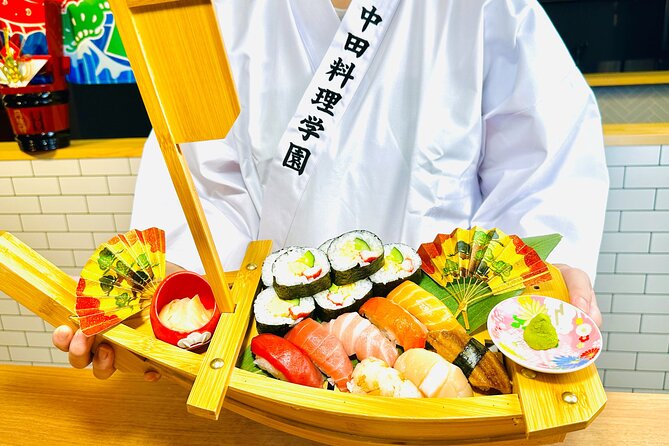
This experience is a strong match if you:
- Want hands-on skills you can reproduce at home, not just photos of food
- Like learning technique, from sushi shaping to rolled tamago and dashi basics
- Prefer a small group class (max 8) where questions are welcome
- Enjoy local flavor with Kanazawa specialties like jibuni
- Appreciate translation support that keeps the class fun instead of awkward
You might skip it if you:
- Need vegan or fish-free dashi ingredients (this one can’t adjust)
- Want a pure sightseeing stop rather than a cooking-focused evening
- Don’t like time in a kitchen environment, since you’ll be actively cooking most of the session
Should you book this Kanazawa sushi and Japanese cooking class?
If you’re in Kanazawa and you care about learning real Japanese cooking technique, I think this class is an easy yes. It’s close to the station, small enough to feel personal, and the menu hits the stuff that matters: nigiri shaping, dashi, rolled omelet technique, miso soup comfort, and jibuni local character.
The biggest decision comes down to food compatibility. If you can eat fish-based dashi, you’ll get a full, coherent flavor education. If you can’t, look for a class built around your dietary needs.
If that fits you, book it. You’ll leave with a meal you cooked, photos you didn’t have to take, and a set of skills that turns Japanese cooking from a restaurant experience into something you can do at home.
FAQ
What is the duration of the class?
The cooking class runs for about 2 hours 30 minutes.
How many dishes will I cook?
You will cook five dishes: Nigiri Sushi, Jibuni, Dashi-Maki Tamago, Dashi Broth, and a Seasonal Side Dish plus Miso Soup.
Is this a demonstration or hands-on cooking?
It is fully hands-on. You cook every dish with step-by-step guidance.
Is vegan or fish-free dashi available?
No. Vegan diets and guests avoiding fish-based dashi cannot be accommodated.
How does the translation work?
There is real-time AI translation (voice and text) on a large screen to support English communication.
What’s included in the price?
Included are the hands-on class for the five dishes, use of premium Japanese kitchen knives, chef-style apron rental, a full tasting, one aperitif (Kanazawa plum wine or local sake), AI translation, photo service, and an English recipe sent by email the day before. There is also an optional participants-only chance to purchase knives.
Where do I meet the tour?
You meet at Nakata Cooking School and Knife Shop (By Appointment Only), 4-13 2階 Konohanamachi, Kanazawa, Ishikawa 920-0852, Japan.
Is there a limit on group size?
Yes. The class has a maximum of 8 travelers.
Can I cancel for a refund?
Yes. Free cancellation is available up to 24 hours in advance for a full refund. If you cancel less than 24 hours before the start time, the amount paid is not refunded.
More Cooking Classes in Kanazawa
- Ramen Cooking Class at Ramen Factory in Kyoto
★ 5.0 · 1,937 reviews - Ramen & Gyoza Cooking Class in Tokyo with Local Supermarket Visit
★ 5.0 · 823 reviews - Kyoto: Ramen Cooking Class at a Ramen Factory with Souvenir
★ 4.9 · 532 reviews - Kyoto: Ramen, Gyoza, and Onigiri Cooking Class
★ 5.0 · 445 reviews
Latest write-ups near Kanazawa
- Kanazawa: Private Custom Tour with Local Guide★ 4.9 · 20 reviews
- Kanazawa: Samurai Swordsmanship Lesson at a rented temple★ 5.0 · 21 reviews
- Day Tour from Kanazawa OR Toyama: Snow Wall and Mysterious Valley★ 5.0 · 22 reviews
- Private Ring Craft Experience in Kanazawa★ 5.0 · 22 reviews
- Private Tour of Shirakawago from Kanazawa (Half Day)★ 5.0 · 24 reviews
- Kanazawa: Private Food Tasting Walking Tour★ 4.7 · 25 reviews
- Kanazawa:Traditional Experience -kimono rent at wargo★ 4.7 · 30 reviews
- 1-Day Shirakawago & Takayama Tour (Round Trip from Kanazawa)★ 5.0 · 32 reviews
Sushi Making Classes, compared.
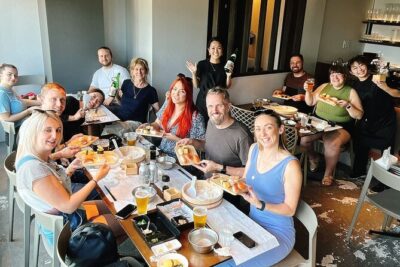
Sushi Making Tokyo Roll and Authentic Japanese Sushi Class
Read our review →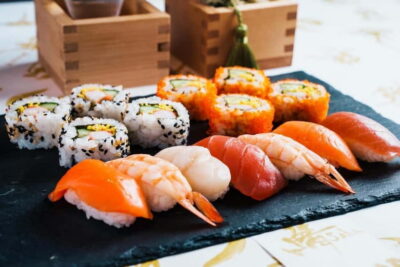
Roll and Authentic Sushi Making Class in Asakusa
Read our review →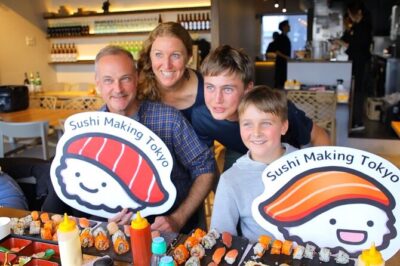
Make Sushi and Create Unforgettable Memories in Tokyo
Read our review →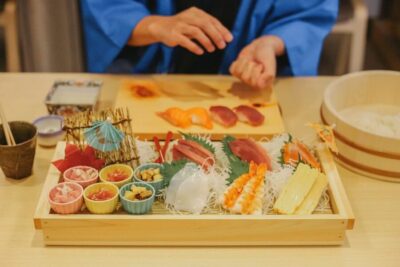
Sushi Making Class in a Happi Coat near a Famous Spot
Read our review →
Sushi Making Osaka Roll and Authentic Japanese Sushi Class
Read our review →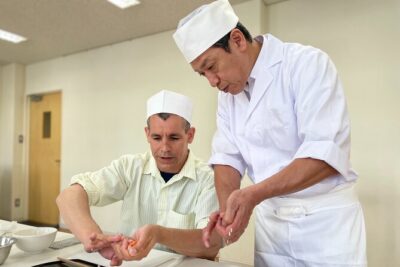
Tokyo Sushi Making Class in Tsukiji with Professional Chef
Read our review →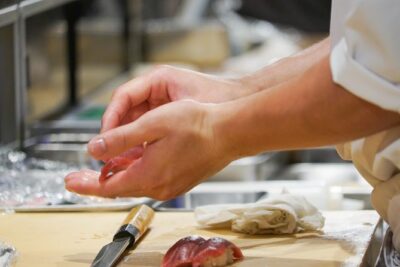
Tokyo Night Foodie Tour in Shinjuku – Seasonal Sushi, Wagyu Beef
Read our review →
Tsukiji Fish Market Guided Tour and Sushi Making with Pro Chef
Read our review →Browse the lists this tour appears in