
Reviewed · TEA CEREMONIES
Kyoto: Tea Ceremony Ju-An at Jotokuji Temple
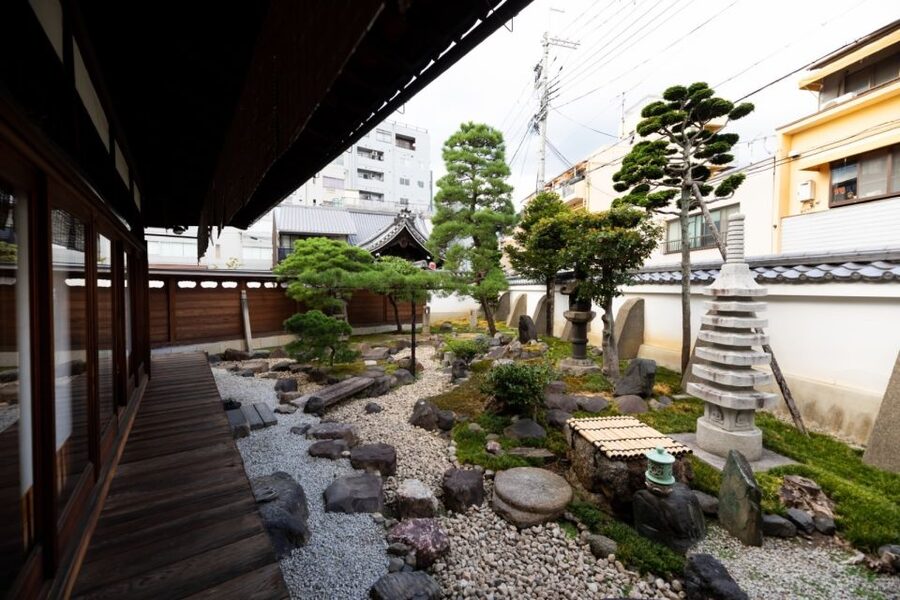
Kyoto is already full of temples, but a tea ceremony like this one at Jotokuji Temple slows you down in a way sightseeing cannot. I love the way the hosts explain each step, including the meaning behind the movements, and I like the small-group format, so matcha feels personal rather than rushed. You also get to see the temple setting up close while you learn.
One thing to consider: the tea room has three steps, so it is not suitable for wheelchair users. If you are comfortable sitting on the floor, it is great, but if not, request stools, which can be provided.
Key things to know before you go
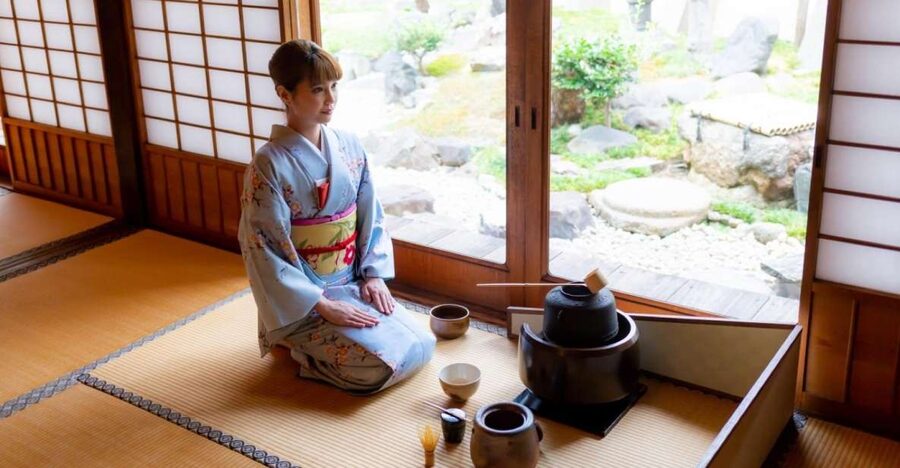
- A true Chanoyu workshop, led by the Tea Master, not just a demo
- Jotokuji Temple architecture and a quiet pause at the red benches before tea
- A purification ritual before the tea, a different side of temple etiquette
- Small group of up to 10, with English guidance throughout
- Shoes off inside the Grand Tearoom, plus seating options if floor sitting is tough
- Matcha plus sweets served in the tea-room setting
Kyoto tea ceremony at Jotokuji: what makes this experience tick
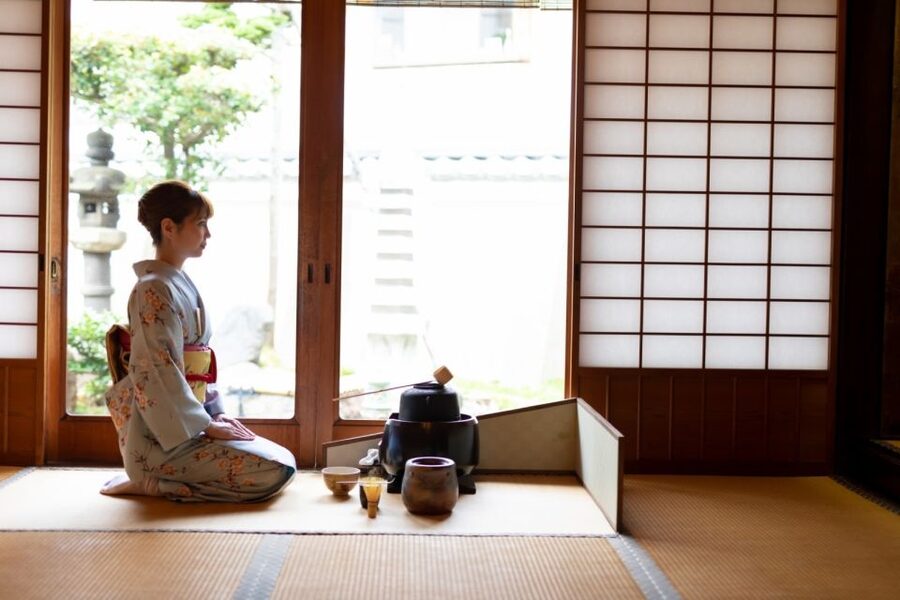
This tour is interesting because it treats tea as a full ritual, not a performance for photos. You start outside, walk through the temple grounds at an easy pace, and then the experience shifts inside the Grand Tearoom into calm, precise steps. The whole point is that you get to understand what you are doing, and then do it yourself under guidance.
I also like that it is anchored in a real temple visit. You are not only doing the tea part. You are spending time in the atmosphere of Jotokuji Temple, seeing the courtyard details, and learning why certain motions and moments matter. That context is what makes the ceremony feel grounded.
The tea portion lasts about 70 minutes total, and it is guided in English. The small group cap of 10 is a big deal here. You will have space to ask questions and keep up with the Tea Master, instead of watching from the back.
More Tea Ceremonies in Kyoto
- Kyoto: Tea Ceremony in a Traditional Tea House in Kiyomizu
★ 4.9 · 3,519 reviews - Kyoto: 45-Minute Tea Ceremony Lesson Experience
★ 4.3 · 2,378 reviews - Kyoto: Table-Style Tea Ceremony at a Kyo-Machiya
★ 4.9 · 1,211 reviews
Finding Tea Ceremony Juan and getting your bearings fast
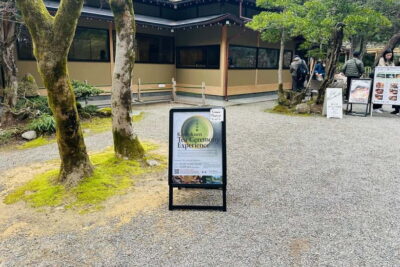
Meeting point is Tea Ceremony Juan at 556, Gojo-sagaru, Tominokoji Dori, Shimogyo-Ku, Kyoto. The directions are simple once you are there: once inside the temple grounds, face the Main Hall. Look left for a few steps that give access to the tea room.
What I find helpful is that the tour starts right at the temple entrance experience. You go through the main gates of Jotoku-ji Temple, pass the Grand Tearoom area and a nearby parish shop, and then you meet your guide by the red benches. This structure matters because it keeps everyone together and helps you settle in before anything formal begins.
Tip: Kyoto can be busy even on quiet streets. Give yourself buffer time to find the meeting spot and get inside calmly. When you arrive flustered, the ritual feels harder, not easier.
Walking the grounds: architecture, red benches, and the rain plan
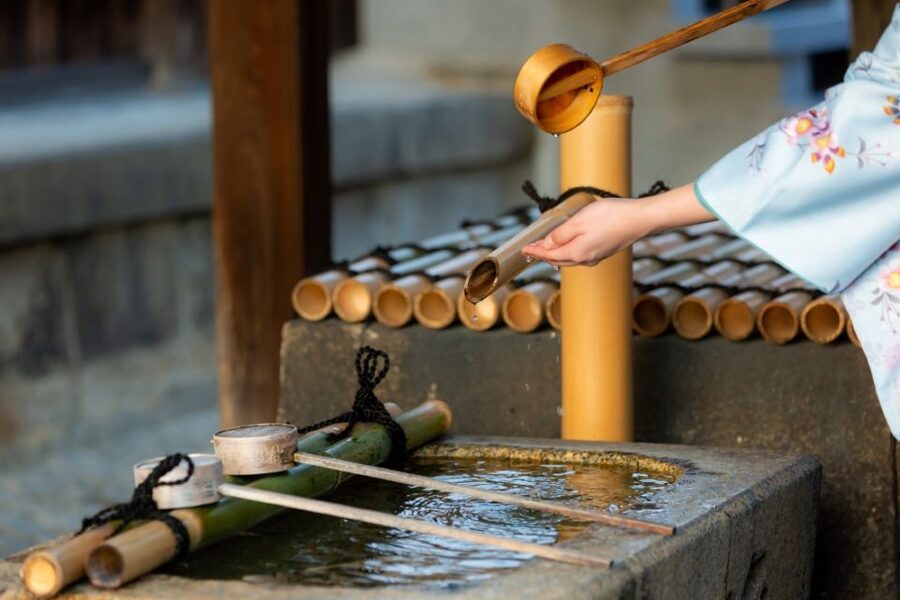
After you meet your guide, you walk through the temple grounds. This is where you can slow down without feeling like you are wasting time. You can admire the architecture as you move, and you can also pause at the purification fountain. That fountain is part of the temple rhythm, and you will understand why in just a bit.
The tour also gives you a weather plan. If it is not raining, you are free to sit on the red benches for a break. If it is raining, you can stand outside under the gable of the shop or wait in the Grand Tearoom. Either way, you are not stuck awkwardly in the elements trying to figure out what to do.
In my view, this flexibility is practical. Tea ceremonies work best when you are not thinking about the weather every thirty seconds.
The purification ritual: the quiet etiquette before matcha
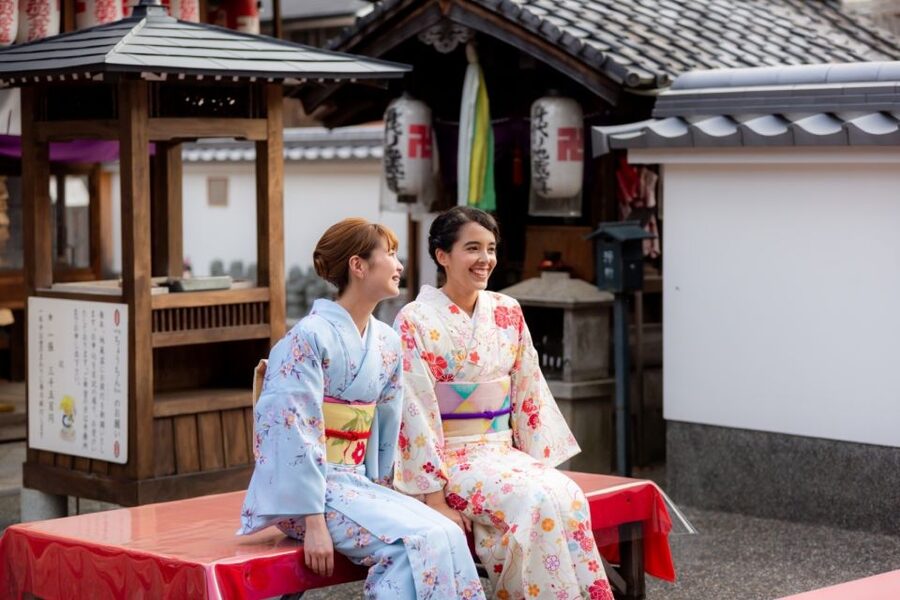
One of the most meaningful parts of the experience is the traditional purification ritual that starts your temple visit. This is not just a quick gimmick. The guide leads you through it in a way that helps Western visitors connect the dots between etiquette and mindset.
Even if you have seen a few temple rituals before, purification hits differently because it is tied to the idea of preparing your body and attention before you drink tea. You are basically being asked to show respect, to yourself included, by slowing down and arriving mentally.
Then the ceremony begins in earnest: you enter the Grand Tearoom, remove your shoes at the entrance, and head inside as a group to take your seat.
More Temple & Shrine Tours in Kyoto
- Kyoto: Fushimi Inari, Kinkakuji, Bamboo Grove 1 Day Bus Tour
★ 4.8 · 4,316 reviews - Osaka/Kyoto:Kinkakuji,Arashiyama,FushimiInariShrine,NaraPark
★ 4.1 · 1,596 reviews - Arashiyama Bamboo, Temple, Monkeys, or Secret Sake Brewery
★ 4.8 · 886 reviews - Kyoto: Arashiyama Bamboo Forest, Monkeys, Matcha & Temple Tour
★ 5.0 · 759 reviews
Inside the Grand Tearoom: shoes off, seating choices, and how you fit in
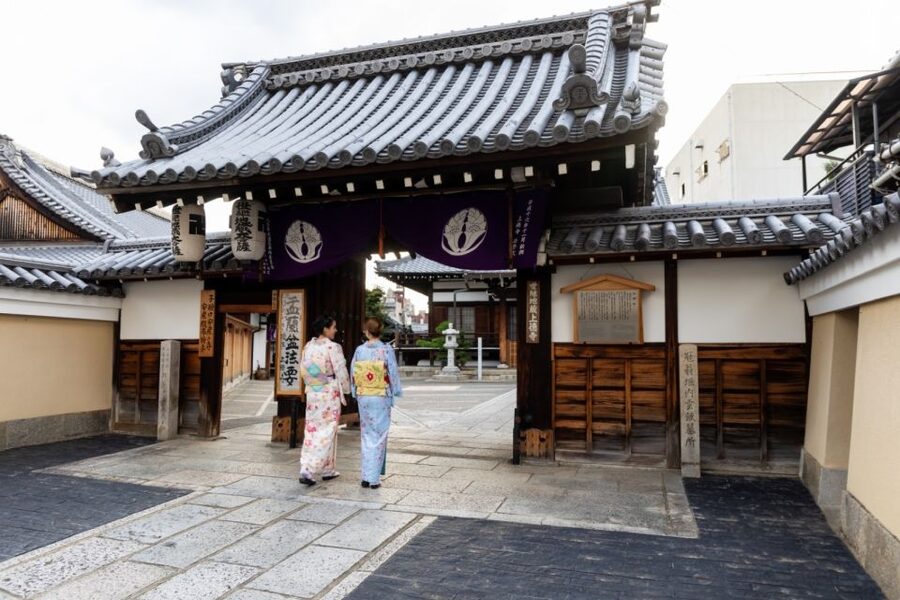
The Grand Tearoom is traditional. That means shoes off at the entrance, and then you settle in for the next phase of the workshop.
Here is the practical reality to plan for. The tea room has three steps, which is why it is not suitable for wheelchair users. But there is still a friendly option for people who do not want to sit in the traditional floor position. For those who are not comfortable sitting on the floor, seats and stools can be provided.
So you do not have to force yourself into a position that hurts. The goal is to participate without pain distracting you from the ceremony.
Once you are seated, you meet your instructor and Tea Master inside the space. You are guided through what to look at, what to hold, and what not to rush. Many people come to Kyoto expecting movement and noise. This room asks you for patience, and the staff helps you do it comfortably.
Matcha making and drinking: what you learn and why it feels different
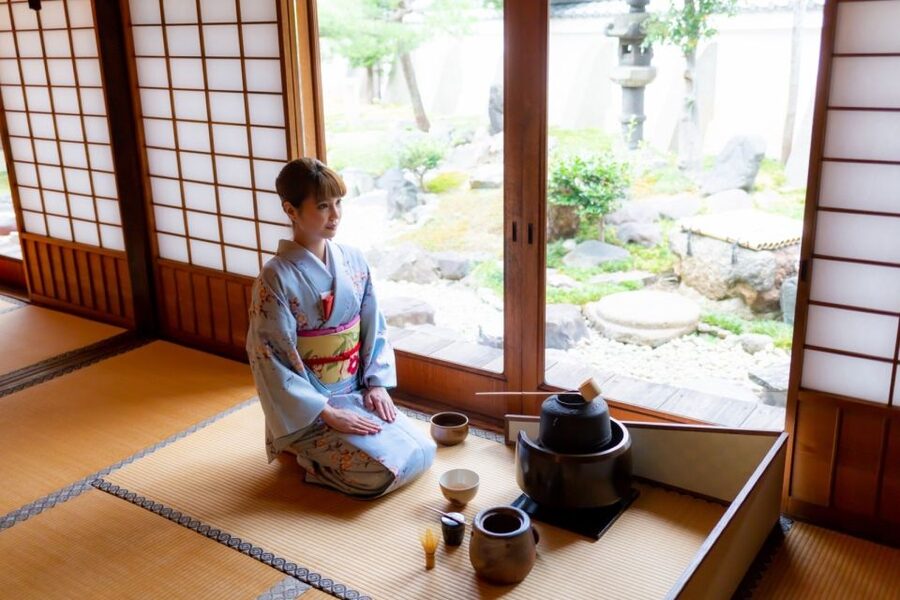
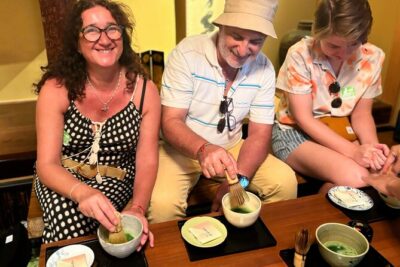
This is the heart of the tour, a Chanoyu workshop with a matcha focus. You get the chance to sample matcha tea at its best, and the Tea Master guides you step by step.
The most important thing is that you are taught the fine art of drinking matcha, not just handed a cup. That includes learning how matcha presentation and procedure shape the taste. You also learn the importance of the ceremony, which is really about attention, respect, and a kind of mindfulness that does not require any special background.
You start with observation and explanation. Then, with guidance, you get to prepare your own tea. This hands-on part is where it becomes memorable. You stop thinking of matcha as a trendy café drink and start seeing it as a deliberate ritual with clear reasons for each movement.
Sweets are also part of the tea-room experience. They are served with the matcha, and together they balance the flavors. It is a small detail, but it makes the ceremony feel complete as a cultural practice, not a standalone lesson.
One more point I like: the hosts and translators keep things clear without turning it into a lecture. In English sessions, you often hear hosts like Kate and Yaki guiding the group, and you can usually ask questions as you go.
How long it takes, what pace to expect, and how the group size changes everything
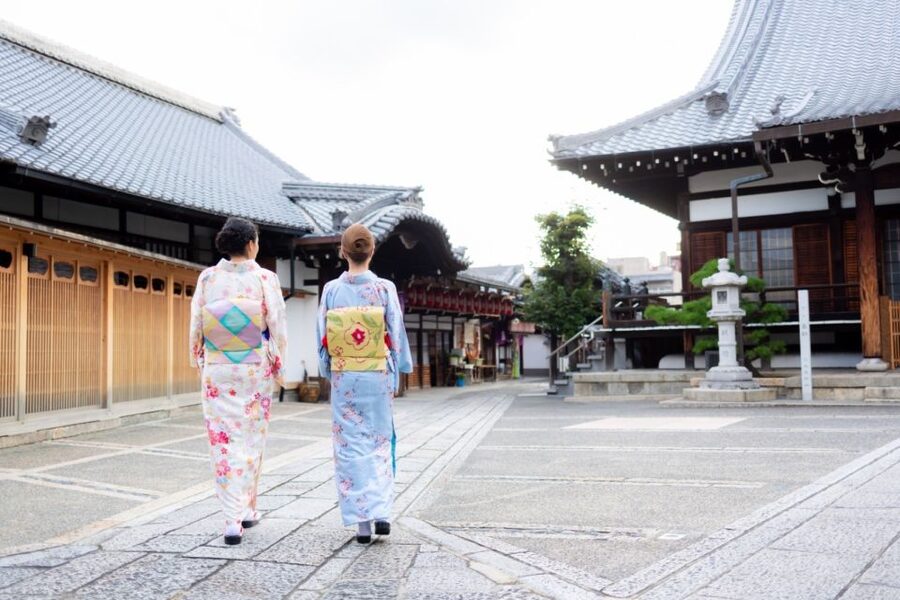
The total duration is about 70 minutes. That is not long, which is a plus if your Kyoto schedule is already stacked with temples and neighborhoods. The structure is tight enough that you do not feel stuck, but detailed enough that you learn what you are doing.
The group is limited to 10 participants. That small size changes the experience. You are not stuck watching and waiting. You can hear instructions, you can see what the Tea Master is doing, and you can interact without feeling like you are interrupting.
Pace is calm. The ceremony itself is quiet. You do not need to bring energy. Just show up ready to slow down for a short window of time.
Price and value: is $29 worth a 70-minute tea workshop?
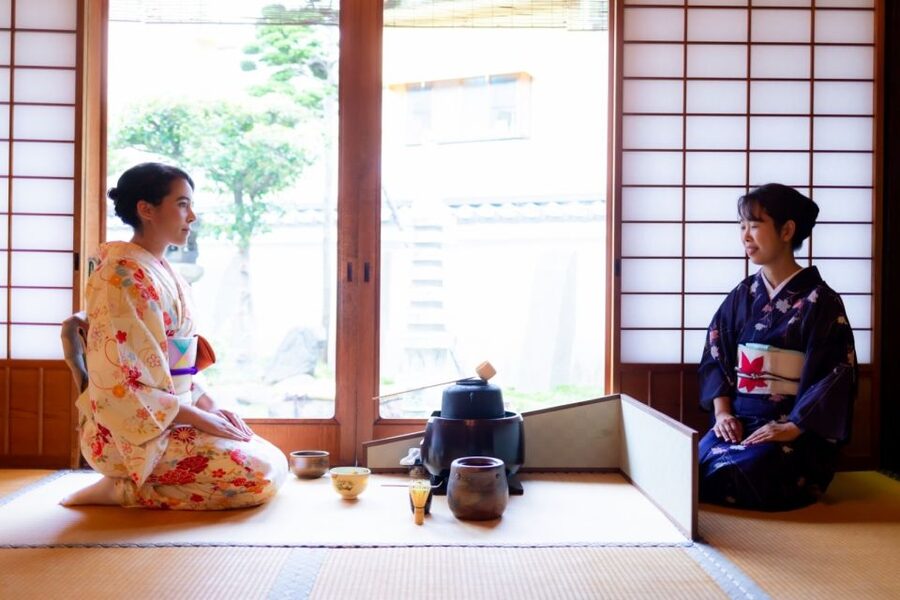
At $29 per person for a 70-minute session, this is one of those Kyoto activities that feels like good value because you are paying for a guided experience, not just access.
Here is what you are actually getting:
- Tour guide and English instruction
- A Chanoyu tea workshop experience, with the Tea Master
- Time inside the temple setting up close, plus the temple etiquette piece
- You get to drink matcha and also participate in making tea with guidance
In plain terms, you are paying for someone to teach you the why and how, and then help you do it correctly in a small room. That level of instruction costs more in many cities unless you are signing up for a longer, heavier course.
Could it feel short? If you are chasing a full-day, deep-practice tea apprenticeship, yes, this will not replace that. But for learning, tasting, and respectfully participating in a real temple setting, it is a smart, doable length.
What to wear and how to prepare so it feels effortless
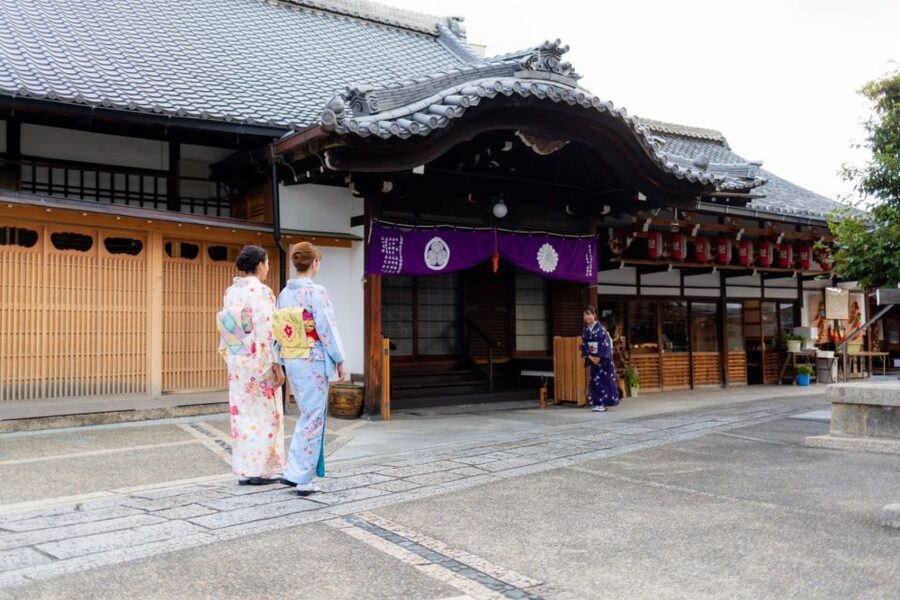
This is a shoes-off experience inside the Grand Tearoom, so wear footwear that is easy to remove. Comfortable socks help, especially if you have cold feet easily.
Plan for traditional seating expectations. If you are unsure you can sit on the floor comfortably for the duration, ask for a stool or seating option before you begin. The tour staff can provide stools for those who are not comfortable sitting in the traditional position.
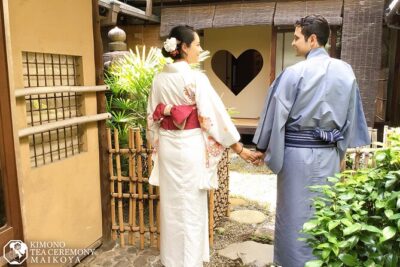
If you want a kimono look, note that kimono rental is not included. You can rent separately if you want to match the setting. I would treat kimono as optional here. The ceremony works whether you are dressed traditionally or not, because the ritual is in the procedure and attention.
Finally, bring a calm mindset. The ceremony is respectful and quiet. If you keep checking your phone every minute, you will miss why people come back to this kind of practice.
Who should book this tea ceremony (and who might skip it)
Book this if you:
- Want a break from Kyoto’s bigger crowds and louder temple tours
- Like cultural activities where you do something, not just watch
- Enjoy calm, guided learning with English support
- Want a structured introduction to matcha beyond the café version
Consider skipping or choosing a different option if you:
- Need wheelchair access inside the tea room, because the tearoom has three steps and is not wheelchair suitable
- Know you will be uncomfortable sitting on the floor and do not want to rely on stools
If you are traveling with someone who is not sure about tea culture, this still works. The step-by-step guidance and hands-on participation make it accessible.
Should you book this Kyoto tea ceremony at Jotokuji?
My take: if you have never tried a tea ceremony, this is one of the best ways to start in Kyoto. The setting at Jotokuji Temple gives the experience weight, the ceremony lesson has structure, and the small group means you are not just a spectator.
If you can handle shoes off and traditional seating, you will probably leave feeling calmer, and also more confident ordering or tasting matcha afterward because you will understand what you are tasting.
One last check before you book: if mobility is a concern, plan around the tea room steps. If that is not an issue, then this is a strong, good-value Kyoto experience that actually teaches you the ritual instead of only showing it.
FAQ
How long is the Kyoto tea ceremony experience?
The duration is 70 minutes.
How much does it cost?
It is $29 per person.
Is the workshop taught in English?
Yes. The instructor provides the ceremony in English.
What is included in the price?
You get a tour guide and the Chanoyu workshop ceremony.
Is a meal included?
No meals are included.
Is a kimono included?
No. Kimono can be rented separately.
Is the experience wheelchair accessible?
The temple is wheelchair accessible, but the tea room is not because there are three steps. It is not suitable for wheelchair users.
Will I have to sit on the floor the whole time?
If you are not comfortable sitting on the floor in the traditional position, seats and stools can be provided.
Latest write-ups near Kyoto
- Kyoto Tea Ceremony and Samurai Photo Session★ 5.0 · 70 reviews
- Kyoto: Replica food making experience★ 4.8 · 70 reviews
- Kyoto: Kinkakuji, Golden Pavilion Guided Tour★ 4.7 · 71 reviews
- Private departure transfer from Kyoto city to Kansai International airport★ 5.0 · 72 reviews
- Uji: Green Tea Tour with Byodoin and Koshoji Temple Visits★ 4.8 · 72 reviews
- Kyoto: Geisha Dinner & Gion Cultural Walk★ 5.0 · 73 reviews
- Kimono and Yukata Experience in Kyoto★ 4.5 · 73 reviews
- Kyoto: Toei Kyoto Studio Park Admission Ticket★ 4.1 · 73 reviews
Tea Ceremonies, compared.
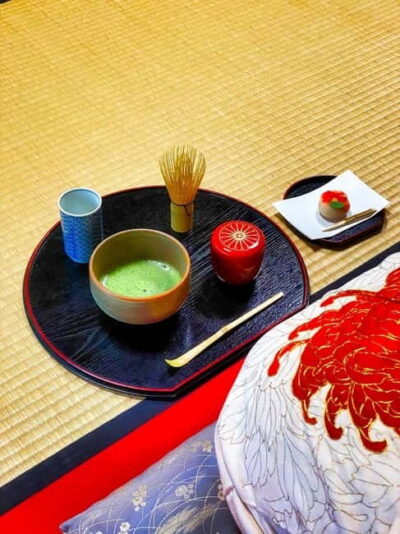
Tea Ceremony in a Traditional Tea House in Kiyomizu
Read our review →
World Heritage Kyoto & Nara Uji Authentic Matcha Experience
Read our review →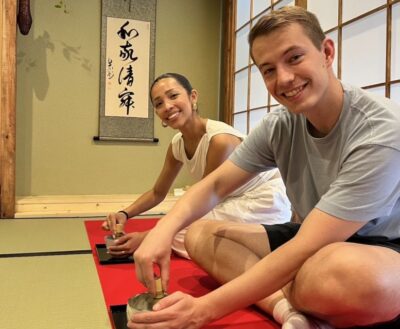
Arashiyama Bamboo Forest, Monkeys, Matcha & Temple Tour
Read our review →Browse the lists this tour appears in