
Reviewed · WORKSHOPS
Japanese flower arranging (Ikebana) Experience/Workshop in Tokyo
Japanese flower arranging in Tokyo is a rare mix of art class and mental reset. You get flowers, tools, and a calm setup inside a florist studio, then you make something personal with real guidance. It is a great way to feel the city without sprinting from one landmark to the next.
I like two things a lot. First, you get personal coaching in a small group (max 15), so you are not stuck guessing. Second, the lesson is hands-on but still grounded in context, with an explanation of ikebana history and why flowers mattered to humans.
One possible drawback to plan for: the price covers your tools and the flowers, but the final container setup is not included. If you want to keep your arrangement as a longer-lasting piece, you may want to budget a little extra for a vase, and you might also consider buying a kenzan.
Key Points You Will Care About
- Small-group instruction (up to 15) means you can actually ask questions and get tailored tips.
- Hands-on ikebana, not rigid rules, with a more free, playful approach to design.
- History plus technique, so you are not just arranging flowers, you understand why it works.
- Tools, flowers, and photo sharing are included, so you leave with both a creation and memories.
- Containers and kenzan are optional add-ons, available to purchase if you want to display your work at home.
- Family-friendly, and pets are welcome, plus service animals are allowed.
How a 90-Minute Ikebana Class Actually Feels
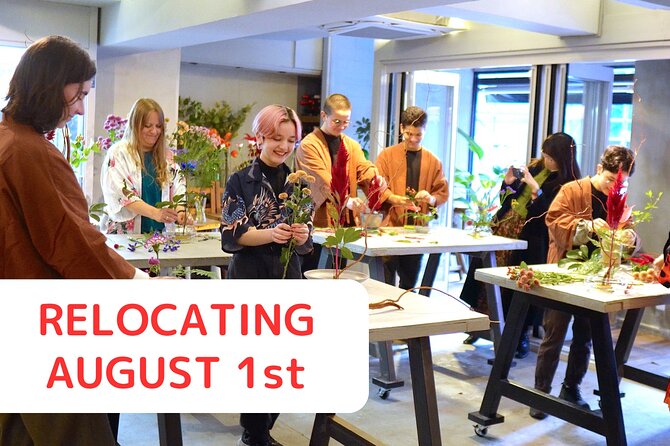
This is a compact workshop, about 1 hour 30 minutes, designed for when you only have a short window in Tokyo. The pace is practical: you start with the basics, you build an arrangement while the instructor checks in, and you finish with something you can take home.
What makes this format work is that ikebana is not just about placing stems. It is about seeing, choosing, and deciding where the space should be. In a busy city, that kind of slow attention feels like a reset, not a chore. You wind down from the noise by doing something tactile and quiet.
You should also know the workshop emphasizes creativity over strict correctness. That matters because ikebana can sound intimidating from the outside, like you need perfect rules. Here, the goal is self-expression using the same core tools and ideas.
Also on the shortlist for Tokyo:
- Mt Fuji and Hakone 1-Day Bus Tour Return by Bullet Train
★ 5.0 · 26,383 reviews - 1-Day Tokyo Bus Tour
★ 5.0 · 14,250 reviews - Tokyo: TOKYO SKYTREE® Admission ticket
★ 4.5 · 11,192 reviews
Finding the Studio Near Kojimachi (Chiyoda)
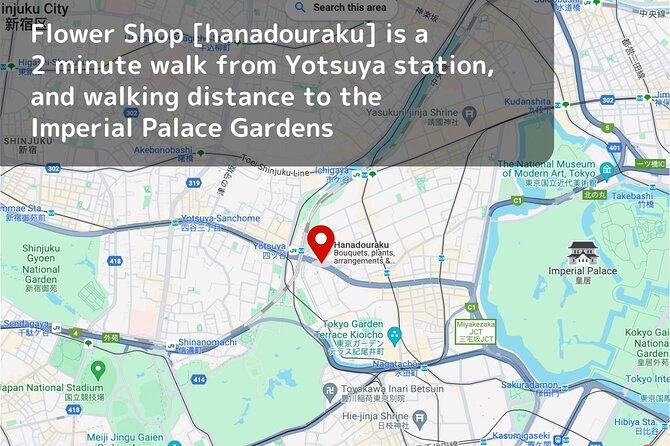
Your meeting point is in Chiyoda City, Kojimachi, at 6-chōme 46 (102-0083). The activity ends back at that same point, so you are not stuck navigating a second location at the end.
Logistically, the workshop is near public transportation, which is a big deal in Tokyo. You can fit this into a day without turning it into a whole planning project. And you get a mobile ticket, which is a nice friction reducer when you are juggling trains, lunch, and a head full of places to go.
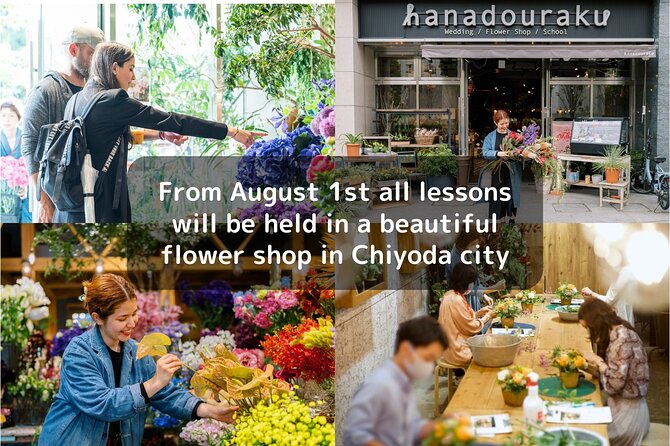
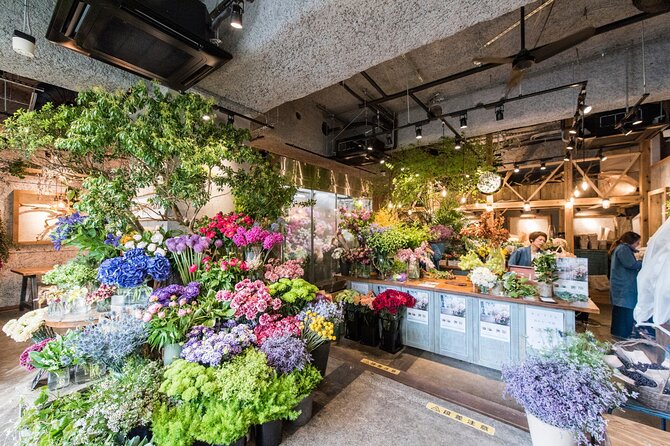
In one account, the class happens in a florist space called Hanadouraku, which signals the right kind of environment: you are in a working flower shop, not a random classroom. That tends to make the whole experience feel more real and grounded.
Your Instructor, Small-Group Coaching, and the English-Friendly Setup
The workshop is led by the florist host, and you may be taught by instructors named Aki or Ruby. Multiple accounts specifically praise English instruction and friendly, helpful guidance, so if language is a concern, you should feel comfortable.
In a class like this, “small group” is not marketing fluff. With a group limit of 15, you get more than a one-time explanation. You can show your arrangement-in-progress and get direct feedback on how to adjust it.
The best coaching style described here is both practical and encouraging. The instructor helps you connect with the flowers themselves, not just the technique. One person noted being encouraged to connect with each bloom, which is the kind of advice that changes how you choose what to cut and where to place it.
If you are new to ikebana, that tone matters. You learn the tool use, you get tips while you work, and you can relax into making something rather than worrying about doing it wrong.
The Lesson Plan: History, Tools, and a More Playful Style
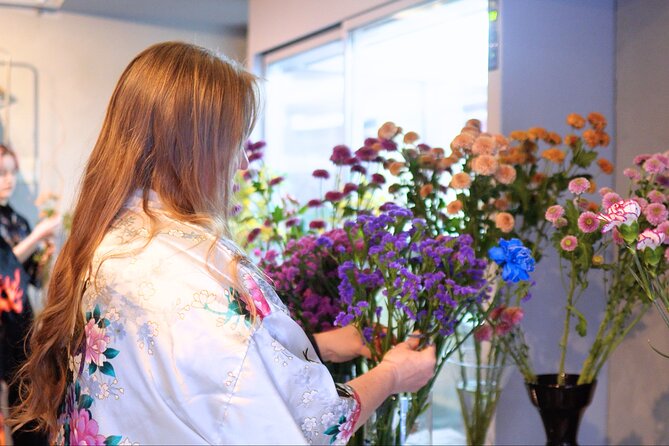
You start with a hands-on introduction to ikebana and its place in Japanese culture. You learn the history of ikebana and why flowers have been important to humans over time. That context helps your design choices make more sense, even if you are not trying to replicate a specific formal style.
Then the workshop shifts into building. Here is a key point: this class is not presented as strict, precise rules only. The teaching approach is more about using the same tools for self expression, with room to be free and playful.
That is especially helpful if you are traveling solo or with friends and you want the experience to feel personal. You are not just copying a diagram. You are using the same framework to make something that looks like your choices.
In the middle of the session, you get guidance that can be very specific. One person mentioned practicing asymmetry with a kenzan, which is a classic ikebana concept. In practical terms, it means you can create movement with placement, not just balance like a mirror-image craft project.
A change of pace from Tokyo:
- Tokyo: teamLab Planets TOKYO Digital Art Museum Entry Ticket
★ 4.6 · 9,779 reviews - Mt Fuji & Hakone Cruise, Drum Show Bullet Train 1 Day from Tokyo
★ 4.0 · 7,413 reviews - Tokyo: Sumo Show Experience with Chicken Hot Pot and a Photo
★ 4.8 · 6,678 reviews - Tokyo: Shinjuku Food Tour (13 Dishes at 4 Local Eateries)
★ 5.0 · 6,603 reviews
Building Your Arrangement Step by Step (Tools, Flowers, Kenzan)
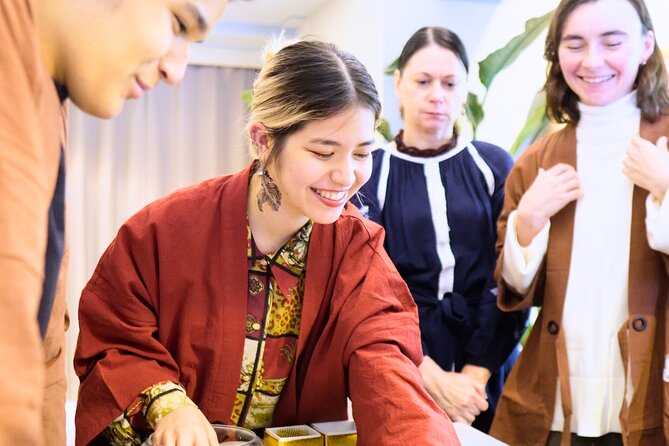
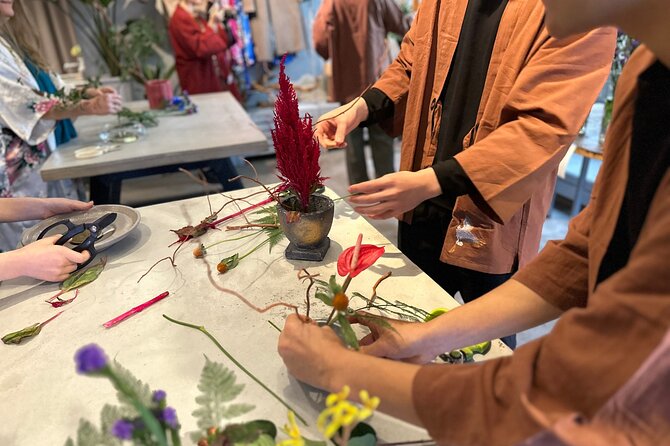
All tools and necessary equipment are provided. That includes ikebana tools and the flowers used in your arrangement. So you do not need to worry about sourcing anything before you arrive.
You will likely work with a kenzan (the pin holder used in many ikebana styles). Even though containers and the kenzan itself are not included in the price, they are available for purchase. The class still teaches you how to design with the setup you are given during the workshop.
This is where you will notice the workshop is hands-on in the good way. You are shaping the arrangement while you go, guided by the instructor’s suggestions. One account highlights that the guidance includes tips for different flowers and how to use them. Another points out the class includes history woven in, so you are not just learning technique in a vacuum.
Expect it to be a bit harder than your first thought. Even if you are crafty, ikebana forces you to think about negative space and angle. People mention it is more challenging than it looks, but in a satisfying way. You learn by doing, and you get correction while your arrangement is still flexible.
Also, the studio setup matters. Working with a florist host typically means you are handling real materials, not cheap stand-ins. The flower quality and variety can make a big difference in what you end up with.
What You Take Home: Shared Photos and Optional Vase Purchases
You get photos taken during the event, shared as part of the experience. That is a clever touch for a Tokyo workshop, because it gives you a record of the process and your finished arrangement without you needing to set up your phone every step.
You also have the option to take your arrangement further. Containers used in the arrangement are not included in the price, but they are available for purchase. The kenzan is also available to buy if you want to continue practicing at home.
One of the most useful practical takeaways from real accounts: people have purchased vases and managed to transport their arrangements back to their accommodation. That does not mean it is zero effort, but it suggests the workshop is designed with take-home ownership in mind, not just a temporary craft.
If you are planning to bring your arrangement into your day after the class, think about your timing and your carrying method. You will want a little buffer so you are not rushing through crowded trains with something fragile.
Price and Value: Why $100 Can Be Worth It in Tokyo
At $100 per person, this is not the cheapest activity in Tokyo. The question is whether you are paying for something you can only get here.
You are paying for a lot that is usually extra in other creative workshops: the tools, the flowers, instruction, and photo sharing. You are also paying for the small-group format, which reduces the “watch someone else make it” factor.
And you are paying for a specific kind of experience. Ikebana is quiet, mindful, and hands-on, in a way that museum visits or standard city walks do not replicate. If your schedule is tight, this compact 90-minute format becomes the real value. You get a mental break without losing half a day.
To make the cost feel more accurate, keep one optional expense in mind. If you want your piece to last, you may purchase a container and possibly a kenzan. If you want a simple souvenir plan, you can treat the included arrangement as the main outcome and skip extras. If you want a lasting home display, budget a little more.
Who Should Book This Ikebana Workshop
This fits you if you want something calm and hands-on, with guidance. You do not need prior ikebana experience, and most people can participate.
It also works well for families. Kids and families are welcome, and the activity is described as being friendly to groups like that. That matters because not every “fine art” activity is actually kid-friendly in practice.
Pets are welcome too, and service animals are allowed. That is a rare plus in city activities, and it can make the difference if you are traveling with a companion animal and still want to do something meaningful.
You might especially like it if you:
- Want a short Tokyo activity that is not a full-day commitment
- Prefer making something over just sightseeing
- Enjoy mindful tasks where attention matters more than speed
A Practical Arrival Plan So You Enjoy the Session
Because the workshop starts at a specific meeting point in Kojimachi, do yourself a favor and build in a little travel time. Tokyo trains are great, but station navigation still takes time and energy.
Once you arrive, lean into the class structure. Do not overthink the first placement. The instructor’s whole job here is to help you adjust as you go, whether you are aiming for symmetry, asymmetry, or something more personal.
Wear comfortable clothes. You will be standing and working with flowers and tools for the duration. Bring a calm mindset, not a rigid one. The teaching style supports a more playful approach, so allow yourself to make decisions without fear.
If you are sensitive to feeling rushed, note that this is a compact 1.5-hour session. It is long enough to finish a meaningful arrangement, but short enough that you should still feel fresh instead of exhausted.
Should You Book This Ikebana Workshop?
I think you should book it if you want a real creative break in Tokyo, with instruction that actually helps. The biggest reasons are the small-group coaching, the free and playful approach, and the fact that you leave with photos plus a tangible arrangement you can enjoy later.
Skip it or rethink if you need a low-cost souvenir only, because the included price does not cover containers or kenzan. If you already know you want a finished display at home, plan for optional purchases.
If you are balancing a packed itinerary, this is one of the better “short and worthwhile” picks. It turns down the volume on your trip, gives you a new skill you can practice, and gives you something beautiful you made with your own hands.
FAQ
How long is the ikebana workshop?
The workshop lasts about 1 hour 30 minutes.
How much does it cost?
It costs $100.00 per person.
What is the group size like?
The workshop has a maximum of 15 travelers.
What is included in the price?
You get use of ikebana tools, the flowers used in your arrangement, photos taken during the event, and sharing of those photos.
Are containers and kenzan included?
Containers used in the arrangement are not included in the price, but they are available for purchase. The kenzan is also not included, but it is available to purchase.
Are kids and pets welcome?
Yes. Kids and families are welcome, and pets are welcome. Service animals are allowed.
What happens if I need to cancel?
You can cancel for a full refund if you cancel at least 24 hours before the experience’s start time. The experience also has a minimum number of travelers, and if it is canceled because that minimum is not met, you will be offered a different date or a full refund.
Latest write-ups near Tokyo
- Tokyo Nights: Shibuya Photo Adventure★ 5.0 · 20 reviews
- Wagyu & Sake 8 Course Tasting Dinner in Shinjuku★ 4.9 · 20 reviews
- Making Japanese desserts Nerikiri & drinking matcha in Tokyo★ 5.0 · 20 reviews
- Mt. Fuji 5th Station, Owakudani Ropeway, Pirate Ship plus Outlet shopping!★ 4.5 · 20 reviews
- Japanese Whisky Hunting《HIGH-QUALITY-ONLY》Rare Tasting Class★ 5.0 · 20 reviews
- Kintsugi Experience with Arita Ware in Tokyo (English Guide)★ 4.8 · 20 reviews
- This is Asakusa! A Tour Includes the All Must-Sees!★ 5.0 · 20 reviews
- Ebisu Local Food Tour: Shibuya’s Most Popular Neighborhood★ 5.0 · 20 reviews
Workshops, compared.
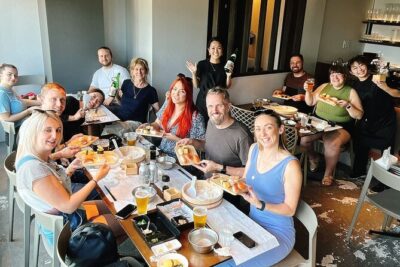
Sushi Making Tokyo Roll and Authentic Japanese Sushi Class
Read our review →
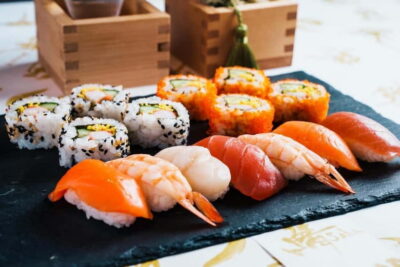
Roll and Authentic Sushi Making Class in Asakusa
Read our review →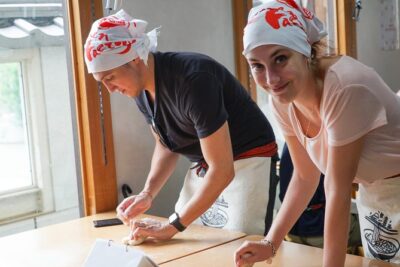
Ramen Cooking Class at Ramen Factory in Kyoto
Read our review →
Sushi Making Class in a Happi Coat near a Famous Spot
Read our review →

Sushi Making Osaka Roll and Authentic Japanese Sushi Class
Read our review →Browse the lists this tour appears in