
Reviewed · PEACE MEMORIALS
Hiroshima Historical Walking Tour – Why A-Bomb was Dropped
Hiroshima isn’t just a memorial visit, it is a guided question-and-answer walk through history, right where the events unfolded. I like that the tour connects the military reasons behind the target to the human cost you feel at each stop. The one drawback is that it is emotional and serious, so if you want a light, casual day, this may feel like heavy homework.
You also get a strong sense of place, not just dates. The route moves from shrine and castle to the Atomic Bomb Dome and on into Peace Memorial Park and the Peace Memorial Museum, so the story builds as you walk and reflect.
And because the guide is live and in English, you can ask side questions as you go, which makes a huge difference with this topic. One thing to consider is that it is a 150-minute walk, so wear comfortable shoes and bring layers for the weather.
Key Highlights Worth Your Attention
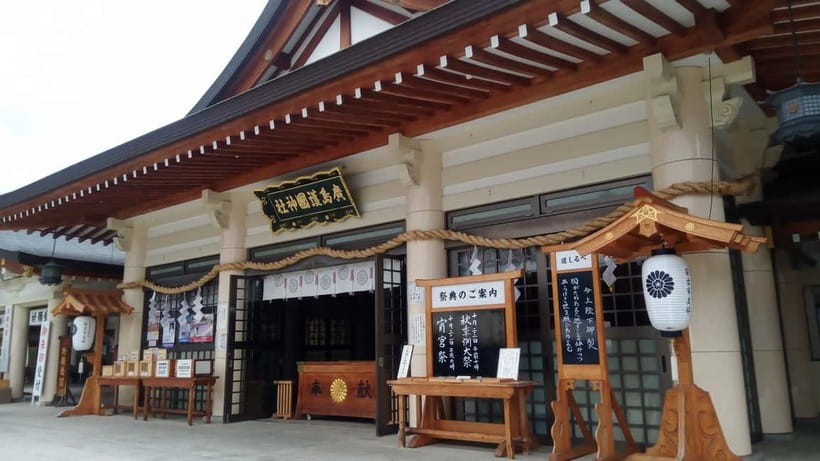
- A-bomb target explained through three key sites, from Gokoku Shrine to Hiroshima Castle to Peace Memorial Park
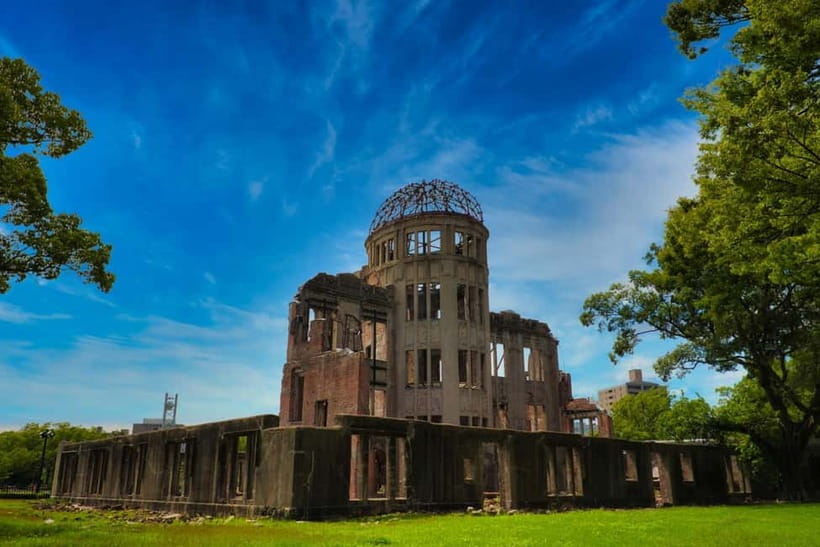
- Real photo moments at major landmarks like the Atomic Bomb Dome, with guidance on what to notice
- A guided path that sets context before the museum, so what you see later lands harder
- Local perspective style from guides such as Chihiro, Thomas, and Emi, praised for clear, patient answering
- A solemn but well-paced flow, with time for questions and short guided pauses along the way
Where the Tour Starts, and Why Gokoku Shrine Sets the Tone
Meet in front of the Hiroshima Gokoku-jinja Torii Gate near the main hall. This first moment matters more than it sounds. A shrine like this is not a random stop. It frames how a city remembers its dead, how symbols work in Japan, and how sacrifice is interpreted inside the culture.
At the start, you get guided context that helps you follow the rest of the walk without feeling lost in facts. It is also a good reminder that Hiroshima was a working city before it became a global warning. You are stepping into a place with layered meaning, not a theme park version of history.
If you are the type who likes to get your bearings fast, this is the right first stop. You’ll hear what to look for, and it makes the rest of the route click.
Other Peace Memorial visits:
- Hiroshima: Miyajima Peace Memorial Icons of Peace and Beauty
★ 4.9 · 361 reviews - Hiroshima/Guided Virtual Tour of Peace Park/PEACE PARK TOUR VR
★ 5.0 · 157 reviews - Hiroshima: Peace Memorial Park and Atomic Bomb Dome Tour
★ 4.9 · 91 reviews
Hiroshima Castle: Seeing the City’s Strategy Before the Bomb
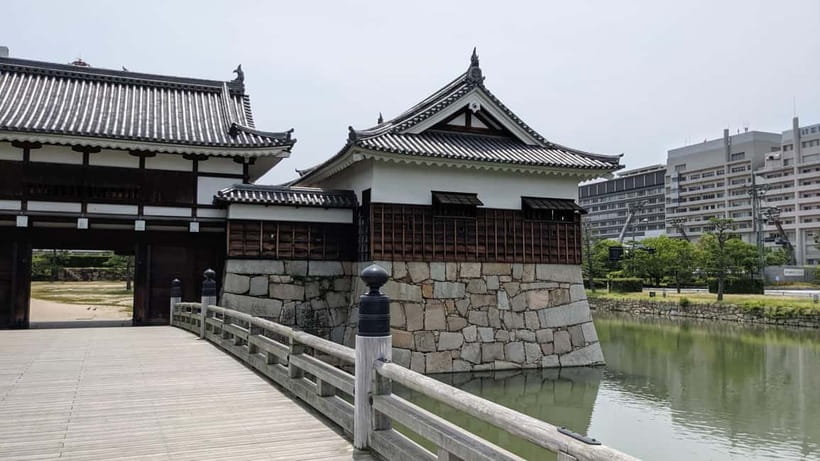
Next up is Hiroshima Castle, with a photo stop and a guided visit segment (about 20 minutes). Even if you do not care about castles in general, this one helps explain why Hiroshima was on the map for wartime planning.
The guide’s job here is to connect the dots. You are not just looking at walls and grounds. You are learning how military significance shaped where battles and decisions focused, and why the city had value to the war effort.
A practical tip: take your first real photos at the start of this stop, while your mind is still fresh and your camera settings are ready. Castle area lighting can change quickly, and you will move on to darker, more reflective spaces soon after.
Hiroshima Gate Park: A Short Guided Stretch That Keeps the Story Moving
After the castle area, you have another short guided segment (about 10 minutes) before arriving at Hiroshima Gate Park for around 30 minutes of guided time.
This part of the walk is where you begin to feel the transition from wartime context into the built environment that surrounds the aftermath. The guide’s commentary helps you connect what you see to what happened, without letting the information run away into pure gloom.
One reason I like tours that include a park or “in-between” stop is pacing. It stops the day from becoming one long march of heavy stops. You get a chance to reset your attention and absorb what came before before heading toward the most iconic memorial view.
If you are someone who gets overwhelmed easily, this stretch gives you a controlled way to process what you’re learning.
Atomic Bomb Dome: What to Look For When It Hits Emotionally
Then comes the stop people remember most: the Atomic Bomb Dome. You get around 20 minutes of guided time here.
You will see why this building became a symbol. It is hard to describe until you are looking at it in person, with the guide pointing out what the dome represents and why it still matters. The value of a guide at this stop is not in repeating the obvious. It is in helping you notice the details that support the bigger story, so the site becomes more than a photo backdrop.
Also, this is where the tour’s emotional tone peaks. Even with historical facts explained clearly, your brain still has to process what those facts mean for real people.
Practical advice: keep your phone charged and ready, but try not to spend all your time behind a screen. Give yourself a minute to look without recording. This is one of those places where your first reaction is information, not entertainment.
More Historical Tours in Hiroshima:
- Hiroshima Peace (Heiwa) Walking Tour at World Heritage Sites
★ 5.0 · 872 reviews - Miyajima Half-day Trip Historical Walking Tour
★ 5.0 · 284 reviews - Hiroshima: History of Hiroshima Group Walking Tour
★ 4.8 · 266 reviews - Hiroshima: Peace Walking Tour of World Heritage Sites
★ 4.9 · 190 reviews
Peace Memorial Park: The Meaning Lives in the Small Details
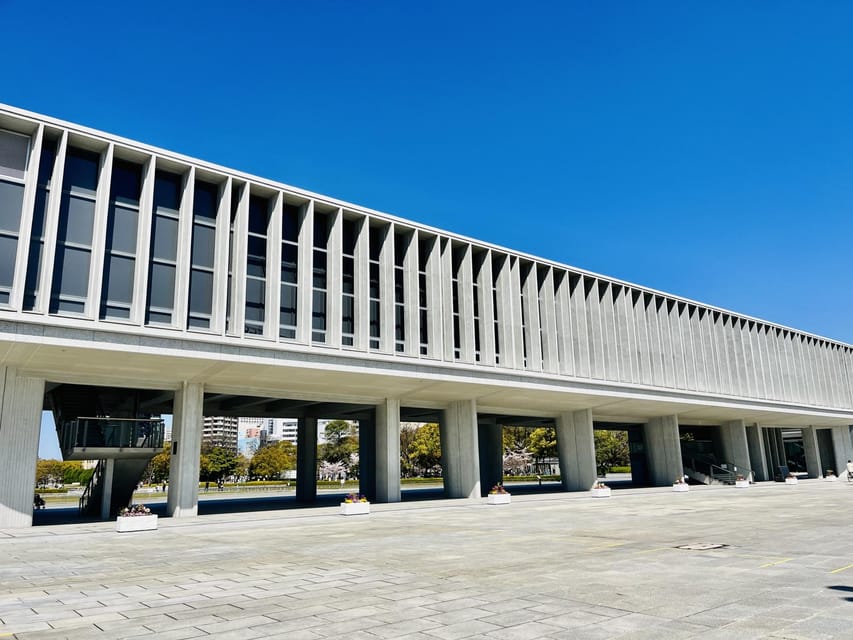
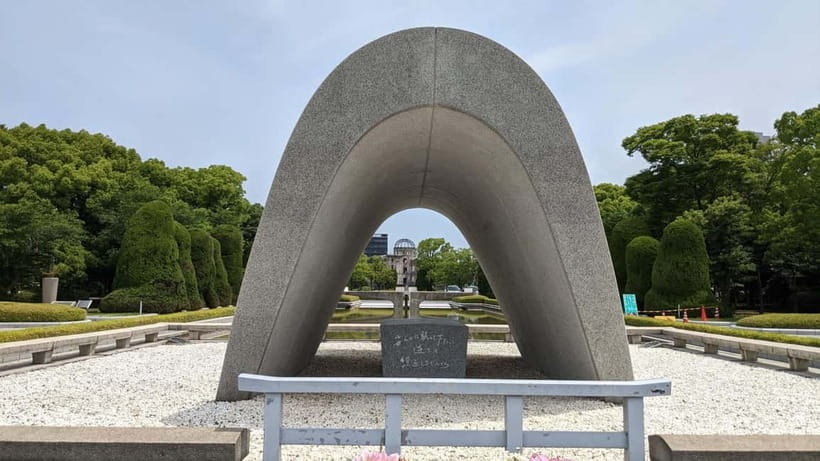
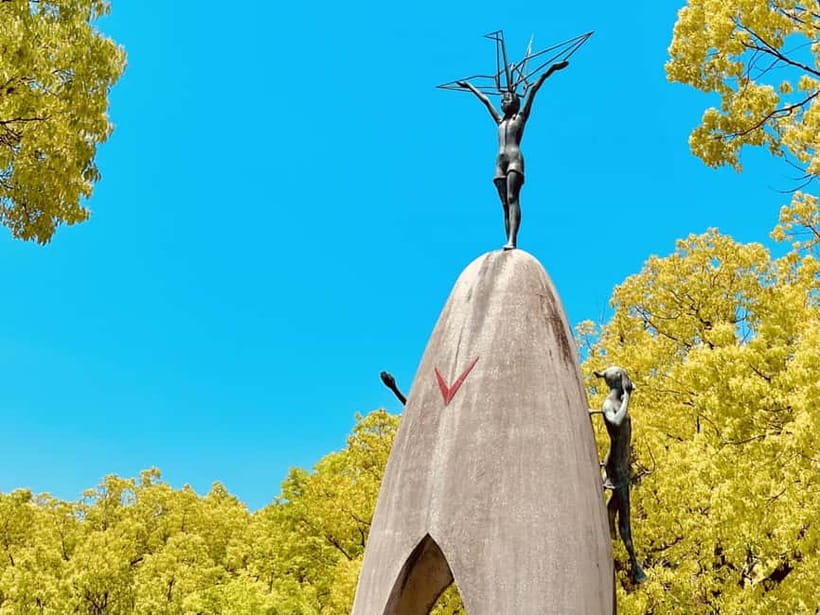
You finish this part of the walk at Hiroshima Peace Memorial Park, with about 30 minutes of guided time.
This is where the focus shifts from why the bomb was dropped to what Hiroshima did with the memory afterward. You are walking through space designed for reflection, and the guide helps you read that design, from commemorative elements to how visitors are meant to think and feel.
Many guides on this route are praised for handling questions with patience, and that matters most here. People often ask how Hiroshima rebuilt, how the message of peace evolved, and how the world’s understanding changed over time. Having an English guide who answers thoughtfully helps you make sense of the park’s purpose rather than just scanning monuments.
If you like a sense of structure, this stop gives it to you. The tour doesn’t just point at memorials. It connects them to the idea of reconciliation and the ongoing call for peace.
Ending at Hiroshima Peace Memorial Museum: Let the Tour Prepare What You See
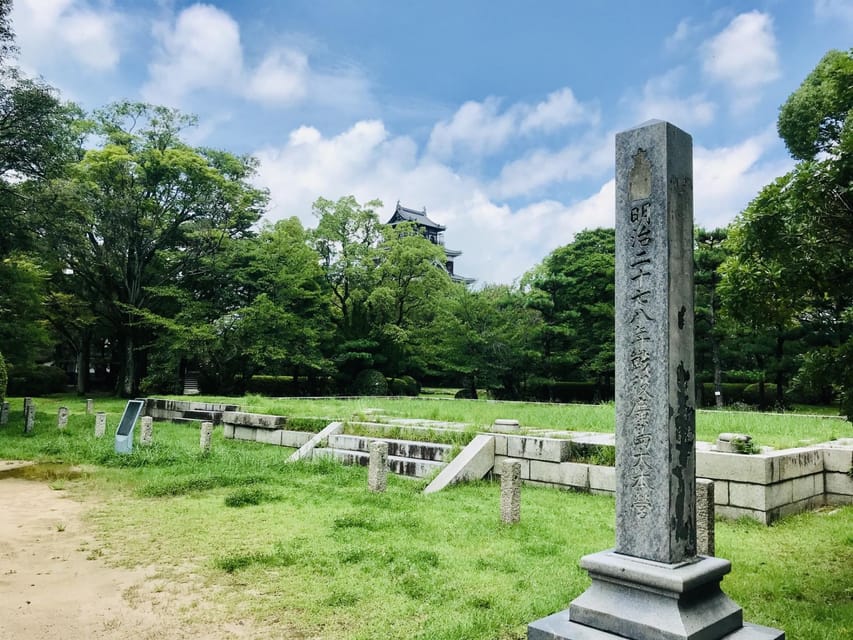
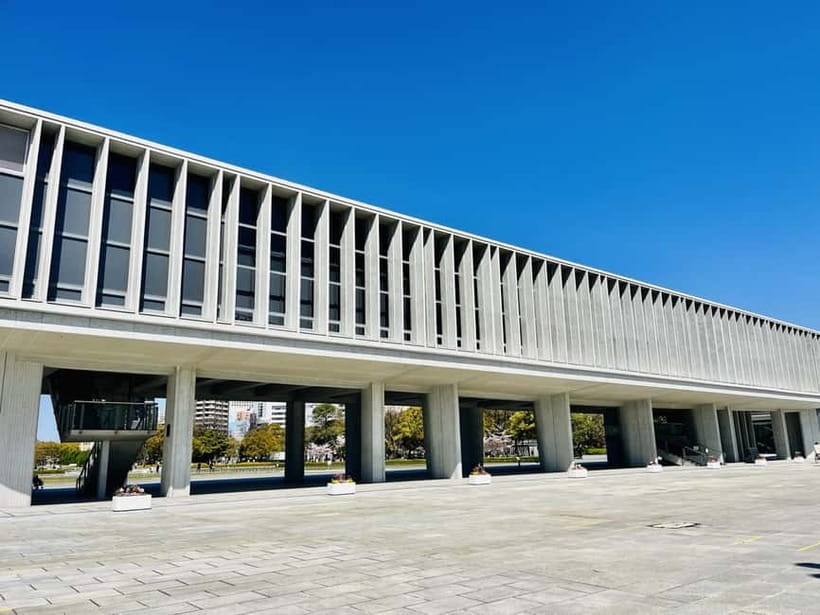
The tour ends at the Hiroshima Peace Memorial Museum. This is a smart finish. By the time you arrive, you already have the walking context that helps you understand what the exhibits are doing.
A museum can feel like a wall of information when you arrive cold. Here, you come in with a map in your mind, plus the themes your guide was building all along: wartime importance, the choice of target, and the human consequences.
Since the tour concludes there, you can immediately decide how long you want to stay. You’ll also likely find you can follow stories more easily because you’ve already had a guided path through the most meaningful markers.
If you have limited time on your Hiroshima day, this tour still helps. It turns the museum visit from random viewing into a story with a beginning.
Price and Value for 150 Minutes in Hiroshima
At $35 per person for about 150 minutes, this is strong value for a serious topic. What you are paying for is not just someone walking with you. You are paying for an English explanation that helps you understand why Hiroshima was chosen and how the city is remembered afterward.
Also, the tour includes a live guided component. That matters here, because the meaning of each site depends on context, and that context is hard to piece together on your own in the moment.
What is not included is the tip to the guide. If you felt the guide gave clear explanations and handled your questions well, plan to tip.
One more value note: you are not trying to “fit everything” into a rushed day. The pacing is built for a focused story arc from the first shrine moment to the museum finish.
Who This Tour Fits Best (and Who Might Want Something Lighter)
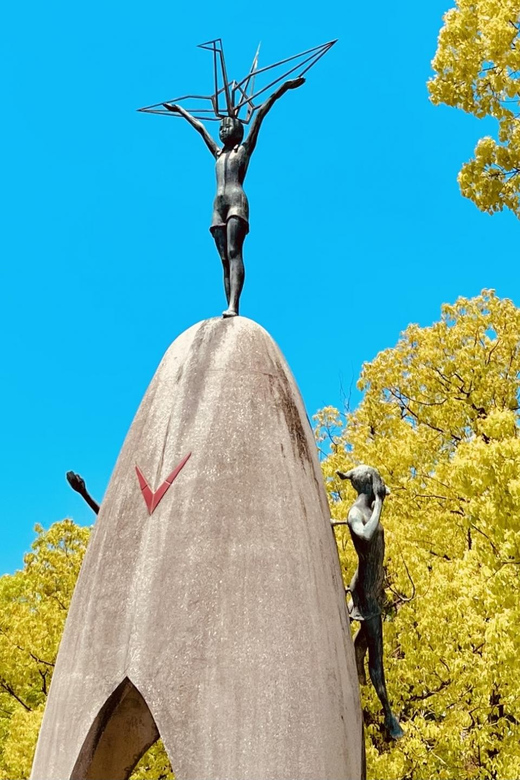
This is ideal if you want to understand Hiroshima with structure. Go for it if you like walking routes, you want guided interpretation, and you are curious about the question behind the headlines: why Hiroshima.
It is also a great choice before the museum, because the walk builds context first. If you are the type who asks questions, you’ll likely enjoy that your guide can answer in real time.
If you prefer upbeat sightseeing, or you struggle with emotional topics, you might find this heavy. The tour is respectful and informative, but it is still centered on mass tragedy and its aftermath.
A Quick Guide to Making the Most of Your Walk
- Bring comfortable shoes. The route is short enough to manage, but you still walk for about 2.5 hours.
- Wear layers. You’ll be outside for long stretches, and weather can shift fast.
- Come ready to ask questions. This type of tour becomes better when you guide your own curiosity.
- After the dome and park, slow down. Let your eyes and thoughts catch up to the story your guide is building.
Should You Book This Hiroshima Historical Walking Tour?
I think you should book this tour if you want more than landmark photos. For $35, you get a guided storyline through Gokoku Shrine, Hiroshima Castle, Peace Memorial Park, and the finish at the Peace Memorial Museum, all designed to answer why the bombing happened in a way that connects facts to meaning.
Skip it only if you are looking for a light, entertainment-style outing. This experience is serious by nature. But if you can handle that, and you want clear English explanations with time to ask questions, this is one of the best ways to make Hiroshima’s sites hit with purpose instead of just shock.
FAQ
What is the duration of the Hiroshima Historical Walking Tour
The tour lasts 150 minutes.
Where does the tour start
The meeting point is in front of the Hiroshima Gokoku-jinja Torii Gate near the main hall.
What is included in the price
The price includes a guided tour.
What language is the tour guide
The tour guide speaks English.
Where does the tour end
The tour finishes at the Hiroshima Peace Memorial Museum.
Is the tour wheelchair accessible
Yes, the tour is wheelchair accessible.
Latest write-ups near Hiroshima
- An Amazing set of Cultural experience: Kimono, Tea Ceremony and Calligraphy★ 5.0 · 69 reviews
- Hiroshima: Private Walking Tour with a Local★ 4.6 · 70 reviews
- Hiroshima: Miyajima Island Half-Day Tour with Guide★ 4.9 · 71 reviews
- Kimono and Tea Ceremony in Miyajima★ 5.0 · 73 reviews
- Hiroshima and Miyajima Private Guided Tour★ 4.5 · 75 reviews
- HIROSHIMA ORIZURU TOWER Admission Ticket★ 4.6 · 75 reviews
- Hiroshima & Miyajima: UNESCO A-Bomb Dome & Itsukushima★ 5.0 · 76 reviews
- Hiroshima to Miyajima: Private Custom Tour with Ferry Ride★ 4.9 · 77 reviews