
Reviewed · WORKSHOPS
Kyoto: Make Your Own “Daruma” Craft & Painting Workshop
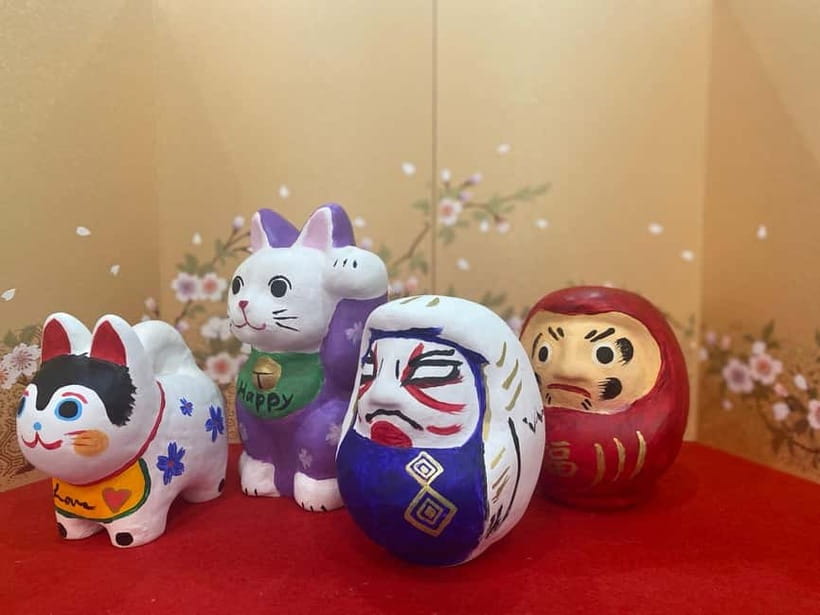
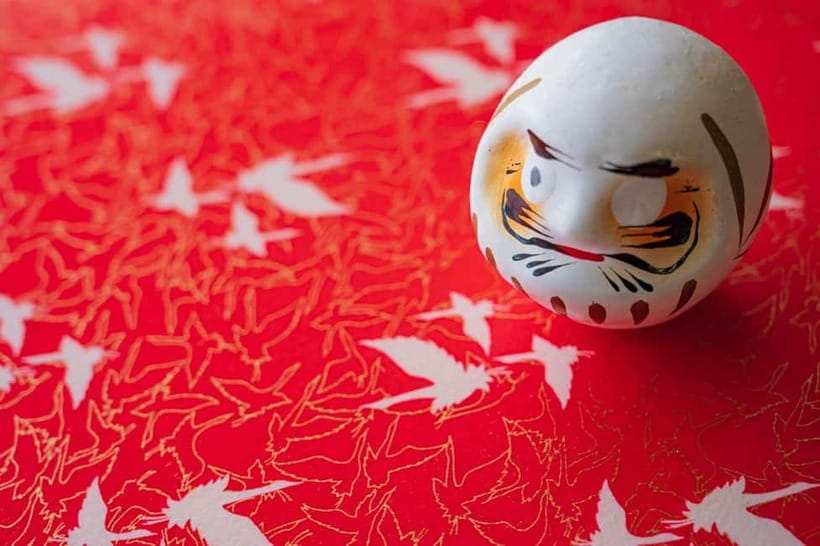
Kyoto is famous for temples, but this is the quieter kind of cultural stop: you make a Daruma craft with your own hands, then you paint it until it looks like you. The workshop is run in a renovated boutique space in central Kyoto, and the host, often listed as May, keeps the mood calm and encouraging.
I like that you are not copying a sample, you are personalizing your own figurine with paints. I also love the added touch of a complimentary drink and traditional Japanese confectionery while you chat and get meaning behind the shapes. One thing to consider is that you’re painting with acrylic, so if it’s rainy when you leave, you’ll want to protect your finished piece on the walk back.
Key things to know before you go
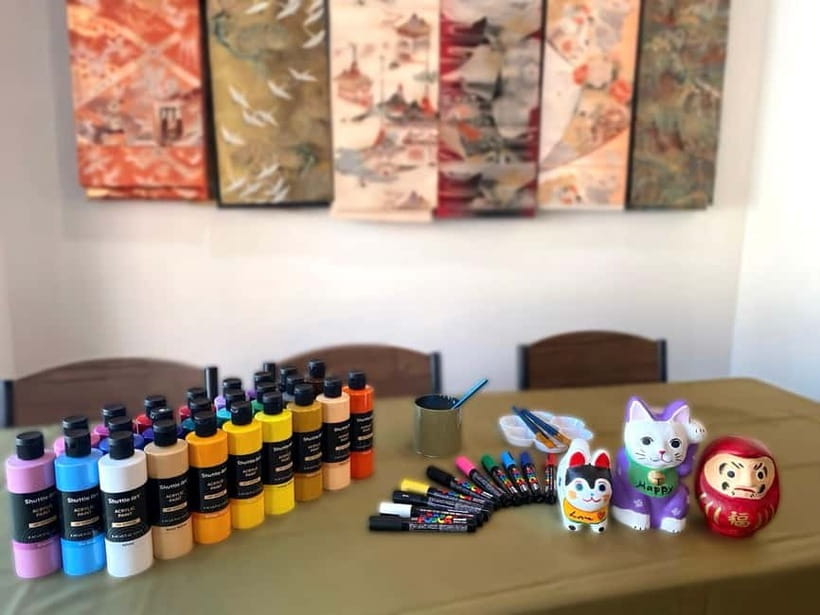
- Small group setting (up to 4 people) keeps it relaxed and easy to ask questions
- Papier-mâché figurines get built for you, then you paint in your own style
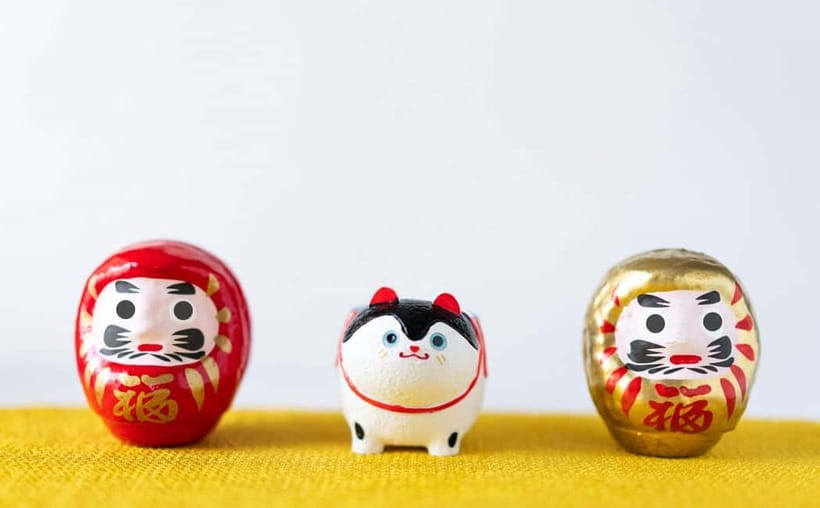
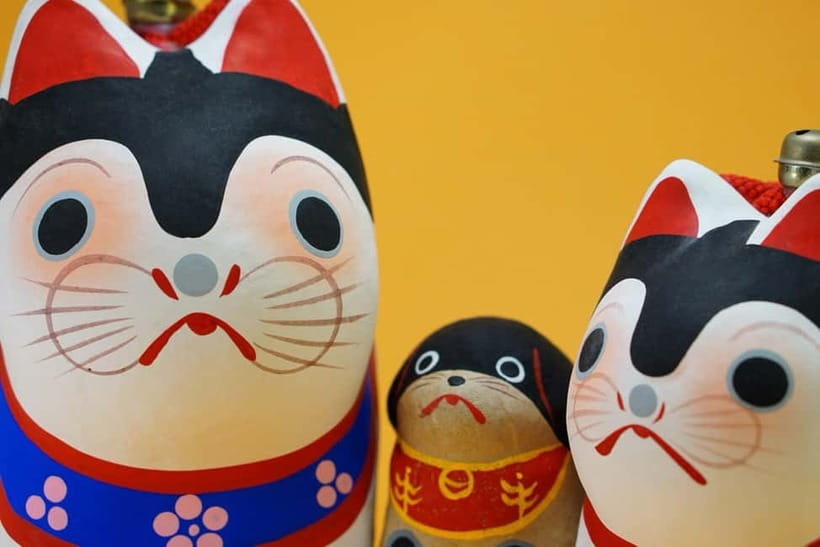
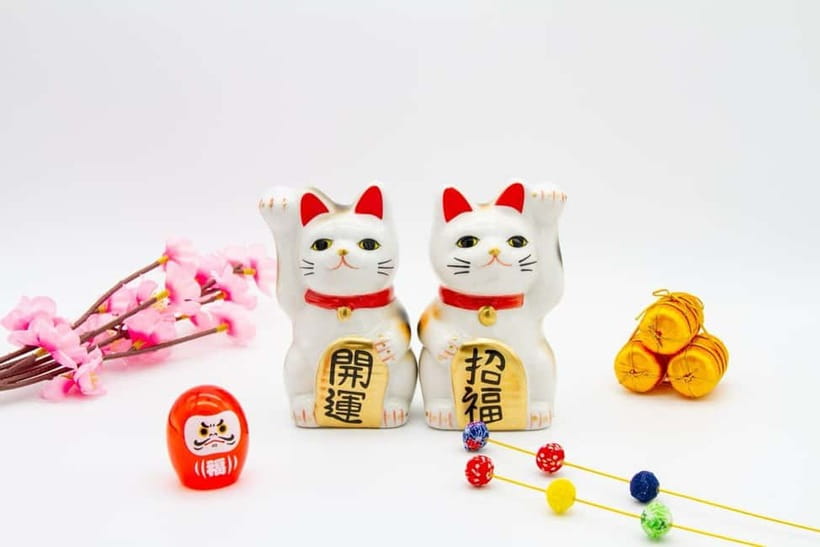
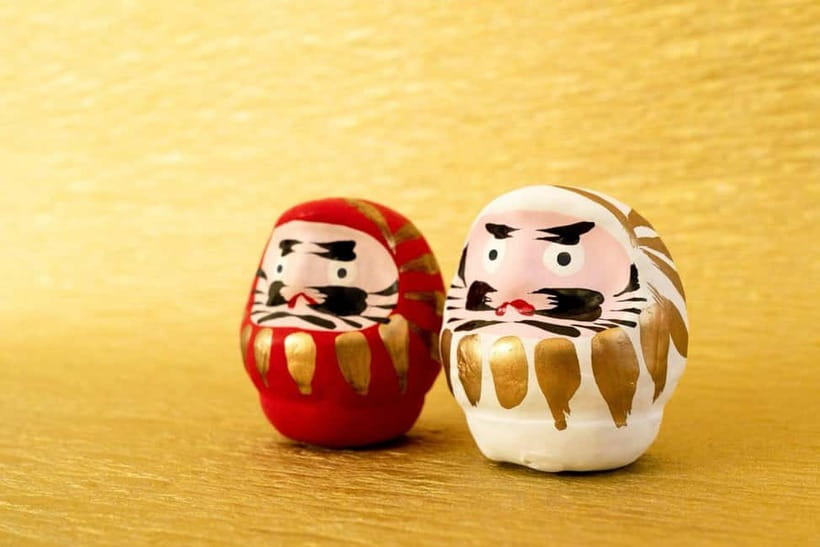
- You can choose a design theme like Daruma, lucky cat, dog, or Kitsune (fox)
- Tea and Japanese sweets are included, so it feels like a cultural break, not a rushed class
- You’ll learn symbolism behind the forms, plus pointers for nearby temples and shrines
- English-speaking instructor makes the experience comfortable for non-Japanese speakers
A Small Workshop Where You Paint a Daruma You Actually Made
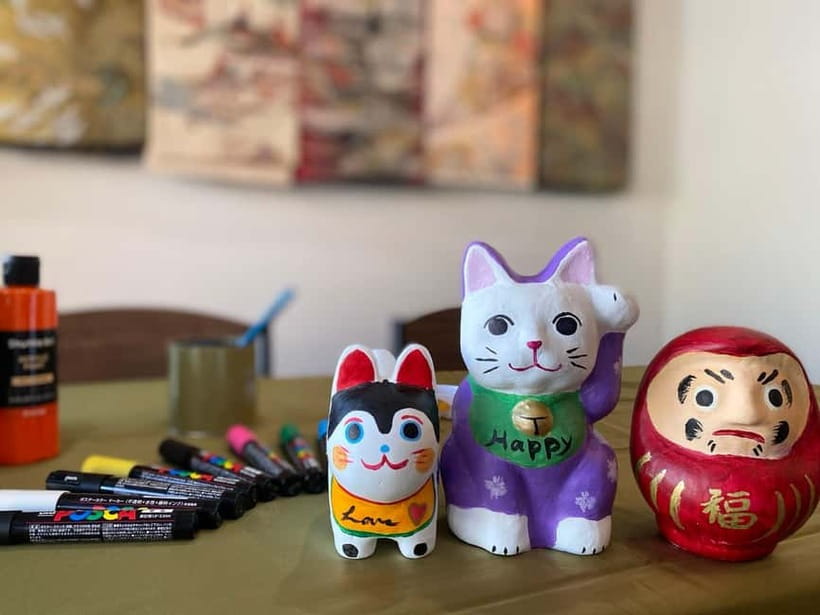
This is the kind of activity that fits perfectly between temple days, because it gives your hands something to do. In about 2 hours, you go from plain papier-mâché to a one-of-a-kind figurine, and you leave with a souvenir that has real personality, not just a purchased sticker.
The shop itself matters. It’s a newly renovated boutique workshop, not a big factory floor or a crowded tourist studio. Reviews point to a peaceful pace, and I think that’s the secret ingredient. When someone lets you work without hurrying, your painting looks better because you’re calm enough to slow down.
You also get something that’s harder to buy in Kyoto: a small moment of local craft life. The instructor is an artist and crafts master, and you’ll usually be able to talk with her during the session. That human side is why this works as both a rainy-day plan and a thoughtful break on a busy itinerary.
Also on the shortlist for Kyoto:
- PERFECT KYOTO 1-Day Bus Tour
★ 5.0 · 13,518 reviews - Kyoto: Fushimi Inari, Kinkakuji, Bamboo Grove 1 Day Bus Tour
★ 4.8 · 4,316 reviews - Kyoto: Tea Ceremony in a Traditional Tea House in Kiyomizu
★ 4.9 · 3,519 reviews
What You Create: Daruma, Lucky Cat, Dog, and Kitsune Figurines
You’re not just painting on a flat canvas. You’ll work with a papier-mâché figurine, and the workshop focuses on familiar Japanese shapes that people connect with luck, perseverance, and good fortune.
Based on the activity description, you can paint:
- Daruma (the classic perseverance doll look)
- A beckoning cat / lucky cat style figurine
- Dog figurines
- Kitsune (fox) figurines
The best part for you, even if you are not an artist, is that you can personalize it. The guidance is there, but you are not forced into one strict design. You decide the face, the colors, and the overall vibe.
I also like that you learn what the forms mean. When you understand why a Daruma is associated with goals and persistence, your figurine stops being random decoration. It becomes a small story you carry home.
The 2-Hour Flow, From Welcome Tea to Take-Home Paintwork
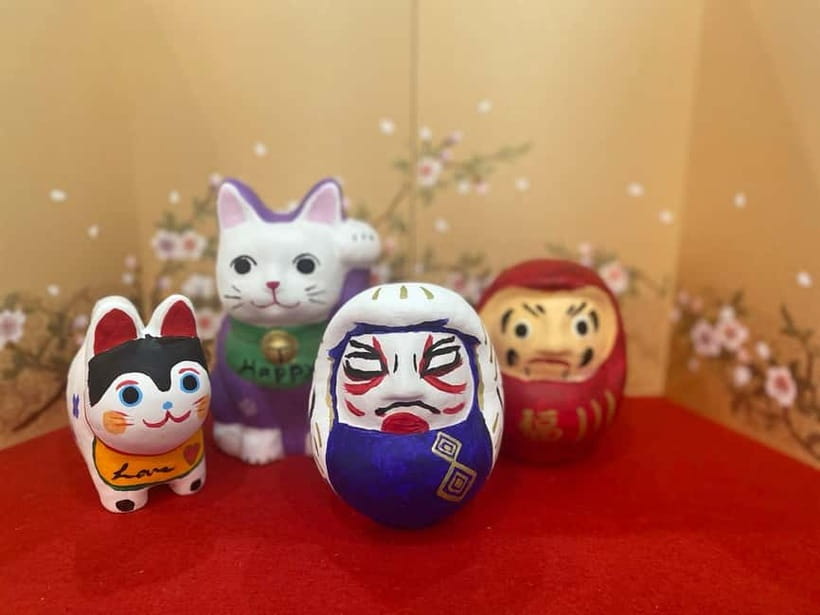
Let’s talk timing, because a short class can either feel efficient or feel rushed. Here, the structure is simple and gives you enough space for detail.
When you arrive, enter the workshop, and your host will greet you. This is good to know because you’re not hunting for a numbered meeting point around the corner. The host is expecting you inside.
Then the session settles in with a relaxed workshop format:
- Welcome drink and Japanese confectionery
You get a complimentary drink plus traditional Japanese sweets of your choice. This small pause helps you switch from street walking into craft mode. If you are doing Kyoto on a tight schedule, you’ll appreciate having a built-in break.
- Hands-on crafting and painting guidance
You paint your papier-mâché figurine with the help of the instructor. You don’t need prior skill, and you can go slow. Some people prefer gentle suggestions, others want more direction. You can usually get help without feeling hovered.
- Learning the symbolism as you work
You’ll pick up meaning behind these traditional shapes while you paint. This is where the class becomes more than craft therapy. You’re getting cultural context in real time, not in a lecture.
- Finish and take it with you
Your creation becomes the souvenir. That matters because you are not just paying for a moment, you’re collecting something you made and carried through Kyoto.
Small group class size is part of why this flows well. With up to 4 participants, you get attention when you need it, yet you can still keep your own pace.
Daruma Meaning and How It Connects to Kyoto Temple Visits
Kyoto can feel overwhelming when you jump from one shrine gate to the next. This workshop gives your brain a different kind of anchor. Even though the class is inside the craft shop, the instructor typically brings in local context and often talks about nearby temples and shrines in the surrounding areas.
You can use that information later. When you understand the symbolism behind a Daruma or a kitsune fox, you start noticing how these ideas show up in everyday Kyoto life, from shop charms to shrine details. And when someone points you toward temples or shrines nearby, you can plan your next walk with more confidence.
If you like to travel with a theme, this is an easy one. You are literally carrying your theme home in your hands. Every time you look at the figurine after your trip, it reminds you to connect the places you visited with the meanings behind them.
A change of pace from Kyoto:
- Kyoto Geisha Walking Tour: Gion District & Hidden Gems
★ 4.7 · 3,273 reviews - Kyoto: Tea Ceremony Ju-An at Jotokuji Temple
★ 4.9 · 3,207 reviews - Kyoto: Gion Magical Night Walking Tour with Geisha Trivia
★ 4.9 · 2,393 reviews - Kyoto: 45-Minute Tea Ceremony Lesson Experience
★ 4.3 · 2,378 reviews
Price and Value: Why $25 Can Feel Like a Bargain
At $25 per person, this is priced like a small activity, not a big tour. But the value comes from what’s included and what you take home.
Here’s what you get for that price:
- All necessary materials for the crafting and painting process
- The workshop space and a local crafts master/instructor
- Complimentary drink and traditional Japanese confectionery
- A figurine you make yourself, which becomes a take-home keepsake
In practical terms, it’s good value because you avoid the common Kyoto problem of buying a souvenir that looks nice but does not feel personal. Instead, you leave with something that has your choices built into it, even if your painting style is simple.
Also, small group format usually changes the experience. Paying the same as a larger group matters less here because you are not just sitting and watching. You are doing, and you get time for questions.
If you like flexible planning, the workshop also offers options like free cancellation up to 24 hours in advance and a reserve now, pay later style booking. Those things don’t make the art better, but they reduce stress when you’re building a daily route.
Who This Workshop Fits Best in Your Kyoto Plan
This is one of those activities that works for a wide range of travel styles.
It’s a strong choice if:
- You want a rainy day indoor plan that still feels distinctly Japanese
- You’re traveling with kids, because it works without prior skill
- You and a partner want a quieter, intimate activity
- You prefer small groups over big bus tours
One review-style pattern you’ll notice in the class vibe is how welcoming it feels even when it’s only two people. A small group of 3 or even 2 tends to make conversation easier, and it’s more fun when you can ask questions about meaning and local area.
It’s also a good fit for older adults. The session is hands-on but not technical, and you’re not required to perform or memorize anything.
If you’re the kind of traveler who likes photos, you’ll get them too, but I’d treat this as a craft memory first and a photo moment second. The best souvenirs are the ones you made slowly.
Practical Tips for Painting, Rain, and Carrying Your Creation
A short class is easy to fit into a schedule, but you still need a few practical tricks.
1) Protect your figurine from rain when you leave.
One helpful detail from real experience is that acrylic paint can be sensitive right after painting. If Kyoto weather is wet, cover your work on the walk out and give it time to settle before handling roughly.
2) Bring a calm mindset.
The workshop works best when you let yourself relax. The point is creative play, not speed. If you go in trying to finish in a hurry, you’ll rush your own design.
3) Ask for help when you actually need it.
The instructor is encouraging and patient, but the best results often come when you request suggestions for specific questions, like paint consistency or how to add a feature.
4) Plan for a take-home object.
You are carrying a finished keepsake. Hold it securely and keep it away from heavy bags. Think of it like carrying a small fragile gift for your future self.
If you’re staying central, this is still manageable because it’s in the heart of Kyoto, but it’s smart to build it into a day where you’re not dashing across town immediately after class.
Final Thoughts: Should You Book This Daruma Craft Workshop?
I’d book it if you want a Kyoto experience that is hands-on, calm, and personal. For the small group size, the included drink and sweets, and the fact that you take home a figurine you painted yourself, it’s a very satisfying use of 2 hours.
Skip it only if you are strictly looking for a structured sightseeing route with fixed temple stops. This is a craft workshop with cultural meaning and local context, not a full-day guided tour.
FAQ
What is the price of the Kyoto Daruma craft and painting workshop?
The workshop costs $25 per person.
How long is the activity?
The session lasts 2 hours.
Do I need any prior experience to paint the figurines?
No prior experience or skills are required. It is suitable for all skill levels.
What will I make and paint during the workshop?
You will create and paint a papier-mâché figurine, such as a Daruma, lucky cat, dog, or Kitsune (fox).
What’s included in the price?
Included items are a complimentary drink, traditional Japanese confectionery, all necessary materials, and guidance from a local crafts master.
Is the workshop taught in English?
Yes, the instructor speaks English.
How big is the group?
The group is small, limited to 4 participants.
Where do I meet the host?
Please enter the workshop upon arrival. Your host will be waiting to greet you.
Latest write-ups near Kyoto
- Kyoto Private Tour Full Day with Local Guide&Nara Option(PerGroup★ 5.0 · 20 reviews
- Sacred Pathways: Discover the Philosopher’s Path of Kyoto★ 4.9 · 20 reviews
- Hammer Pattering Experience of Ring★ 5.0 · 20 reviews
- Kyoto UNESCO World Heritage Site Private Tour with a Premium Van★ 5.0 · 20 reviews
- KYOTO: Private Tea Ceremony in Hidden Townhouse (Kid-Friendly)★ 5.0 · 20 reviews
- Sushi or Traditional Japanese Cuisine in a Kyoto Home with Emika★ 5.0 · 20 reviews
- The Kyoto VIP Experience!★ 5.0 · 20 reviews
- Kyoto Customized Private Tour: See Top Attractions in 1 Day★ 4.7 · 20 reviews
Workshops, compared.

Sushi Making Tokyo Roll and Authentic Japanese Sushi Class
Read our review →
Roll and Authentic Sushi Making Class in Asakusa
Read our review →
Ramen Cooking Class at Ramen Factory in Kyoto
Read our review →
Sushi Making Class in a Happi Coat near a Famous Spot
Read our review →

Sushi Making Osaka Roll and Authentic Japanese Sushi Class
Read our review →Browse the lists this tour appears in